The best traffic-free bike rides in East Dunbartonshire
4.5
(738)
23,016
riders
60
rides
Road cycling in East Dunbartonshire offers diverse terrain, from tranquil canal paths to challenging hill climbs. The region features rolling farmlands, woodlands, and significant watercourses like the Forth and Clyde Canal, providing varied scenic routes. Prominent hill ranges such as the Campsie Fells and Kilpatrick Hills offer rewarding ascents and panoramic views. This landscape ensures a rich experience for road cyclists seeking no traffic routes.
Best no traffic road cycling routes in East Dunbartonshire
- The most popular no traffic road cycling route is Forth and Clyde Canal Towpath – Stockingfield Junction Bridge loop from Lenzie, a 16.2 miles (26.1 km) trail that takes 1 hour 4 minutes to complete. This route follows the flat, paved surfaces of the canal towpath, offering a gentle ride.
- Another top favourite among local road cyclists is View of the Campsie Fells – Hungryside Bridge loop from Lenzie, a moderate 13.7 miles (22.1 km) path. It provides scenic views towards the Campsie Fells and traverses varied countryside.
- Local road cyclists also love the Kelvin Aqueduct – Stockingfield Junction Bridge loop from Bishopbriggs, a 12.3 miles (19.8 km) trail leading through areas near the Kelvin Aqueduct, often completed in about 50 minutes.
- Road cycling in East Dunbartonshire is defined by canal towpaths, rolling farmlands, and views of the Campsie Fells, with options for both easy, leisurely rides and more moderate routes. The network offers options for different ability levels.
- The routes in East Dunbartonshire are highly rated by the komoot community with an average score of 4.6 stars from over 50 reviews. More than 4000 road cyclists have used komoot to explore East Dunbartonshire's varied terrain.
Last updated: July 11, 2026
5.0
(4)
173
riders
Moderate road ride. Great for any fitness level. Some segments of this route may be unpaved and difficult to ride.
4.5
(2)
58
riders
20.8km
00:51
80m
80m
Easy road ride. Great for any fitness level. Mostly well-paved surfaces and easy to ride.

Sign up for free
45
riders
Easy road ride. Great for any fitness level. Mostly well-paved surfaces and easy to ride.
5.0
(14)
89
riders
32.6km
01:40
290m
290m
Easy road ride. Great for any fitness level. Mostly well-paved surfaces and easy to ride.
29
riders
15.0km
00:46
90m
90m
Easy road ride. Great for any fitness level. Mostly well-paved surfaces and easy to ride.
Get access to more routes and recommendations from other explorers.
Sign up for free
Already have an account?
Our route recommendations are based on thousands of hikes, rides, and runs completed by other people on komoot.
Start today with a free account
Your next adventure awaits.
Login or Signup
Popular around East Dunbartonshire

Traffic-free bike rides around Bardowie Loch
Traffic-free bike rides around Antermony Loch
Traffic-free bike rides around Kirkintilloch
Running the West Highland Way – Scotland's Great Trails
The John Muir Way — A conservationist's Scottish coast to coast
The Faultline Trail — Scotland tip to tip
Cycling the John Muir Way — Across Scotland by canal and coastline
Great North Trail — From the Pennine Hills to the tip of Scotland
West Highland Way – Mountain biking
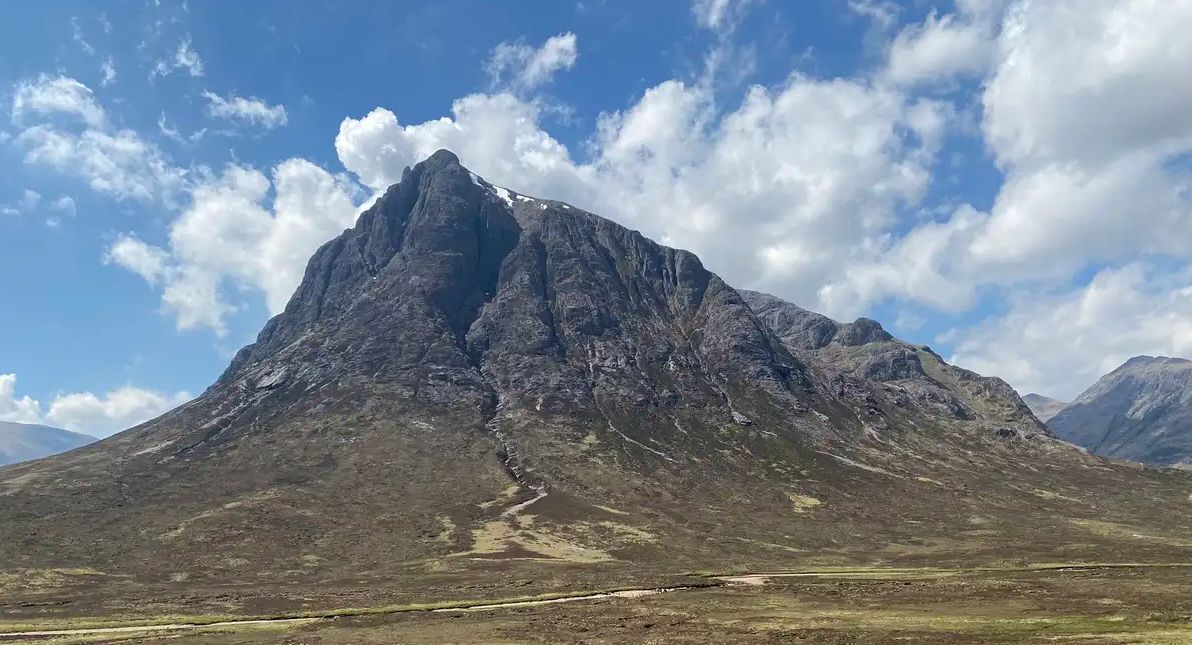
West Highland Way — Hike Scotland's most iconic long distance trail
Other adventures in East Dunbartonshire


Tips from the Community

The Stewart Memorial Fountain in Kelvingrove Park in Glasgow was erected in 1872 and commemorates Lord Provost Robert Stewart, who drove forward the city's modern water supply. The richly decorated fountain in Neo-Gothic style was designed by James Sellars and created with sculptures by John Mossman. It symbolizes Glasgow's successful supply of clean drinking water from Loch Katrine and thus an important advance for the health of the population. Today it is considered one of the most important monuments in the park.
0
0

One of the most interesting bridges I've ever seen—in my opinion, an architectural masterpiece, magnificent..👍👍
1
0
Cycling along a canal has always been our thing... The old towpaths are being integrated into the cycle paths, which for us cyclists means always cycling along the water.
0
0

Cadder Parish Church of Scotland. There's a carpark next to the canal so you can start/finish the walk there, or further along the canal
0
0

On a nice day it’s the perfect little spot to take a wee break and grab a bite or a drink. It’s situated right on the tow path so you don’t need to worry about finding it!
0
0

Hungryside Bridge is a lifting bridge carrying Torrance Road over the Forth and Clyde Canal.
0
0
The Forth and Clyde Canal was constructed in 1790. It was successful initially but closed in the 1960s. Today it's a leisure destination with a brilliant towpath making an ideal cycling outing.
1
0

Stockingfield Junction is a spot along the canal between Maryhill and Ruchill in Glasgow, Scotland. It first opened back in 1777, closed in 1963, and was later restored and reopened in 2022. Originally, it served as a terminus before becoming the junction for the Port Dundas branch off the main line of the Forth and Clyde Canal from 1777.
4
1
Frequently Asked Questions
How many traffic-free road cycling routes are available in East Dunbartonshire?
East Dunbartonshire offers a good selection of traffic-free road cycling routes, with 16 tours available in this guide. These routes cater to various fitness levels, ensuring there's something for everyone.
Are there any easy or beginner-friendly traffic-free road cycling routes?
Yes, East Dunbartonshire has 8 easy routes perfect for beginners or those seeking a relaxed ride. Routes like the Kelvin Aqueduct – Stockingfield Junction Bridge loop from Bishopbriggs or the Kelvin Aqueduct – Stockingfield Junction Bridge loop from Westerton offer gentle gradients and pleasant scenery, often following canal paths.
What is the best time of year for traffic-free road cycling in East Dunbartonshire?
Spring and summer generally offer the most pleasant conditions for cycling in East Dunbartonshire, with milder weather and longer daylight hours. Autumn can also be beautiful with changing foliage. While some routes, especially canal paths, are accessible year-round, be mindful of potential ice or wet conditions in winter.
Can I find circular traffic-free road cycling routes in the area?
Absolutely. Many of the traffic-free routes in East Dunbartonshire are designed as loops, allowing you to start and finish at the same point. Examples include the Forth and Clyde Canal Towpath – Stockingfield Junction Bridge loop from Lenzie and the View of the Campsie Fells – Hungryside Bridge loop from Lenzie.
Are the canal towpaths suitable for road bikes?
The Forth and Clyde Canal towpath offers mostly paved, flat surfaces, making it generally suitable for road bikes. Routes like the Forth and Clyde Canal Towpath – Stockingfield Junction Bridge loop from Lenzie are excellent choices for a smooth, scenic ride along the water.
What attractions or landmarks can I see along these routes?
Many routes incorporate scenic views and points of interest. You can cycle past the historic Forth and Clyde Canal Towpath itself, or enjoy views of the Campsie Fells. The West Highland Way Starting Obelisk (Milngavie) is also accessible near some routes, offering a notable landmark.
Are there any challenging traffic-free road cycling options for experienced riders?
While the focus is on traffic-free, some routes offer more sustained efforts. For experienced riders looking for a challenge, the region's proximity to the Campsie Fells means you can find rewarding climbs nearby, such as the Crow Road Climb from Lennoxtown, though this specific climb may involve some traffic. Within the traffic-free context, routes with slightly more elevation gain like the Kelvin Aqueduct – Stockingfield Junction Bridge loop from Bishopbriggs offer a moderate workout.
Where can I find parking for these traffic-free routes?
Parking is available at various access points along the Forth and Clyde Canal and near the Strathkelvin Railway Path. Many routes start from towns like Lenzie, Bishopbriggs, or Westerton, which offer local parking facilities. For more detailed information on local car parks, you can consult the East Dunbartonshire Council's walking and cycling resources.
Is public transport accessible to these cycling routes?
Yes, many routes are accessible via public transport. Towns like Kirkintilloch, Lennoxtown, and Milngavie, which serve as starting points for several routes, have bus services and train stations (Milngavie). The Strathkelvin Railway Path, for instance, is easily reached from Kirkintilloch and Lennoxtown.
What do other cyclists enjoy most about road cycling in East Dunbartonshire?
The komoot community highly rates the cycling experience in East Dunbartonshire, with an average score of 4.59 stars from 54 ratings. Cyclists frequently praise the peaceful, traffic-free nature of the routes, the scenic canal paths, and the beautiful views of the Campsie Fells.
Are there cafes, pubs, or accommodation options near the routes?
Yes, the towns and villages along or near these routes, such as Kirkintilloch, Lennoxtown, Lenzie, and Bishopbriggs, offer a range of amenities including cafes, pubs, and accommodation. The Forth and Clyde Canal Towpath, in particular, passes through areas with convenient stops for refreshments.
Are dogs allowed on the traffic-free cycling paths?
Generally, dogs are permitted on a lead on most public paths, including the Forth and Clyde Canal Towpath and the Strathkelvin Railway Path. However, always ensure your dog is under control and be considerate of other path users. It's advisable to check specific local regulations if you have any concerns.
Most popular routes in East Dunbartonshire
Most popular attractions in East Dunbartonshire

Get inspired with the komoot mobile app


Didn’t find what you were looking for?
Check out more Road cycling routes throughout East Dunbartonshire below and find the perfect route in your destination.
Explore more
Browse the best Road cycling routes in other regions.
