The best hikes from bus stations in Gotland
4.5
(667)
3,144
hikers
39
hikes
Hiking in Gotland offers diverse landscapes, characterized by its unique limestone geology, extensive coastline, and varied forests. The island features dramatic sea stacks, known as rauks, along its shores, alongside sandy beaches and rugged cliffs. Inland, the terrain is largely flat to gently rolling, with ancient forests, open meadows, and numerous nature reserves. This combination provides a range of trails suitable for different hiking preferences and abilities.
Best bus station hiking trails in Gotland
- The most popular bus station hiking…
Last updated: August 25, 2026
5.0
(5)
22
hikers
5.27km
01:24
60m
60m
Easy hike. Great for any fitness level. Easily-accessible paths. Suitable for all skill levels.
5.0
(2)
5
hikers
6.76km
01:44
30m
20m
Easy hike. Great for any fitness level. Easily-accessible paths. Suitable for all skill levels.

Sign up for free
4.8
(247)
1,281
hikers
Moderate hike. Good fitness required. Easily-accessible paths. Suitable for all skill levels.
4.5
(2)
3
hikers
11.2km
02:50
30m
30m
Moderate hike. Good fitness required. Easily-accessible paths. Suitable for all skill levels.
4.6
(11)
70
hikers
7.96km
02:07
90m
90m
Moderate hike. Good fitness required. Easily-accessible paths. Suitable for all skill levels.
Get access to more routes and recommendations from other explorers.
Sign up for free
Already have an account?
Our route recommendations are based on thousands of hikes, rides, and runs completed by other people on komoot.
Start today with a free account
Your next adventure awaits.
Login or Signup
Popular around Gotland






Other adventures in Gotland

Tips from the Community

The city wall is one of the best-preserved city walls in Sweden. The 3.2 km long wall extends almost completely around the entire city.
0
0


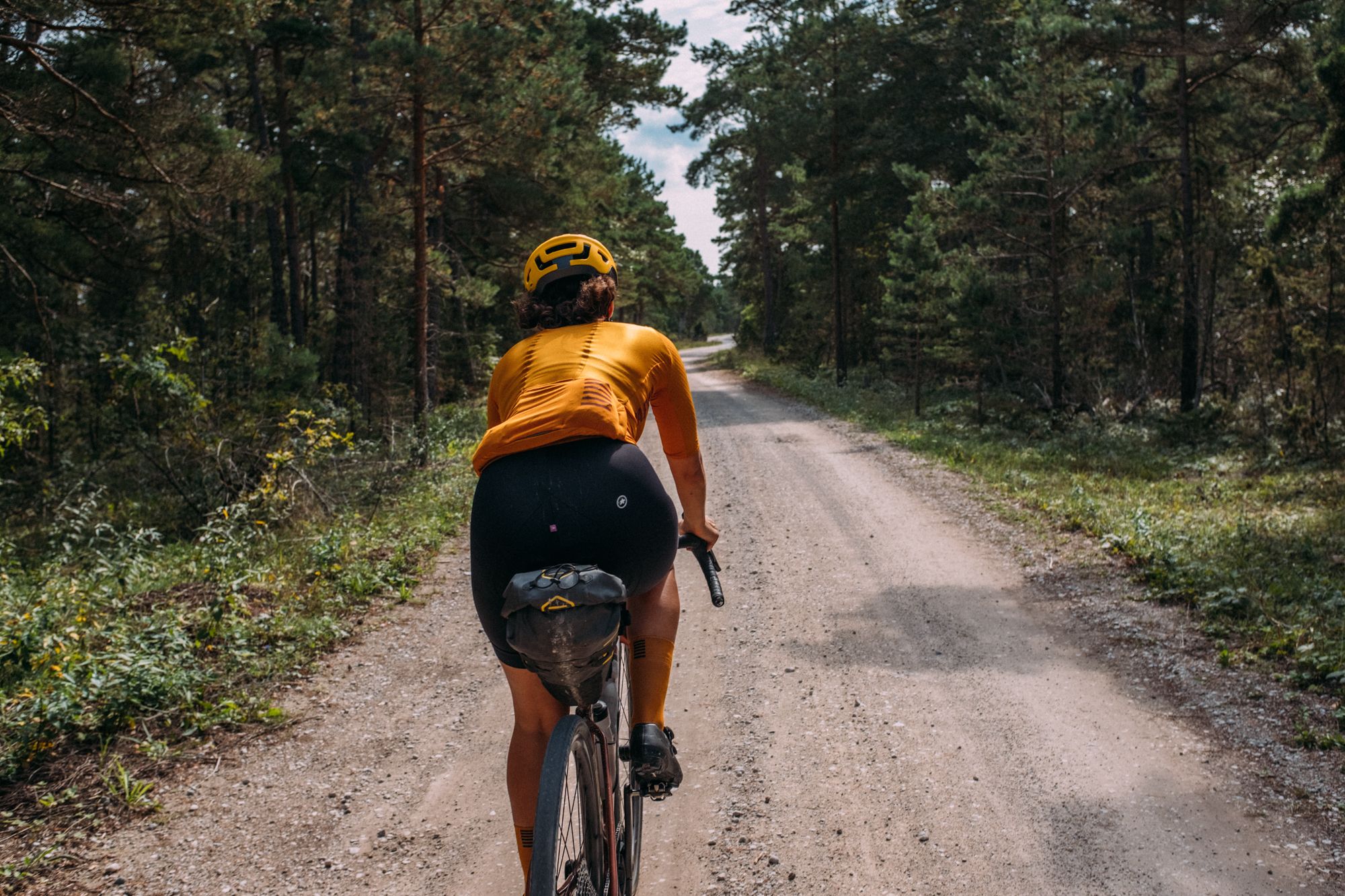
This forest trail leads through the varied landscapes of Södra Hällarna Nature Reserve, from wind-shaped pine forests to more sheltered woodland. It’s a calm and scenic stretch, offering a nice contrast to the open coastal sections nearby.
0
0

A medieval Christmas market always takes place on the second weekend of Advent. It was a different kind of Christmas market, definitely worth a visit.
1
0

Södra Hallarna is a nature reserve. The coast is characterized by high limestone cliffs rising up to 30 meters above sea level. Numerous raukars, natural limestone columns formed by erosion, are found here, representing a geological highlight. The hiking trail is part of the Gotlandsleden, a marked long-distance hiking trail that circles the island. The area offers a diverse dry grassland flora on the limestone soils, including rare orchid species in spring. Along the trail, evidence of the Stone and Bronze Ages can be found in the form of burial sites and settlement remains. The hike offers unobstructed views of the open Baltic Sea and, on a clear day, as far as the island of Öland.
2
0
The church ruins are located in Visby. The church and the associated monastery were founded in 1233 by the Franciscan order, founded in 1210, and completed around 1250. After its conquest by the Lübeckers in 1525, the church fell into disrepair. The monastery remained relatively modest. The number of monks probably hovered around the required number of thirteen.
3
0
The complex received the name Dalmanstornet in 1784, when the tower was converted into a granary on the orders of the local lieutenant governor Dalman.
2
0
Frequently Asked Questions
How many bus station hiking trails are available in Gotland?
There are over 35 hiking routes in Gotland that are easily accessible from bus stations, offering a variety of experiences for all skill levels. These trails range from easy strolls to more challenging moderate hikes.
What are some popular natural features I can expect to see on bus-accessible hikes in Gotland?
Gotland's bus-accessible trails often lead to its unique natural features. You can explore dramatic limestone sea stacks known as rauks, particularly along coastal paths. Many routes also traverse ancient forests, open meadows, and diverse nature reserves. For example, the area around Södra Hällarna Nature Reserve near Visby offers coastal views and marshy forests.
Are there any family-friendly hiking routes accessible by bus in Gotland?
Yes, Gotland offers several family-friendly options. Many trails are relatively flat, making them suitable for children. Look for routes with shorter distances and minimal elevation gain. The Herrvik Roundtrip is an easy, circular route that could be a good choice for families.
Can I bring my dog on these bus-accessible hiking trails in Gotland?
Generally, dogs are welcome on most hiking trails in Gotland, provided they are kept on a leash, especially in nature reserves and during bird breeding seasons. Always check local regulations for specific areas. Public transport rules for dogs may vary, so it's advisable to confirm with the bus operator before your trip.
What kind of landmarks or attractions can I find along bus station hiking trails in Gotland?
Many trails offer a blend of natural beauty and historical sites. Near Visby, for instance, you can explore medieval ruins like St. Lars Ruin or Saint Catherine's Church Ruins, and the impressive Visby Cathedral. Coastal routes might lead you past old fishing villages or dramatic cliff formations such as the Högklint Cliffs.
What is the best time of year to hike in Gotland from bus stations?
The best time for hiking in Gotland is typically from late spring to early autumn (May to September). During these months, the weather is milder, wildflowers are in bloom, and bus services are generally more frequent, especially to popular tourist areas and trailheads. Summer offers the warmest temperatures, while spring and autumn provide vibrant colors and fewer crowds.
Are there any circular hiking routes accessible by bus in Gotland?
Yes, several circular routes are accessible from bus stops, allowing you to start and end your hike at the same point without needing to retrace your steps. The Visby City Wall loop from Södra hällarnas naturreservat is a great example of a moderate circular hike that offers diverse scenery.
What is the typical difficulty level of bus-accessible hikes in Gotland?
Gotland's terrain is largely flat to gently rolling, making many trails accessible for various fitness levels. Approximately half of the bus-accessible routes are rated as easy, with another half being moderate. There are also a few more challenging options for experienced hikers. Most trails have minimal elevation gain, with the highest point on the island being only 82 meters (269 ft) above sea level.
What do other hikers enjoy most about hiking in Gotland?
The komoot community highly rates hiking in Gotland, with an average score of 4.6 stars. Reviewers often praise the island's unique and diverse landscapes, from the dramatic rauk fields and rugged coastlines to the peaceful forests and charming medieval towns. The accessibility of trails via public transport is also frequently highlighted as a major benefit.
Are there any specific long-distance trails in Gotland that can be accessed by bus?
Yes, parts of Gotland's long-distance trails, such as the Klintkustleden and Östkustenleden, can be accessed via local bus services. While these trails are extensive, you can plan day hikes along sections that have convenient bus stops, allowing you to experience their unique coastal and inland scenery without committing to the full multi-day journey.
Do I need any special permits to hike in Gotland's nature reserves?
Generally, no special permits are required for hiking in Gotland's nature reserves. However, visitors are expected to follow the 'Right of Public Access' (Allemansrätten), which includes respecting nature, not disturbing wildlife, and leaving no trace. Specific rules for each reserve, such as those regarding camping or fires, are usually posted at the entrance.
Most popular routes in Gotland
Most popular attractions in Gotland

Get inspired with the komoot mobile app


Didn’t find what you were looking for?
Check out more Hikes throughout Gotland below and find the perfect route in your destination.
Explore more
Browse the best Hikes in other regions.
