The best city hikes and walks in Albula
4.7
(10809)
87,299
hikers
1
hike
Urban hiking trails in Albula offer a blend of cultural heritage and natural landscapes within the Grisons Alps. The region is characterized by historic villages, river valleys, and impressive engineering marvels like the Rhaetian Railway. These routes often traverse through traditional townscapes, alongside rivers, and past significant landmarks, providing accessible exploration of the area's urban environments.
Best urban hiking trails in Albula
- The most popular urban hiking route is Chur – Chur Town Hall loop from Chur, a 3.6 miles (5.9 km) trail that takes 1 hour 31 minutes to complete, exploring the historic center of Chur.
- Another top favourite among local hikers is St. Moritz Town Hall – View of Lake St. Moritz loop from St. Moritz, an easy 1.7 miles (2.7 km) path offering views of Lake St. Moritz and the town hall.
- Local hikers also love the Chur – Across the Rhine loop from Chur Altstadt, a 7.0 miles (11.2 km) trail leading through urban areas and across the Rhine, often completed in about 2 hours 53 minutes.
- Hiking in Albula is defined by historic town centers, river paths, and views of surrounding hills, with options for different ability levels.
- The routes in Albula are highly rated by the komoot community with an average score of 4.6 stars from over 2700 reviews. More than 22000 hikers have used komoot to explore Albula's varied terrain.
Last updated: July 2, 2026
3.3
(4)
42
hikers
6.05km
01:34
40m
40m
Easy hike. Great for any fitness level. Easily-accessible paths. Suitable for all skill levels.
4.4
(5)
51
hikers
Easy hike. Great for any fitness level. Easily-accessible paths. Suitable for all skill levels.

Sign up for free
5.0
(1)
21
hikers
11.2km
02:53
50m
50m
Moderate hike. Good fitness required. Easily-accessible paths. Suitable for all skill levels.
4.4
(7)
48
hikers
Easy hike. Great for any fitness level. Easily-accessible paths. Suitable for all skill levels.
4.5
(4)
13
hikers
Easy hike. Great for any fitness level. Easily-accessible paths. Suitable for all skill levels.
Our route recommendations are based on thousands of hikes, rides, and runs completed by other people on komoot.
Start today with a free account
Your next adventure awaits.
Login or Signup
Popular around Albula
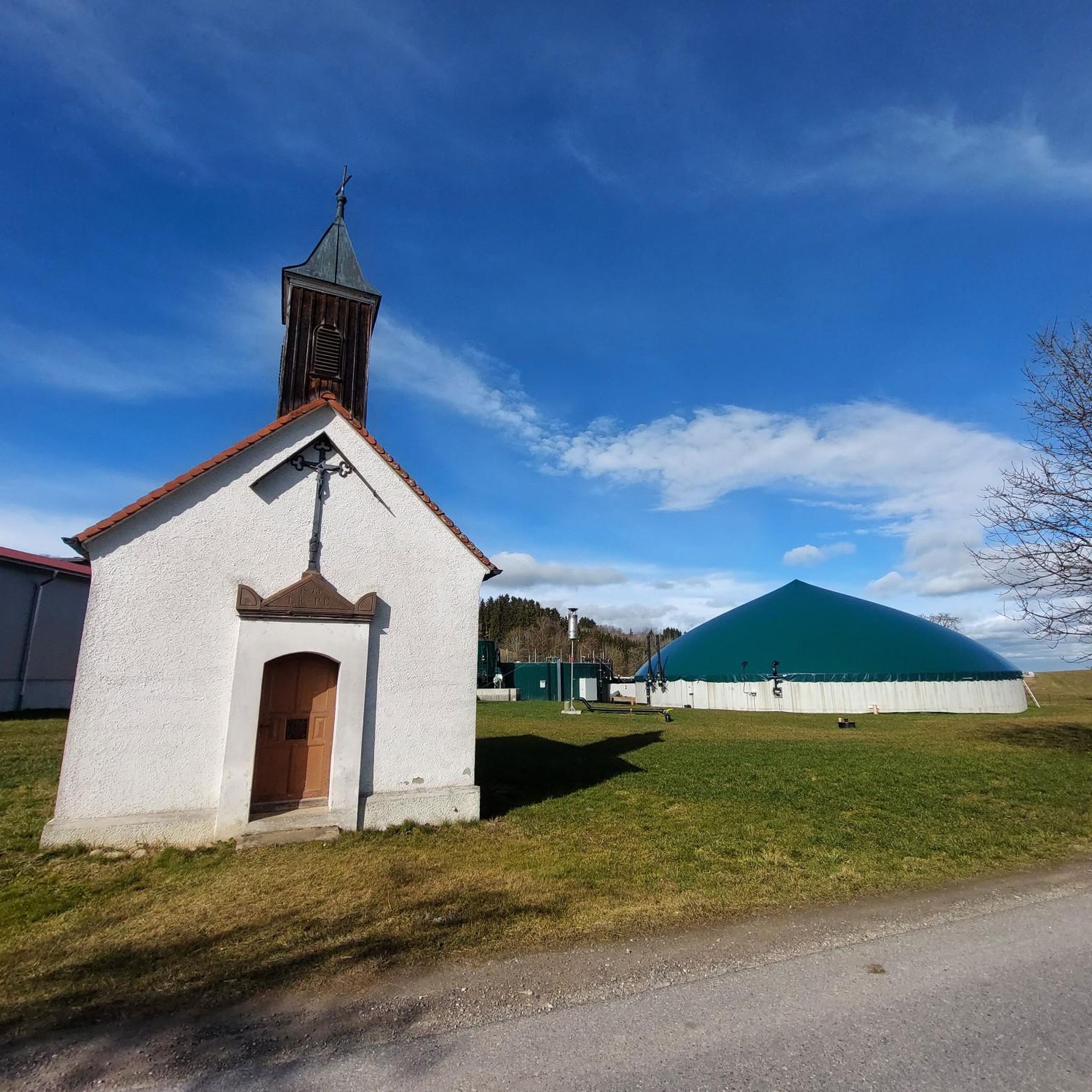
City hikes around Parc Ela
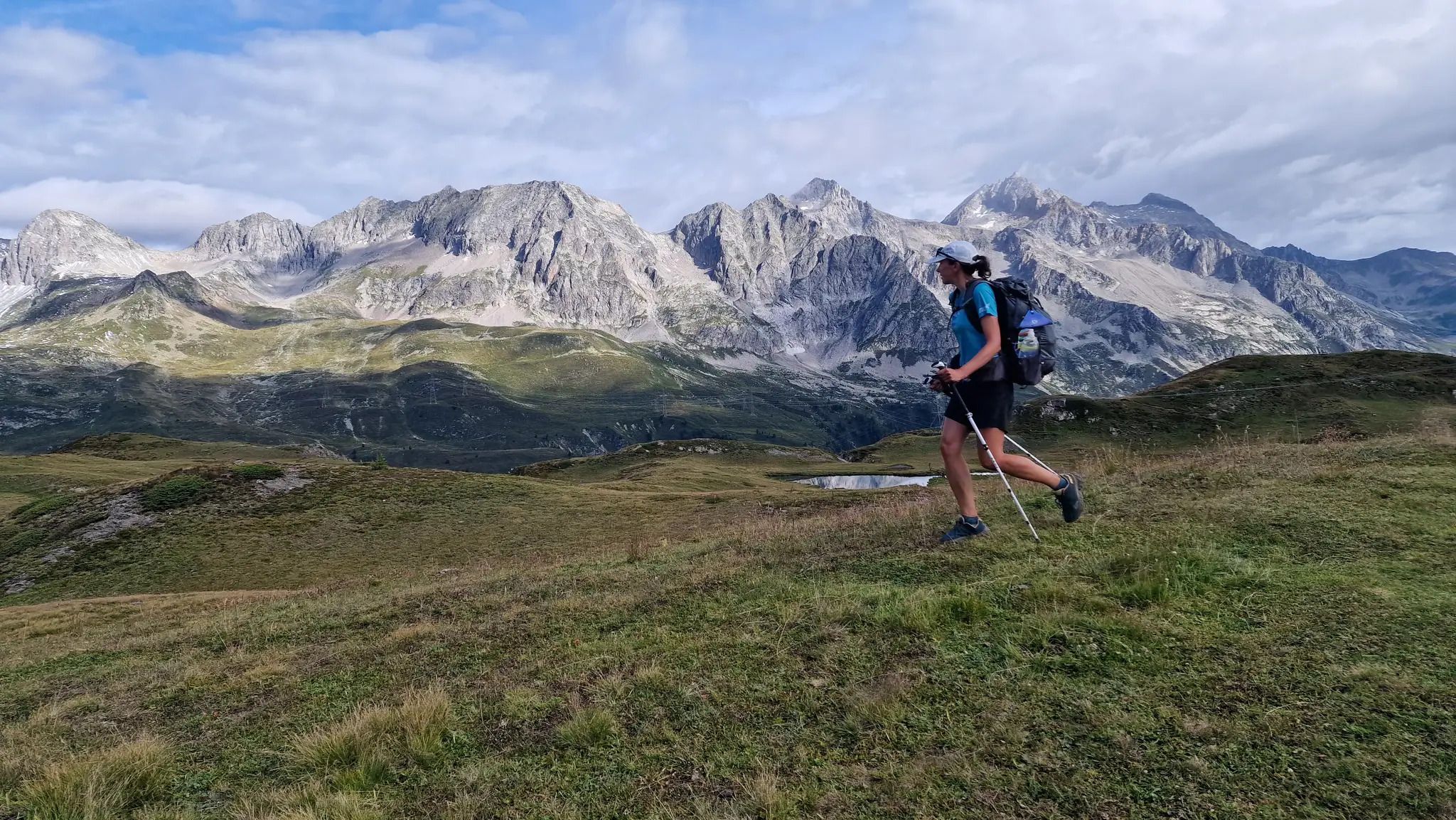
Alpine Passes Trail – hiking 700km across Switzerland
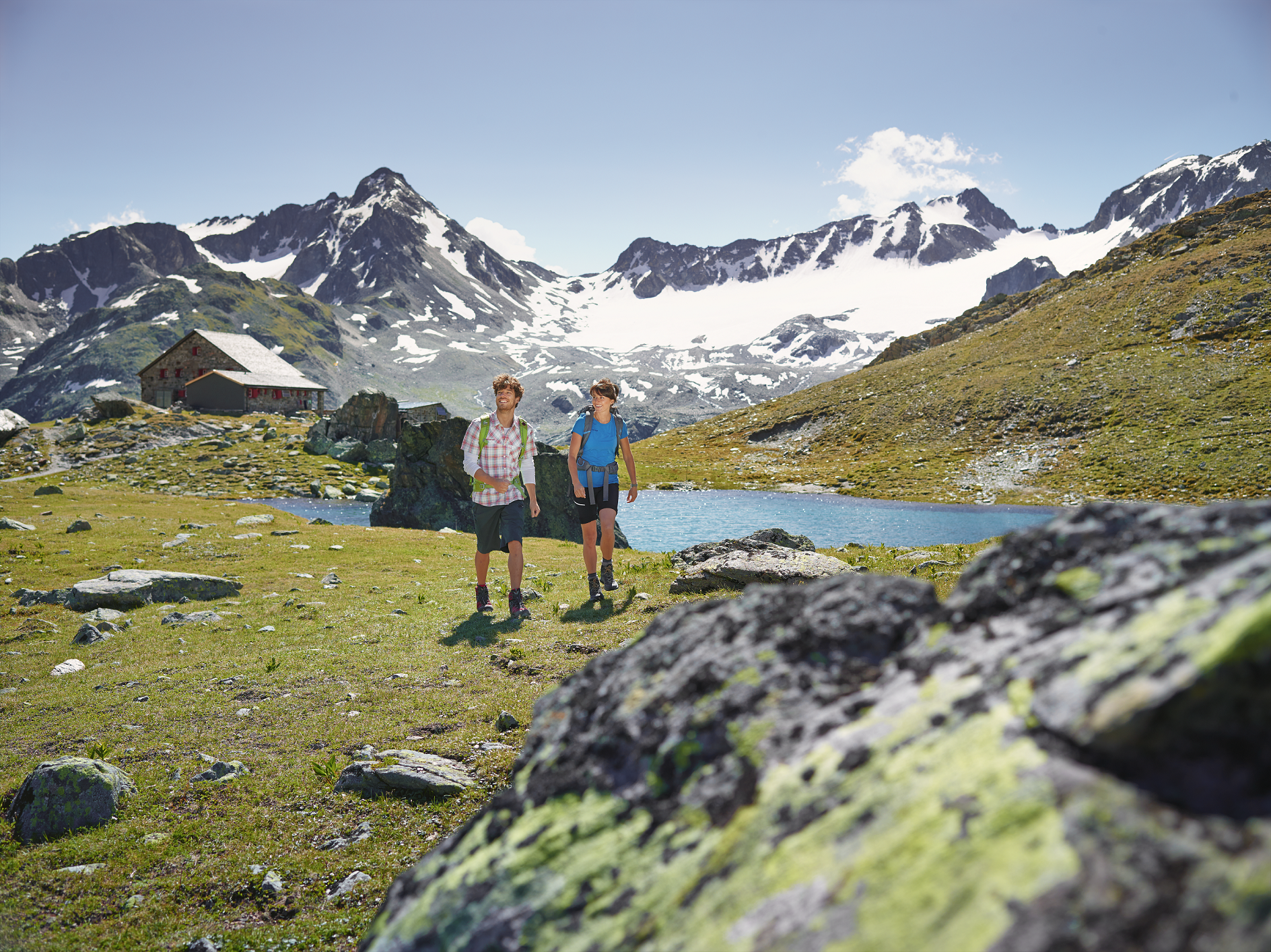
Kesch-Trek – A four-day hut adventure in Davos Klosters
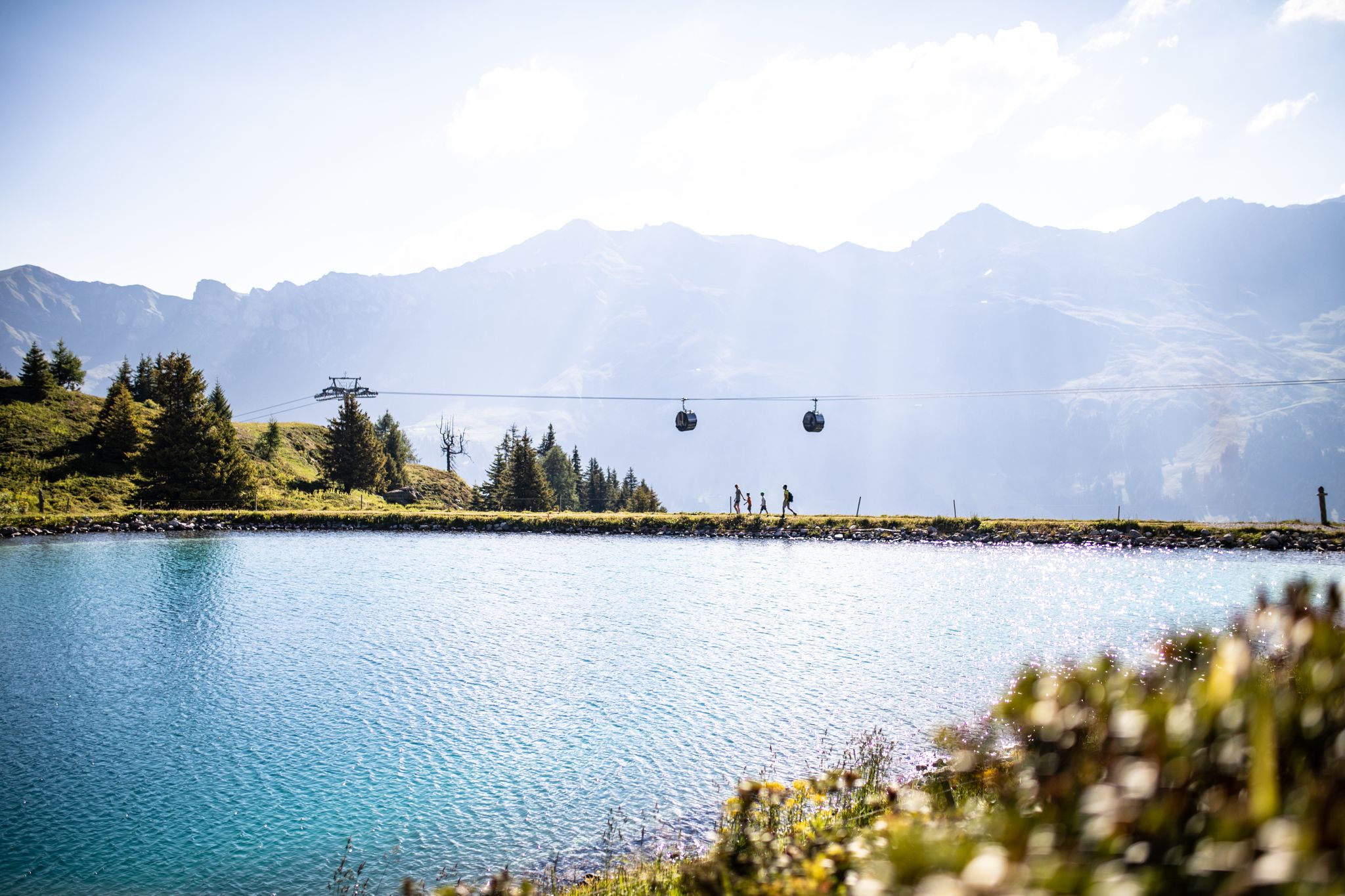
From the peaks to the cool waters – Coolcation Lenzerheide
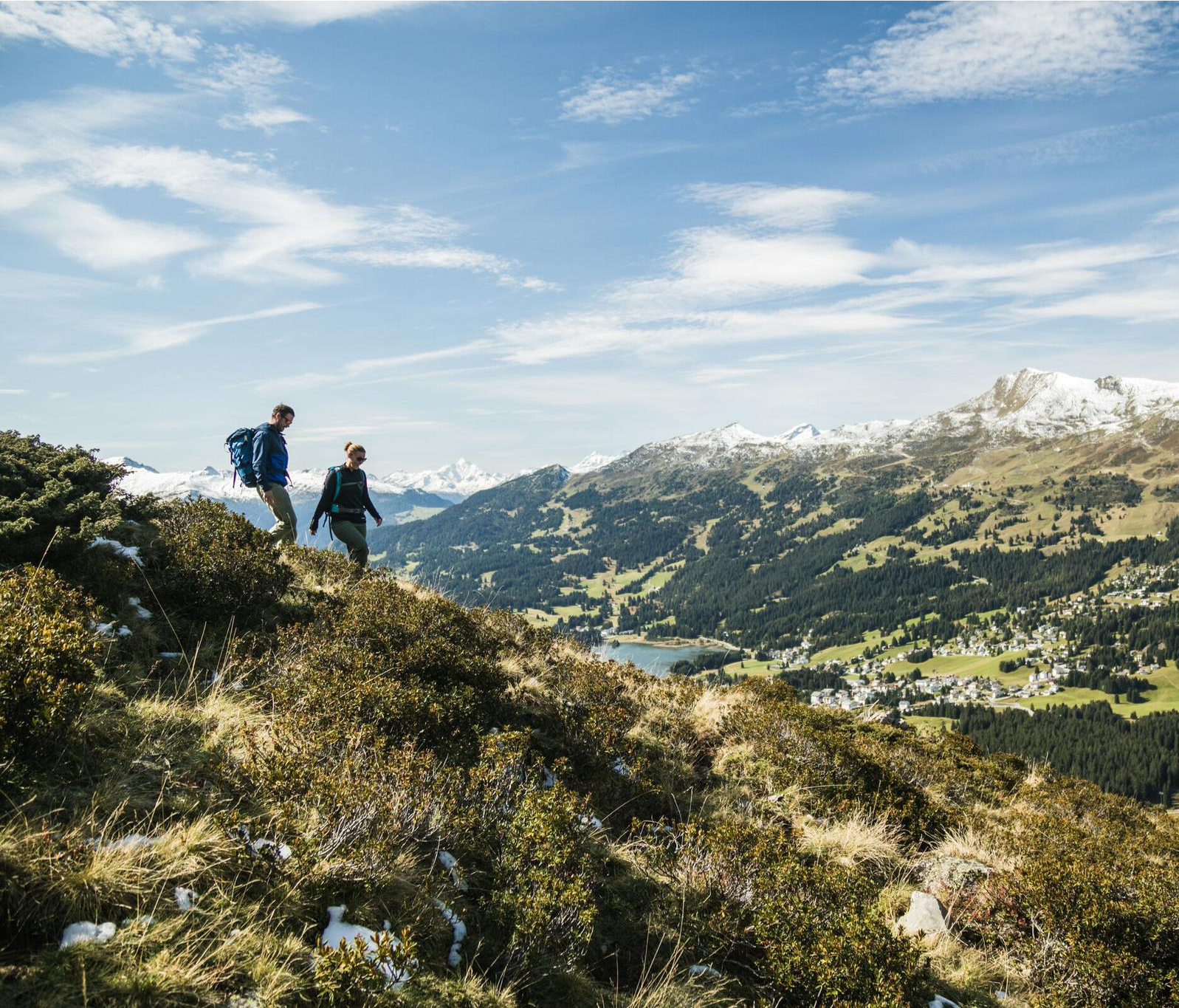
Diverse natural beauty – autumn hiking in Lenzerheide
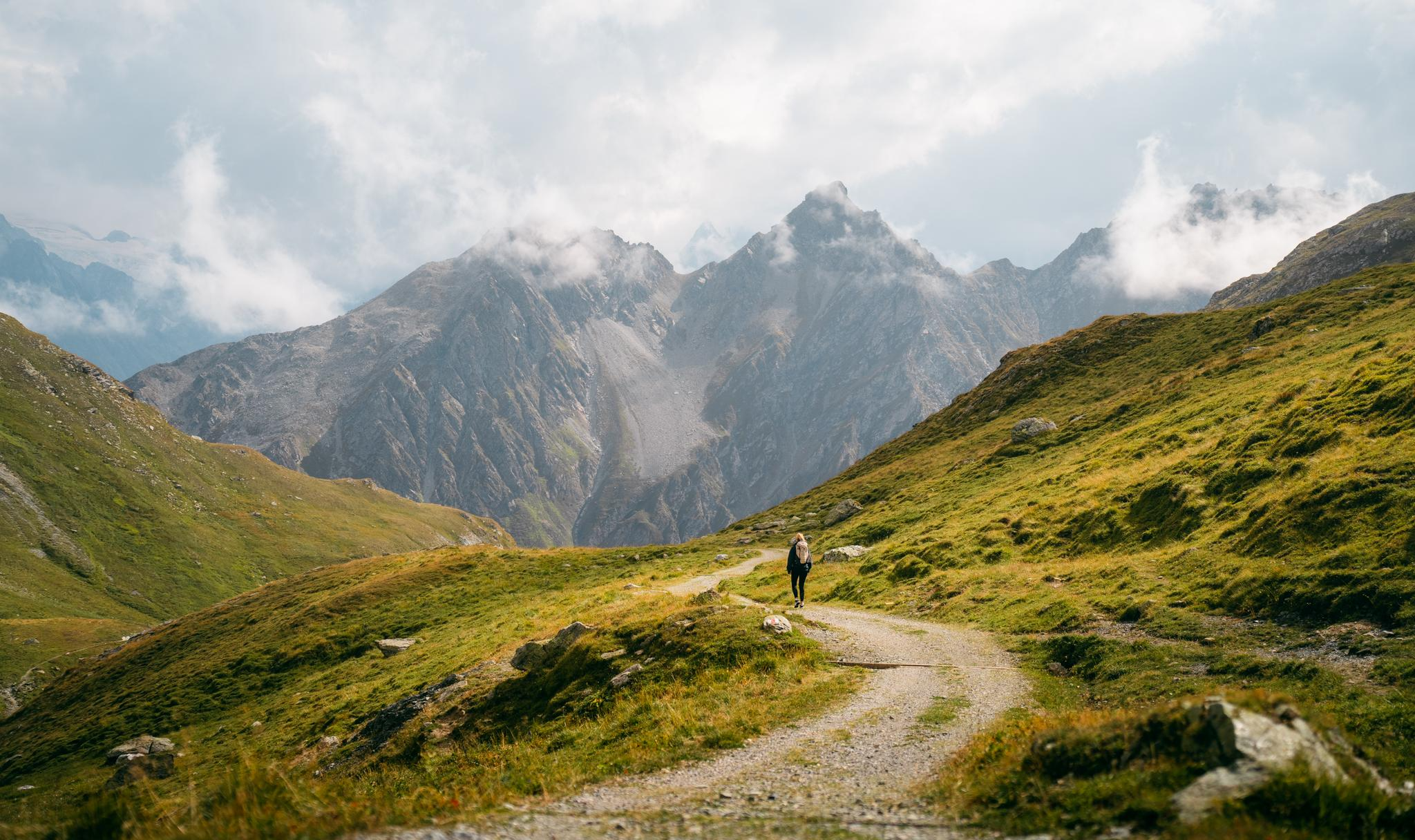
Quiet villages, proud passes, impressive history – the Via Sett
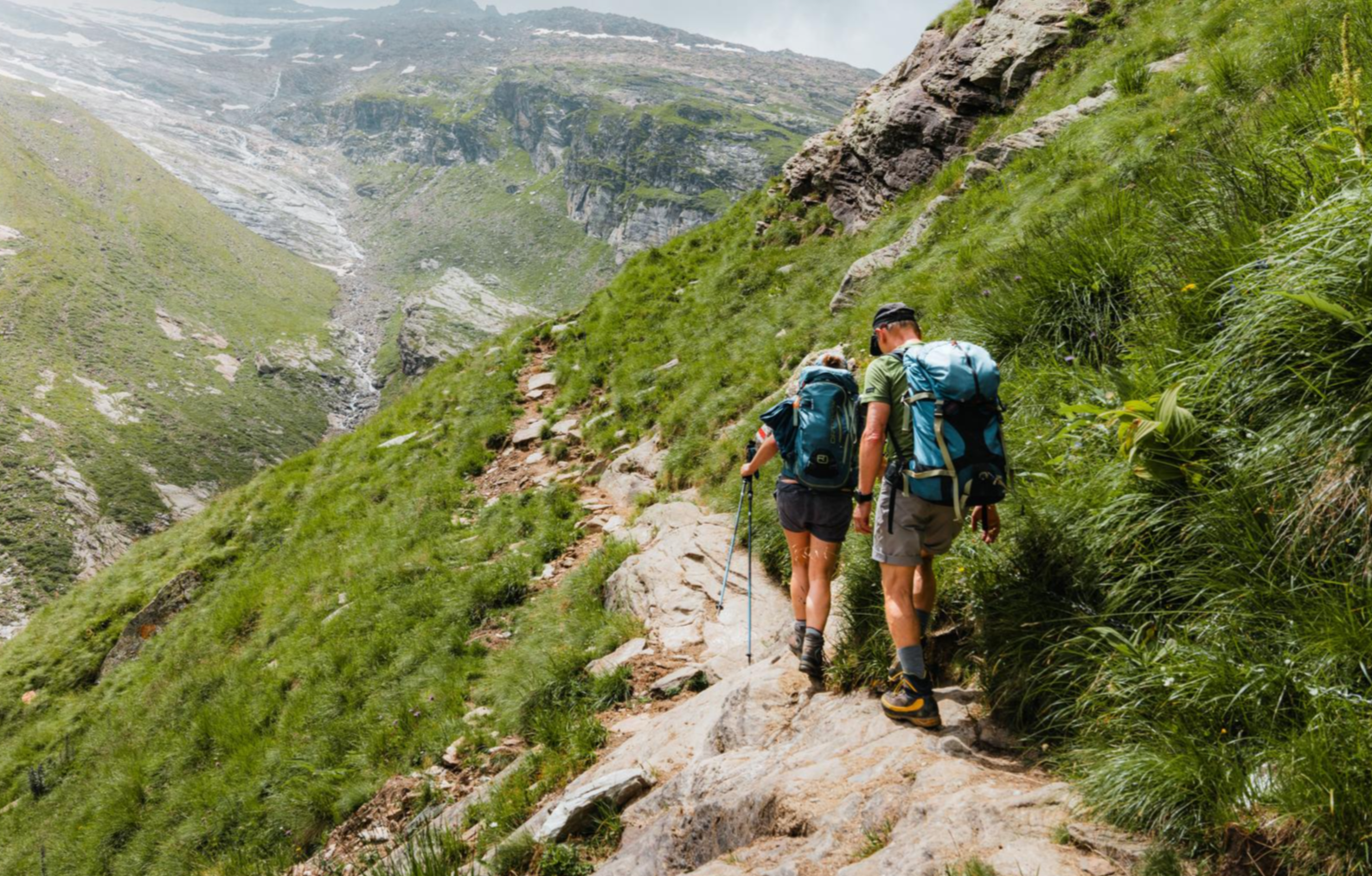
Mountain worlds and gorge magic – adventure hikes in the Viamala Region
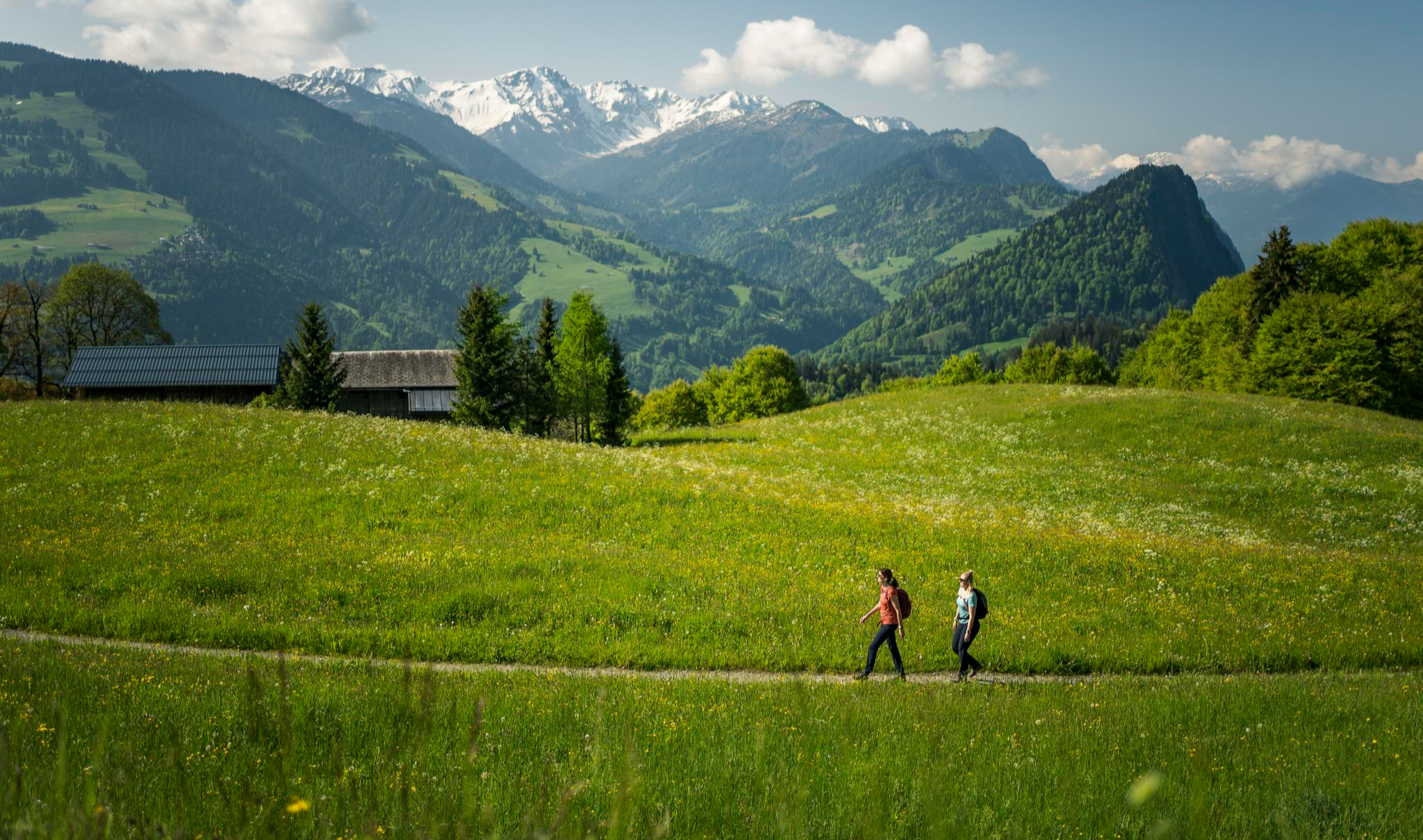
Hiking with respect and tolerance – it just makes sense!
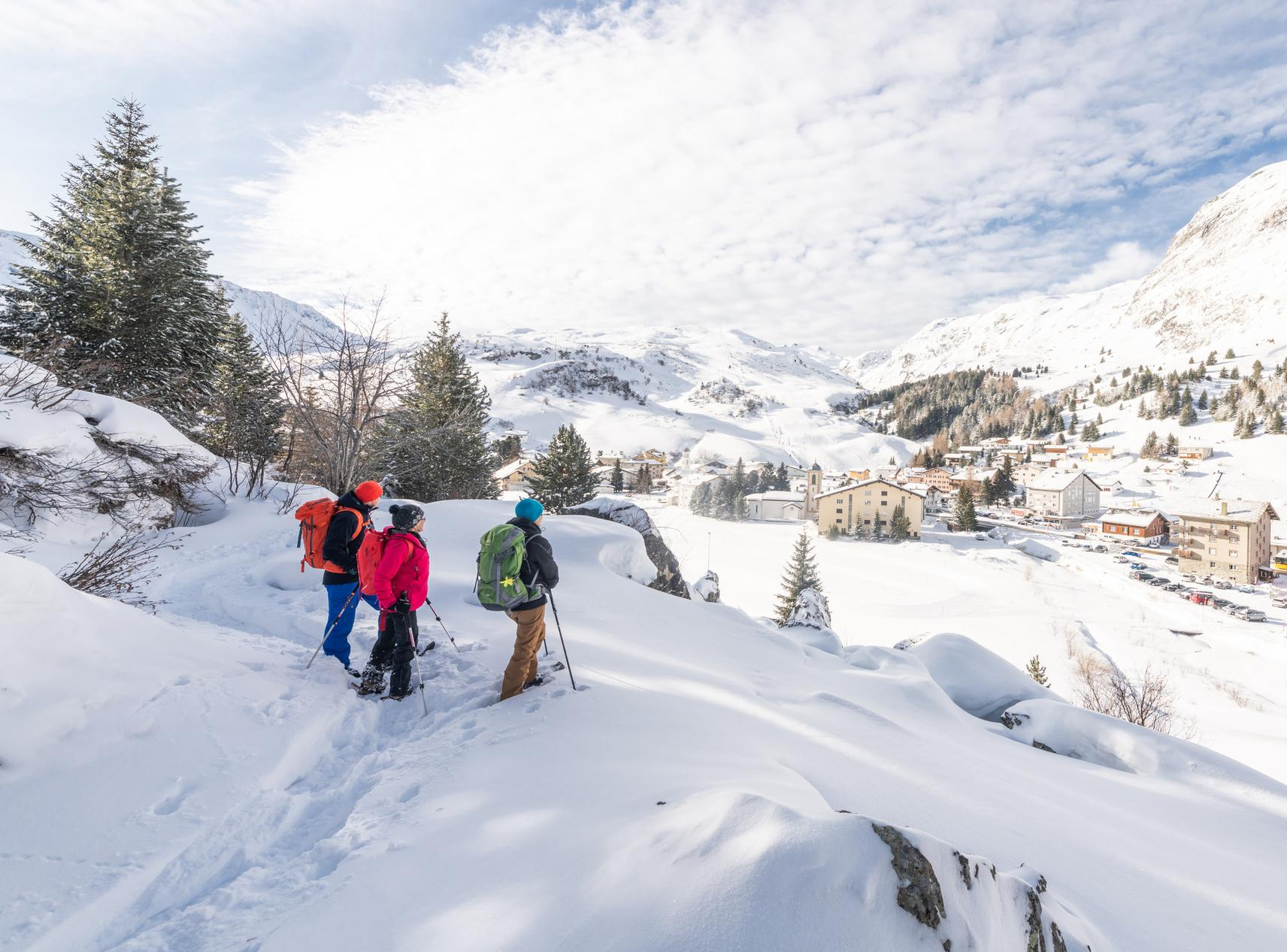
Snowshoe Safari – snowshoe trails through Graubünden
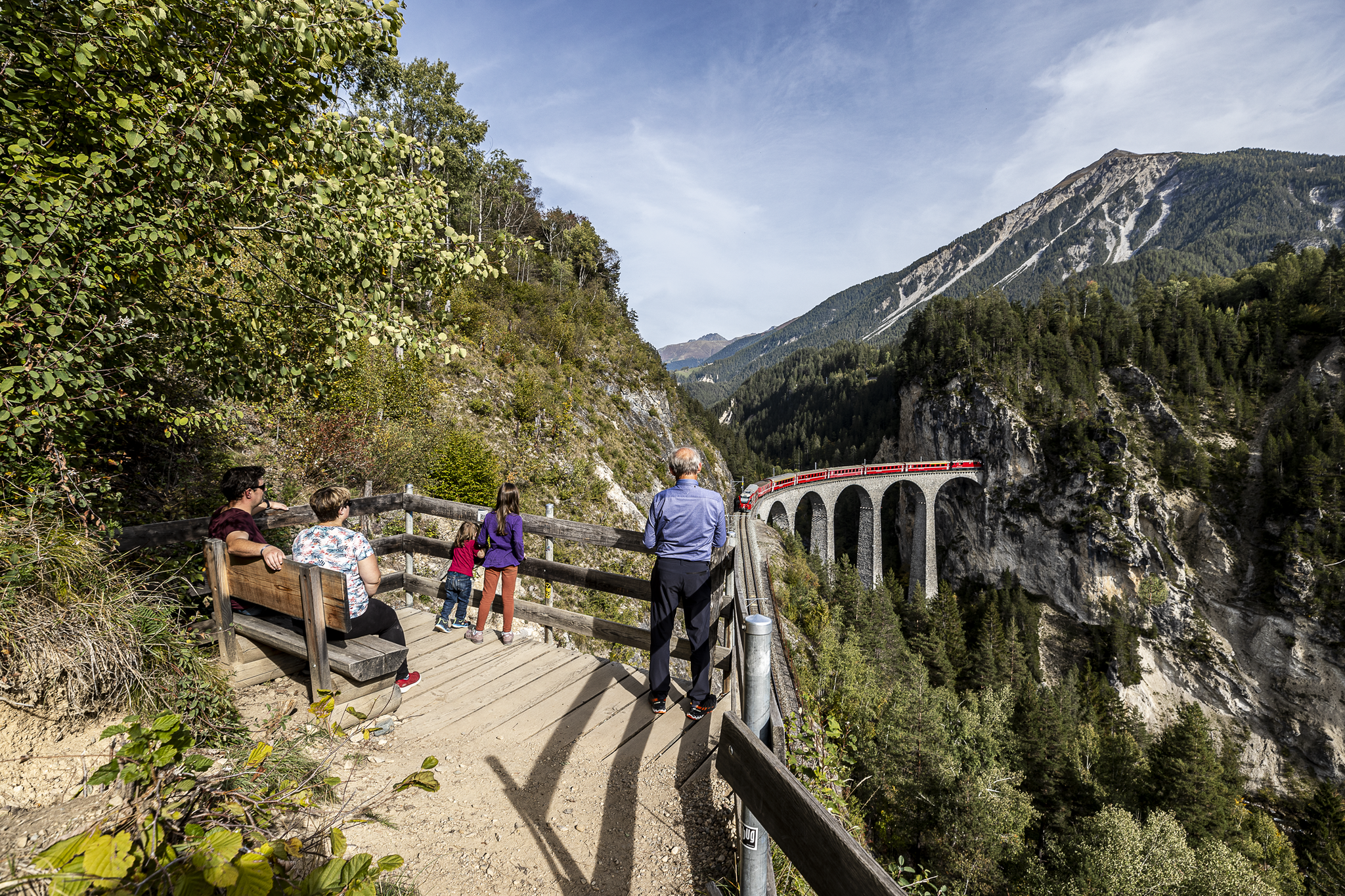
Historic railways and joyous hiking in the Landwasser World
Other adventures in Albula


Tips from the Community

St. Moritz Station (RhB) since 1904 At approximately 400 km, the meter-gauge Rhaetian Railway (RhB), founded in 1889, is the longest mountain railway in Switzerland. St. Moritz Station serves the resort town of St. Moritz in the Upper Engadine and is located at 1,775 m above sea level. Opening of the Thusis – St. Moritz line: 1904 Opening of the St. Moritz – Tirano line (Bernina Railway): 1910 First Glacier Express journey on the St. Moritz – Zermatt line: 1930 Text / Source: Rhaetian Railway Ltd., Bahnhofstrasse 25, Chur https://www.rhb.ch/de/portrait/geschichte/
15
0
St. Moritz Station (RhB) A place where arrival becomes an experience St. Moritz Station is the gateway to the Engadine Valley and the Swiss Alps. Located in the heart of the village, it connects visitors to scenic train routes, including the famous Bernina and Glacier Express trains. With its charming architecture and convenient location, the station is not only a transportation hub but also an ideal starting point for discovering the beauty, culture, and winter sports opportunities of St. Moritz. A particular highlight of the station is the artwork "W E L C O M E" by Barbara Stauffacher Solomon (1928, USA), installed in 2022. Known for her iconic supergraphics, the artwork blends art and architecture, inviting visitors to experience it from different perspectives. Text / Source: St. Moritz Tourism AG, Via Maistra 12, St. Moritz https://www.stmoritz.com/directory/st-moritz-insider/wenig-zeit-st-moritz-in-zwei-stunden-1
15
0
Lake St. Moritz “Lej da San Murezzan”, St. Moritz Lake St. Moritz, or “Lej da San Murezzan” in Romansh, lies entirely within the municipality of St. Moritz in the canton of Graubünden. This deep blue mountain lake sits at an altitude of 1,768 meters above sea level, with the St. Moritz train station located right at its northern end. The Inn River flows through this northernmost and last of the four large Upper Engadine lakes (along with Lake Sils, Lake Silvaplana, and Lake Champfèr). The lake is approximately 1.6 kilometers long and 600 meters wide, with a maximum depth of 44 meters. The thermal springs of St. Moritz Bad are located in the southwest of Lake St. Moritz. While the fashionable Engadine village occupies the entire northern shore of the mountain lake, the southern shore remains virtually undeveloped. The Ova da Staz stream flows along the eastern shore. Stazersee flows into the lake from this direction. Text / Source: schweizersee.ch https://www.schweizersee.ch/st-moritzersee/
16
0
CONFISERIE HANSELMANN, A Sweet Paradise in St. Moritz Café Hanselmann is world-renowned for its exquisite cakes, chocolates, and pastries. The beautiful sgraffito facade dates back to 1912, while inside, guests are greeted by an elegant, nostalgic ambiance with artistic details. In addition to classic sweets, Hanselmann also offers select coffee and tea specialties – a must for all lovers of culinary delights. Text / Source: St. Moritz Tourism AG, Via Maistra 12, St. Moritz https://www.stmoritz.com/directory/st-moritz-insider/wenig-zeit-st-moritz-in-zwei-stunden-1
15
0
The Leaning Tower of St. Moritz A landmark dating back to the 12th century, the Leaning Tower was originally part of St. Mauritius Church, which was demolished in 1890. The tower is 33 meters tall and leans at a 5.5-degree angle—even more than the famous Leaning Tower of Pisa (about 4 degrees less). It is located directly opposite the Kulm Hotel. The tower is not only an impressive architectural feature but also a symbol of St. Moritz's medieval heritage. Visitors can admire and photograph its distinctive tilt from various vantage points in the town center. Its lean is due to the soft ground on which it was built—and yet it has stood steadfast for centuries as one of the most photographed landmarks in the region. The Cresta Rider The life-size bronze Cresta Rider by David Wynne is a gift from the St. Moritz Tobogganing Club to the town for its 100th anniversary. It is located at the foot of the Leaning Tower, near the first streetlamp and opposite the Kulm Hotel. CONFISERIE HANSELMANN, A Sweet Paradise in St. Moritz Café Hanselmann is world-famous for its exquisite cakes, chocolates, and pastries. The beautiful sgraffito facade dates back to 1912, and inside, guests are greeted by an elegant, nostalgic ambiance with artistic details. In addition to classic sweets, Hanselmann also offers select coffee and tea specialties – a must for all lovers of culinary delights. Text / Source: St. Moritz Tourism AG, Via Maistra 12, St. Moritz https://www.stmoritz.com/directory/st-moritz-insider/wenig-zeit-st-moritz-in-zwei-stunden-1
16
0
Badrutt's Palace Hotel, St. Moritz In the mid-1880s, Caspar Badrutt purchased the Hotel Beau Rivage in St. Moritz, built in 1872. Over a four-year renovation, he transformed the small inn into the palatial Badrutt's Palace Hotel, which opened in 1896. His father, Johannes Badrutt, had already been active in the hospitality industry: as the proud owner of the Kulm Hotel in St. Moritz, he was the founder of the Badrutt hotel dynasty. For decades, prominent guests from around the world appreciated the hotel's exclusive atmosphere. Following the construction of Badrutt's Palace Hotel by the Zurich architects Alfred Chiodera (1850-1916) and Theophil Tschudi (1847-1911), the hotel underwent several expansions and renovations. In 1907, the building was raised by one full story and an attic; a little later, a three-story west wing was added, housing a dining room and tennis hall. Extensive renovations were carried out towards the end of the 20th century. Its location on the steep slope above Lake St. Moritz and its distinctive shape, with crenellations and corner turrets, give Badrutt's Palace Hotel its unmistakable, castle-like character to this day. A striking main tower with a pyramidal roof rises on the west side. The building rests on a two-story base of rustic stonework. Above this is a light-filled ground floor with public areas, restaurants, boutiques, a veranda, and a large terrace. The upper floors contain guest rooms, and the tower's apex houses a suite that was rebuilt after the tower fire of 1967. From the very beginning, the facade and interior have displayed a great diversity of design. The neo-Gothic motif of the facade, with its English pointed arches, continues inside the hotel. Intricate wooden walls and imposing Renaissance-style coffered ceilings, along with neo-Baroque ceiling paintings, characterize the public areas. Despite numerous renovations, great care has always been taken to preserve the original structure; for example, the original stamped graffiti on the facade was uncovered in 2006. Badrutt's Palace Hotel has been a member of Swiss Historic Hotels since 2006. Text / Source: Badrutt's Palace Hotel, Via Serlas 27, 7500 St. Moritz https://swiss-historic-hotels.ch/hotels/badrutts-palace-hotel
15
0
The story of St. Moritz begins in 1864 The story of St. Moritz, as we know it today, begins in 1864, when hotelier Johannes Badrutt made a bet with his guests from Great Britain. He promised that not only the summer, but also the St. Moritz winter would be so pleasant that on sunny days one could enjoy the sun on the terrace without a jacket. Should his promise prove false, the hotelier would pay for their travel and winter stay. Wrapped head to toe in furs, the group of men crossed the Julier Pass the following December. Upon arriving in St. Moritz, the sky was clear, the sun warm, and Badrutt stood before them to greet them without a jacket and with his shirtsleeves rolled up. Winter tourism was born. More: Pioneer History | St. Moritz, Switzerland (stmoritz.com) Text/Source: ENGADIN ST. MORITZ TOURISMUS AG Via Maistra 1, CH-7500 St. Moritz, www.stmoritz.com https://www.engadintourismus.ch/fileadmin/user_upload/Fakten_ueber_St._Moritz_DE.pdf
16
0
Café, Bakery & Confectionery Hanselmann, St. Moritz HANSELMANN - TRADITION SINCE 1894 HISTORY - Over 125 Years of Café Hanselmann More than 125 years of traditional café and bakery – a business that can be said with satisfaction and pride. Anyone entering the café in its prime St. Moritz location on the main street, right next to the St. Mauritius Fountain, knows exactly what we mean. A refined ambiance, cultivated over decades, is garnished with a touch of turn-of-the-century charm and complemented by a culinary offering that meets the highest standards. Text / Source: Hanselmann, via Maistra 8, St. Moritz https://www.hanselmann.ch/
15
0
Frequently Asked Questions
How many urban hiking trails are featured in this guide for Albula?
This guide features five urban hiking trails in the Albula region, offering a variety of experiences from leisurely strolls to slightly more challenging routes. These trails are designed to help you explore the towns and their surroundings.
Are there any easy urban walks suitable for beginners or families in Albula?
Yes, several urban walks are ideal for beginners and families. For instance, the Chur – Chur Town Hall loop from Chur is an easy 5.8 km route with minimal elevation gain. Another great option is the St. Moritz Town Hall – View of Lake St. Moritz loop from St. Moritz, a shorter 2.7 km walk offering scenic views.
What kind of landmarks or viewpoints can I expect to see on urban hikes in Albula?
Urban hikes in Albula offer a blend of historic architecture and natural beauty. In Chur, you can explore the historic Old Town and St. Martin's Church, as seen on the Rhine at Pardisla Bridge – Old Town and St. Martin's Church, Chur loop from Chur Altstadt. St. Moritz offers views of Lake St. Moritz and its iconic Leaning Tower. The region is also famous for its UNESCO World Heritage Rhaetian Railway lines and impressive viaducts, such as the Landwasser Viaduct near Filisur, which you might glimpse from some routes or explore further on dedicated trails.
Are there any circular urban walks in Albula?
Yes, all the urban hikes featured in this guide are circular routes, allowing you to start and end at the same point. Examples include the Chur – Chur Town Hall loop from Chur and the Leaning Tower of St. Moritz – St. Moritz Town Hall loop from St. Moritz, providing convenient exploration of the towns.
How can I access urban hiking trailheads using public transport in Albula?
Albula is well-served by public transport, particularly the Rhaetian Railway, a UNESCO World Heritage site. Many urban trailheads, especially in towns like Chur and St. Moritz, are easily accessible by train or bus. For example, routes starting from Chur Altstadt or St. Moritz are typically a short walk from train stations or bus stops, making car-free exploration very convenient.
What is the best time of year for urban hiking in Albula?
Urban hiking in Albula is enjoyable year-round. Spring and autumn offer pleasant temperatures and beautiful scenery with fewer crowds. Summer is ideal for warmer weather and longer daylight hours, while winter transforms the towns into picturesque snowy landscapes, perfect for crisp walks. Always check local weather conditions before heading out.
Are there any dog-friendly urban trails in Albula?
Most urban trails in Albula are dog-friendly, provided your dog is kept on a leash, especially in populated areas and near wildlife. It's always a good idea to carry water for your pet and be mindful of local regulations. The varied terrain, from riverside paths to town squares, offers plenty for you and your canine companion to explore.
Where can I find parking for urban hikes in Albula?
Parking is generally available in the towns where these urban hikes begin, such as Chur and St. Moritz. Look for public parking garages or designated parking areas within the town centers. Fees may apply, so it's advisable to check local signage. Using public transport is also a highly recommended and often more convenient option.
What do other hikers enjoy most about urban hiking in Albula?
The komoot community highly rates the Albula region, with an average score of 4.67 stars. Reviewers often praise the seamless blend of historic townscapes with stunning natural backdrops, the well-maintained paths, and the ease of access via public transport. The opportunity to explore charming villages while enjoying views of the surrounding Grisons Alps is frequently highlighted.
Are there any urban hikes that cross the Rhine River?
Yes, the Chur – Across the Rhine loop from Chur Altstadt is a moderate 11.2 km route that takes you across the Rhine, offering a different perspective of the city and its natural surroundings. This trail provides a great opportunity to experience the river that flows through the region.
Can I find cafes or restaurants near the urban hiking trails in Albula?
Absolutely. Since these are urban hikes, you'll find numerous cafes, restaurants, and shops conveniently located along or very close to the trails, especially in towns like Chur and St. Moritz. This makes it easy to grab a coffee, enjoy a meal, or pick up supplies during or after your walk.
Most popular routes in Albula
Most popular attractions in Albula

Get inspired with the komoot mobile app


Didn’t find what you were looking for?
Check out more Hikes throughout Albula below and find the perfect route in your destination.
Explore more
Browse the best Hikes in other regions.
