The best cycling routes in Lower Kartli
4.6
(25)
330
riders
14
rides
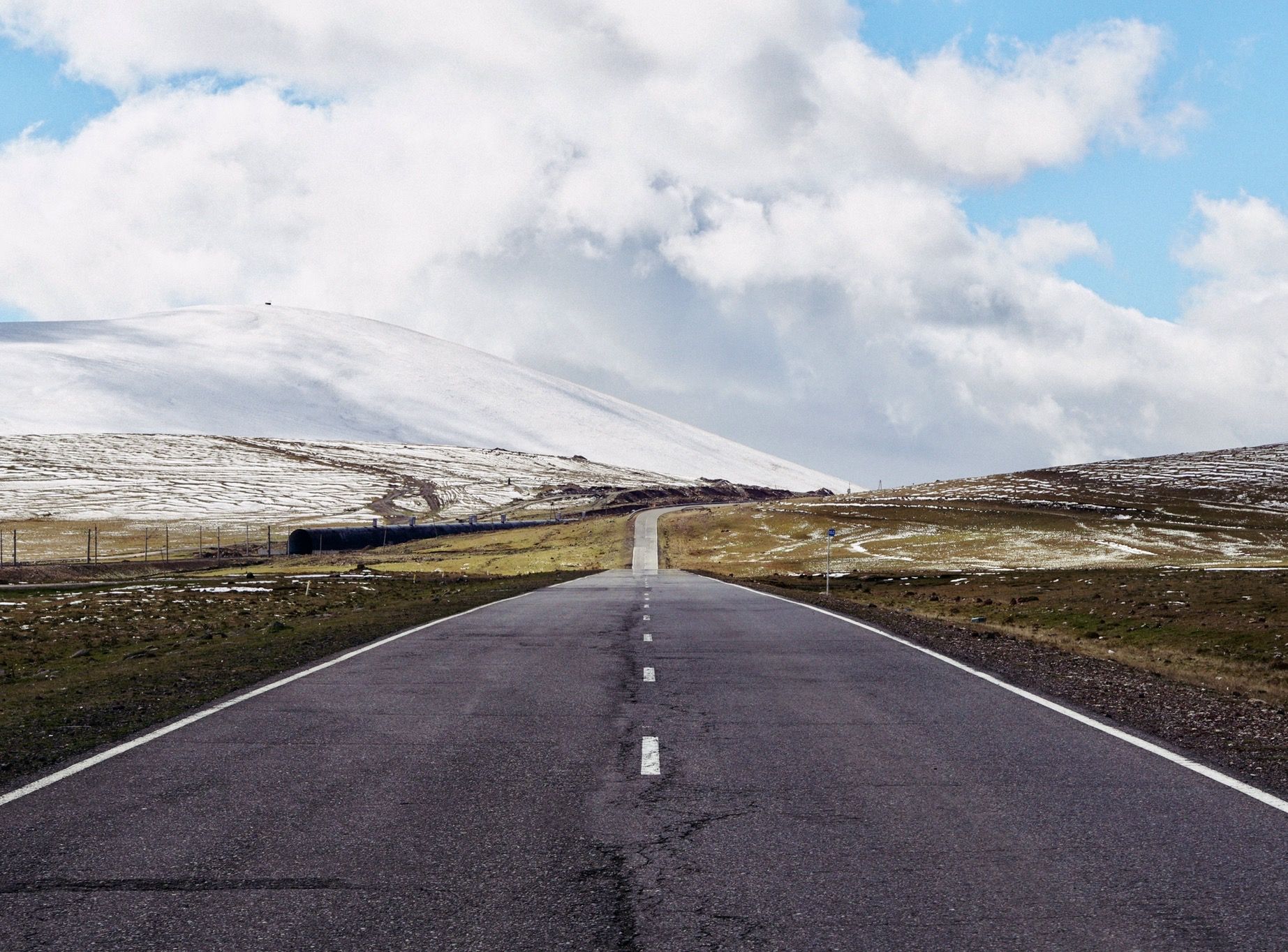
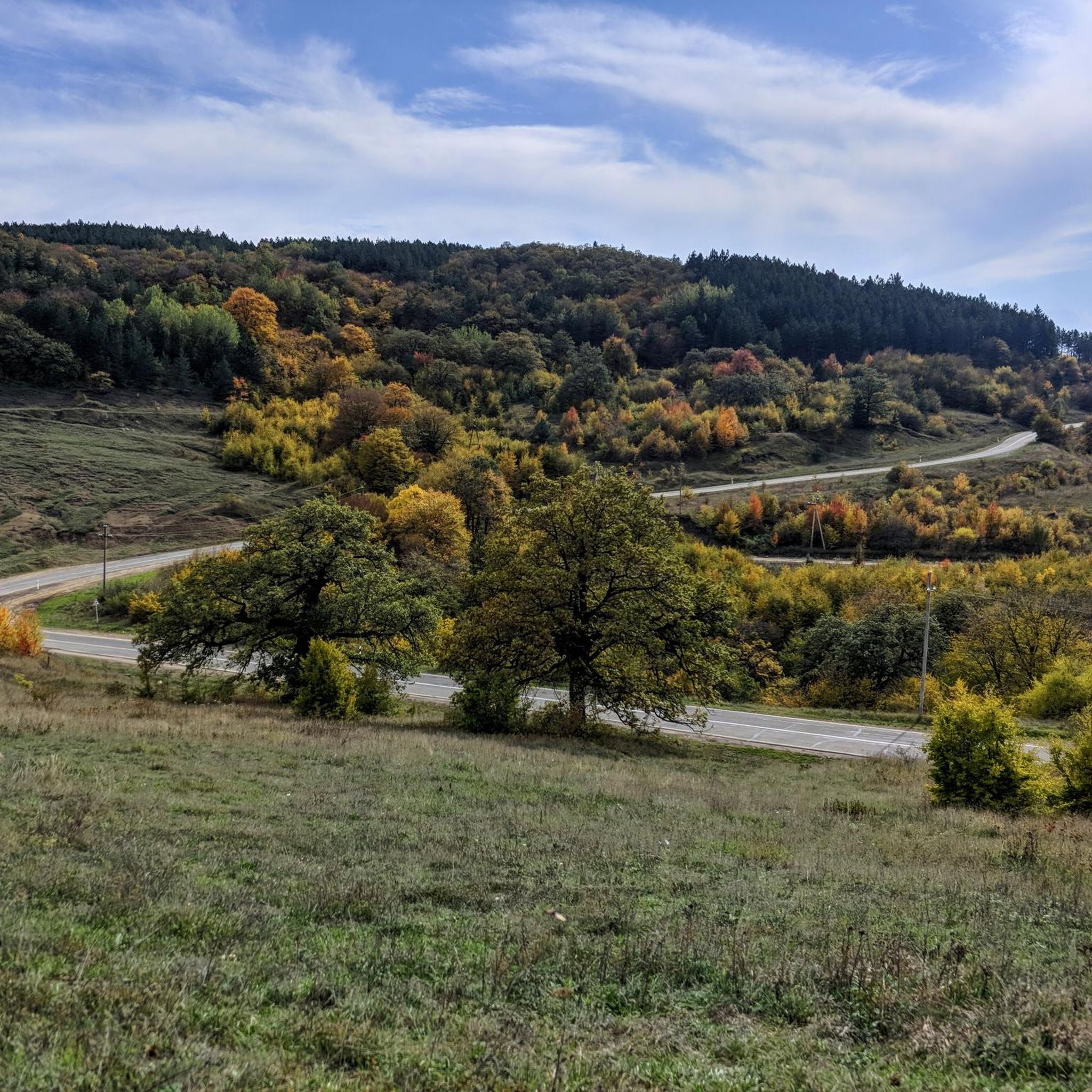
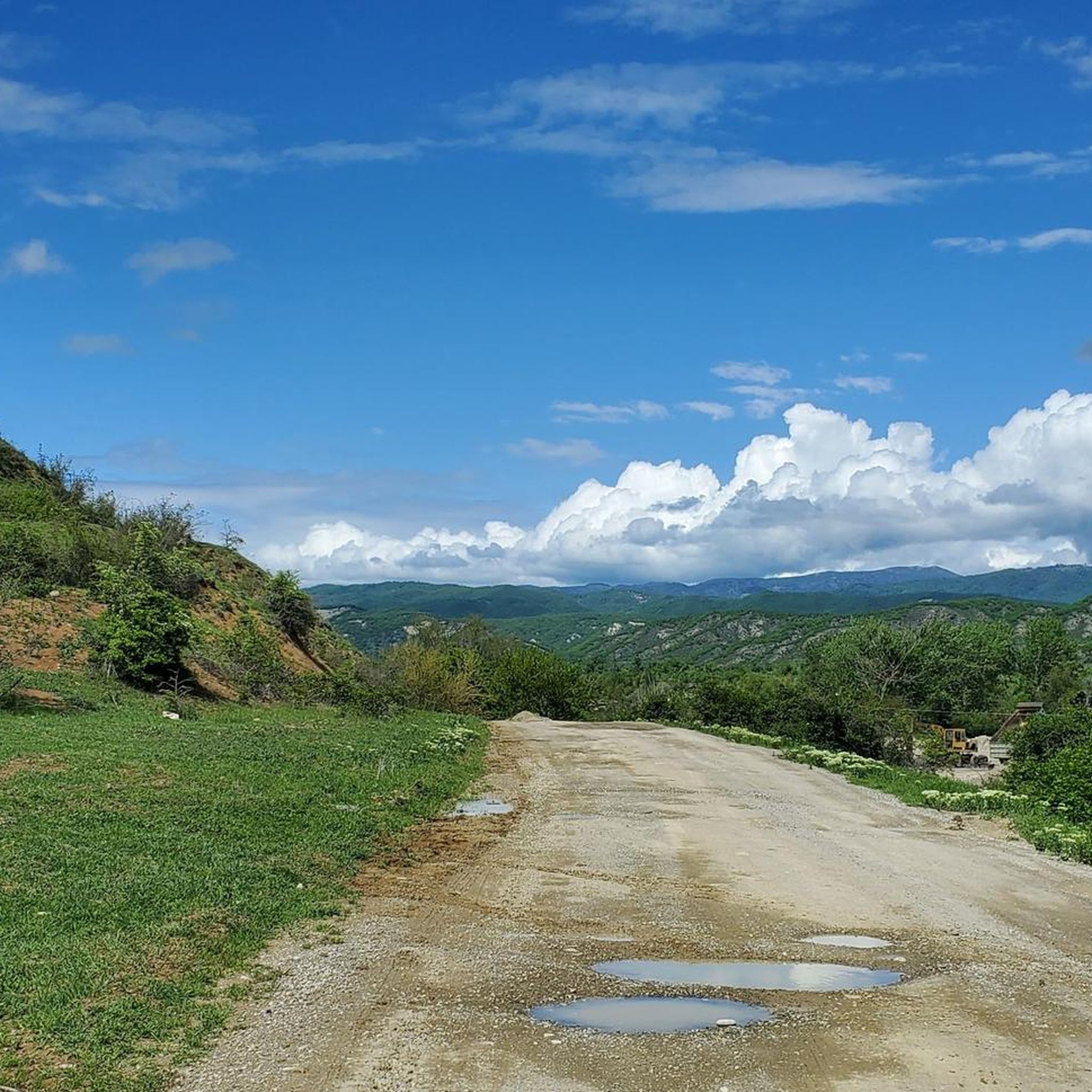
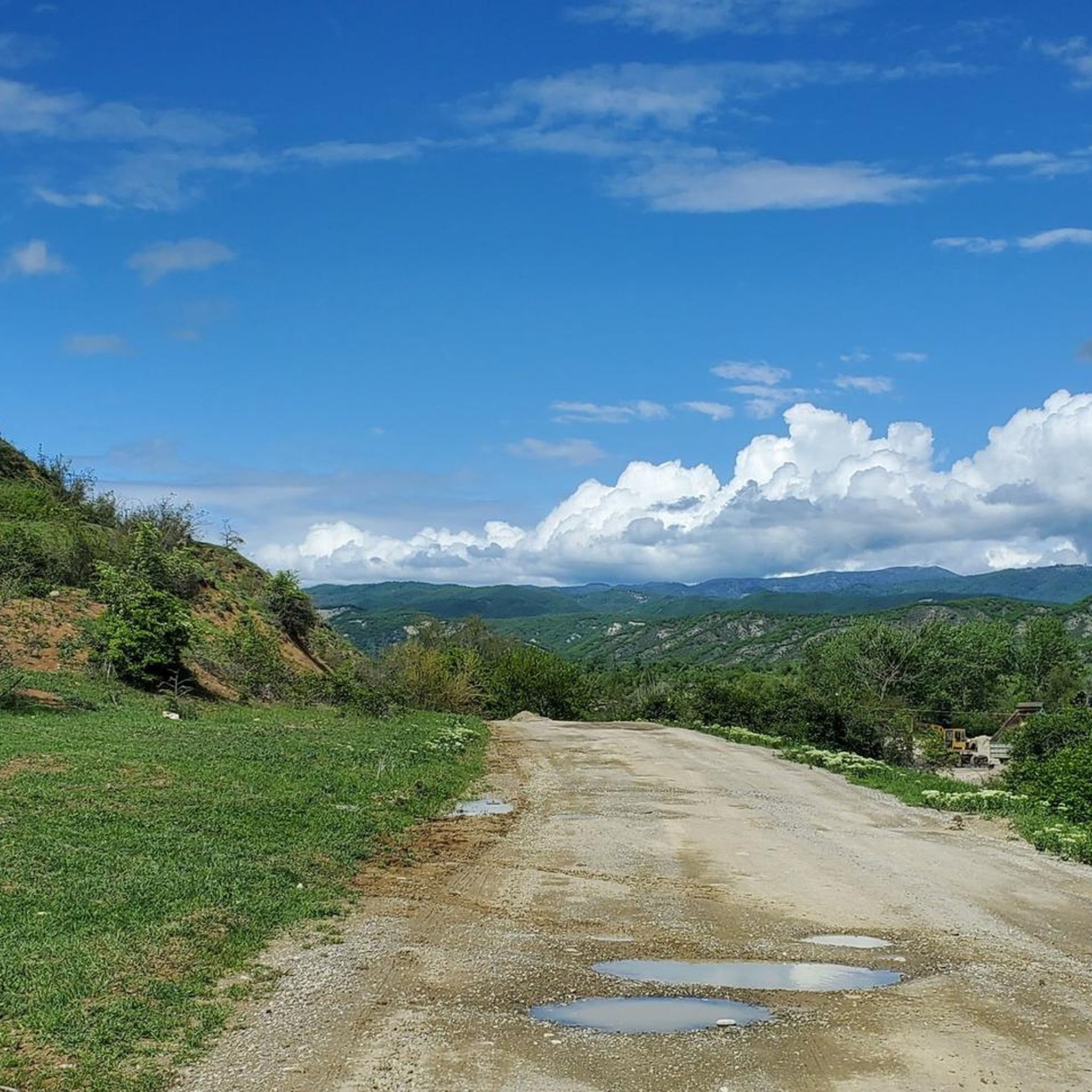
Touring cycling in Lower Kartli offers diverse terrain, ranging from semi-deserts and river valleys to mountainous alpine zones. The region features varied landscapes including fields, forests, and canyons, providing a range of experiences for cyclists. Notable physical features include the Algeti National Park, the Trialeti and Javakheti Ridges, and numerous lakes and rivers like Lake Zalka. This geographical diversity ensures a wide array of touring cycling routes across different difficulty levels.
Best touring cycling routes in Lower Kartli
- The most…
Last updated: August 25, 2026
4.0
(2)
33
riders
Easy bike ride. Great for any fitness level. Mostly paved surfaces. Suitable for all skill levels.
4.8
(5)
28
riders
79.1km
05:21
1,130m
1,130m
Hard bike ride. Very good fitness required. Mostly paved surfaces. Suitable for all skill levels.

Sign up for free
5.0
(1)
26
riders
112km
08:13
2,340m
2,340m
Hard bike ride. Very good fitness required. Mostly paved surfaces. Suitable for all skill levels.
3.7
(3)
22
riders
23.3km
01:50
410m
410m
Moderate bike ride. Good fitness required. Mostly paved surfaces. Suitable for all skill levels.
15
riders
24.1km
01:46
200m
200m
Hard bike ride. Good fitness required. You may need to push your bike for some segments of this route.
5.0
(2)
7
riders
51.8km
03:58
830m
830m
Hard bike ride. Very good fitness required. Mostly paved surfaces. Suitable for all skill levels.
5.0
(1)
9
riders
20.2km
01:34
550m
550m
Hard bike ride. Very good fitness required. Mostly paved surfaces. Suitable for all skill levels.
5.0
(1)
10
riders
Moderate bike ride. Good fitness required. Mostly paved surfaces. Suitable for all skill levels.
4.0
(2)
7
riders
34.4km
02:16
370m
360m
Moderate bike ride. Good fitness required. Mostly paved surfaces. Suitable for all skill levels.
7
riders
34.5km
02:18
410m
410m
Moderate bike ride. Good fitness required. Mostly paved surfaces. Suitable for all skill levels.
Get access to more routes and recommendations from other explorers.
Sign up for free
Already have an account?
Our route recommendations are based on thousands of hikes, rides, and runs completed by other people on komoot.
Start today with a free account
Your next adventure awaits.
Login or Signup

Other adventures in Lower Kartli

Tips from the Community

According to legend, King Vakhtang I Gorgasali discovered the hot springs in the 5th century while hunting, after his falcon and a pheasant fell into them. Impressed by the warm water, he decided to found a city right here. The name "Tiflis" (Georgian Tbilisi) derives directly from the Old Georgian word "tbili", which translates to "warm". As Tiflis was located directly on the ancient Silk Road, the bathhouses developed over centuries into central social meeting places for merchants, travelers, and locals. The bathhouses are fed by natural thermal springs, 38°C to 50°C hot, bubbling up from deep within the earth. The water is extremely rich in sulfur and other minerals.
0
0

It's a wonderful place! You are right in the city center and yet the place is very quiet. You camp in the garden, amidst flowers and butterflies. The birdsong lulls you. Tamara is very kind and accommodating.
0
0

The original name of the church is unknown. Its current name is taken from a supposedly miraculous 12th-century icon of the Savior, which had been kept in the church since the 17th century and is now on display in the Georgian State Museum of Arts in Tbilisi. The silver icon (Georgian: Khati) came from the Anchi Church in southern Georgia. Its creator was Beka Opisari, a master silversmith of his era (Wikipedia).
7
0

The oldest church in the city. An impressive building.
0
0

Green flow train, felt safe on the bike you can see. It was a fun way to come down from Turtle lake.
0
0

What was once one of the busiest bazaars in Tbilisi is now a district filled with cafes and restaurants and marks the entrance to Old Tbilisi.
0
0

One of the 13 Syrian Fathers (nice to have 13 here! 😅) who brought Christianity to Georgia was David. It is clear that this was not an easy or peaceful process; one of them put out the eternal fire in a Zoroastrian temple and was stoned by the governor for it. After being accused in Tbilisi, where he preached, David went to the Gareja wasteland (here) and founded this monastery (Lavra Monastery, 6th century). The idea seemed to become fashionable, and his students founded a total of twelve cave monasteries nearby. And the conditions were not easy! The water problem was solved by using extremely long gutters across the entire sandstone rock slanted towards the southwest (like gutters on a roof! Except that the "rock roof" is 50x100m - so even when it rarely rains, a lot of water accumulates!) into the cisterns. Gardens were laid out in the shade of the rocks, etc. In the 9th century, the caves were expanded and decorated with frescoes.
0
0
Built between 1880 and 1896 by the German architects Schröter and Stern in the Moorish style that was popular at the time.
0
0
Frequently Asked Questions
How many touring cycling routes are available in Lower Kartli?
Lower Kartli offers a diverse selection of over 25 touring cycling routes. These routes cater to various preferences, ranging from easy paths to more challenging trails with significant elevation changes.
What kind of terrain can I expect on touring cycling routes in Lower Kartli?
The region boasts incredibly varied terrain, from semi-deserts and dry subtropics to mountainous alpine zones. You can expect to cycle through fields, forests, river valleys, and even colorful deserts. Notable features include canyons, lakes, and the forested southern slopes of the eastern Trialeti Range within Algeti National Park.
Are there touring cycling routes for all skill levels in Lower Kartli?
Yes, Lower Kartli provides routes for all skill levels. There are 5 easy routes perfect for beginners or a relaxed ride, 9 moderate routes for those seeking a bit more challenge, and 11 difficult routes for experienced touring cyclists looking for substantial climbs and longer distances.
What natural features can I explore while touring cycling in Lower Kartli?
Cyclists can discover stunning natural features such as beautiful canyons, including Birtvisi Canyon, and various lakes and reservoirs like Algeti, Jandari, and Tsalka Reservoir. The region also features lush forests and river valleys, offering picturesque scenery throughout your ride.
Are there historical or cultural sites along the touring cycling routes?
Lower Kartli is rich in history and culture. You can encounter archaeological sites like Dmanisi, ancient walled towns such as Samshvilde, and numerous ancient churches and monastery complexes. Examples include Natlismtsemeli Monastery and Aia Konstantine Church, providing cultural enrichment along your cycling journey.
Are there any circular touring cycling routes in Lower Kartli?
Yes, many routes in Lower Kartli are designed as loops, offering convenient circular tours. For example, you could try the Tbilisi – Anchiskhati Basilica loop from ვარკეთილი, a moderate 15.6-mile (25.2 km) trail, or the View of Lisi Lake – Lisida House loop from რუსთაველი, which is 22.3 miles (35.9 km) long.
What is the best time of year for touring cycling in Lower Kartli?
The diverse terrain of Lower Kartli means cycling conditions can vary. Generally, spring and autumn offer pleasant temperatures for exploring the region's varied landscapes, avoiding the peak summer heat in lower areas and winter snow in the mountainous zones. This allows for comfortable rides through fields, forests, and river valleys.
What do other touring cyclists enjoy most about touring cycling in Lower Kartli?
The touring cycling routes in Lower Kartli are highly rated by the komoot community, with an average score of 4.6 stars from over 20 reviews. Cyclists often praise the region's diverse terrain, which includes everything from river valleys to rolling hills, and the opportunity to pass by historical sites, making for a rich and engaging experience.
Are there any long-distance touring cycling routes for experienced riders?
Yes, for experienced riders seeking a challenge, Lower Kartli offers several long-distance routes. A notable option is the difficult Death of the Singlespeed – Easy Bike Trail loop from რუსთაველი, which spans 68.8 miles (110.8 km) and features substantial climbs across extensive terrain.
Can I find easy touring cycling routes suitable for a relaxed ride?
Absolutely. For a more relaxed experience, you can find easy touring cycling routes. An example is the Monument to Saint George loop from თავისუფლების მოედანი, a 6.2-mile (10 km) route with minimal elevation gain, perfect for a leisurely ride.
Are there routes that combine natural beauty with historical landmarks?
Many routes in Lower Kartli offer a blend of natural beauty and historical significance. For instance, the David Gareja Monastery Complex – David Gareja Lavra Monastery loop from Udabno takes you through scenic landscapes while leading to an important cultural site.
What is the most challenging touring cycling route in Lower Kartli?
Among the most challenging routes is the Tbilisi – Death of the Singlespeed loop from ისანი. This difficult 34.9-mile (56.2 km) trail features significant elevation gain (over 1350 meters) through varied and demanding landscapes, making it ideal for experienced touring cyclists.
Most popular routes in Lower Kartli
Most popular attractions in Lower Kartli

Get inspired with the komoot mobile app


Explore more
Browse the best Cycling routes in other regions.
