The best dog-friendly hikes and walks around Luckenwalde
4.5
(1235)
5,163
hikers
22
hikes
Dog friendly hiking trails around Luckenwalde are characterized by a landscape of rolling hills, forests, and river valleys. The region is situated amidst diverse natural features, including the Nuthe River and the extensive Nuthe-Nieplitz Nature Park. Elevation gains on these trails are generally low, with most ascents being under 80 meters, making the terrain accessible for various fitness levels. The area offers a mix of wooded paths and open landscapes, providing varied scenery for hikers and their dogs.
Best dog friendly hiking trails around Luckenwalde
- The most popular dog friendly hiking route is Wanderdüne Viewing Platform – Heathland near Jüterbog loop from Luckenwalde, a 13.8 miles (22.3 km) trail that takes 5 hours 40 minutes to complete. This route features views of heathland and a viewing platform.
- Another top favourite among local hikers is Quarry lake – Kleiner Baggersee loop from Frankenförde, a moderate 6.1 miles (9.8 km) path. This trail leads around a quarry lake with minimal elevation changes.
- Local hikers also love the Quarry lake – War Memorial Frankenförde loop from Luckenwalde, a 15.9 miles (25.6 km) trail leading through forested areas and past a quarry lake, often completed in about 6 hours 30 minutes.
- Hiking around Luckenwalde is defined by its forests, rolling hills, and river valleys, particularly within the Nuthe-Nieplitz Nature Park. The network offers options for different ability levels, from easy walks to more challenging, longer routes.
- The routes in Luckenwalde are highly rated by the komoot community with an average score of 4.3 stars from over 160 reviews. More than 1000 hikers have used komoot to explore Luckenwalde's varied terrain.
Last updated: June 27, 2026
5.0
(1)
7
hikers
9.77km
02:28
20m
20m
Moderate hike. Good fitness required. Easily-accessible paths. Suitable for all skill levels.
1
hikers
9.62km
02:26
20m
20m
Moderate hike. Good fitness required. Easily-accessible paths. Suitable for all skill levels.
1
hikers
13.2km
03:20
30m
30m
Moderate hike. Good fitness required. Easily-accessible paths. Suitable for all skill levels.
Get access to more routes and recommendations from other explorers.
Sign up for free
Already have an account?
Our route recommendations are based on thousands of hikes, rides, and runs completed by other people on komoot.
Start today with a free account
Your next adventure awaits.
Login or Signup
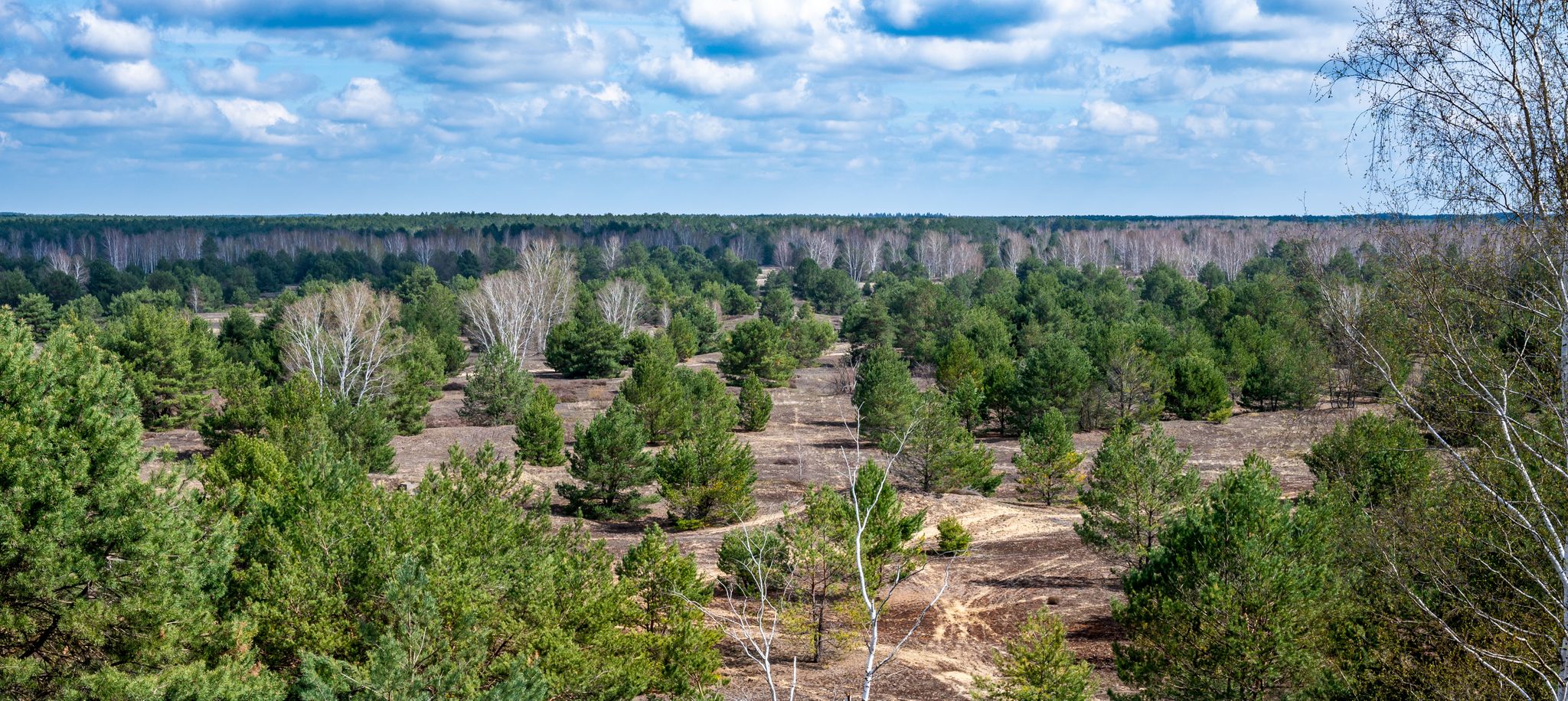
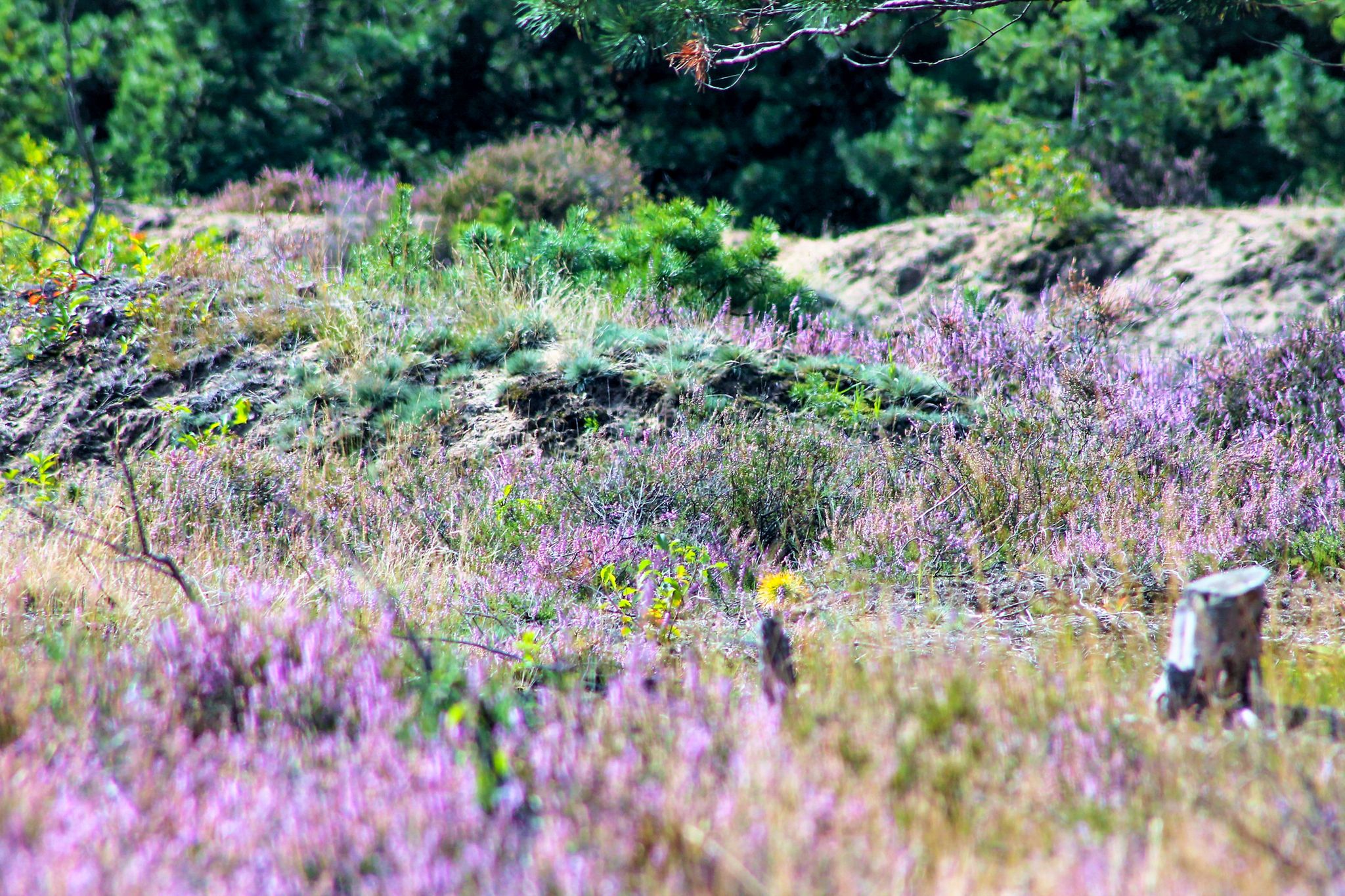
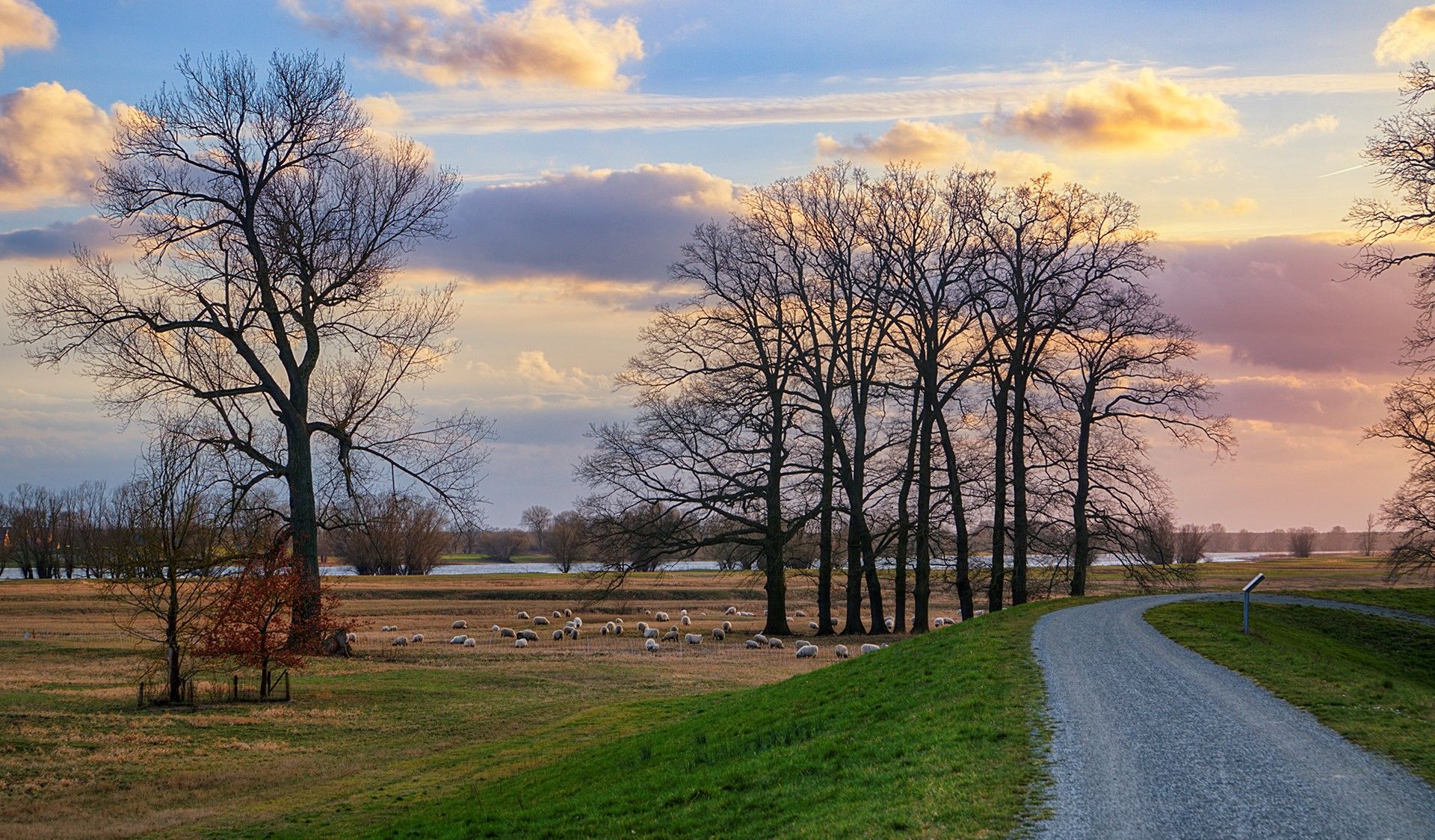
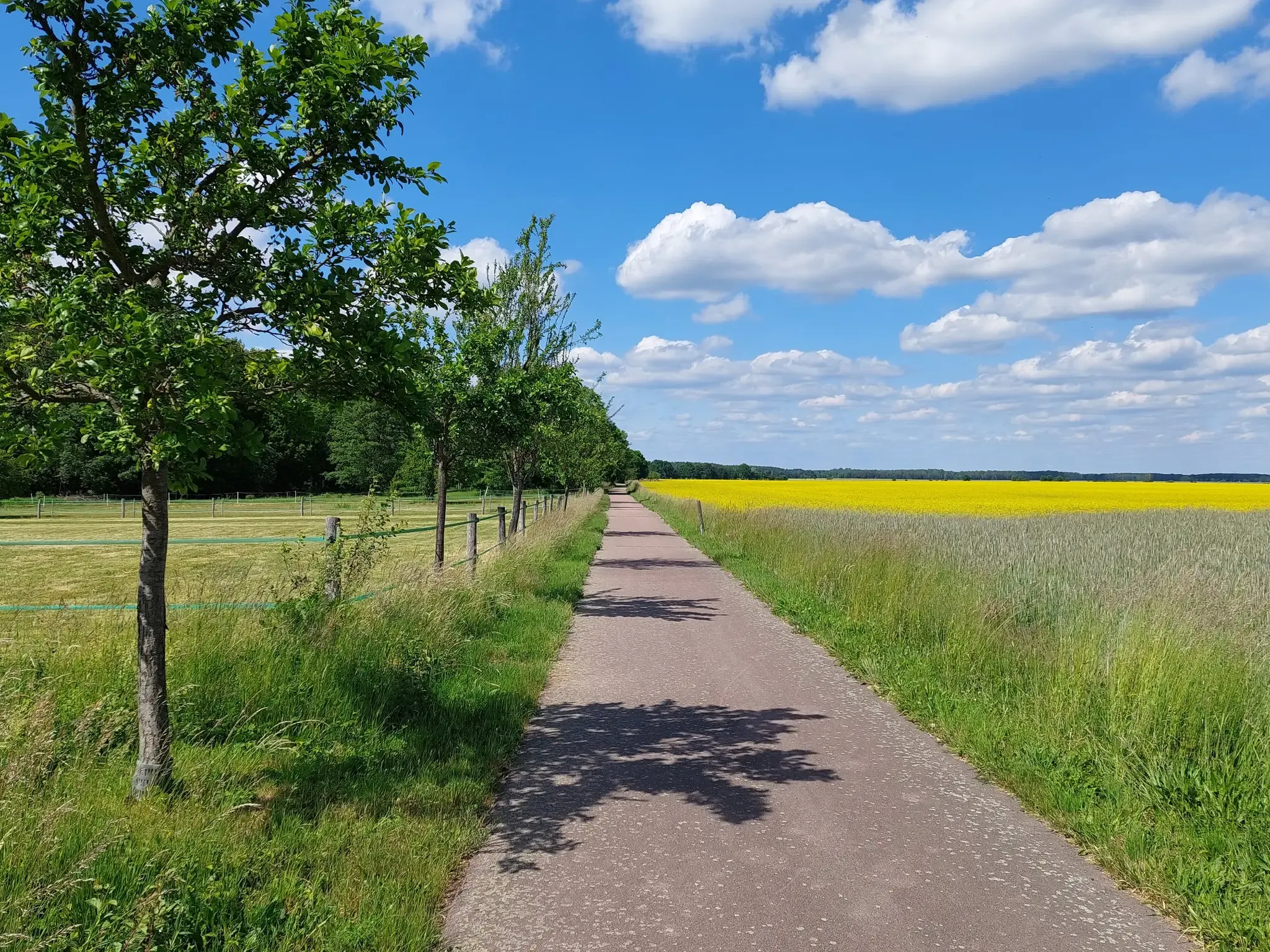
Other adventures around Luckenwalde


Tips from the Community

Beautifully idyllic gravel pit lake located on the former military training area. Pure relaxation and not far away is the small gravel pit lake, which almost reaches the roadside, but is hardly recognizable. The two lakes south of Frankenfelde were created in 2002 during dredging as a compensatory and replacement measure for the construction of the new B 101.
1
0
The place was first mentioned in 1285 as Frankenforde. However, it is not due to a larger watercourse to be overcome. So it seems to be a question of a mere transfer of names, perhaps also an indication of the origin of the settlers who are assigned here. This is also indicated by the name of the directly neighboring Frankenfelde. The church is a simple rectangular hall. Towards the end of the 17th century, the slate roof tower with a rider was added to the west. The vestibule, also in the west, followed at the end of the 19th century. The actual building was constructed from relatively regular layers of split fieldstone, which alternated with small gussets. The masonry of the east gable, on the other hand, is irregular. All side windows were enlarged in stitch arches. Only on the south side is a small high original window visible. The two original entrances to the church are also located here: the parish portal and the priest's gate. Both with pointed arches of brick and both walled. In the east, the openings of the three-window group were provided with plaster frames like the other windows, but they seem to have remained unchanged. Due to the fact that the masonry work was no longer too careful and brick was used on the portal walls, the building could probably be dated to the first half of the 14th century. The east gable was rebuilt, perhaps after a catastrophic fire, as the irregular masonry shows. The main change, the conversion of windows and portals, took place in the 18th century, the period from which the interior also dates. Source: http://www.askanier-welten.de/dorfkirchen/frankenfoerde/
0
0
The small quarry lake is right on the path, but can hardly be seen. 200 m away you can't miss the quarry pond, which is also often visited by dog owners. The two lakes south of Frankenfelde were in 2002 Dredging was created as a compensatory and replacement measure for the construction of the new B 101.
0
0

Worth seeing field stone church in Frankenfelde.
2
0
The place was first mentioned in 1285 as Frankenforde. However, it is not due to a larger watercourse to be overcome. So it seems to be a question of a mere transfer of names, perhaps also an indication of the origin of the settlers who are assigned here. This is also indicated by the name of the directly neighboring Frankenfelde. The church is a simple rectangular hall. Towards the end of the 17th century, the slate roof tower with a rider was added to the west. The vestibule, also in the west, followed at the end of the 19th century. The actual building was constructed from relatively regular layers of split fieldstone, which alternated with small gussets. The masonry of the east gable, on the other hand, is irregular. All side windows were enlarged in stitch arches. Only on the south side is a small high original window visible. The two original entrances to the church are also located here: the parish portal and the priest's gate. Both with pointed arches of brick and both walled. In the east, the openings of the three-window group were provided with plaster frames like the other windows, but they seem to have remained unchanged. Due to the fact that the masonry work was no longer too careful and brick was used on the portal walls, the building could probably be dated to the first half of the 14th century. The east gable was rebuilt, perhaps after a catastrophic fire, as the irregular masonry shows. The main change, the conversion of windows and portals, took place in the 18th century, the period from which the interior also dates. Source http://www.askanier-welten.de/dorfkirchen/frankenfoerde/
0
0
The evangelical village church is a stone church from the second half of the 13th century in Frankenfelde, a district of the town of Luckenwalde in the district of Teltow-Fläming. The building was built in the second half of the 13th century. The upper tower floor was built in the 15th century and was given a hipped roof with a half-timbered turret in the 18th century. The building was severely damaged in the Thirty Years' War. Only the polygonal pulpit basket from around 1700 has survived from the original pulpit altar. On the east wall is a Gothic sacramental niche behind a door from the construction period. On the gallery stands an organ with a neoclassical prospectus, which Johann Friedrich Turley created in 1824 as his first work. The instrument was restored in 2020 by the Berlin organ building workshop Karl Schuke and restored to its original condition. Other church furnishings include a pair of brass candlesticks made in the early 16th century. Three bells hang in the tower.
0
0
The source of the Pfefferfliess is approx. 100 m away
0
0
Frequently Asked Questions
How many dog-friendly hiking trails are available around Luckenwalde?
There are over 20 dog-friendly hiking trails around Luckenwalde, offering a variety of experiences for you and your canine companion. These routes range in difficulty and length, ensuring there's something for every dog and owner.
Are there easy dog-friendly trails suitable for all fitness levels?
Yes, Luckenwalde offers several easy dog-friendly trails perfect for a leisurely stroll with your dog. You'll find approximately 5 easy routes that are suitable for beginners or those looking for a relaxed walk.
Can I find circular dog-friendly routes in the area?
Absolutely! Many of the dog-friendly trails around Luckenwalde are circular, allowing you to start and end at the same point. For example, the Quarry lake – Kleiner Baggersee loop from Frankenförde is a moderate circular route that takes you through varied landscapes.
What kind of terrain can I expect on dog-friendly hikes near Luckenwalde?
The terrain around Luckenwalde is quite diverse, featuring gentle hills, extensive forests (including pine forests), and paths along picturesque rivers like the Nuthe. You might encounter sandy sections, especially near areas like the Heathland near Jüterbog, and well-maintained forest paths. The region is generally not mountainous, making for pleasant walking conditions.
What natural features or landmarks can I expect to see on dog-friendly hikes?
On dog-friendly hikes around Luckenwalde, you can discover a variety of natural features. Highlights include the Wandering dune in Naturpark Nuthe-Nieplitz, the expansive Heathland near Jüterbog, and tranquil lakes such as the quarry lake. Many routes also offer opportunities for birdwatching from viewpoints like the Birdwatching Tower 'Dr. Lothar Kalbe'.
Is parking readily available for dog-friendly trailheads?
Yes, many dog-friendly trailheads around Luckenwalde offer convenient parking options. While specific parking details vary by route, the region is generally well-equipped for visitors arriving by car, especially at popular starting points for trails leading into the forests or nature parks.
What is the best time of year to go hiking with my dog in Luckenwalde?
Spring and autumn are generally considered the best seasons for hiking with your dog in Luckenwalde. In spring, meadows are vibrant with flowers, and in autumn, the forests display beautiful golden foliage. Summer can also be pleasant, but it's advisable to hike during cooler parts of the day. Winter offers a unique, tranquil experience, though some paths might be muddy or icy.
Are there dog-friendly trails suitable for families with children?
Yes, many of the easier and moderate dog-friendly trails are also suitable for families with children. Routes that are not too long and have interesting natural features, like those near the Nuthe-Nieplitz Nature Park, can be particularly enjoyable. Consider routes with varied scenery to keep younger hikers engaged.
Can dogs accompany me on the Fläming-Skate paths?
While the Fläming-Skate is primarily known for cycling and skating, some sections and adjacent paths are suitable for walking and hiking with dogs. It's best to check local regulations for specific sections, as some areas might have restrictions or require dogs to be on a leash due to the presence of other users or wildlife.
What do other hikers enjoy the most about hiking in Luckenwalde?
The komoot community highly rates the hiking experiences around Luckenwalde, with an average score of 4.3 stars. Reviewers often praise the region's tranquil natural landscapes, the well-maintained paths through forests and along rivers, and the opportunity to explore diverse ecosystems like the Nuthe-Nieplitz Nature Park. The dog-friendly nature of many trails is also frequently highlighted.
Are there any longer, more challenging dog-friendly hikes for experienced hikers?
Yes, for experienced hikers looking for a longer adventure with their dog, there are more challenging routes. For instance, the Wanderdüne Viewing Platform – Heathland near Jüterbog loop from Luckenwalde is a difficult route covering over 22 km, offering a substantial trek through varied landscapes.
Most popular routes around Luckenwalde
Most popular attractions around Luckenwalde

Get inspired with the komoot mobile app


Explore more
Browse the best Hikes in other regions.
