Attractions and Places To See around National Park Douro Internacional - Top 20
Best attractions and places to see around National Park Douro Internacional include a diverse range of natural and historical sites. This region, straddling the border between Portugal and Spain, is characterized by the Douro River carving deep valleys and vertical cliffs. It encompasses municipalities like Miranda do Douro and Freixo de Espada à Cinta, offering a unique blend of dramatic landscapes and cultural heritage.
Best attractions and places to see around National Park Douro Internacional
- The most popular attractions is…
Last updated: May 19, 2026
The ruin
Highlight • Castle
Translated by Google •
Tip by

The monastery
Highlight • Religious Site
Translated by Google •
Tip by

Sign up now to discover places like this
Get recommendations on the best single tracks, peaks, & plenty of other exciting outdoor places.
Sign up for free
Ponte Almirante Sarmento Rodrigues
Highlight • Bridge
Translated by Google •
Tip by
Yellow Rock Viewpoint
Highlight • Viewpoint
It offers wide panoramic views of the Douro River surrounded …
Translated by Google •
Tip by
Barca d'Alva
Highlight • Settlement
Translated by Google •
Tip by
Sign up for free to discover even more attractions around National Park Douro Internacional.
Sign up for free
Already have an account?
Start today with a free account
Your next adventure awaits.
Login or Signup
Popular around National Park Douro Internacional
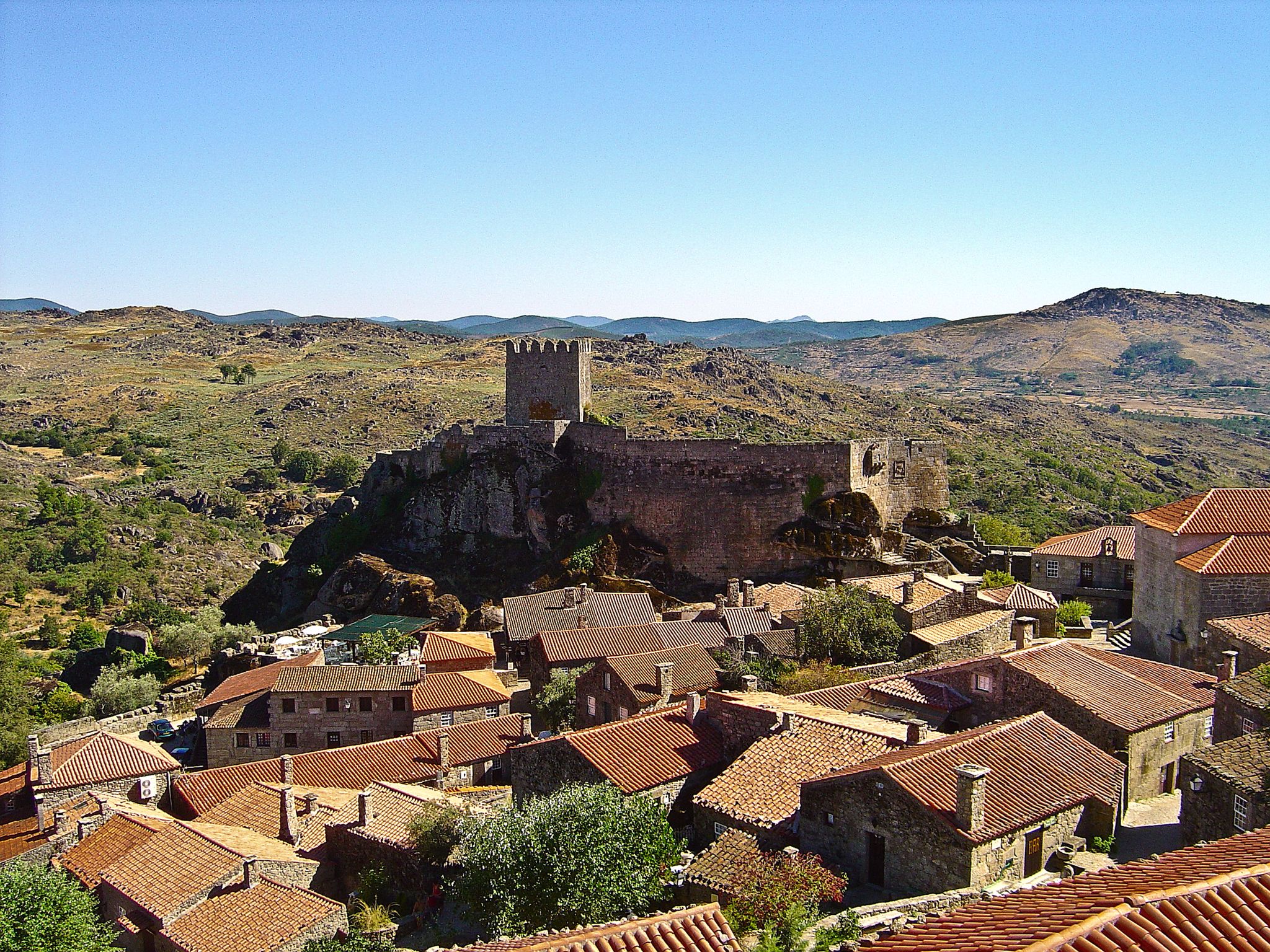
Great Route of Historic Villages (GR 22 north loop) - castles and valleys
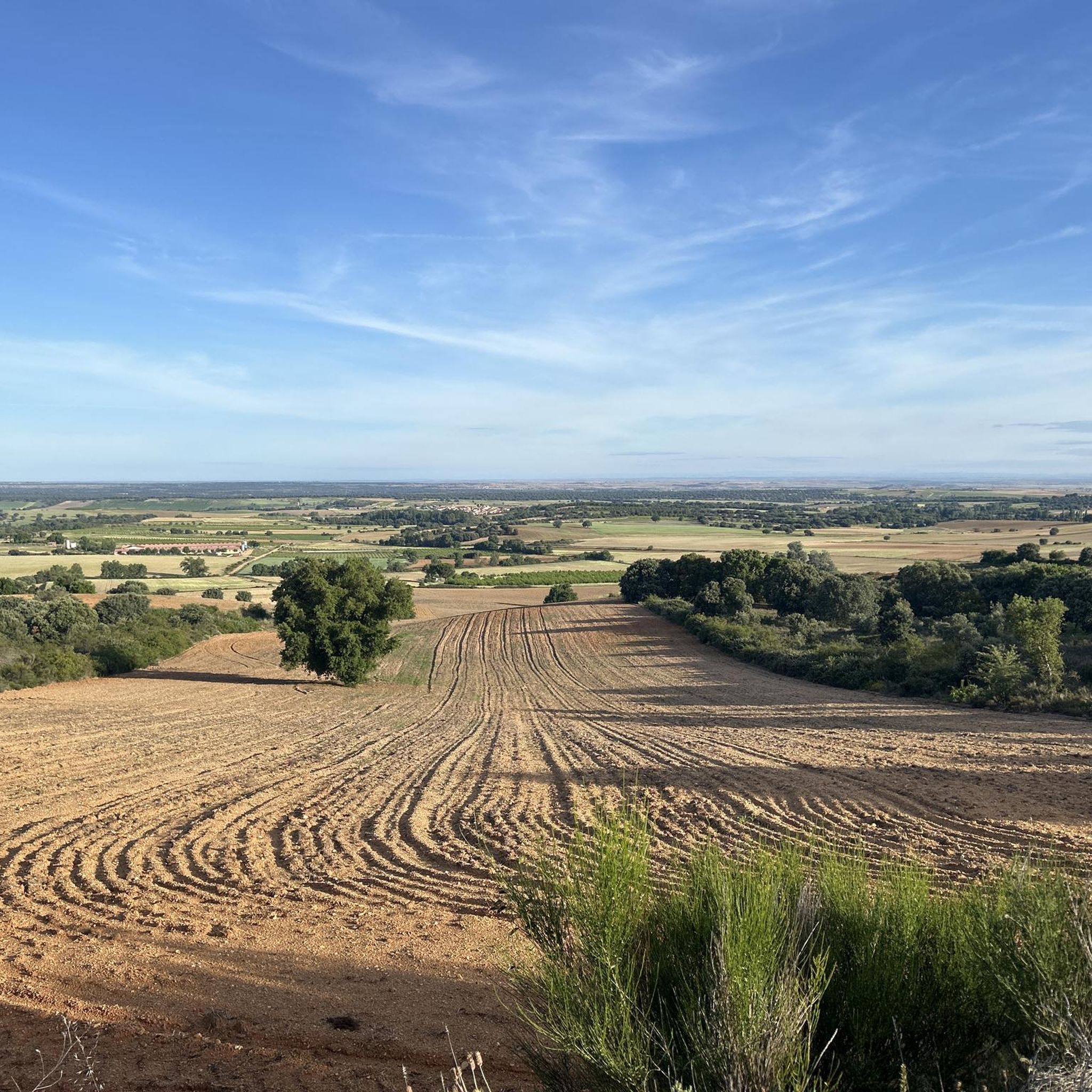
Road Cycling Routes around National Park Douro Internacional
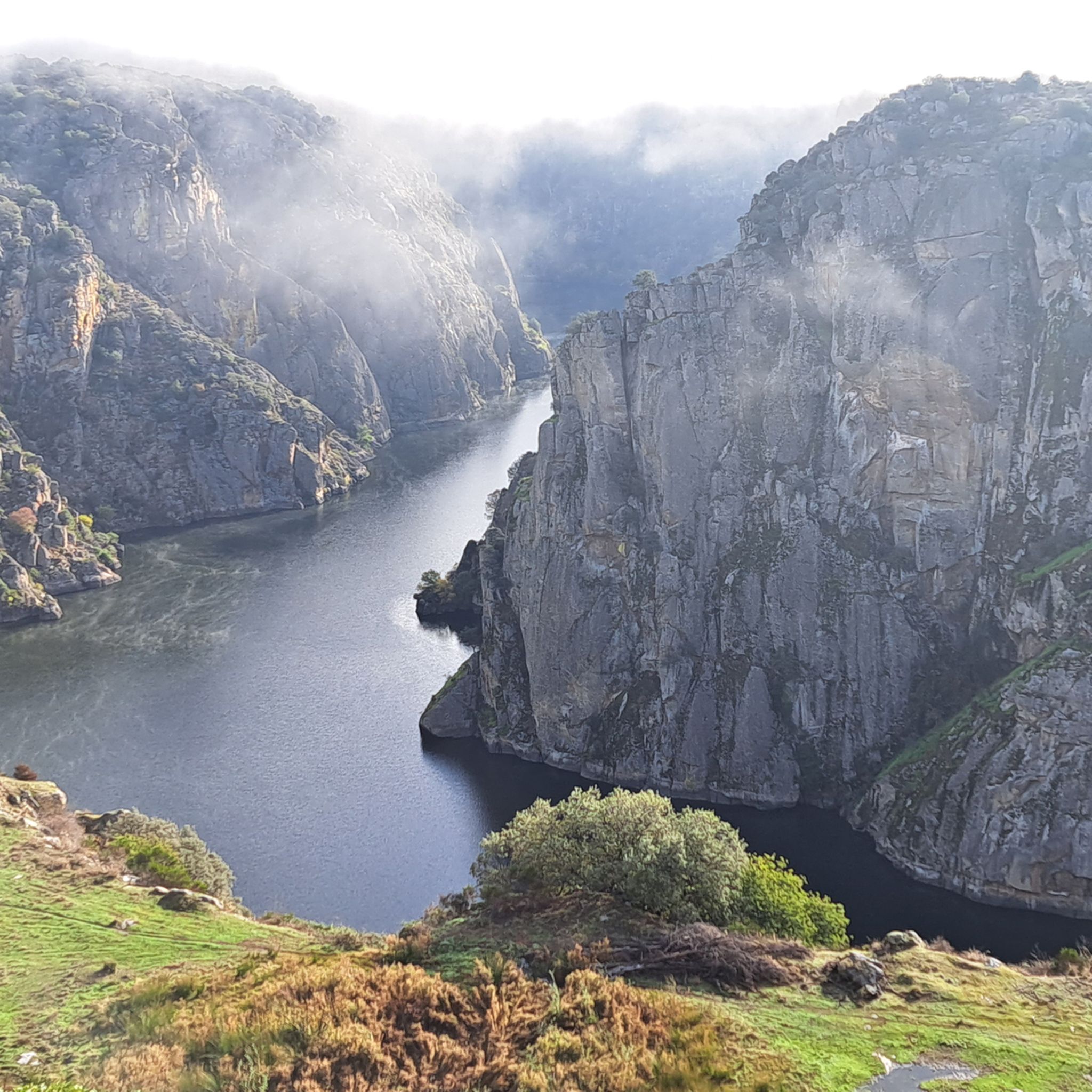
Hiking around National Park Douro Internacional
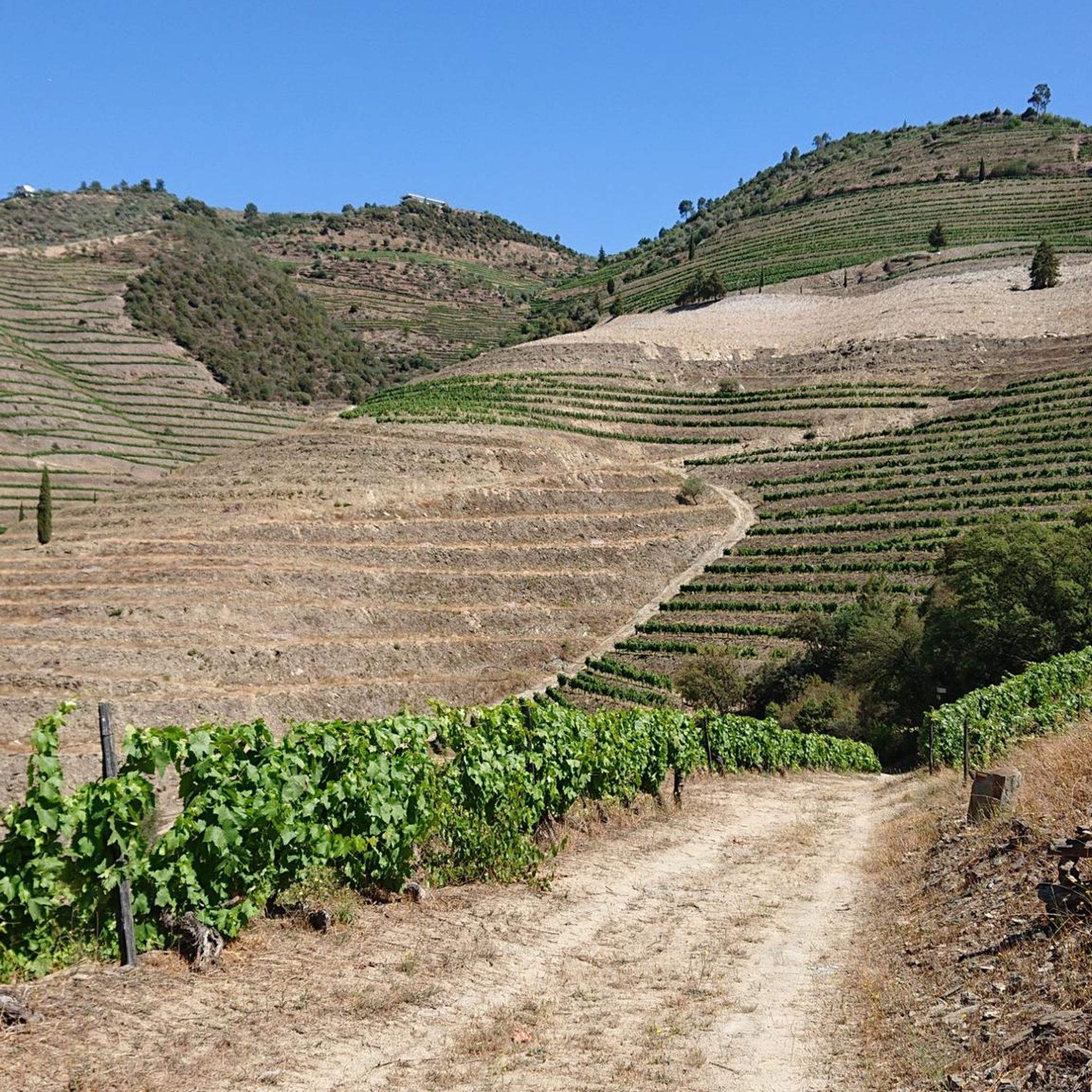
Running Trails around National Park Douro Internacional
MTB Trails around National Park Douro Internacional
Cycling around National Park Douro Internacional
Other adventures around National Park Douro Internacional

Tips from the Community

Mirador do Penedo Amarelo. It is located on Rua do Penedo Amarelo, in the urban area of Miranda do Douro. It offers wide panoramic views of the Douro River surrounded by green hills, the dam, the historic center and the co-cathedral of Miranda do Douro. It is one of the most outstanding urban viewpoints in the area.
2
0

The bridge was designed and built in 1955 by the renowned Portuguese engineer Edgar Cardoso. It is considered the first motorway bridge in the Portuguese section of the Douro River and is a concrete arch bridge with a length of approximately 300 meters. It is named after the Portuguese naval officer and colonial administrator Almirante Manuel Maria Sarmento Rodrigues, who served as governor of Guinea and Mozambique under the Salazar dictatorship and later became Minister of Colonies.
1
0

The first bishops of Miranda had to live in the Castle. It was only in 1601 that construction began on the Episcopal Palace and the Seminary. When it was completed, more than a century later, its opulence was no less than that of the Cathedral, whose Renaissance style it imitated. The Palace was built around a central courtyard, surrounded by a cloister with lowered arcades, on monolithic columns. And, although badly damaged by successive fires during the 17th and 18th centuries, it was the definitive transfer of the seat of the Diocese to Bragança, in 1780, that caused it to fall into rapid ruin. The shadow of its monumentality can still be seen today in the cloister and on the portico of the Seminary. However, despite its state of ruin, its symbolic power remains because the bishops always continued to engrave their names on the respective memorial, at the entrance to the Renaissance portico of the first Episcopal Palace of the Diocese.
2
1
The castle of Miranda do Douro was built during a second period of settlement and ordering in Trás-os-Montes, which occurred during the reign of King Dinis. The first kings had provided this vast region with administrative units protected by Romanesque castles, called Terras, whose mission was to establish royal authority in an area of the kingdom that was notoriously peripheral. Over time, this power structure proved to be inadequate and King Afonso III initiated a different policy, the most visible of which was the founding of new urban towns. In the territory of Miranda do Douro, the new town was founded by King Dinis in 1286, thus culminating in the transfer of power from the old castle of Algoso, which had been the capital of the land until that date.
1
1

This beautiful viewpoint is located in the urban centre of Miranda do Douro, at the end of the street closest to the river, specifically on the street of the same name.
0
1
The bridge is notable for its six curvilinear polygonal arches, with a total length of 232 metres. In 1973, it was named after Admiral Sarmento Rodrigues, a prominent Portuguese politician and military man. The structure is an outstanding example of bridge engineering of the period and remains an important landmark in the region.
9
0
Barca d’Alva is a charming destination! This small Portuguese village is located on the banks of the Douro River and is known for its stunning landscapes and tranquility.
11
0

The bridge connects Spain and Portugal. Thanks to the EU you can easily walk across it 🙂
1
0
Frequently Asked Questions
What natural features define the landscape of National Park Douro Internacional?
The park is renowned for its dramatic landscapes shaped by the Douro River, which carves out deep valleys with vertical cliffs, creating a 'Grand Canyon' effect. You can experience these breathtaking views from numerous viewpoints, such as the Yellow Rock Viewpoint in Miranda do Douro, offering panoramic vistas of the river, dam, and historic center. Another notable natural attraction is the Faia de Água Alta waterfall, though it's primarily a winter feature.
Are there historical sites to explore in National Park Douro Internacional?
Yes, the region is rich in history. You can visit the ruins of Castelo de Miranda do Douro, a 13th-century military fortification with an octagonal plan and impressive walls. The Co-Cathedral of Miranda do Douro, a 16th-century religious building, showcases Renaissance architecture. Additionally, the historical centers of Miranda do Douro and Freixo de Espada à Cinta offer pre-Romanesque walls, Manueline architecture, and museums.
What cultural experiences can I find in the National Park Douro Internacional?
The park offers unique cultural insights, including the Mirandese language, which is Portugal's co-official second language. You can explore the Mirandese Culture House in Miranda do Douro and the Terra de Miranda Museum. The historical center of Freixo de Espada à Cinta features distinctive Manueline architecture, reflecting its past Jewish community, and museums like the Silk and Territory Museum. Traditional dovecotes are also an interesting part of the local landscape.
What outdoor activities are available near the attractions?
The National Park Douro Internacional is excellent for outdoor enthusiasts. You can find various routes for mountain biking, road cycling, and running. For example, there are challenging road cycling routes like the 'International Douro Park Loop' and moderate MTB trails such as the 'Yellow Rock Viewpoint – View of the Douro Canyon loop from Miranda do Douro'. Explore more options on the MTB Trails, Road Cycling Routes, and Running Trails guide pages.
Are there any family-friendly attractions in the area?
Yes, several attractions are suitable for families. The Yellow Rock Viewpoint is considered family-friendly, offering accessible and stunning views. The village of Barca d'Alva, known for its tranquility and river views, is also a charming family destination. Additionally, the Congida River Beach provides opportunities for river activities and boat trips, which can be enjoyable for all ages.
When is the best time to visit National Park Douro Internacional?
The best time to visit depends on your interests. For nature lovers, early spring (February and March) is ideal to witness the spectacular almond blossom, when the landscape turns light pink. Birdwatching, especially for birds of prey, is excellent year-round, but particularly at viewpoints like Miradouro de Penedo Durão at sunset. Summer offers opportunities for river activities, while winter brings the Faia de Água Alta waterfall to life.
Where can I find the most scenic viewpoints in the park?
The park is dotted with numerous viewpoints offering spectacular vistas. Besides the urban Yellow Rock Viewpoint in Miranda do Douro, Miradouro de Penedo Durão, located south of Freixo de Espada à Cinta, provides exceptional views of both Portuguese and Spanish territories and is a prime spot for birdwatching. The viewpoint behind the Cathedral of Miranda do Douro also offers stunning views over the Douro River canyon.
Can I see wildlife in National Park Douro Internacional?
Absolutely. The park's remote nature makes it a haven for diverse wildlife. You might spot species such as the Iberian wolf, wild cats, otters, and various bats and amphibians. It's particularly significant for birdwatchers, hosting populations of falcons, black storks, and Europe's densest concentration of Egyptian and Griffon vultures. Viewpoints like Miradouro de Penedo Durão are excellent for observing birds of prey.
Are there any unique architectural landmarks in the region?
Yes, the region features several unique architectural landmarks. The Ponte Almirante Sarmento Rodrigues is an outstanding example of bridge engineering with its six curvilinear polygonal arches, spanning 232 meters. In Freixo de Espada à Cinta, the Church of São Miguel is a masterpiece of Manueline architecture, with intricately carved portals. The Torre do Galo, a 13th-century fortress remnant, is an irregular heptagonal tower offering panoramic views.
What are some lesser-known or 'hidden gems' in the National Park Douro Internacional?
Beyond the main attractions, you can discover the ancient Mazouco Rock Engravings, offering a glimpse into prehistoric human presence. Exploring the traditional dovecotes scattered across the landscape provides insight into local heritage and their role in protecting birds of prey. While not a hidden gem, the almond blossom in early spring is a spectacular natural event that transforms the landscape into a sea of pink.
Are there opportunities for wine-related experiences in the park?
While the Douro Internacional Natural Park is distinct from the main Douro Valley wine region, its undulating landscapes are home to wine-producing Quintas with terraces and vineyards. Some areas within or nearby the park may offer wine-related experiences, allowing visitors to appreciate the unique, UNESCO World Heritage-designated landscape shaped by viticulture.
What is the significance of the Douro River in the park?
The Douro River is the defining feature of the park, forming a significant portion of the international border between Portugal and Spain. It carves out the dramatic deep valleys and vertical cliffs that characterize the landscape, often referred to as a 'Grand Canyon' of the Iberian Peninsula. The river is central to the park's natural beauty, wildlife habitats, and offers opportunities for scenic boat tours and river activities.
Most popular routes around National Park Douro Internacional
Most popular attractions around National Park Douro Internacional

Get inspired with the komoot mobile app


Explore more
Still not found the Highlight you’re looking for? See guides of the top attractions in other regions:
