The best hikes from bus stations around Herzogenrath
4.4
(1995)
9,514
hikers
141
hikes
Hiking around Herzogenrath offers diverse trails through green hills, forests, and river valleys. The region is characterized by the meandering Wurm River and the Broichbach, providing varied landscapes of woods, fields, and meadows. Historical mining influences are also present, with spoil heaps shaping the skyline and offering unique points of interest. This combination of natural beauty and historical context creates a varied terrain for outdoor exploration.
Best bus station hiking trails around Herzogenrath
- The most popular bus station hiking route…
Last updated: May 15, 2026
4.6
(194)
696
hikers
Moderate hike. Good fitness required. Easily-accessible paths. Suitable for all skill levels.
4.7
(173)
672
hikers
13.1km
03:35
200m
200m
Moderate hike. Good fitness required. Easily-accessible paths. Suitable for all skill levels.

Sign up for free
4.5
(152)
610
hikers
Moderate hike. Good fitness required. Easily-accessible paths. Suitable for all skill levels.
4.5
(102)
333
hikers
Moderate hike. Good fitness required. Easily-accessible paths. Suitable for all skill levels.
4.8
(63)
136
hikers
5.90km
01:33
50m
50m
Easy hike. Great for any fitness level. Easily-accessible paths. Suitable for all skill levels.
Get access to more routes and recommendations from other explorers.
Sign up for free
Already have an account?
Our route recommendations are based on thousands of hikes, rides, and runs completed by other people on komoot.
Start today with a free account
Your next adventure awaits.
Login or Signup
Popular around Herzogenrath
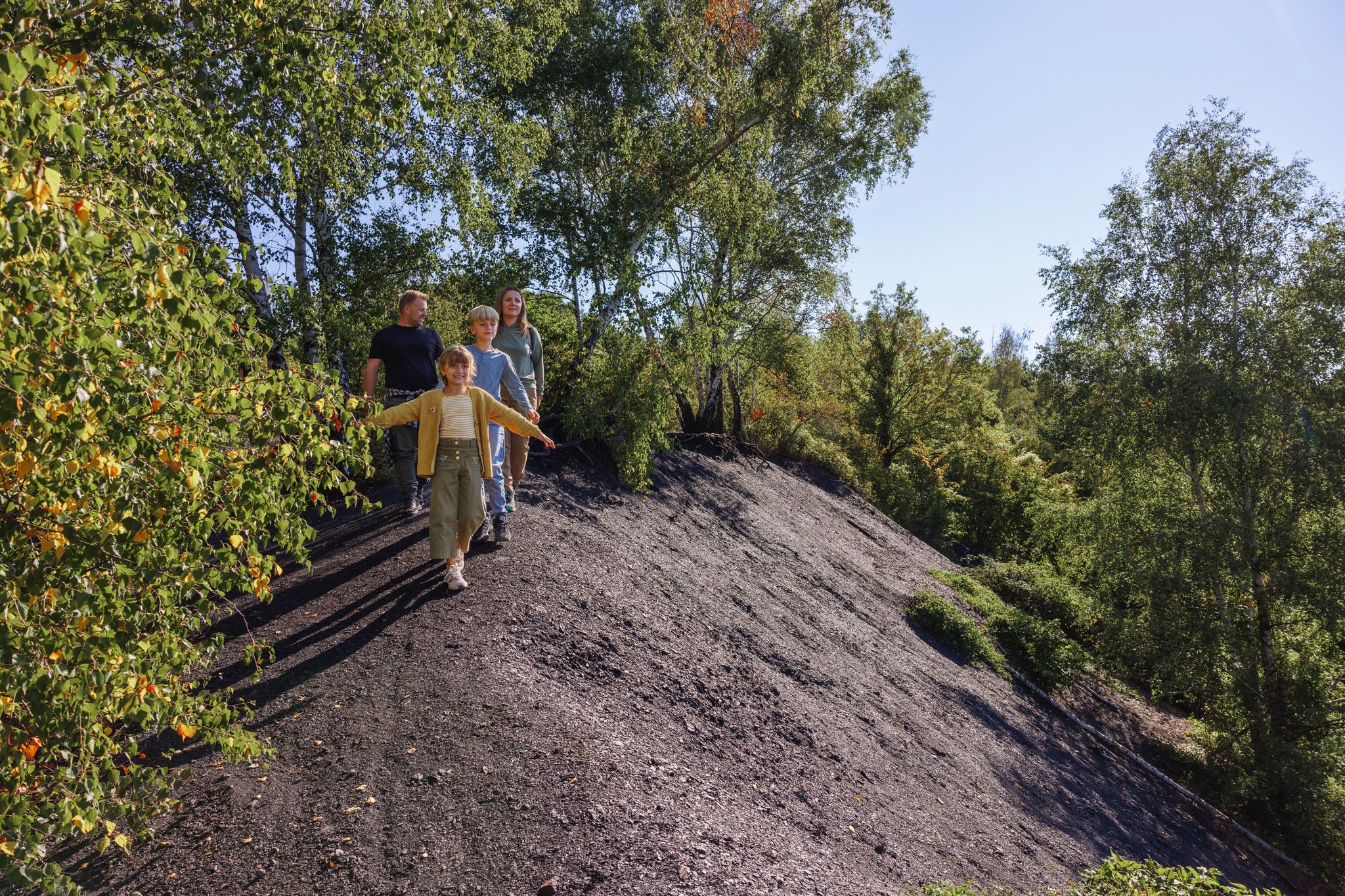
From coal to natural treasures – hiking in the Aachen Region
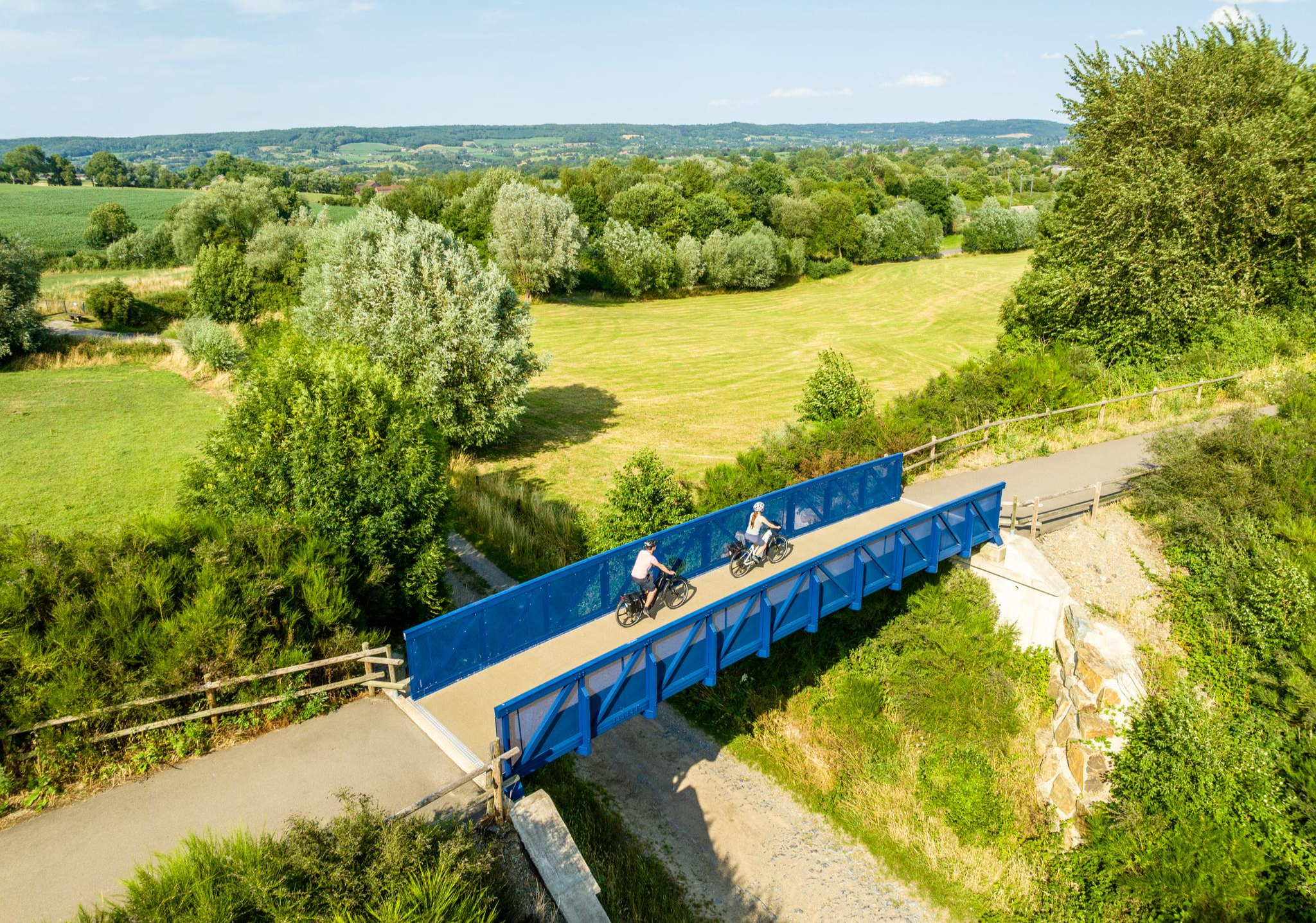
Three countries, one experience – borderless cycling in the Aachen region
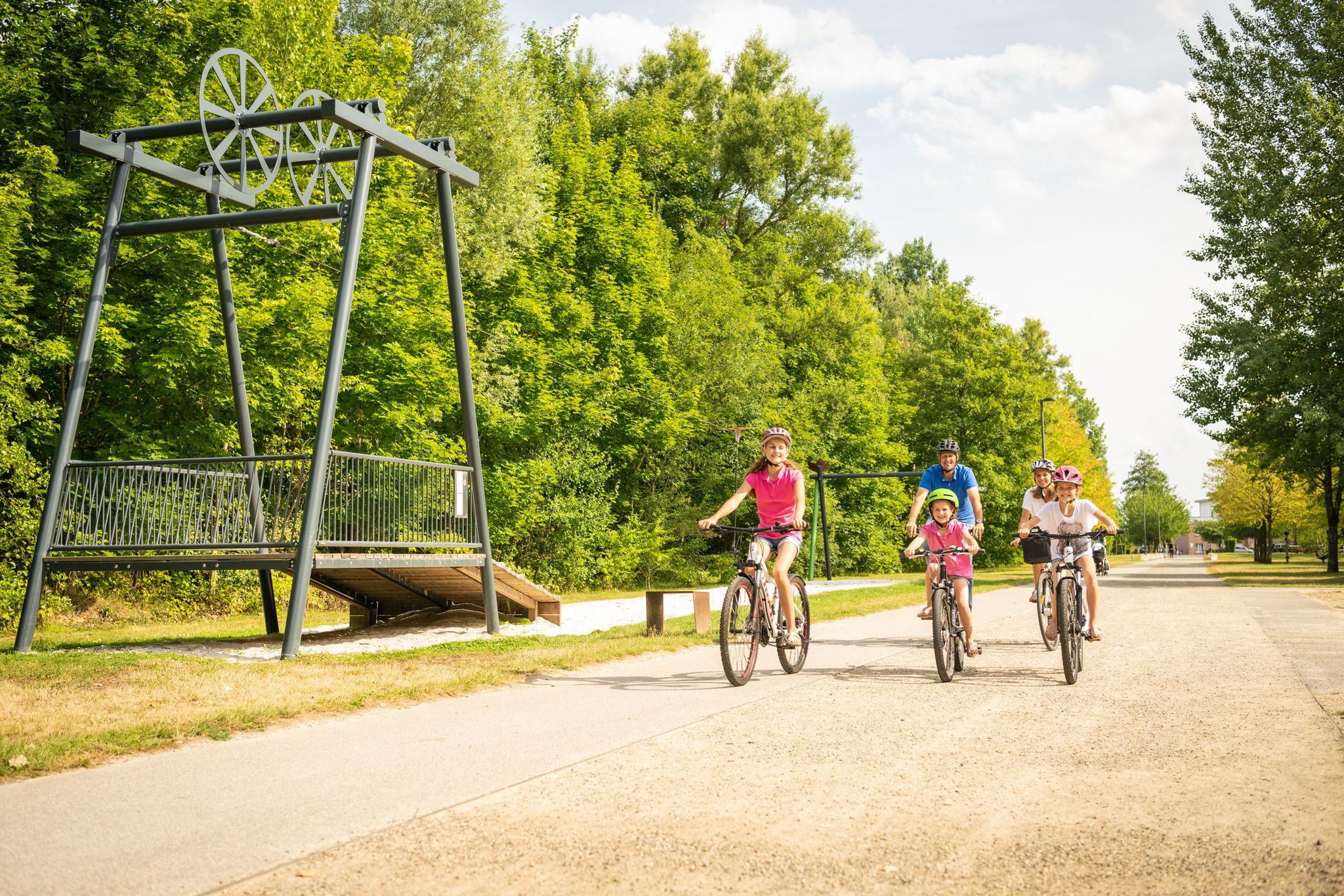
Between mining and castles – bike Tours in the Aachen region
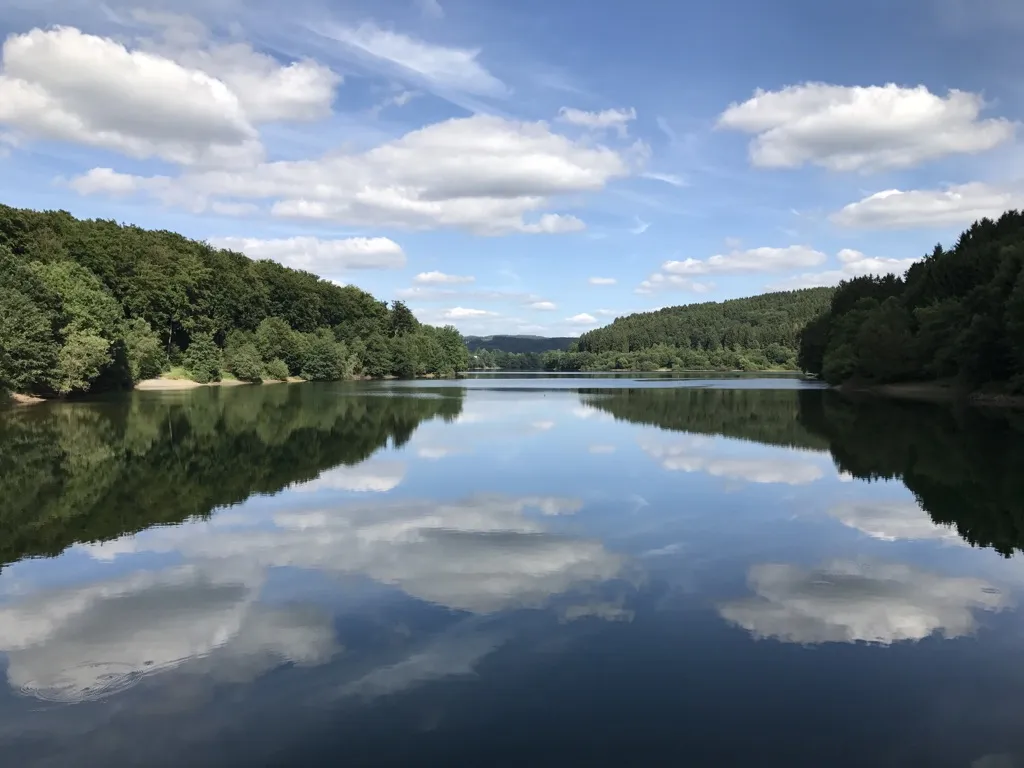
Auszeiten im Grünen – Entspannte Wanderungen im Rheinland
Auf zwei Rädern mobil durchs Aachener Umland
Mit Rosbacher auf Tour im Rheinland
Other adventures around Herzogenrath


Tips from the Community

The Wurm River, largely in its natural state, exhibits an impressive flow dynamic that is unparalleled nationwide. Driven by the force of the flowing water, the river's course is constantly changing, creating new channels, gravel bars, eroding banks, abandoned riverbeds, and new floodplain forests. The abundance of food in the Wurm's gravel and sand deposits makes the river particularly attractive to certain, sometimes rare, bird species. For example, the rare kingfisher finds ideal nesting opportunities in the eroded banks of the Wurm. Beavers have also returned to the Wurm in recent years.
0
0
The nature reserve, located north of the city of Aachen in the area of the cities of Würselen and Herzogenrath on both sides of the Wurm river, is approximately 445 hectares in size and is largely characterized by freely flowing meanders of the Wurm river in the open floodplain.
0
0

The tour ends before the stairs! The bridge over the Wurm has disappeared! It's not mentioned anywhere, so be careful!
0
0

The viewpoint on the former limestone spoil heap near Würselen-Teuterhof offers views primarily of the immediate surroundings: adjacent fields, wooded areas, the districts of Würselen, and the former Teuterhof industrial site. The elevated position provides a good impression of the landscape's structure, without offering a distant view. The spoil heap originates from the former limestone quarrying that took place here for decades and shaped the region's economy. The deposited material is a remnant of this industrial activity. After operations ceased, the spoil heap was gradually secured and renaturalized. Today, it is part of the local recreation area and an example of the transformation from an industrially dominated site to a landscape integrated into the surrounding countryside.
1
0
The so-called "dinosaur eggs" on the former limestone spoil heap near Würselen-Teuterhof are not actual fossils, but rather deliberately placed art and design elements. They playfully address the geological significance of limestone mining: Limestone is formed from deposits of prehistoric marine organisms and thus points to periods in which dinosaurs also lived. The objects are intended to attract attention, foster curiosity, and, in particular, provide children with easy access to the geological and industrial history of the site. At the same time, they mark the spoil heap as a learning and experiential space and vividly connect nature, history, and recultivation.
1
0
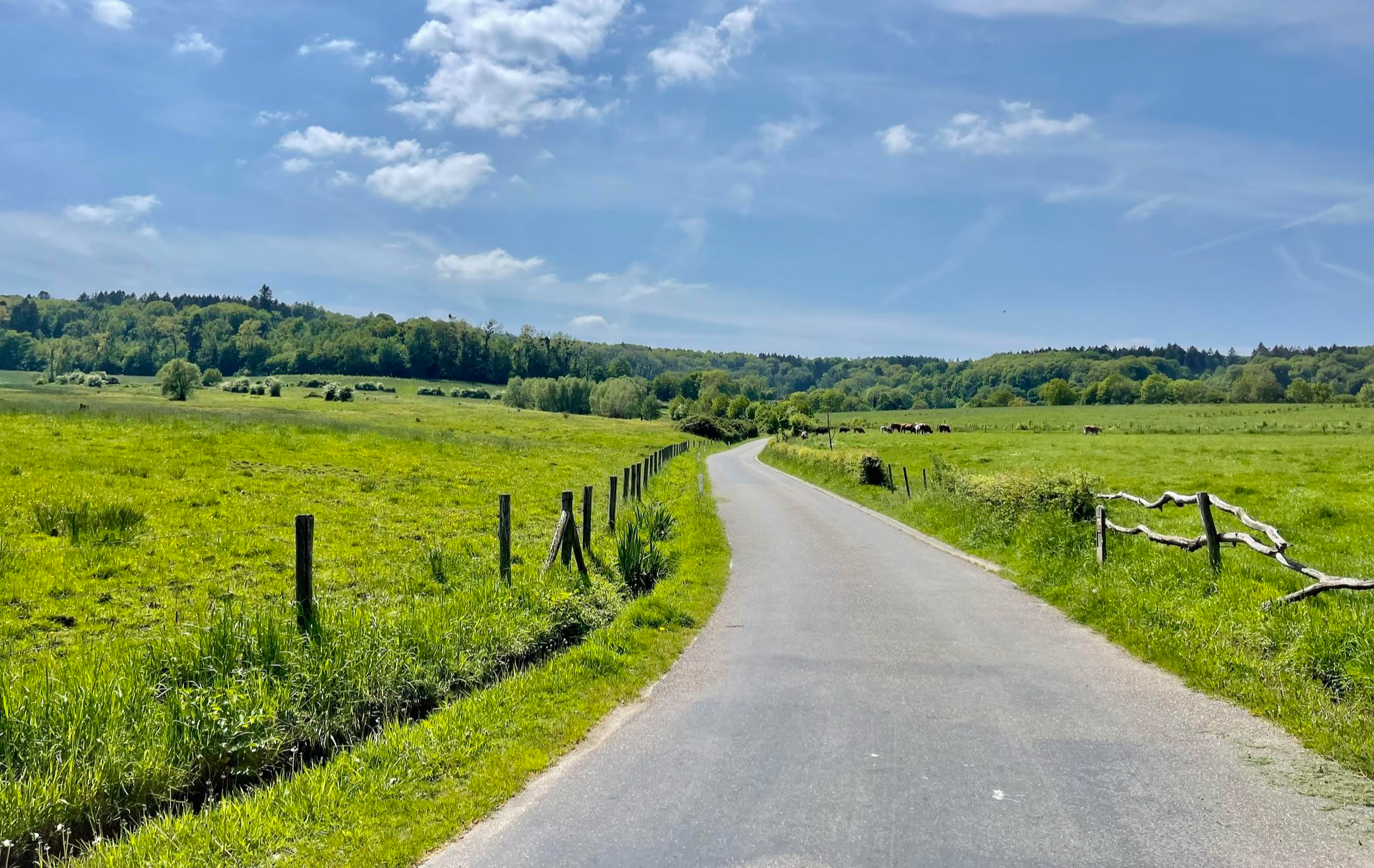
Beautiful view of fields and meadows along the Wurm river
0
0

The Wurmtal, near Aachen, contains unique habitats specifically designed for rare toads and other amphibians. This area is an important refuge for species that are increasingly under pressure elsewhere in Europe due to desiccation, urbanization, and loss of suitable habitat. The combination of natural dynamics and targeted nature management makes the Wurmtal a vital component of regional and cross-border nature conservation. The habitats consist of small, shallow pools and temporary ponds, often in open, sunny locations. These simple water features are particularly important for species like the yellow-bellied toad and the midwife toad, which lay their eggs in warm, fishless water. Because these ponds can dry up periodically, predators have little chance, increasing the survival chances of larvae. Around the ponds, stony subsoil, loose bottoms, and shelters made of wood and stones provide ideal conditions for resting, hunting, and overwintering. What makes these habitats particularly special is that they are part of a continuous network of habitats. This allows the toads to move between breeding grounds and habitats, which is crucial for maintaining healthy populations. The area's management focuses on maintaining openness, removing excessive vegetation, and creating new ponds when old ones disappear. This keeps the landscape dynamic, precisely what these amphibians need. For visitors to the Wurmtal, these biotopes are usually not immediately noticeable, but they form a quiet, fragile world right next to hiking trails and nature reserves. Information panels and conservation measures emphasize the importance of tranquility and respect for nature. The biotopes for rare toads demonstrate how careful nature management can contribute to biodiversity and how even small landscape elements can be vital to the survival of endangered species.
2
0
The marble egg-shaped sculptures in the Wurmtal are subtle modern works of art that enrich the landscape in a surprising way, simultaneously evoking a sense of mystery and contemplation. Placed in the tranquil valleys and rolling hills of the Wurmtal, the smooth white forms seem to have emerged almost naturally from the landscape itself, as if shaped by wind and water over centuries. Yet their perfection and choice of material—marble with its cool, luminous sheen—are a clear sign of human influence, creating an intriguing dialogue between nature and art.
1
0
Frequently Asked Questions
How many bus station hiking trails are available around Herzogenrath?
There are over 140 hiking routes around Herzogenrath that are easily accessible from bus stations, offering a wide variety of experiences for all skill levels.
What kind of terrain can I expect on bus-accessible hikes in Herzogenrath?
The region around Herzogenrath features diverse terrain, including green hills, forests, and river valleys like the Wurm Valley and Broichbachtal. You'll find a mix of forest paths, open fields, and meadows, with some routes featuring short, moderate ascents and descents.
Are there family-friendly hiking trails accessible by bus in Herzogenrath?
Yes, many of the bus-accessible trails are suitable for families. Herzogenrath offers numerous easy walks, often through scenic valleys and forests, perfect for a day out with children. Look for routes with lower elevation gain and shorter distances for a comfortable family experience.
Can I bring my dog on these bus station hiking trails?
Most hiking trails in Herzogenrath are dog-friendly, allowing you to enjoy the natural beauty with your canine companion. Always keep your dog on a leash, especially in nature reserves or near livestock, and remember to clean up after them.
What natural attractions can I see along the bus-accessible routes?
Herzogenrath's bus-accessible trails often lead through the beautiful Wurm Valley, known for its diverse flora and fauna, and the Broichbachtal valley. You might encounter natural monuments like the Brunssummerheide Nature Reserve or the Teverener Heide Nature Reserve, which feature lakes and unique landscapes.
Are there any historical points of interest on these hikes?
Absolutely. Herzogenrath has a rich history, particularly related to coal mining. Some trails, especially in the Kohlscheid district, highlight this past with relics like spoil heaps. You might also pass by historical sites such as Rode Castle or the ruins of Burg Wilhelmstein, which often host cultural events.
Are there circular hiking routes available from bus stops?
Yes, many of the bus-accessible routes are circular, allowing you to start and end your hike at the same bus stop without needing to arrange return transport. An example is the easy Amstelbach Stream loop from Kohlscheid.
What is the best time of year to hike around Herzogenrath?
Herzogenrath is beautiful year-round. Spring brings blooming wildflowers, summer offers lush green landscapes, and autumn provides stunning foliage. Even in winter, the region's trails are accessible for crisp walks, though some paths might be muddy. Always check local weather conditions before heading out.
What do other hikers enjoy most about hiking in Herzogenrath?
The komoot community highly rates the hiking experiences in Herzogenrath, with an average score of 4.4 stars. Hikers often praise the region's diverse landscapes, the well-maintained paths, and the blend of natural beauty with historical sites. The accessibility via public transport is also frequently highlighted as a major benefit.
Are there any challenging bus-accessible hikes in Herzogenrath?
While most routes are easy to moderate, some offer more challenge with greater distances and elevation changes. For example, the moderate View of the Wurm River loop covers over 13 km with significant elevation gain, providing a good workout while exploring the Wurm Valley.
Can I find scenic viewpoints on bus-accessible trails?
Yes, Herzogenrath's hilly and forested terrain offers several opportunities for scenic views. Trails often lead to elevated points or open areas overlooking the Wurm Valley, the surrounding green landscapes, or even specific landmarks. The Noppenberg Cycling Club Monument loop offers views of Herzogenrather Weiher.
Are there any long-distance trails near Herzogenrath accessible by bus?
Yes, a section of the European Long Distance Trail E8 passes through the Wurm Valley from Aachen to Herzogenrath. While this guide focuses on shorter bus-accessible routes, you can use public transport to reach points along this larger trail for extended hikes.
Most popular routes around Herzogenrath
Most popular attractions around Herzogenrath

Get inspired with the komoot mobile app


Explore more
Browse the best Hikes in other regions.
