The best hikes from bus stations in Serbia
4.6
(1553)
8,646
hikers
141
hikes
Bus station hiking trails in Serbia traverse a diverse landscape, characterized by mountainous terrain from the Dinaric Alps, Carpathian, and Balkan ranges, alongside dense forests and deep river gorges. The country offers a variety of natural features, including limestone cliffs, serene lakes, and rolling hills, providing varied hiking experiences. These trails often lead through national parks like Fruška Gora and Tara, showcasing the region's natural beauty and historical sites. The varied topography ensures options for different levels of hiking ability.
…Last updated: August 20, 2026
4.7
(34)
105
hikers
16.3km
04:53
520m
520m
Moderate hike. Good fitness required. Easily-accessible paths. Suitable for all skill levels.
4.5
(29)
58
hikers
10.1km
03:16
450m
450m
Moderate hike. Good fitness required. Easily-accessible paths. Suitable for all skill levels.

Sign up for free
4.6
(30)
61
hikers
Moderate hike. Good fitness required. Easily-accessible paths. Suitable for all skill levels.
4.3
(32)
52
hikers
Moderate hike. Good fitness required. Easily-accessible paths. Suitable for all skill levels.
4.5
(13)
114
hikers
12.5km
03:19
130m
130m
Moderate hike. Good fitness required. Easily-accessible paths. Suitable for all skill levels.
Get access to more routes and recommendations from other explorers.
Sign up for free
Already have an account?
Our route recommendations are based on thousands of hikes, rides, and runs completed by other people on komoot.
Start today with a free account
Your next adventure awaits.
Login or Signup

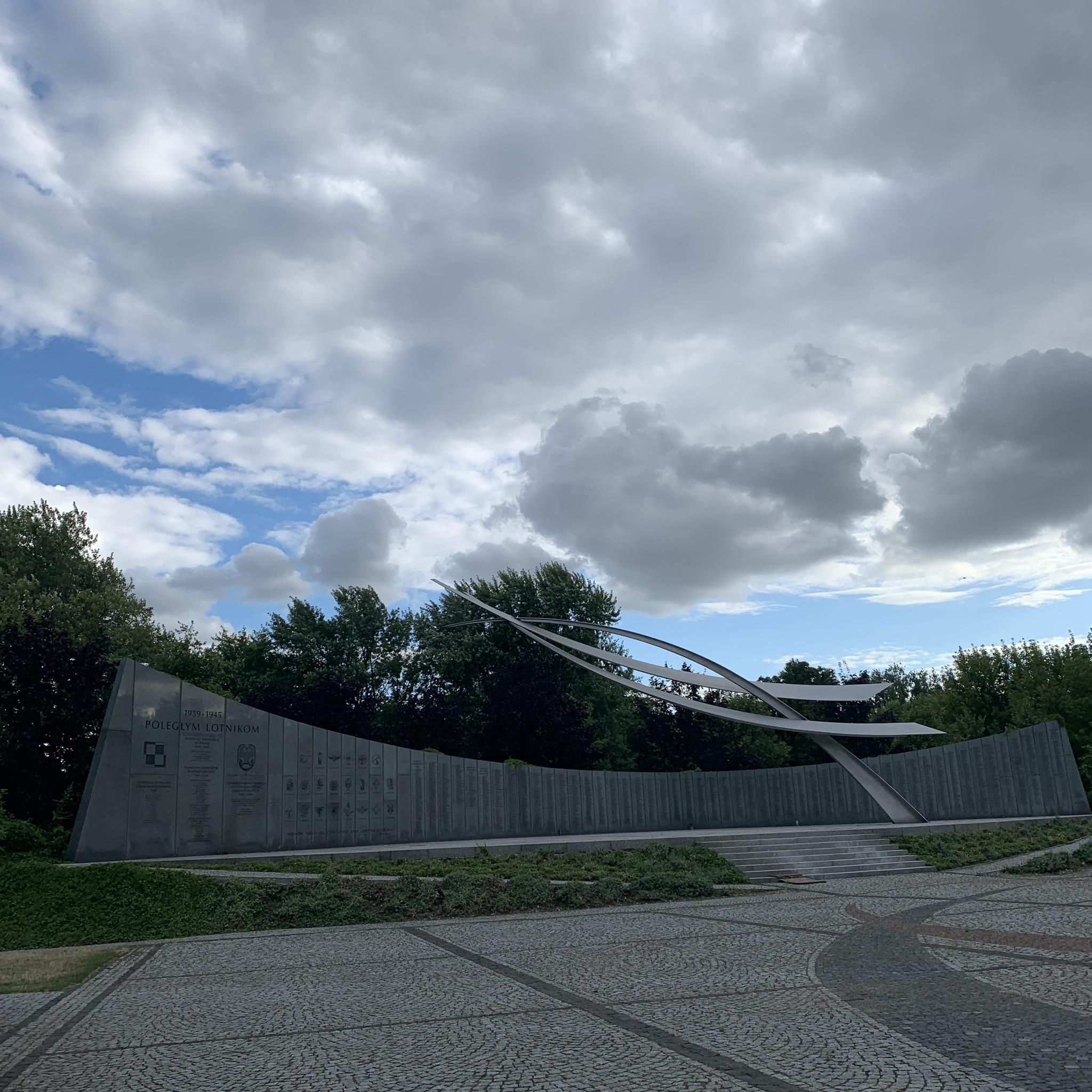
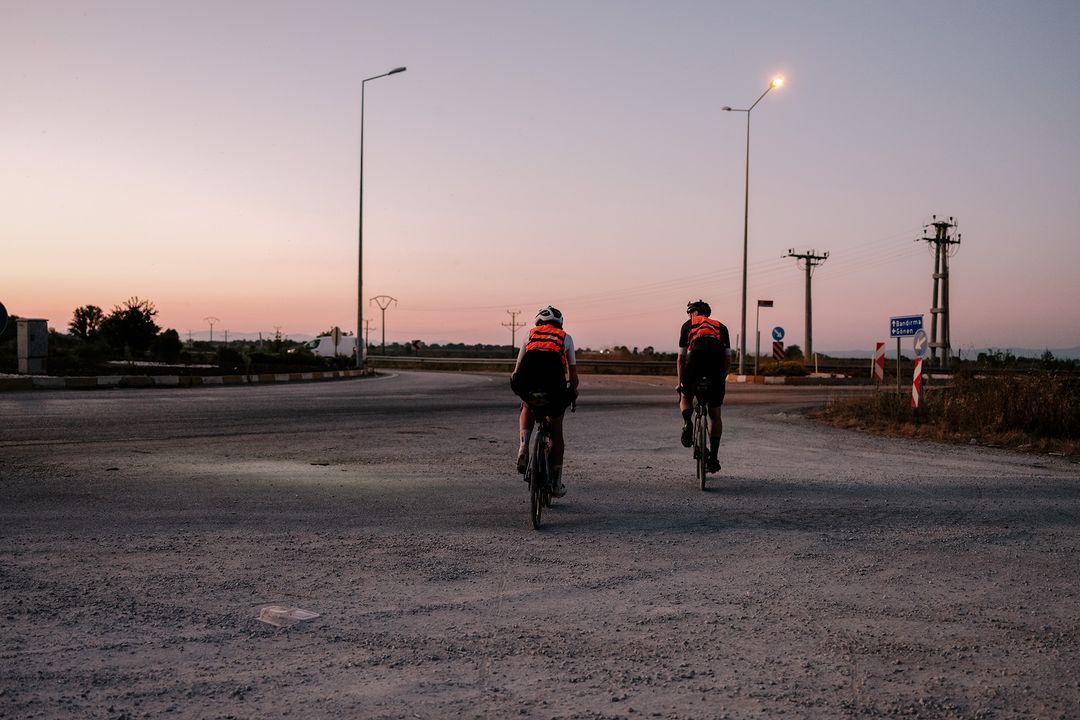
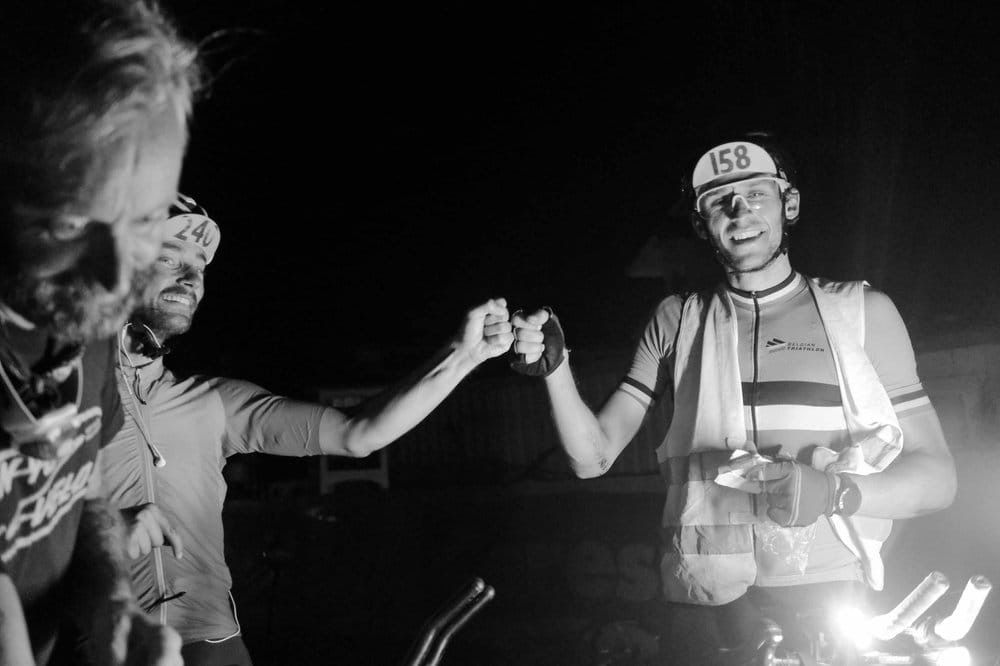
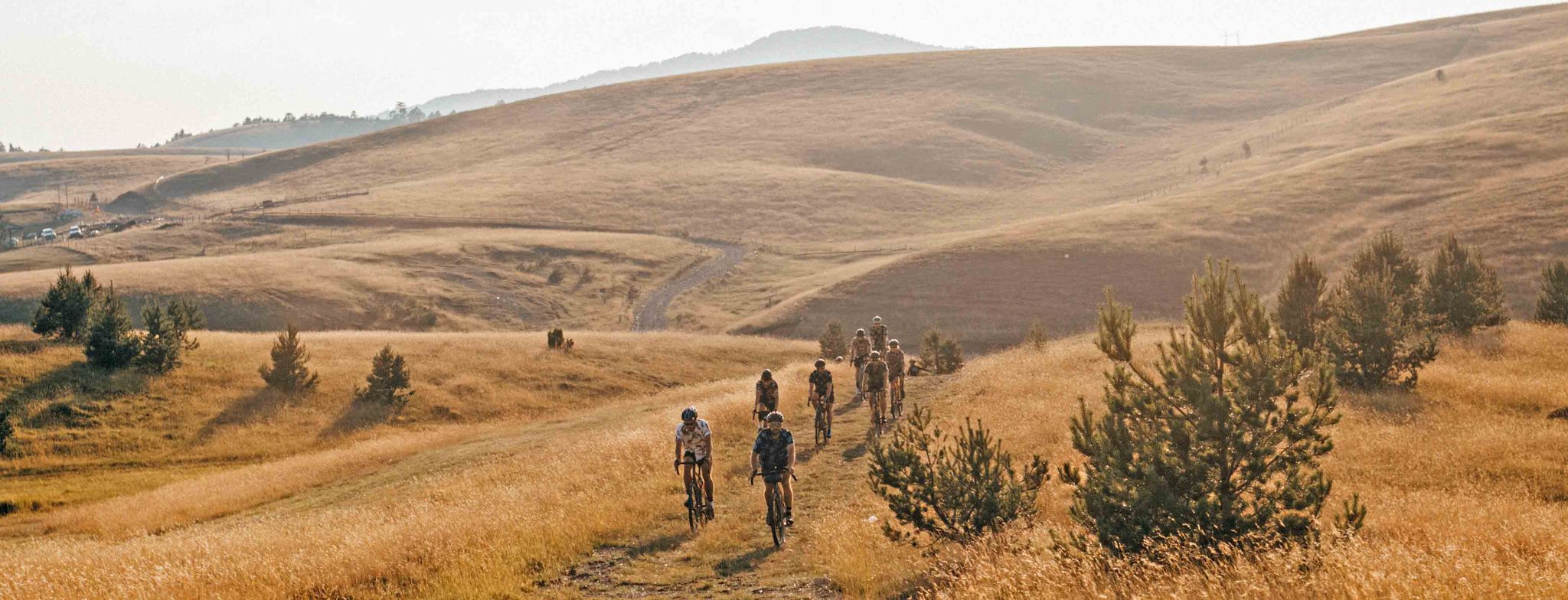


Tips from the Community

It is cool to see but I would be very careful going up there. The wooden steps are starting to rot and already some of them have collapsed. Please be careful I wouldn’t recommend going up the steps in the ruin at all.
0
0

Definitely a must-see when in Belgrade. After finishing the run, come back for a walk and spend at least 2 hours here. Although I am not into military things, the open air museum is definitely worth a first and a second look
0
0

Extensive fortress complex. There is much to see and discover. Access to the popular pedestrian zone with cafes and restaurants.
0
0

A tall stone pillar with a statue of a Soviet soldier on top, surrounded by bronze figures below — a tribute to World War II heroes.
0
0

May 3025 : Climbing Whale is no longer maintained, i.e. No more safety, says the signs, so at your own risk - a bit risky
0
0
This path is quite steep and goes straight up, the second path over the road (then after 300m up into the forest) is a bit longer but much more comfortable and newly laid out with wood chips
0
0
There are 2 ways to the old Tower: one Starts near the chapell, in the high edge by the wall over a escalator - the way is strong upstairs and directly, the second way is new and vomfortable , it start by the Great towerbridge on entrance, you go 300m on the street ( left side) than there is the Walk in the Forest slowly upstairs, mostly in shadow Of the Great tree, the way is Build with Little Wood particle ( this way i have documented here)
0
0

At this site, in September 1941, the first two partisan units were formed in the village of Rakovac. The first unit was established on September 19, 1941, in the shelter of the communist Nikola Mojić and in the presence of the first commander of the Fruška Gora partisan detachment, Sima Relić. The second unit, composed of workers from the Rakovac quarry, was formed on September 24. On that occasion, both of these units took the ceremonial "partisan oath". After the war, this date was designated as the Day of the Uprising in Rakovac. Rakovac also remembers October 18, 1943, when a punitive expedition led by Anton Bauer arrived in the village. After two days of arrests and terror, they set fire to the entire village, including the Rakovac monastery. Three decades later, a memorial complex was erected, dedicated to the "Partisan Oath" and to the fallen fighters and victims of fascist terror. Near the road is a small plateau with an architectural composition made up of five concrete walls of different sizes and shapes. The walls were decorated with plaques that had been stolen in the past twenty years. One of them bore the verses written by the poet Mika Antić: "At this place in September 1941, the heart of Srem pounded with the beat of the Revolution." Behind the entrance plateau is a stone wall with a tunnel-like shelter. Above the shelter is a mosaic created by the eminent artist Boško Petrović. After the death of Josip Broz Tito in 1980, another mosaic featuring Tito's portrait was added above the entrance to the shelter. On the inner wall of the shelter is the inscribed text of the Partisan Oath to remind visitors of this event. Within the complex is also a crypt and memorial tablets inscribed with the names of the fallen fighters and victims of fascist terror in Rakovac. [This site is part of the Liberation Routes cycling tour "The Danube to Victory Route" (58km)] https://www.komoot.com/tour/1933369594?share_token=aRc7kQYJ01cywoOlRPXzWvplRxrDI3K22D17Rs90xCFiVo5TvF&ref=wtd
2
0
Frequently Asked Questions
How many bus-accessible hiking trails are available in Serbia?
There are over 140 hiking trails in Serbia that are easily accessible from bus stations, offering a wide range of experiences for all skill levels. The komoot community has rated these routes highly, with an average score of 4.6 stars.
What are the best times of year to go hiking from bus stations in Serbia?
The best time for hiking in Serbia generally spans from spring (April-May) through autumn (September-October). During these months, the weather is typically pleasant, and the landscapes are vibrant. Summer (June-August) is also popular, especially in higher altitudes like Kopaonik or Tara National Park, where temperatures are cooler. Winter hiking is possible in some areas, but requires appropriate gear and caution.
Are there easy hiking options accessible by bus for beginners or families?
Yes, Serbia offers many easy hiking trails that are perfect for beginners or families, with over 55 routes classified as easy. Fruška Gora National Park, for example, has numerous well-marked trails through vineyards and forests, often leading to monasteries. While specific easy routes are not listed here, you can find many suitable options within the guide.
Can I bring my dog on these bus-accessible trails?
Many trails outside of strict protected zones are dog-friendly, but regulations vary, especially within National Parks. In areas like Fruška Gora, dogs are generally welcome on trails if kept on a leash. However, it's always best to check specific park rules or local regulations before heading out, as some sensitive wildlife areas or nature reserves might have restrictions.
Are there any circular hiking routes that start and end near bus stations?
Yes, many of the bus-accessible trails in Serbia are designed as circular routes, allowing you to return to your starting point without needing additional transport. For example, the Fruška Gora TV Tower – Iriški Venac TV Tower loop from Popovica is a moderate circular hike. Another option is the Vrdnik Tower Ruins – Ethno Village Vrdnik Tower loop from Vrdnik Monastery, also a moderate circular route.
What kind of natural attractions can I expect to see on these trails?
Serbia's bus-accessible trails lead to a diverse array of natural wonders. You can explore dramatic river gorges like the Drina Gorge in Tara National Park, or the winding meanders of the Uvac River. Many trails also feature stunning viewpoints, such as Banjska Stena in Tara, or lead to beautiful lakes like Begečka Jama Lake or Lake Perućac. You might also encounter unique geological formations and dense forests.
Are there specific trails known for waterfalls or unique geological features?
Yes, Serbia is home to several impressive waterfalls and unique geological sites. While specific bus-accessible routes to them are not detailed here, areas like Stara Planina boast cascading waterfalls such as Tupavica. The Uvac Special Nature Reserve is famous for its dramatic river meanders and limestone cliffs. For caves, you can explore sites like Lazareva Cave or Beli Majdan (White Quarry) — Rakovac Cave, which are often near hiking areas.
Which National Parks are easily reachable by bus for hiking?
Several of Serbia's beautiful National Parks offer bus access to their hiking trails. Fruška Gora National Park, near Novi Sad, is particularly well-served by public transport, making it ideal for day trips. Tara National Park in Western Serbia also has bus connections to its main towns, providing access to its stunning forests and gorges. Kopaonik National Park and Đerdap National Park also have bus routes, though access points might require more planning.
Are there places to eat or grab a coffee near the bus-accessible trailheads?
Yes, many trailheads, especially those near towns or popular villages, offer amenities like cafes, restaurants, or small shops. In Fruška Gora, for instance, you'll find places to eat near monasteries or in villages like Vrdnik. Similarly, areas around Tara National Park or Kopaonik have facilities catering to hikers. It's always a good idea to check local information for specific trailheads.
What are some interesting historical or cultural landmarks I can visit along these routes?
Serbia's hiking trails often intertwine with rich history and culture. In Fruška Gora National Park, you can visit numerous historic monasteries nestled within the forests. Along the Danube, trails in Đerdap National Park offer views of ancient fortresses like Golubac and archaeological sites such as Lepenski Vir. The Ovčar-Kablar Gorge, often called the 'Serbian Mount Athos,' features many monasteries accessible via hiking paths, blending nature with spiritual heritage.
How can I find more detailed information about specific bus routes and schedules?
For detailed information on bus routes and schedules to specific trailheads, it's best to consult local bus station websites or inquire directly at the bus stations in major cities like Belgrade or Novi Sad. Public transport information can be dynamic, so checking the most current schedules is recommended before your trip.
Are there any specific regulations or permits needed for hiking in Serbian National Parks?
While most hiking trails in Serbia do not require specific permits, some National Parks or protected areas might have entry fees or specific regulations, especially for sensitive zones or guided tours. It's advisable to check the official websites of the respective National Parks (e.g., Tara, Fruška Gora, Kopaonik) for the most up-to-date information on rules, fees, and any necessary permits before you plan your hike.
Most popular routes in Serbia
Most popular attractions in Serbia

Get inspired with the komoot mobile app


Didn’t find what you were looking for?
Check out more Hikes throughout Serbia below and find the perfect route in your destination.
Explore more
Browse the best Hikes in other regions.
