The best gravel rides in Serbia
4.3
(5)
22
riders
5
rides
Gravel biking in Serbia offers diverse and largely untouched natural landscapes, characterized by mountains, river gorges, and national parks. The country features a network of dirt roads and back roads, providing varied terrains for gravel cyclists. Riders can expect routes that traverse stunning mountain ranges and picturesque villages, often including significant elevation gains. This topography makes Serbia a destination for those seeking challenging yet rewarding gravel bike trails.
Best gravel bike trails in Serbia
- The most popular gravel bike trail is Best Gravel Road in Serbia – SRC Šukala Swimming Pool loop from Jarmenovci, a 34.4 miles (55.3 km) trail that takes 3 hours 48 minutes to complete. This route traverses varied terrain with notable elevation changes.
- Another top favourite among local gravel bikers is Skakavac Waterfall loop from Cajetina Municipality, a difficult 19.9 miles (32.0 km) path. This trail features a mix of forest paths and open sections.
- Local gravel bikers also love the Fruška Gora TV Tower – Iriški Venac TV tower memorial loop from Нови Сад, a 34.8 miles (56.0 km) trail leading through Fruška Gora National Park, often completed in about 4 hours 42 minutes.
- Gravel biking in Serbia is defined by mountain ranges, river gorges, and national parks, offering options for different ability levels.
- The routes in Serbia are highly rated by the komoot community with an average score of 4.1 stars from over 8 reviews. More than 40 gravel bikers have used komoot to explore Serbia's varied terrain.
Last updated: August 26, 2026
5.0
(3)
9
riders
55.3km
03:48
1,020m
1,020m
Hard gravel ride. Very good fitness required. Mostly paved surfaces. Suitable for all skill levels.
7
riders
32.2km
02:06
490m
490m
Hard gravel ride. Very good fitness required. Mostly paved surfaces. Suitable for all skill levels.

Sign up for free
3.5
(2)
3
riders
57.3km
03:52
730m
730m
Hard gravel ride. Very good fitness required. Mostly paved surfaces. Suitable for all skill levels.
1
riders
53.6km
03:39
390m
390m
Moderate gravel ride. Good fitness required. Mostly paved surfaces. Suitable for all skill levels.
2
riders
28.7km
01:50
530m
530m
Hard gravel ride. Very good fitness required. Mostly paved surfaces. Suitable for all skill levels.
Our route recommendations are based on thousands of hikes, rides, and runs completed by other people on komoot.
Start today with a free account
Your next adventure awaits.
Login or Signup
Popular around Serbia

Gravel biking in Central Serbia
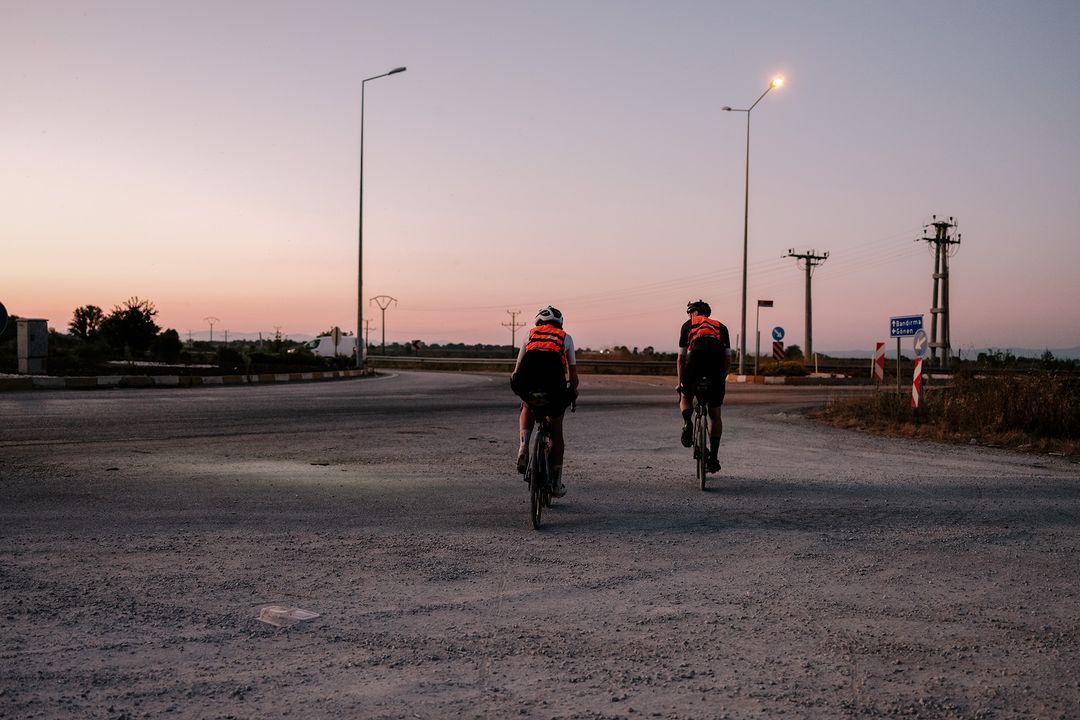
Transcontinental Race No10: crossing Europe from France to Turkey
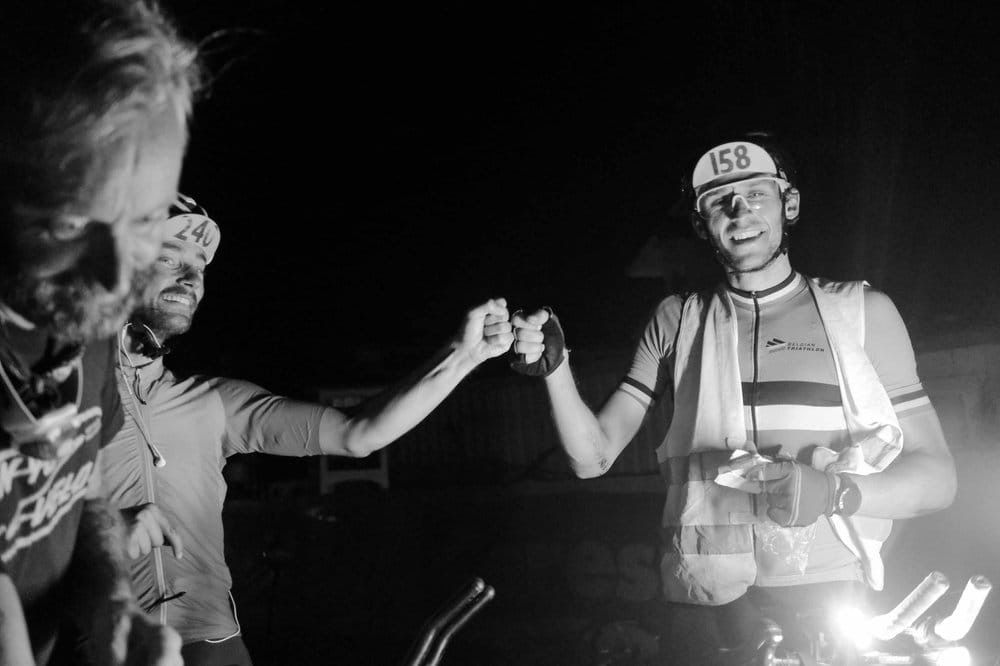
TCR No. 8 — racing across Europe
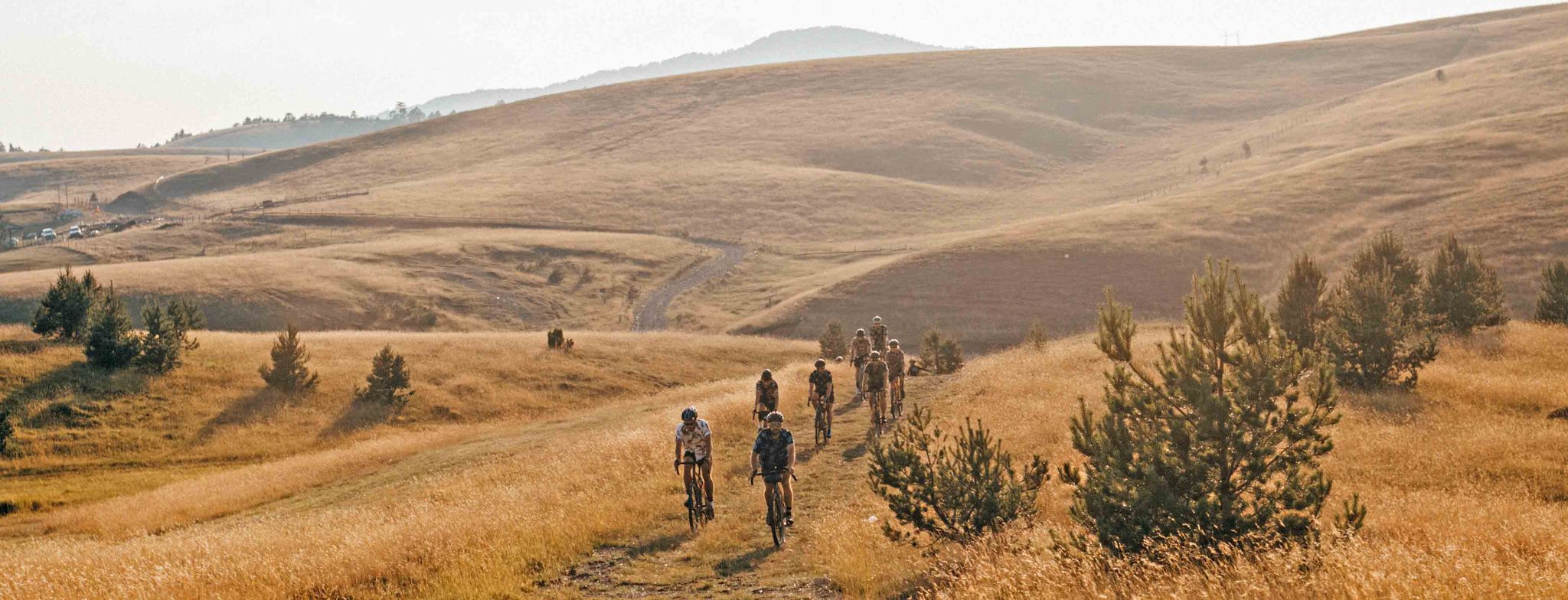
5 days of gravel adventure in Serbia — Serbia Upside Down
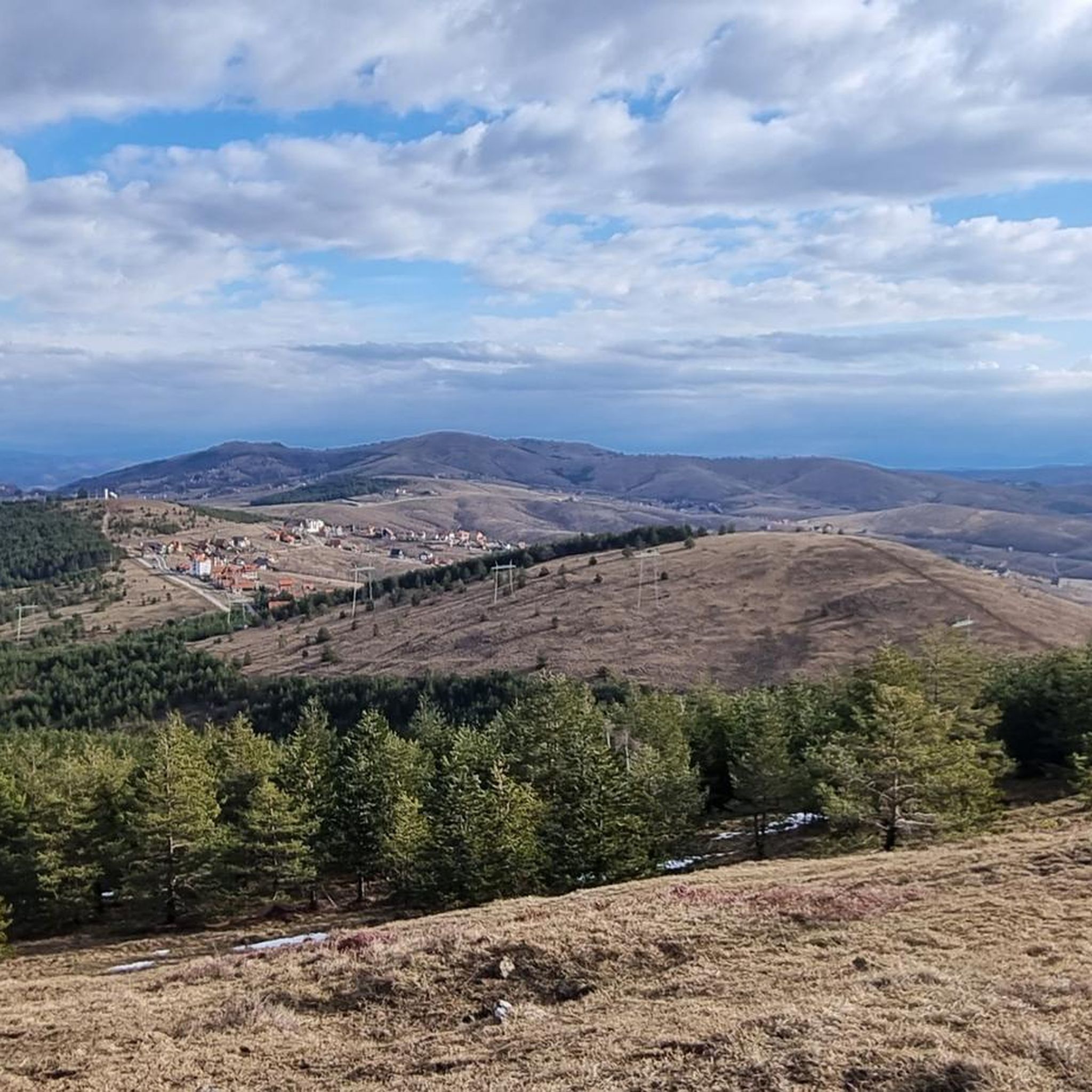
Running Trails in Serbia
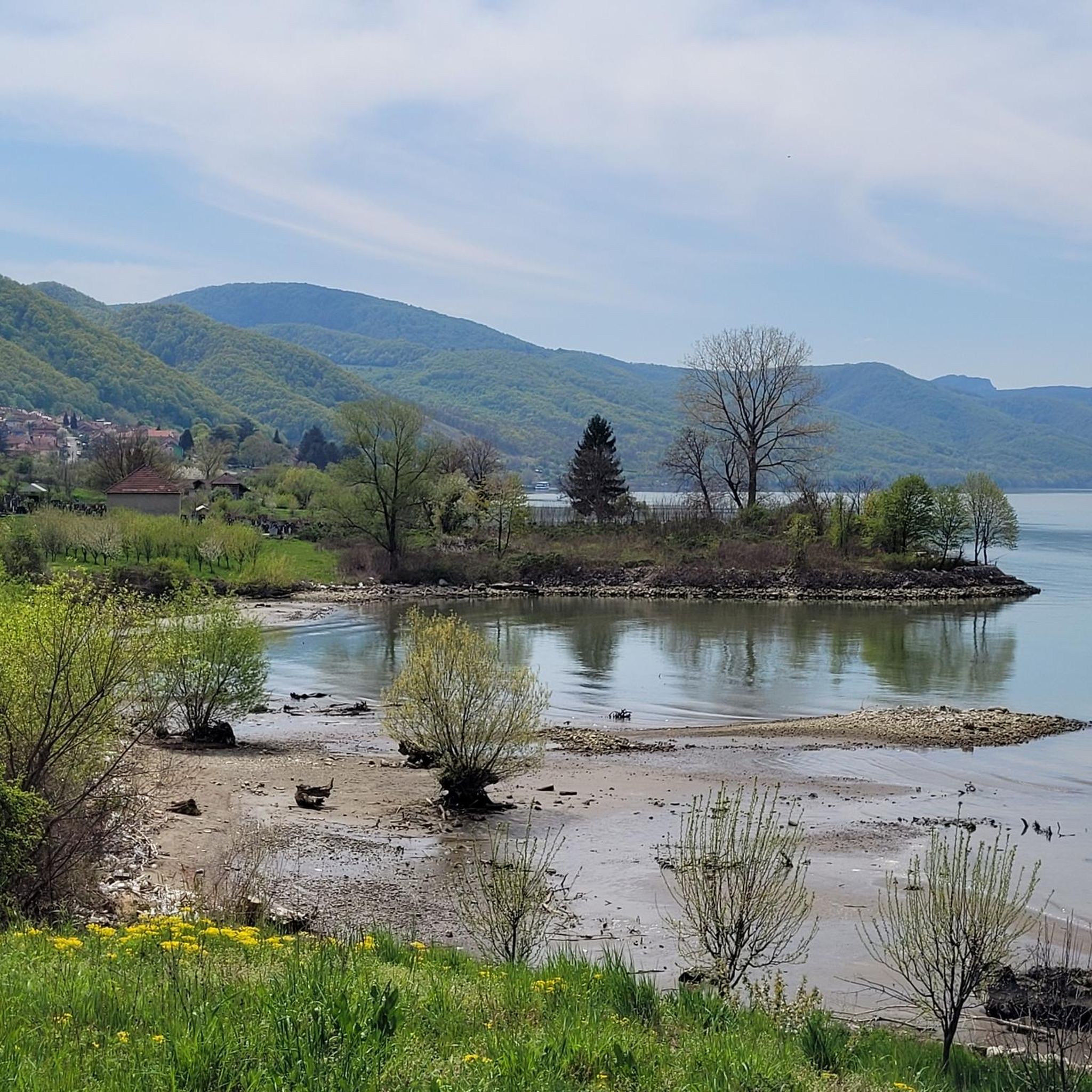
Hiking in Serbia
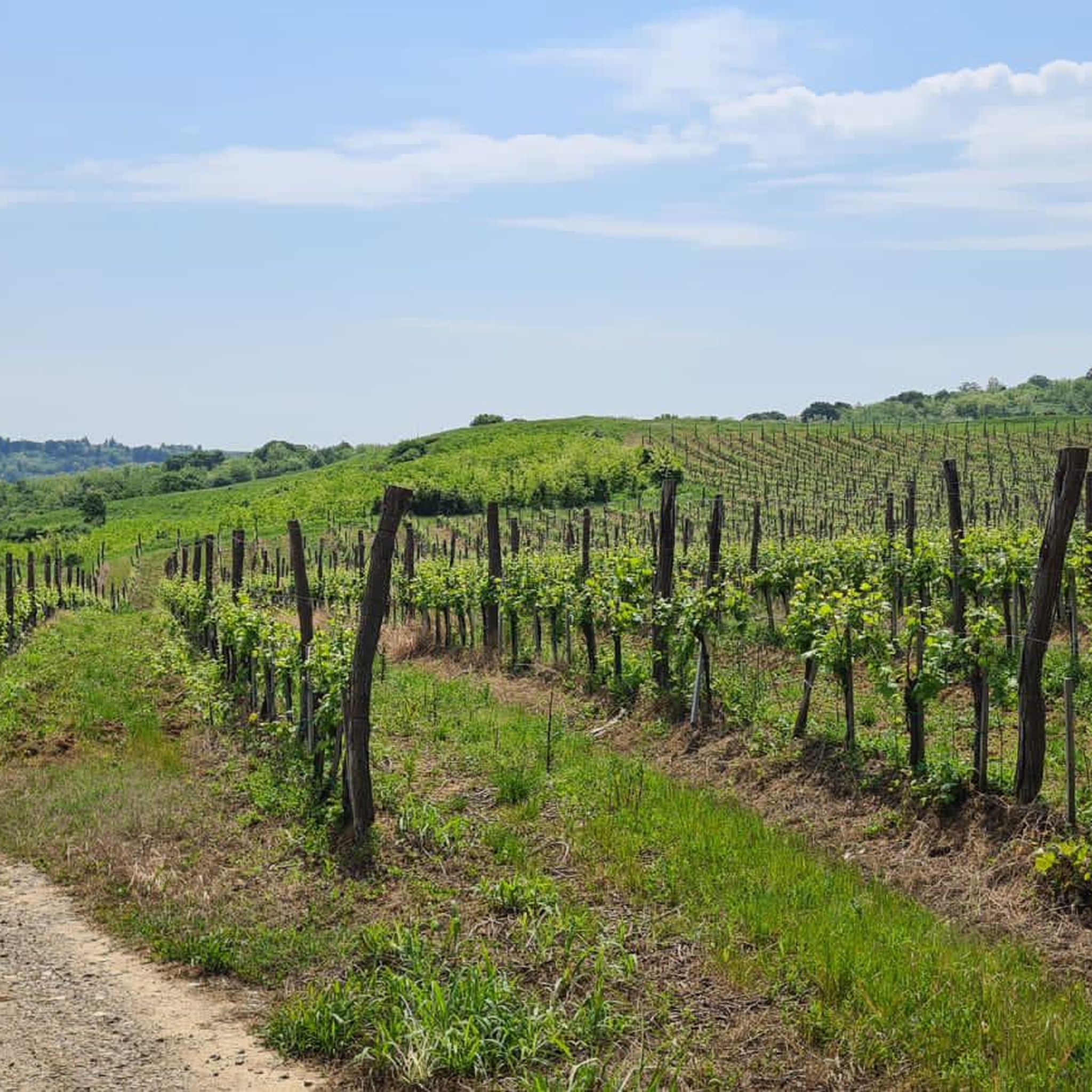
Road Cycling Routes in Serbia
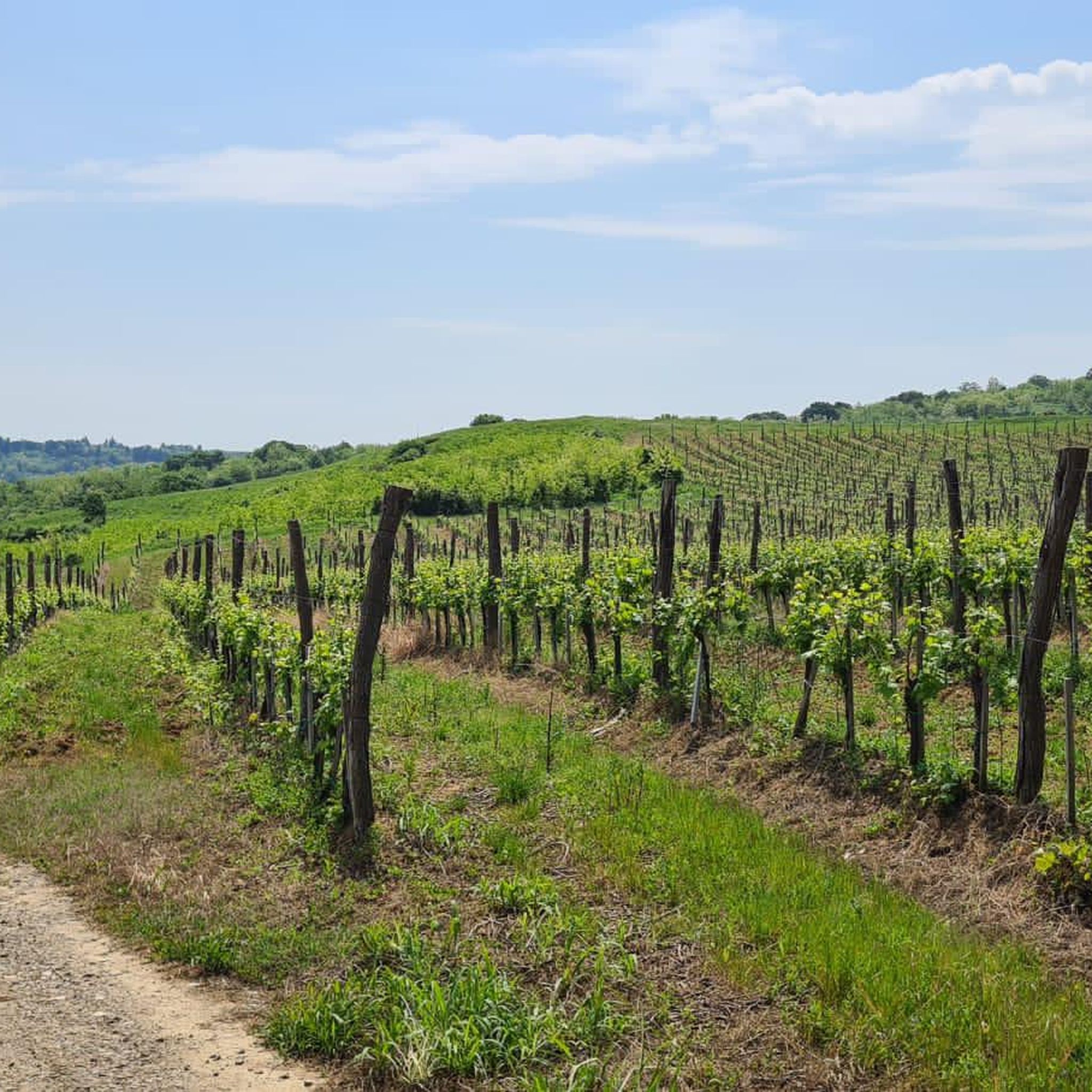
Cycling in Serbia
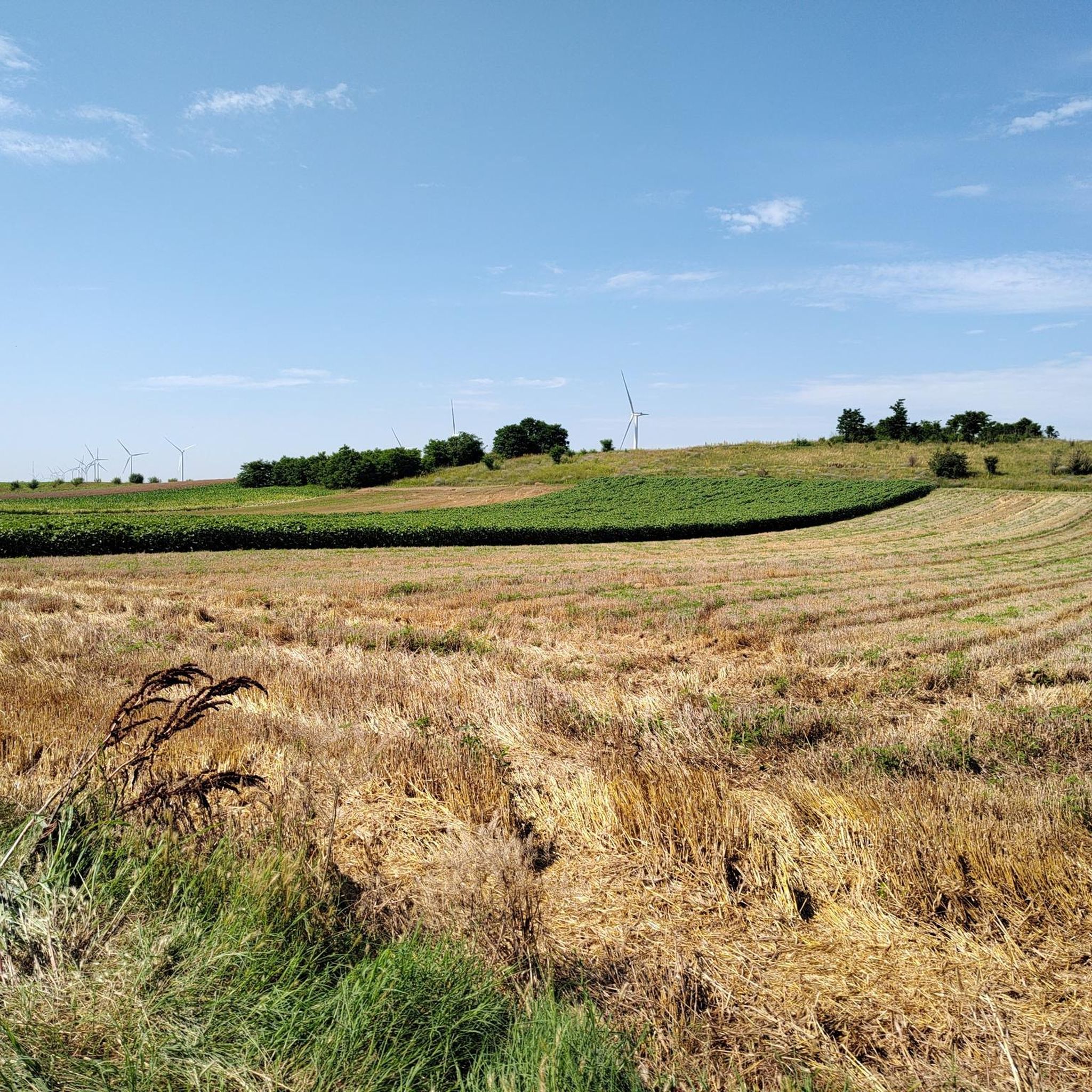
MTB Trails in Serbia

Mountain Hikes in Serbia


Tips from the Community

Iz Užica smo krenuli u...
0
0

If you come to this sign GO BACK, every path from it is dead end! The text sais: Site ossuary (mass grave), On this place lays 12.000 soldiers, of Austro-Hungarian and Ottoman Empire, died in Battle of Slankamen 1691. I went to this hill today called SaltRock - Slankamen. And behind it, steeply downwards it is Danube. On this hill was a great battle of Slankamen in 1691 between Austrian Empire and Osman Empire, after which Serbs immediately experienced the harshest persecution ever, and went on biblical Great Migration "Velika Seoba"
0
0


This viewpoint offers a view of the southern slopes of Fruška Gora, with the Vrdnik Tower visible on a nearby hill. The tower is a remnant of a 14th-century fortification destroyed during the Turkish conquests in the 16th century. Although no extensive archaeological research has been conducted, indications suggest that the medieval fortress may have been built on older foundations, possibly dating back to the Roman Emperor Marcus Aurelius Probus (3rd century AD), who was originally from this region. Beyond the foothills of Fruška Gora, the plains of Srem stretch southward for about 30 kilometers to the Sava River, which marked the boundary between the Independent State of Croatia (NDH) and occupied Serbia during World War II. Although the anti-fascist movement had significant support in most villages of Srem, and despite the villages being well connected with alternative route networks, the plain presented challenging terrain. The greatest threats came from larger cities like Ruma and Sremska Mitrovica, as well as key roads and the heavily guarded Belgrade–Zagreb railway, where fascist units, bunkers, and armored trains were stationed. [This site is part of the Liberation Routes cycling tour "Fruška Gora Liberation Circuit"] https://www.komoot.com/de-de/tour/1870928931?share_token=arNOGj2dKOO605JTe2ZpbVW7s7N624smYsy5No7bVl78oCzjv4&ref=wtd
0
0

The second largest city in Serbia
0
0

Belgrade (White City) with its wonderful archaeological museum and beautiful old town with lively pedestrian zone is the capital of Serbia with 1.4 million inhabitants. You should take more than just two days like we did. It's worth it and the people are very nice.
0
0

Novi Sad (Serbian Cyrillic: Нови Сад, pronounced [nôʋiː sâːd] ⓘ; see below for other names) is the second largest city in Serbia after the capital Belgrade and the capital of the autonomous province of Vojvodina. It is located in the southern part of the Pannonian Plain, on the border of the geographical regions of Bačka and Syrmia. The city is situated on the banks of the Danube, opposite the northern slopes of Fruška Gora, and is the fifth largest of all cities on the Danube. According to the 2022 census, the population of the city's administrative area is 368,967 people,[3] while the urban area (including the adjacent settlements of Petrovaradin and Sremska Kamenica) has 306,702 inhabitants. Novi Sad was the European Youth Capital in 2019 and the European Capital of Culture in 2022.[6] In 2023, it was named a UNESCO Creative City of Media Arts.
1
0
Frequently Asked Questions
How many gravel bike trails are available in Serbia?
Komoot features 12 gravel bike trails in Serbia. These routes offer a diverse range of experiences, from challenging mountain ascents to scenic paths through national parks.
What is the general difficulty level of gravel biking in Serbia?
Most gravel bike trails in Serbia are considered difficult, with 10 out of 12 routes falling into this category. These trails often feature significant elevation gains and varied terrain, making them suitable for experienced riders seeking a challenge. However, there are also 2 moderate routes available for those looking for a less strenuous ride.
What kind of terrain can I expect on gravel bike trails in Serbia?
Gravel biking in Serbia offers a mix of terrains, from dirt roads and back roads to forest paths and open sections. You'll traverse stunning mountain ranges, picturesque villages, and areas with significant elevation changes. Routes like the Best Gravel Road in Serbia – SRC Šukala Swimming Pool loop from Jarmenovci are known for their varied terrain, while the Skakavac Waterfall loop from Cajetina Municipality features a mix of forest paths.
Are there any gravel bike routes that offer views of natural landmarks or unique geological formations?
Yes, Serbia's diverse landscape provides many opportunities for scenic views. For example, the Fruška Gora TV Tower – Iriški Venac TV tower memorial loop from Нови Сад takes you through Fruška Gora National Park, known for its lush forests. While not directly on a gravel route, the Uvac Gorge with its dramatic winding river meanders and the unique rock formations of Davolja Varoš (Devil's Town) are notable natural features in the region that offer spectacular sights.
Can I find gravel bike trails near national parks in Serbia?
Absolutely. Serbia is home to five national parks, and some gravel routes are located within or near them. The Fruška Gora TV Tower – Iriški Venac TV tower memorial loop from Нови Сад, for instance, leads through Fruška Gora National Park. Tara National Park also offers gravel paths that transition into more challenging mountain bike trails, providing extensive cycling opportunities amidst dense forests and stunning viewpoints like Banjska Stena.
Are there any circular gravel bike routes available?
Yes, many of the gravel bike routes in Serbia are designed as loops. Examples include the Best Gravel Road in Serbia – SRC Šukala Swimming Pool loop from Jarmenovci, the Skakavac Waterfall loop from Cajetina Municipality, and the Fruška Gora TV Tower – Iriški Venac TV tower memorial loop from Нови Сад. These circular routes allow you to start and end at the same point, making logistics easier.
What is the best time of year for gravel biking in Serbia?
Serbia offers good conditions for gravel biking from spring through autumn. Summer at higher altitudes, such as Golija Mountain, can provide comfortable riding conditions. Kopaonik National Park, while known for skiing in winter, transforms into a haven for cycling during summer. Always check local weather conditions before heading out.
Are there any family-friendly gravel biking options in Serbia?
While many routes are rated as difficult, the diverse landscapes of Serbia mean there are likely gentler paths suitable for families, especially in national parks or along riverbanks. For specific family-friendly gravel routes, it's best to look for trails explicitly marked as easy or moderate, or those with minimal elevation gain. The two moderate routes available could be a good starting point for families with some biking experience.
What are some notable attractions or historical sites I can visit near gravel bike trails?
Serbia is rich in history and culture. Near some gravel routes, you can find significant landmarks. For instance, Fruška Gora National Park, which hosts a gravel route, is dotted with over 16 monasteries. Other attractions in Serbia include the impressive Belgrade Fortress (Kalemegdan), the Petrovaradin Fortress Clock Tower, and the Avala Tower. Đerdap National Park, a major natural feature, also includes the historical Golubac Fortress.
What do other gravel bikers say about their experience in Serbia?
The gravel biking routes in Serbia are highly rated by the komoot community, with an average score of 4.1 stars from over 8 reviews. More than 40 gravel bikers have used komoot to explore Serbia's varied terrain, often praising the untouched natural landscapes, challenging yet rewarding journeys, and the immersive experience of traversing dirt and back roads.
Are there any gravel routes that pass by waterfalls?
Yes, the Skakavac Waterfall loop from Cajetina Municipality is a notable route that features a waterfall. This difficult 19.9-mile (32.0 km) path offers a mix of forest trails and open sections, providing a refreshing natural highlight during your ride.
How long do gravel bike rides in Serbia typically take?
The duration of gravel bike rides in Serbia varies significantly depending on the route's distance and difficulty. For example, the Best Gravel Road in Serbia – SRC Šukala Swimming Pool loop from Jarmenovci, at 34.4 miles (55.3 km), typically takes around 3 hours 48 minutes. Longer, more challenging routes like the Jovanja Monastery – Povlen Mountain loop from Ваљево, which is 47.4 miles (76.4 km) with significant elevation, can take over 6 hours.
Are there options for longer, more challenging gravel bike tours?
Yes, Serbia offers several options for longer and more challenging gravel bike tours, particularly in its mountainous regions. The Jovanja Monastery – Povlen Mountain loop from Ваљево is a prime example, spanning 47.4 miles (76.4 km) with an elevation gain of over 1800 meters, making it one of the most demanding routes. Western Serbia's mountains, including Golija and Tara, are known for multi-day gravel adventures with significant elevation gains.
Most popular routes in Serbia
Most popular attractions in Serbia

Get inspired with the komoot mobile app


Didn’t find what you were looking for?
Check out more Gravel rides throughout Serbia below and find the perfect route in your destination.
Explore more
Browse the best Gravel rides in other regions.
