The best traffic-free bike rides around Wachau
4.7
(69)
303
riders
32
rides
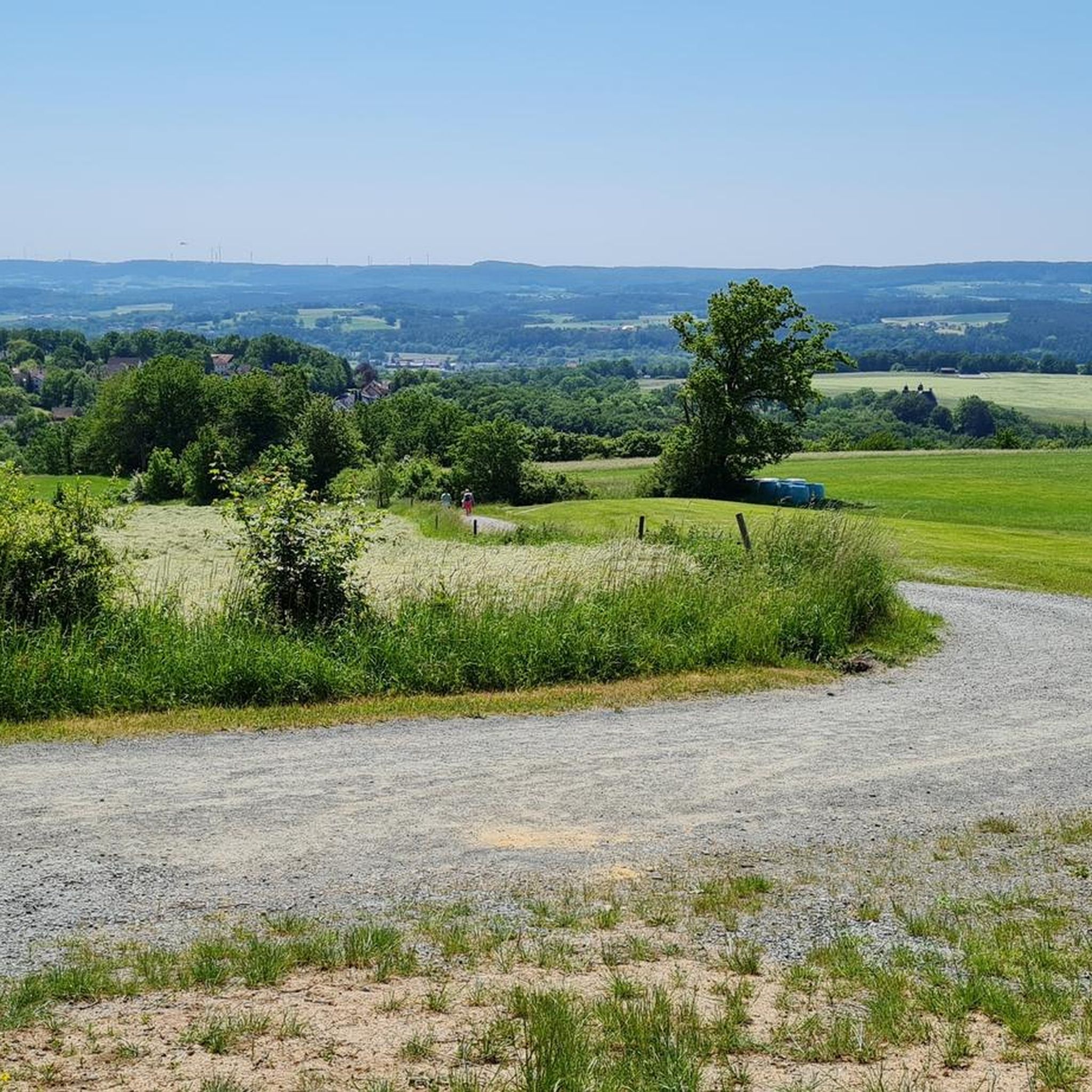
No traffic touring cycling routes around Wachau navigate a landscape shaped by the Danube River, characterized by terraced vineyards, rolling hills, and diverse forests. The region features a harmonious interplay of water, gravel islands, and riparian forests. Elevations are generally gentle, with the Jauerling Mountain being the highest point at 960 meters. The terrain includes natural forests of oak, hornbeam, and beech, alongside biodiverse dry grasslands.
Best no traffic touring cycling routes around Wachau
- The most popular no traffic touring…
Last updated: July 10, 2026
5.0
(1)
16
riders
23.4km
01:31
130m
130m
Easy bike ride. Great for any fitness level. Mostly paved surfaces. Suitable for all skill levels.
4.6
(5)
19
riders
14.2km
01:04
60m
60m
Easy bike ride. Great for any fitness level. Mostly paved surfaces. Suitable for all skill levels.

Sign up for free
4.2
(5)
31
riders
Easy bike ride. Great for any fitness level. Mostly paved surfaces. Suitable for all skill levels.
4.5
(6)
20
riders
Moderate bike ride. Good fitness required. Mostly paved surfaces. Suitable for all skill levels.
4.0
(2)
7
riders
37.9km
02:27
240m
240m
Moderate bike ride. Good fitness required. Mostly paved surfaces. Suitable for all skill levels.
Get access to more routes and recommendations from other explorers.
Sign up for free
Already have an account?
Our route recommendations are based on thousands of hikes, rides, and runs completed by other people on komoot.
Start today with a free account
Your next adventure awaits.
Login or Signup
Popular around Wachau
Tips from the Community

Although it can only be viewed from the outside, it is worth a visit.
1
0

Beautifully restored castle surrounded by a moat, a gem just off the road
0
0

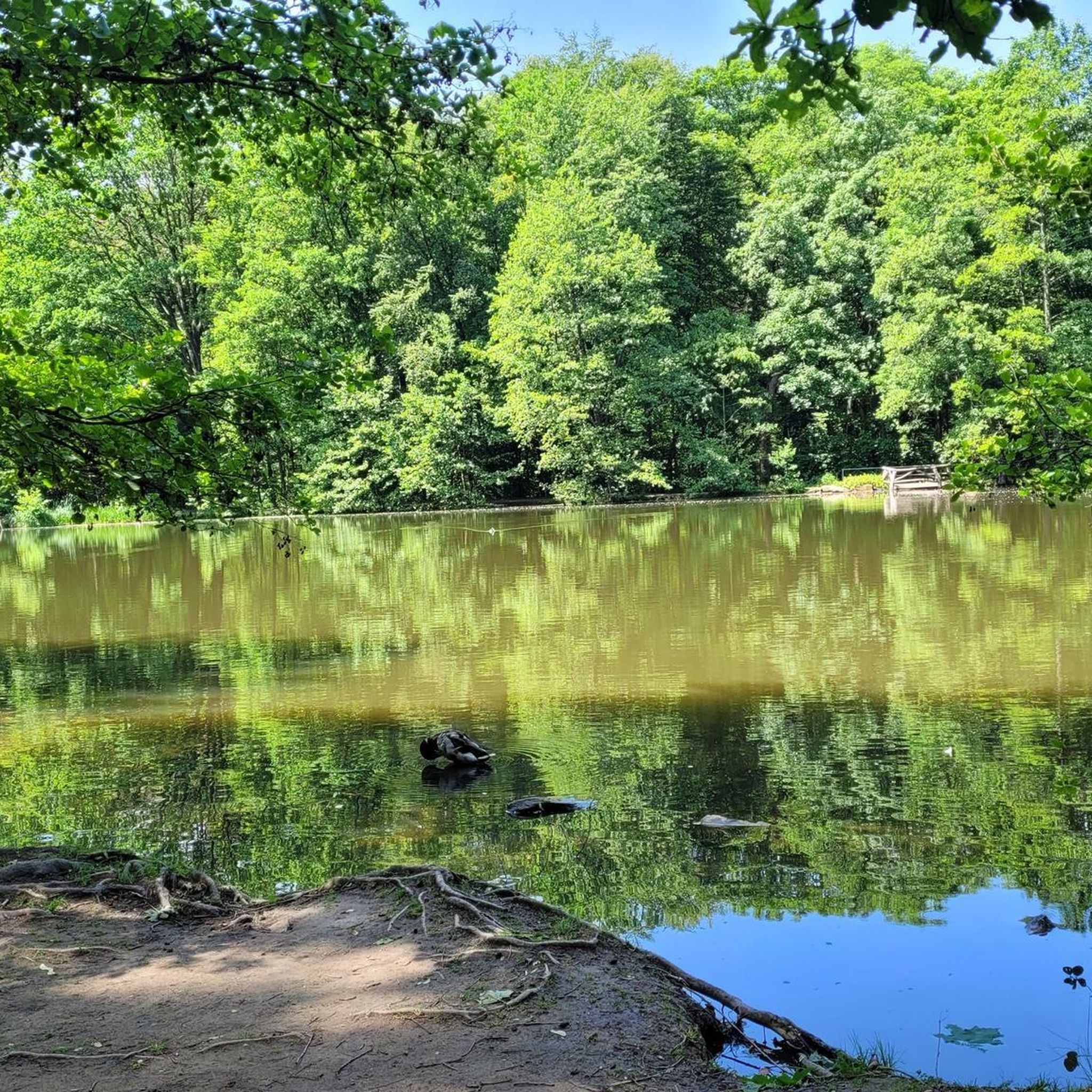
Hermsdorf Castle and Park Information: In 1461, Otto von Carlowitz acquired the Hermsdorf manor, and between 1553 and 1575 he built Hermsdorf Castle on the estate. Now: Weddings, family or corporate celebrations, conferences, and seminars in a stylish setting. Castle park with an idyllic pond.
3
0

The Gönnersdorf Observatory, located in the Dresden district of Gönnsdorf on the Turmberg, is a fascinating place for astronomy enthusiasts. Built by the TU Dresden and inaugurated in 1976, it honors the 65th birthday of Professor Sandig. **History and Significance:** The observatory has a long history and has attracted many visitors since its opening. It plays an important role in astronomical education and research in the region. The exact equipment and current research projects are not publicly available, but the observatory is known for its outreach activities and hosting events. **Visitor Information (based on available information):** * **Location:** Turmberg, Weißiger Landstraße 6/Hornweg, Dresden-Gönnersdorf. * **Access:** The exact opening hours and the possibility of visiting the observatory should be checked in advance, as information about this varies online. There are references to an astronomy club for students and a Friends' Association that supports the observatory. **Activities:** In addition to the opportunity to observe the sky, the observatory may also offer lectures, guided tours, and other events. Details must be requested directly from the observatory. **Additional Information:** The observatory is located near the Dresden TV Tower, offering scenic views of the city. Information online is somewhat sparse, but the Gönnersdorf Observatory is an important part of Dresden's astronomy landscape and a popular spot for celestial observation. It is recommended to contact the observatory directly for the most up-to-date information on opening hours, events, and visiting opportunities.
0
0
The Schönfeld Uplands are a hilly landscape southeast of Dresden, characterized by its diverse natural beauty and rich history. It is part of the Elbe Sandstone Mountains and offers a variety of opportunities for outdoor activities. **Landscape:** The uplands are characterized by rolling hills, expansive forests, fields, and small villages. The landscape is very diverse and offers both sweeping views and idyllic, hidden corners. The gentle hills and valleys, crisscrossed by streams, are typical. The soils are mostly sandy-loamy and nutrient-poor, which is reflected in the vegetation. **Flora and Fauna:** The forests of the Schönfeld Uplands consist mainly of pines, but beech, oak, and other deciduous trees are also present. The diverse flora includes many rare plant species. The fauna is also diverse and includes numerous species of birds, mammals, insects, and reptiles. **History and Culture:** The Schönfeld Highlands were settled early on. The villages and communities in the Highlands have a long history and tradition. The region is characterized by agriculture and forestry. There are many historic buildings, churches, and estates to discover. **Activities:** The Schönfeld Highlands are a popular destination for hikers and cyclists. There are numerous well-marked hiking and cycling trails that lead through the diverse landscape. Horseback riders will also find beautiful trails here. The view of Dresden and the surrounding area from the Highlands is particularly impressive. **Conclusion:** The Schönfeld Highlands are a beautiful and relaxing area southeast of Dresden that appeals to both nature lovers and history buffs. It is an ideal place for hiking, cycling, relaxing, and enjoying nature.
1
0
Wachau Castle is a Baroque castle in Saxony, more precisely in the Wachau district of the same name in the municipality of Markkleeberg. It is one of the region's culturally and historically significant buildings and has a varied history. ### Brief description of Wachau Castle: - **Location**: Wachau district, Markkleeberg, Saxony - **Architectural style**: Baroque, with later neoclassical elements - **Construction**: The origins date back to the Middle Ages; the current Baroque castle was largely built in the 18th century - **Architecture**: - The castle is a rectangular, three-story building with a hipped roof. - Its symmetrical façade design and central projection are characteristic. - The building is surrounded by a well-kept garden in the style of a landscape park. ### Historical use: - Originally used as a manor. - Redesigned in the Baroque style in the 18th century by the noble von Ponickau family. - Later owned by various families, including the von Carlowitz family. - After 1945, the castle was expropriated as part of the land reform and served as the headquarters of an agricultural cooperative, as a school, and for residential purposes. - After reunification, it stood empty and fell into disrepair for some time before being renovated in the 2000s. ### Current use: - The castle was privately renovated and is now partially open to the public. - It serves as a venue for weddings, concerts, readings, and cultural events. - The castle grounds and gardens are well-maintained and used for walks.
2
0

I highly recommend the cycling/hiking path. Caution is advised between Wünschendorf and Eschdorf until the end of 2026/beginning of 2027. The eastern bypass around Dresden is currently being built between Doberberg and Rossendorf and crosses the cycle path. Although the bridge over the cycle path is already finished, the cycle path from the Wünschendorf-Eschdorf road to the bridge is being used as a construction site. There's always construction traffic there on weekdays, but it's quieter on weekends.
1
1

Delicious ice cream, coffee, and cake Great children's playground
0
0
Frequently Asked Questions
How many no-traffic touring cycling routes are available in Wachau?
There are over 30 dedicated no-traffic touring cycling routes in the Wachau region, ranging from easy to moderate difficulty. This includes 23 easy routes and 6 moderate routes, ensuring options for various skill levels.
What is the best time of year to enjoy car-free touring cycling in Wachau?
The Wachau region is particularly beautiful for cycling from spring to autumn. Spring offers blooming apricot orchards and vineyards, while summer provides warm weather for riverside rides. Autumn is ideal for experiencing the grape harvest and vibrant fall foliage. The mild Pannonian climate generally ensures pleasant conditions for outdoor activities.
Are there any family-friendly no-traffic cycling routes in Wachau?
Yes, many of the no-traffic routes in Wachau are suitable for families, especially those along the Danube Cycle Path which is largely flat and well-maintained. Routes like the Scenic Forest Path – Beaver Trail (Biberpfad) loop from Lomnitz are generally easy and offer a pleasant experience for all ages.
What kind of terrain can I expect on these no-traffic touring cycling routes?
The no-traffic touring cycling routes in Wachau primarily follow the Danube River, offering mostly flat or gently rolling terrain. You'll cycle through terraced vineyards, charming villages, and riparian forests. While some routes might have minor ascents, such as the Wachau Castle – Lomnitz Church loop from Seifersdorfer Tal, the overall elevation gain is generally low, making them accessible for touring cyclists.
What landmarks and natural features can I see along the routes?
The Wachau Valley, a UNESCO World Heritage site, is rich in sights. You'll encounter impressive Baroque monasteries like Melk Abbey, picturesque towns such as Dürnstein with its castle ruins, and the historic city of Krems. Natural features include the Danube River itself, extensive vineyards, and diverse forests. For specific natural highlights, consider exploring areas like the Große Röder River in the Seifersdorfer Valley or the Tiefental near Königsbrück.
Are there circular no-traffic touring cycling routes available?
Yes, there are several circular routes designed for touring cyclists looking to avoid traffic. An example is the Scenic Forest Path – Lomnitz Church loop from Wachau, which allows you to start and end in the same location, offering a convenient and enjoyable ride through the scenic landscape.
Where can I find parking or access public transport for these routes?
Many towns along the Danube, such as Melk, Dürnstein, and Krems, offer parking facilities. The Wachau region is also well-connected by public transport, including train services to Melk and Krems, and boat services along the Danube, making it easy to access car-free cycling routes without a car. Specific parking details can often be found in the starting towns of individual routes.
What do other touring cyclists enjoy most about cycling in Wachau?
The Wachau region is highly rated by the komoot community, with an average score of 4.75 stars. Reviewers often praise the stunning scenery, the well-maintained and mostly flat paths along the Danube, and the opportunity to explore charming villages and historical sites without vehicle traffic. The combination of natural beauty, cultural heritage, and excellent cycling infrastructure makes it a favorite.
Are there cafes or places to stop for refreshments along the no-traffic routes?
Absolutely. The Wachau is dotted with numerous wineries, traditional taverns (Heurigen), and cafes, especially in the villages and towns along the Danube. You'll find plenty of opportunities to stop for local wine tastings, regional cuisine, or a refreshing break. Many establishments are directly accessible from the main cycling paths.
Can I bring my dog on these no-traffic touring cycling routes?
Generally, dogs are welcome on leashes on most public cycling paths in the Wachau. However, it's always advisable to check specific regulations for nature reserves or private properties you might pass through. Ensure your dog is comfortable with cycling and that you carry enough water for both of you, especially during warmer months.
Are there any longer, more challenging no-traffic routes for experienced touring cyclists?
While many routes are easy, there are options for those seeking a bit more challenge. Routes like the Klippenstein Castle – Schönfelder Hochland Cycle Path loop from Liegau-Augustusbad, classified as moderate, offer longer distances and slightly more varied terrain, allowing experienced cyclists to enjoy the region's beauty over an extended period without traffic concerns.
Most popular attractions around Wachau

Get inspired with the komoot mobile app


Explore more
Browse the best Cycling routes in other regions.
