The best gravel rides around Wachau
4.6
(75)
387
riders
68
rides
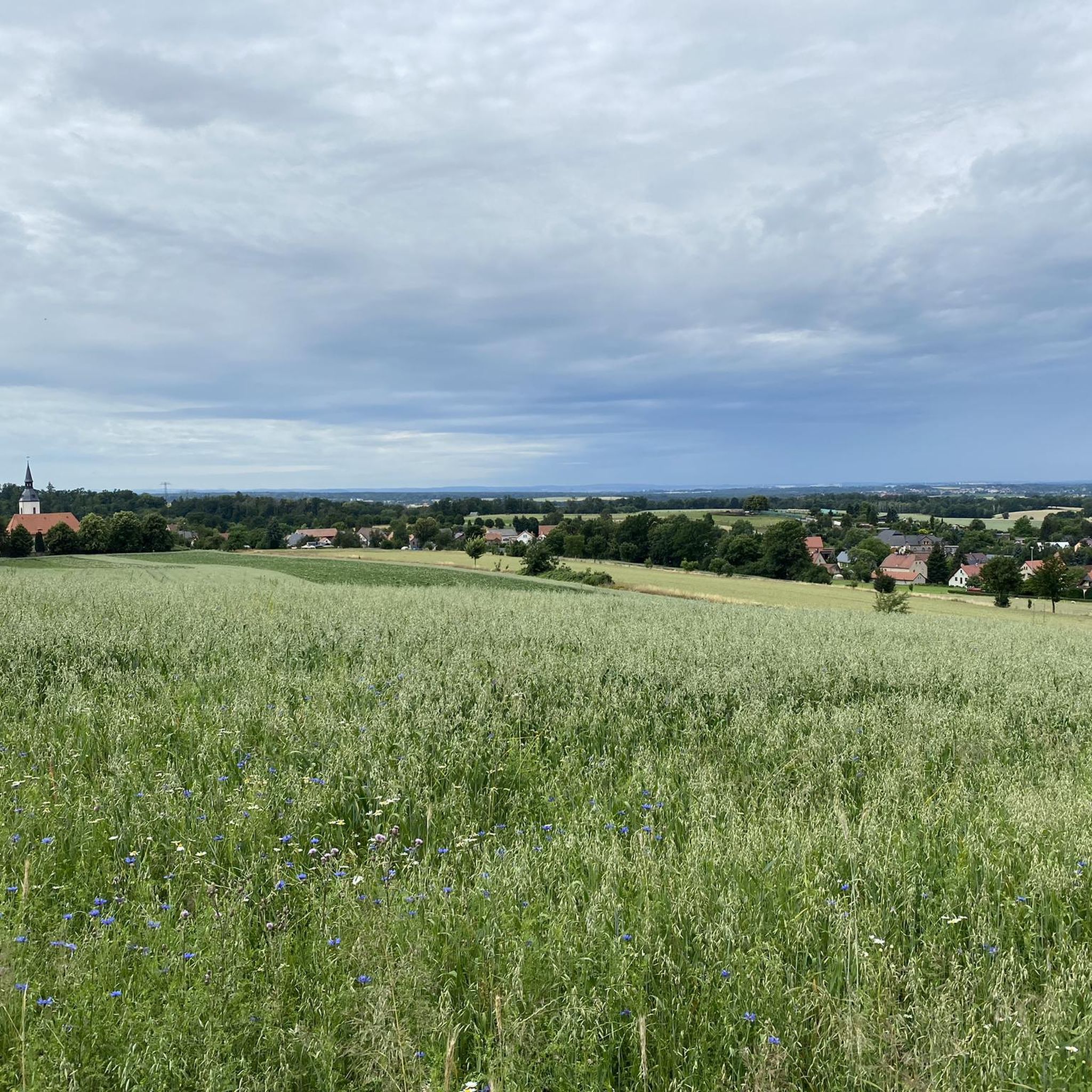
Gravel biking around Wachau offers routes through a landscape shaped by the Danube River, terraced vineyards, and forested hills. The region features a mix of riverside paths, vineyard tracks, and climbs into the surrounding woodlands. This terrain provides varied surfaces suitable for gravel bikes, ranging from smooth gravel to more rugged forest trails.
Best gravel bike trails around Wachau
- The most popular gravel bike trail is Schwedenstein and Westlausitz Loop, a 40.8 miles (65.7 km) trail that takes 5…
Last updated: July 2, 2026
4.3
(15)
121
riders
65.7km
05:11
620m
620m
Hard gravel ride. Very good fitness required. You may need to push your bike for some segments of this route.
3.0
(1)
15
riders
51.4km
02:50
350m
350m
Moderate gravel ride. Good fitness required. Mostly paved surfaces. Suitable for all skill levels.

Sign up for free
5.0
(1)
8
riders
48.1km
02:41
370m
370m
Moderate gravel ride. Good fitness required. Mostly paved surfaces. Suitable for all skill levels.
4.3
(3)
7
riders
Easy gravel ride. Great for any fitness level. Mostly paved surfaces. Suitable for all skill levels.
9
riders
34.6km
01:57
220m
220m
Moderate gravel ride. Good fitness required. Mostly paved surfaces. Suitable for all skill levels.
Get access to more routes and recommendations from other explorers.
Sign up for free
Already have an account?
Our route recommendations are based on thousands of hikes, rides, and runs completed by other people on komoot.
Start today with a free account
Your next adventure awaits.
Login or Signup
Tips from the Community

Nice tree-lined path for riding fast 🚴💨
0
0

The Schloßmühle is highly recommended for smaller family celebrations; in fine weather, the garden is also a good option.
0
1

The Dresden Heath is a vast forest and heathland area in the southeast of Dresden. It is a popular local recreation area and offers a diverse landscape with pine forests, open heathlands, lakes, and ponds. **Landscape and Nature:** * **Heathlands:** The area is characterized by extensive heathlands with heather, which blooms in purple in late summer. These provide a unique sight and a habitat for various insects and birds. * **Forests:** The area is predominantly characterized by pine forests, but mixed forests with birch and oak trees are also present. The forests offer hiking trails and opportunities to relax in nature. * **Bodies of Water:** Several lakes and ponds, including the Great and Small Deuben Lakes, are ideal for swimming and water sports. They are also home to various bird species. * **Flora and Fauna:** The Dresden Heath is home to a rich flora and fauna. In addition to heather, various other plant species can be found, including rare orchids. Birds, insects, reptiles, and amphibians live here. **Activities:** * **Hiking:** An extensive network of hiking trails invites you to explore. The paths are well signposted and offer varying levels of difficulty. * **Cycling:** The Dresden Heath is also a paradise for cyclists. Numerous bike paths lead through the area. * **Swimming:** You can swim in the lakes in summer and cool off on hot days. * **Horseback Riding:** There are bridleways that lead through the heathland. * **Nature Observation:** The heath is an ideal place for nature observation. With a bit of luck, you might spot various animal species. **Accessibility:** The Dresden Heath is easily accessible by public transport and car. There are several parking lots on the edge of the area. **Conclusion:** The Dresden Heath is a beautiful and diverse recreational area worth visiting at any time of year. Whether for hiking, biking, swimming, or simply relaxing in nature – everyone will find something to their liking here.
0
0
The **Dresden Heath** is a large forest area in the northeast of Dresden and is one of the most important urban recreational and natural areas in Saxony. With an area of approximately **6,000 hectares**, it is one of the largest contiguous forest areas in Germany directly adjacent to a major city. ### Characteristics of the Dresden Heath: - **Location**: It is located in the northeast of the city of Dresden and extends from the Elbe River near Loschwitz to Radeberg. Neighboring districts include Bühlau, Weißer Hirsch, Klotzsche, and Langebrück. - **Natural area**: The heath is a mixed forest area with pines, beeches, oaks, and spruces, as well as numerous wetlands, streams (such as the Prießnitzbach), and moors. It is a habitat for many protected animal and plant species. - **History**: - The heath was already used as an electoral hunting ground in the Middle Ages. - In the 18th and 19th centuries, it increasingly served forestry purposes. - Today, it is a nature reserve and is part of the "Dresden Heath" nature reserve. - **Leisure and Recreation**: - The heath is a popular destination for hikers, cyclists, and runners. There is a dense network of marked trails, including the famous **Heidebogen**. - Historic rest areas, such as the **Luisenstein** or the **King Albert Obelisk**, as well as romantic sites such as the **Reservoir in the Prießnitzgrund**, make the area attractive. - **Cultural Significance**: - The Dresden Heath is not only a natural area, but also played a role in Saxon art and literature. Romantic poets and artists found inspiration here. In short: The Dresden Heath uniquely combines nature, history, and recreation right on the edge of a big city – a true gem for nature lovers and those seeking peace and quiet.
2
0
## [Schlossmühle Radeberg](https://www.google.com/maps/search/Schlossm%C3%BChle+Radeberg) The Schlossmühle Radeberg is a historic watermill on the Große Röder River in the Saxon town of Radeberg, near Klippenstein Castle. First documented in 1445, it is the oldest mill in the town. It was in operation until 1996 and was subsequently restored to serve as a museum mill and event venue. ([==>Schlossmühle Radeberg, one of the oldest mills on the Große Röder River - huettertalradeberg's website!](https://www.huettertal-radeberg.de/sehensw%C3%BCrdigkeiten/schlossm%C3%BChle/?utm_source=chatgpt.com)) ### Historical Background The Schlossmühle was originally used to supply the neighboring Klippenstein Castle. Over the centuries, it has experienced numerous natural disasters, including floods, droughts, and fires. Despite these challenges, the mill remained in operation throughout the centuries. After the death of the last miller, Günter Sonntag, in 2009, his sons took over the mill and continued its restoration. Since then, the mill has been open to the public and offers insights into the history of milling. ([Tourist Information Seifersdorf Valley Region - Schlossmühle Radeberg](https://seifersdorfer-tal-region.de/Gastro-Vermietung/Gaststaetten/Schlossmuehle-Radeberg/?utm_source=chatgpt.com), [About Schlossmühle Radeberg](https://schlossmuehle-radeberg.de/about/?utm_source=chatgpt.com)) ### Technical Equipment The Schlossmühle has a complete, functional milling system, including: ([Tourist Information Seifersdorf Valley Region - Schlossmühle Radeberg](https://seifersdorfer-tal-region.de/Gastro-Vermietung/Gaststaetten/Schlossmuehle-Radeberg/?utm_source=chatgpt.com)) - 2 SECK and 1 MIAG double mills - A FANAL milling machine - Pneumatic conveying system - Semolina purifier - 2 hanging mills Plan sifter - 3 mixing machines - A mill elevator The mill is powered by a Francis spiral turbine from 1890, which generates 6 kW at a head of 3.8 m. The waterwheel was renovated in 2016 to preserve the historic technology. ### Events and Tours The Castle Mill offers a variety of events, including: - Mill tours - Demonstration milling - Musical events such as "Rock in the Mill" and "Summer Songs at the Mill" - Celebrations such as the "Summer Midsummer Fire" and "Winter Magic"
1
1

you can perfectly sneak into Radeberg
2
1

Already rides great with thin tires.
1
0

Frequently Asked Questions
How many gravel bike trails are available in Wachau?
There are over 80 gravel bike routes available in the Wachau region, offering a diverse range of experiences from riverside paths to vineyard tracks and forested hills.
What is the overall difficulty level of gravel biking in Wachau?
The Wachau region offers a good mix of difficulties. You'll find approximately 20 easy routes, around 45 moderate trails, and about 20 more challenging options, ensuring there's something for every skill level.
Are there beginner-friendly gravel bike trails in Wachau?
Yes, Wachau has several beginner-friendly gravel routes. An excellent option is the Prießnitztalweg Forest Path – Dresdner Heide Forest Path loop from Radeberg, which is an easy 18.9 km trail with minimal elevation gain, perfect for those new to gravel biking.
Where can I find challenging gravel routes in Wachau?
For a more challenging experience, consider the Schwedenstein and Westlausitz Loop. This route covers 65.7 km and features significant elevation gain through varied terrain, providing a demanding ride for experienced gravel bikers.
What is the typical length of gravel bike routes in Wachau?
Gravel bike routes in Wachau vary significantly in length. You can find shorter loops like the 18.9 km Prießnitztalweg Forest Path – Dresdner Heide Forest Path loop from Radeberg, or longer, more extensive rides such as the 65.7 km Schwedenstein and Westlausitz Loop.
Are there scenic gravel routes with good viewpoints in Wachau?
Many gravel routes in Wachau offer stunning views, especially those that climb into the forested hills or traverse the terraced vineyards overlooking the Danube River. While specific viewpoints aren't listed for every route, the region is renowned for its picturesque landscapes.
Can I find gravel bike trails that pass by historical sites or castles in Wachau?
Yes, the Wachau region is rich in history and features several castles. While cycling, you might pass by highlights such as Hermsdorf Castle or Klippenstein Castle. For more details on historical sites, you can explore the Castles around Wachau guide.
Are there gravel routes that explore the lakes around Wachau?
Yes, some gravel routes in the broader Wachau area can lead you to serene lakes. You might encounter highlights like Haarweiden Reservoir or Silver Lake. For more information on these aquatic attractions, refer to the Lakes around Wachau guide.
What is the best season for gravel biking in Wachau?
The Wachau region is beautiful for gravel biking in spring and autumn, when the weather is mild and the landscapes are particularly vibrant with blossoms or fall foliage. Summer can also be pleasant, though it can get warm, especially on exposed vineyard paths.
What are the conditions like for gravel biking in Wachau during autumn?
Autumn in Wachau offers stunning scenery with vibrant fall colors, especially in the vineyards and forested areas. The trails are generally dry and firm, though fallen leaves can sometimes obscure the path. It's an excellent time to ride, often with cooler, crisp air.
Is parking available near the gravel bike trails in Wachau?
Yes, parking is generally available in towns and villages throughout the Wachau region, often near trailheads or public access points. Many routes, such as the Prießnitzgrund Stone Bridge – Priessnitz Valley Trail loop from Radeberg, start from easily accessible locations like Radeberg, where parking facilities can be found.
What do other cyclists say about gravel biking in Wachau?
The gravel biking experience in Wachau is highly rated by the komoot community, with an average score of 4.7 stars from over 100 reviews. Cyclists often praise the varied terrain, the stunning views of the Danube and vineyards, and the well-maintained paths that cater to different skill levels.
Are there any loop trails for gravel biking in Wachau?
Yes, many gravel bike trails in Wachau are designed as loops, allowing you to start and end at the same point. Examples include the Moritzburg Lighthouse – Dresden Heath loop from Radeberg, which is a 51.4 km circular route through heathland and forests.
Most popular attractions around Wachau

Get inspired with the komoot mobile app


Explore more
Browse the best Gravel rides in other regions.
