The best city hikes and walks in Eastern Switzerland
4.6
(43619)
272,195
hikers
358
hikes
Urban hiking trails in Eastern Switzerland offer diverse experiences, ranging from city center walks to paths along rivers and lakes. The region features varied landscapes, including historical cityscapes, waterfront promenades, and routes with views of surrounding hills. Many urban areas are characterized by their proximity to natural features like the Rhine River and Lake Constance, providing accessible outdoor exploration. This blend of urban and natural environments creates a network of trails suitable for various interests.
Best urban hiking trails in Eastern Switzerland
- The most popular urban hiking route is St. Gallen Textile Trail, a 3.0 miles (4.8 km) trail that takes 1 hour 15 minutes to complete, exploring the city's textile heritage.
- Another top favourite among local hikers is St. Gallen Art Trail, an easy 3.8 miles (6.1 km) path. This route guides hikers through St. Gallen's urban landscape, highlighting various art installations.
- Local hikers also love the Discover Rorschach – City Tour, a 1.8 miles (2.9 km) trail leading through the town of Rorschach, often completed in about 48 minutes.
- Hiking in Eastern Switzerland is defined by historical city centers, riverfront paths, and lakeside promenades, with options for various ability levels.
- The routes in Eastern Switzerland are highly rated by the komoot community with an average score of 4.6 stars from over 40,000 reviews. More than 265,000 hikers have used komoot to explore Eastern Switzerland's varied terrain.
Last updated: June 26, 2026
5.0
(3)
9
hikers
4.78km
01:15
40m
40m
Easy hike. Great for any fitness level. Easily-accessible paths. Suitable for all skill levels.
4.0
(4)
8
hikers
6.06km
01:40
100m
100m
Easy hike. Great for any fitness level. Easily-accessible paths. Suitable for all skill levels.

Sign up for free
4.0
(1)
1
hikers
2.94km
00:48
40m
40m
Easy hike. Great for any fitness level. Easily-accessible paths. Suitable for all skill levels.
1.0
(2)
2
hikers
6.96km
01:51
40m
130m
Easy hike. Great for any fitness level. Easily-accessible paths. Suitable for all skill levels.
4.8
(24)
181
hikers
6.92km
01:57
140m
140m
Easy hike. Great for any fitness level. Easily-accessible paths. Suitable for all skill levels.
Get access to more routes and recommendations from other explorers.
Sign up for free
Already have an account?
Our route recommendations are based on thousands of hikes, rides, and runs completed by other people on komoot.
Start today with a free account
Your next adventure awaits.
Login or Signup
Popular around Eastern Switzerland

City hikes around Lake Constance
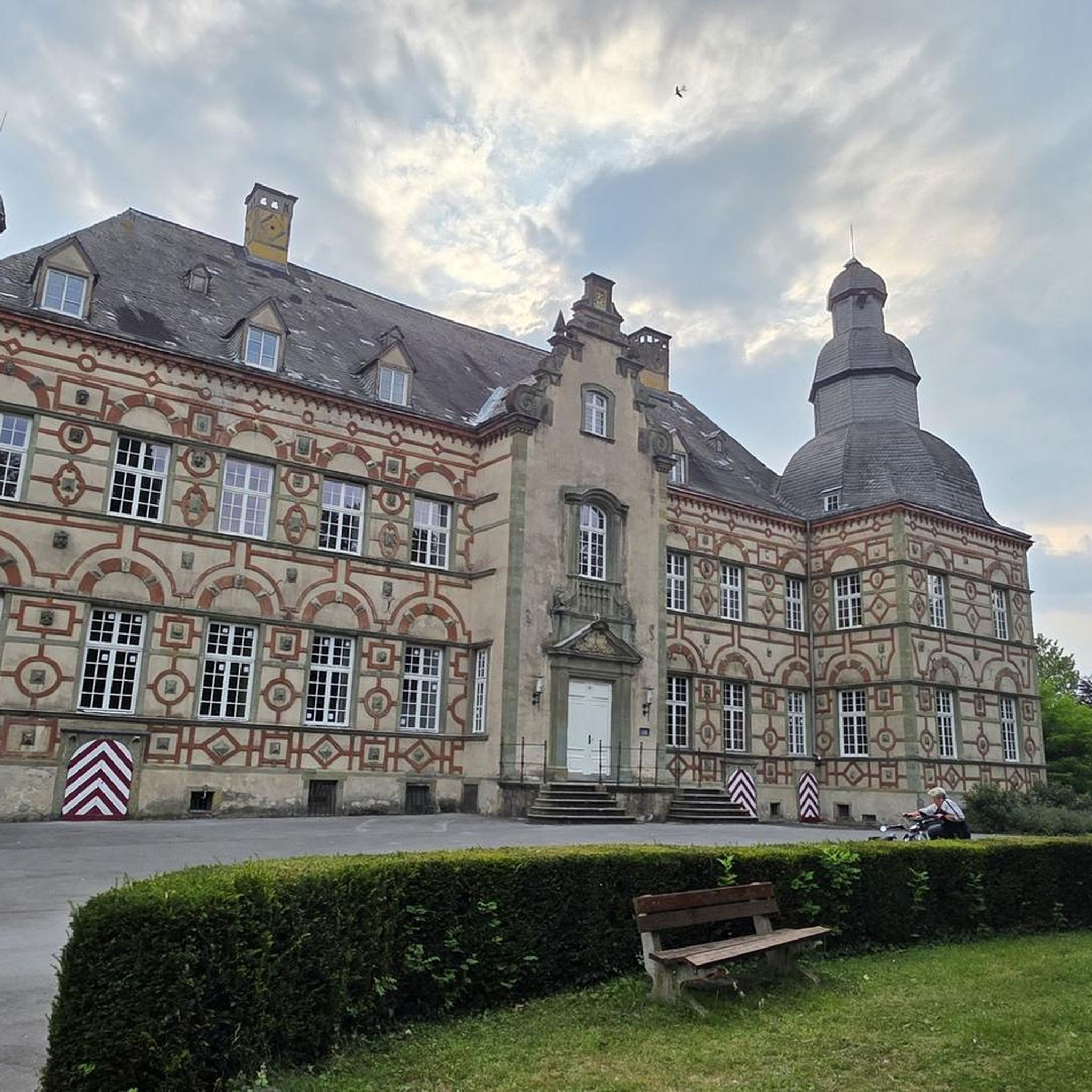
City hikes in St. Gallen
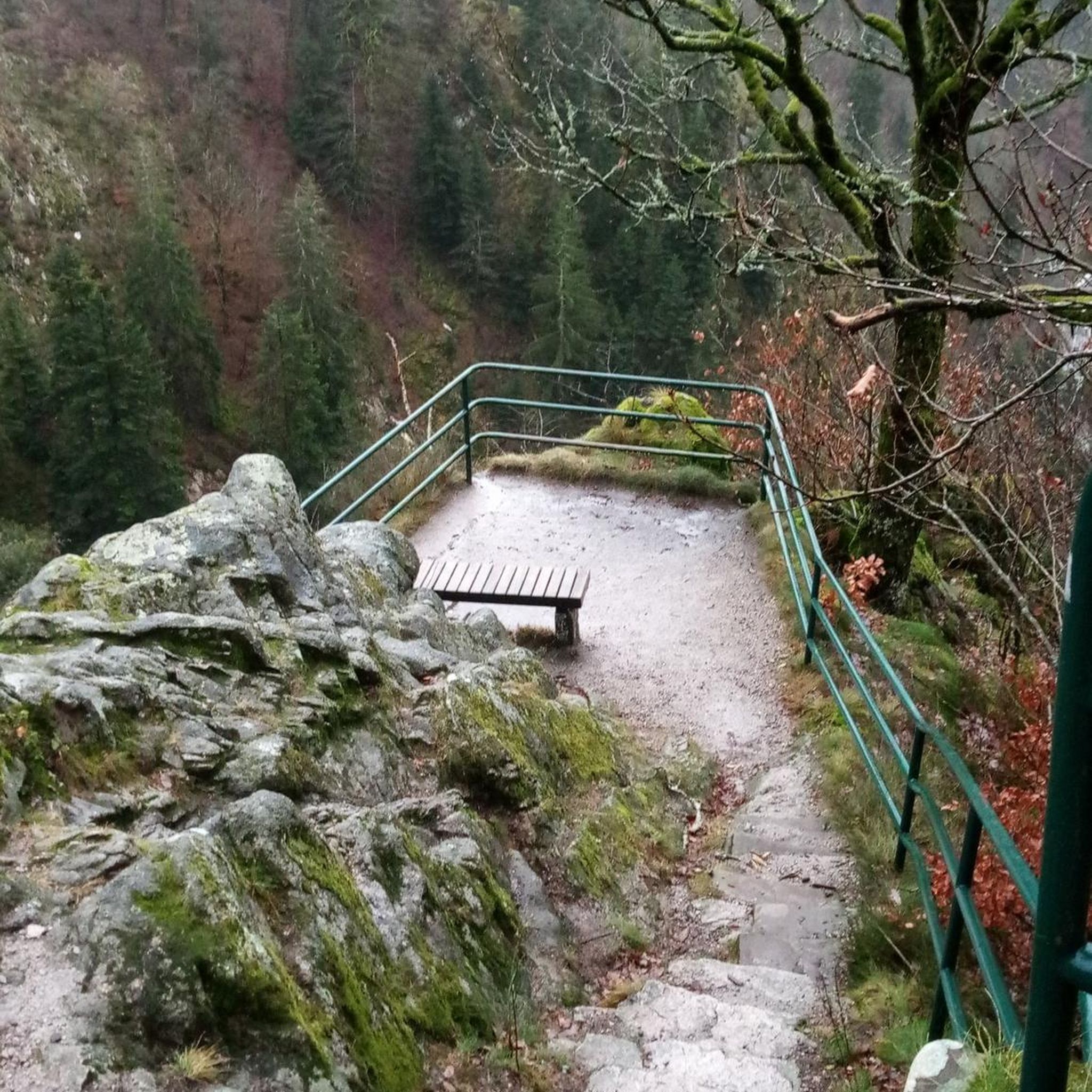
City hikes in the Thurgau
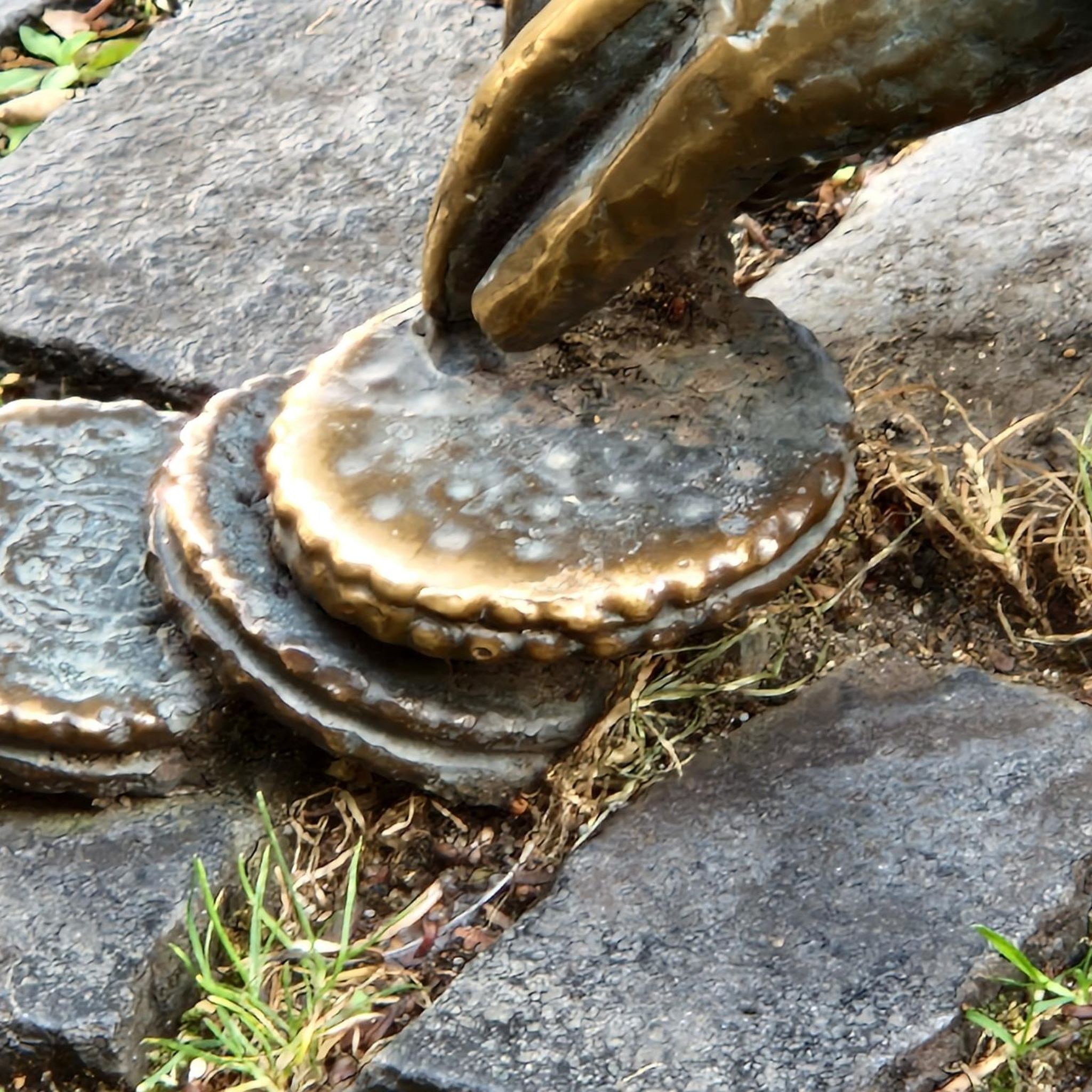
City hikes in Schaffhausen

City hikes in Appenzell Innerrhoden
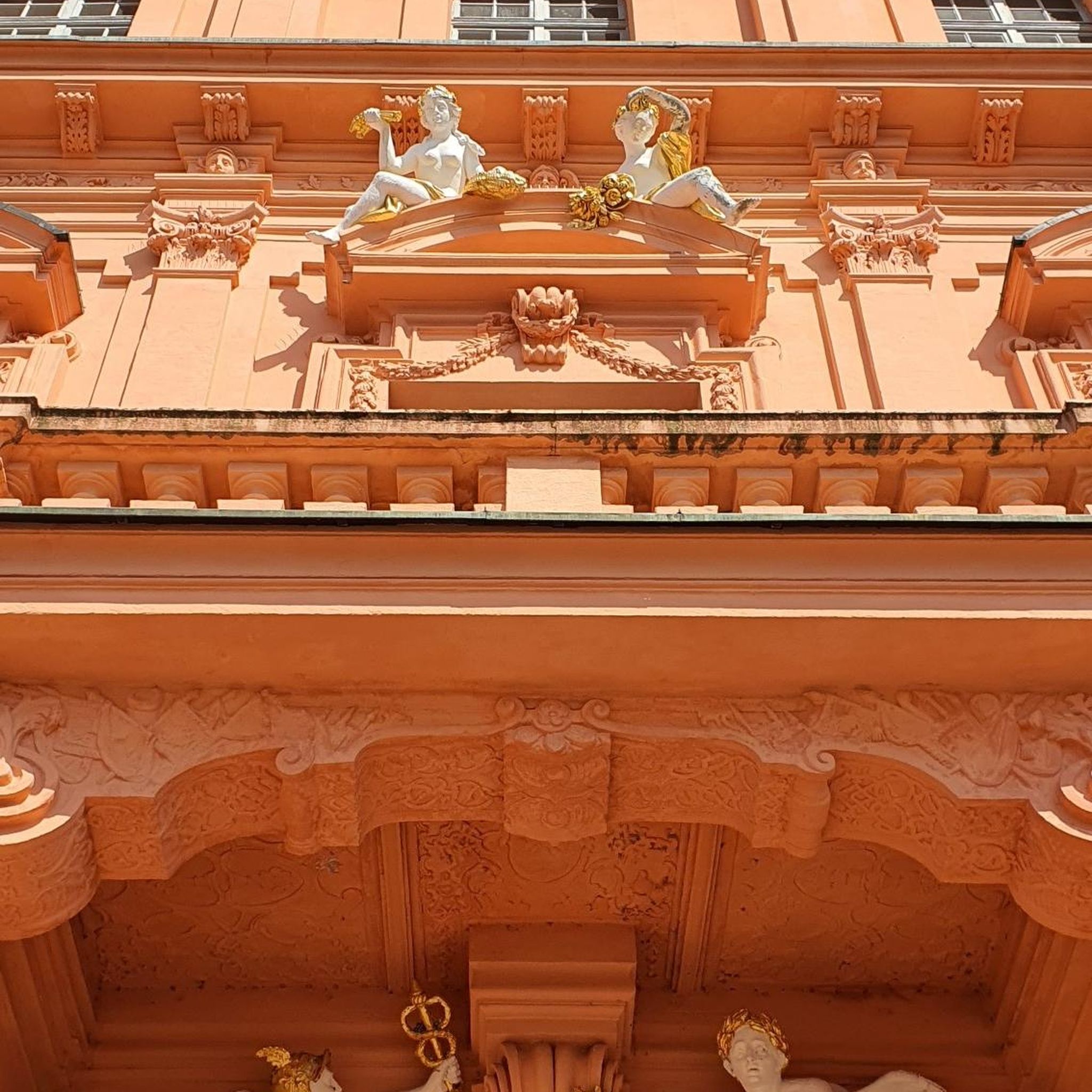
City hikes in Appenzell Ausserrhoden
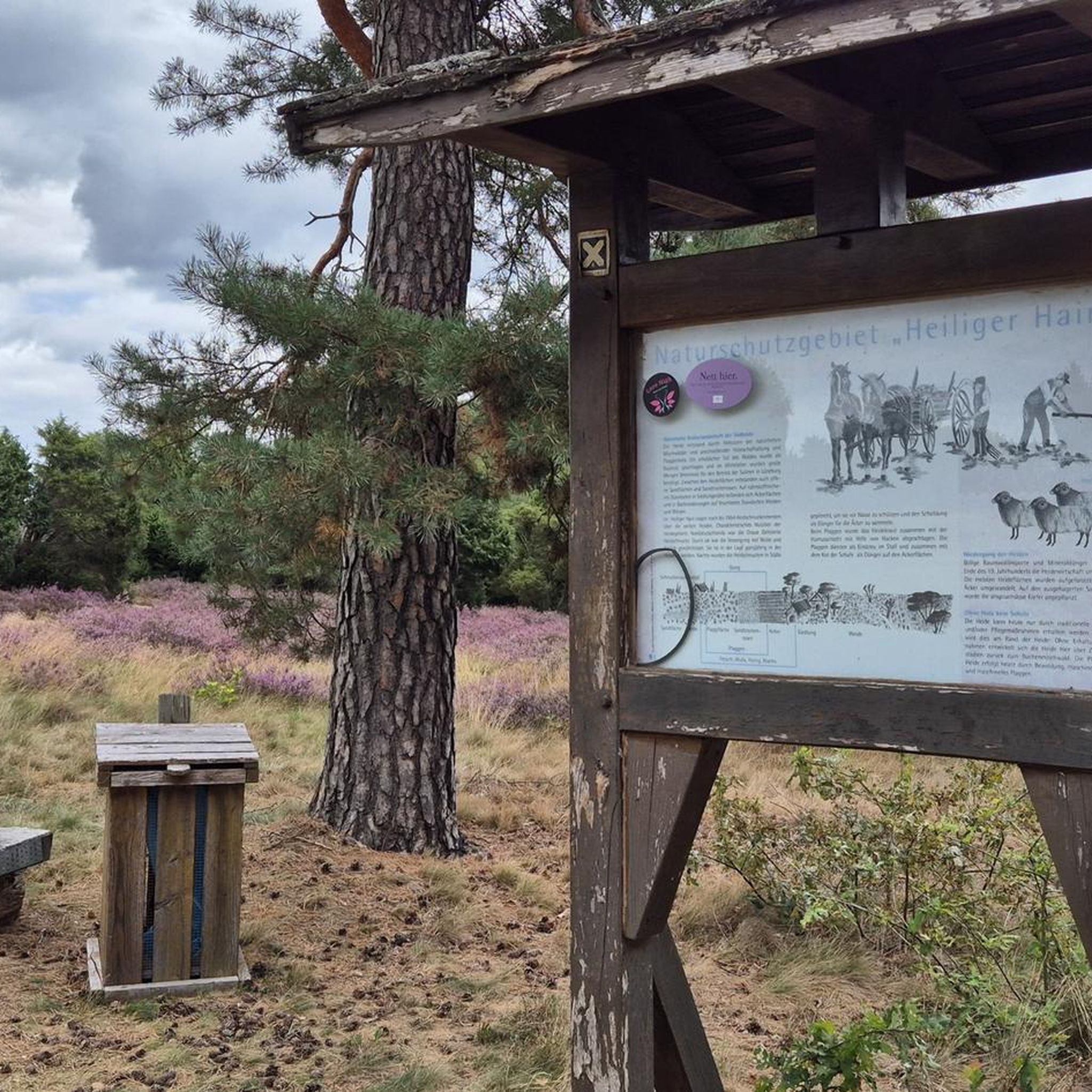
City hikes in Glarus
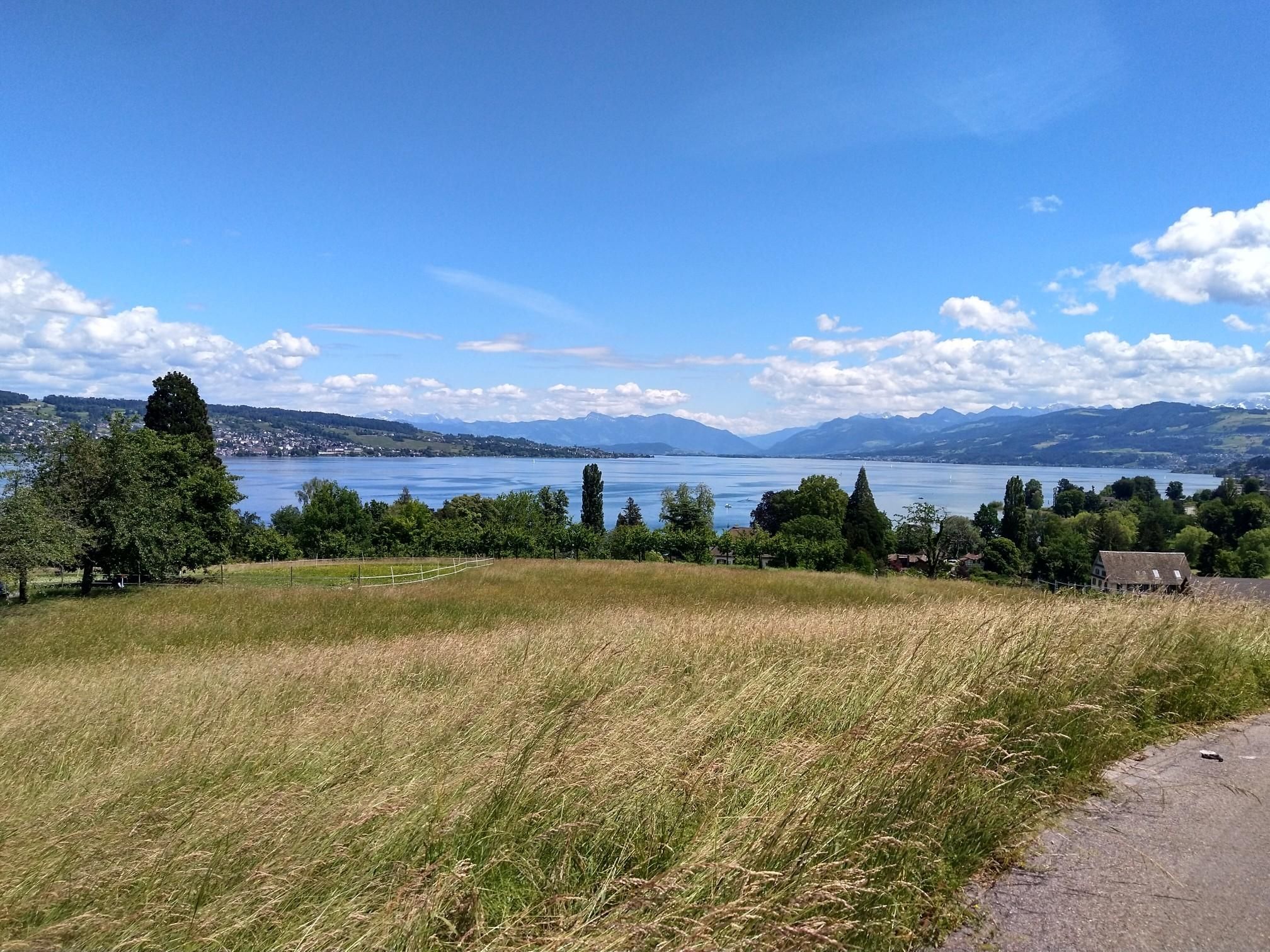
Lake Zurich loop – A land of contrasts
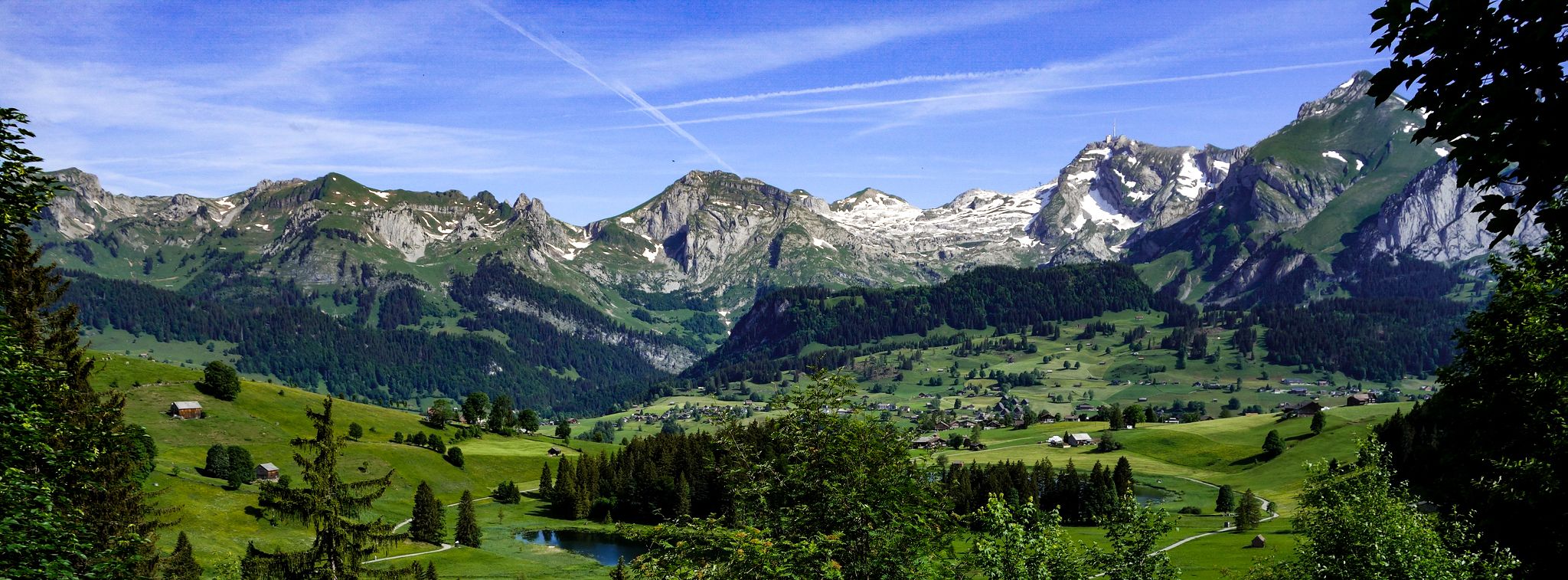
Toggenburger Höhenweg – Demanding hiking near St. Gallen
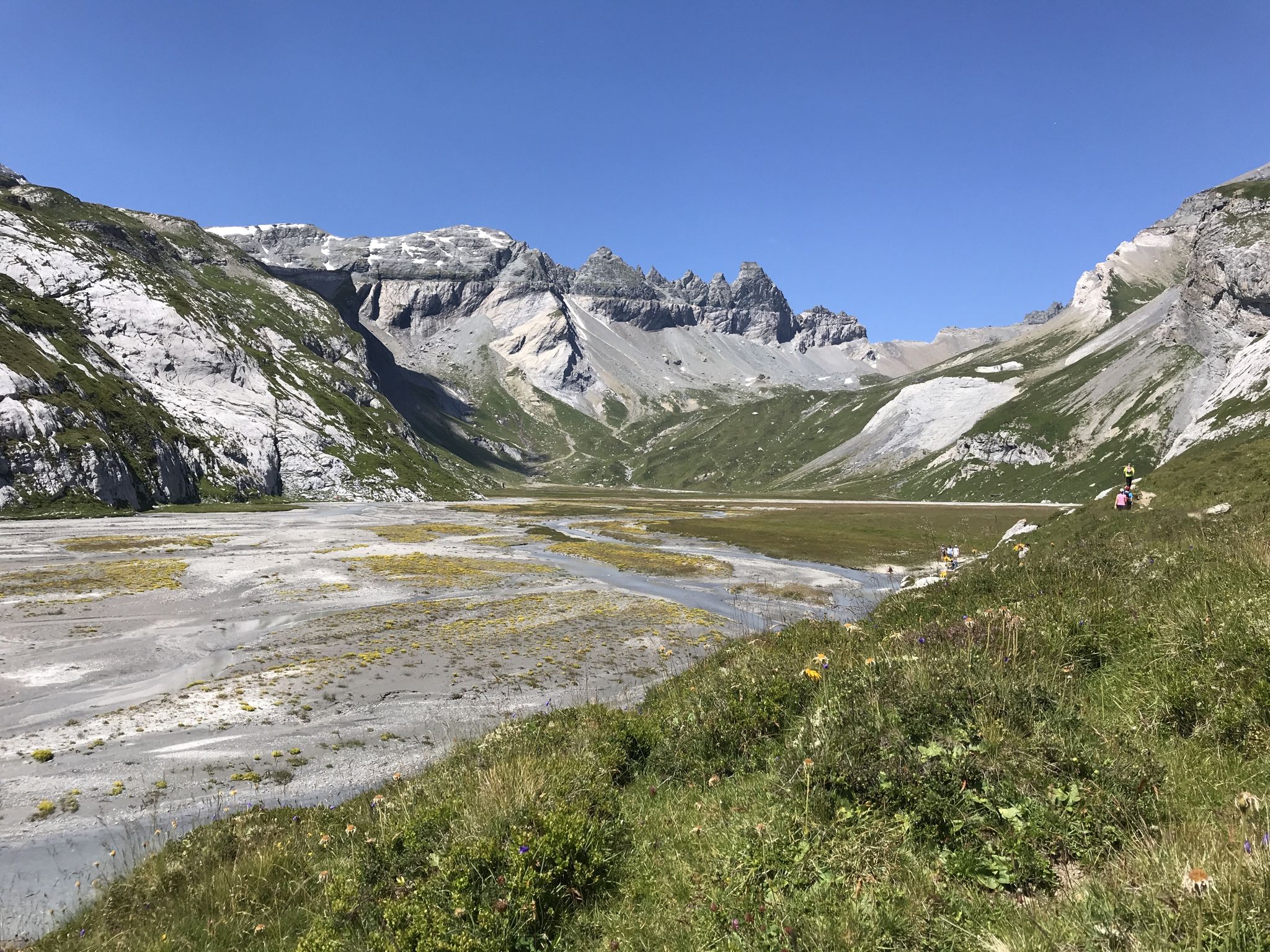
Sardona World Heritage Trail – Where the Alps once formed
Other adventures in Eastern Switzerland


Tips from the Community

The Kunstmuseum St. Gallen houses a rich collection of paintings and sculptures from the late Middle Ages to the present day. The collection focuses on 17th-century Dutch painting, 19th-century art from Switzerland, Germany and France, Appenzell peasant painting and international modern art. The current museum building was opened in 1877.
10
0
The Dreisparten-Theater St. Gallen (opera, operetta, musical, drama, children's theater and dance) is considered the oldest existing professional theater in Switzerland. An initial amateur theater emerged here as early as the Middle Ages around the year 900; the driving forces were the monks Tutilo and Notker Balbulus. Because the dominant church in the monastery town was opposed to the theater, no regular theater operations could gain a foothold until the beginning of the 19th century. A permanent theater was not established until 1801. The new theater building by Claude Paillard was inaugurated in 1968. The consistently implemented architectural basic idea is the regular hexagon and thus the 120-degree angle. From 2020 to 2023, the theater building was completely renovated for 48.6 million Swiss francs (a good 53 million euros). Since 2000, the Symphony Orchestra St. Gallen and the former Stadttheater St. Gallen have been operating under "Konzert und Theater St. Gallen".
11
0
The low row of houses in Zeughausgasse has a special charm. Its cozy atmosphere is enchanting.
11
0
Since 1983, the Collegiate Church and Cathedral of St. Gallen (actually Collegiate Church of St. Gallus and Otmar) and the entire Abbey District have been part of the UNESCO World Heritage Site. The baroque new building of the Benedictine monastery church, built between 1755 and 1766, stands where Saint Gallus is said to be buried. From 720 onwards, Abbot Otmar organised the construction work around the crypt, and his successor Gozbert began the construction of the new monastery church from 820 onwards. The construction of the Collegiate Church in its present form - it is one of the last monumental sacred buildings of the late Baroque period - was planned by Gabriel Loser and Johann Caspar Bagnato. Its two 68-metre-high towers tower above the old town of St. Gallen.
8
0
The legend of the Griffin, a fearsome mythical creature, inspired Willy Koch's mural from 1943 on this old town house. According to ancient legend, the Griffin guards the hidden gold of the mountains. In Koch's painting, the giant bird clutches the treasures with its claws. Anyone who snatches a piece of it will meet certain death - as in the picture the greedy grabber, the flattering beauty, the king and the queen. Quite different are the people who do not grab their happiness, but work for it and beg for it: the monk, the peasants, the shepherds, who are depicted on the right side.
10
0
The two-story bay window on the "Haus zum Pelikan" dates from 1708. The house name "Zum Pelikan" was first mentioned in a document in 1733. The four-story building is now used as a café and residential building. The copper roof is crowned by a golden pelican. He tears open his chest to soak his three young with blood. His nest is formed from a crown of thorns. The bird symbolizes "self-sacrificing charity", the crown of thorns the suffering of Christ.
10
0
The Marktgasse was the political center of the old city republic of St. Gallen. From 1369 to 1877, the town hall stood here, where the Vadian monument is today. From here, the city was governed, and justice was administered and proclaimed. The population, or rather its male part, also gathered in front of the town hall during unusual events.
10
0

Cathedral, St. Gallen Several earlier structures preceded the monumental church. Originally, the chapel of Saint Gallus stood on this site, where the saint was buried around 640. Later buildings incorporated Gallus's tomb. Around 720 (the founding of the monastery), a stone church was built. By the 9th century, the church had already reached its present length. In the 15th century, a new choir in the Gothic style was constructed. In 1756, the monks embarked on the final phase of the church's reconstruction, which was completed in 1766. The renowned architect Johann Kaspar Bagnato played a significant role in the design, while Johann Michael Beer oversaw the construction. The patrons were Abbots Cölestin Gugger von Staudach and Beda Angehrn. After the dissolution of the monastery, the church became a cathedral (bishop's church) in 1824. The church underwent interior renovations from 1961 to 1967 and exterior renovations from 2000 to 2003. The church has an elongated, rectangular floor plan. Within this plan, a rotunda (round structure) is inserted, resembling a transept. On the eastern end, the striking twin-tower facade rises as a dominant feature, the emblem of the Diocese, City, and Canton of St. Gallen. The facade's sculptural decoration includes figures of Saints Maurice and Desiderius and a relief depicting the Coronation of the Virgin Mary by the Holy Trinity. The interior of the church is a three-aisled, free-pillared structure with a central dome (rotunda). High-quality stucco work, vault paintings, altars, and the choir stalls are among the highlights of the interior. The concept of harmoniously coordinated art forms is the work of Christian Wentzinger, sculptor and painter. Text / Source: City of St. Gallen, Town Hall, 9001 St. Gallen https://www.stadt.sg.ch/home/freizeit-tourismus/stgallen-entdecken/stiftsbezirk-unesco-weltkulturerbe.html
16
1
Frequently Asked Questions
How many urban hiking trails are available in Eastern Switzerland?
Eastern Switzerland offers a vast network of urban hiking trails, with over 370 routes available. The majority of these, around 310, are rated as easy, making them accessible for various fitness levels.
What makes urban hiking in Eastern Switzerland unique?
Urban hiking in Eastern Switzerland offers a unique blend of city exploration and natural beauty. You can discover historic city centers, vibrant cultural sites, and then quickly transition to scenic riverside paths or elevated viewpoints offering glimpses of the dramatic alpine landscape. The region's diverse cantons, from St. Gallen to Appenzell, each contribute unique charm and character to these urban adventures.
Are there easy urban hikes suitable for beginners or families?
Yes, Eastern Switzerland is very welcoming for beginners and families. Many urban routes are rated as easy, featuring gentle gradients and well-maintained paths. For example, the Discover Rorschach – City Tour is a short, easy walk perfect for a leisurely stroll with children, offering lakeside views and urban exploration.
What kind of attractions or landmarks can I see on urban hikes in Eastern Switzerland?
Urban hikes in Eastern Switzerland often lead you past fascinating landmarks and natural features. In cities like St. Gallen, you can explore historical sites and cultural institutions. Further afield, you might encounter impressive natural wonders such as the Tamina Gorge or the powerful Rhine Falls, Europe's largest waterfall. Many routes also offer views of charming villages and picturesque lakes like Walensee.
Are urban hiking trails in Eastern Switzerland accessible by public transport?
Yes, public transport accessibility is a significant advantage for urban hikes in Eastern Switzerland. Many starting points for these trails are conveniently located near train stations or bus stops, especially in larger towns like St. Gallen, Chur, and Appenzell. This makes it easy to reach the trails without a car and often allows for point-to-point hikes.
Are there circular urban walks available?
Absolutely. Many urban hiking routes in Eastern Switzerland are designed as circular walks, allowing you to start and end at the same point. This is particularly convenient for those using public transport or parking a car. For instance, the St. Gallen Textile Trail offers a fascinating loop through the city's textile history.
Are urban hiking trails in Eastern Switzerland dog-friendly?
Generally, urban hiking trails in Eastern Switzerland are dog-friendly, but it's always best to check specific route details. Most city parks, promenades, and designated walking paths welcome dogs on a leash. Be mindful of local regulations, especially in nature reserves or near livestock. Always carry water for your dog and be prepared to clean up after them.
Can I find urban hikes with viewpoints in Eastern Switzerland?
Yes, many urban hikes in Eastern Switzerland offer excellent viewpoints, providing panoramic vistas of the cities, surrounding valleys, and even distant alpine peaks. While not strictly urban, nearby accessible summits like Hoher Kasten Summit, reachable by cable car, offer breathtaking views that can be combined with urban exploration in the region.
What is the best time of year for urban hikes in Eastern Switzerland?
Urban hiking in Eastern Switzerland is enjoyable year-round. Spring and autumn offer pleasant temperatures and beautiful scenery, with blooming flowers or vibrant fall foliage. Summer is ideal for longer walks, and many routes provide shade. Even in winter, cleared paths in cities and along lakeshores make for refreshing walks, often with a magical, snowy backdrop.
Are there urban hikes where I can find coffee shops or places to eat?
Yes, urban hikes in Eastern Switzerland are often dotted with opportunities to refuel. You'll find numerous coffee shops, bakeries, and restaurants along city routes and in charming villages. Many trails are designed to pass through town centers, ensuring easy access to local amenities and a chance to sample regional cuisine.
What do other hikers enjoy most about urban hiking in Eastern Switzerland?
The komoot community highly rates urban hiking in Eastern Switzerland, with an average score of 4.6 stars. Reviewers often praise the region's ability to seamlessly blend historical cityscapes with accessible natural beauty. Hikers particularly enjoy the well-maintained paths, the variety of cultural and natural sights, and the convenience of public transport access to many trailheads.
Most popular routes in Eastern Switzerland
Most popular attractions in Eastern Switzerland

Get inspired with the komoot mobile app


Didn’t find what you were looking for?
Check out more Hikes throughout Eastern Switzerland below and find the perfect route in your destination.
Explore more
Browse the best Hikes in other regions.
