The best city hikes and walks in the Teutoburg Forest
4.5
(69816)
249,217
hikers
1,530
hikes
Urban hiking trails in the Teutoburg Forest traverse a low mountain range characterized by forested hills, diverse rock formations, and river valleys. The region features dense beech forests, limestone and sandstone ridges, and areas with unique geological wonders like the Externsteine. This varied topography provides a range of urban walking experiences within towns and cities situated across the landscape.
Best urban hiking trails in the Teutoburg Forest
- The most popular urban hiking route is VitalWanderWelt: 'Diversity' – through the spa…
Last updated: October 10, 2026
4.2
(18)
60
hikers
Easy hike. Great for any fitness level. Easily-accessible paths. Suitable for all skill levels.
4.4
(9)
22
hikers
Easy hike. Great for any fitness level. Easily-accessible paths. Suitable for all skill levels.

4.7
(228)
770
hikers
Moderate hike. Good fitness required. Easily-accessible paths. Suitable for all skill levels.
4.7
(53)
326
hikers
Easy hike. Great for any fitness level. Easily-accessible paths. Suitable for all skill levels.
4.7
(107)
484
hikers
Easy hike. Great for any fitness level. Easily-accessible paths. Suitable for all skill levels.
Get access to more routes and recommendations from other explorers.
Already have an account?
Our route recommendations are based on thousands of hikes, rides, and runs completed by other people on komoot.
Start today with a free account
Your next adventure awaits.
Popular around Teutoburg Forest
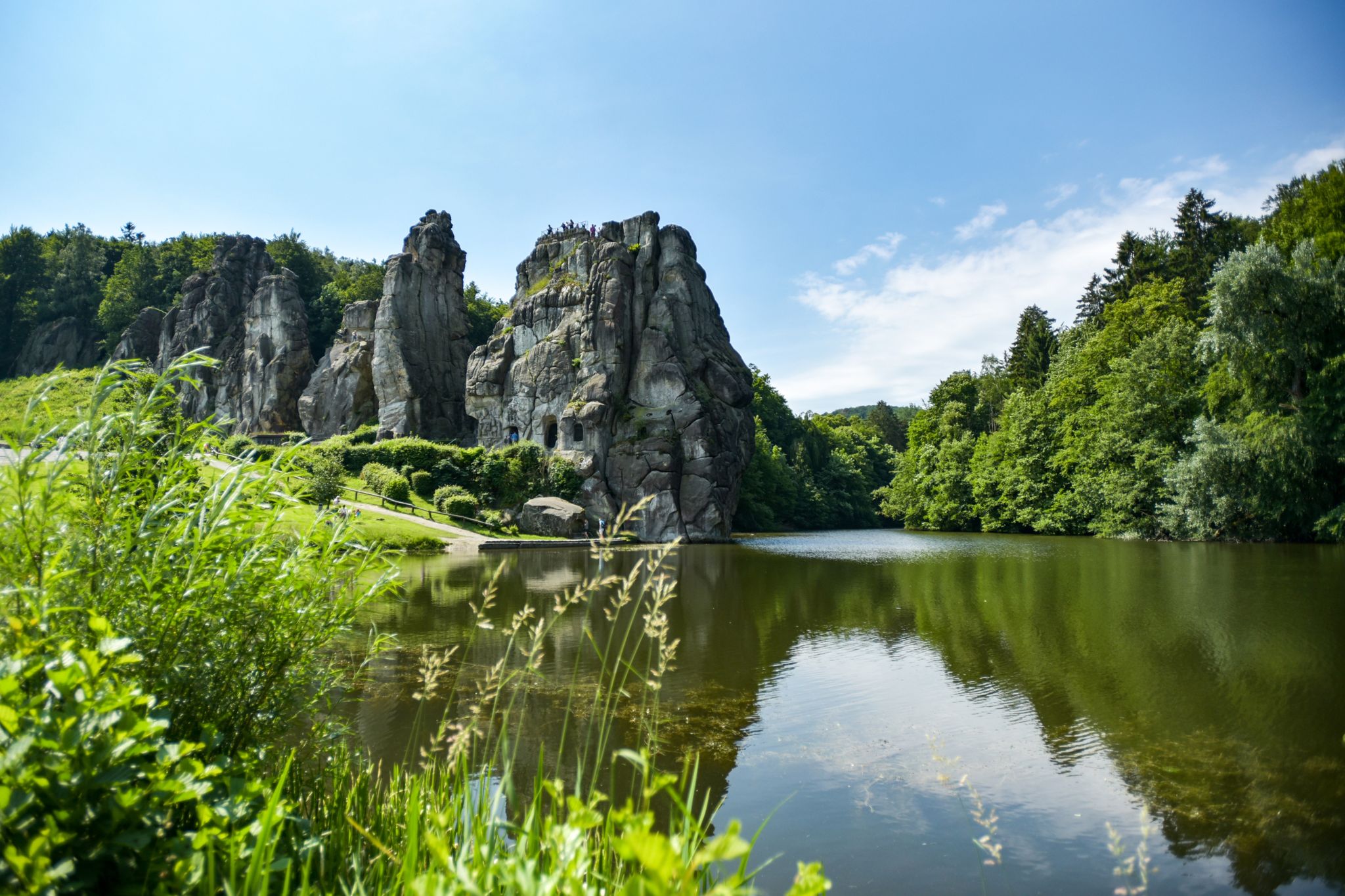
Hiking Germany's Hermannsweg – In the footsteps of the Cheruscan
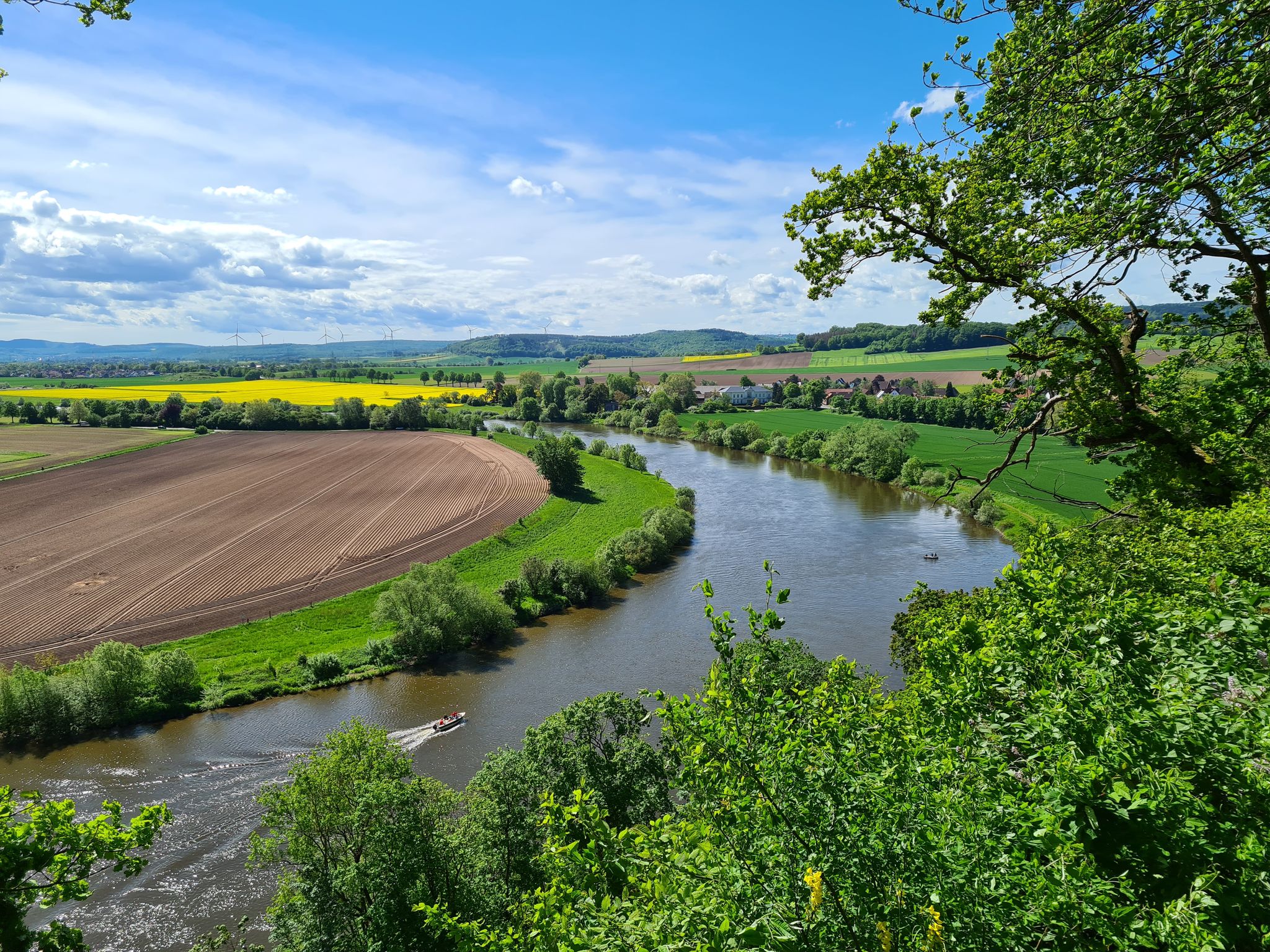
Loccum-Volkenroda pilgrim's way – From monastery to monastery
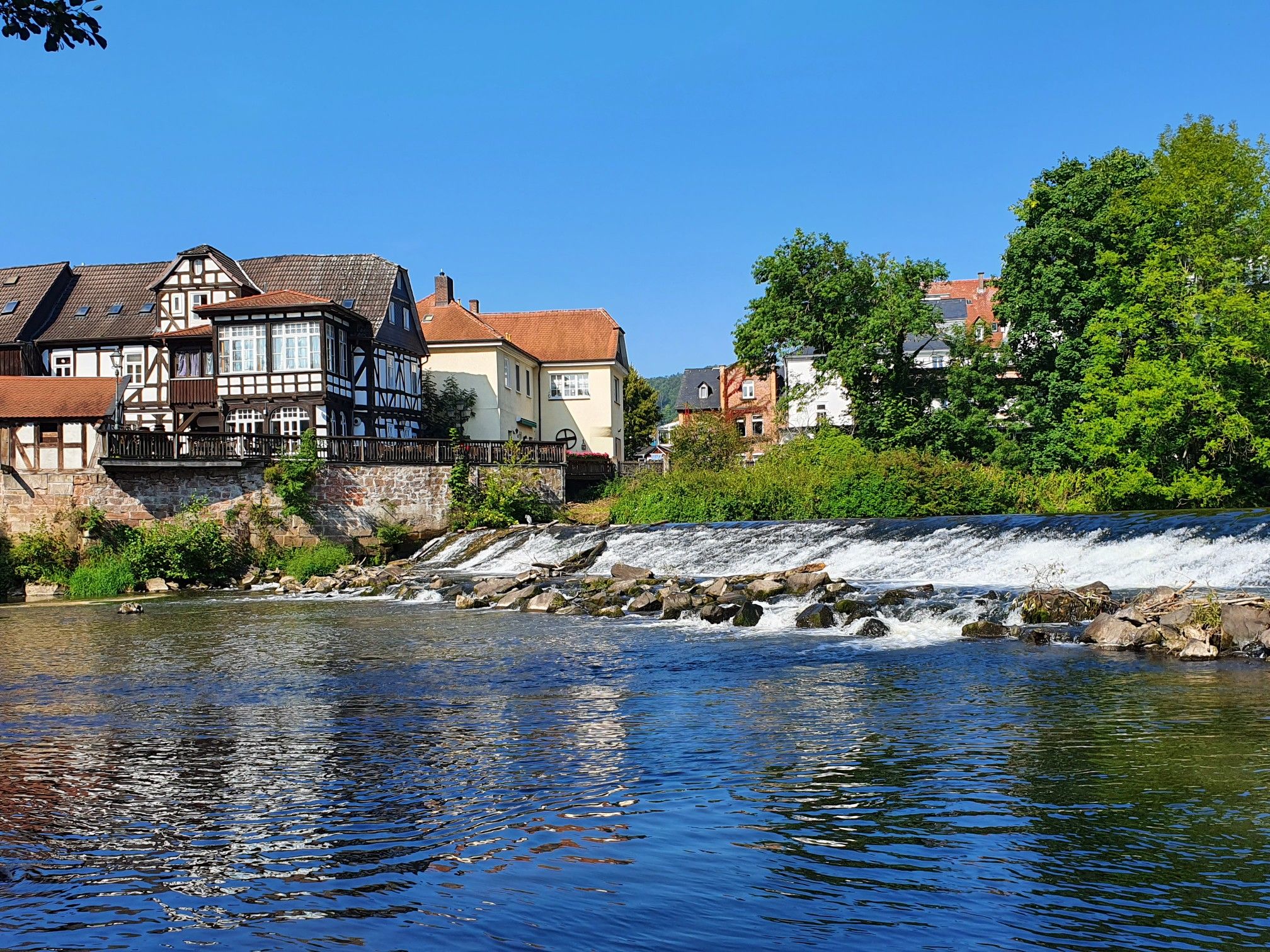
11 Hessen trails – criss-cross through the countryside
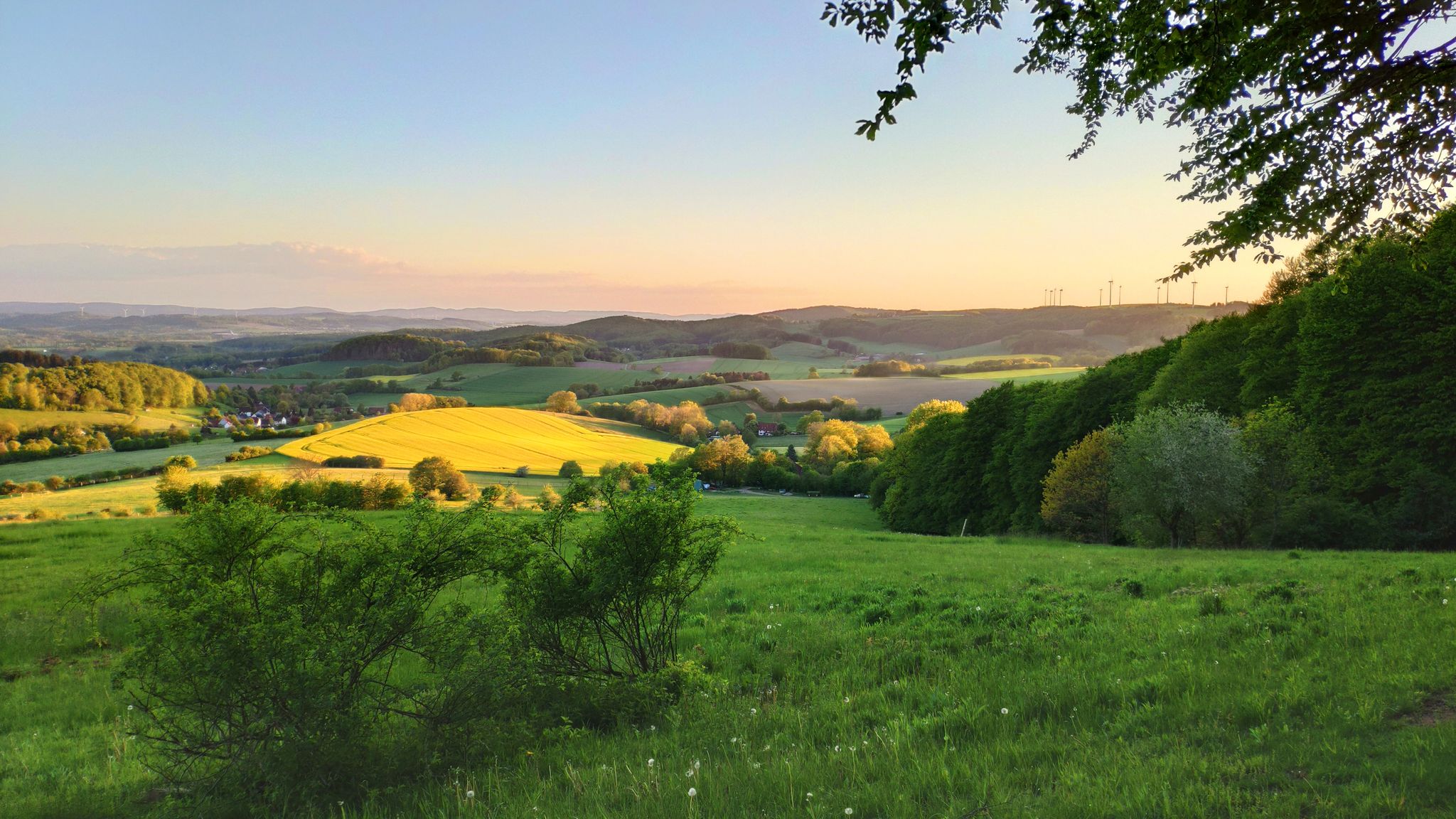
Hansa Trail in 6 stages – Hills and fun in Germany's Lipper Bergland
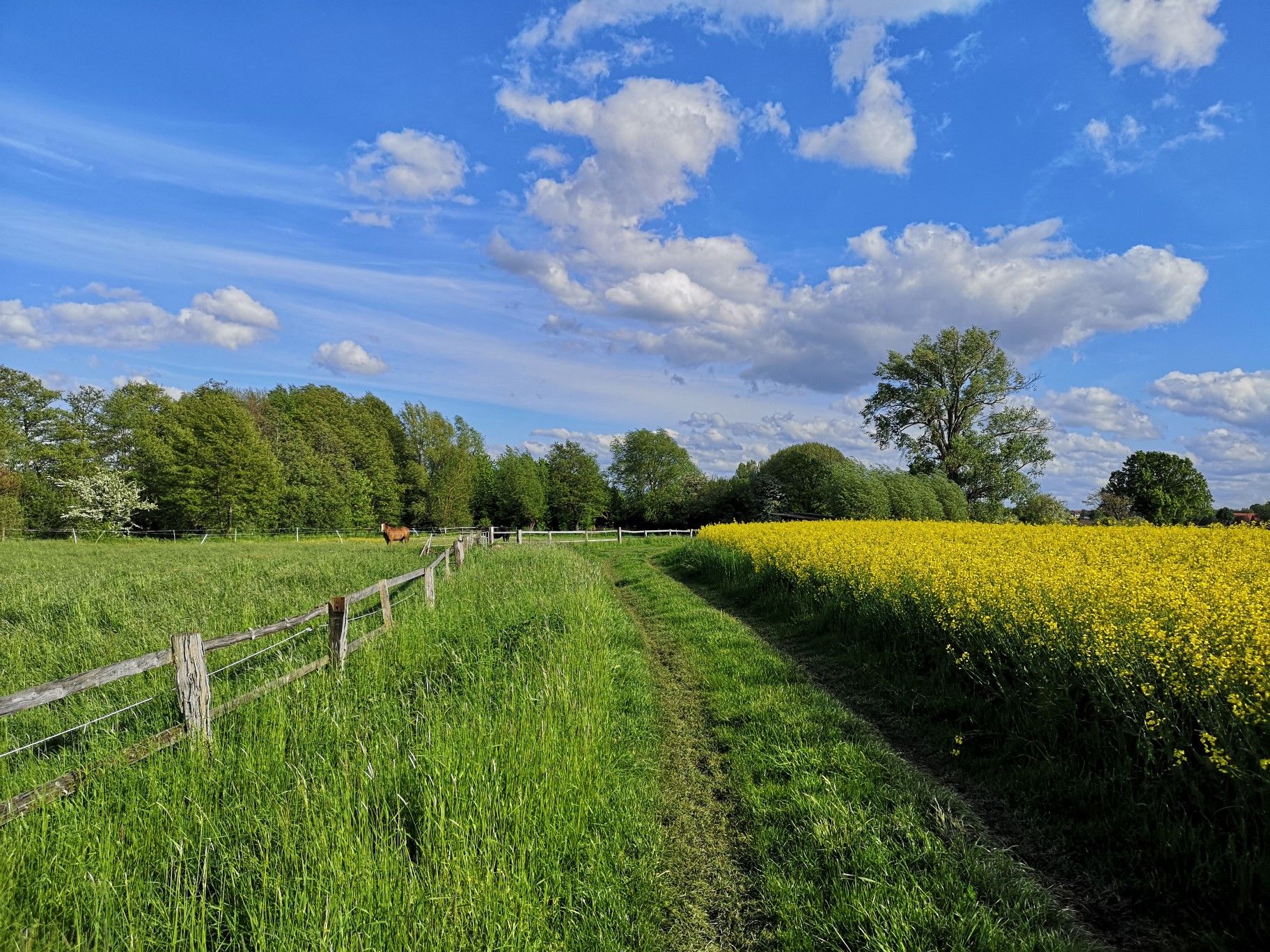
Hiking on Germany's Bückeberg Trail – Gentle hills and green forests
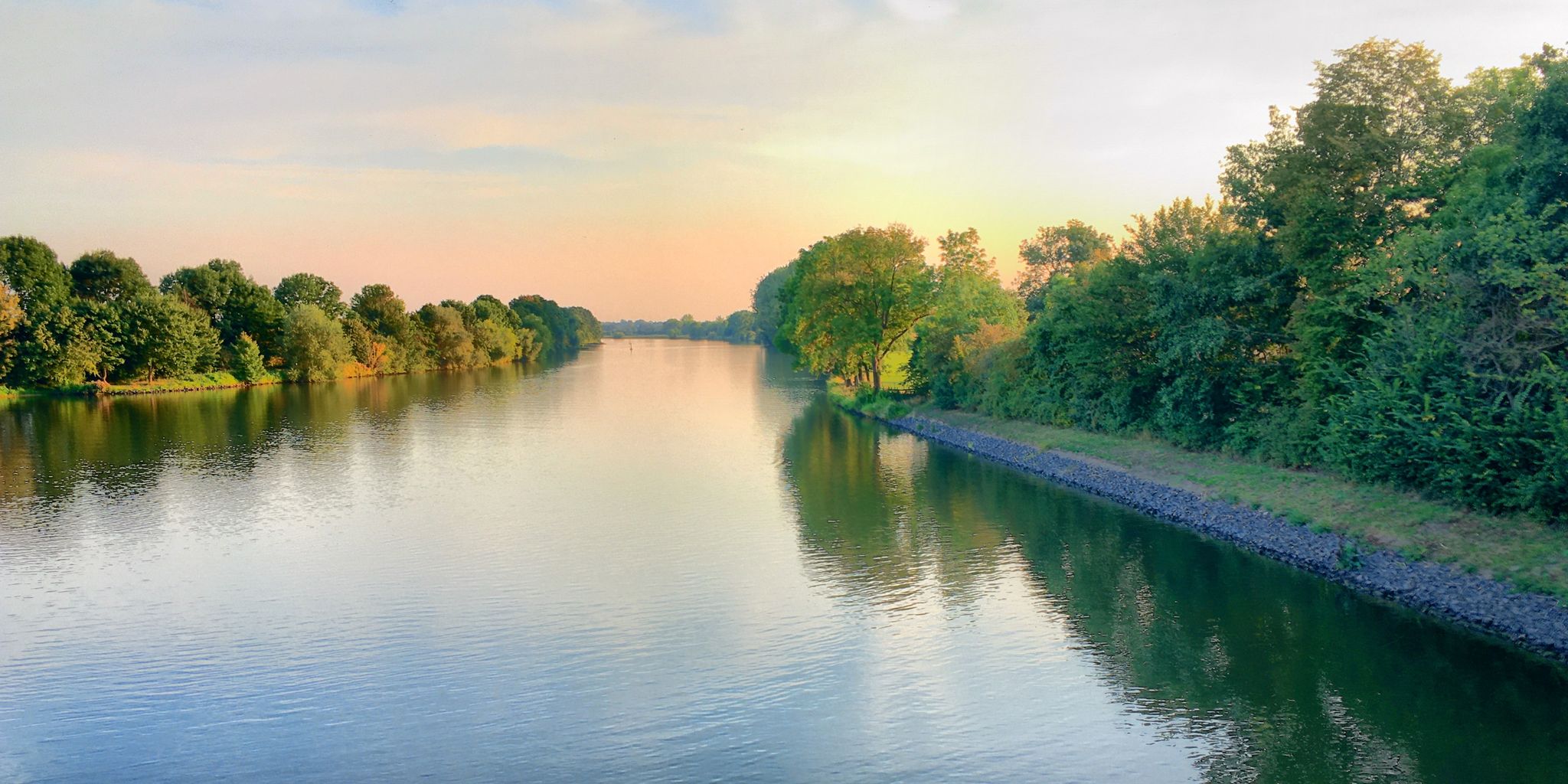
Germany's Weser Trail — Floodplains, dykes and old towns in 8 days
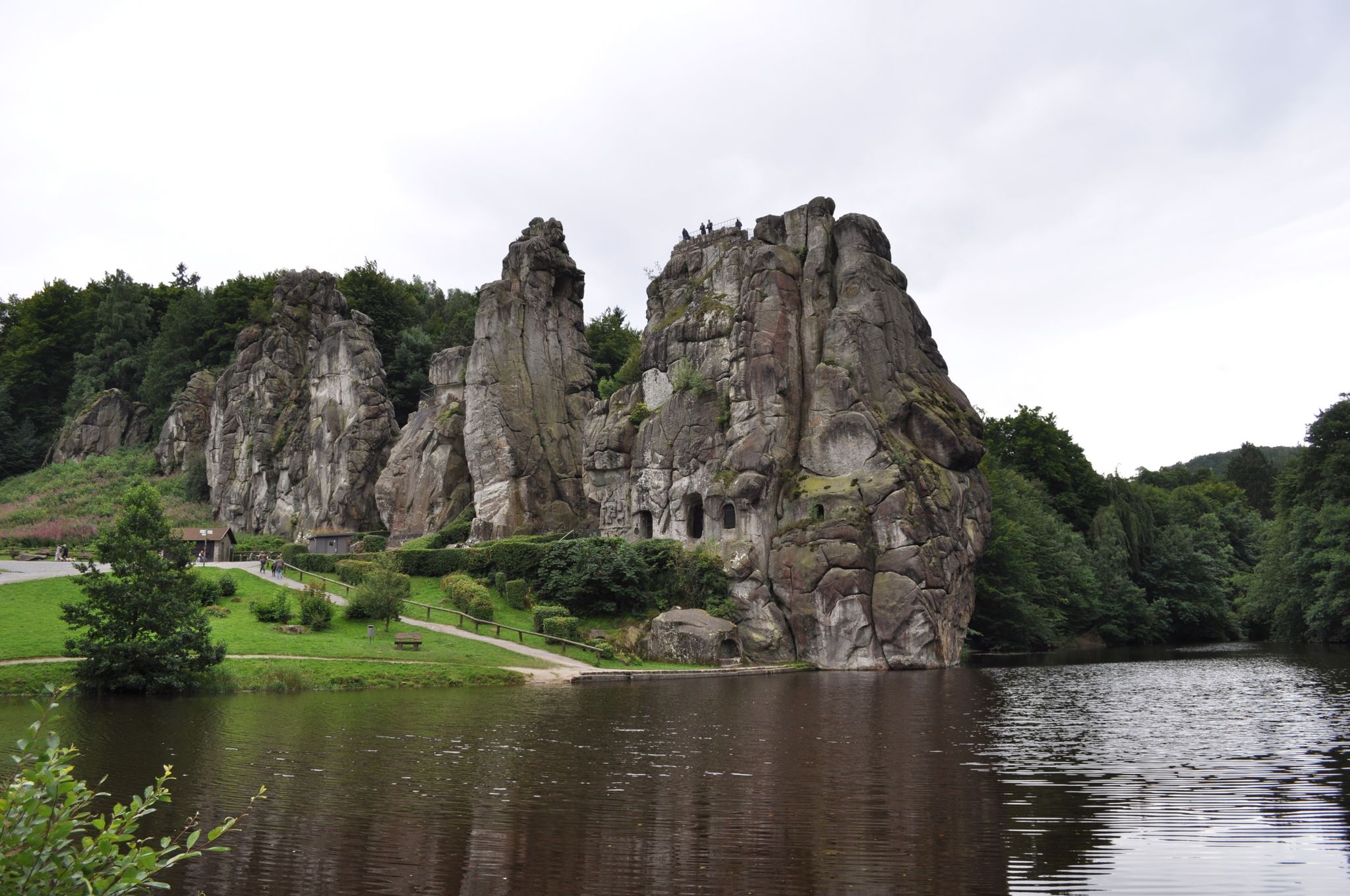
Egge Trail – Hiking through the Lower Saxon hills in Germany
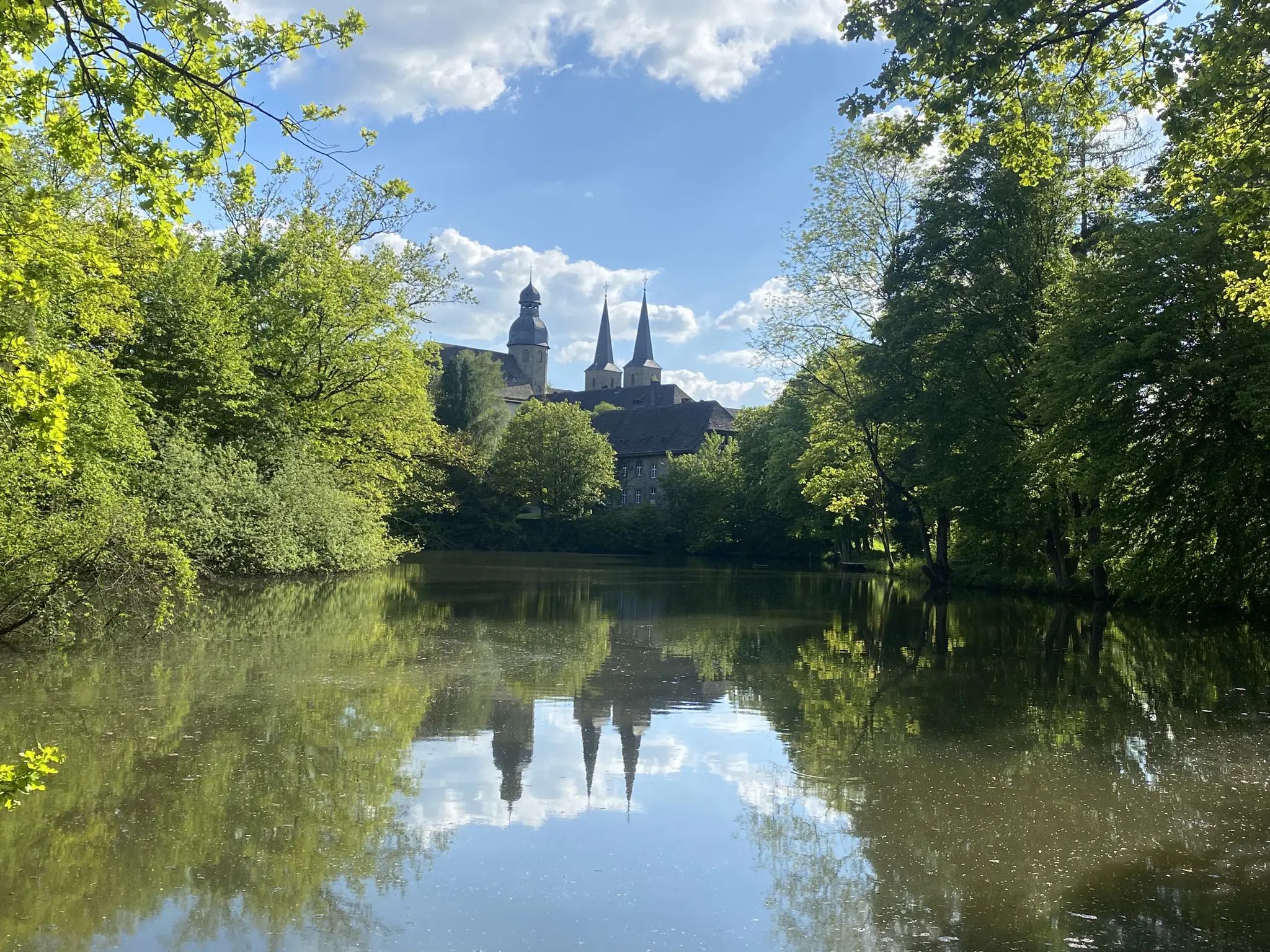
Weg der Stille - Ökumenischer Pilgerweg
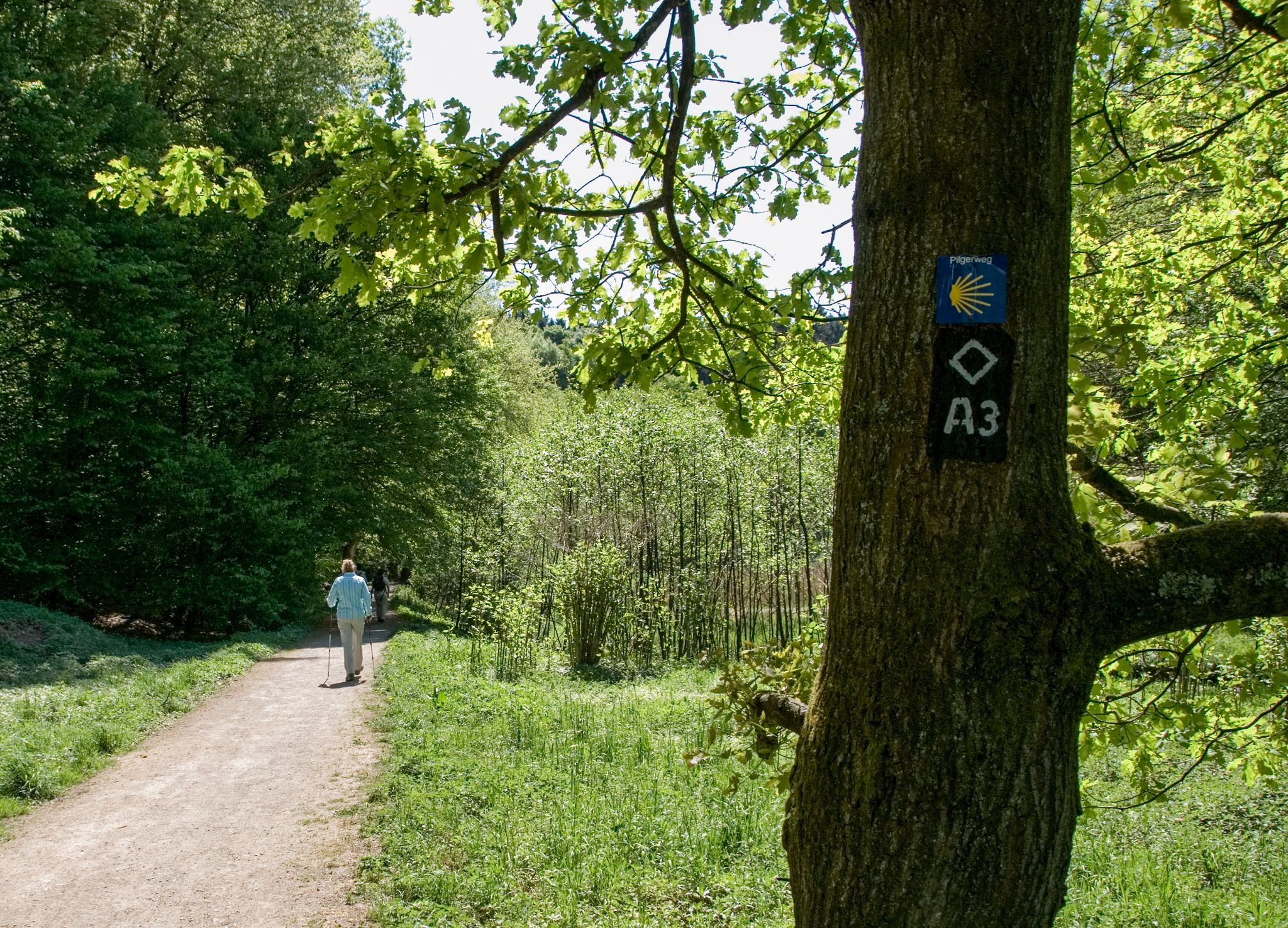
Westphalian Way of St. James – 9 days
ZweiTälerSteig and other cool hikes in Germany
Other adventures in the Teutoburg Forest


Tips from the Community

A very beautiful building.
1
0

The water feature is beautiful. But the swans too.
0
0

Schloss Rheda houses a special castle chapel unlike any other in Europe. For €5, you can buy a ticket from the machine. But the castle, the outbuildings, and the park are also absolutely worth seeing.
7
0

You are right in the middle of Bad Oeynhausen: And suddenly, it's as if you were standing in the middle of the forest! Just a few meters on foot or by bike from the Kurpark and the city center, you'll find yourself in a green oasis in no time, the Bad Oeynhausen Switzerland. And right in the heart of the "Switzerland" you'll discover a special gem: The fallow deer enclosure. It has existed since 1934, meaning for over 90 years, and to this day it enjoys unbroken and ever-renewed popularity with young and old, locals and guests of the spa town alike. A wonderful oasis in the middle of the city!🍀😊🐞
0
0

The Wandelhalle in the spa park is very photogenic and there are benches to sit and enjoy
1
0

The Kurparksee (Spa Park Lake) forms the tranquil heart of the expansive spa park in Bad Salzuflen and is one of the most popular spots for walkers and spa guests. Created in the early 20th century along with the spa park itself, it continues to lend the park a relaxed atmosphere. Nestled among old trees, well-maintained paths, and in close proximity to the graduation towers, the lake reflects the quintessential combination that characterizes Bad Salzuflen: nature, recreation, and the tradition of the spa town. The Salze, the town's small river, flows through both the smaller and larger Kurparksee lakes, creating a vibrant, natural body of water right in the heart of the spa area. A stroll around the lake is worthwhile at any time of year: waterfowl, changing light, and the peaceful shoreline make the Kurparksee an ideal place for short breaks, photographs, or simply to breathe deeply. For many visitors, it is the most beautiful part of the spa park – a place where the special atmosphere of Bad Salzuflen can be experienced firsthand. https://www.teutoburgerwald.de/gesund/heilgarten/heilbaeder/bad-salzuflen
4
0
The old town of Bad Salzuflen is one of the most impressive half-timbered ensembles in East Westphalia-Lippe. Within a small area, one encounters a multitude of richly decorated houses from the 16th and 17th centuries – a time when salt production brought great prosperity to the town. This wealth is still evident today in the artistic carvings, inscriptions, and gable designs that adorn many facades. The houses on Lange Straße are particularly noteworthy, including buildings No. 33 (1612) and No. 35 (1618), whose detailed carvings are among the finest examples of Weser Renaissance architecture. The Backs House on Hafermarkt is also considered one of the last richly decorated half-timbered houses of its kind in the region. A stroll through the old town leads past former mayors' houses, the historic town hall, and numerous lovingly restored buildings that continue to shape the townscape. Nestled among narrow lanes, half-timbered facades, and the gentle murmur of the Salzuflen stream, the atmosphere of this old salt-producing town is particularly palpable. The half-timbered houses are an architectural highlight and simultaneously tell the story of a town whose cultural identity is inextricably linked to salt, craftsmanship, and trade. https://www.teutoburgerwald.de/gesund/heilgarten/heilbaeder/bad-salzuflen
3
0
At the far end of the accessible entrance to the side wings, two sculptures symbolize the cornerstones of the spa: water and health. The entire structure is 84 meters long. Both spatially and visually, the promenade hall forms the almost perfect northern (lower) end of the grand vista uphill to the Imperial Palace (Kurhaus) and simultaneously the smaller vista up to the Theater im Park. The view (in both directions) is breathtaking. Since the central axis of the promenade hall (i.e., its open side) faces southeast, the two colonnades and the semicircular inner courtyard are largely protected from the prevailing westerly winds. It's no wonder that this superbly designed space is one of the city's most popular spots: absolutely perfect for festivals, markets, and cultural events, held several times a year!
2
0
Frequently Asked Questions
How many urban hiking trails are available in the Teutoburg Forest?
The Teutoburg Forest offers a vast network of trails, with over 1500 routes suitable for hiking. Many of these are easy urban walks, perfect for exploring the towns and their immediate surroundings.
Are there easy urban hiking trails suitable for beginners in the Teutoburg Forest?
Yes, the region is very beginner-friendly, with over 1300 easy routes. For example, the VitalWanderWelt: 'Diversity' trail in Bad Oeynhausen offers a gentle walk through spa gardens, and the VitalWanderWelt: 'Trust' route explores the Dichterviertel, both ideal for a relaxed experience.
What interesting sights or landmarks can I discover on urban hikes in the Teutoburg Forest?
Urban hikes in the Teutoburg Forest often lead you past significant cultural and natural landmarks. You might encounter the impressive Hermann Monument, a towering historical landmark, or the unique sandstone formations of the Externsteine. Many routes also feature charming town centers, historic buildings, and beautiful park landscapes like those found on the Kurpark Lake – Graduation Tower loop in Bad Salzuflen.
Are there urban hikes in the Teutoburg Forest suitable for families?
Absolutely! Many urban trails are designed to be family-friendly, with gentle terrain and points of interest for all ages. The Pader Floodplain (Paderaue) – Pader Springs loop in Paderborn, for instance, offers a pleasant walk along water features that can be engaging for children.
Can I bring my dog on urban hikes in the Teutoburg Forest?
Yes, many urban trails in the Teutoburg Forest are dog-friendly. It's generally recommended to keep your dog on a leash, especially in populated areas, nature reserves, and near wildlife. Always carry waste bags and ensure your dog is well-behaved around other hikers and urban environments.
Are there circular urban hiking routes in the Teutoburg Forest?
Yes, many urban hiking trails in the Teutoburg Forest are designed as circular routes, allowing you to start and end at the same point. This is convenient for those using personal vehicles. Examples include the Pader Floodplain (Paderaue) – Pader Springs loop and the Kurpark Lake – Graduation Tower loop.
How can I reach urban hiking trails in the Teutoburg Forest using public transport?
Many towns in the Teutoburg Forest, such as Paderborn, Bad Oeynhausen, and Minden, are well-connected by public transport. You can often reach trailheads directly from train stations or bus stops within these cities. It's advisable to check local public transport schedules for specific routes and starting points.
Is parking available near urban hiking trailheads in the Teutoburg Forest?
Yes, in most towns and cities within the Teutoburg Forest, you'll find designated parking areas near popular urban hiking trailheads, parks, and attractions. Some may be free, while others might require a small fee. Always look for local signage regarding parking regulations.
What is the best time of year for urban hiking in the Teutoburg Forest?
Urban hiking in the Teutoburg Forest is enjoyable year-round. Spring brings blooming flowers and fresh greenery, while autumn offers vibrant foliage. Summer is pleasant for longer walks, and even winter can be charming with crisp air and occasional snow, especially on trails that pass through town centers with cafes for warmth.
What do other hikers enjoy the most about urban hiking in the Teutoburg Forest?
The area is highly rated by the komoot community, with an average score of 4.57 stars. Reviewers often praise the well-maintained paths, the blend of natural beauty with historical and cultural sights, and the accessibility of these trails within charming towns. The variety of landscapes, from spa gardens to riverbanks, is also frequently highlighted.
Are there urban trails with viewpoints in the Teutoburg Forest?
While urban trails generally offer less dramatic elevation than mountain hikes, some routes provide pleasant viewpoints over cityscapes or natural features. For instance, the View of the River Weser loop in Minden offers scenic perspectives of the river and the city's historic walls.
Most popular routes in the Teutoburg Forest
Most popular attractions in the Teutoburg Forest

Get inspired with the komoot mobile app


Explore more
Browse the best Hikes in other regions.
