Attractions and Places To See around Großes Torfmoor - Top 16
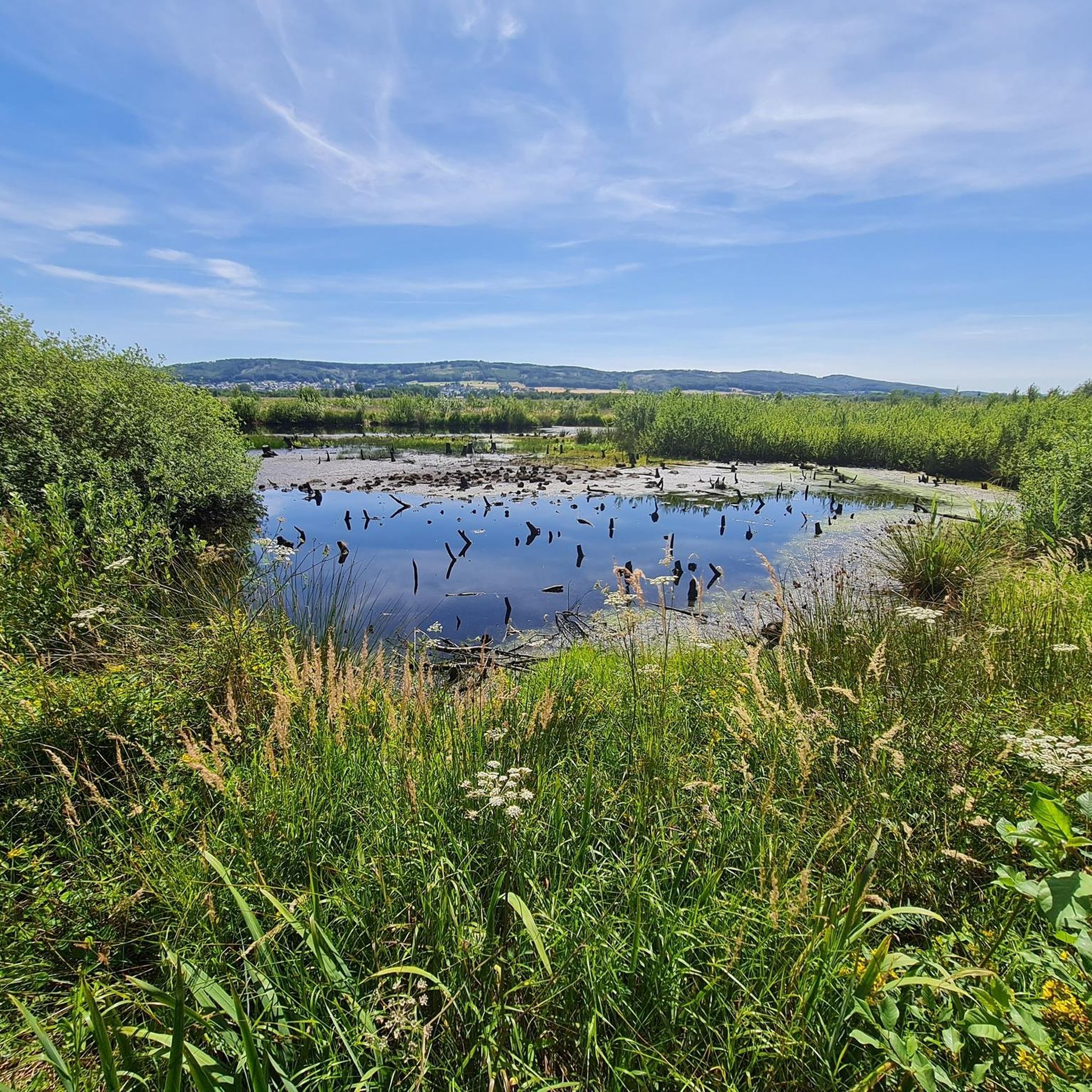
Best attractions and places to see around Großes Torfmoor include its unique high moor landscape, which is the largest remaining high moor in North Rhine-Westphalia. This EU bird sanctuary is part of the Natura 2000 protected area system, offering a habitat for diverse flora and fauna. Visitors can explore this significant natural feature through a network of trails and observation points. The area provides opportunities to observe rare plant species and wildlife, making it a notable destination for nature enthusiasts.
…Last updated: October 9, 2026
North Tower (observation tower), Großes Torfmoor
Highlight • Viewpoint
Translated by Google •
Tip by

Boardwalk and observation tower in the Großes Torfmoor
Highlight • Trail
Translated by Google •
Tip by

Sign up now to discover places like this
Get recommendations on the best single tracks, peaks, & plenty of other exciting outdoor places.
Bastauwiesen Southern Observation Tower
Highlight • Viewpoint
Translated by Google •
Tip by

Moorhus Nature Conservation Center — Great Peat Bog
Highlight • Rest Area
Further information is available here: moorhus.eu.
Translated by Google •
Tip by

Mittelland Canal
Highlight • River
Translated by Google •
Tip by

Sign up for free to discover even more attractions around Großes Torfmoor.
Already have an account?
Start today with a free account
Your next adventure awaits.
Tips from the Community

In April 2013, the NABU Moorhus Visitor Center opened on the western edge of the Großes Torfmoor nature reserve. It presents the history of the Großes Torfmoor from its formation to the present day in a lively and diverse permanent exhibition. The original goal was to provide visitors to the Großes Torfmoor with information about the largest raised bog in North Rhine-Westphalia and its regeneration in a permanent exhibition. Today, the Moorhus has evolved and become established. Lectures and exhibitions, as well as a NABU shop, complement the offerings. Source: nrw.nabu.de
2
0

Wonderful route. I went the red route from P7 and it was easy to follow. Special highlight today were the cranes (Kraniche) gathering there before their flight South. It was spectacular to hear and see them. Just wish I would have brought binoculars to see them better.
3
0

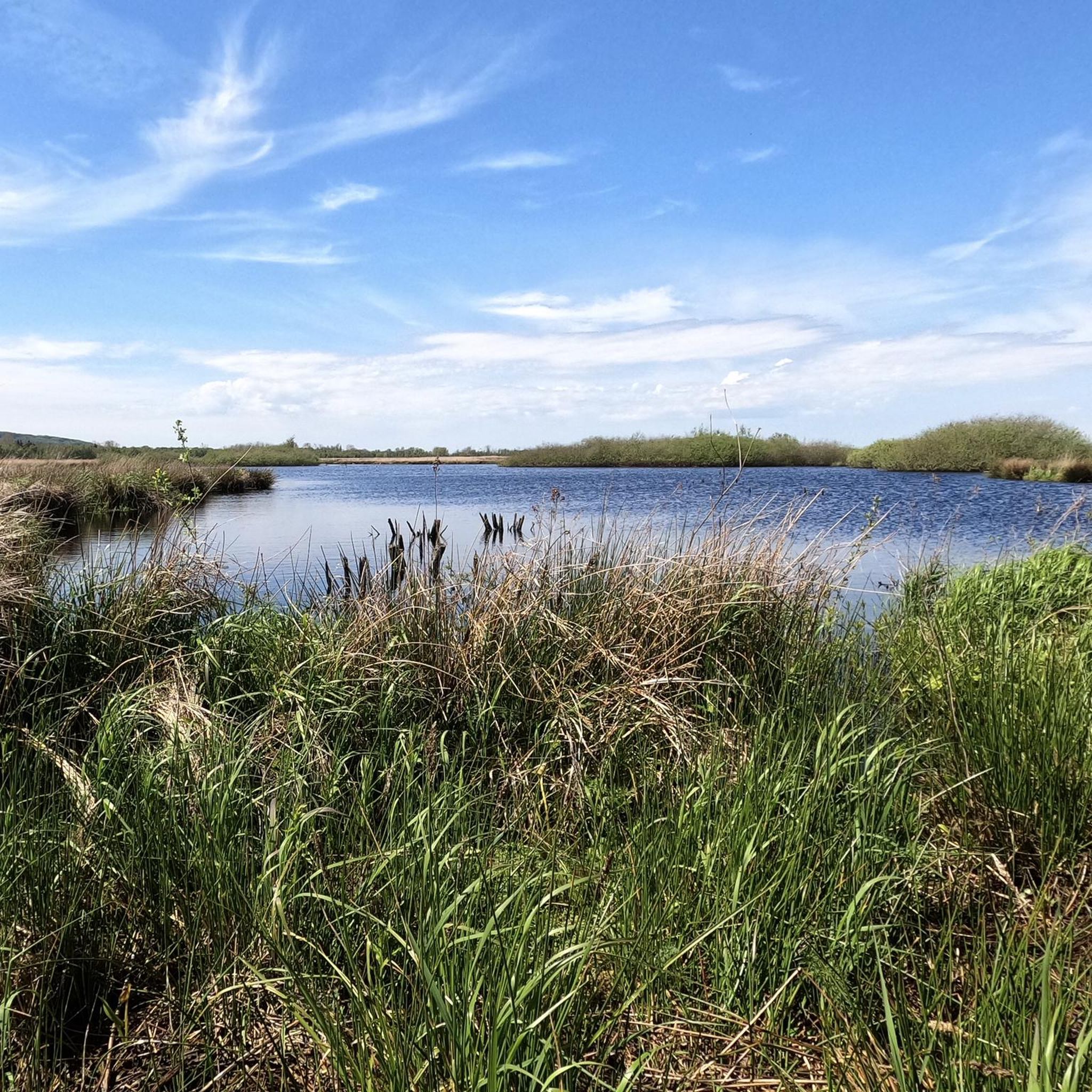
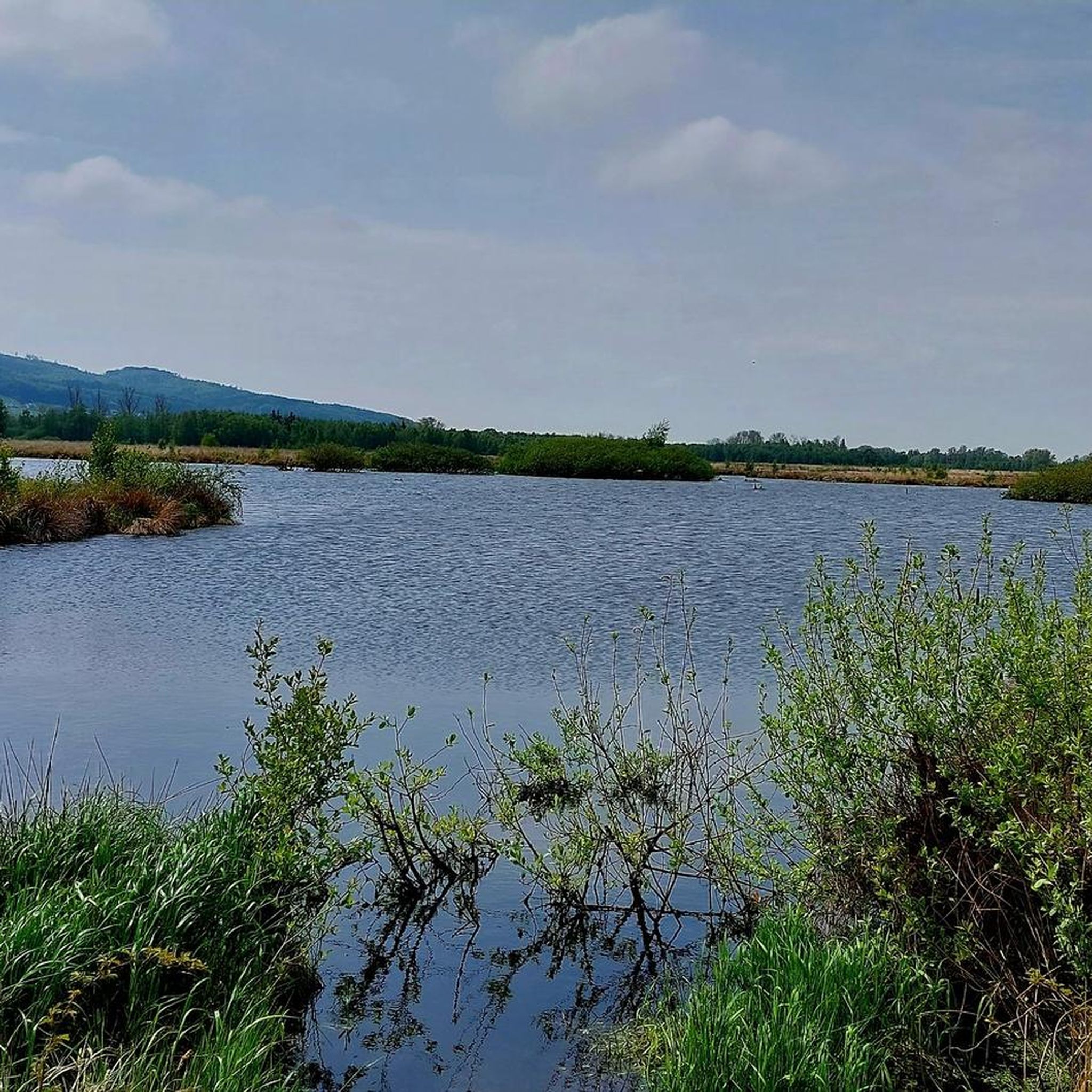
The Mittelland Canal is located directly north of the Great Torfmoor. There are two paths here: one leads directly along the canal. There is also a small road between the canal and the peat moor.
2
0
Very large observation tower over several floors. Beautifully solidly built, so that even people with a fear of heights can climb up and enjoy the magnificent view without any problems.
3
0
For us it is simply the starting point (with parking) for a great tour through the moor.
4
1

In April 2013, the NABU visitor center Moorhus was opened on the western edge of the Großes Torfmoor nature reserve. It presents the history of the Großes Torfmoor from its formation to the present day in a lively and diverse permanent exhibition. https://nrw.nabu.de/natur-und-landschaft/aktionen-und-projekte/grosses-torfmoor/moorhus.html
4
1

It's nice and quiet and you can watch the ships.
0
0

Frequently Asked Questions
What unique natural features can I expect to see in Großes Torfmoor?
Großes Torfmoor is characterized by its vast, often treeless high moor landscape, featuring moor waters, regenerating high moor communities, and bell heather wet heaths. This unique ecosystem supports endangered plant species like sundew, mooseberry, and rosemary heath. You'll also find a rich fauna, including rare bird species such as the snipe and corncrake, as well as moor frogs and sand lizards.
Where are the best places for birdwatching and panoramic views of the moor?
For expansive views and excellent birdwatching opportunities, you should visit the observation towers. The North Tower (observation tower), Großes Torfmoor offers extensive views over the moor landscape with the Wiehengebirge in the background. Another great spot is the Bastauwiesen Southern Observation Tower, which provides a great overview of the moor.
Are there family-friendly attractions or activities in Großes Torfmoor?
Yes, Großes Torfmoor offers several family-friendly options. The Moorhus Nature Conservation Center — Great Peat Bog is an ideal starting point, featuring a comprehensive exhibition, an observation deck, and an adjacent "Moorgarten" with a barefoot path. It also provides educational programs, especially for children. Additionally, many of the circular hiking trails and wooden boardwalks are suitable for families.
What kind of hiking trails are available in Großes Torfmoor?
The Großes Torfmoor features a network of well-marked circular hiking trails, ranging from 2.5 km to 8 km. There's also a dedicated Moor Adventure Trail (Moor-Erlebnispfad) with information signs about the moor's history, wildlife, and botany. For easy walks, you can explore routes like the "Great Peat Bog – Moor bath at Großes Torfmoor loop from Nettelstedt" or the "Stork nest at Moorhus – West Tower, Großes Torfmoor loop from Eilhausen." You can find more options on the Easy hikes around Großes Torfmoor guide.
Can I explore the moor without disturbing its delicate ecosystem?
Absolutely. To protect the sensitive moor ecosystem, visitors can explore parts of the area via wooden boardwalks. These allow for close-up views of the unique flora and fauna without disturbing the ground. The Boardwalk and observation tower in the Großes Torfmoor is a prime example, offering beautifully laid-out plank paths through the varied moorland landscape.
What is the best time of year to visit Großes Torfmoor for wildlife and nature viewing?
The moor offers different highlights throughout the year. From August to mid-September, the blossoming broom heath along the wooden plank paths is particularly beautiful. Spring and early summer are excellent for birdwatching, as many rare species are active. The unique high moor landscape is captivating in all seasons, with certain light conditions, especially with ground fog, creating a mystical atmosphere.
Are there cycling opportunities near Großes Torfmoor?
Yes, the area around Großes Torfmoor is great for cycling. The Mittelland Canal provides a seemingly endless gravel route that is frequently incorporated into tours. You can find various options for gravel biking, such as the "Great Peat Bog – Moor bath at Großes Torfmoor loop from Freimoor," or explore road cycling routes like the "Benkhausen Castle – Gut Stockhausen (moated castle) loop from Hille." More routes are available in the Gravel biking around Großes Torfmoor guide and the Road Cycling Routes around Großes Torfmoor guide.
Where can I learn about the history and ecology of Großes Torfmoor?
The Moorhus Nature Conservation Center — Great Peat Bog is the primary place to learn about the moor. It features a comprehensive permanent exhibition detailing the history of Großes Torfmoor from its formation to the present day, explaining its ecological importance and the species that inhabit it. Information signs along the hiking trails also provide insights into the moor's unique characteristics.
Are there any specific animals involved in the conservation efforts of the moor?
Yes, near the south tower, you might spot herds of Moorschnucken, a type of sheep. These sheep play a vital role in moor conservation by grazing in the Bastauwiesen and managing vegetation like birch saplings and purple moor grass, which helps maintain the unique moor landscape.
What should I know about parking and access when visiting Großes Torfmoor?
There are several parking spaces available in the area, particularly near popular starting points for hikes. For instance, P3 is recommended for starting hikes that lead to the North Tower. The Moorhus Nature Conservation Center — Great Peat Bog also offers parking facilities, making it a convenient base for your visit.
What do visitors enjoy most about Großes Torfmoor?
Visitors frequently praise the tranquil and unique atmosphere of the moor, especially the wooden plank paths that offer close-up views of the landscape. The extensive views from the observation towers, the opportunities for birdwatching, and the well-maintained trails for hiking and cycling are also highly appreciated. Many find the area to have a mystical quality, particularly when light and ground fog combine.
Most popular routes around Großes Torfmoor
Most popular attractions around Großes Torfmoor

Get inspired with the komoot mobile app


Explore more
Still not found the Highlight you’re looking for? See guides of the top attractions in other regions:
