The best traffic-free bike rides in Daknamse Meersen
4.5
(35)
1,164
riders
54
rides
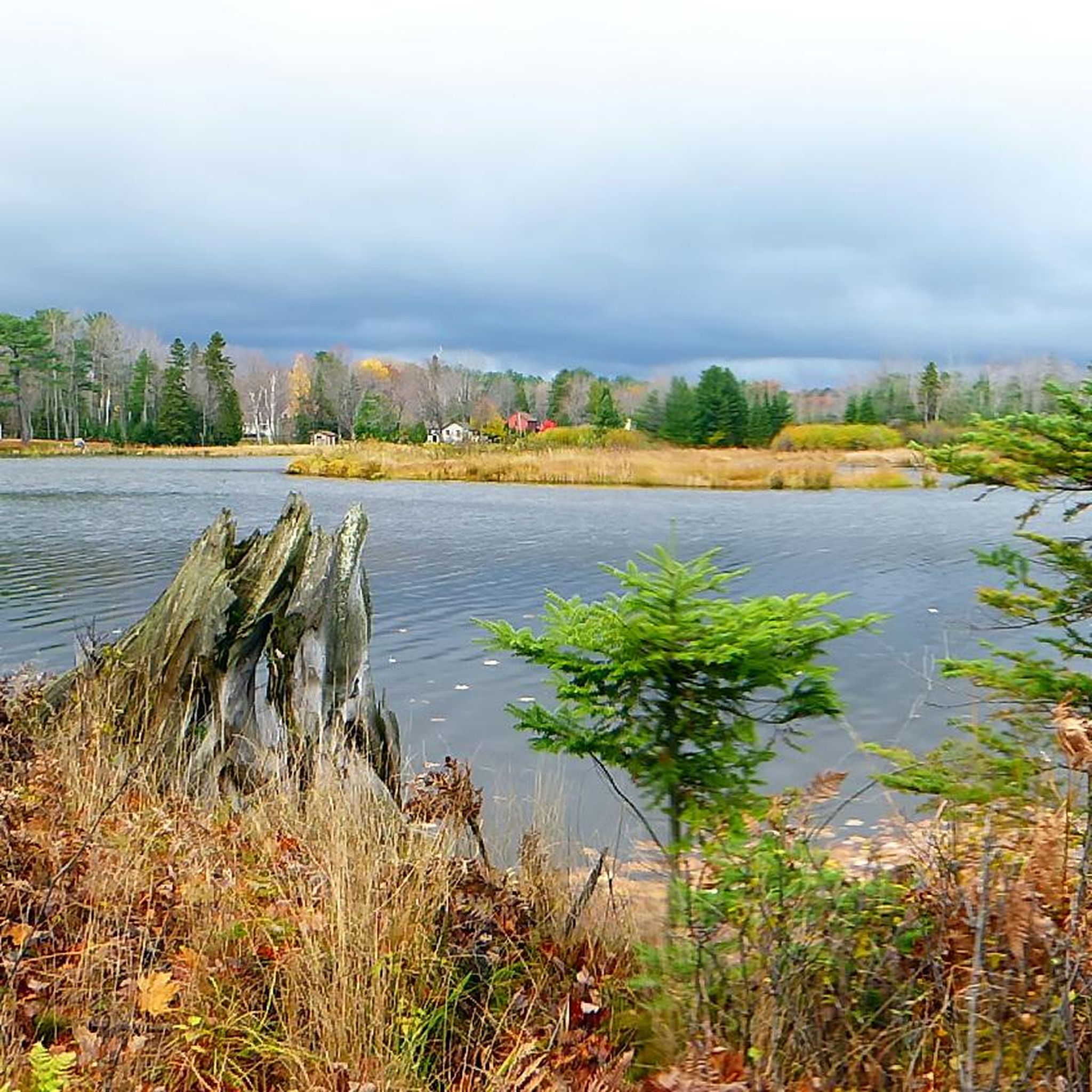
No traffic gravel bike trails in Daknamse Meersen traverse a small-scale, picturesque landscape characterized by marshland within the Durme valley. The region features a mosaic of biotopes including flower-rich hay meadows, scattered bushes, and numerous ditches. An old railway bedding, now a dedicated cycling path, provides unpaved routes ideal for gravel biking. This environment offers varied terrain away from conventional asphalt roads.
Best no traffic gravel bike trails in Daknamse Meersen
- The most popular no traffic gravel bike trail is…
Last updated: July 9, 2026
4.8
(4)
21
riders
28.9km
01:47
30m
30m
Easy gravel ride. Great for any fitness level. Mostly paved surfaces. Suitable for all skill levels.
4.8
(11)
245
riders
95.3km
05:04
240m
240m
Hard gravel ride. Very good fitness required. Mostly paved surfaces. Suitable for all skill levels.

Sign up for free
42
riders
49.7km
02:48
50m
50m
Hard gravel ride. Good fitness required. You may need to push your bike for some segments of this route.
5.0
(1)
31
riders
Moderate gravel ride. Good fitness required. Mostly paved surfaces. Suitable for all skill levels.
4.0
(1)
75
riders
59.9km
03:32
170m
170m
Hard gravel ride. Good fitness required. You may need to push your bike for some segments of this route.
Get access to more routes and recommendations from other explorers.
Sign up for free
Already have an account?
Our route recommendations are based on thousands of hikes, rides, and runs completed by other people on komoot.
Start today with a free account
Your next adventure awaits.
Login or Signup
Popular around Daknamse Meersen

Tips from the Community

On Friday, April 5, 1867, the Spletterenbrug was officially opened. Between Moerbeke and Lokeren, trains stopped in Daknam and Eksaarde. In Moerbeke, travelers could transfer to railway line 77 towards Zelzate or towards Sint-Gillis-Waas. That the intention was to one day double the 9-kilometer railway line to two tracks is still visible on the Spletterenbrug. Both bridge abutments are indeed twice as wide as the bridge deck itself. It never came to that. On the contrary. The railway line suffered during both world wars, causing traffic to be suspended for months. For example, retreating German soldiers blew up the bridge at the end of World War I. Less than a year after the armistice, in September 1919, the line was already restored and trains could run on the route again. In 1940, the Belgian army, in turn, tried to slow down the German advance by destroying the bridge. The bridge was repaired again. In 1971, the last train chugged along the route. After more than a century of train traffic, the tracks were dismantled and the route was redeveloped as a cycling and walking path from Lokeren to Moerbeke. The Spletterenbrug itself was preserved and restored in 2017. The seven layers of paint were removed, and the bridge regained its original, dark gray color. Source: industriecultuur.be
4
0
Bovendurme? The naming of the different waters in the vicinity is sometimes quite confusing and requires an explanation: The Bovendurme is the part of the Durme located in the Ghent canals basin. The river begins at the confluence between the Zuidlede and the Moervaart near Daknam. It then flows further along Daknam and through the center of Lokeren, and flows into the Benedendurme near the Molsbroek. Previously, the Bovendurme and Benedendurme were one river called the Durme. But due to regular floods, a dam was built at the Molsbroek, which split the river into two parts. Because of this, the Benedendurme is often still called the "Durme", but the Bovendurme is mistakenly referred to as the Moervaart. Wikipedia
4
0
Daknambrug in Daknam, a sub-municipality of Lokeren. This charming swing bridge over the Durme is located at the site of a former ferry crossing on the old Lille-Tilburg highway. Such a ferry served as a bridge to transport people, livestock, horses, and vehicles. The current swing bridge has replaced a small wooden bridge since the 1930s. At that time, the Durme was straightened here between the confluence of the Zuidlede and Moervaart at Spletterenbrug and the bend near Middendam. In the summer, you can see the bridge keeper opening the bridge to let pleasure boats pass, sailing to or from Lokeren.
5
0
Opened on October 1, 2012, the Brug Ter Beuken provides a safe and green connection to the city center. It has since become a fixed landmark in the landscape: the beautiful red cycle and footbridge that spans the Durme at the end of Vijgenstraat. The bridge is 21m long. Source: axiradio.be
4
0

The Kalkensemeersen nature reserve is beautiful
0
0

Beautiful, long unpaved avenue, where you tunnel through the green foliage.
6
0

A fun technical piece. Especially for younger guys/girls, it's fun to show off their technique on all sorts of bumps, hills, etc.
0
0

Slow your speed before, on and after the bridge. The pathway is narrow and shared with pedestrians.
0
0
Frequently Asked Questions
How many no-traffic gravel bike trails are available in Daknamse Meersen?
There are over 50 dedicated no-traffic gravel bike trails in Daknamse Meersen, offering a wide range of options for all skill levels. You'll find 8 easy routes, 29 moderate, and 17 more challenging rides.
What kind of terrain can I expect on the gravel bike trails in Daknamse Meersen?
The Daknamse Meersen region is characterized by its 'meersen' (marshland) landscape, featuring a mosaic of biotopes. You can expect to ride through flower-rich hay meadows, along ditches, and past rows of pollard willows. A significant portion of the gravel experience includes riding on an old railway bedding transformed into a cycling path, providing excellent views and varied unpaved surfaces.
Are there any family-friendly no-traffic gravel bike routes in Daknamse Meersen?
Yes, there are several family-friendly options. The region's flat terrain and dedicated cycling paths, like those on the old railway bed, make it suitable for riders of varying ages and abilities. Look for the easy-rated routes, such as the Chapel of the Cross – Ter Beuken Bicycle Bridge loop from Lokeren, which offers a pleasant 28.8 km ride with minimal elevation.
What natural features or wildlife can I observe while cycling in Daknamse Meersen?
Daknamse Meersen is a haven for biodiversity. As you cycle, you might spot green frogs, small and alpine newts, marsh grasshoppers, and numerous dragonflies in the pure ditches. It's also a significant bird sanctuary, so keep an eye out for kingfishers, bluethroats, nightingales, and even white storks. The landscape itself is beautiful, with reed fields, open water, and vibrant grasslands.
Are there any notable landmarks or points of interest along the gravel routes?
Absolutely! Many routes incorporate interesting features. You can ride along the Cycle path on the Old Railway Line Lokeren–Moerbeke, which is a highlight in itself. Other points of interest include the Daknam Bridge and the Unpaved Path Along the River. For a unique stop, look for the Reynaert Bench Coppe.
What is the best time of year to go gravel biking in Daknamse Meersen?
Spring and early autumn are generally ideal for gravel biking in Daknamse Meersen. In spring, the hay meadows are particularly beautiful with colorful blooming plants like the ragged-robin. Autumn offers pleasant temperatures and the chance to see migratory birds. While winter riding is possible, be prepared for potentially wet and muddy conditions due to the marshland nature of the region.
Are there any longer, more challenging no-traffic gravel routes for experienced riders?
Yes, for experienced riders seeking a longer challenge, there are several difficult-rated routes. Consider the Moervaart Towpath – Moervaart Towpath in Moerbeke loop from Lokeren, which spans over 74 km, or the Ter Beuken Bicycle Bridge – Donkmeer loop from Lokeren, a 50 km route. These routes offer more extensive exploration of the region's diverse landscapes.
What do other gravel bikers enjoy most about the trails in Daknamse Meersen?
The area is highly rated by the komoot community, with an average score of 4.3 stars from 23 ratings. Reviewers often praise the peaceful, traffic-free nature of the routes, the beautiful natural scenery, and the well-maintained unpaved paths, especially the old railway bed sections, which are perfect for gravel riding.
Can I find circular gravel bike routes in Daknamse Meersen?
Yes, many of the gravel bike trails in Daknamse Meersen are designed as circular routes, allowing you to start and end at the same point. This is convenient for parking and exploring the area without needing to retrace your steps. An example is the Ter Beuken Bicycle Bridge – Liniewegel Singletrack loop from Lokeren, a moderate 46 km loop.
Is there parking available near the no-traffic gravel bike trails in Daknamse Meersen?
Yes, parking is generally available at common starting points for routes in and around Daknamse Meersen, particularly in nearby towns like Lokeren. Many routes are designed to be accessible, and you can often find designated parking areas close to trailheads or points of interest. It's always a good idea to check the specific route details on komoot for recommended starting points and parking information.
Are there any cafes or places to eat near the gravel bike trails?
While the trails themselves are focused on natural, no-traffic areas, you'll find cafes and restaurants in the surrounding towns and villages, such as Lokeren or Waasmunster. These are excellent spots to refuel before or after your ride, offering local specialties and refreshments.
Most popular routes in Daknamse Meersen
Most popular attractions in Daknamse Meersen

Get inspired with the komoot mobile app


Explore more
Browse the best Gravel rides in other regions.
