The best cycling routes in Daknamse Meersen
4.3
(766)
8,359
riders
502
rides
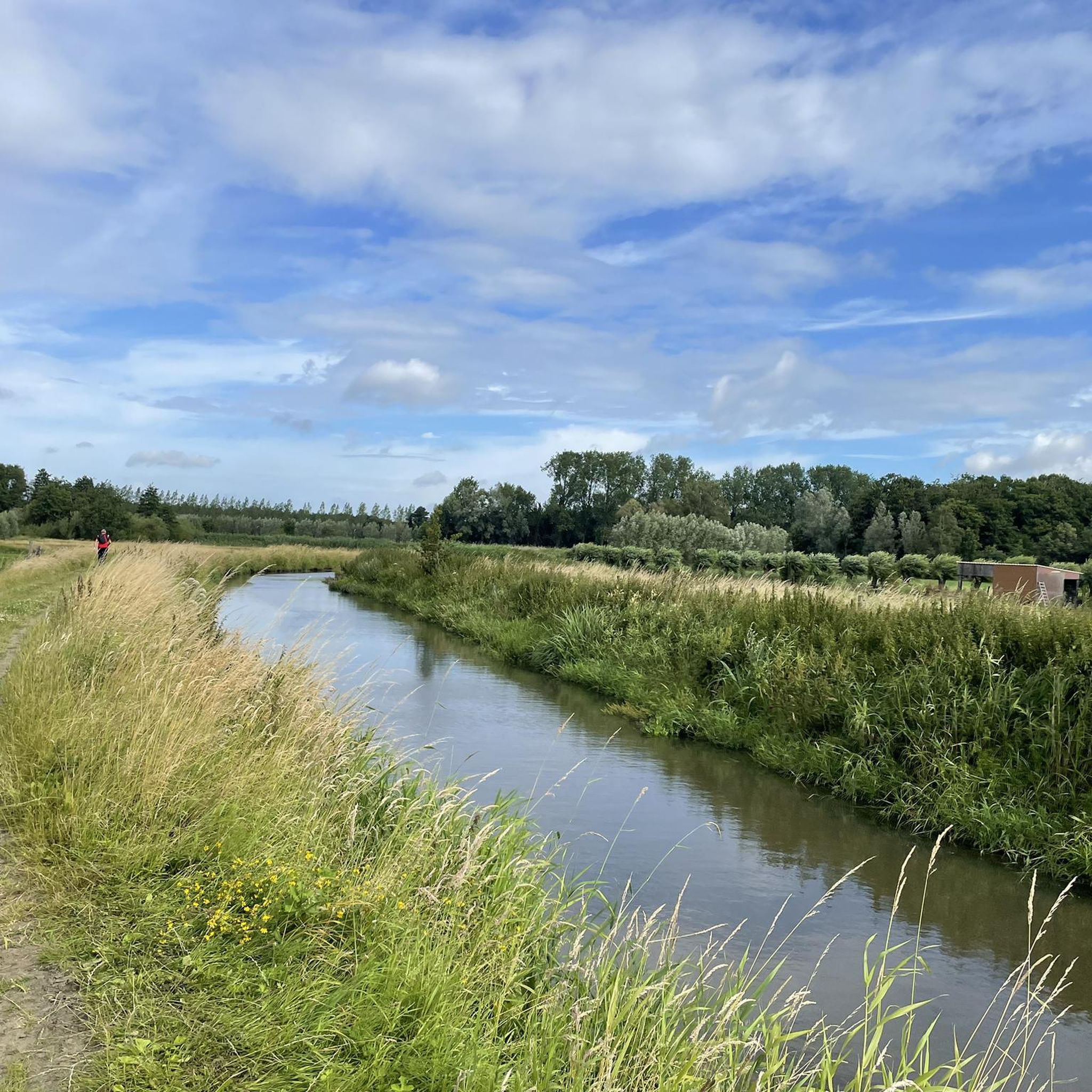
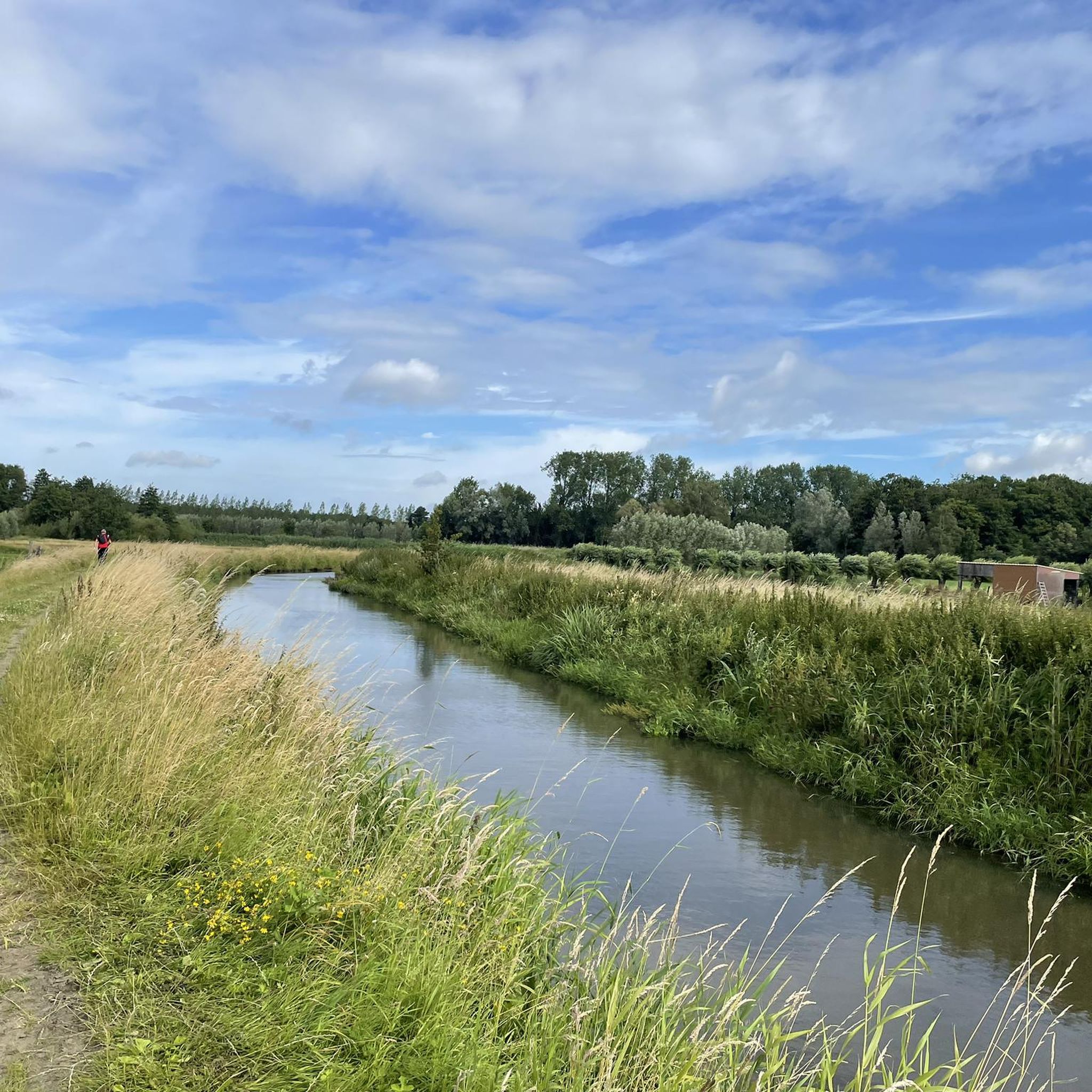
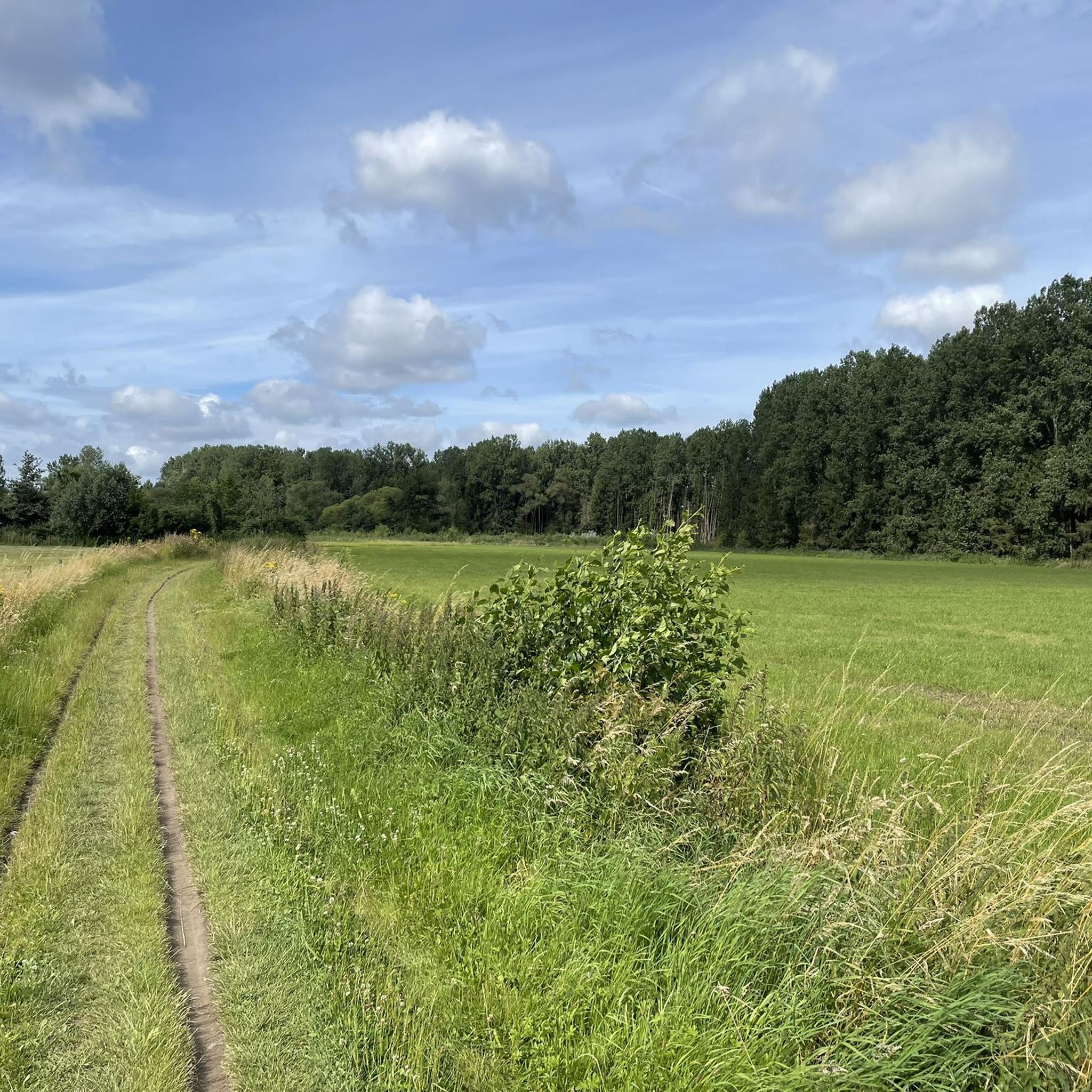
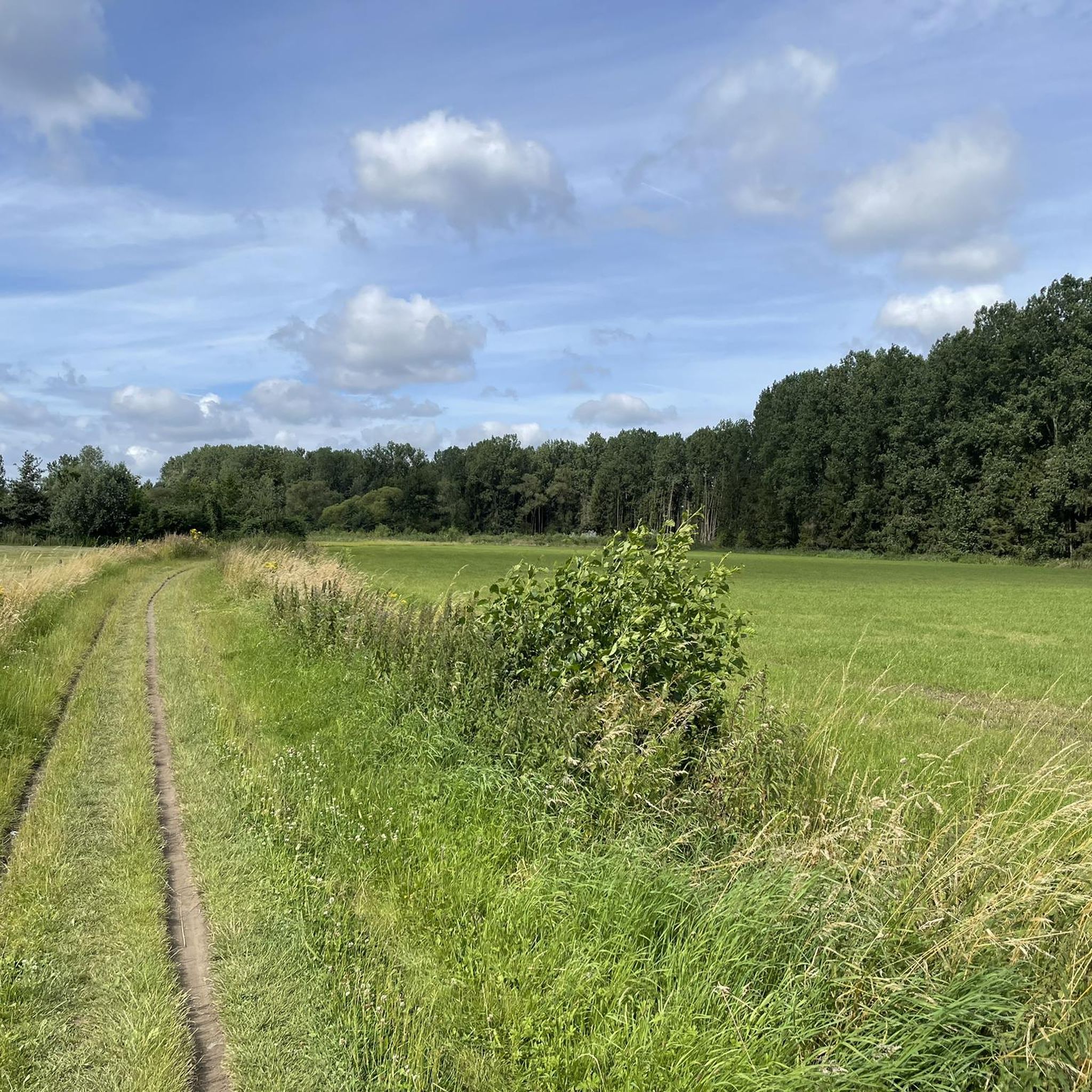
Touring cycling in Daknamse Meersen offers routes through a predominantly flat landscape, characterized by open meadows and agricultural fields. The region features numerous waterways, including canals and rivers, which often provide scenic, level paths for cycling. Elevation changes are minimal, making it suitable for relaxed rides across the countryside.
Best touring cycling routes in Daknamse Meersen
- The most popular touring cycling route is Chapel of the Cross – Ter Beuken Bicycle Bridge loop from Lokeren, a 21.8 miles (35.1…
Last updated: July 4, 2026
3.0
(1)
105
riders
35.1km
02:34
40m
40m
Moderate bike ride. Good fitness required. Mostly paved surfaces. Suitable for all skill levels.
4.0
(6)
90
riders
37.6km
02:14
70m
70m
Moderate bike ride. Good fitness required. Mostly paved surfaces. Suitable for all skill levels.

Sign up for free
4.8
(12)
54
riders
Easy bike ride. Great for any fitness level. Mostly paved surfaces. Suitable for all skill levels.
4.4
(8)
79
riders
Easy bike ride. Great for any fitness level. Mostly paved surfaces. Suitable for all skill levels.
4.6
(32)
113
riders
43.8km
02:40
40m
40m
Moderate bike ride. Good fitness required. Mostly paved surfaces. Suitable for all skill levels.
Get access to more routes and recommendations from other explorers.
Sign up for free
Already have an account?
Our route recommendations are based on thousands of hikes, rides, and runs completed by other people on komoot.
Start today with a free account
Your next adventure awaits.
Login or Signup

Tips from the Community

The Sinaaibrug is one of the more recent bridges over the Moervaart. It was only built in 1984. Therefore, it is one of the few bridges that did not require a thorough restoration as part of the Flemish Waterway's Integral Bridge Plan Moervaart. The five bridges protected as monuments, dating from the interwar period and repaired and partially renewed shortly after the Second World War: the Overledebrug and the Kalvebrug in Lochristi, the Terwestbrug, the Dambrug and the Coudenbornbrug in Lokeren. Source: vlaamsewaterweg.be
2
0
The Dambrug bridge dates from the interwar period and was restored and partially renewed around 1945 after war damage. Originally, the bridge was manually operated, but it now has hydraulic operation. Source: Inventaris Onroerend Erfgoed
3
0
On Friday, April 5, 1867, the Spletterenbrug was officially opened. Between Moerbeke and Lokeren, trains stopped in Daknam and Eksaarde. In Moerbeke, travelers could transfer to railway line 77 towards Zelzate or towards Sint-Gillis-Waas. That the intention was to one day double the 9-kilometer railway line to two tracks is still visible on the Spletterenbrug. Both bridge abutments are indeed twice as wide as the bridge deck itself. It never came to that. On the contrary. The railway line suffered during both world wars, causing traffic to be suspended for months. For example, retreating German soldiers blew up the bridge at the end of World War I. Less than a year after the armistice, in September 1919, the line was already restored and trains could run on the route again. In 1940, the Belgian army, in turn, tried to slow down the German advance by destroying the bridge. The bridge was repaired again. In 1971, the last train chugged along the route. After more than a century of train traffic, the tracks were dismantled and the route was redeveloped as a cycling and walking path from Lokeren to Moerbeke. The Spletterenbrug itself was preserved and restored in 2017. The seven layers of paint were removed, and the bridge regained its original, dark gray color. Source: industriecultuur.be
4
0
Bovendurme? The naming of the different waters in the vicinity is sometimes quite confusing and requires an explanation: The Bovendurme is the part of the Durme located in the Ghent canals basin. The river begins at the confluence between the Zuidlede and the Moervaart near Daknam. It then flows further along Daknam and through the center of Lokeren, and flows into the Benedendurme near the Molsbroek. Previously, the Bovendurme and Benedendurme were one river called the Durme. But due to regular floods, a dam was built at the Molsbroek, which split the river into two parts. Because of this, the Benedendurme is often still called the "Durme", but the Bovendurme is mistakenly referred to as the Moervaart. Wikipedia
4
0
Before the throne of King Nobel stands Reynaert the Fox to the left. He was summoned multiple times, after accusations by various animals, especially by Isegrim the Wolf and Bruun the Bear. Cunning as he is, Reynaert always manages to escape appearing before the court. When he is nevertheless brought before the King by Grimbeert the Badger, the Fox proceeds to 'confess' and is sentenced to death. But the Fox also manages to cleverly escape this sentence with a fanciful story about a hidden treasure. Reynaert is granted a pardon, after which he departs on a 'pilgrimage'. He escapes the justice system once again.
4
0
Daknambrug in Daknam, a sub-municipality of Lokeren. This charming swing bridge over the Durme is located at the site of a former ferry crossing on the old Lille-Tilburg highway. Such a ferry served as a bridge to transport people, livestock, horses, and vehicles. The current swing bridge has replaced a small wooden bridge since the 1930s. At that time, the Durme was straightened here between the confluence of the Zuidlede and Moervaart at Spletterenbrug and the bend near Middendam. In the summer, you can see the bridge keeper opening the bridge to let pleasure boats pass, sailing to or from Lokeren.
5
0
Opened on October 1, 2012, the Brug Ter Beuken provides a safe and green connection to the city center. It has since become a fixed landmark in the landscape: the beautiful red cycle and footbridge that spans the Durme at the end of Vijgenstraat. The bridge is 21m long. Source: axiradio.be
4
0

most beautiful bridge in the world. Enough!
1
0
Frequently Asked Questions
How many touring cycling routes are available in Daknamse Meersen?
Daknamse Meersen offers a wide selection of touring cycling routes, with nearly 460 different options to explore. These routes cater to various preferences, ranging from easy to more challenging rides.
What are the typical distances and durations for touring cycling routes in Daknamse Meersen?
Routes in Daknamse Meersen vary in length and time. For instance, the Terwest Bridge, Moerbeke – Moervaart Towpath loop from Daknamstadion is an easy 17.3 miles (27.8 km) ride, typically completed in about 1 hour 40 minutes. Longer routes like De Buylaers Nature Reserve – Mira Bridge loop from Lokeren cover 33.2 miles (53.5 km) and can take over 3 hours 30 minutes.
Are there easy touring cycling routes suitable for beginners or families?
Yes, Daknamse Meersen is well-suited for easy touring cycling, with over 250 routes classified as easy. These routes often follow flat towpaths and quiet country roads, making them ideal for a relaxed pace. An excellent option is the Terwest Bridge, Moerbeke – Moervaart Towpath loop from Daknamstadion, which provides a flat and scenic ride alongside the canal.
Are there more challenging touring cycling routes available in Daknamse Meersen?
While the region is predominantly flat, there are moderate and a few difficult touring cycling routes for those seeking more of a challenge. There are 172 moderate routes and 31 difficult routes. These might include longer distances or sections with slightly more varied terrain, though significant elevation changes are rare. The Chapel of the Cross – Ter Beuken Bicycle Bridge loop from Lokeren is a moderate 21.8 miles (35.1 km) route connecting local landmarks.
When is the best time of year for touring cycling in Daknamse Meersen?
The best time for touring cycling in Daknamse Meersen is typically from spring to early autumn (April to October). During these months, the weather is generally mild and pleasant, with the landscape in full bloom or offering vibrant autumn colors. The flat terrain makes it enjoyable even on cooler days, but always check the local forecast.
Can I spot wildlife while cycling in Daknamse Meersen?
Yes, the open meadows, agricultural fields, and numerous waterways of Daknamse Meersen provide habitats for various wildlife. Cyclists often spot different bird species, especially near the canals and rivers, as well as small mammals in the fields. Early mornings or late afternoons are often the best times for wildlife viewing.
Are there circular touring cycling routes available in Daknamse Meersen?
Many of the touring cycling routes in Daknamse Meersen are designed as loops, allowing you to start and end at the same point without retracing your steps. An example is the Frans Coppens Bridge – Frans Coppensbrug loop from Lokeren, a moderate 28.8 miles (46.3 km) route.
What can I see along the touring cycling routes in Daknamse Meersen?
The routes in Daknamse Meersen offer views of the characteristic flat landscape, including open meadows, agricultural fields, and tranquil waterways. You can also encounter local landmarks and points of interest such as the Reynaert Bench Coppe, the historic Daknam Bridge, and dedicated cycling paths like the Cycle path on the Old Railway Line Lokeren–Moerbeke.
Are there places to stop for refreshments along the routes?
As you cycle through Daknamse Meersen, you'll pass through or near small villages and towns where you can find cafes, bakeries, or local eateries to stop for a break and refreshments. It's always a good idea to carry some water and snacks, especially on longer rides, but opportunities for stops are generally available.
What do other touring cyclists enjoy most about touring cycling in Daknamse Meersen?
The komoot community highly rates touring cycling in Daknamse Meersen, with an average score of 4.3 stars from over 670 reviews. Cyclists often praise the tranquil, flat landscape, the well-maintained paths along canals, and the opportunity to explore rural areas and small villages at a relaxed pace. The region's accessibility and variety of easy routes are also frequently highlighted.
Can I reach the cycling routes in Daknamse Meersen by public transport?
Many starting points for routes in Daknamse Meersen are accessible by public transport, particularly in and around larger towns like Lokeren. You can often take a train or bus to a central location and begin your ride from there. Check local public transport schedules for the most convenient options to reach your desired starting point.
Where can I park my car when cycling in Daknamse Meersen?
Parking is generally available in the towns and villages that serve as common starting points for touring cycling routes, such as Lokeren or near Daknamstadion. Look for designated public parking areas. Always ensure you park responsibly and check for any local parking regulations or fees.
Are there any routes that explore the 'Hidden treasures' of East Flanders?
Yes, one popular route is Hidden treasures - East Flanders. This 27.2 miles (43.8 km) trail leads through rural landscapes and past small villages, offering a chance to discover less-known gems of the region, typically completed in about 2 hours 39 minutes.
Most popular routes in Daknamse Meersen
Most popular attractions in Daknamse Meersen

Get inspired with the komoot mobile app


Explore more
Browse the best Cycling routes in other regions.
