The best cycling routes around Lirstal
4.6
(1224)
6,328
riders
464
rides
Touring cycling routes around Lirstal traverse a landscape characterized by volcanic formations, dense forests, and rolling hills within the Vulkaneifel region. The area features diverse terrain, including paths along tranquil river valleys and routes with significant elevation changes. Cyclists can expect a mix of asphalt and fine gravel roads, suitable for various cycling preferences. This region offers a well-developed network of paths for touring cyclists.
Best touring cycling routes around Lirstal
- The most popular touring cycling route is Cycle path…
Last updated: July 1, 2026
4.8
(30)
125
riders
Hard bike ride. Very good fitness required. Mostly paved surfaces. Suitable for all skill levels.
4.5
(28)
83
riders
15.8km
01:02
210m
210m
Moderate bike ride. Good fitness required. Mostly paved surfaces. Suitable for all skill levels.

Sign up for free
3.7
(15)
37
riders
21.7km
01:37
280m
280m
Moderate bike ride. Good fitness required. Mostly paved surfaces. Suitable for all skill levels.
4.3
(6)
45
riders
7.20km
00:27
60m
60m
Easy bike ride. Great for any fitness level. Mostly paved surfaces. Suitable for all skill levels.
4.1
(8)
23
riders
20.1km
01:26
250m
250m
Moderate bike ride. Good fitness required. Mostly paved surfaces. Suitable for all skill levels.
Get access to more routes and recommendations from other explorers.
Sign up for free
Already have an account?
Our route recommendations are based on thousands of hikes, rides, and runs completed by other people on komoot.
Start today with a free account
Your next adventure awaits.
Login or Signup
Tips from the Community

Has been closed for years, but a very nice spot for a short break
1
0
Very beautiful artificial lake created, for big and small, what
1
0

The Stellwerk, a wine tavern and restaurant, has been located in the old train station in Monreal since 1992. Here, hearty, freshly prepared dishes and regional as well as international wines are offered in a cozy atmosphere.
2
0


On asphalt through the forest, what more could you want? Fantastic.
0
0

Very interesting and worth seeing place.
1
0

A true paradise stretches out on the edge of the village of Ulmen on a plateau beneath the Steimelskopf, where a volcano once erupted with a tremendous bang, forming a deep crater with a maar lake, which now serves as a renowned bird sanctuary. The exact age of the Jungferweiher lake cannot be determined, but its morphological shape suggests it is several hundred thousand years old. In early modern times, the Lords of Ulmen used the lake as a fishpond for carp breeding, until it gradually silted up over time, and the residents of Ulmen harvested peat from the former maar for heating purposes. However, in 1942, the decision was made to flood the area again by damming the Ulmener Bach to secure the drinking water supply for the Cochem-Zell district. Today, the Jungferweiher lake, located at an altitude of 428 meters above sea level, covers an area of approximately 170,000 square meters with a depth of 0.8 meters. The pond, along with the Ulmener Maar, is protected for its rare flora and fauna. Many endangered species, such as the snipe and the meadow pipit, breed in the reed-rich banks, while ospreys have been observed hunting. Migratory birds such as cranes, teals, and great grey shrikes roost in the meadows near the Ulmener Jungferweiher every year. Therefore, a walk along the approximately 3-kilometer loop is a must, especially during the migration periods in spring and autumn. At the bird observatory on the western bank, you can observe the birds in their natural habitat. Nowadays, a wide variety of fish species thrive in the shallow waters of the Ulmener Weiher, which can be fished from a fishing pier on the southern bank. Swimming and other water sports are prohibited, however. Fishing permits are issued by the local municipal administration in Ulmen. Since 2023, the Ulmener Maar Tunnel has connected the Jungferweiher underground to the Ulmener Maar. A visit to the 126-metre-long tunnel is highly recommended!
7
0
The fairy-tale fountain at the Alten Postplatz tells a story. Here, on this spot, it is at its most beautiful.
7
0
Frequently Asked Questions
How many touring cycling routes are available around Lirstal?
There are nearly 500 touring cycling routes around Lirstal, offering a wide range of options for different skill levels and preferences. The komoot community has explored over 6,000 tours in the area.
What kind of terrain can I expect on touring cycling routes near Lirstal?
The terrain around Lirstal is diverse, featuring a mix of asphalt paths and fine gravel roads. You'll encounter volcanic formations, lush forests, rolling hills, and tranquil river valleys. Some routes offer significant elevation changes, while others, like those along former railway lines, are flatter and easier.
Are there any easy, family-friendly touring cycling routes in the Lirstal area?
Yes, Lirstal offers several easy, family-friendly routes. The region's river valley cycle paths, such as those along the Nims, Prüm, Enz, and Sauer rivers, often follow disused railway lines, providing gentle gradients. An example of an easy route is the Schacht Bergkrone rest area – Lake Heilbach loop from Uersfeld, which is just over 7 km long.
What are some notable natural attractions or landmarks I can see while cycling near Lirstal?
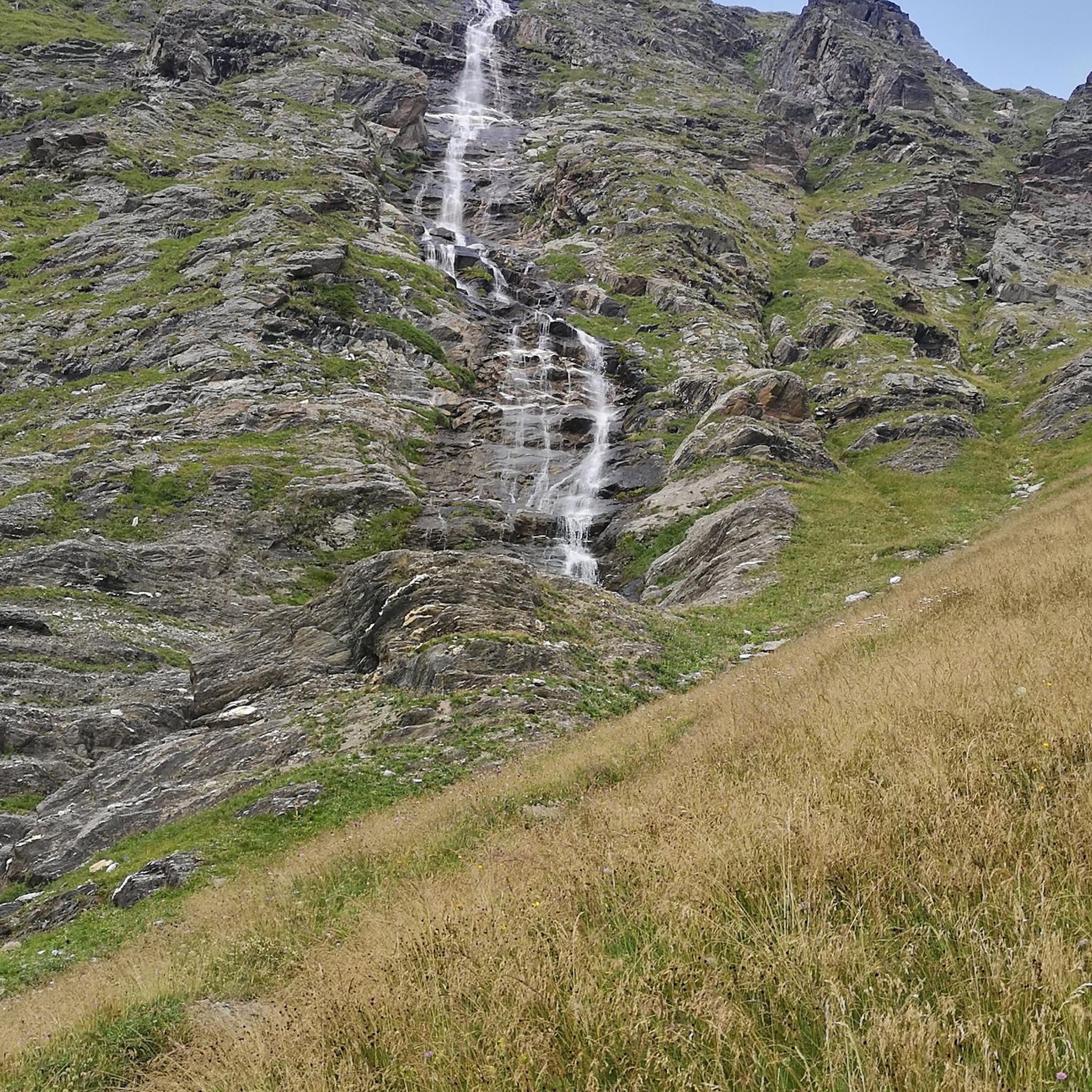
The Vulkaneifel region is rich in natural beauty. You can explore volcanic maars like the Ulmener Maar, or enjoy panoramic views from the Boos Eifel Observation Tower. The Rausch Waterfall is another beautiful natural monument worth visiting. Many routes, such as the Ulmener Maar Tunnel – Ulmener Maar loop from Gunderath, lead through these unique landscapes.
Are there any circular touring cycling routes around Lirstal?
Yes, many touring cycling routes around Lirstal are designed as loops. For example, the Cycle path next to the railway – Obermühle Near Urmersbach loop from Gunderath is a challenging 46.5 km circular route, while the Jungferweiher – Ulmener Maar loop from Gunderath offers a moderate 22.3 km option.
What is the best season for touring cycling in the Lirstal area?
The Vulkaneifel region, including Lirstal, is generally pleasant for touring cycling from spring through autumn. The lush forests and volcanic landscapes are particularly beautiful during these seasons. Summer offers warmer temperatures, while spring and autumn provide milder weather and vibrant foliage.
Are there routes suitable for experienced touring cyclists looking for a challenge?
Absolutely. While there are easy options, Lirstal also offers routes with significant elevation changes for experienced cyclists. For instance, the Cycle path next to the railway – Obermühle Near Urmersbach loop from Gunderath is classified as difficult, covering 46.5 km with considerable ascents.
Can I find routes that offer scenic viewpoints around Lirstal?
Yes, the volcanic landscape and rolling hills provide numerous opportunities for scenic viewpoints. The Sassen Observation Tower – Schacht Bergkrone rest area loop from Gunderath is a moderate route that specifically highlights views of the surrounding Eifel landscape.
What do other touring cyclists say about the routes around Lirstal?
The touring cycling routes around Lirstal are highly regarded by the komoot community, with an average rating of 4.6 out of 5 stars from over 1,100 reviews. Cyclists often praise the varied terrain, the beauty of the volcanic maars and forests, and the well-maintained paths.
Are there options for e-bike users in Lirstal?
Yes, the Vulkaneifel region is well-suited for e-bikes. The diverse terrain, which includes both challenging climbs and more relaxed paths, becomes accessible to a wider range of cyclists with the assistance of an e-bike, allowing everyone to enjoy the scenic beauty.
Are there any historical sites or castles accessible by touring bike near Lirstal?
The region is dotted with charming historical sites. While cycling, you might encounter historic towns like Monreal with its winding alleys and half-timbered houses, or the impressive Löwenburg Ruins. The Upper Castle of Ulmen is another historical landmark that can be explored.
Most popular attractions around Lirstal

Get inspired with the komoot mobile app


Explore more
Browse the best Cycling routes in other regions.
