Top 20 Castles around the Rhone-Rharound thee Canal
Best castles around the Rhone-Rharound thee Canal are primarily found along the Rhine River, a major European waterway connecting the Alps to the North Sea. This region is characterized by its dramatic river valleys, steep vineyards, and numerous historical fortifications. The castles here often sit atop hillsides, offering views of the river and surrounding landscapes. Many of these structures played significant roles in medieval history and trade along the Rhine.
Best castles around the Rhone-Rharound thee Canal
- The most popular…
Last updated: October 9, 2026
Drachenfels Castle Ruins
Highlight • Castle
Translated by Google •
Tip by

View of Drachenburg Castle
Highlight • Viewpoint
Showing Translation
Tip by

Sign up now to discover places like this
Get recommendations on the best single tracks, peaks, & plenty of other exciting outdoor places.
Kaiserswerth Imperial Palace
Highlight • Historical Site
Translated by Google •
Tip by

Drachenburg Castle
Highlight • Castle
Translated by Google •
Tip by

Translated by Google •
Tip by

Eltville Castle (Eltville Fortress)
Highlight • Castle
Translated by Google •
Tip by

The South Bridge, Mainz
Highlight • Bridge
Translated by Google •
Tip by

View of Burg Reichenstein
Highlight • Castle
Translated by Google •
Tip by

Rossel Ruins
Highlight • Castle
Showing Translation
Tip by

Zons Old Town
Highlight • Historical Site
Zons was first mentioned in a document in the middle of the 7th century. …
Translated by Google •
Tip by

Sign up for free to discover even more castles around the Rhone-Rharound thee Canal.
Already have an account?
Start today with a free account
Your next adventure awaits.
Popular around Rhone-Rhine Canal
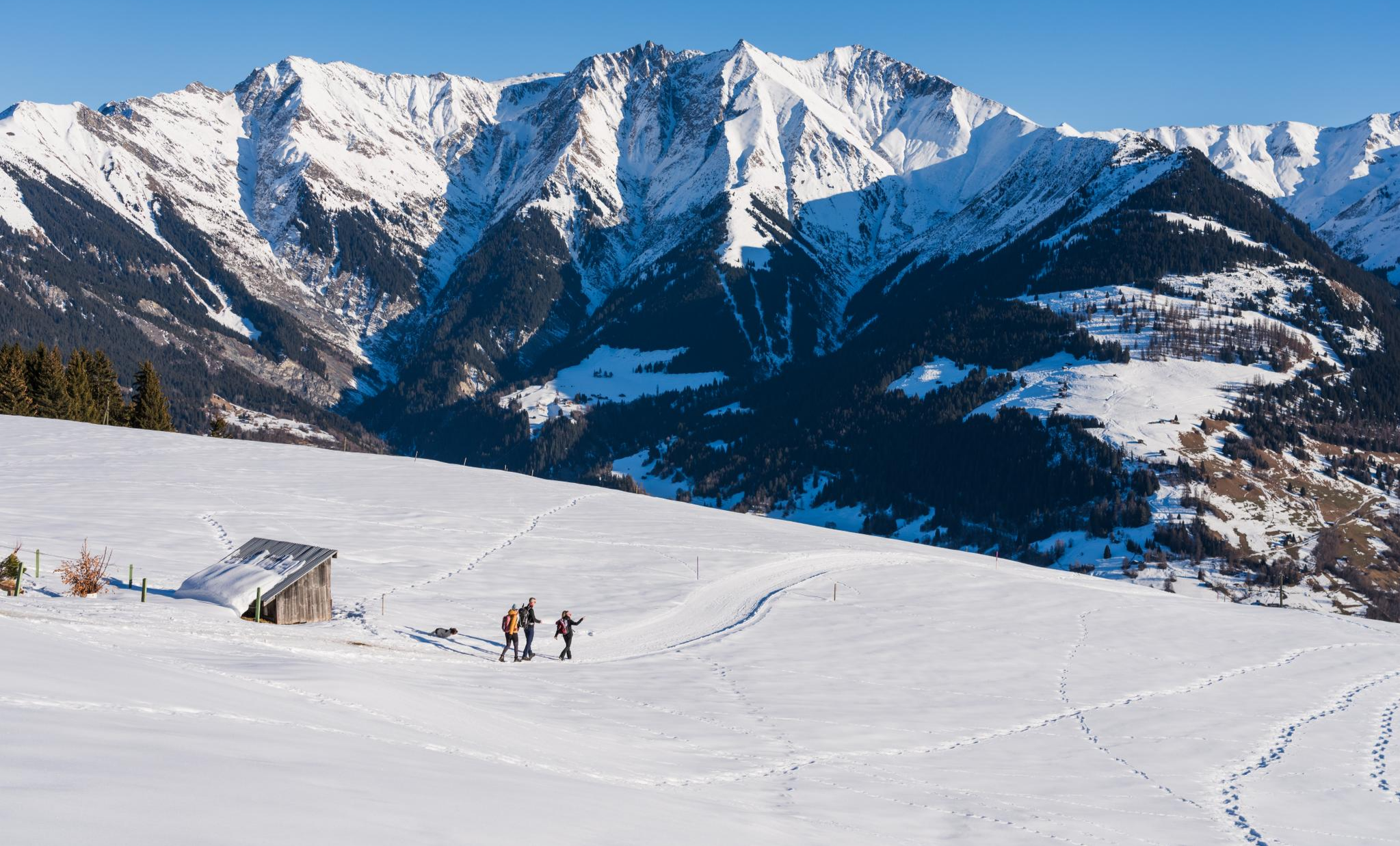
Winter Magic in the Surselva – peace, space and pure nature
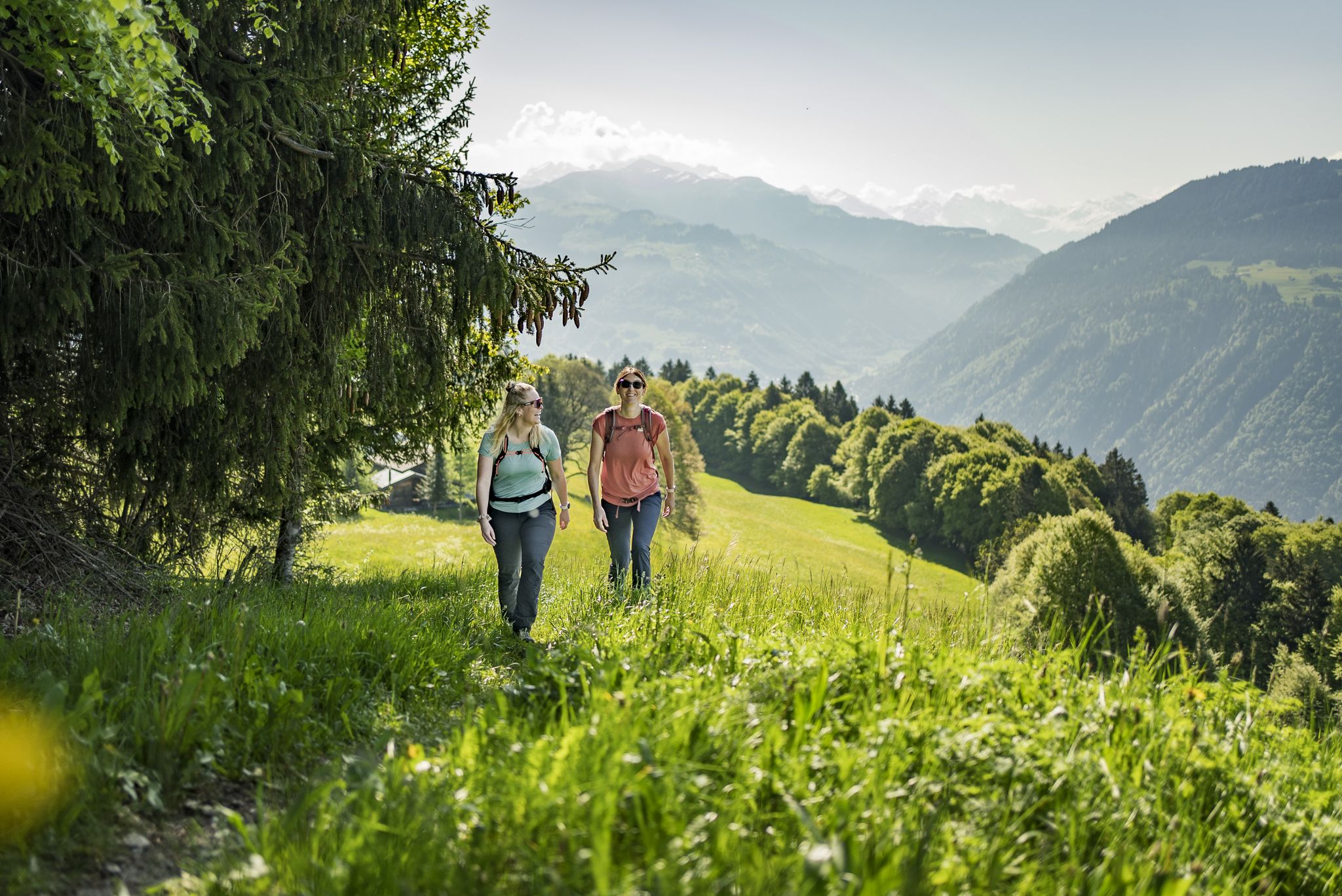
Step into the hiking season – spring routes in Graubünden

«Everyone runs long»: Cross-country ski trail tips from Graubünden
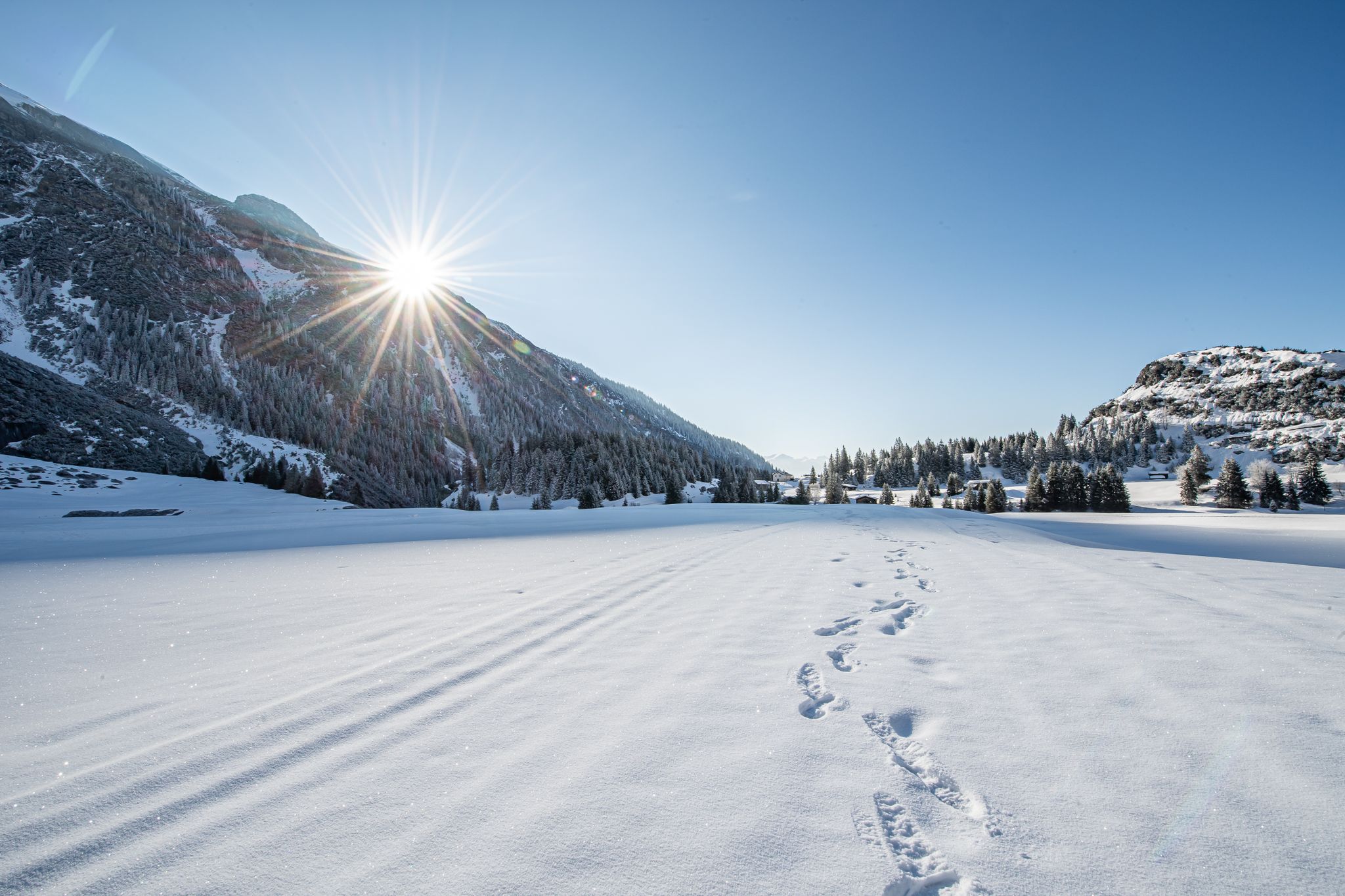
Indulgence to the power of two – culinary delights and winter hiking in Flims Laax
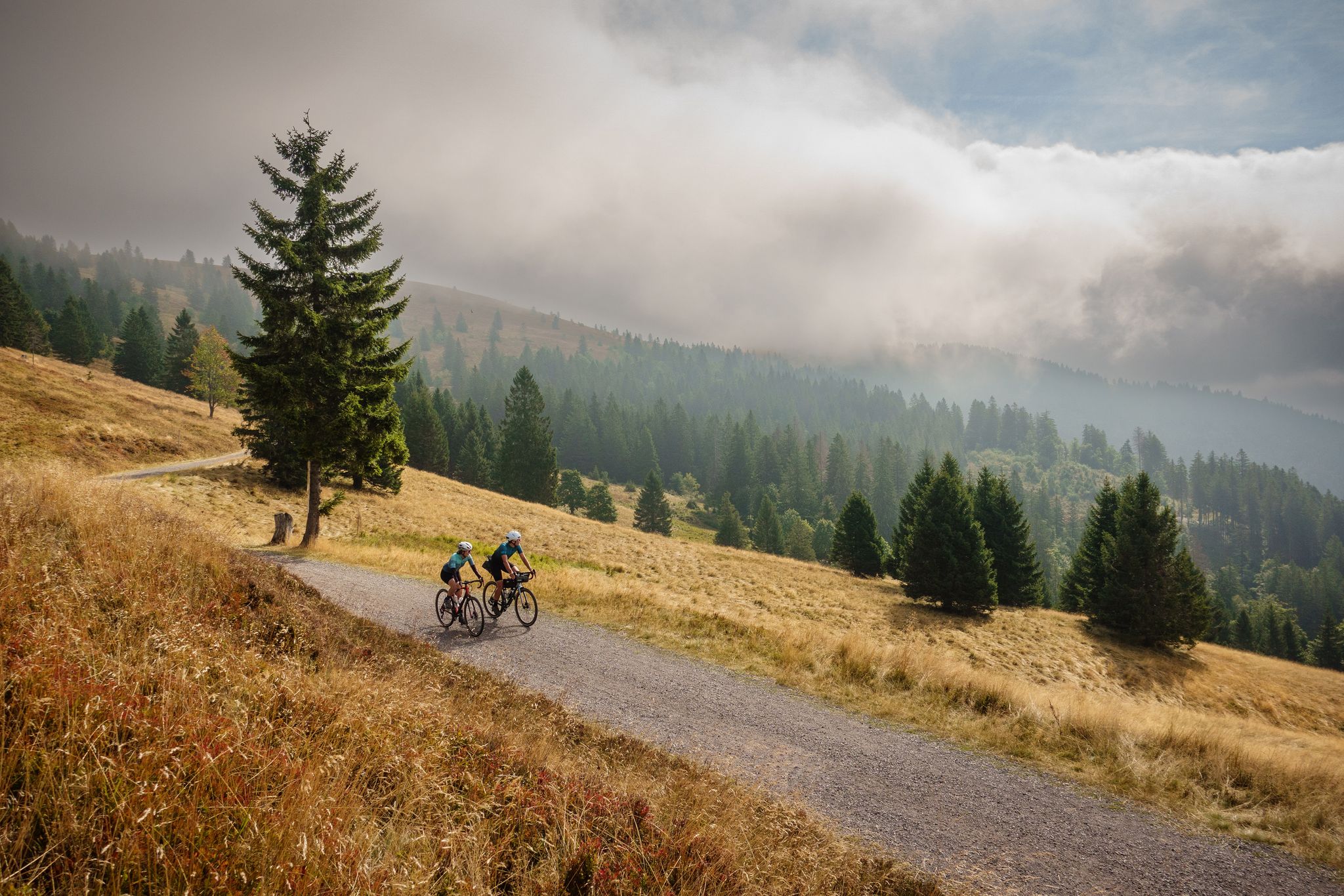
Nature, mountains and freedom – gravel and cycle Tours in the Black Forest
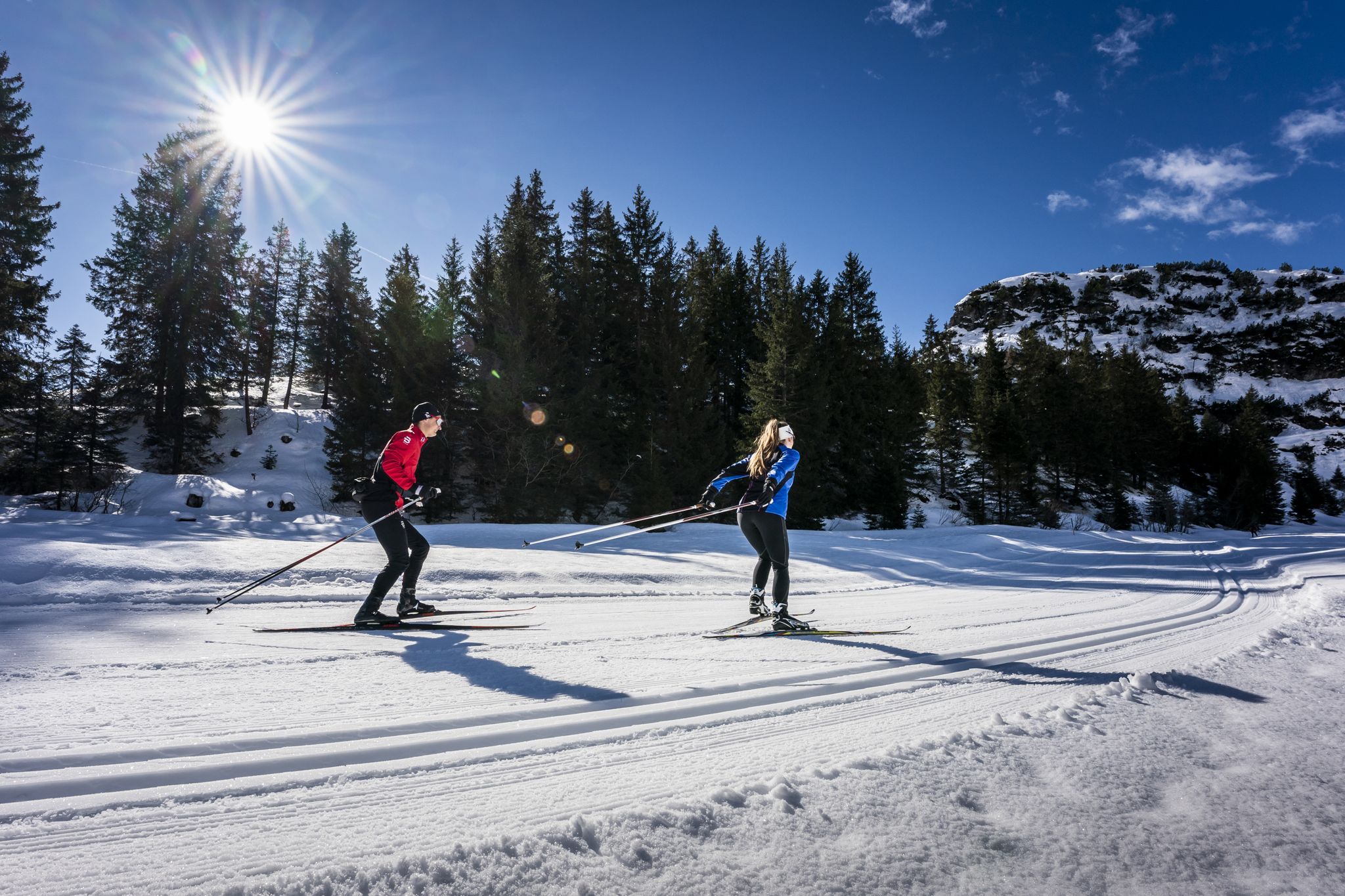
Cross-country skiing in Flims Laax – a Swiss Winter paradise

Triathlon 360 – my journey around the world
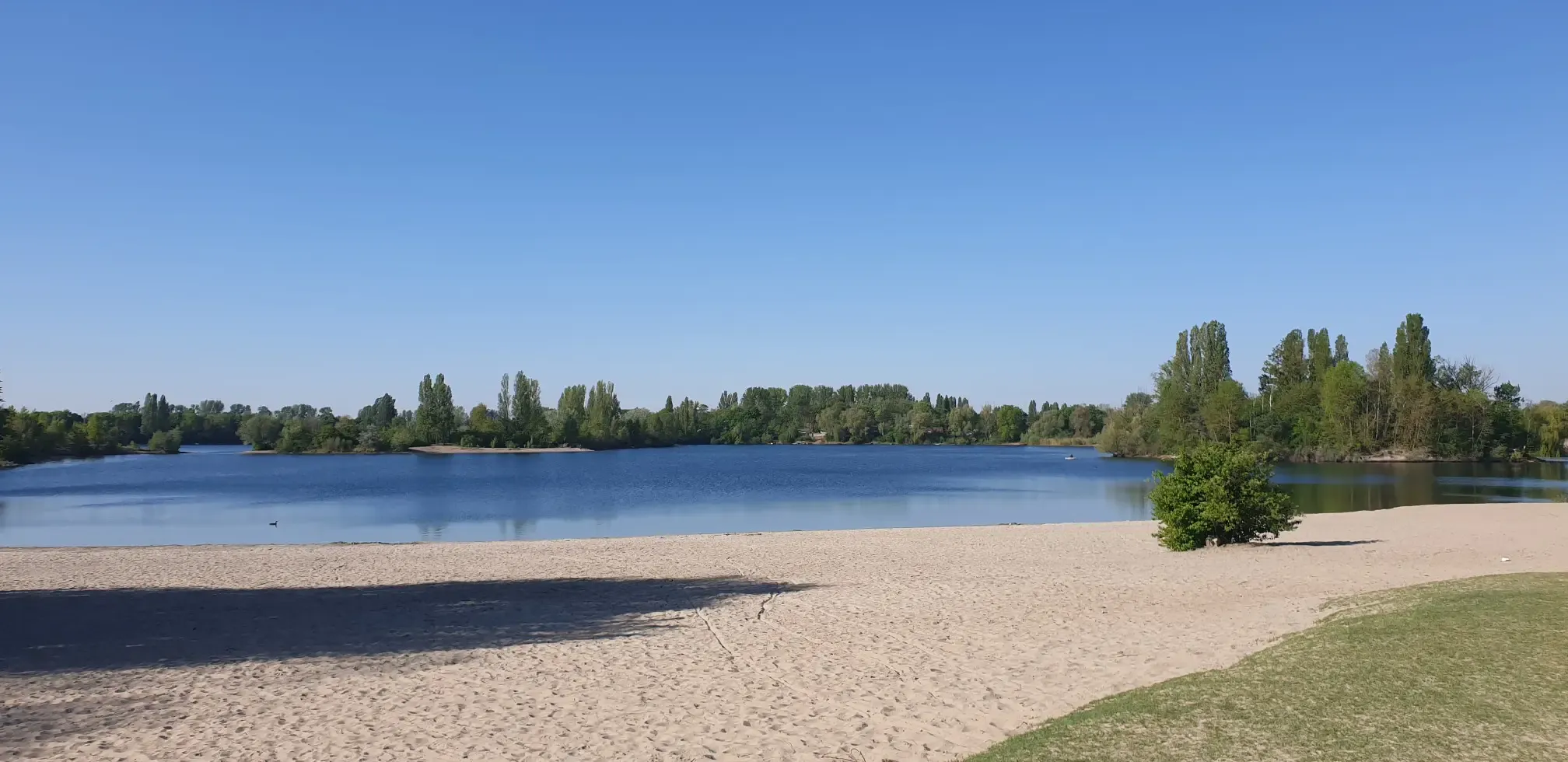
Jump right in! Swimming lakes in the Rhine-Neckar Triangle
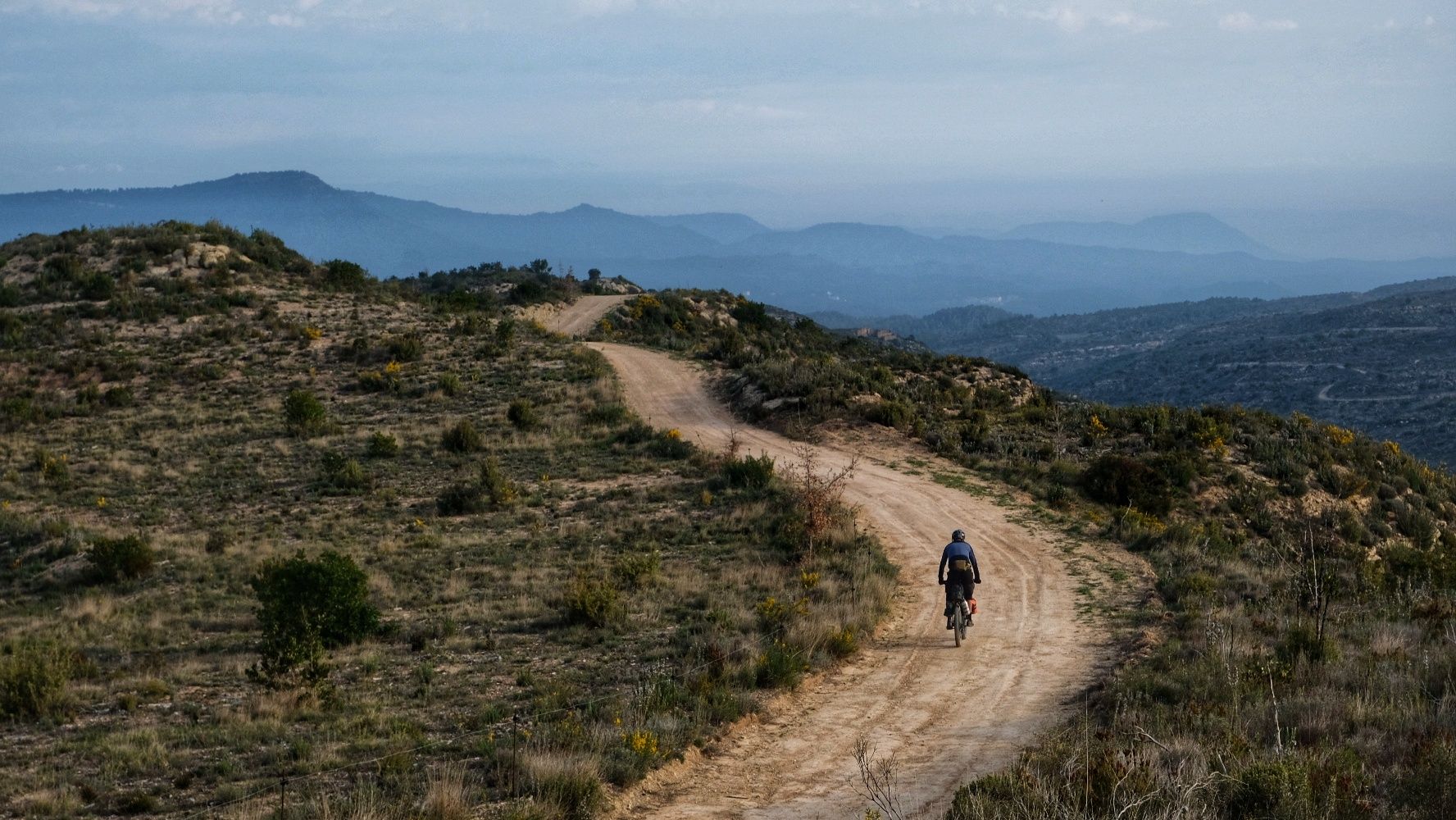
European Divide Trail — 7,600 km across the continent
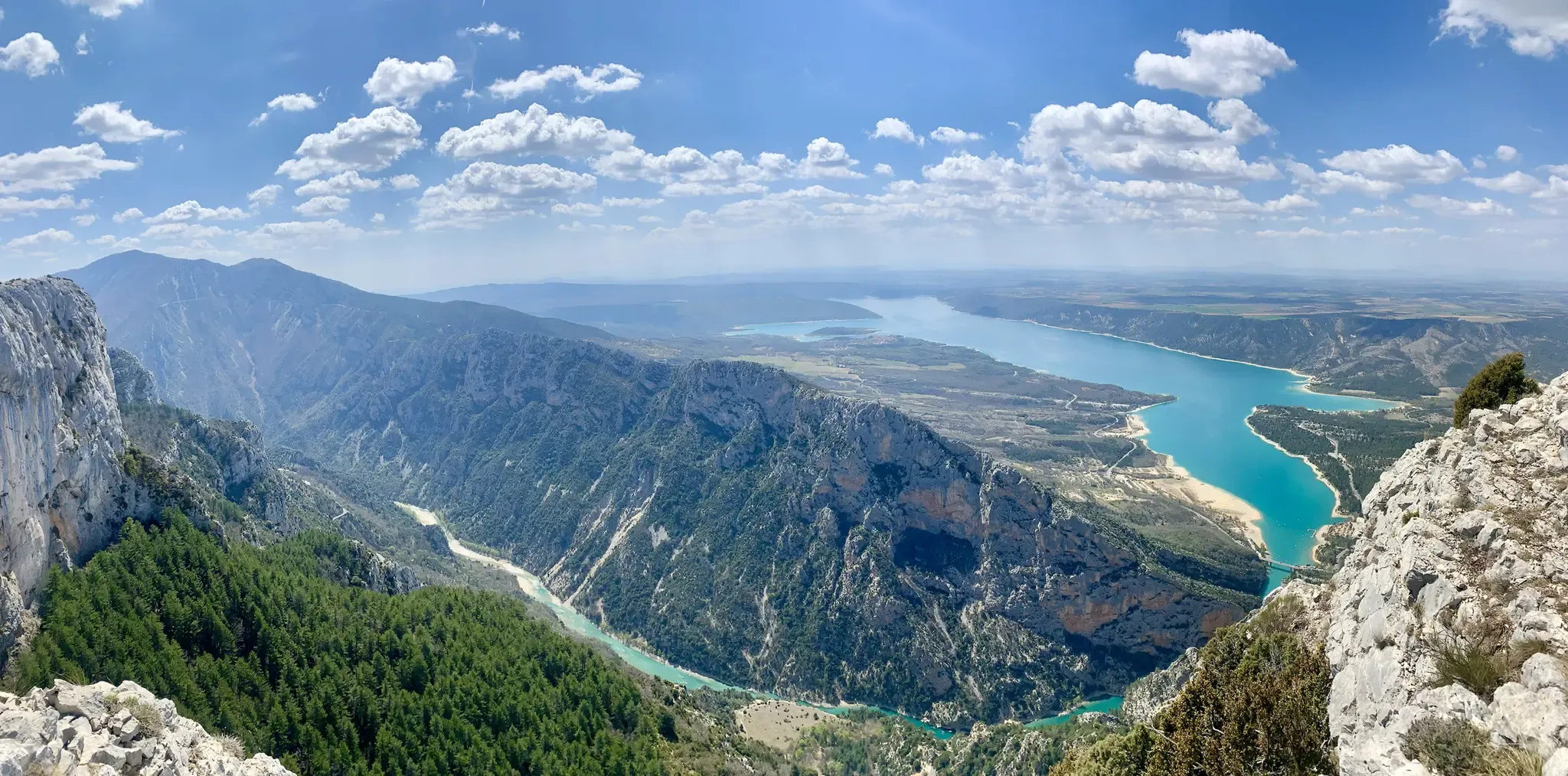
GR 4 – Crossing the south of France from Atlantic Coast to Provence
Other adventures around the Rhone-Rharound thee Canal


Tips from the Community

The Mainz South Bridge (also known as the Mainz-South Railway Bridge, and at times as the Mainz-Gustavsburg Railway Bridge) is a railway bridge on the Mainz–Frankfurt railway line, spanning the Rhine at river kilometer 496.4 and connecting Mainz in Rhineland-Palatinate with Gustavsburg in Hesse. A footbridge attached to the north side of the bridge allows pedestrians and cyclists to cross the river.
19
2

Directly on the banks of the Rhine rise the picturesque ruins of the Imperial Palace of the legendary Emperor Frederick Barbarossa. The palace, originally dating back to the 10th century, was expanded under Emperor Henry III and later by Emperor Barbarossa after he relocated the Rhine toll from the Netherlands to Kaiserswerth, as he needed a fortress dominating the Rhine. The location for the palace was well chosen. Because the Rhine forms a gentle curve here, it can be clearly seen over a long stretch. Even today, the castle complex consists of imposing walls up to four and a half meters thick. The idyllic castle path offers a magnificent view of the palace.
5
0

The first documented mention of the hilltop castle dates back to 1213, when the Imperial Abbey of Kornelimünster near Aachen appointed Philipp III von Bolanden as "castellanus" and governor. Experts partly doubt or reject the first conquest in 1253. What is certain is the siege, conquest and destruction by King Rudolph of Habsburg in 1282. The castle was banned from being rebuilt. From 1290 onwards, the ruins were owned by the Counts Palatine, who gave them up in favour of the Electorate of Mainz in 1344. A new building was then quickly constructed. A double ring wall enclosed a rectangular residential tower and an inner courtyard of the main castle. A forecourt was located to the north. In 1397, after the Pope had appointed John II of Nassau Archbishop of Mainz, ignoring the election of the Mainz Cathedral Chapter the previous year, Archbishop Gottfried von Leiningen, elected in 1396, barricaded himself in the castle. Only after tough negotiations did he give up the bishop's seat and was instead given the office of provost of Mainz Cathedral. His concession prevented another attack on the castle and possible further destruction. The castle had been left to decay since the 16th century. The remains were blown up in 1689 during the War of the Palatinate Succession. In 1834 Franz Wilhelm von Barfus bought the ruins and converted a tower into his residence. His heirs sold the castle to Baron von Rehfuß in 1877 and he sold it to Consul Chosodowsky in 1889. The castle was given its current appearance by Baron Nikolaus von Kirsch-Puricelli, a wealthy industrialist and owner of the Rheinböllerhütte. From 1899 to 1902, Kirsch-Puricelli had the castle rebuilt into a neo-Gothic residential castle in the Tudor style according to plans by the Regensburg architect Strebel. Additional residential buildings and an observation tower were built on the site of the outer castle. Reichenstein was the last castle in the Upper Middle Rhine Valley to be rebuilt in the spirit of Rhine Romanticism. After the castle was sold by the family in the 1990s, media entrepreneur Lambert Lensing-Wolff, a descendant of the Kirsch-Puricelli family, acquired Reichenstein Castle in 2014 as a weekend residence and also runs a museum and a hotel with a restaurant here.
5
0

Beautiful view from the bike path up to the castle
7
1

Great view of the castle which is still well preserved.
4
0

A very impressive castle complex. Reichenstein Castle, also known as Falkenburg, is a castle in the UNESCO World Heritage Upper Middle Rhine Valley. It stands on a ledge on the eastern slope of the Binger Forest above the Rhineland-Palatinate municipality of Trechtingshausen.
8
0

The beginnings of the imperial palace go back to the year 700.
15
0

A little below the Plateau you will pass this vantage point of Drachenburg Castle on the way. The view of the (almost kitschy) castle with the Rhine and the Bonn skyline in the background is great. Photos from the small platform almost automatically have postcard quality.
18
1
Frequently Asked Questions
Where are the main castles mentioned in this guide located?
While this guide refers to the 'Rhone-Rhine Canal', the most prominent and numerous castles highlighted are primarily located along the German Rhine River, especially within the Middle Rhine Valley. This region is famous for its dramatic river landscapes and historical fortifications.
What are some of the most popular castles to visit in the region?
Among the highly-rated castles are Rheinstein Castle, known for its picturesque towers and museum, and the Drachenfels Castle Ruins, offering historical significance and panoramic views. Pfalzgrafenstein Castle, uniquely situated on an island in the Rhine, is also a popular choice.
Are there family-friendly castles or activities available?
Yes, several castles and sites are suitable for families. Kaiserswerth Imperial Palace, Eltville Castle, and Benrath Palace are all marked as family-friendly. The Drachenfels Castle Ruins are also accessible via a cog railway, making the ascent easier for all ages.
What kind of views can I expect when visiting these castles?
Many castles offer spectacular views of the Rhine Valley. For instance, View of Drachenburg Castle provides a panorama of Drachenburg Castle and the Rhine, with Cologne's skyline visible on clear days. Rossel Ruins offers a wonderful view of the Nahe estuary and the Binger Loch.
Are there opportunities for outdoor activities like hiking or cycling near the castles?
Absolutely. The region around these castles is excellent for outdoor activities. You can find various hiking routes, including waterfall hikes and mountain hikes. For cyclists, there are numerous routes along the Rhine. Explore more options in the Waterfall hikes around the Rhone-Rharound thee Canal, Mountain Hikes around the Rhone-Rharound thee Canal, and Cycling around the Rhone-Rharound thee Canal guides.
What is the best time to visit the castles along the Rhine?
The Middle Rhine Valley, where many of these castles are located, is beautiful year-round. Spring and autumn offer pleasant temperatures for exploring and vibrant natural scenery. Autumn, in particular, provides stunning foliage, making it a picturesque time for castle visits and walks.
Are there any unique or 'hidden gem' castles worth exploring?
While not a 'hidden gem' in the traditional sense due to its historical significance, the Pfalzgrafenstein Castle is quite unique. Built on an island in the Rhine, it served as a toll station and has a distinctive ship-like appearance. For a glimpse into local history along the Canal du Rhône au Rhin itself, the privately owned Château de Heidwiller in France, though not a Komoot highlight, is notable for its historical evolution and occasional public exhibitions.
Can I find food and drink options near the castles?
Yes, many castles and nearby towns offer dining options. For example, Rheinstein Castle houses a museum and an adjoining restaurant. The area around Benrath Palace also has restaurants nearby.
What do visitors enjoy most about the castles in this region?
Visitors frequently praise the stunning views, the historical atmosphere, and the well-preserved architecture. The opportunity to explore medieval fortresses, romantic 19th-century reconstructions, and impressive ruins, often with panoramic vistas of the Rhine Valley, is a major draw. The komoot community has shared over 4700 photos and given more than 6800 upvotes to these locations.
Is public transport available to reach the castles?
Many castles along the Rhine are accessible by public transport, often involving train services along the river and sometimes local buses or even cog railways, such as the one leading to Drachenfels Castle Ruins. For castles directly on the Rhine, boat tours are also a popular way to see them and often include stops at various locations. For detailed travel information, it's best to check local transport schedules for specific castle destinations.
Are there any castles that have been particularly well-preserved?
Yes, Rheinstein Castle is a prime example of a well-preserved and romantically reconstructed residential castle, maintaining much of its medieval fabric. The region research also mentions Marksburg Castle as the only hilltop castle on the Middle Rhine that has never been destroyed, offering an authentic medieval experience.
Most popular routes around the Rhone-Rharound thee Canal
Most popular attractions around the Rhone-Rharound thee Canal

Get inspired with the komoot mobile app


Explore more
Looking for the best castles somewhere else? Discover other guides around the Rhone-Rharound thee Canal:
