Attractions and Places To See around the Bug - Top 20
Attractions and places to see around the Bug encompass a region known for its ecological purity and diverse landscapes, spanning parts of Poland, Ukraine, and Belarus. The area features the wild and unregulated Bug River, characterized by numerous meanders, islands, and oxbow lakes. Visitors can explore significant historical landmarks, various natural features like extensive forests and landscape parks, and rich cultural sites reflecting a multicultural heritage. This region offers a variety of points of interest for those seeking natural beauty…
Last updated: July 6, 2026
Józefa Piłsudskiego Bridge over the Vistula, Nowy Dwór Mazowiecki
Highlight • Bridge
Tip by

Dębe Hydroelectric Power Plant
Highlight • Monument
Translated by Google •
Tip by

Sign up now to discover places like this
Get recommendations on the best single tracks, peaks, & plenty of other exciting outdoor places.
Sign up for free
Modlin Fortress — Cadets' Gate
Highlight • Historical Site
Translated by Google •
Tip by

St. Stanislaus Bishop Wooden Church in Barcice
Highlight • Religious Site
The Church of St. Stanisław Bishop in Chotk from 1527 is the …
Translated by Google •
Tip by

Church of St. Nikita the Martyr in Kostomłoty
Highlight • Religious Site
Translated by Google •
Tip by

Protection of the Mother of God Orthodox Church in Sławatycze
Highlight • Religious Site
Translated by Google •
Tip by

Defenders of Modlin Monument (1939)
Highlight • Monument
Translated by Google •
Tip by
Ruins of the Modlin Fortress Granary
Highlight • Historical Site
Anyone who cares about it does so at their own risk because bricks will fall on your head.
But the …
Translated by Google •
Tip by
Church of St. Nicholas
Highlight • Religious Site
The church is located on the market square – Tadeusz Kościuszko Square.
Translated by Google •
Tip by

Bridge over the Narew River
Highlight • Bridge
Translated by Google •
Tip by
Sign up for free to discover even more attractions around the Bug.
Sign up for free
Already have an account?
Start today with a free account
Your next adventure awaits.
Login or Signup
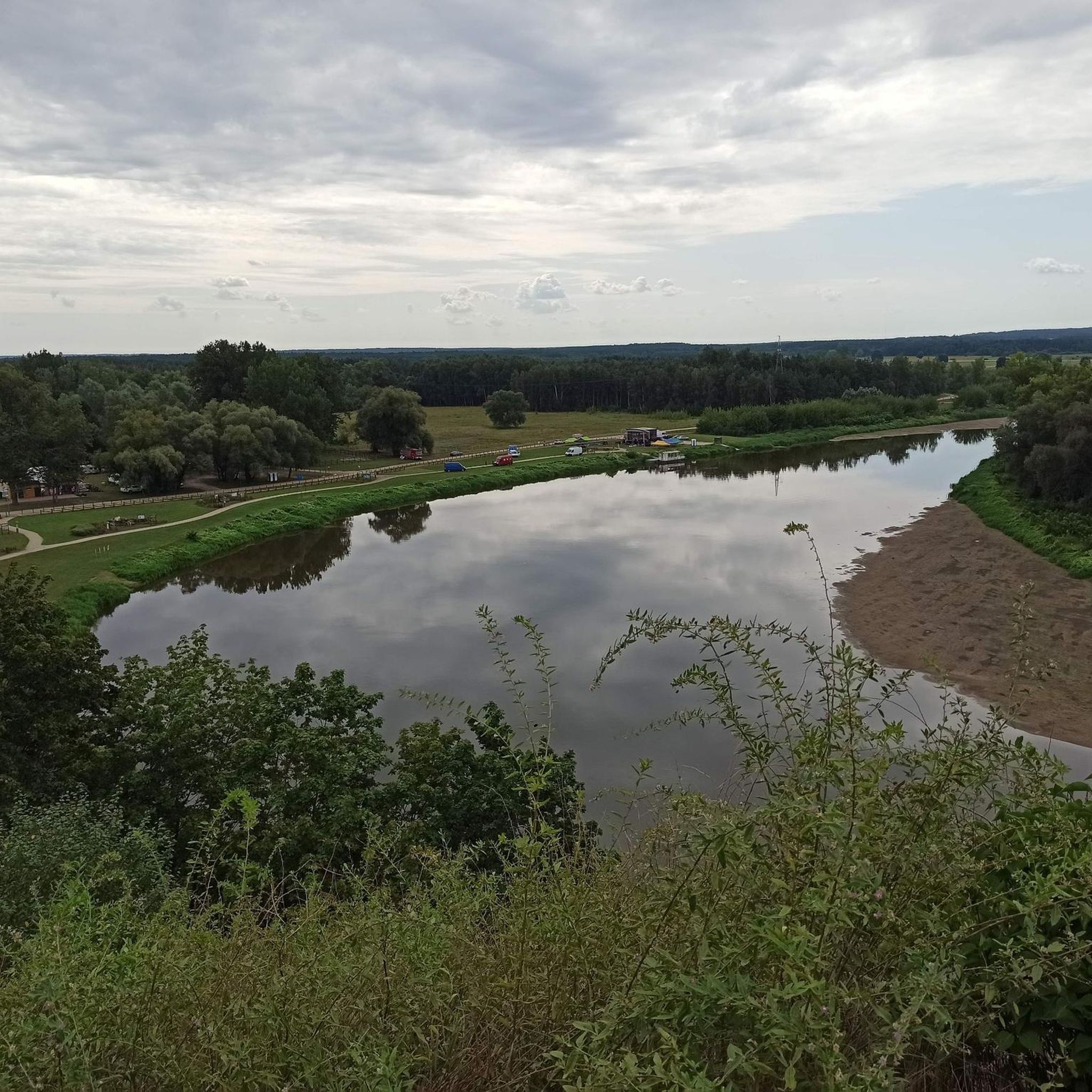
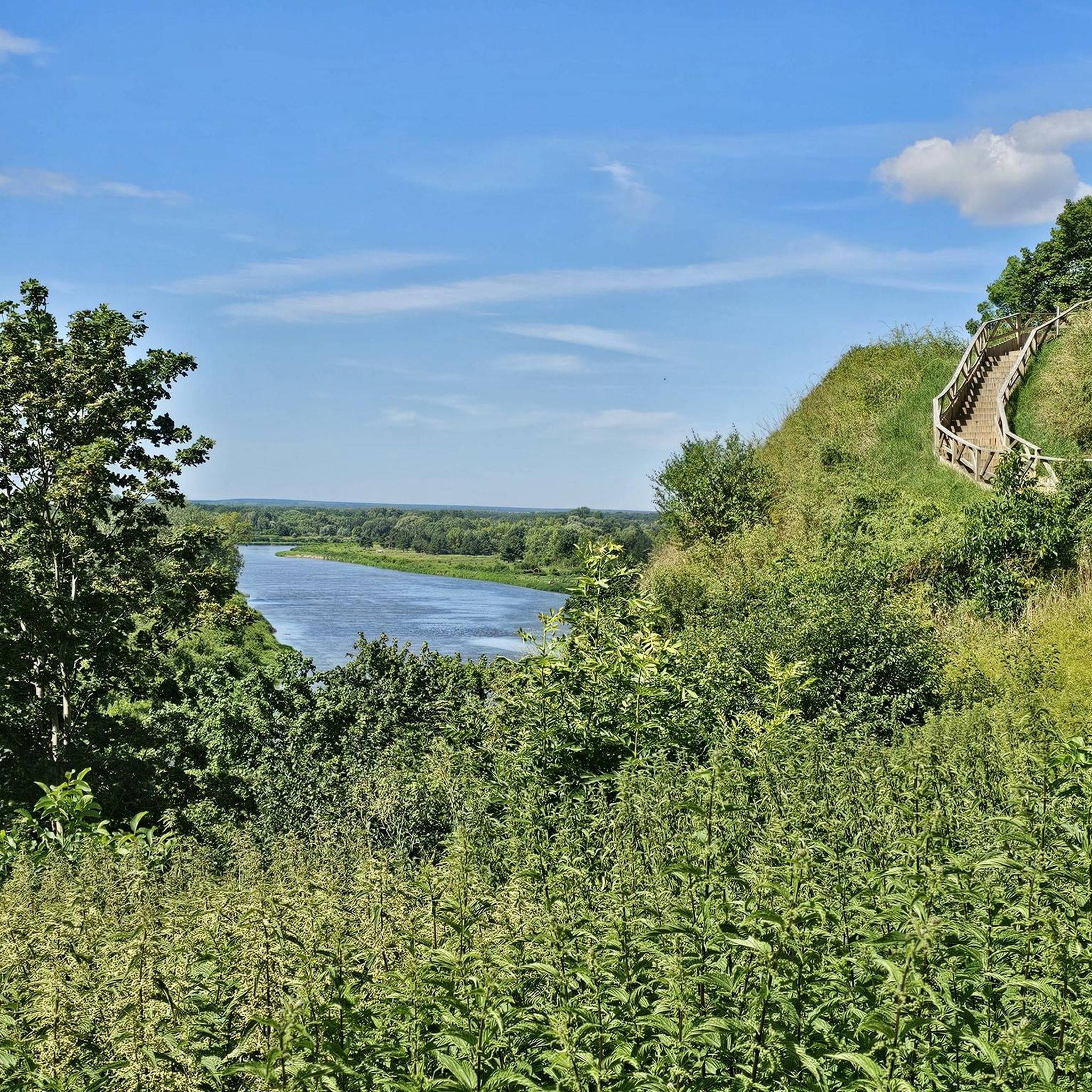

Other adventures around the Bug

Tips from the Community

Amazing atmosphere, highly recommended.
0
0

Better to use the sidewalk if you are not in a hurry, because the road is narrow.
0
0

To commemorate the heroic struggle, the Monument to the Defenders of Modlin from September 1939 was erected. The unveiling was performed by the commander of the 1939 Modlin defense, Brigadier General Wiktor Thommee, in the presence of numerous soldiers from his September campaign. The ceremony took place on September 29, 1957, the anniversary of the surrender of Modlin Fortress. The initiative to build the monument came from the command of the 15th Bomber Division, and its design was presented by Sergeant Ryszard Lasota, a non-commissioned officer of the Military Police. Two Soviet cannons were added to the monument. The motive was the Red Army's participation in the liberation of Modlin from Nazi occupation. The monument was erected on the site of a monument to Marshal Józef Piłsudski, unveiled in 1928, which was destroyed only in the early 1950s when the Marshal's bust and baton were removed from its pedestal. Until the unveiling of the next monument, this place was forgotten and neglected.
0
0

The Church of St. Nicholas is an Orthodox parish church in Drohiczyn. It belongs to the Siemiatycze deanery of the Warsaw-Bielsko diocese of the Polish Autocephalous Orthodox Church. The church is located on the market square – Tadeusz Kościuszko Square. The church represents a classicist style. Built in 1792, funded by Konstancja née Kuczyńska and Jakub Ciecierski, it was dedicated to St. Nicholas, a Uniate church for the Basilian monastery. After the Uniate parish church (also dedicated to St. Nicholas) burned down in 1806, services were moved here. In 1826, it was handed over to the Uniate secular clergy. In 1839, following the Synod of Polotsk, the church was seized from the Uniates and placed under the jurisdiction of the Orthodox Church by the Russian partitioning authorities. After the fall of the January Uprising, the church was rebuilt around 1870 to give it a more Orthodox appearance. As a result, the exterior was topped with three additional onion-shaped bell towers, while the interior was modified and a new interior was created, including by removing the side altars, organs, and pulpit.
1
0

There is a store right across the street. Convenient for recharging.
0
0

The Church of the Protection of the Mother of God in Sławatycze is an impressive Orthodox church from the early 20th century, the main spiritual centre of the local community. Built in 1910–1912 according to the design of Alexander Puring, it represents the Byzantine-Russian style with characteristic red walls and white details and five onion-shaped domes. The church survived a turbulent history, including the war period, the Vistula Action and years of devastation, but thanks to the efforts of Orthodox monks from Jabłeczna and the support of parishioners, it was renovated. The church is located on Kodeńska Street, right next to the market square, and today it once again delights with its restored frescoes and icons, being an interesting place to stop during a bicycle trip through Podlasie and Polesie.
4
0

The crossing is very narrow and it is impossible to pass either a pedestrian or a bicycle. Someone has to stop.
1
0

Polish technical thought from the times of the Polish People's Republic.
0
0
Frequently Asked Questions
What historical sites can I explore around the Bug region?
Beyond the prominent Modlin Fortress — Cadets' Gate, the Bug region is rich in history. You can visit the medieval fortress in Mielnik, explore the site of the former German extermination camp in Sobibór which now houses a museum, or see the Defenders of Modlin Monument (1939) commemorating heroic struggles. The region also features numerous historic monuments in villages like Kodeń and Jabłeczna.
Are there any unique religious buildings to visit in the area?
Yes, the Bug region is home to several significant religious sites. Don't miss the St. Stanislaus Bishop Wooden Church in Barcice, a rare 16th-century wooden sacral building. Another notable site is the Church of St. Nikita the Martyr in Kostomłoty, a Uniate temple and pilgrimage site. The Holy Mountain of Grabarka, known as the Orthodox Częstochowa, is also a significant religious destination. Additionally, the Protection of the Mother of God Orthodox Church in Sławatycze is an impressive early 20th-century church.
What natural landscapes and scenic viewpoints can I find along the Bug River?
The Bug River itself is a major natural attraction, known for its wild, unregulated character with numerous meanders, islands, and oxbow lakes. You can enjoy impressive bends near Horodło and high loess hills resembling cliffs near Ślipcze. The Bug Landscape Park, one of Poland's largest, offers diverse scenery including forests, sandy dunes, and peat bogs. For magnificent views, explore the Podlaski Przełom Bugu Landscape Park, which includes the beautiful Szwajcaria Podlaska Nature Reserve.
What kind of wildlife can I expect to see in the Bug region?
The Bug River valley is a haven for diverse wildlife. You might spot beavers, swans, and cranes. The area is also home to various rare species of butterflies and fish like roach, carp, pike, and pikeperch. Within the Bug Landscape Park, rare flora species thrive, and you could encounter animals such as broad-fingered crayfish and European pond turtles, along with numerous bird species.
What outdoor activities are popular around the Bug?
The Bug region is excellent for outdoor enthusiasts. Canoeing on the Bug River is very popular, with well-organized rentals and marked routes, especially near Mielnik. Cycling is also a great option, with the Podlaskie section of the Eastern Green Cycle Trail offering scenic routes. You can find various MTB trails, road cycling routes, and running trails. Hiking and water trails are abundant, and for thrill-seekers, paragliding and survival trips are available.
Are there family-friendly attractions or activities in the Bug area?
Yes, many attractions around the Bug are suitable for families. Historical sites like Modlin Fortress — Cadets' Gate are often enjoyed by all ages. The Dębe Hydroelectric Power Plant offers an interesting viewpoint and is listed as family-friendly. Exploring the natural beauty of the Bug River and its landscape parks provides opportunities for walks and picnics. The Janów Podlaski horse stud farm, famous for its Arabian Horse Show, can also be a fascinating visit for families.
What is the best time of year to visit the Bug region?
The best time to visit largely depends on your preferred activities. Spring and summer are ideal for canoeing, cycling, and hiking, allowing you to fully enjoy the natural landscapes and river activities. Autumn offers beautiful foliage. If you're interested in winter sports or unique cultural events, the colder months also have their charm.
What can I do in the Bug region during winter?
Even in winter, the Bug region offers unique experiences. You can enjoy traditional feasts, sleigh rides through the snowy woods, or cross-country skiing. A notable event is the annual Sled Dog Racing in Korczew. Some restored mansions like Zamek Biskupi also offer luxurious spa treatments for a relaxing winter getaway.
Are there any unique cultural experiences or sites in the Bug region?
The Bug region boasts a rich multicultural heritage with Byzantine-Slavic, Tatar, and Olender influences. You can visit Orthodox churches, synagogues, and sanctuaries. The "Herbal Corner" in Koryciny is an open-air museum and ethnographic park. Włodawa hosts interesting cultural events like the Landart Festival and the Three Cultures Festival, celebrating the region's diverse traditions. Uroczysko Zaborek also offers open-air exhibitions and workshops.
Where can I find scenic spots for photography or relaxation around the Bug?
The wild and unregulated Bug River itself provides countless scenic spots with its meanders, islands, and oxbow lakes. The high loess hills near Ślipcze offer impressive views. The Bug Landscape Park and the Podlaski Przełom Bugu Landscape Park, particularly the Szwajcaria Podlaska Nature Reserve, are renowned for their magnificent scenery and natural beauty, perfect for photography and peaceful relaxation.
Are there any specific attractions related to the Bug River itself?
Yes, the Bug River is a central attraction. You can experience its wild character through canoeing, with routes that even allow you to reach the border triangle where Poland, Ukraine, and Belarus meet on the water. Włodawa features a unique water level measuring point where tourists can receive a commemorative certificate, directly engaging with the river's significance.
What are some lesser-known but interesting places to visit?
Consider visiting Mielnik for its medieval fortress and open-cast chalk mine, offering a glimpse into both history and industry. Włodawa, besides its water level measuring point, is known for its cultural festivals. The picturesque villages of Kodeń and Jabłeczna along the Bug River are home to numerous historic monuments and religious shrines, providing a quieter, more immersive cultural experience.
Most popular routes around the Bug
Most popular attractions around the Bug

Get inspired with the komoot mobile app


Explore more
Still not found the Highlight you’re looking for? See guides of the top attractions in other regions:
