Top 12 Castles around Albula/Alvra
Best castles around Albula/Alvra are situated in a picturesque region of Switzerland, known for its historic castles and natural landscapes. This area offers glimpses into medieval architecture and regional history, making it a compelling destination. The Albula Valley provides scenic views and a setting for exploring these historical sites. The region's cultural significance is intertwined with its ancient structures, many of which have been preserved or repurposed.
Best castles around Albula/Alvra
- The most popular castles is View of Hohen Rätien…
Last updated: October 10, 2026
View of Hohen Rätien Castle Ruins
Highlight • Castle
Translated by Google •
Tip by

Riom Castle
Highlight • Castle
Translated by Google •
Tip by

Sign up now to discover places like this
Get recommendations on the best single tracks, peaks, & plenty of other exciting outdoor places.
Rietberg Castle
Highlight • Castle
Rietberg war der Sitz der Herren von Rietberg, die in einer Urkunde vom 29. Juli 1286 als Vasallen der Herren von Sax-Misox erwähnt werden und im 13. …
Tip by

Schauenstein Castle
Highlight • Castle
An episcopal Meierhof as the origin of Fürstenau
The episcopal power in Domleschg was probably already developed in the epoch of the Frankish Empire, in …
Translated by Google •
Tip by
Cagliatscha Castle Ruins
Highlight • Castle
burgenwelt.org/schweiz/cagliatscha/object.php
Translated by Google •
Tip by

Sign up for free to discover even more castles around Albula/Alvra.
Already have an account?
Start today with a free account
Your next adventure awaits.
Popular around Albula/Alvra
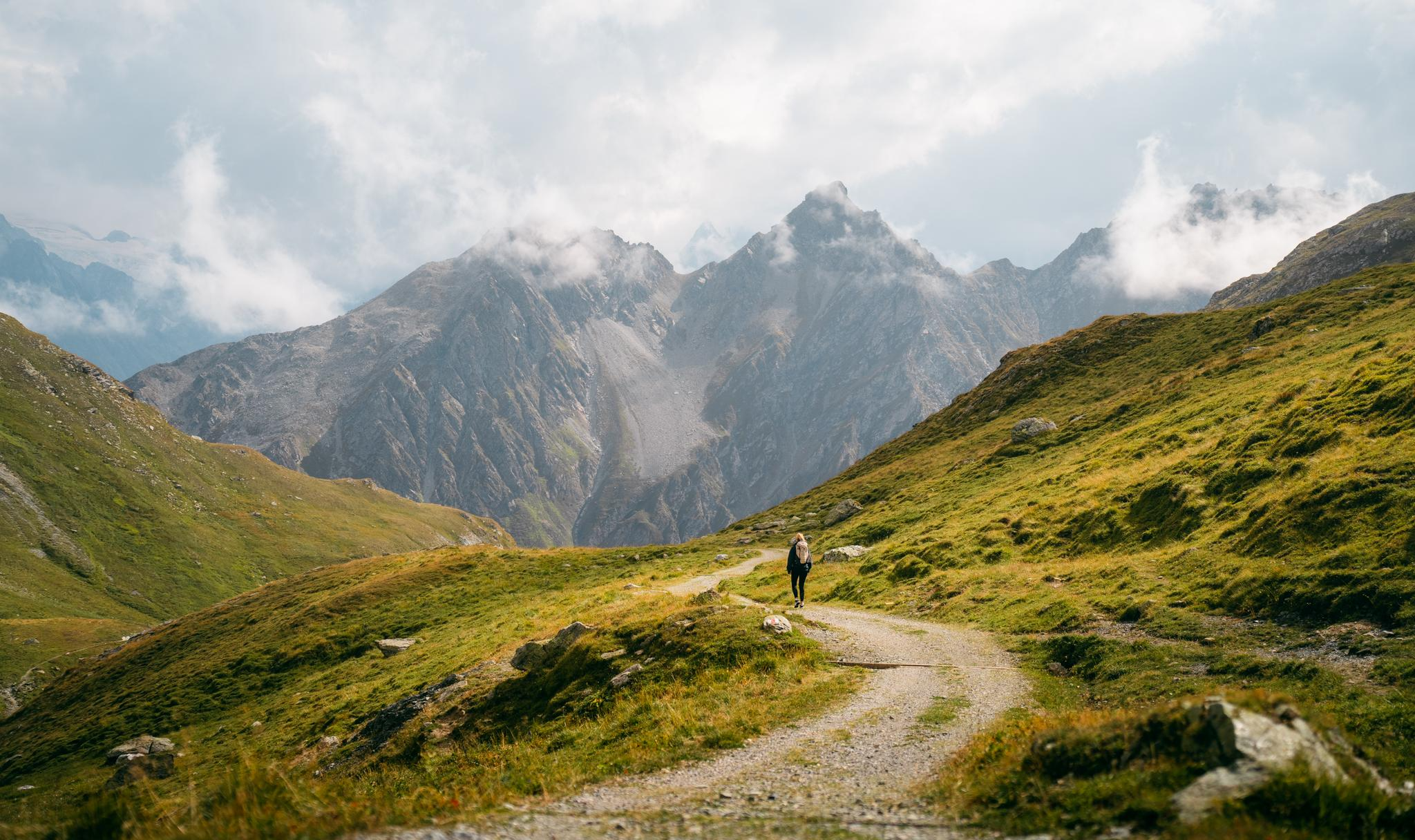
Quiet villages, proud passes, impressive history – the Via Sett
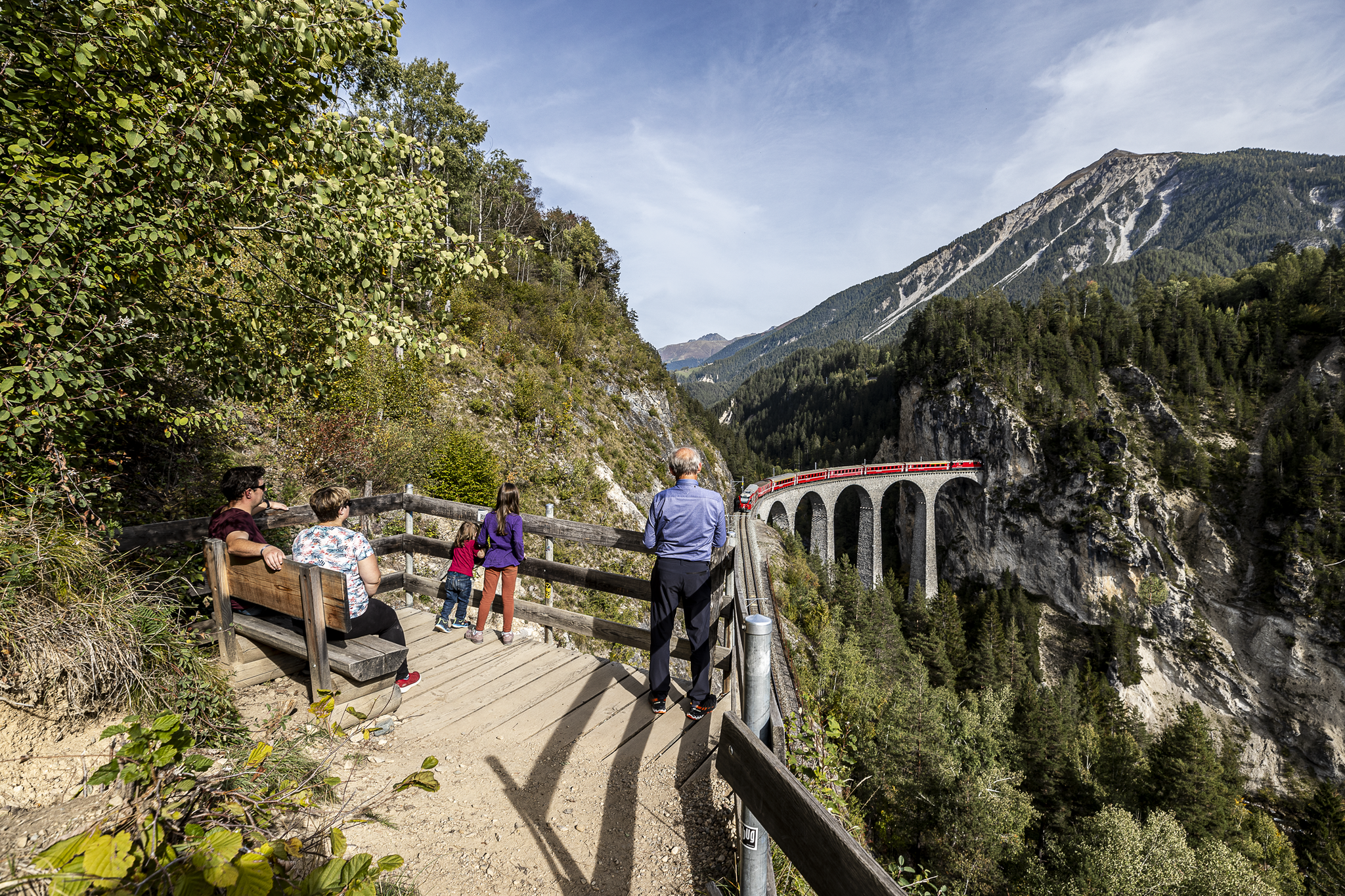
Historic railways and joyous hiking in the Landwasser World
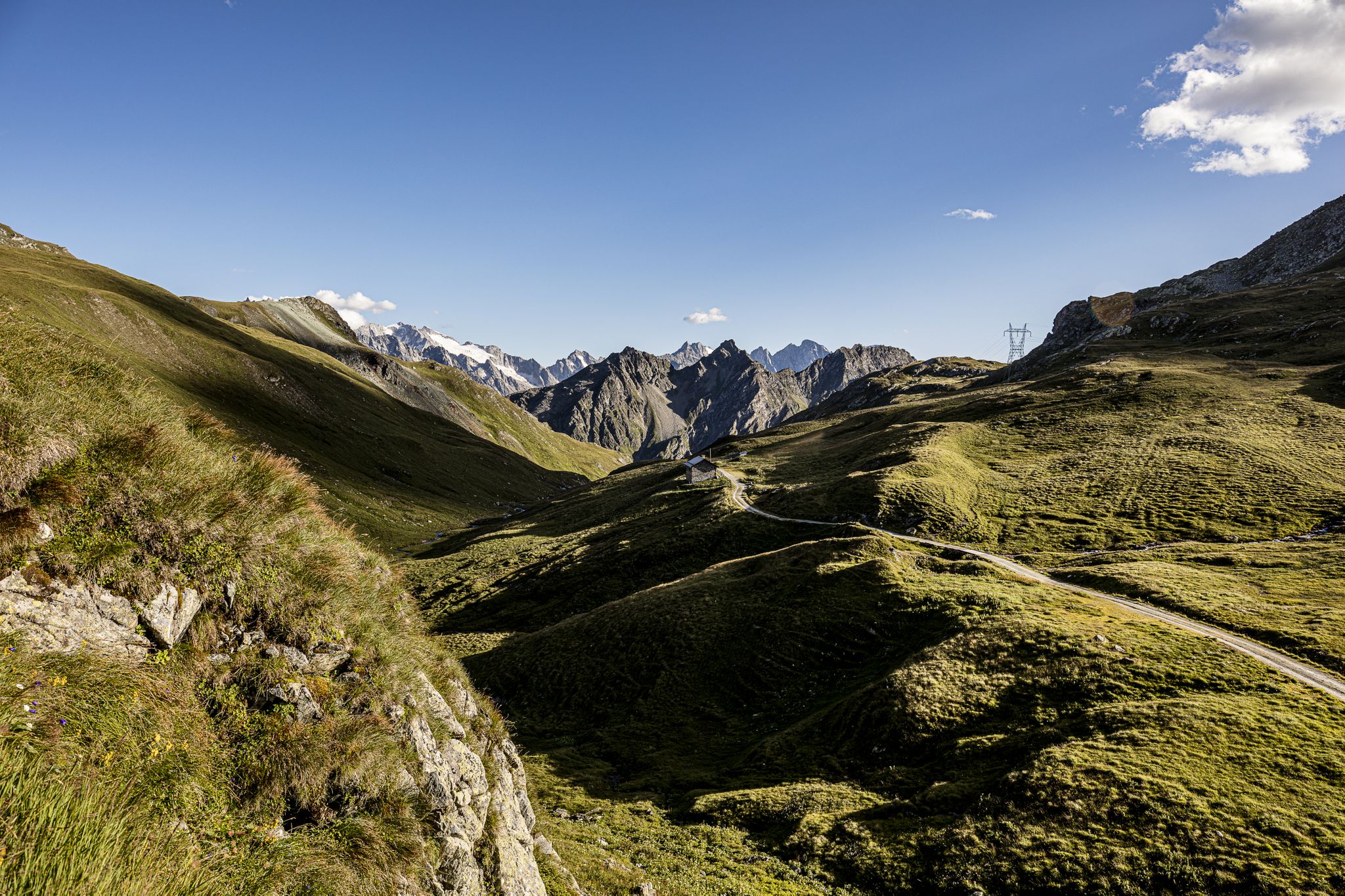
Parc Ela Trek – 17 days of trekking in the heart of Europe
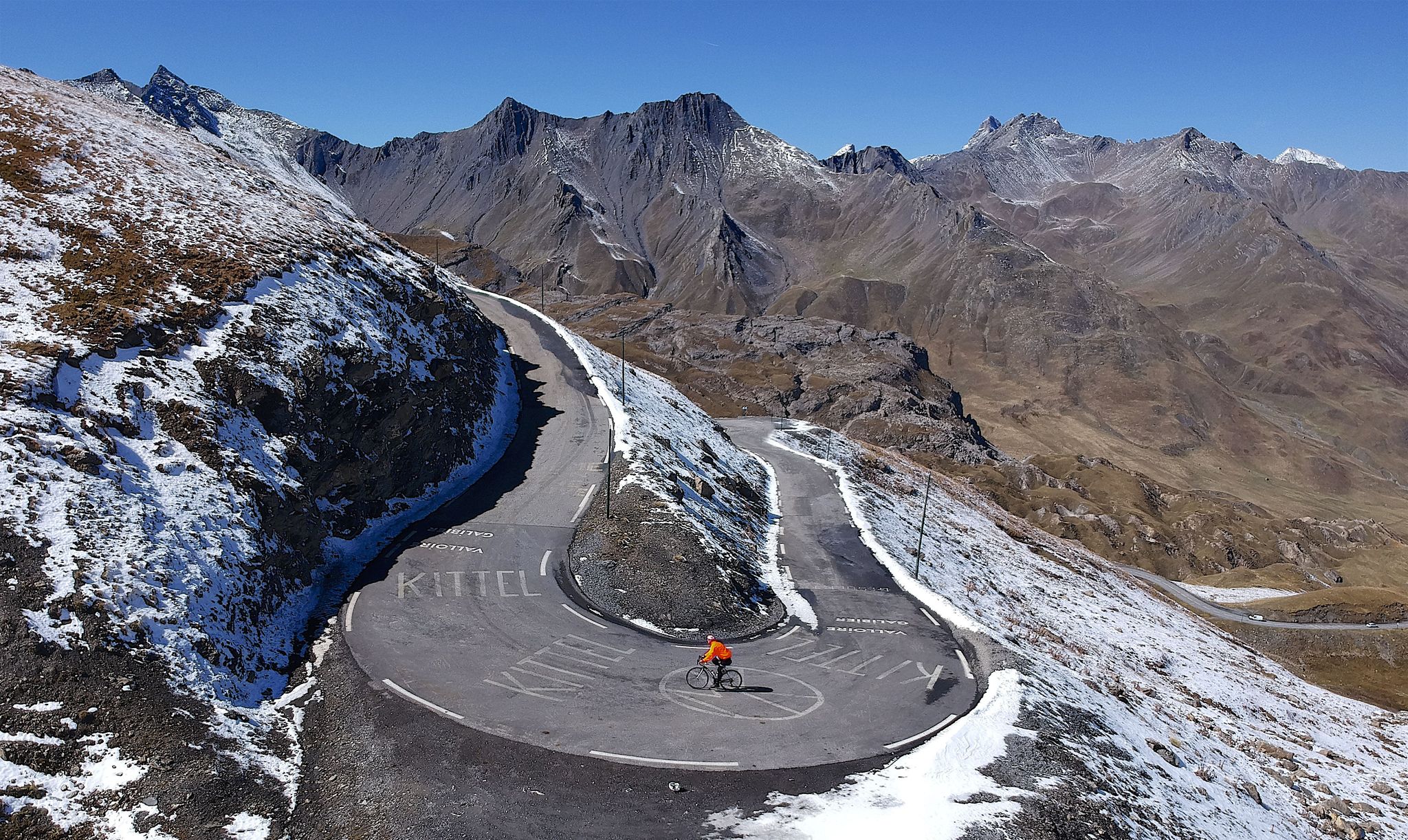
10 epic Alpine challenges
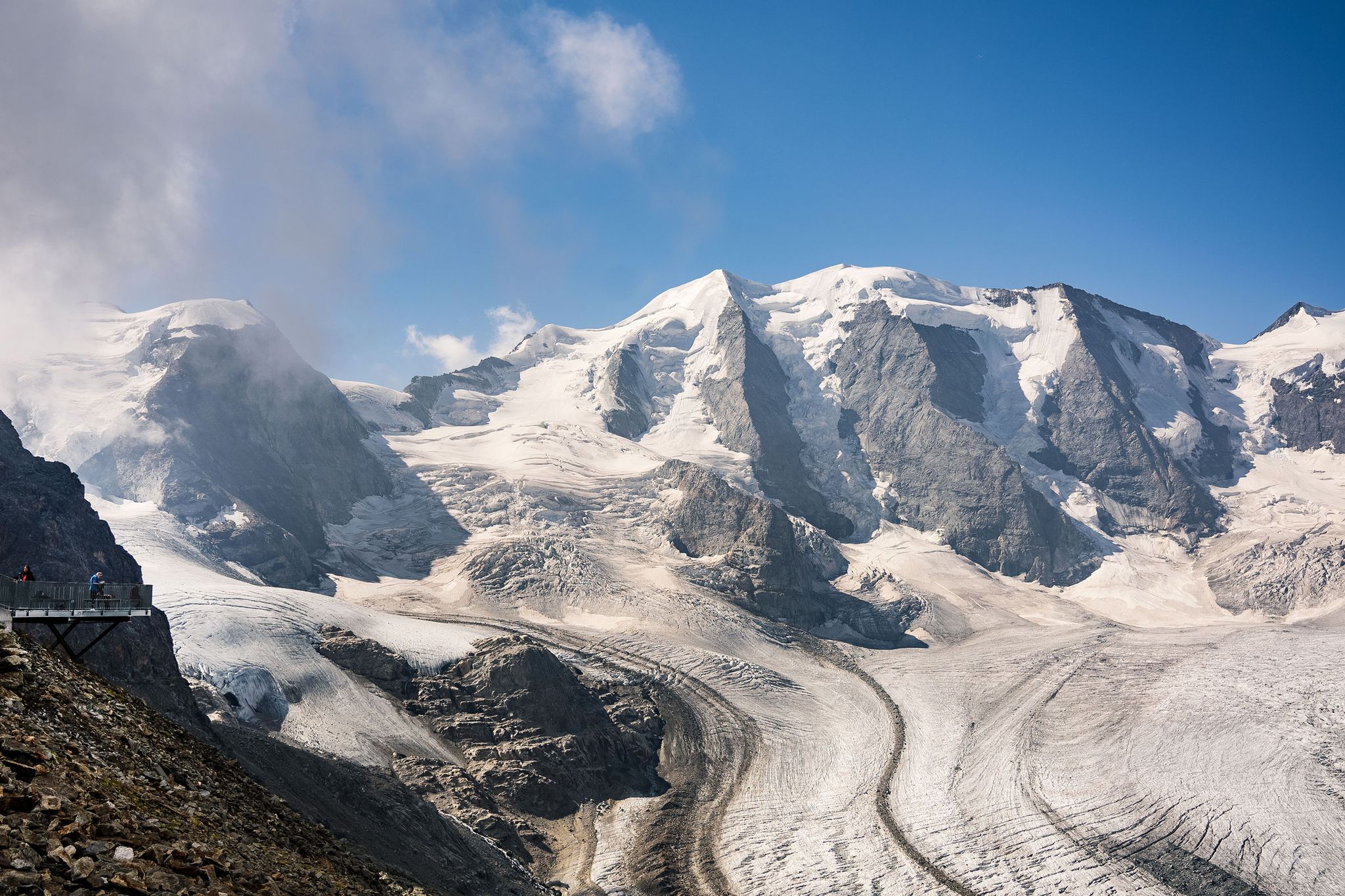
Für Natur-Begeisterte – Weitwanderungen in Graubünden
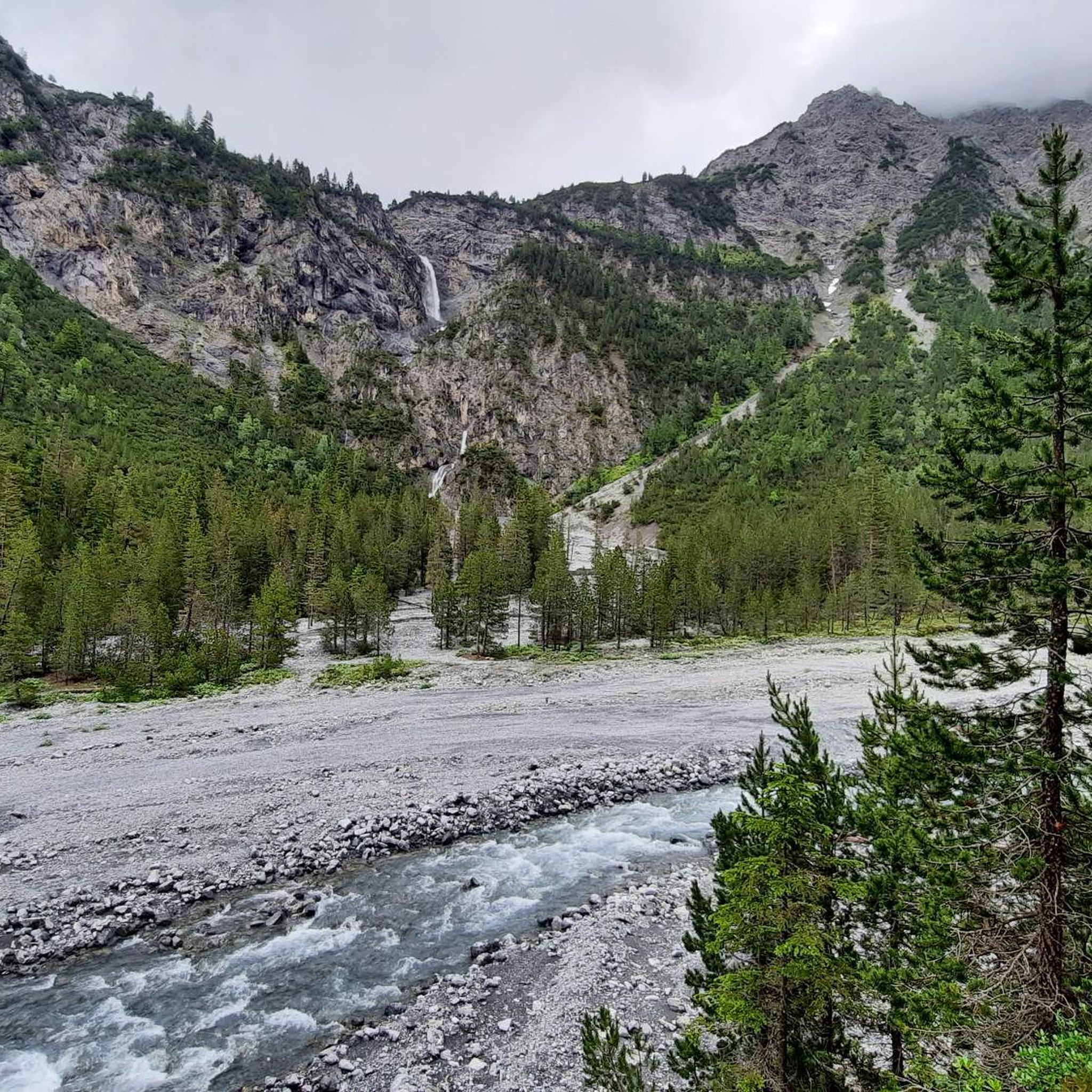
Road Cycling Routes around Albula/Alvra
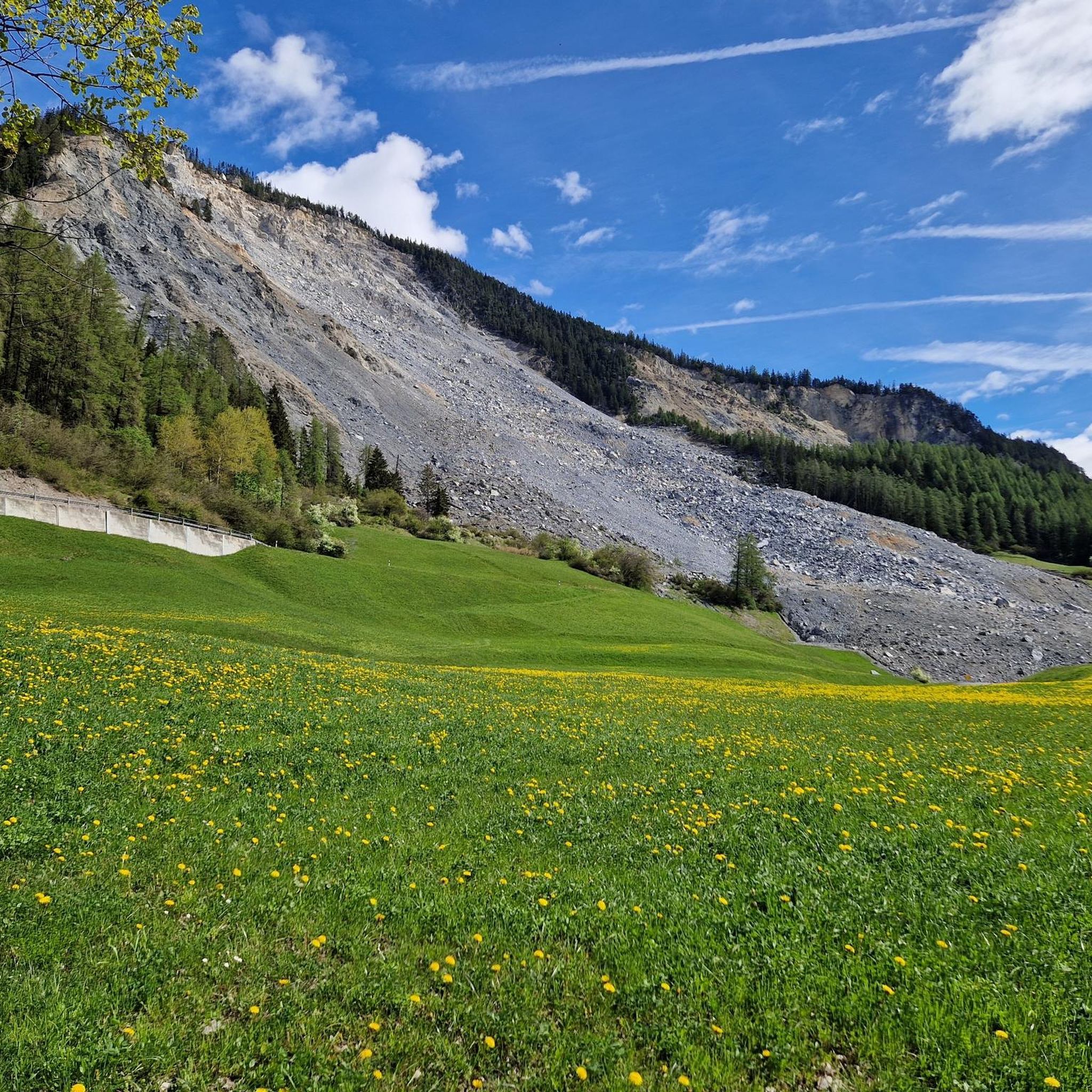
MTB Trails around Albula/Alvra
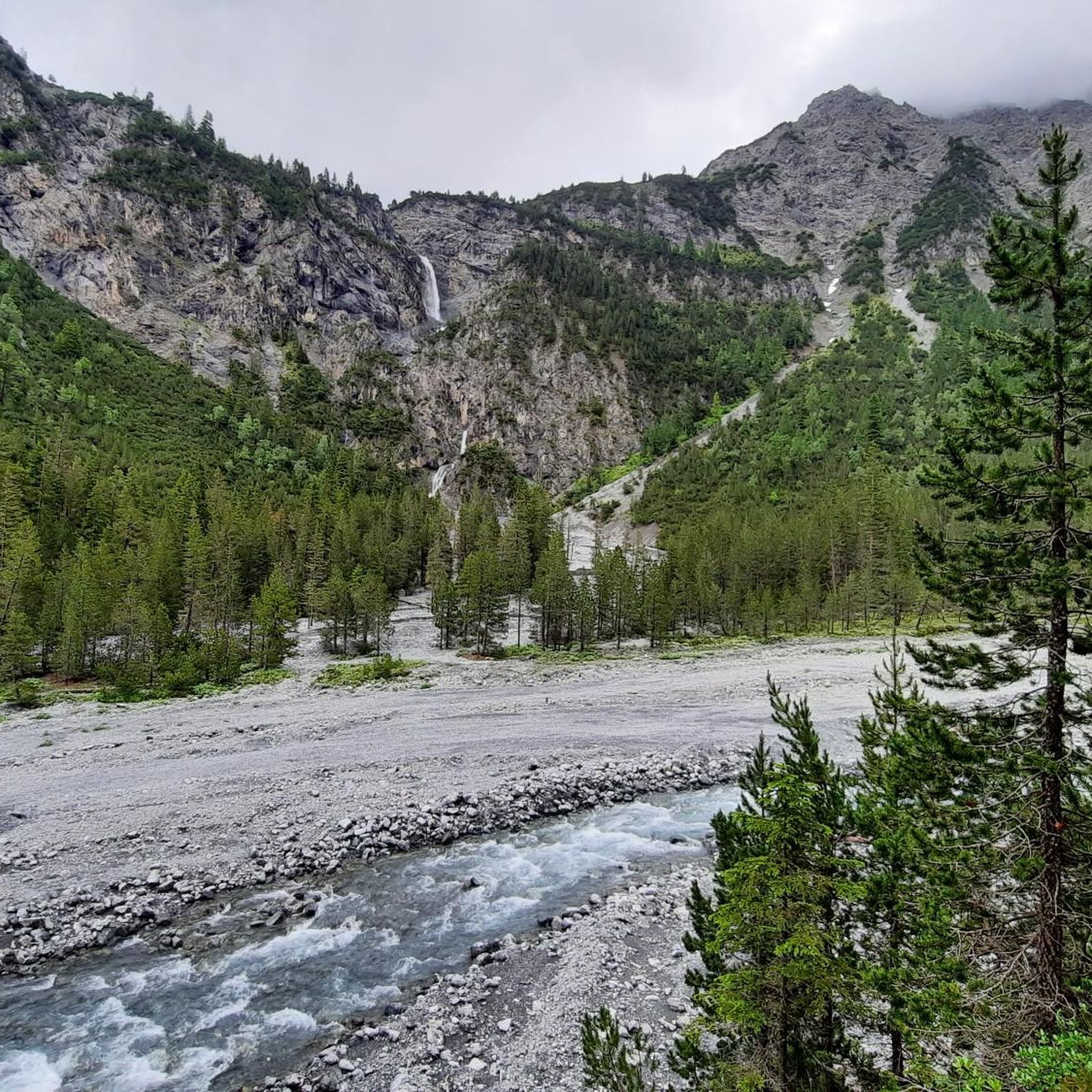
Hiking around Albula/Alvra
Cycling around Albula/Alvra

Gravel biking around Albula/Alvra
Other adventures around Albula/Alvra


Tips from the Community


This castle is located 250m above the Oden valley. It is privately owned and is very well preserved. Inside there is seating and a fireplace. Entrance fee is 5 francs to help maintain this beautiful castle.
1
0

The ruins are great to look at.
6
0

The Höhen Rätien Castle is a hilltop and church castle high on the rock at an altitude of 946 metres above the entrance to the Viamala Gorge. It is located in Sils im Domelschg Hinterrhein Graubünden. It is one of the oldest cultural and settlement sites in Switzerland.
3
0
Rietberg Castle stands above Pratval in Doleschg Graubünden. It was built in 1225 as a hilltop castle at an altitude of 723 metres.
0
0

Rätia Ampla Castle in Riom The Romans already had a settlement in Riom. In the early Middle Ages, a royal court developed. Following the episcopal bailiffs, the land bailiffs lived in what was then one of the largest castles in the canton of Graubünden. After the village fire in 1864, all the wood from the fortress was used to rebuild the village. Until 1977, when a roof was rebuilt, the castle eked out a miserable existence as a ruin. Today's theater house houses Graubünden's largest theater and cultural festival. The Origen Festival takes place every summer in July and August. Rätia Ampla Castle in Riom was probably built around 1250. It quickly changed hands from the old lords to the Bishop of Chur. In 1552, the valley was bought free from episcopal rule. The castle was used as a conference venue and as a prison. Text / Source: Tourism Savognin Bivio Albula AG, Stradung 42, 7460 Savognin https://www.valsurses.ch/de/excursions/burg-riom
12
0
Rätia Ampla Castle in Riom Rätia Ampla Castle in Riom is the largest castle in Surses. After the village fire in 1864, all of the fortress's wood was used to rebuild the village. The former bishop's castle, built in 1227, can be viewed from the outside. Text / Source: Tourismus Savognin Bivio Albula AG, Stradung 42, 7460 Savognin https://www.valsurses.ch/de/ausflugsziele/burg-riom
12
0
Fürstenau - town in miniature An episcopal Meierhof as the origin of Fürstenau The episcopal power in Domleschg was probably already developed in the epoch of the Frankish Empire, in the first millennium. The incompletely preserved Reichsurbar (list of goods and taxes of the imperial rule) from 831 shows that a ministry Tumliasca (bishop's administrative apparatus Domleschg) existed. This faced a vicedominus with judicial authority. It is conceivable that the episcopal administration was originally based in Hohenrätien ob Sils i.D. had, but had been moved to one of the three Carolingian royal courts of Scharans, Almens and Tomils early on. Presumably an administrative officer (Meier) of the bishop took up residence in Baumgartenland Maros near Fürstenau. The name Maros goes back to the Latin word ad majoranem, the accusative of maiora (= dairy farm or farmstead). From this, the name Mairaus developed via ad maioranes, which as a name for Fürstenau first appears in documents in the first half of the 12th century. The development of the city In the course of the 14th century, the sovereign large castle acquired a modest urban character as a result of the denser settlement of the outer bailey. A document from 1383 testifies that the main castle was in front of the bridge to a bailey (lat. atrium). Peasant and artisan subjects lived here, who were responsible for the supply of the lords of the castle, and, as the House of Stoffel shows, apparently also knightly servants. Architectural and political developments are interrelated. In the middle of the 14th century, the diocese of Chur not only managed to obtain market privileges, but also a place of jurisdiction for blood justice. King Charles IV had Bishop Ulrich V (1331-1355) present a diploma on May 13, 1354, which gave Fürstenau the right to jail, sticks and gallows, as well as the holding of two annual markets on St. Michael's and St. George's Day . This meant that Fürstenau had also become a city in a legal sense. Its expansion from 1354 coincides with that of the castle mentioned in 1272. The town was not only of great importance as a trading and market place, it had also risen to become the center of princely possessions in the upper part of the Domleschg. So the castle has clearly proven itself as a strong attraction. Around 1300, a territorialization process began in the Graubünden area, which had a significant influence on political events up until after 1450. Noble dominions such as that of the Lords of Rhäzüns supplemented or overlaid the episcopal dominion. Neither party had a closed territory. As early as the first half of the 14th century, Fürstenau was drawn into the maelstrom of the episcopal power struggles. The few surviving documentary mentions of Fürstenau should be seen in this context: In 1333 the bishop promised the lords of Rhäzüns 1000 marks, four hundred of them through Fürstenau Castle, which was then pledged. In 1347 the castle served as security so that the bishop would go back into the captivity of the Count of Tyrol, from which he had been released. Fürstenau was then handed over to Walter von Stadion. In 1351 an arbitral tribunal had to decide the dispute over Fürstenau Castle between the bishop and the Counts of Montfort. Finally, in 1367, Fürstenau was occupied by the cathedral chapter and the bishop's vassals. In 1387 it regained great importance in connection with the expansion of the Septimer Pass by Johann von Castelmur. Text: City of Fürstenau https://www.fuerstenau.ch/Portrait/History/
13
0
Frequently Asked Questions
What is the historical significance of the castles in the Albula/Alvra region?
The castles in Albula/Alvra offer a deep dive into medieval history. For instance, Burg Riom, built around 1240, was a significant seat for regional bailiffs and later became the largest secular building of the late Middle Ages in Graubünden. Burg Belfort, constructed around 1220-1230, served as the main residence for the powerful Lords of Vaz. Other sites like View of Hohen Rätien Castle Ruins also boast a special history, sitting high above Thusis.
Are there any castles in Albula/Alvra that have been repurposed for cultural events?
Yes, Riom Castle (Riom Castle) is a prime example. Since 2006, its palas has housed a theater with 220 seats, serving as the primary venue for the annual Origen Festival Cultural, a significant Romansh cultural festival held in July and August. Visitors can explore its history and attend these cultural events.
What kind of views can I expect from the castle ruins in Albula/Alvra?
Many castle sites in the region offer impressive views. For example, the ruins of Burg Belfort provide a wonderful panorama over the Albula Valley. Similarly, the View of Hohen Rätien Castle Ruins offers a great vantage point from the Via Spluga, overlooking the ruins high above Thusis.
Are there family-friendly activities or features at the castles in Albula/Alvra?
While specific family programs vary, some castle ruins offer features that enhance a family visit. Burg Belfort, for instance, has a picnic spot with a grill and a carefully maintained herb garden within its ruins, located along the cultural path of Brienz/Brinzauls. Exploring the preserved architectural elements and imagining medieval life can be an engaging activity for all ages.
What are the best times of year to visit the castles in Albula/Alvra?
The summer months, particularly July and August, are ideal for visiting, especially if you wish to experience cultural events like the Origen Festival at Riom Castle. The weather is generally pleasant for exploring ruins and enjoying outdoor activities. Spring and autumn also offer beautiful scenery and fewer crowds, though some facilities might have reduced hours.
Can I find hiking trails near the castles in Albula/Alvra?
Yes, the Albula/Alvra region is excellent for combining castle visits with hiking. For example, Burg Belfort is located along the cultural path of Brienz/Brinzauls. You can find various hiking trails throughout the region, including Mountain Hikes around Albula/Alvra with routes like the 'Cliffside Ladder loop'. These trails often lead to or pass by historical sites and offer scenic views.
Are there options for cycling near the castles?
Absolutely. The Albula/Alvra region provides numerous cycling opportunities that can be combined with castle visits. You can explore routes like the 'Julier Pass – Tiefencastel loop' or the 'Albula Gorge' routes, which are part of the Cycling around Albula/Alvra guide. These routes offer a chance to see the natural beauty and historical landmarks of the area.
What facilities are available at the castle ruins, such as Cagliatscha?
Some castle ruins, like Cagliatscha Castle Ruins in Andeer, are noted as pleasant rest areas. While extensive facilities might not be present at all ruins, you can often find spots for picnicking or simply enjoying the historical atmosphere and views.
How can I access the castles in Albula/Alvra using public transport or parking?
Specific access details vary by castle. For Riom Castle, it's situated below the village of Riom, which is generally accessible. Burg Belfort is on a ridge east of Brienz/Brinzauls. It's advisable to check local public transport schedules to nearby villages and parking availability for each specific castle you plan to visit. Many sites are reachable via short walks from local transport stops or parking areas.
What are some lesser-known but interesting castles or ruins in the region?
Beyond the more prominent sites, the region also features other historically rich locations. Rietberg Castle, for example, was the seat of the Lords of Rietberg and has a fascinating history involving various noble families and significant events like the murder of Pompejus Planta. Schauenstein Castle in Fürstenau also holds historical importance as an episcopal Meierhof and later a fortified town.
Are there any dog-friendly trails or areas around the castles?
While specific dog policies for castle interiors may vary, the surrounding natural areas and many hiking trails in Albula/Alvra are generally dog-friendly. You can find numerous trails suitable for walks with your dog, allowing you to explore the scenic landscapes and approach the castle ruins from the outside. Always ensure your dog is on a leash and you clean up after them.
What kind of natural features can I expect to see near the castles?
The castles in Albula/Alvra are often nestled within stunning natural landscapes. You'll encounter picturesque valleys like the Albula Valley, dramatic cliff ridges, and lush forests. Many castle ruins, such as Burg Belfort, are strategically located to offer expansive views of the surrounding mountains and valleys, making them excellent viewpoints.
Most popular routes around Albula/Alvra
Most popular attractions around Albula/Alvra

Get inspired with the komoot mobile app


Explore more
Looking for the best castles somewhere else? Discover other guides around Albula/Alvra:
