The 3 Most Amazing Peaks around Nierstein
Mountain peaks around Nierstein feature prominent hills and vineyard elevations that define the local landscape. These locations offer panoramic views, historical significance, and a unique viticultural experience. The region is characterized by its distinctive geology, including areas like the "Roter Hang" with its red clay slate. Visitors can explore ancient ruins, medieval towers, and expansive vineyards.
Best mountain peaks around Nierstein
- The most popular mountain peaks is Petersberg Viewpoint and Basilica Ruins, a viewpoint that stands at a summit…
Last updated: October 4, 2026
Herrgottspfad to Petersberg Summit
Highlight • Trail
Translated by Google •
Tip by

Petersberg Viewpoint and Basilica Ruins
Highlight • Viewpoint
Showing Translation
Tip by

Sign up now to discover places like this
Get recommendations on the best single tracks, peaks, & plenty of other exciting outdoor places.
Laubenheimer Höhe Monument
Highlight • Monument
Translated by Google •
Tip by

Gickelsberg
Highlight • Natural
Translated by Google •
Tip by

Start today with a free account
Your next adventure awaits.
Popular around Nierstein
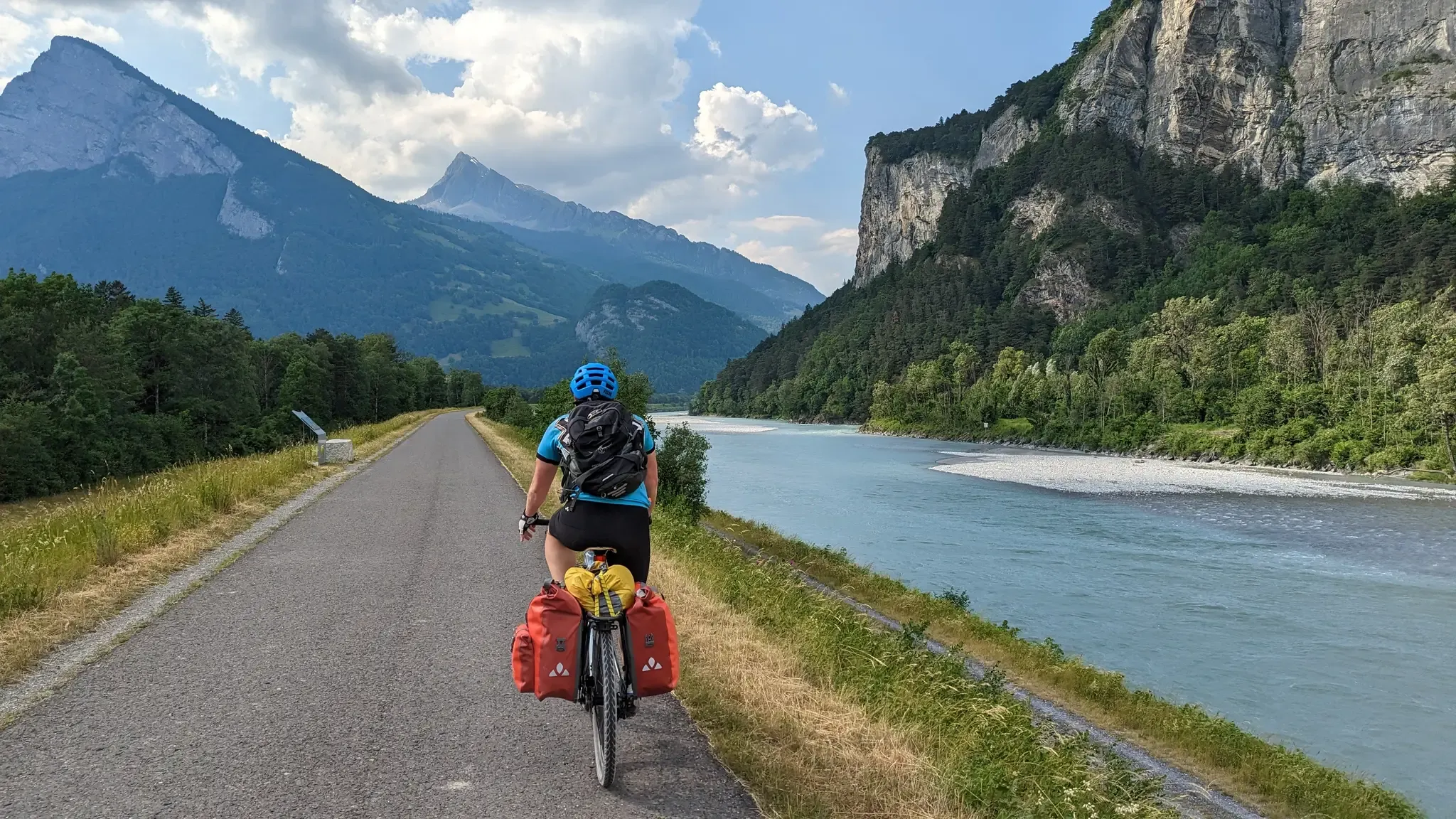
The Rhine Cycle Path — From the source to the North Sea
Peak tour through Germany: the highest pass and mountain roads

Rheinhessen mit Aussicht - Die schönsten Panoramatouren in Rheinhessen
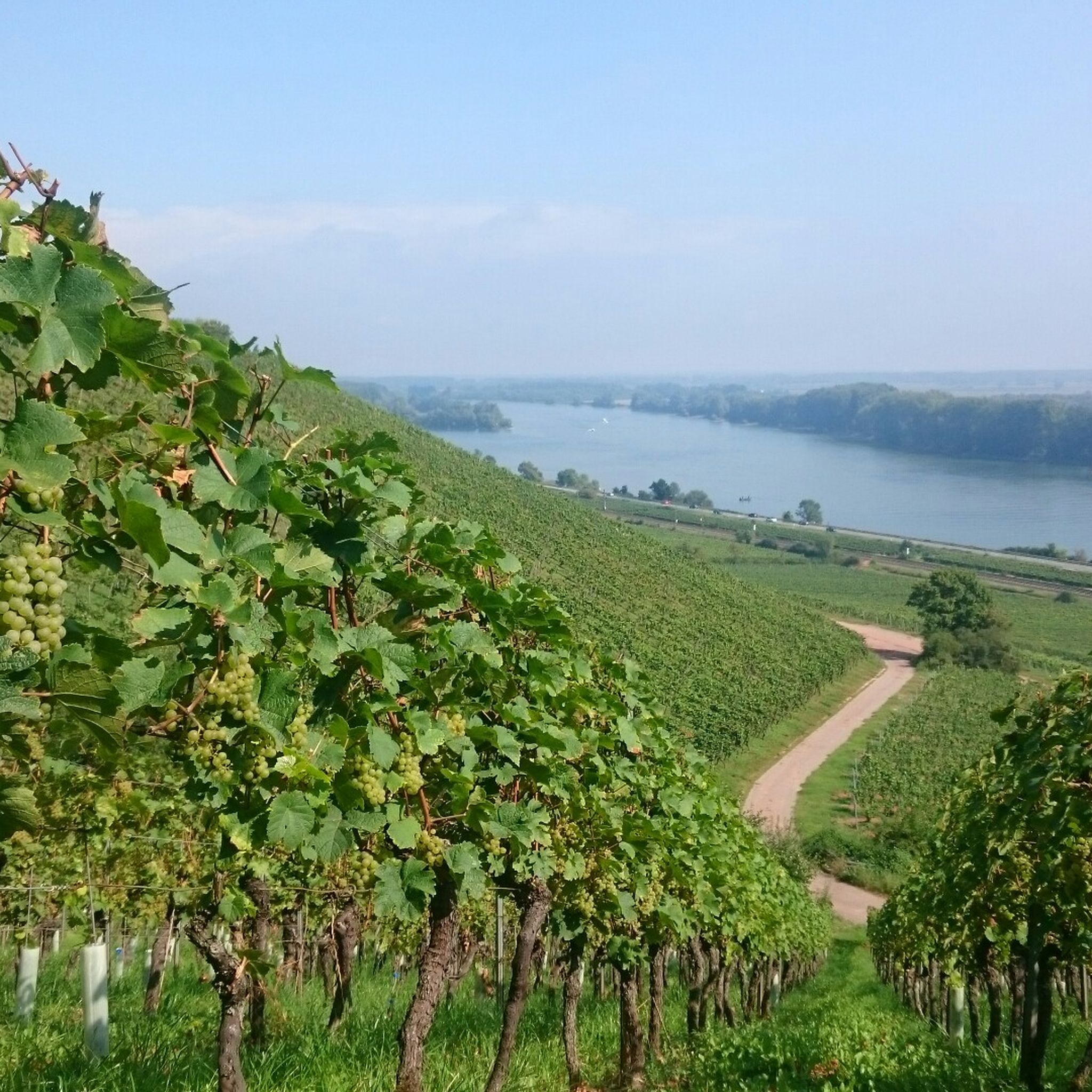
Hiking around Nierstein
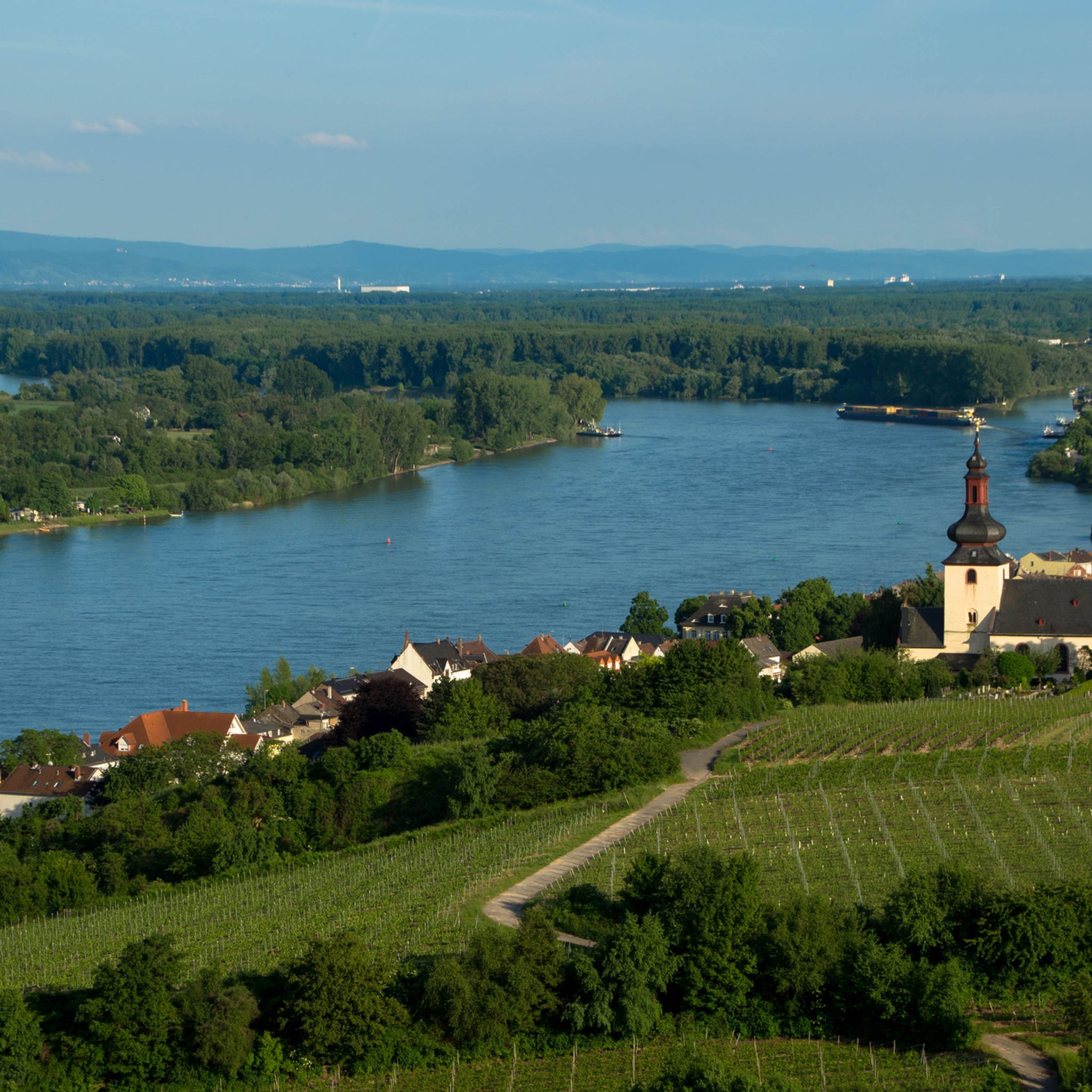
Cycling around Nierstein
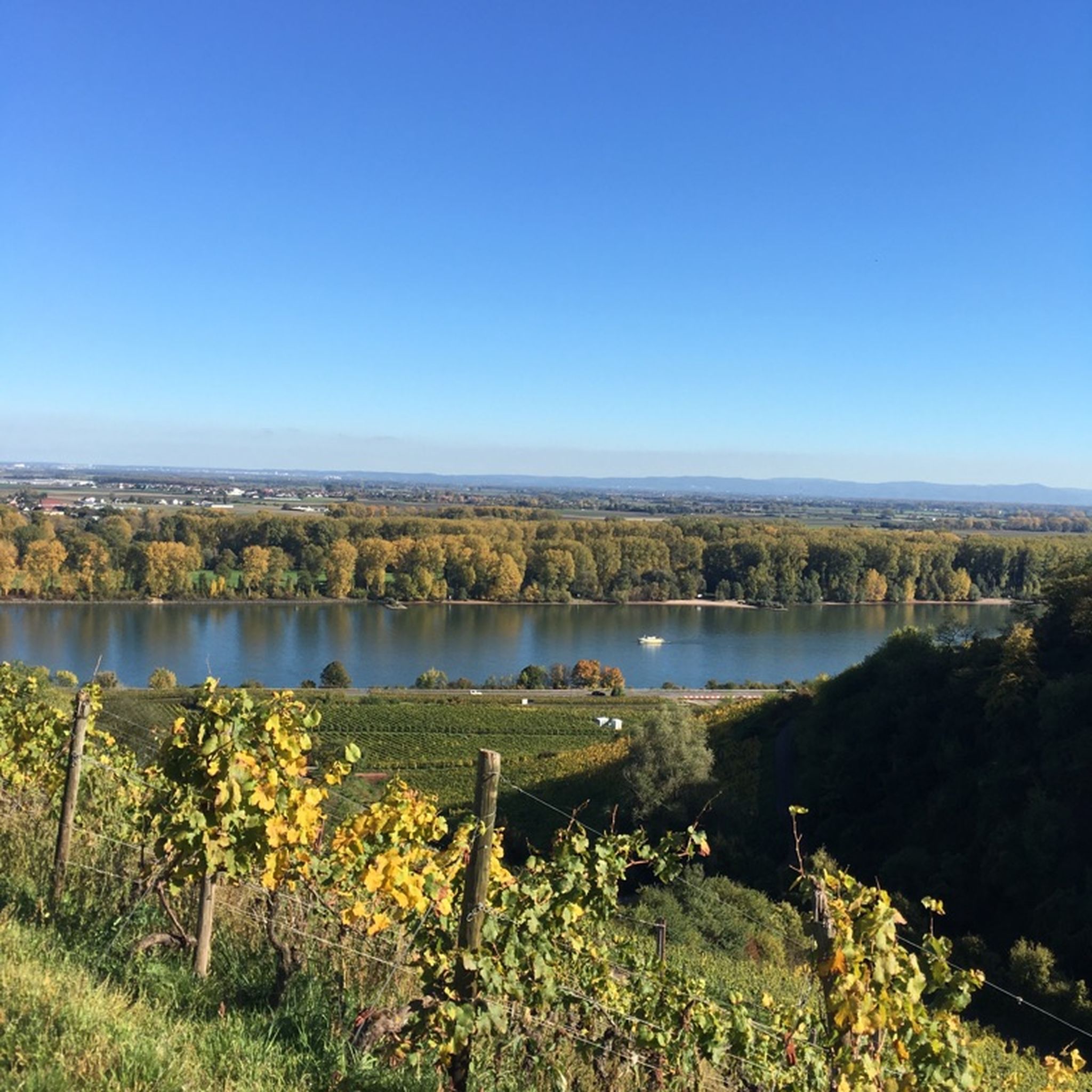
Road Cycling Routes around Nierstein
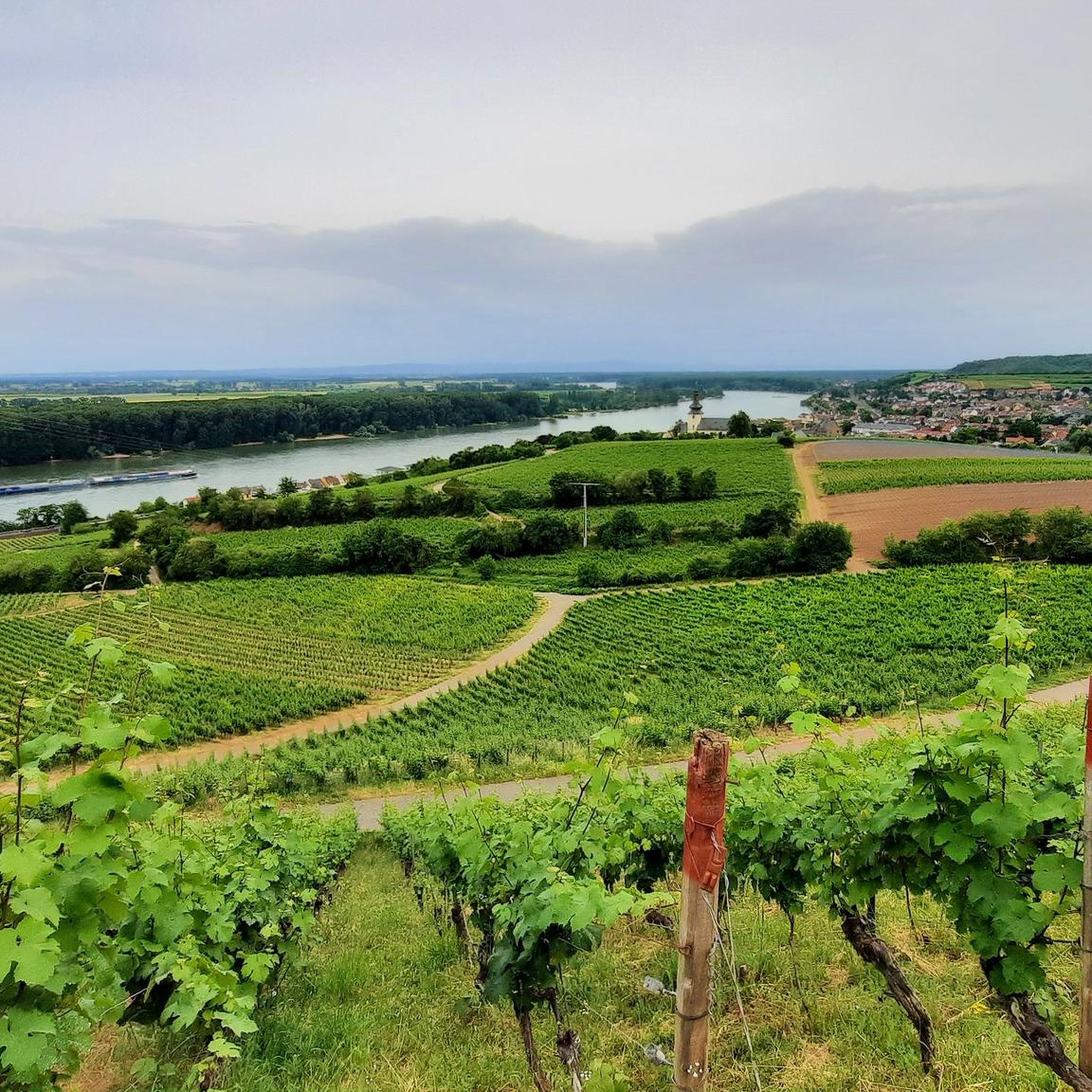
Running Trails around Nierstein
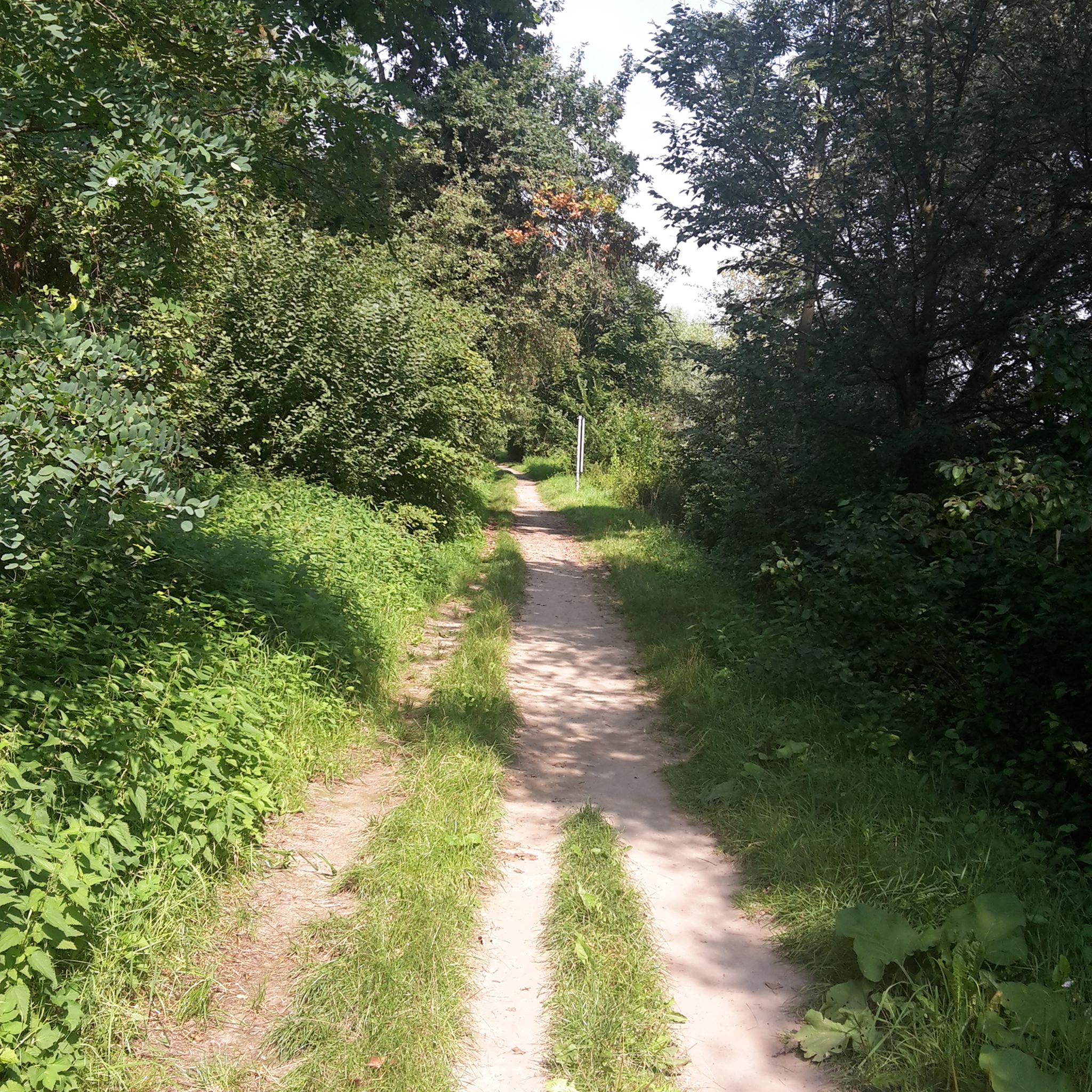
MTB Trails around Nierstein

Gravel biking around Nierstein
Other adventures around Nierstein


Tips from the Community

Inscription on a monumental natural stone and a beautiful rest area.
1
0

Firstly, from there, you have a wonderful panoramic view of the surrounding Rhenish-Hessian villages. At 245 m, the Petersberg is one of the defining hills of the Mainz Basin, as Rhenish-Hessian is known geologically. Unlike the other table mountains of the Rhenish-Hessian hills with their limestone caps, the Petersberg lacks these. In rainy seasons, this leads to landslides on the slopes due to water penetrating between the marl and sand layers – as in other places in the Mainz Basin. At the top of the Petersberg, you can still see the remains of the 10th-century surrounding wall of St. Peter's Church. The legend of the Three Sisters surrounds this church, as well as the pilgrimage chapel on the Nazarienberg in Mommenheim and the mountain church in Udenheim.
0
0

The narrow grass path was quite overgrown and was therefore not at all pleasant to walk on
1
0

The Herrgottspfad to Petersberg is part of the Way of St. James. Markings can be found before the ascent, opposite the former viewing bench
0
0

Monument with a rest area, but it is right on the road
2
0
The highest point in Mainz
2
0

Nice way up to Petersberg. Nice to see everything green and blooming in spring.
0
0

The Gickelsberg is an elevation that is approx. 2 to 3 meters higher than the surrounding area and is partly overgrown and is apparently mainly based on sand. Quite hidden in the Bauschheim Forest, smaller children can enjoy descents there in winter with sledges and otherwise with two-wheelers.
3
0
Frequently Asked Questions
What are some of the most popular peaks around Nierstein?
The region around Nierstein features prominent elevations that offer stunning views and unique experiences. Among the most popular are the Petersberg Viewpoint and Basilica Ruins, known for its historical significance and panoramic vistas, and the Laubenheimer Höhe Monument, which is the highest point in Mainz and offers great views of the Rhine Valley.
Are there family-friendly mountain walks around Nierstein?
Yes, several peaks and their surrounding trails are suitable for families. The Petersberg Viewpoint and Basilica Ruins is considered family-friendly, offering an accessible experience with historical interest. Additionally, the Laubenheimer Höhe Monument and Gickelsberg are also noted as family-friendly, with the Gickelsberg being a fun spot for children to sled in winter. For more options, explore the Family-friendly hikes around Nierstein guide.
What natural features can I see on Nierstein's peaks?
Nierstein's prominent elevations offer a variety of natural features. The Petersberg is geologically distinct and hosts the largest collection of wild tulips north of the Alps at its southern foot. The Niersteiner Brudersberg and Ölberg are part of the renowned 'Roter Hang' area, characterized by its unique red clay slate soil (Rotliegendes) and steep vineyard slopes. The Gickelsberg is a forested elevation, offering a natural setting for exploration.
What cultural or historical sites are located on Nierstein's peaks?
The Petersberg is home to the ruins of St. Peter's Church, a significant three-aisled basilica from the 10th century, and is associated with the legend of the Three Sisters. The Laubenheimer Höhe Monument also has historical significance. Within the Niersteiner Ölberg vineyard, you can find the Wartturm, a medieval signal tower dating back to the 12th century, adding a cultural point of interest amidst the vineyards.
What are the best viewpoints in the Nierstein mountains?
For breathtaking panoramas, the Petersberg Viewpoint and Basilica Ruins offers fantastic views over Rheinhessen and the Taunus mountains. The Niersteiner Brudersberg was recognized as the 'Most Beautiful Wine View' in Rheinhessen in 2012, providing expansive vistas across to Ried in Hessen, Frankfurt, the Taunus mountains, and the Odenwald. The Laubenheimer Höhe Monument also provides a good view of the Rhine Valley.
What outdoor activities can I do near these mountain peaks?
The area around Nierstein's peaks is excellent for various outdoor activities. You can enjoy extensive hiking, with routes like the Rheinterrassenweg passing through the vineyards. Gravel biking is also popular, with challenging and moderate routes available. For detailed routes and guides, check out Hiking around Nierstein and Gravel biking around Nierstein.
Are there hiking trails near these mountain peaks?
Absolutely. The peaks around Nierstein are integrated into a network of hiking trails. The Rheinterrassenweg, for instance, offers scenic hiking through the vineyards of the Niersteiner Brudersberg and Ölberg. The Herrgottspfad to Petersberg Summit is a notable trail with great views. You can find many more options in the Hiking around Nierstein guide, including circular routes of varying distances and difficulties.
What is the best season for hiking Nierstein mountains?
The Nierstein region is beautiful throughout many seasons. Spring is ideal for witnessing the wild tulips at the Petersberg's foot. Summer and early autumn offer pleasant weather for hiking through the vineyards, especially during harvest season when the landscape is vibrant. The views are generally rewarding in clear weather, regardless of the season.
What is the Niersteiner Brudersberg known for?
The Niersteiner Brudersberg is famous for its elevated vineyard, easily recognizable by the 'Roter Hang' inscription. It boasts a lookout point with benches and a waving flag, offering an expansive panorama. In 2012, its view was awarded the 'Most Beautiful Wine View' in Rheinhessen, making it a must-visit for scenic vistas and experiencing the renowned Riesling vineyards firsthand.
What makes the Niersteiner Ölberg unique?
The Niersteiner Ölberg is a distinctive single vineyard within the 'Roter Hang' area. It's characterized by its steep, south-southeast facing slopes, some reaching up to 60 percent gradient. The soil is primarily Rotliegendes, an iron oxide-containing, red shining clay slate, which contributes to the region's unique Riesling wines. The historical Wartturm, a 12th-century medieval signal tower, also stands within this vineyard.
What is the difficulty level of hiking trails to Nierstein's peaks?
Many trails leading to Nierstein's peaks are considered intermediate. For example, the Herrgottspfad to Petersberg Summit is described as a short, not particularly difficult climb, but with some steep sections. The Petersberg itself is also categorized as intermediate. While some ascents can be challenging, there are also easier, family-friendly options available, particularly on the Rheinterrassenweg.
What do visitors enjoy most about the Petersberg area?
Visitors consistently highlight the fantastic panoramic views from the Petersberg, often extending to the Taunus mountains. The historical significance of the basilica ruins and the medieval crypt also captivates many. The journey itself, especially the 'steep' ascent from Gau-Odernheim known as the Herrgottspfad, is appreciated for its narrow grass paths, great views, and opportunities for rest at long tables.
Most popular routes around Nierstein
Most popular attractions around Nierstein

Get inspired with the komoot mobile app


Explore more
See even more amazing summits around Nierstein with these guides:
