Top 3 Castles around Lannoy
Castles around Lannoy offer a glimpse into the historical landscape of this commune near Lille, France. Situated in the Nord department of the Hauts-de-France region, the area features sites ranging from historical residences to former defensive structures. While some are within Lannoy itself, others are located nearby, reflecting the region's rich past and cross-border historical connections. These locations provide opportunities to explore architectural evolution and historical events.
Best castles around Lannoy
- The most popular castles is Château de La Fontaine…
Last updated: July 2, 2026
Ruins of la Royère castle
Highlight • Castle
Translated by Google •
Tip by

Château de La Fontaine
Highlight • Castle
Translated by Google •
Tip by

Sign up now to discover places like this
Get recommendations on the best single tracks, peaks, & plenty of other exciting outdoor places.
Sign up for free
Templeuve Castle
Highlight • Castle
In 1278, Guillaume de Mortagne received the lordship of Rumez, which is now a hamlet within …
Translated by Google •
Tip by
Kasteel van Flers
Highlight • Other
Translated by Google •
Tip by
Moeskroen Castle
Highlight • Castle
Translated by Google •
Tip by

Sign up for free to discover even more castles around Lannoy.
Sign up for free
Already have an account?
Start today with a free account
Your next adventure awaits.
Login or Signup
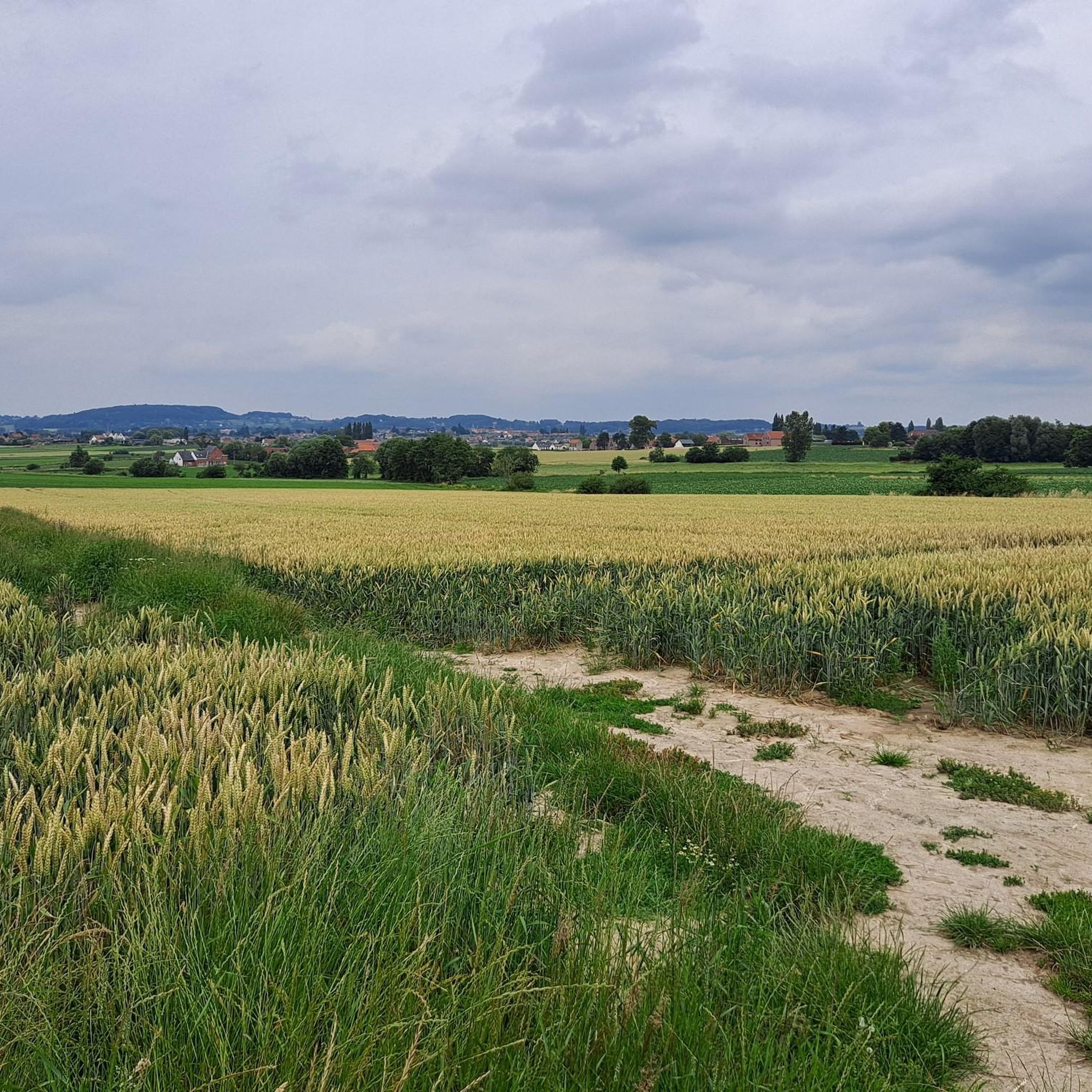
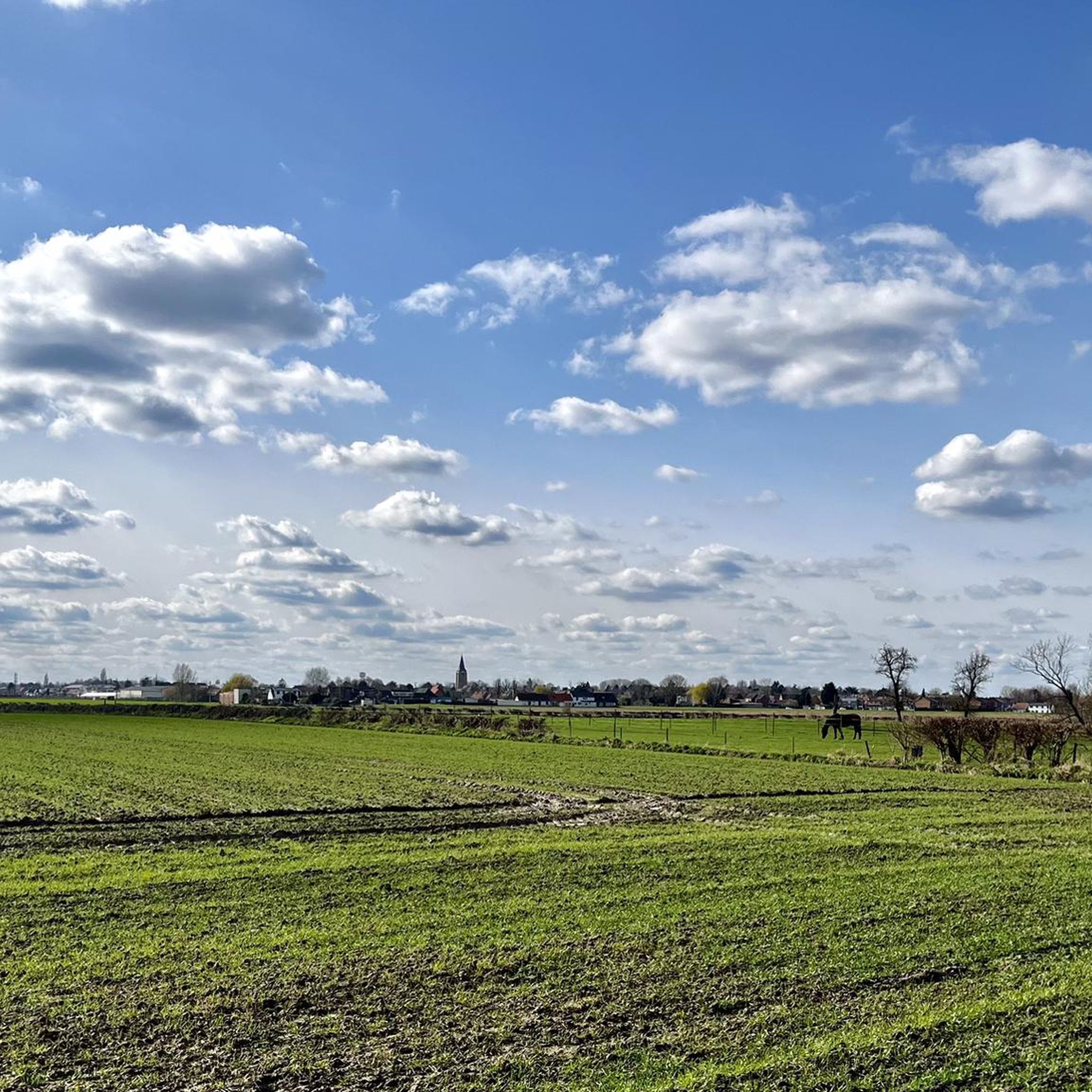

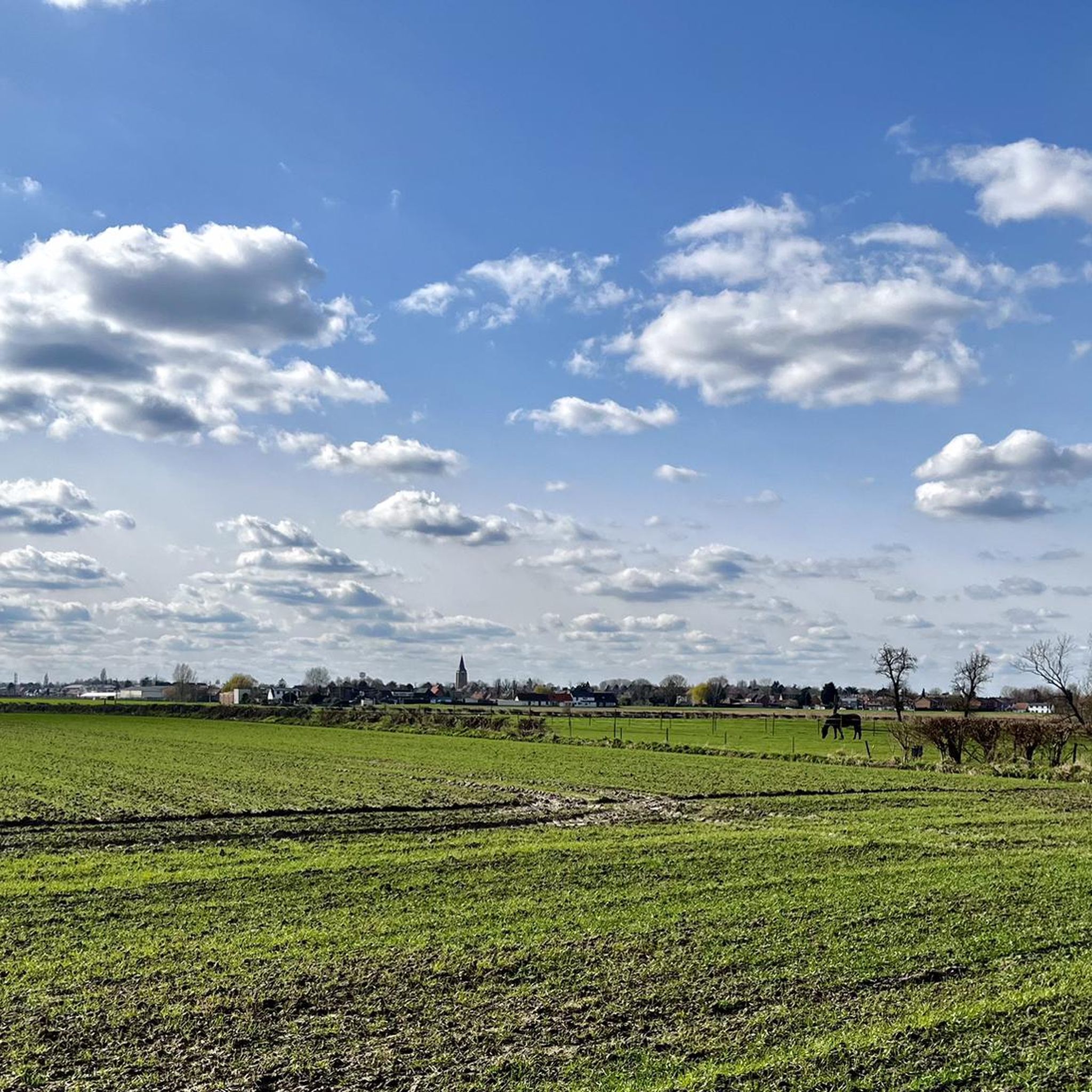
Tips from the Community

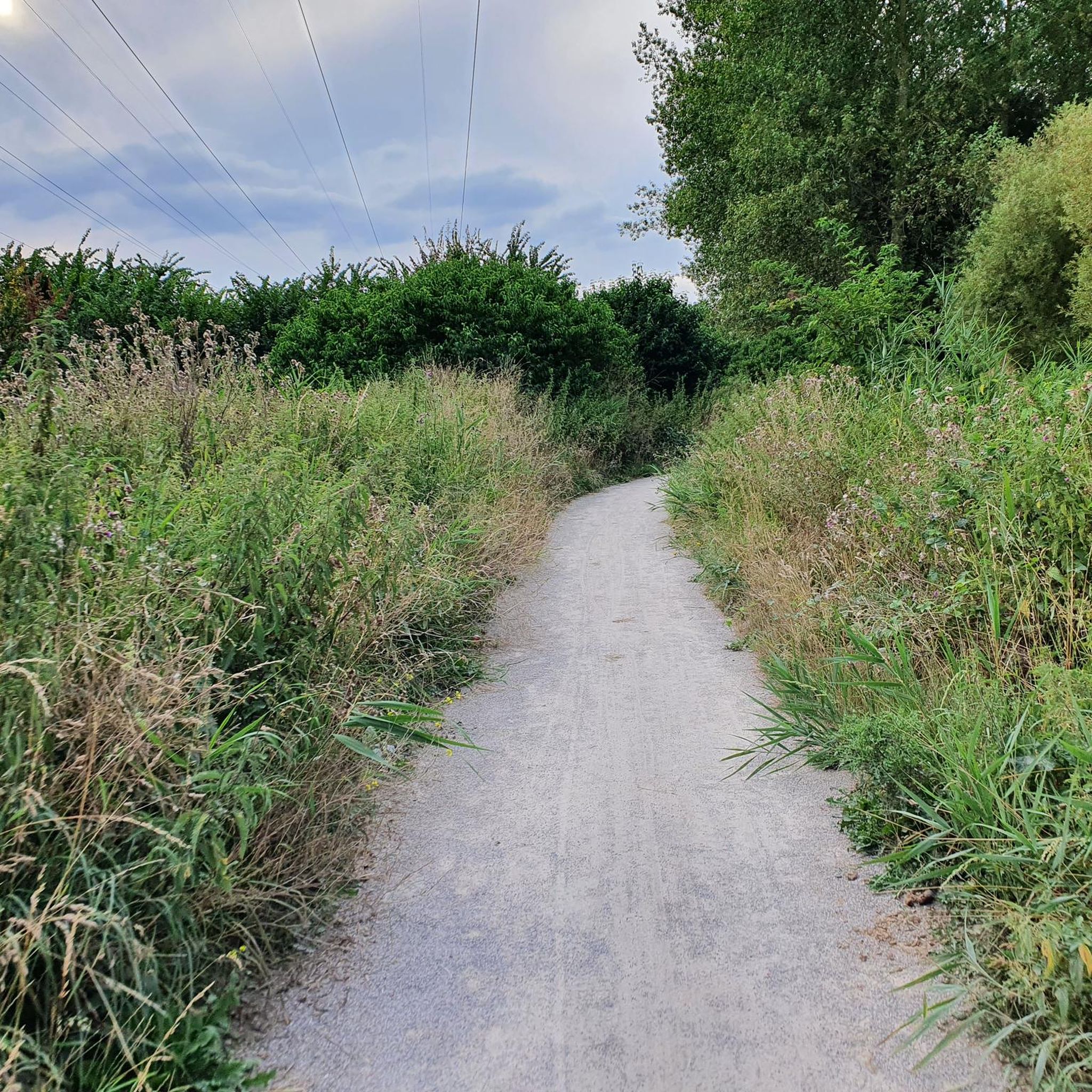
Nice, rolling section with no traffic.
0
0

The Castle of the Counts is the only example of monumental civil architecture from before the 19th century in Mouscron. Four great families of Seigneurs succeeded one another here over six centuries. Today, on this vast estate, you can still admire the Tournai-style castle, as well as a farmyard surrounded by the remains of outbuildings from the 16th and 17th centuries, and a site surrounded by moats. A self-guided walk around the moats offers you the opportunity to explore the entire estate. Two major historical events have left a lasting mark on local tradition and folklore: the visit of Charles V, who spent the night in the castle, and the atrocities of the famous Hurlus, followers of Luther (during the Wars of Religion) who pillaged the region, occupied the castle for three months, and stole its furnishings. Source: visitwapi.be
4
0
Today, the Camille Depinoy municipal school is partly housed in the castle (park).
3
0
The lordship of Templeuve is already mentioned at the end of the 13th century. In 1278, Guillaume de Mortagne received the lordship of Rumez, which is now a hamlet within the municipality. Guillaume was also lord of Dossemer, near Templeuve. It is assumed that he also received the lordship of Templeuve from there. In any case, his son, Guillaume II, gave it to his wife as a dowry in the early 14th century. Dossemer and Templeuve remained in the hands of the Mortagne family until the end of the 14th century. This family presumably gradually expanded the manor, thus laying the foundation for the first fortified castle in Templeuve-en-Dossimer. In 1414, only Templeuve came into the possession of the du Quesnoy family. The Blondel and finally the Lannoy families followed. Around 1500, the castle likely became a manor house and a farm. The evolution of military weapons led the lords to demolish the old, cumbersome fortress and replace it with a lavish and modern residence. Out of respect for feudal traditions, which would continue for another two centuries, the moat was preserved, but the drawbridge was replaced by a permanent stone bridge. Originally, moats ran along all sides of the castle. The moat surrounding the castle on the east side was removed in 1845 by Victor de Formanoir de la Cazerie. The towers, a privilege of the noble lord, are preserved more as decoration than as a means of defense, as is the quadrangular shape, which was once dictated by military necessity. In short, its appearance as a 'castle' or 'fort' is more defined by tradition and grandeur than by military function. Source: Wikipedia
3
0
However dilapidated the castle may be, the future promises improvement: The current owners of the castle, Pierre and Annie Moulin-Duthoit and their children, are responsible for its restoration, particularly Olivier Moulin, who wrote a thesis on this heritage at the end of his architectural studies. ...that's why you can see signs of construction work from a distance (approaching close is not permitted). Source: leershistorique.fr
2
0
The Château de Royères, probably around 1100, was a feudal motte with a wooden tower and a retractable walkway... which Havide de Néchin brought as a dowry to Lambert de Wattrelos. The inhabitants of Tournai submitted to Philip II Augustus. The Tournai region would belong to the French royal family for over 300 years (1187-1521). La Royère is located in the Château de Lille, in the Flanders region, on the hills of Leers and Néchin, on the edge of the Wattines forest, on the border with Tournaisis: it is the castle of the border. In 1227, it was probably a feudal motte with a stone tower that was purchased by Arnoul IV. Wealthier than the seller Hugues de Roubaix, he may have had Tournai's stone walls built. From 1500 onwards, the lords of Roubaix also became lords of La Royère through marriage: the de Werchin and the de Melun. Pierre de Melun, governor of Tournai, lord of Roubaix and La Royère, and a Protestant supporter, was considered civilly dead by Philip II, the Catholic king. His possessions passed to the Ligne family through Anne de Melun. As a supporter of the Edict of Nantes (Henry IV, 1598), Louis XIV returned La Royère to the de Melun family. This led to family disputes: the property first went to the de Ligne family and then back to the de Melun family. A Crombez from Tournai bought La Royère, 35 hectares (Popp map circa 1850). Miss Crombez de Remond de Montmort married Count Ferdinand Costa de Saint-Gérix de Beauregard… Everything was then sold to farmers. Source: leershistorique.fr
2
0
The Château de Flers, bearing the date "1661" on its facade, was originally the residence of the Lords of Flers. It was destroyed during the French Revolution of 1789, but not confiscated because it belonged at that time to a foreign nobleman, the Baron de Diesbach. In the 19th and 20th centuries, the château enjoyed a second life as a farm: the salon, apartment, and reception hall were converted into a barn, cowshed, and stables. In 1968, with a view to the development of a new town east of Lille, the château was expropriated by the state and, in 1973, entrusted to the Public Institution for the Development of the New Town of Lille-East. The municipality of Villeneuve-d'Ascq became the owner in 1986. They completed the restoration of the building, which had been entrusted from the outset to architect Maurice Salembier. After restoring its 17th-century appearance, the Château de Flers began a third life as a municipal building in 1991. Today, it houses various services, the tourist office, rooms for official receptions, and a museum. Source: Information board on site
0
0

Marcel Marlier Centre "Draw Me, Mart" https://www.mouscron.be/fr/centre-marcel-marlier/accueil
1
1
Frequently Asked Questions
What types of castles can I explore around Lannoy?
The area around Lannoy offers a diverse range of historical sites, from the ruins of ancient feudal mottes to renovated châteaux and former defensive structures. You can find sites showcasing architectural evolution from medieval times to the 19th century, including the Château de La Fontaine with its 19th-century residence and 40-hectare park, and the Ruins of la Royère castle, which originated as a feudal motte around 1100.
Are there any castles directly within Lannoy itself?
Yes, within Lannoy, you can find the site of the former Château du Prévôt, which is now home to the town hall and the beautifully maintained Parc du Prévôt. While the original defensive tower no longer stands, the park offers a relaxing green space and a connection to the town's historical foundations. Additionally, the Château de Courcelette, a unique residence, is located right in the center of Lannoy and has been converted into a bed and breakfast.
Which castles are family-friendly around Lannoy?
Several castles in the region are suitable for families. The Château de La Fontaine features a large 40-hectare park, offering space for children to explore. The Templeuve Castle, with its Flemish Gothic style and preserved moats, also provides an interesting historical setting for a family visit. The Parc du Prévôt in Lannoy, on the site of the former Château du Prévôt, is another family-friendly green space.
Can I visit the historic Château de Lannoy in Belgium?
Yes, the Château de Lannoy, also known as Anvaing Castle, is located in Frasnes-lez-Anvaing, Belgium, very close to the French border. This significant historical residence is still owned by the de Lannoy family. It features magnificent gardens inspired by André Le Nôtre and an English-style park. You can find more historical context about the de Lannoy family on Wikipedia and details about the castle on Wikipedia.
Are there opportunities for outdoor activities near these castles?
Yes, the region around Lannoy offers various outdoor activities. For road cycling, you can explore routes like the 'Warcoing Bridge – Espierres Canal loop' or the 'Château de la Royère – Mont-Saint-Aubert loop'. If you prefer running, there are trails such as the 'Running loop from Hem' or the 'Lac du Héron loop'. For general cycling, consider the 'In single file – Léaucourt and Its Marshes loop'. You can find more details and routes in the Road Cycling Routes around Lannoy, Running Trails around Lannoy, and Cycling around Lannoy guides.
What is the history behind the <a href="https://www.komoot.com/highlight/2783156" target="_blank" rel="noopener">Ruins of la Royère castle</a>?
The Ruins of la Royère castle has a rich history dating back to around 1100, when it was a feudal motte. It served as a border castle in the Flanders region. Over centuries, it passed through various noble families, including the de Wattrelos, de Roubaix, de Werchin, de Melun, and de Ligne. The site is currently undergoing restoration by its owners, with visible construction work.
What can I expect at the <a href="https://www.komoot.com/highlight/1826355" target="_blank" rel="noopener">Château de La Fontaine</a>?
The Château de La Fontaine in Croix is a majestic 19th-century residence set within a 40-hectare park. While its architecture dates from the Middle Ages, it was rebuilt after the First World War. It now houses the Institut Fontaine, focusing on well-being and permaculture. Visitors can explore the park and admire the castle's architecture. You can find more information about visiting this location on Lille Tourism.
Is the <a href="https://www.komoot.com/highlight/7108433" target="_blank" rel="noopener">Templeuve Castle</a> still a functioning castle?
The Templeuve Castle, also known as the Formanoir de la Cazerie Castle, is an old feudal castle in Flemish Gothic style. While it originated as a fortified house in the late 13th century, it evolved into a manor house around 1500. The moats have been preserved, but its towers are now more decorative than defensive. Today, part of the Camille Depinoy municipal school is housed within the castle park.
What is the <a href="https://www.komoot.com/highlight/8183635" target="_blank" rel="noopener">Kasteel van Flers</a> and its current use?
The Kasteel van Flers, dating back to 1661, was originally the residence of the Lords of Flers. After being destroyed during the French Revolution, it served as a farm in the 19th and 20th centuries. Following restoration to its 17th-century appearance, it began a third life in 1991 as a municipal building. Today, it houses various services, the local tourist office, rooms for official receptions, and a museum.
What is unique about <a href="https://www.komoot.com/highlight/4603127" target="_blank" rel="noopener">Moeskroen Castle</a>?
The Moeskroen Castle, or Castle of the Counts, is the only example of monumental civil architecture from before the 19th century in Mouscron. It replaces an earlier castle from around 1300. Four great families of Seigneurs succeeded one another here over six centuries. The estate features a Tournai-style castle, remains of 16th and 17th-century outbuildings, and is surrounded by moats, which you can explore on a self-guided walk. It also notably hosted Charles V and was occupied by the Hurlus during the Wars of Religion.
Are there any castles near Lannoy that offer accommodation?
Yes, the Château de Courcelette, located right in the center of Lannoy, has been converted into a bed and breakfast. It offers a serene ambiance with a landscaped garden and south-facing guest rooms, providing a tranquil stay in the Lille metropolitan area. You can find more information about this accommodation option on Lille Tourism.
What is the best time of year to visit castles around Lannoy?
Visiting castles around Lannoy is enjoyable throughout the year, but spring and summer offer the best conditions for exploring the gardens and parks, such as the 40-hectare park at Château de La Fontaine or the landscaped gardens of Château de Courcelette. Autumn provides beautiful foliage, while winter can offer a quieter, more atmospheric experience, especially for historical sites like the Ruins of la Royère castle.
Most popular attractions around Lannoy

Get inspired with the komoot mobile app


Explore more
Looking for the best castles somewhere else? Discover other guides around Lannoy:
