The best gravel rides around Villanueva Del Río Y Minas
4.0
(2)
27
riders
8
rides
Gravel bike trails around Villanueva Del Río Y Minas traverse a diverse landscape, ranging from the mountainous Sierra Morena foothills to the plains of the Guadalquivir river. The region is characterized by varied topography, including the Rivera del Huéznar river and its fluvial park, as well as the unique Paraje Natural de los Arenales del Parroso. Routes often incorporate natural features like the Lago Azul, a flooded former coal mine, and historical sites from the area's mining heritage. This combination…
Last updated: November 2, 2026
3
riders
58.2km
04:07
870m
870m
Hard gravel ride. Very good fitness required. Mostly paved surfaces.
5.0
(1)
5
riders
60.2km
04:17
590m
590m
Hard gravel ride. Very good fitness required. Mostly paved surfaces.

3
riders
Hard gravel ride. Very good fitness required. Mostly paved surfaces.
3
riders
102km
06:57
1,110m
1,110m
Hard gravel ride. Very good fitness required. Mostly paved surfaces.
3
riders
88.7km
05:57
1,010m
1,010m
Hard gravel ride. Very good fitness required. Mostly paved surfaces.
Get access to more routes and recommendations from other explorers.
Already have an account?
Our route recommendations are based on thousands of hikes, rides, and runs completed by other people on komoot.
Start today with a free account
Your next adventure awaits.
Popular around Villanueva Del Río Y Minas
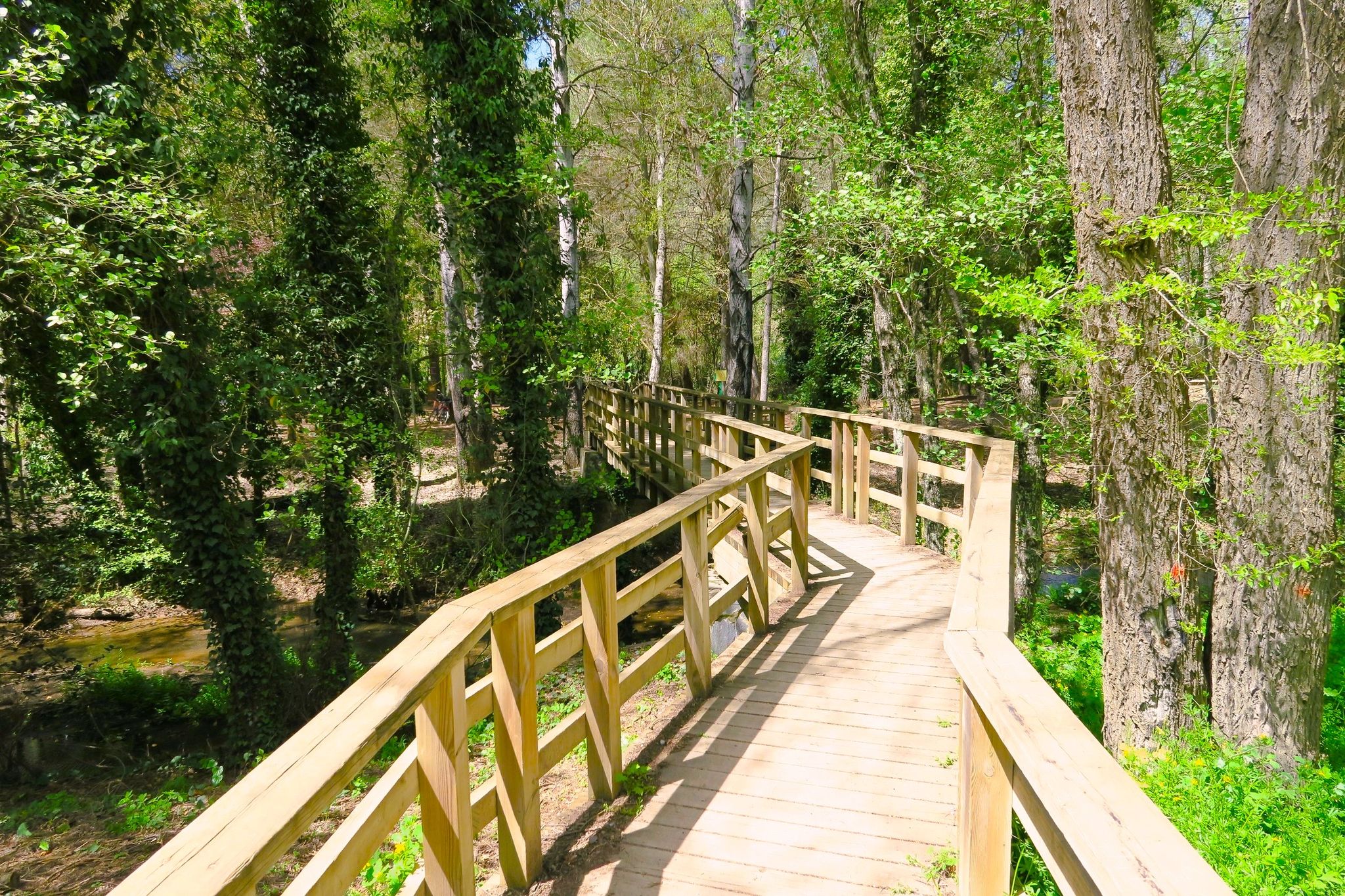
Land, culture, disconnection — Sierra Norte de Sevilla Natural Park
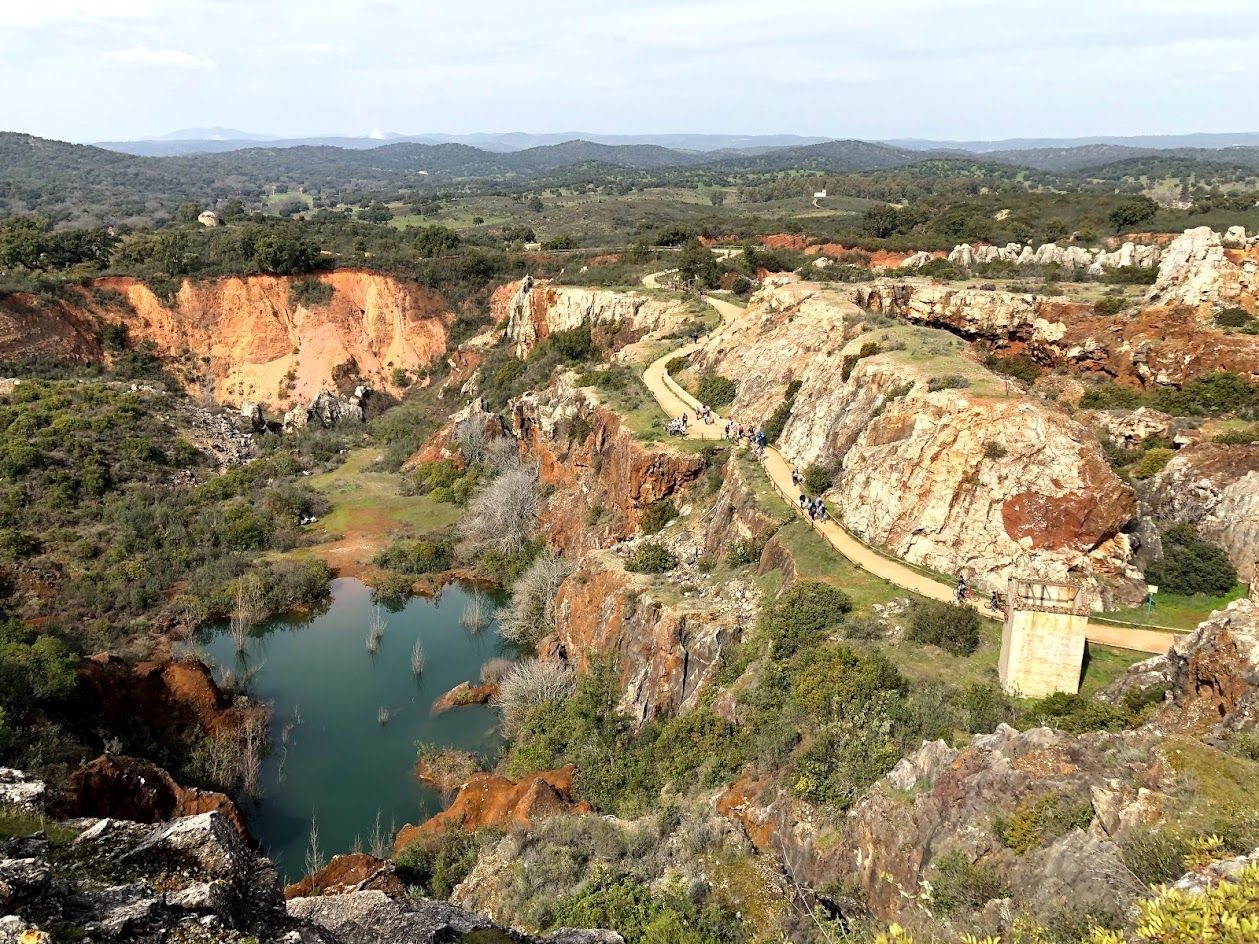
Journey through Spain’s Sierra Morena — Cordoba to Seville by bike
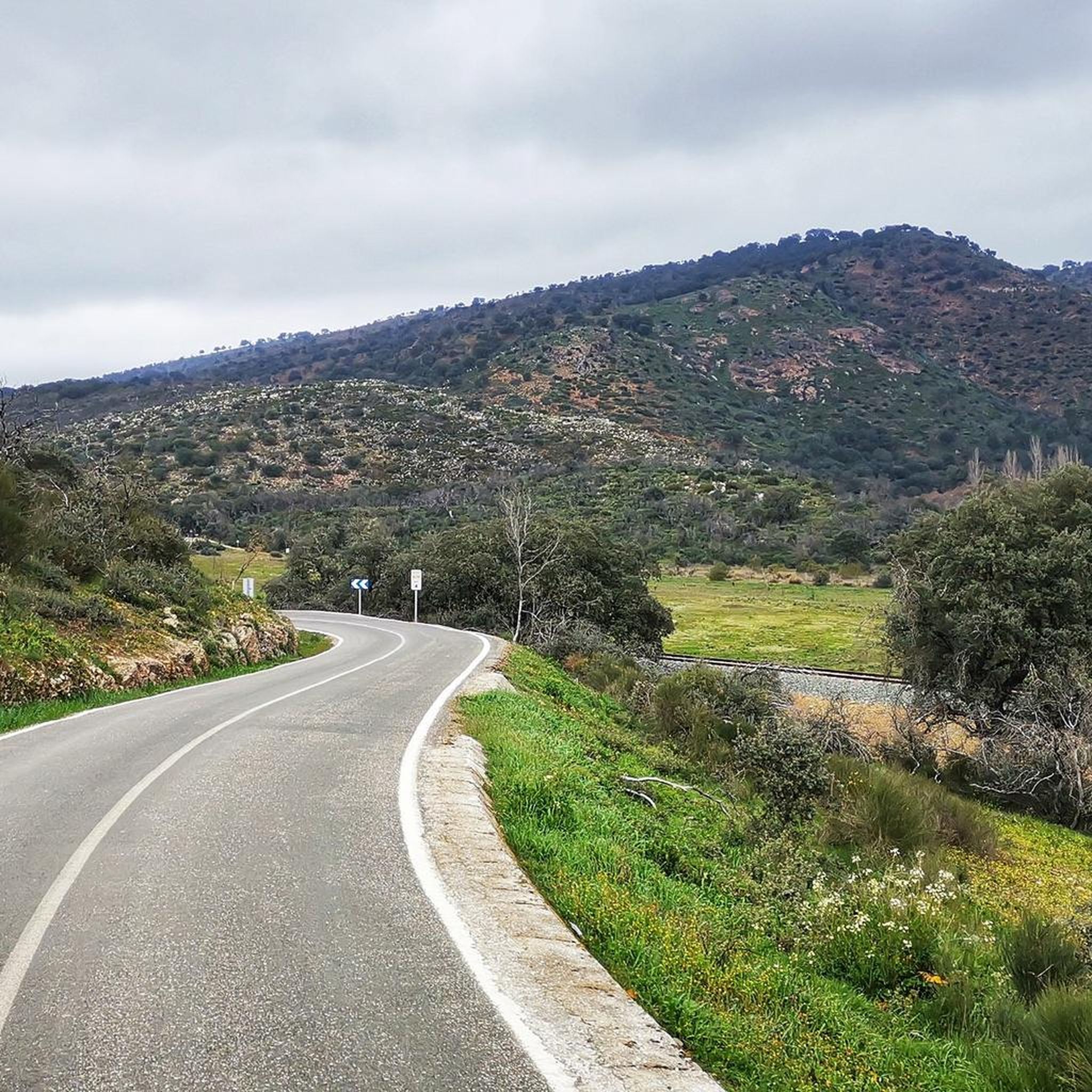
Hiking around Villanueva Del Río Y Minas
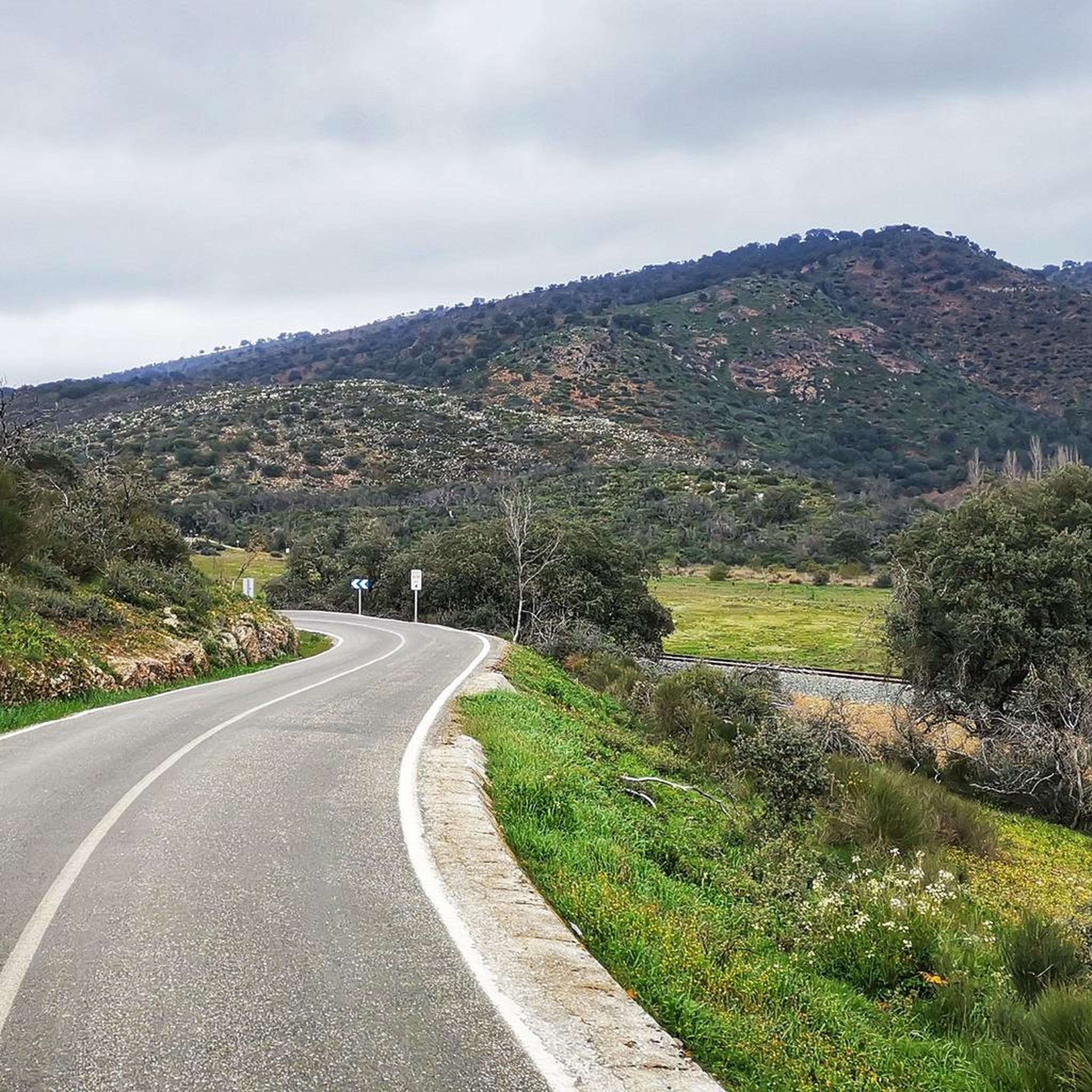
Road Cycling Routes around Villanueva Del Río Y Minas
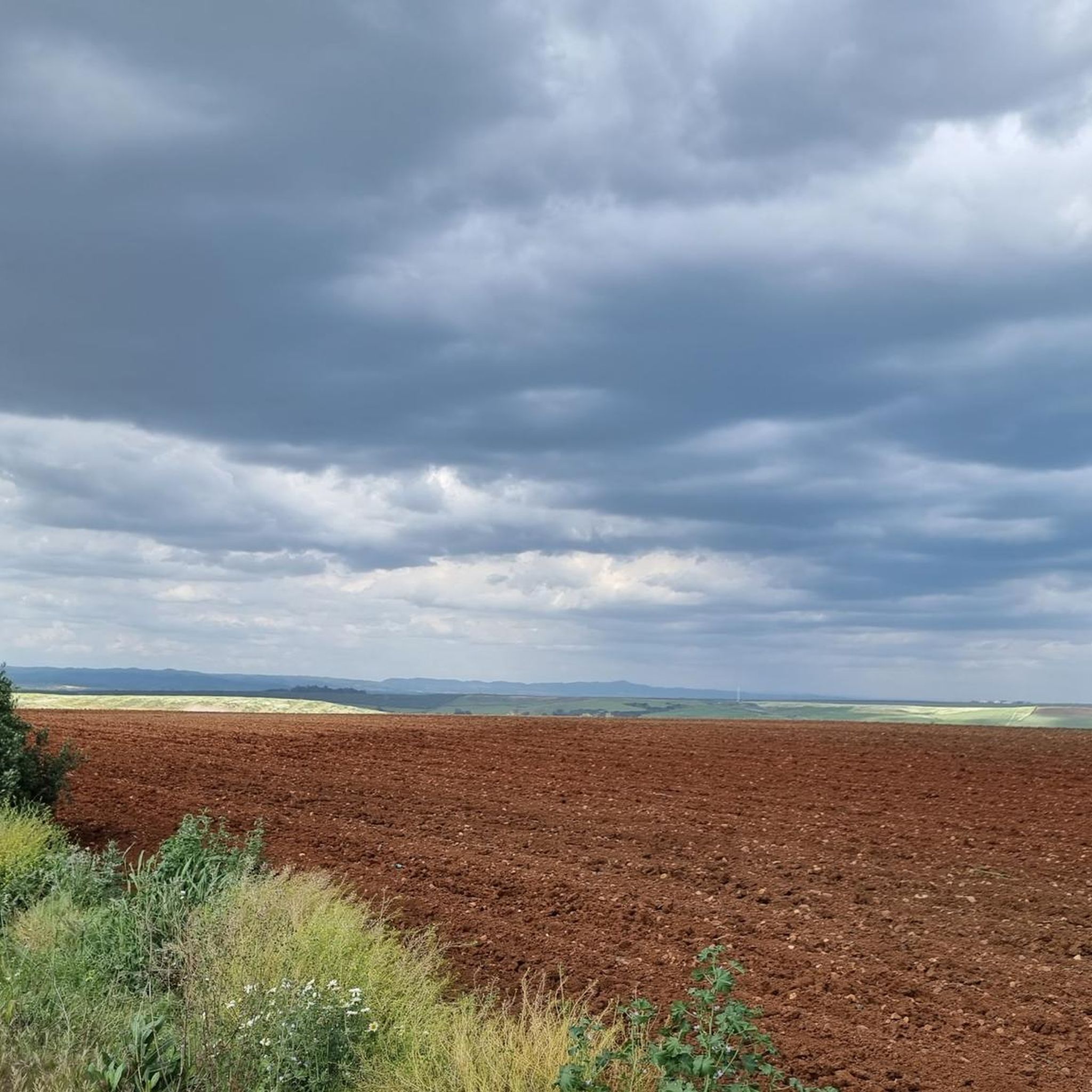
MTB Trails around Villanueva Del Río Y Minas
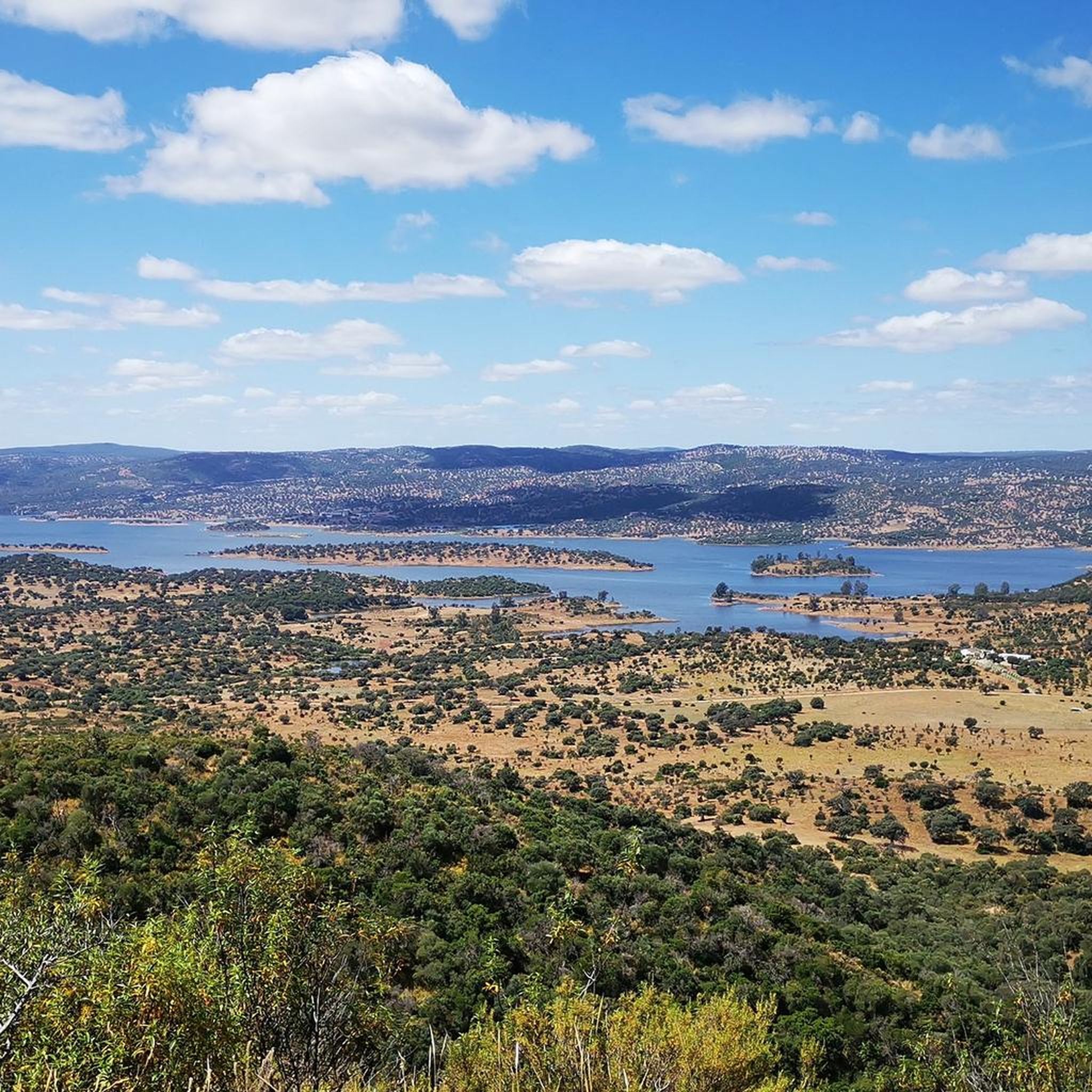
Cycling around Villanueva Del Río Y Minas

Running Trails around Villanueva Del Río Y Minas


Tips from the Community

El Pedroso is a municipality in the province of Seville, Spain, with a population of 2,074. It is located in the Sierra Norte region of Andalusia. The municipality is part of the Sierra Norte Natural Park. ...
0
0

Villaverde del Río is a municipality in the province of Seville, located in the autonomous community of Andalusia, in southern Spain. It is a rural town located in the fertile plains of the Guadalquivir River, northeast of the city of Seville. In front of the town hall there is a beautiful fountain.
5
0
Cantillana is a charming village in the province of Seville, in the heart of Andalusia, Spain. It is located on the banks of the Guadalquivir River, giving it a picturesque location with rich vegetation and beautiful views. Cantillana has a rich history dating back to Roman times and offers several historical sites, such as the Piedra del Moro and the remains of the old city walls. The Torre del Reloj is an impressive building that forms part of the historical heritage of the village. The village is also known for its religious monuments, such as the Iglesia del Dulce Nombre de Jesús y Santa Misericordia and the Ermita de San Bartolomé. These churches and chapels are beautifully preserved and offer a glimpse into the religious and cultural traditions of the region.
6
0
The Ermita de San Bartolomé in Cantillana is a historic chapel originally built in the 15th century. The chapel is located in the Plaza de Llano, a central square in Cantillana. It has a basilica plan with three naves, separated by brick columns supporting pointed arches. The roof is wooden, with a central coffered ceiling and hanging on the sides. The exterior has been intensely transformed, highlighting the main entrance of the eighteenth century. The chapel has a beautiful main door from the 18th century and contains several altarpieces and statues, including the image of Jesus of Nazareth and Saint Bartholomew. Currently the hermitage of San Bartolomé houses the images of Our Lady of the Assumption, Saint Bartholomew, Our Father Jesus and Our Lady of Consolation, from the Baroque period, and the painting of Saint Catherine of Alexandria, from the eighteenth century, with some interest in the wall paintings with themes of angels with inscriptions between rock formations, datable to very late dates in the eighteenth century
6
0
Note that on top of the tower you can also find a stork's nest. The valley of the Río Guadalquivir is also popular with storks.
6
0
The Torre del Reloj in Cantillana is a historic tower originally built in the 12th century during the Almohad period. This tower was part of the city wall that surrounded Cantillana, and was an important defensive structure. The tower is made of tapial (a type of mortar) on a foundation of stones that may have come from an older Roman construction. In the 18th century, the tower was given a sundial on the south wall, which gave it its name "Torre del Reloj" (Tower of the Clock). Later, in the 19th century, a clock tower was added. The tower also has a coat of arms on the front with an eagle and a castle, the arms of the Counts of Cantillana, the Vicentelos de Leca
6
0
The Iglesia de la Purísima Concepción in Villaverde del Río is located on the Plaza Blas Infante and is a popular place for both locals and visitors. The church is of Baroque style and consists of a single, spacious nave closed by a beautiful plaster cross vault. The façade of the church is adintel and is flanked by pilasters that crown a pediment with a pinnacle. Inside the church is a neoclassical altarpiece in which the Purísima Concepción is venerated, along with portal altarpieces of Santa Rita and San Sebastián.
8
0
The Puente sobre el Río Guadalquivir in Cantillana is a striking bridge that spans the Guadalquivir River. The design is functional and elegant, combining traditional and modern architectural elements. The bridge connects the station to the city centre and offers beautiful views of the river and the surrounding nature.
6
0
Frequently Asked Questions
What is the general difficulty level of gravel bike trails in Villanueva Del Río y Minas?
Gravel biking around Villanueva Del Río y Minas is generally challenging. All routes listed in our guide are rated as difficult, featuring significant climbs and varied terrain, particularly through the Sierra Morena foothills. Riders should be prepared for demanding conditions.
Are there any family-friendly gravel biking routes in Villanueva Del Río y Minas?
Given the challenging nature of the gravel routes listed in our guide, which are all rated as difficult, they may not be suitable for young children or beginners. However, the region's Rivera del Huéznar fluvial park offers a bike path that could provide a more relaxed experience for families, though these are not specifically gravel routes in our collection.
What kind of landscapes can I expect to see on a gravel bike ride here?
The region offers a diverse mix of landscapes. You'll encounter the mountainous terrain of the Sierra Morena foothills with abundant vegetation, olive trees, and evergreen oaks. Routes also traverse the plains of the Vega Alta del Guadalquivir and follow the Rivera del Huéznar river. Unique features like the Paraje Natural de los Arenales del Parroso and the striking Lago Azul, a flooded former coal mine, add to the scenic variety.
Are there circular gravel bike routes available?
Yes, many of the gravel bike routes in Villanueva Del Río y Minas are designed as loops. For example, you can explore the Cuesta de Los Melonares – Climb in Burguillos loop from Cantillana, the Gravel loop from Montegil, or the Dam on the Rivera del Huesna – Lago Azul loop from Villanueva del Río y Minas, all offering a return to your starting point.
What are some scenic highlights or points of interest along the gravel trails?
Many routes offer stunning views and pass by notable landmarks. You can ride past the unique Lago Azul, a beautiful blue lake formed from a former coal mine. The Villanueva del Río y Minas Bridge is also a distinctive landmark. Additionally, some trails may lead you near the ancient Archaeological Site of Mulva-Munigua, offering a glimpse into Roman history.
Can I expect to see wildlife while gravel biking in this region?
Yes, the Sierra Morena foothills, which many gravel routes traverse, are known for their rich fauna. Keep an eye out for various bird species and other local wildlife, especially in areas with abundant vegetation and evergreen oaks.
How long do gravel bike routes typically take to complete?
The duration of gravel bike routes in Villanueva Del Río y Minas varies depending on the distance and elevation. For instance, the Dam on the Rivera del Huesna – Lago Azul loop from Villanueva del Río y Minas, which is 75 km long, typically takes around 6 hours and 18 minutes. Shorter routes, like the 52.4 km Cuesta de Los Melonares – Climb in Burguillos loop from Cantillana, can be completed in about 4 hours and 36 minutes.
What is the best season for gravel biking in Villanueva Del Río y Minas?
While the guide doesn't specify a 'best' season, the diverse terrain and potential for warm weather suggest that spring and autumn would likely offer the most comfortable conditions for gravel biking, avoiding the intense heat of summer and potential winter rains. Always check local weather forecasts before heading out.
Are there any routes that explore the region's mining heritage?
Yes, the region has a rich mining history, and some routes incorporate elements of this heritage. While specific routes in our guide aren't solely dedicated to mining sites, the presence of the Lago Azul (a former open-pit coal mine) and the general historical context of the Minas de la Reunión complex mean you'll be riding through an area shaped by this past. The Dam on the Rivera del Huesna – Lago Azul loop from Villanueva del Río y Minas is a good example of a route that passes by the Lago Azul.
How many gravel bike trails are available in the Villanueva Del Río y Minas area?
There are 7 gravel bike trails detailed in our guide for the Villanueva Del Río y Minas area, all offering challenging rides through the region's diverse landscapes.
What makes the Paraje Natural de los Arenales del Parroso special for gravel biking?
The Paraje Natural de los Arenales del Parroso is a nature reserve specifically noted for its beautiful landscapes and suitability for cycling. Its trails offer an ideal setting for gravel biking, allowing riders to immerse themselves in nature and enjoy varied terrain within a protected natural environment.
Can I find routes that combine natural beauty with historical sites?
Absolutely. The region is unique in its blend of natural beauty and historical significance. Routes often pass by natural features like the Rivera del Huéznar river and Lago Azul, while also being in proximity to historical sites such as the Mulva-Munigua Roman City and elements of the old mining complex, offering a rich cultural and scenic experience.
Most popular routes around Villanueva Del Río Y Minas
Most popular attractions around Villanueva Del Río Y Minas

Get inspired with the komoot mobile app


Explore more
Browse the best Gravel rides in other regions.
