The best running trails around Calzada Del Coto
20
runners
5
runs
Jogging around Calzada Del Coto offers routes through varied terrain, including expansive moorland, agricultural fields, and low-lying forests of oaks and poplars. The region is situated in the center of the Duero plateau, known as the Páramo Leonés, providing broad vistas. Many routes follow the ancient Roman road, Via Trajana, which is part of the Camino de Santiago. The banks of the Cea River also provide scenic running opportunities.
Best jogging routes around Calzada Del Coto
- The most popular jogging…
Last updated: May 21, 2026
4
runners
13.9km
01:32
60m
60m
Moderate run. Good fitness required. Mostly paved surfaces. Suitable for all skill levels.
5
runners
67.1km
06:58
320m
320m
Hard run. Very good fitness required. Mostly paved surfaces. Suitable for all skill levels.
3
runners
20.2km
02:12
80m
80m
Hard run. Very good fitness required. Mostly paved surfaces. Suitable for all skill levels.
Get access to more routes and recommendations from other explorers.
Sign up for free
Already have an account?
Our route recommendations are based on thousands of hikes, rides, and runs completed by other people on komoot.
Start today with a free account
Your next adventure awaits.
Login or Signup
Tips from the Community

The Ermita de Nuestra Señora de Perales is a historic chapel located in Bercianos del Real Camino. The chapel was built in the 17th century. It was originally dependent on the Hospital del Cebreiro, which was founded in the 12th century. It is a simple brick building with a gable roof and a single tower. The interior is sober but charming, with a focus on devotion to Our Lady of Perales. Every year on September 8, a romería (pilgrimage) is held in her honor, during which the people of Bercianos del Real Camino visit the chapel and celebrate a party. The chapel is open from June 15 to September 30, from Monday to Sunday, between 11:00 and 13:00 and 18:00 and 20:00.
2
0
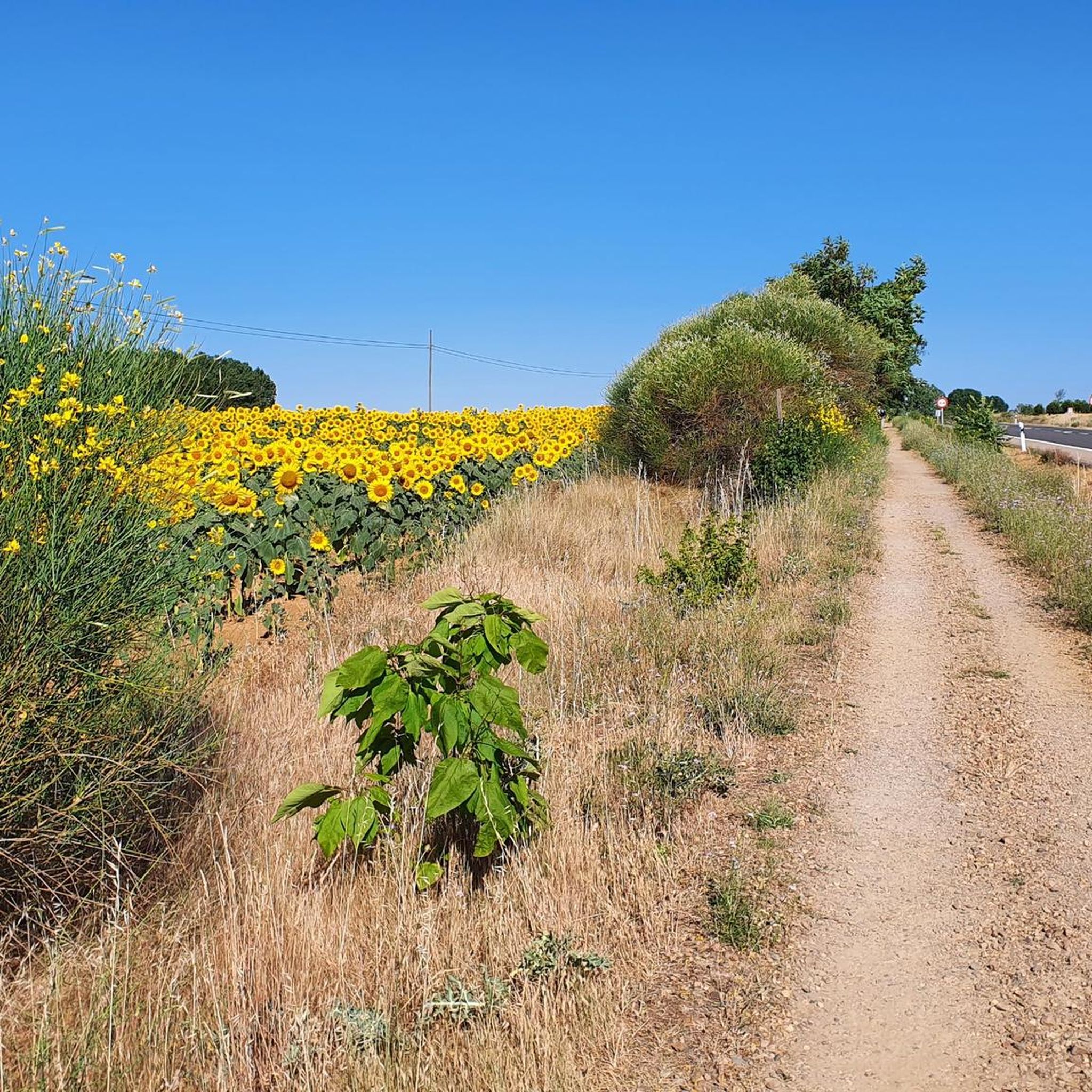
The Meseta is a vast plateau in Spain, which forms an important part of the route of the Camino Francés to Santiago de Compostela. The Meseta is known for its endless cornfields and wide views.
3
0
The Arco de San Benito is an impressive monument in Sahagún, located in the region of Castilla y León, Spain. It was built around 1662 by the architect Felipe Berrojo to replace the old Romanesque portal of the Monasterio de San Benito. The arch is designed as a triumphal arch, under which the N-120 passes, and is also known as "la puerta de Sahagún" (the gate of Sahagún). The monument is richly decorated with a central shield, inscriptions and sculptures of Saints Facundo and Primitivo. At the top is the royal shield, and there are also sculptures of Alfonso III and Alfonso VI, who were important protectors of the monastery.
8
0

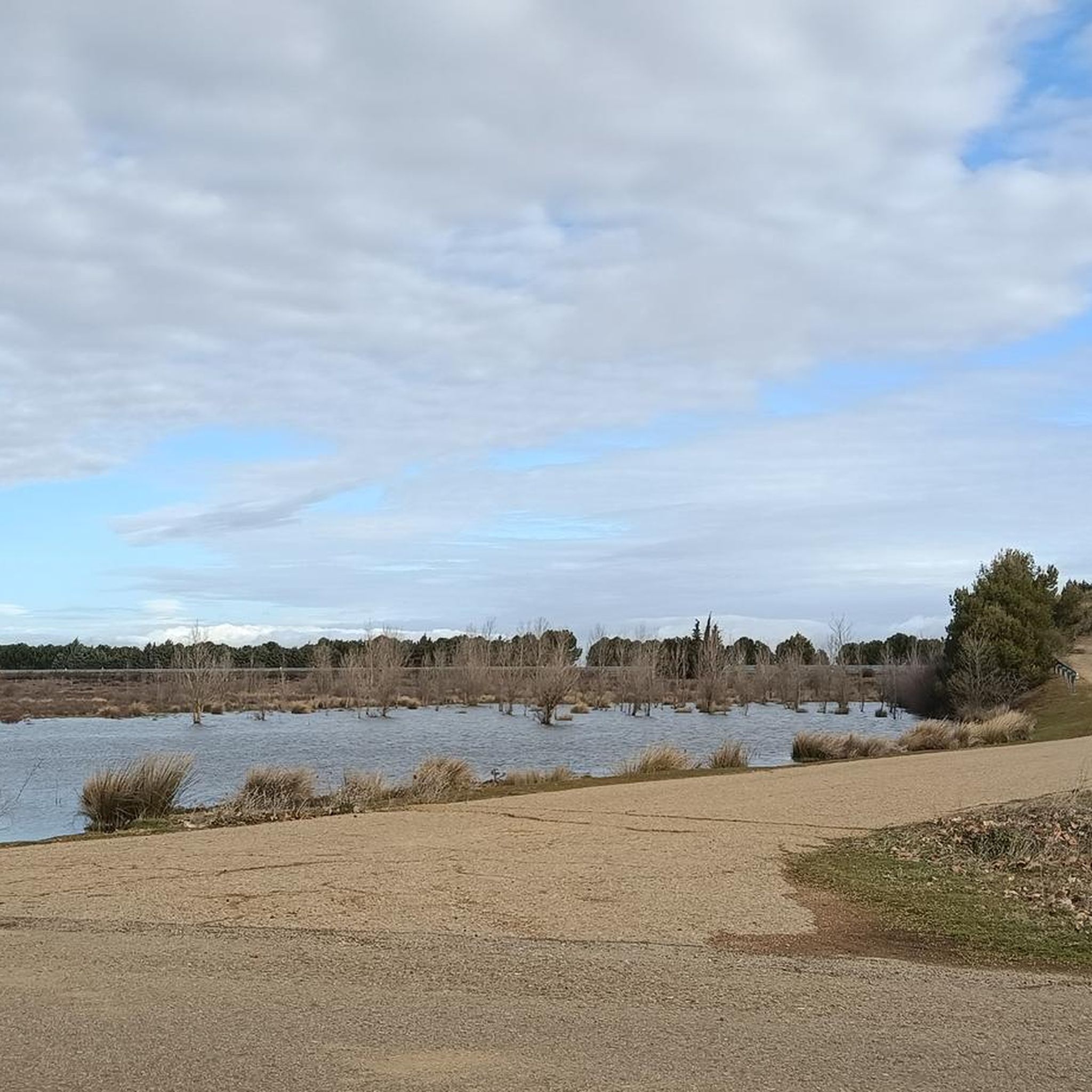
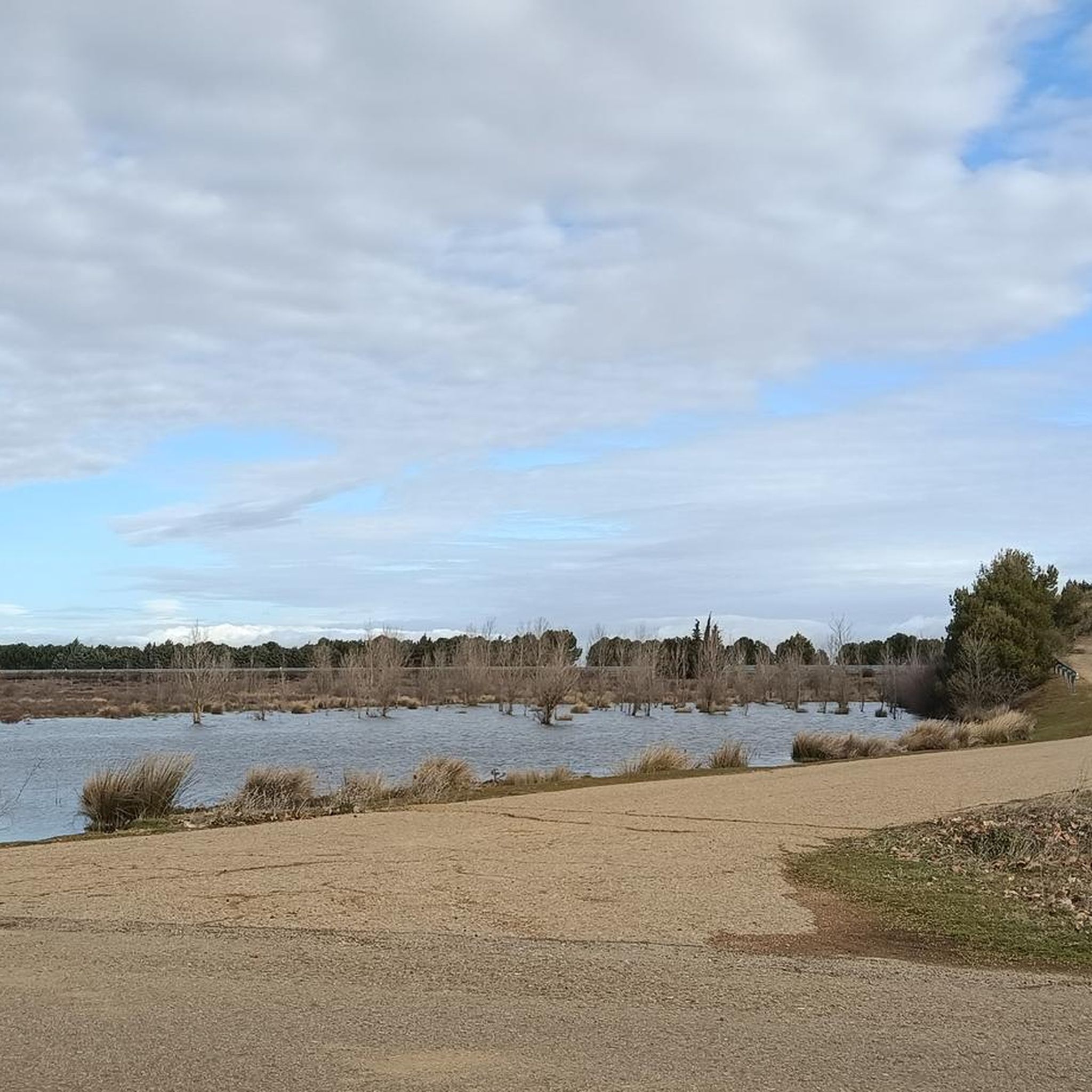
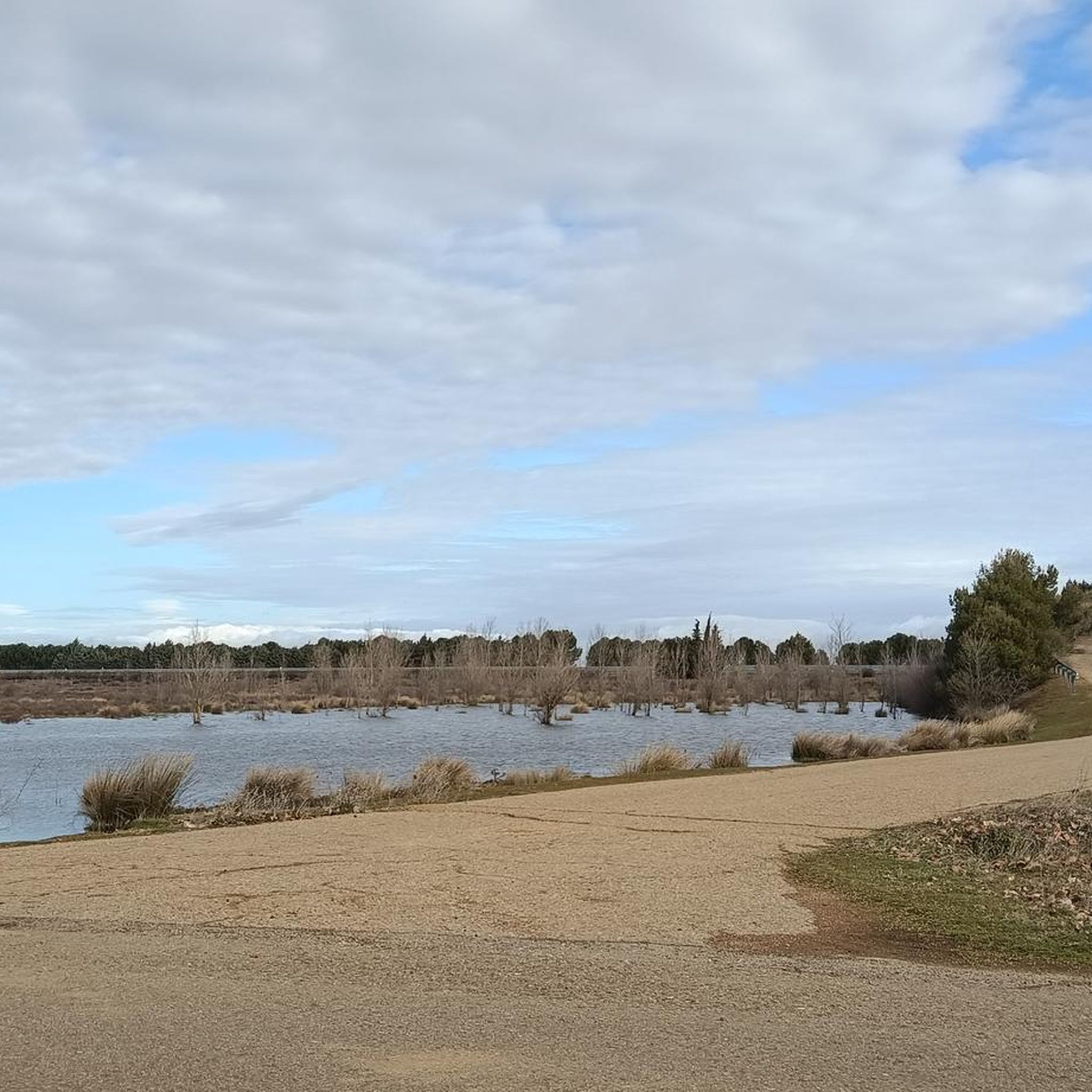
A nice resting place. Good for a while.
2
0
The mural beautifully shows the steps of the pilgrim
2
0
very pleasantly located rest area. Ideal for resting
2
0
The Arch" author Manuel García Juan. This mural shows two unmistakable symbols of Sahagún, a pilgrim, who represents those who cross the streets throughout the year, and the Arch of San Benito, the entrance door to the Monastery of San Benito that remains open as a symbol of invitation. Year 2020
3
1
Sahagún is a charming town and municipality in the province of León, in the autonomous community of Castile and León, and is an important point on the Santiago de Compostela pilgrimage route. Sahagún is known for its rich history and beautiful architecture, including some of the earliest examples of the Mudejar style. The town also has a number of medieval churches from the 12th and 13th centuries. One of the most notable historical events is the Battle of Sahagún in 1808, where the British light cavalry won a victory over the French troops. The town is also famous for its former Benedictine monastery, which played an important role in the Santiago de Compostela pilgrimages. Although the monastery was dissolved and largely demolished in the 19th century, it remains an important part of Sahagún's history.
3
1
Frequently Asked Questions
What kind of terrain can I expect on running routes around Calzada Del Coto?
Jogging routes in Calzada Del Coto offer a diverse landscape. You'll find expansive moorland, agricultural fields, and low-lying forests of oaks and poplars. Many paths follow the ancient Roman road, the Via Trajana, which is part of the Camino de Santiago, providing a unique historical experience. Additionally, the banks of the Cea River offer pleasant, scenic running opportunities, often featuring orchards and small wooded areas.
Are there running routes suitable for beginners in Calzada Del Coto?
While the guide primarily features moderate to difficult routes, the region's varied terrain, including flat sections along agricultural fields and the ancient Roman road, can be adapted for beginners. For a more relaxed experience, consider shorter sections of the well-established paths, focusing on the scenic riverbanks or less challenging stretches of the Camino de Santiago.
Can I find long-distance running trails in this area?
Yes, Calzada Del Coto is an excellent starting point for long-distance running. For example, the challenging route titled Rest Area at Ermita de Perales – Bercianos del Real Camino loop from Calzada del Coto spans 41.7 miles (67.1 km) and follows sections of the Camino de Santiago, offering a significant endurance challenge.
Are there any circular running routes available?
Yes, several routes are designed as loops. A popular option is the Running loop from Sahagún, which is 8.6 miles (13.8 km) long and explores the area around the historic town of Sahagún. Another is the Historic Monuments of Sahagún loop from Sahagún, a 12.6-mile (20.2 km) trail that takes you through historical landmarks.
What historical landmarks or points of interest can I see while jogging?
The region is rich in history, especially due to its connection with the Camino de Santiago. You can incorporate several points of interest into your run, such as the Geographical Center of the Camino Francés – Ermita de la Virgen del Puente, the San Benito Arch and Ruins of the Monastery of San Benito near Sahagún, or the beautifully situated Hermitage of Our Lady of Perales.
How many running routes are featured in this guide for Calzada Del Coto?
This guide features 5 distinct running routes around Calzada Del Coto, offering a variety of distances and difficulty levels to suit different preferences.
What are the difficulty levels of the running routes in Calzada Del Coto?
The running routes in Calzada Del Coto range from moderate to difficult. There are 2 moderate routes and 3 difficult routes, providing options for runners looking for both challenging long-distance runs and slightly less strenuous loops.
Is Calzada Del Coto suitable for family-friendly running or walking?
While specific 'family-friendly' routes are not explicitly listed, the presence of well-established paths along the ancient Roman road and riverbanks offers relatively flat and accessible sections. Families might enjoy shorter, customized walks or runs along these scenic and historical paths, especially those that avoid the longer, more challenging sections.
Are there any scenic riverbank running paths in the area?
Yes, the banks of the Cea River provide a particularly pleasant and scenic experience for runners. These paths often feature orchards and small wooded areas, offering a refreshing contrast to the more open moorland and agricultural fields.
What makes running in Calzada Del Coto unique compared to other regions?
Running in Calzada Del Coto offers a unique blend of history and natural beauty. You'll be traversing parts of the ancient Roman road, the 'Via Trajana,' which is also a section of the historic Camino de Santiago. This means you're running on paths over 2,000 years old, surrounded by the expansive vistas of the Páramo Leonés and the distant Cantabrian Mountains, providing a deeply immersive and historical outdoor experience.
What do other runners say about the trails in Calzada Del Coto?
Over 20 runners have used komoot to explore Calzada Del Coto's varied terrain. They often praise the unique experience of running on historical paths like the Camino de Santiago and the diverse scenery that includes agricultural fields, riverbanks, and low-lying forests.
Most popular attractions around Calzada Del Coto

Get inspired with the komoot mobile app


Explore more
Browse the best Running Trails & Routes in other regions.
