The best gravel rides in Las Médulas
4.5
(3)
34
riders
2
rides
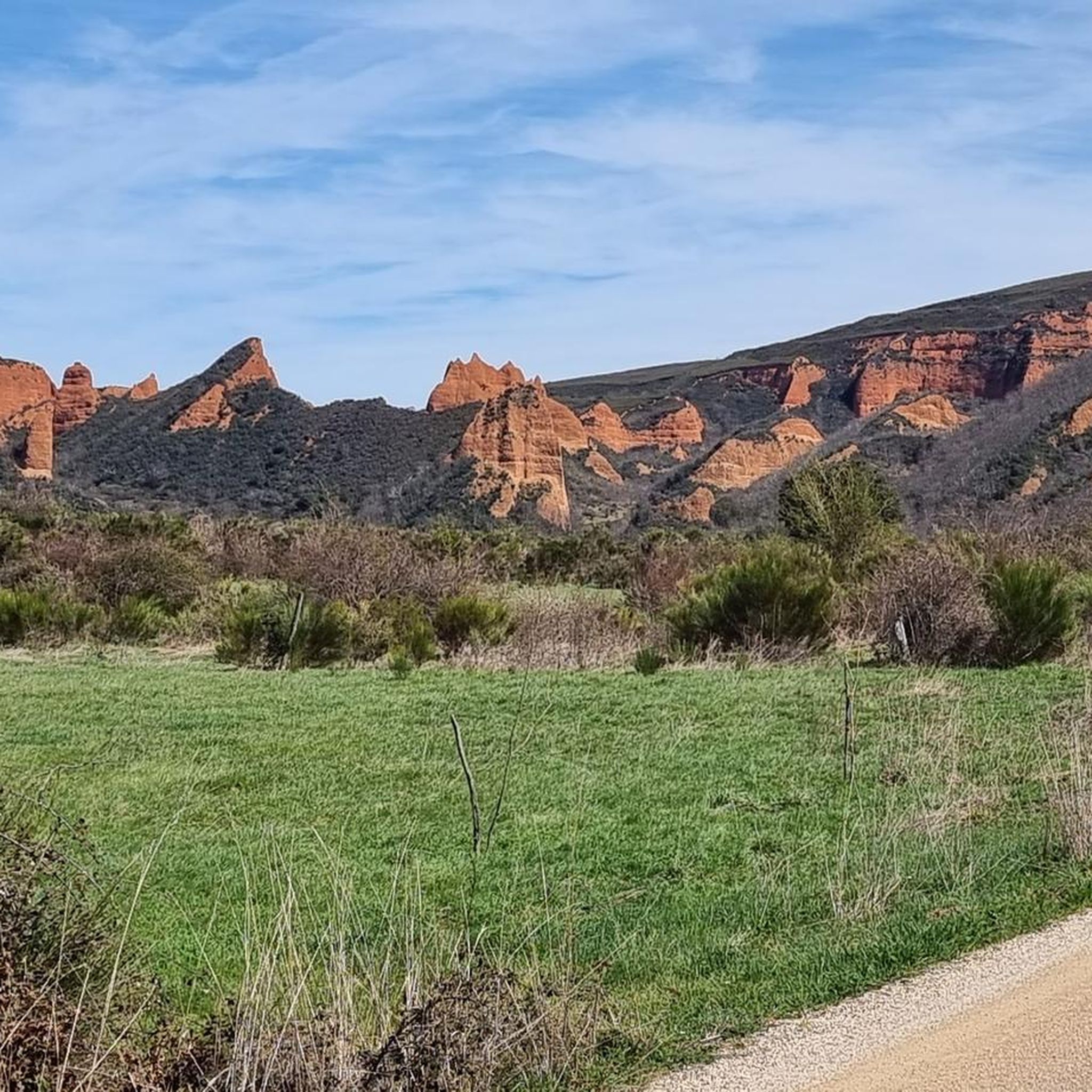
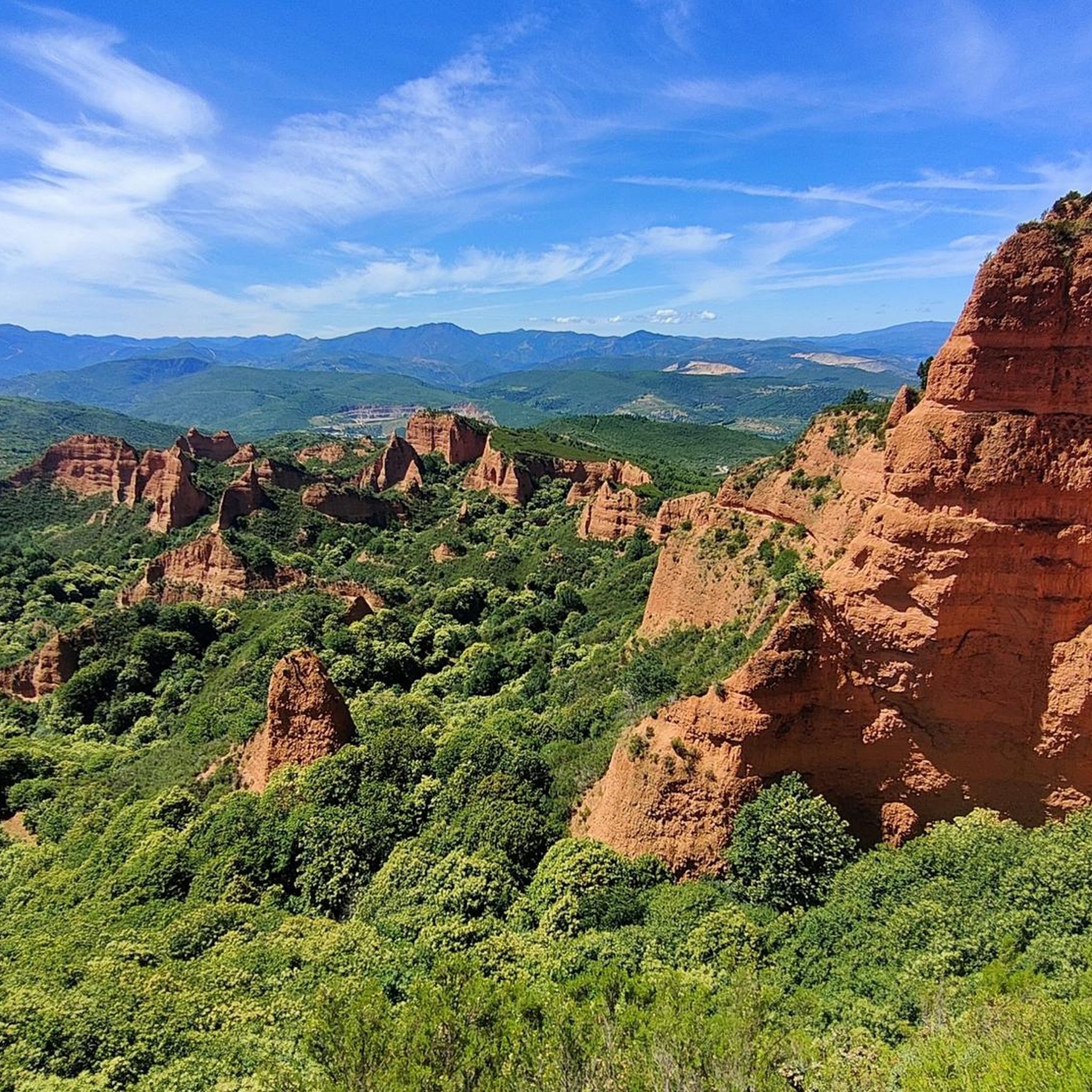
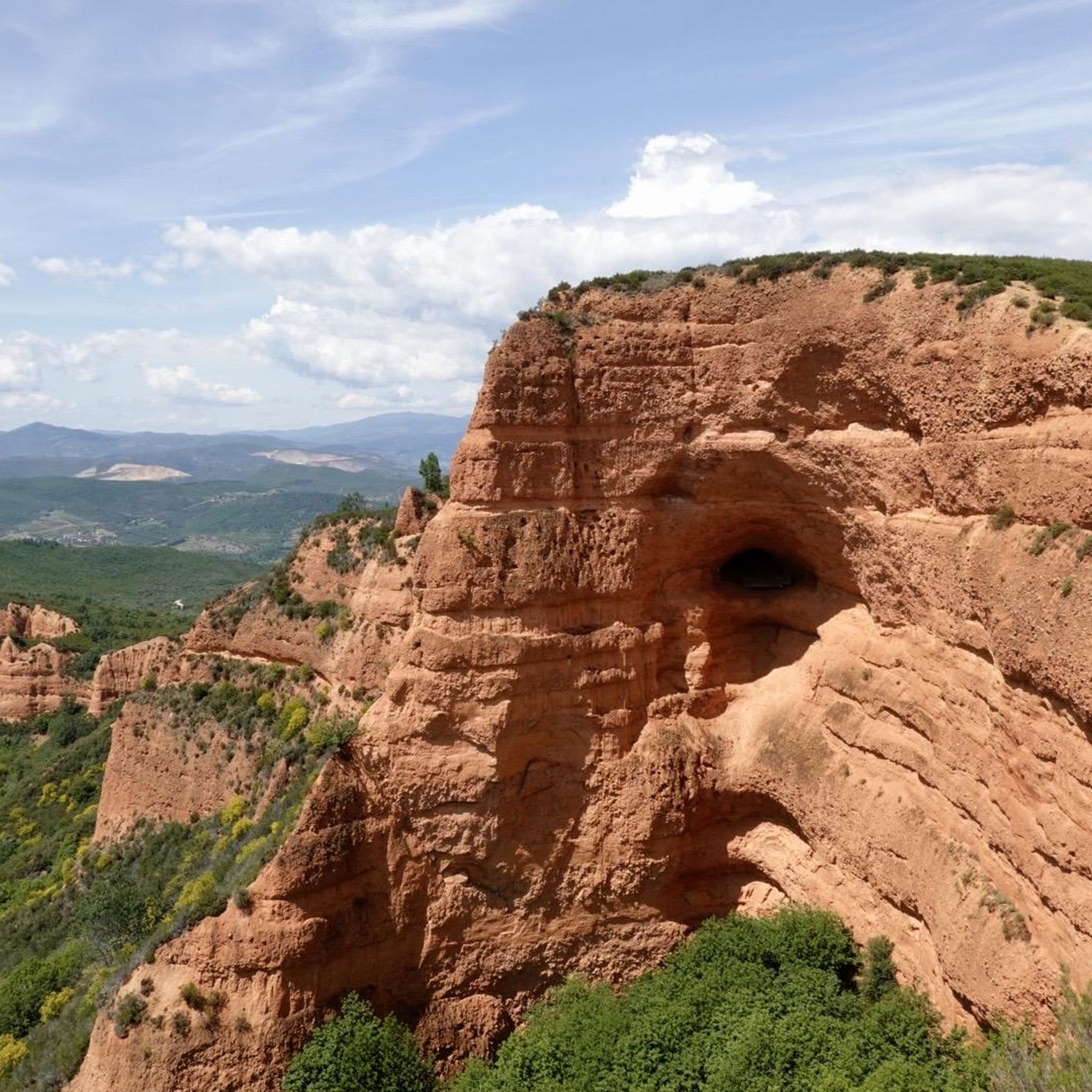
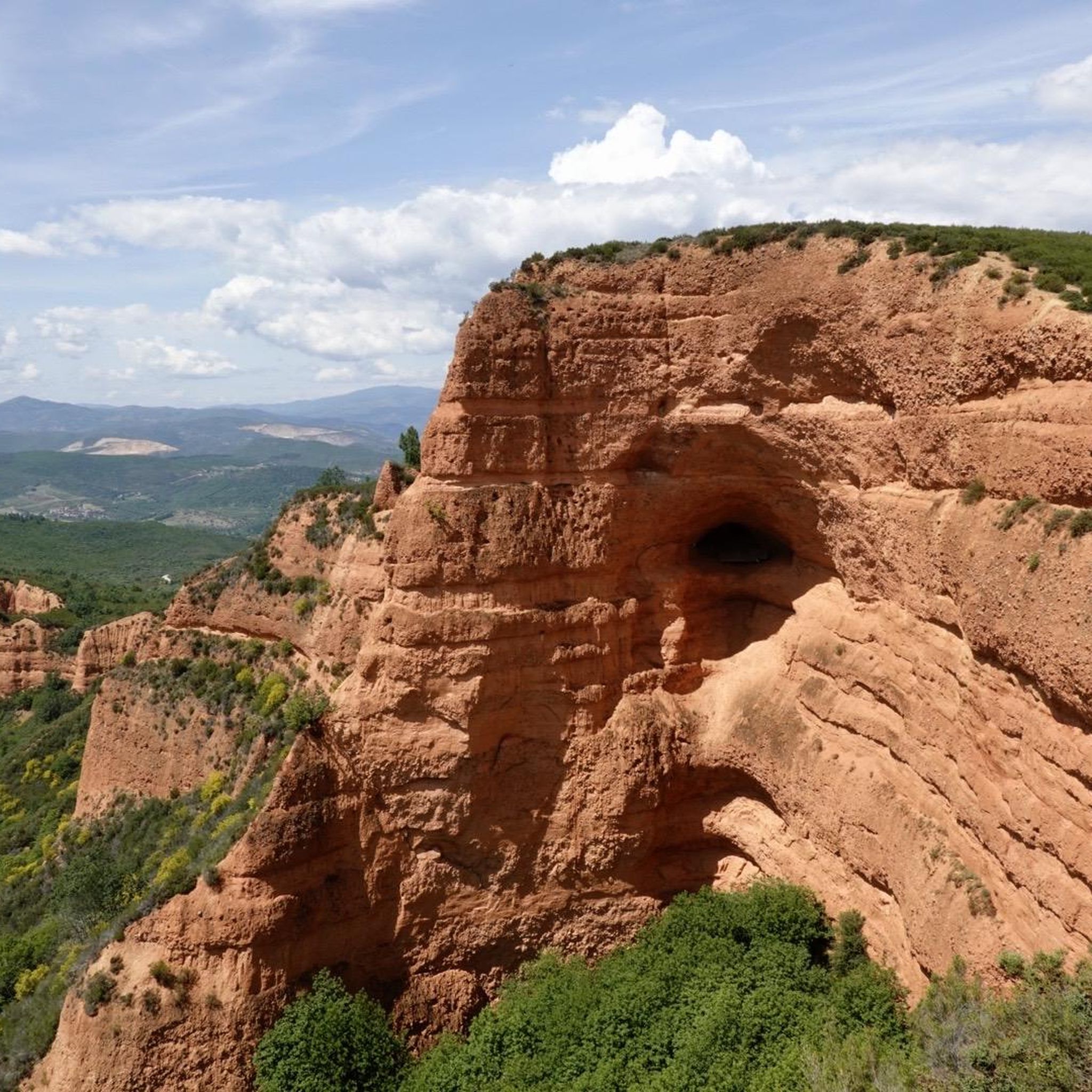
Gravel biking in Las Médulas offers a unique experience through a landscape shaped by ancient Roman gold mining. The terrain features a distinctive "Martian" appearance with red peaks and pinnacles, alongside extensive chestnut forests. Riders can expect varied surfaces, including compacted earth, loose gravel, and forest trails, providing diverse challenges. This region, a UNESCO World Heritage site, combines historical exploration with outdoor activity.
Best gravel bike trails in Las Médulas
- The most popular gravel bike trail is Las Médulas –…
Last updated: October 12, 2026
6
riders
22.0km
02:09
610m
610m
Hard gravel ride. Very good fitness required. Mostly paved surfaces. Suitable for all skill levels.
3
riders
11.1km
01:03
300m
300m
Moderate gravel ride. Good fitness required. Mostly paved surfaces. Suitable for all skill levels.

4.0
(2)
5
riders
Moderate gravel ride. Good fitness required. Mostly paved surfaces. Suitable for all skill levels.
5
riders
67.2km
04:12
990m
990m
Hard gravel ride. Very good fitness required. Mostly paved surfaces. Suitable for all skill levels.
5.0
(1)
4
riders
59.0km
04:44
1,540m
1,540m
Hard gravel ride. Very good fitness required. Mostly paved surfaces. Suitable for all skill levels.
Our route recommendations are based on thousands of hikes, rides, and runs completed by other people on komoot.
Start today with a free account
Your next adventure awaits.
Tips from the Community

The Lambrión Chupacandiles statue in Ponferrada is a bronze tribute to one of the most iconic figures of the local Semana Santa tradition. Installed in 2024 at the Church of San Andrés, the statue depicts a Nazareno in a black hooded robe, holding a bell—just as he parades through the city each year to announce the arrival of Holy Week. The figure, which originated in the 17th century, is linked to the Hermandad de Jesús Nazareno and takes its name from a legend that says he tasted wine and even oil from candlesticks along the way. Designed by Tomás Bañuelos and Soraya Triana, the sculpture has become a recognizable symbol of Ponferrada's religious heritage.
3
1
The Church of Santa María in Cacabelos is a historic church along the Camino de Santiago, originally consecrated in 1108. Although only the Romanesque choir from that period remains, the church was largely rebuilt in the Renaissance style in the 16th century and later enhanced with Baroque elements. Notable features include the neo-Gothic tower from 1904, a 13th-century statue of the Virgen de la Edrada above the entrance, and a 14th-century statue of Christ on a cross depicting the tree of life motif.
2
0


When viewing the rock formations of Las Medulas, it's important to remember that this landscape is not natural, but rather the (sad) remains of a mountain range that was ruthlessly exploited for its gold ore as early as the Roman Empire. Nevertheless, this landscape of ruins is a UNESCO World Heritage Site. A 15-minute film documentary about it (although only available in German) is available in the ARD media library as part of the highly recommended series "Treasures of the World - Heritage of Humanity" =>> https://www.zdf.de/swr/schaetze-der-welt/page-video-ard-las-mdulas-und-seine-goldminen-spanien-100.html
3
0

It was consecrated in 1108 by Bishop Diego Gelmírez. Only the Romanesque apse remains of the original church. Reconstruction in the 16th century: Most of the current building was rebuilt in the Renaissance and Baroque styles.
4
0
The Church of the Assumption of Cacabelos, commonly known as the Church of Saint Mary, is located in the municipality of Cacabelos, in the Bierzo region. This church has a rich history and is a prominent point on the Camino de Santiago.
6
0

Stage of the Camino de Santiago. It goes from the vineyards of Bierzo to the green mountains of the mythical O Cebreiro pass
5
0
The Mirador de Orellán is a spectacular observation point located in the town of Orellán, in the municipality of Borrenes, León. This viewpoint offers stunning panoramic views of the cultural landscape of Las Médulas, an ancient Roman gold mining complex declared a World Heritage Site by UNESCO. Near the viewpoint, you can visit the underground galleries that were part of the Roman gold mining system. Entry costs €3 and a helmet with headlamp is provided for the visit.
7
0
Frequently Asked Questions
What makes Las Médulas a unique destination for gravel biking?
Las Médulas offers a truly distinctive gravel biking experience due to its 'Martian' landscape, a result of ancient Roman gold mining. You'll ride through a network of trails, some partially asphalted and traffic-restricted, that wind through dramatic red peaks, ancient chestnut forests, and past Roman mining structures. It's a blend of athletic challenge and historical exploration.
Are there gravel biking routes suitable for beginners or families in Las Médulas?
While the guide currently features routes rated moderate to difficult, the region itself has trails suitable for different fitness levels. For a moderate option that explores the core of the area, consider the Orellán Galleries – Las Médulas loop from Las Médulas, which covers about 11 km with less elevation gain than other tours. This route offers a good introduction to the unique landscape without being overly demanding.
What kind of terrain can I expect on gravel bike trails in Las Médulas?
The terrain in Las Médulas is varied, providing a mix of challenges. You'll encounter compacted earth, loose gravel, and forest trails. Some sections may be partially asphalted, particularly those following ancient Roman paths. This diversity ensures an engaging ride through the unique geological formations.
What are some notable historical or natural attractions to see along the gravel routes?
The region is rich in history and natural beauty. Along the trails, you can explore remnants of Roman gold mining operations like the Orellán Galleries, where you can walk through tunnels, and the La Encantada Cave and La Cuevona. The landscape itself, with its red peaks and ancient chestnut forests, is a major attraction. Don't miss the panoramic viewpoints like Mirador de Orellán for breathtaking vistas.
Are there any longer or more challenging gravel bike routes for experienced riders?
Yes, for experienced riders seeking a greater challenge, the region offers more demanding routes. The Las Médulas – Orellán Galleries loop from Carucedo is a difficult 22 km route with over 600 meters of elevation gain, providing a robust workout while exploring the heart of the ancient mines. Further afield, the Ponferrada Castle – Villafranca del Bierzo loop from Pieros offers a significant challenge at over 67 km and nearly 1000 meters of climbing.
What is the best time of year to go gravel biking in Las Médulas?
Las Médulas is particularly vibrant in autumn and spring when the extensive chestnut trees are at their most colorful, providing a beautiful contrast to the red earth formations. These seasons generally offer pleasant temperatures for cycling. Summer can be hot, while winter might bring cooler, wetter conditions.
Are there any circular gravel biking routes available in Las Médulas?
Yes, many of the gravel biking routes in Las Médulas are designed as loops, allowing you to start and finish in the same location. Examples include the Orellán Galleries – Las Médulas loop from Las Médulas and the Las Médulas – Orellán Galleries loop from Carucedo, both offering comprehensive tours of the area's highlights.
What do other gravel bikers enjoy most about riding in Las Médulas?
The komoot community highly rates the gravel biking experience in Las Médulas, with an average score of 4.5 stars. Reviewers often praise the unique, dramatic landscape resulting from the Roman gold mines, the blend of history and nature, and the varied terrain that keeps rides interesting. The panoramic viewpoints and ancient chestnut forests are frequently highlighted as memorable features.
Are there any routes that take me past water features like lakes or lagoons?
Yes, the ancient Roman mining activities created several picturesque bodies of water in the region. While specific routes in this guide don't directly hug their shores, the area features Sumido Lake, Pinzais Lagoon, Laguna Larga, and the largest, Lake Carucedo. These are beautiful spots to visit and contribute to the region's biodiversity, particularly Lake Carucedo, which is an important habitat for water birds.
Where can I find parking or trailheads for gravel biking in Las Médulas?
Many routes in Las Médulas start from villages like Carucedo or Las Médulas itself, which typically offer parking facilities. These villages serve as natural trailheads, providing access to the network of paths that crisscross the ancient mining landscape. It's advisable to check specific route details for recommended starting points and parking information.
What should I pack for a gravel biking trip to Las Médulas?
Given the varied terrain and potential for remote sections, it's wise to pack essentials like a repair kit, plenty of water, and snacks. Layered clothing is recommended due to potential temperature changes, especially if you're exploring caves or higher viewpoints. Sun protection is also important. Always carry a charged phone and consider downloading your route offline, as signal can be intermittent in some areas.
Most popular routes in Las Médulas
Most popular attractions in Las Médulas

Get inspired with the komoot mobile app


Explore more
Browse the best Gravel rides in other regions.
