The best walks and hikes in Las Médulas
4.5
(571)
2,983
hikers
25
hikes
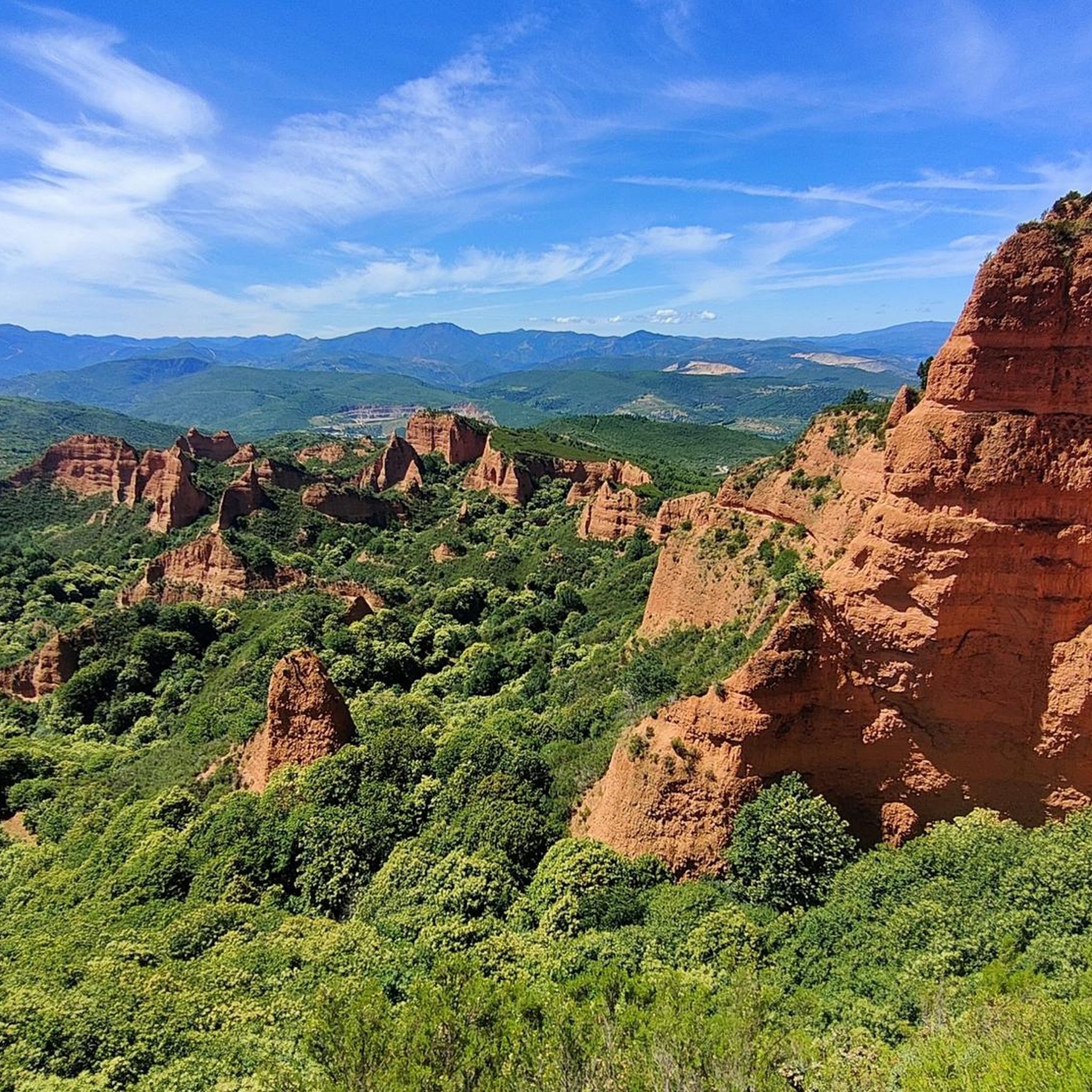
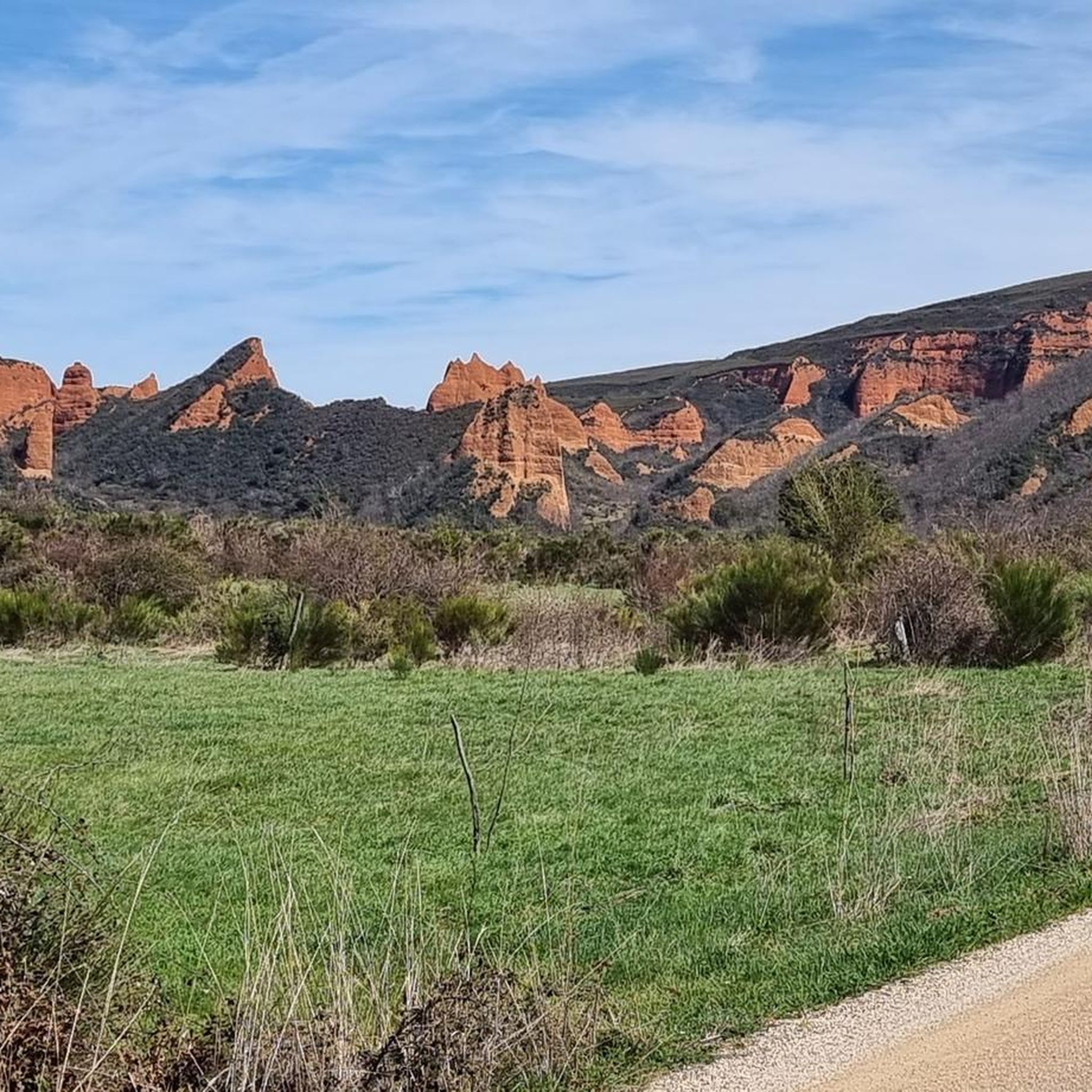
Hiking in Las Médulas offers a unique experience through a landscape shaped by ancient Roman gold mining. The region is characterized by dramatic, eroded reddish clay peaks and cliffs, a result of the "ruina montium" mining technique. Contrasting with these striking formations, the area features lush vegetation of oak and chestnut trees, alongside several lakes and lagoons. This blend of historical significance and natural reclamation provides diverse terrain for hikers.
Best hiking trails in Las Médulas
- The most popular hiking route is La Mirada Circular Nature Trail, a 6.4 miles (10.2 km) moderate trail that takes 3 hours 28 minutes to complete. This route offers stunning viewpoints and diverse landscapes across the former gold mine.
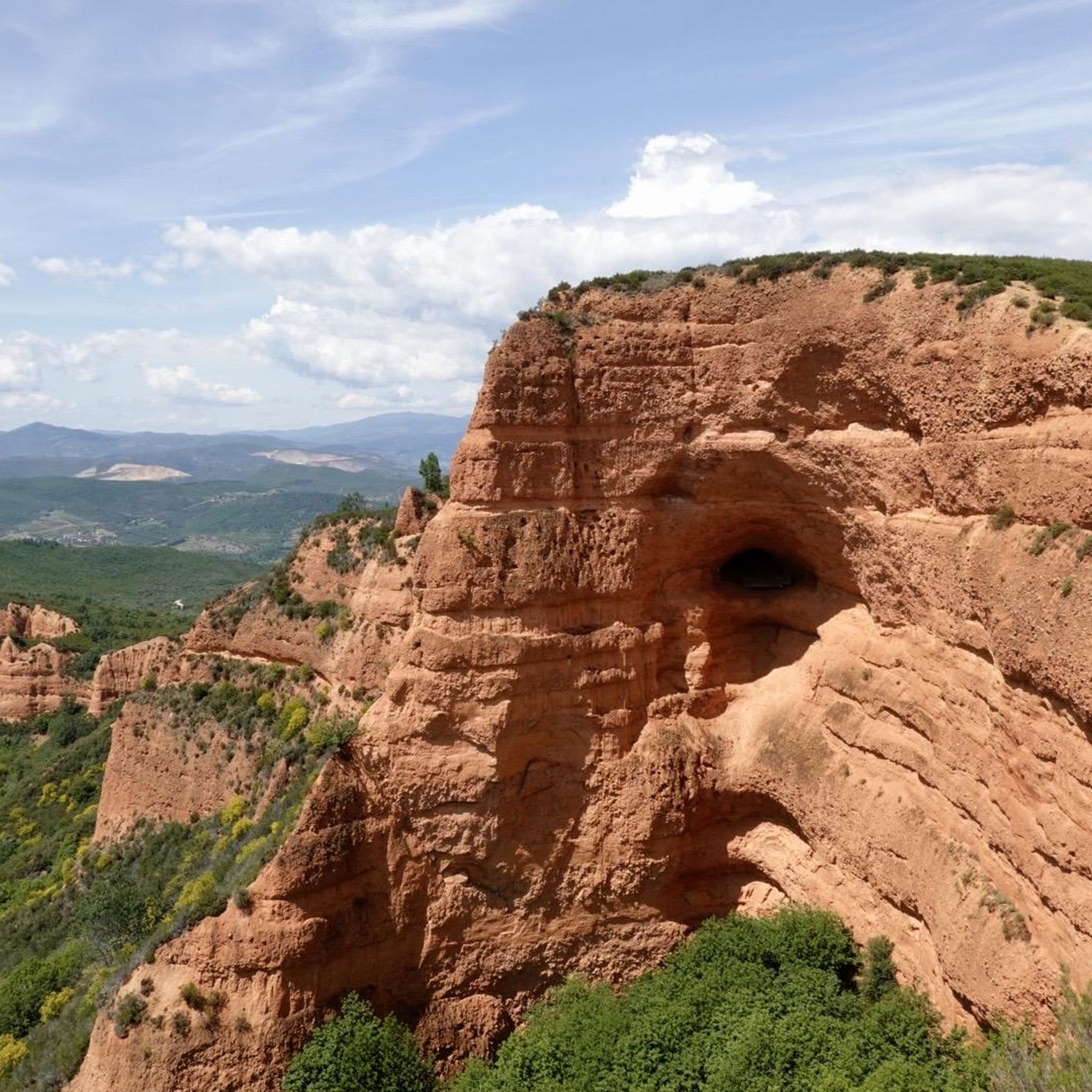
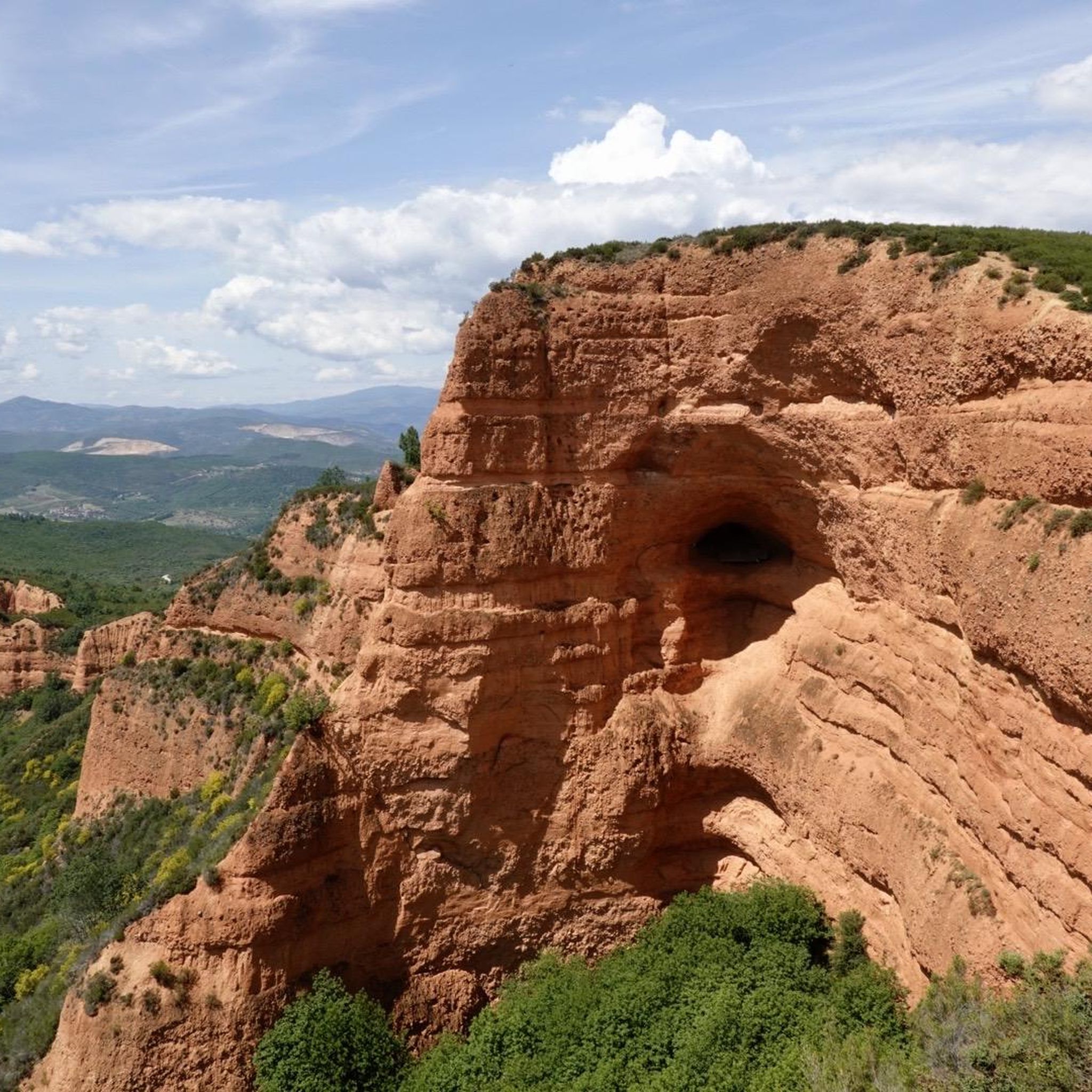
- Another top favourite among local hikers is La Cuevona (Las Médulas) – Orellán Galleries loop from Las Médulas, a moderate 4.3 miles (7.0 km) path. This trail leads through ancient mining tunnels and offers views of the unique reddish formations.
- Local hikers also love the Lago Sumido Trail, a 2.4 miles (3.8 km) trail leading through areas with lakes and lush vegetation, often completed in about 59 minutes.
- Hiking in Las Médulas is defined by its dramatic reddish clay formations, ancient Roman mining galleries, and contrasting green oak and chestnut forests. The network of routes offers options for various ability levels, from easy walks around lakes to moderate loops exploring the historical landscape.
- The routes in Las Médulas are highly rated by the komoot community with an average score of 4.5 stars from over 390 reviews. More than 2,100 hikers have used komoot to explore Las Médulas's varied terrain.
Last updated: October 10, 2026
4.8
(100)
470
hikers
10.2km
03:28
350m
350m
Moderate hike. Good fitness required. Mostly accessible paths. Sure-footedness required.
3.5
(4)
37
hikers
3.79km
00:59
20m
20m
Easy hike. Great for any fitness level. Easily-accessible paths. Suitable for all skill levels.

4.8
(85)
483
hikers
7.55km
02:27
250m
250m
Moderate hike. Good fitness required. Mostly accessible paths. Sure-footedness required.
4.8
(86)
437
hikers
8.28km
02:47
340m
340m
Moderate hike. Good fitness required. Mostly accessible paths. Sure-footedness required.
4.7
(21)
211
hikers
4.07km
01:11
110m
110m
Easy hike. Great for any fitness level. Easily-accessible paths. Suitable for all skill levels.
Get access to more routes and recommendations from other explorers.
Already have an account?
Our route recommendations are based on thousands of hikes, rides, and runs completed by other people on komoot.
Start today with a free account
Your next adventure awaits.

Tips from the Community

Inside it goes very steeply uphill and it leads nowhere
0
0
The Romans devised an ingenious system to extract ore from the mine: they blew up the mountain by letting in large amounts of water. This water had to be brought from the mountains further north, for which they built canals sometimes up to 100 kilometers long. The result is an "exploded" mountain, with orange loose rock formations scattered over a large area. The mine was only abandoned in the 3rd century AD, as other, more interesting gold areas were discovered.
0
0

The beautiful, distinct landscape stands in stark contrast to the history with approx. 20,000 Spanish slaves who, for the Romans, had to do dusty, heavy, and very dangerous work daily deep underground under appalling conditions.
12
0


When viewing the rock formations of Las Medulas, it's important to remember that this landscape is not natural, but rather the (sad) remains of a mountain range that was ruthlessly exploited for its gold ore as early as the Roman Empire. Nevertheless, this landscape of ruins is a UNESCO World Heritage Site. A 15-minute film documentary about it (although only available in German) is available in the ARD media library as part of the highly recommended series "Treasures of the World - Heritage of Humanity" =>> https://www.zdf.de/swr/schaetze-der-welt/page-video-ard-las-mdulas-und-seine-goldminen-spanien-100.html
3
0

The Mirador de Orellán is a spectacular observation point located in the town of Orellán, in the municipality of Borrenes, León. This viewpoint offers stunning panoramic views of the cultural landscape of Las Médulas, an ancient Roman gold mining complex declared a World Heritage Site by UNESCO. Near the viewpoint, you can visit the underground galleries that were part of the Roman gold mining system. Entry costs €3 and a helmet with headlamp is provided for the visit.
7
0
When looking at the rock formations of LAS MEDULAS, one must remember that this landscape is not natural, but rather the (sad) remains of a mountain massif that was ruthlessly exploited for its gold ore as early as the Roman Empire. Nevertheless, this landscape of ruins is a UNESCO World Heritage Site. A 15-minute film documentary about this (in German) is available in the ARD media library as part of the highly recommended series “Treasures of the World - Heritage of Humanity”: https://www.zdf.de/swr/schaetze-der-welt/page-video-ard-las-mdulas-und-seine-goldminen-spanien-100.html
6
1
The Bar Tapería O Camiño Real is a charming place in Las Médulas, it is a recommended place to enjoy good food and a pleasant atmosphere. If you are nearby, don't hesitate to visit it! 😊
29
0
Frequently Asked Questions
How many hiking trails are available in Las Médulas?
Las Médulas offers a diverse network of over 20 hiking trails. These routes cater to various fitness levels, ranging from easy walks around the lakes to more challenging loops through the ancient Roman gold mining landscape.
What kind of unique landscapes will I encounter while hiking in Las Médulas?
You will experience a dramatic landscape shaped by ancient Roman gold mining. Expect to see striking reddish clay peaks and cliffs, often described as a 'lunar' or 'Martian' environment. These formations are contrasted by lush oak and chestnut forests, and several serene lakes and lagoons like Lake Carucedo and Lake Somido.
Are there easy hiking trails suitable for beginners or families in Las Médulas?
Yes, Las Médulas has several easy trails perfect for beginners or families. For example, the Lago Sumido Trail is a shorter, easy walk leading through areas with lakes and lush vegetation. The region offers 10 easy routes in total, ensuring options for all abilities.
Can I bring my dog on the hiking trails in Las Médulas?
While the guide data does not explicitly state dog-friendly policies for every trail, generally, many outdoor areas in Spain are dog-friendly, especially on marked trails. However, it's always recommended to keep dogs on a leash and check local regulations or specific trail signs before heading out, particularly near protected natural areas or archaeological sites.
Are there any circular hiking routes in Las Médulas?
Yes, many of the trails in Las Médulas are circular, allowing you to experience diverse scenery without retracing your steps. Popular options include the La Mirada Circular Nature Trail, a moderate 10.2 km loop, and the La Cuevona (Las Médulas) – Orellán Galleries loop, a 7.0 km moderate path.
What are some notable viewpoints or attractions to visit along the trails?
Las Médulas is rich in viewpoints and historical attractions. The Orellán Galleries are a must-see, offering a glimpse into ancient mining tunnels and located near the popular Mirador de Orellán viewpoint. You can also explore the impressive La Encantada Cave and La Cuevona, remnants of Roman mining activity. Other significant viewpoints include Reirigo, Las Pedrices, and Chao de Maseiros, all providing stunning panoramic vistas.
Is there parking available near the trailheads in Las Médulas?
Yes, parking is generally available in the vicinity of the main trailheads and the village of Las Médulas. Specific parking areas are usually signposted, especially near popular starting points like the Mirador de Orellán or the archaeological learning center. It's advisable to arrive early during peak season to secure a spot.
What is the best time of year to go hiking in Las Médulas?
Spring and autumn are generally considered the best times for hiking in Las Médulas. The weather is milder, and the landscape offers beautiful colors – vibrant greens in spring and rich golds and reds in autumn. Summer can be hot, while winter offers a different, often quieter, experience, though some trails might be muddy after rain.
What do other hikers say about their experience in Las Médulas?
The hiking experience in Las Médulas is highly rated by the komoot community, with an average score of 4.5 stars from over 390 reviews. Hikers often praise the unique, dramatic reddish formations, the historical significance of the Roman gold mines, and the contrasting lush vegetation. Many appreciate the well-maintained and clearly marked trails that offer options for various ability levels.
Are there options for longer, more challenging hikes in the area?
Yes, for those seeking a longer and more challenging experience, Las Médulas offers several moderate to difficult routes. The Reirigo Cave – Orellán Galleries loop is a longer, moderate 14.3 km hike. The region has 11 moderate and 1 difficult trail, providing ample choice for experienced hikers.
Can I reach Las Médulas by public transport?
While Las Médulas is primarily accessed by car, there are limited public transport options. Buses might connect larger nearby towns to the village of Las Médulas, but schedules can be infrequent. For detailed and up-to-date information on public transport, it's best to consult local transport authorities or the official tourism website for Las Médulas: visitlasmedulas.com.
Are there any lakes or water features to see on the trails?
Yes, the ancient mining process left behind several beautiful lakes and lagoons that are now integral to the natural scenery. You can visit Lake Carucedo, Lake Somido (Sumido), Pinzais, and Larga. The Lago Sumido Trail is a great option to explore areas with these water features and lush vegetation.
Most popular routes in Las Médulas
Most popular attractions in Las Médulas

Get inspired with the komoot mobile app


Explore more
Browse the best Hikes in other regions.
