Top 3 Natural Monuments around gmina Żagań
Best natural monuments around gmina Żagań are found within a landscape characterized by extensive forests and numerous water bodies in western Poland. This region, part of the Lubusz Voivodeship, offers diverse ecosystems and remarkable natural features. Visitors can explore vast forests of pine, oak, and beech, alongside river valleys and unique geological formations like inland dunes. The area provides opportunities to observe a variety of flora and fauna.
Best natural monuments around gmina Żagań
- The most popular natural monuments is…
Last updated: May 21, 2026
Iłowa Palace and Park
Highlight • Castle
Translated by Google •
Tip by

Iłowa Castle Park (Halbau)
Highlight • Historical Site
Translated by Google •
Tip by

Sign up now to discover places like this
Get recommendations on the best single tracks, peaks, & plenty of other exciting outdoor places.
Sign up for free
Lubusz Dune
Highlight • Natural Monument
Translated by Google •
Tip by

Flins Boulder Natural Monument
Highlight • Natural Monument
Translated by Google •
Tip by

Yew Tree in Kożuchów Park
Highlight • Natural Monument
Translated by Google •
Tip by
Start today with a free account
Your next adventure awaits.
Login or Signup

Tips from the Community

A stately yew tree graces Kożuchów Park. It grows in its northwestern corner. It's easiest to find when entering the park from Nowosolna or Żeromskiego Streets. The distinctive portico can be a good landmark.
0
0
The FLINS natural monument erratic boulder is located approximately 20 meters from provincial road no. 297 in the forest between Borowo Wielkie (Rusinów) and Długie in Żagań County. Unfortunately, due to the lack of roadsides and any access roads, access to it is extremely difficult.
0
0

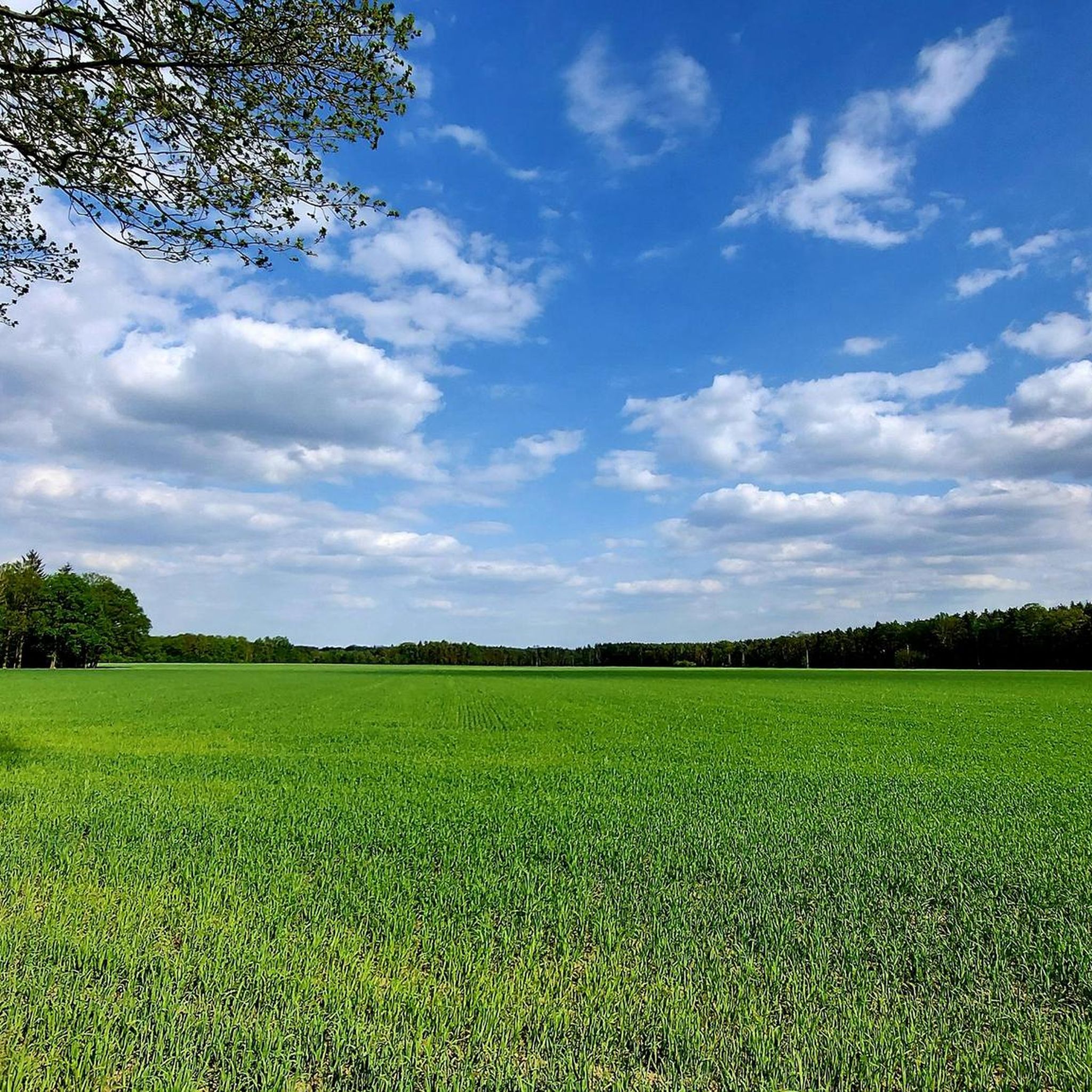
The Lubusz Dune is an interesting highlight for cyclists, but access can be difficult, especially for bikes and cars. Despite the challenge, it is worth visiting as the landscape is exceptional and offers a beautiful contrast to the surroundings. The dune itself offers exciting views of the surrounding area and is an unusual natural experience in the region. And of course you can also swim here.
0
0

I recommend visiting the dune, but access by bike or car is terrible and you can break the suspension.
0
0

Inspired by a trip to Asia, Friedrich Maximilian von Hochberg had the garden redesigned with several partial gardens. A Japanese garden with small watercourses and bridges between islets was laid out on an island in the Tschirne. From the castle to the west, the Chinese Garden extends as a further partial garden, bounded by two backdrop-like clinker walls on a curved floor plan with round and oval window openings, which are supposed to be reminiscent of Chinese moon gates. A path leads to the border of the garden, where a staircase and pagoda architecture crosses a street as a pedestrian bridge. Another area was the rose garden enclosed by an ornamental wall. From 1919 the von Alvensleben were the owners. Today the palace park has been extensively renovated. Source: Wikipedia
0
0
In 1626 Christian von Schellendorff had a palace built in the late Renaissance style on an island in the Tschirne (Czerna) with three storeys, a raised risalit and a tower tower. The main entrance with three arched portals was remarkably designed. From 1682 the barons of Promnitz were the owners, who redesigned the palace in Baroque style in 1712 and had a west wing added in 1720. After several changes of ownership, the castle was among other things. owned by von Kospoth, von der Recke and von Holleben. From 1902 Friedrich Maximilian von Hochberg was the owner, who in 1905 had the castle redesigned according to a design by Robert Weber. The central tower was given an onion helmet, the facade was redesigned in neo-baroque style, a reinforced concrete vestibule was placed in front of the portal, and the west wing was given an annex to the ballroom. Inspired by a trip to Asia, Friedrich Maximilian von Hochberg had the garden redesigned with several partial gardens. A Japanese garden with small watercourses and bridges between islets was laid out on an island in the Tschirne. From the castle to the west, the Chinese garden extends as a further partial garden, bounded by two backdrop-like clinker walls on a curved floor plan with round and oval window openings, which are intended to be reminiscent of Chinese moon gates. A path leads to the border of the garden, where a staircase and pagoda architecture crosses a street as a pedestrian bridge. Another area was the rose garden enclosed by an ornamental wall. From 1919 the von Alvensleben were the owners. Today the palace park has been extensively renovated. Source: Wikipedia Castle and castle park are accessible.
0
0

nice park for walking and relaxing.
0
0
Frequently Asked Questions
What types of natural monuments can I expect to find in gmina Żagań?
Gmina Żagań is rich in diverse natural monuments. You'll find many ancient individual trees, such as monumental oaks, beeches, and small-leaved lindens, often protected for their age and size. The region also features unique ecological areas like the "Storczyk" (Orchid) Area Monument, dedicated to rare orchid species, and the "Cisy nad Czerną" (Yews over Czerna) Area Monument, home to numerous common yew trees. Additionally, you can explore geological formations like the Lubusz Dune, an inland dune offering exceptional landscapes.
Are there family-friendly natural monuments in gmina Żagań?
Yes, several natural monuments are suitable for families. The Iłowa Castle Park, which also encompasses the Iłowa Palace and Park, offers a pleasant environment for walking and relaxing, with beautifully renovated gardens. The Yew Tree in Kożuchów Park is also easily accessible within a park setting, making it a good choice for a family outing.
What outdoor activities can I do near the natural monuments in gmina Żagań?
The extensive forests and varied terrain around gmina Żagań provide excellent opportunities for outdoor activities. You can enjoy hiking, cycling, and mountain biking on numerous trails. For instance, there are many road cycling routes, MTB trails, and running trails that allow you to explore the natural beauty of the region, often passing by these protected sites. The forests are also popular for mushroom picking and wildlife observation.
Can I observe wildlife while visiting the natural monuments in gmina Żagań?
Absolutely. The forests and river valleys of gmina Żagań are home to diverse wildlife. You might spot common forest animals like deer, wild boar, and foxes, as well as badgers, beavers, and raccoon dogs. Birdwatchers can look out for a variety of species, including cranes, storks, red kites, buzzards, and eagle owls, making it a rewarding experience for nature enthusiasts.
What is the best time of year to visit the natural monuments in gmina Żagań?
The best time to visit largely depends on your interests. Spring and summer (April to September) are ideal for enjoying lush greenery, blooming orchids at the "Storczyk" monument, and pleasant weather for hiking and cycling. Autumn (October to November) offers stunning fall foliage in the extensive forests. Winter can also be beautiful for quiet, snowy walks, though some access might be more challenging.
Are there any natural monuments with historical significance in the region?
Yes, many of the individual monumental trees, particularly the ancient oaks and beeches, hold historical significance as living testaments to the region's old-growth forests. Additionally, the Iłowa Palace and Park, while a man-made structure, is surrounded by a natural monument designation and has a rich history, with its gardens inspired by Asian designs from the early 20th century.
How accessible are the natural monuments in gmina Żagań?
Accessibility varies. Sites like the Iłowa Castle Park and the Yew Tree in Kożuchów Park are generally easy to access and navigate. However, some natural monuments, such as the Flins Boulder Natural Monument, can be quite difficult to reach due to a lack of roadsides or dedicated access roads. The Lubusz Dune is also noted for potentially difficult access by bike or car, despite its scenic beauty.
Are there parking options available near the natural monuments?
Parking availability differs by location. For instance, the Iłowa Castle Park is known to have parking facilities. For other, more remote natural monuments, especially individual trees deep within the forests or sites like the Flins Boulder Natural Monument, dedicated parking might be limited or non-existent, requiring visitors to park further away and approach on foot.
What do visitors particularly enjoy about the natural monuments in gmina Żagań?
Visitors often appreciate the tranquility and natural beauty of the region. The opportunity to explore ancient forests, discover unique flora like orchids, and witness impressive geological features such as the Lubusz Dune is a major draw. The renovated Iłowa Castle Park is also highly regarded for its pleasant walking paths and relaxing atmosphere.
Are there any rare natural formations or species to look out for?
Yes, gmina Żagań is home to several rare natural formations and species. The "Storczyk" (Orchid) Area Monument is specifically designated for its populations of rare orchid species, including spotted and broad-leaved orchids. The region also features unique geological formations such as small deserts and inland dunes, like the Lubusz Dune, which are unusual for the area.
Where can I find more information about nature protection in the Żagań Forest District?
For detailed information regarding nature protection efforts and specific natural monuments managed by the Żagań Forest District, you can refer to their official resources. You can find more information on the Polish government's website: www.gov.pl/web/nadlesnictwo-zagan/ochrona-przyrody.
Most popular attractions around gmina Żagań

Get inspired with the komoot mobile app


Explore more
Extend your search for the best caves by checking out these guides of the top ones around gmina Żagań:
