Minnesota Valley National Wildlife Refuge
Minnesota Valley National Wildlife Refuge
Attractions and Places To See in Minnesota Valley National Wildlife Refuge - Top 7
Best attractions and places to see in Minnesota Valley National Wildlife Refuge include a diverse array of natural and historical sites spread across its units. This urban wildlife refuge, spanning over 14,000 acres along the Minnesota River, provides vital habitats for migratory birds and other wildlife. Visitors can explore varied landscapes, from oak savannas and tallgrass prairies to wetlands and floodplain forests. The refuge also features cultural points of interest, including historical farm remnants and significant geological formations.
Best attractions…
Last updated: May 17, 2026
Oak Savanna and Tallgrass Prairie
Highlight • Natural
Tip by

Big Sand Creek Bridge
Highlight • Bridge
Tip by

Sign up now to discover places like this
Get recommendations on the best single tracks, peaks, & plenty of other exciting outdoor places.
Sign up for free
Louisville Swamp Overlook
Highlight • Viewpoint
Tip by
Gigantic Glacial Erratic
Highlight • Natural Monument
Tip by
Abandoned water-control structure on Sand Creek
Highlight • Structure
Tip by
Sign up for free to discover even more attractions in Minnesota Valley National Wildlife Refuge.
Sign up for free
Already have an account?
Start today with a free account
Your next adventure awaits.
Login or Signup

Tips from the Community

The oak savanna at Louisville Swamp is one of Minnesota's rarest and most distinctive wildlife habitats, defined by a blend of prairie grasses, wildflowers, and widely spaced Bur Oak trees. This transitional ecosystem supports a remarkable diversity of plant species and provides critical resources for endangered wildlife, including the Red-headed Woodpecker and various bats, birds, and insects. As a fire-dependent system, its integrity is maintained through regular burns and ongoing restoration efforts by refuge staff to prevent encroachment by non-native species and maintain its open character. Alongside the savanna, the Louisville Swamp Unit preserves significant remnants of native tallgrass prairie—once expansive across Minnesota. These prairies boast towering grasses and vivid wildflowers, creating a vibrant environment throughout the summer. Specialized communities like the Dry Sand–Gravel Prairie feature grasses such as big bluestem and Indiangrass. At the same time, the dense grassland structure provides crucial nesting habitat for wildlife, including various waterfowl and ring-necked pheasants.
0
0
Sand Creek, a 36.6-mile-long tributary of the Minnesota River, winds its way through Le Sueur and Scott counties before meeting the river about a quarter mile downstream from this bridge and just north of Jordan. The creek earned its name from the prominent white sandstone rock formations nearby. Before merging with the Minnesota River, Sand Creek passes through the Louisville Swamp Unit, playing a crucial role in the area's hydrology by influencing how water moves through the swamp. The surrounding landscape is a classic floodplain that floods approximately three out of every five years, which is vital to maintaining the region's unique ecological balance. To help manage this, a water control structure was built to regulate the outflow of water into Sand Creek, but it was washed away by flooding sometime between 2011 and 2014.
0
0
Martha and I last crossed Sand Creek on this now-abandoned water control structure in November 27, 2011. On our next hike to this highlight, March 29, 2014. the flood control structure was washed out and we were not able to cross Sand Creek at that location. The water control structure has still not been replaced.
0
0

This bridge got washed away once during high water, they have really built it back up nice now.
0
0
Really stands out as your hiking along that suddenly there is a HUGE bolder!
0
0
This is a huge glacial erratic which, when viewed from one angle, looks like a Bison, and when viewed from another, looks like a Right Whale.
5
0
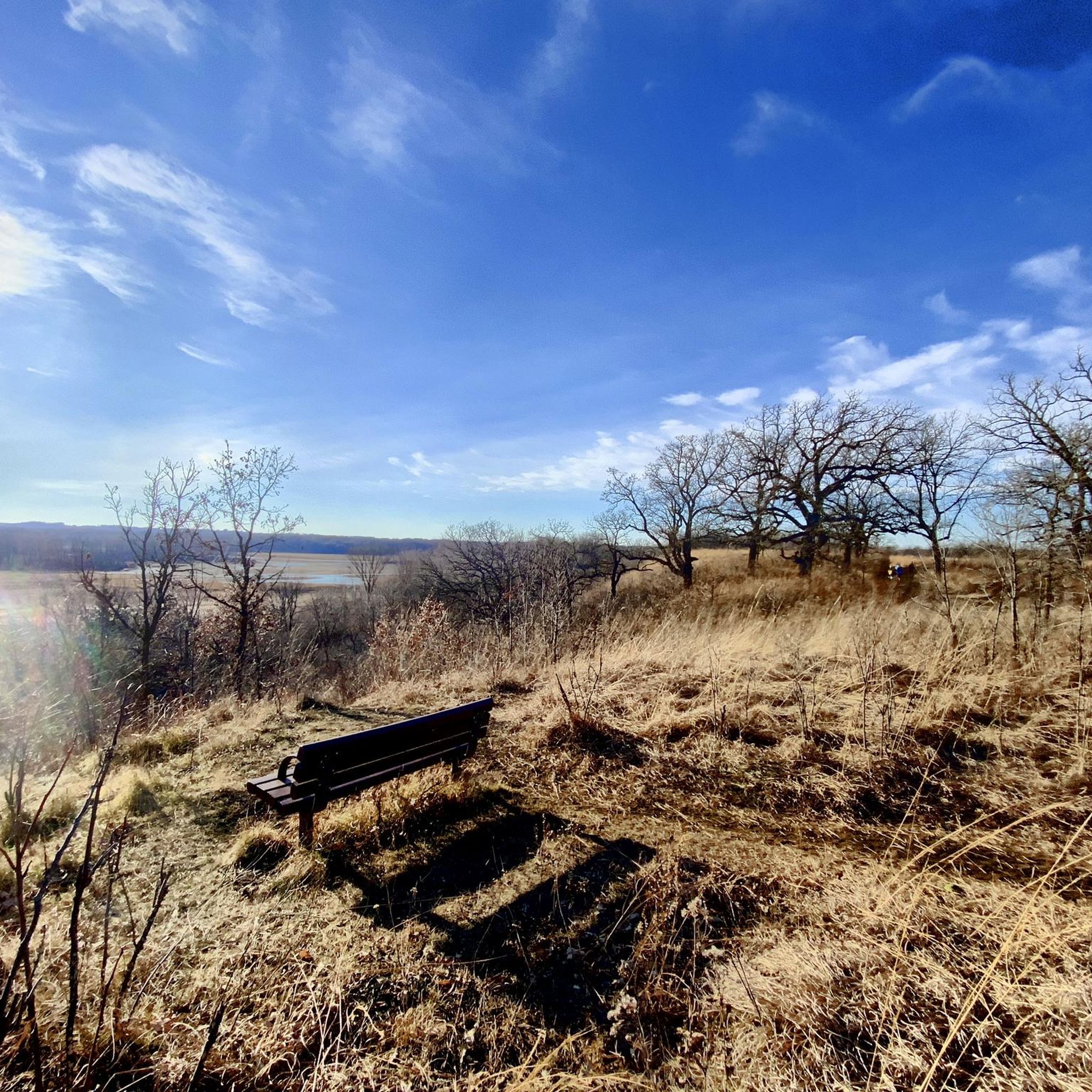
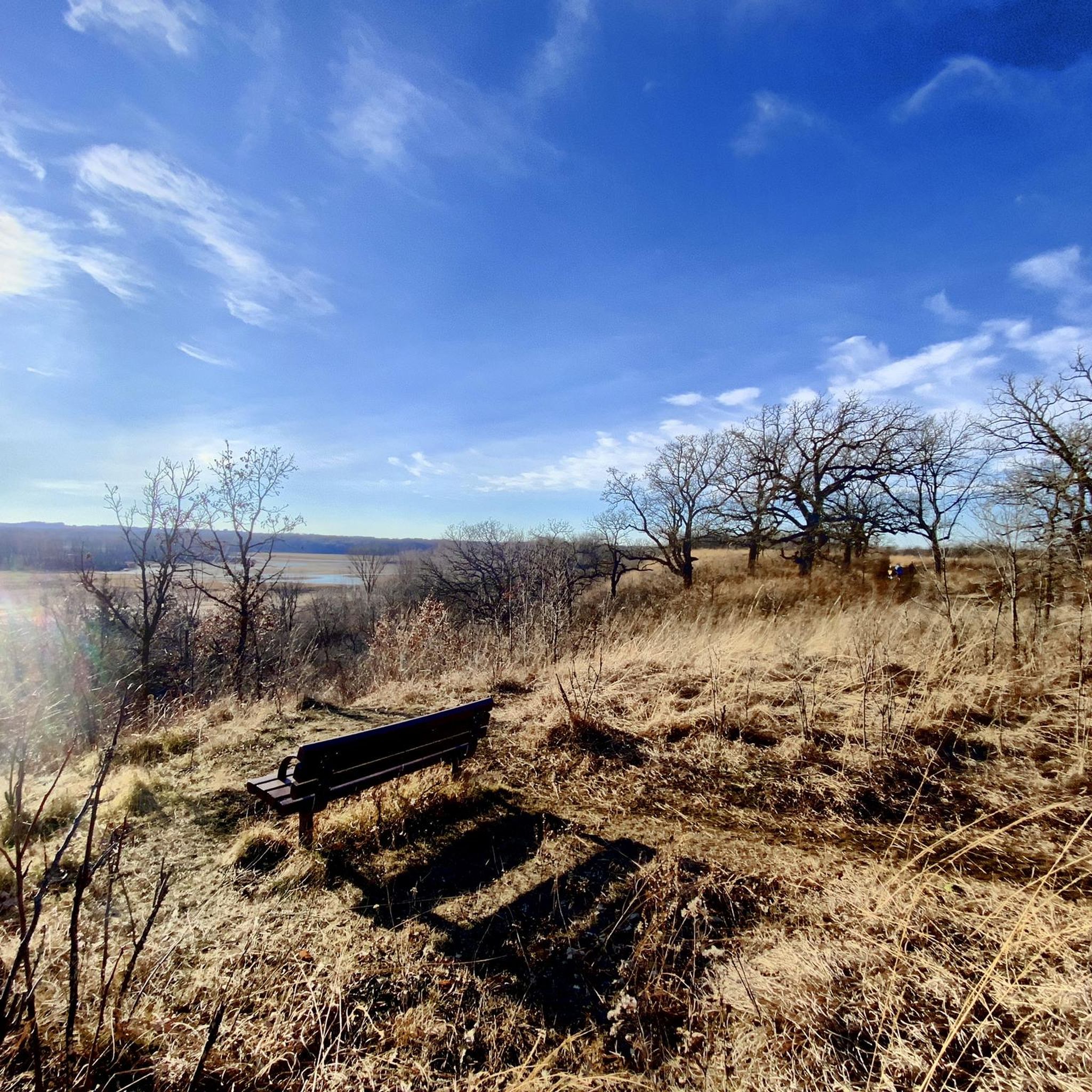
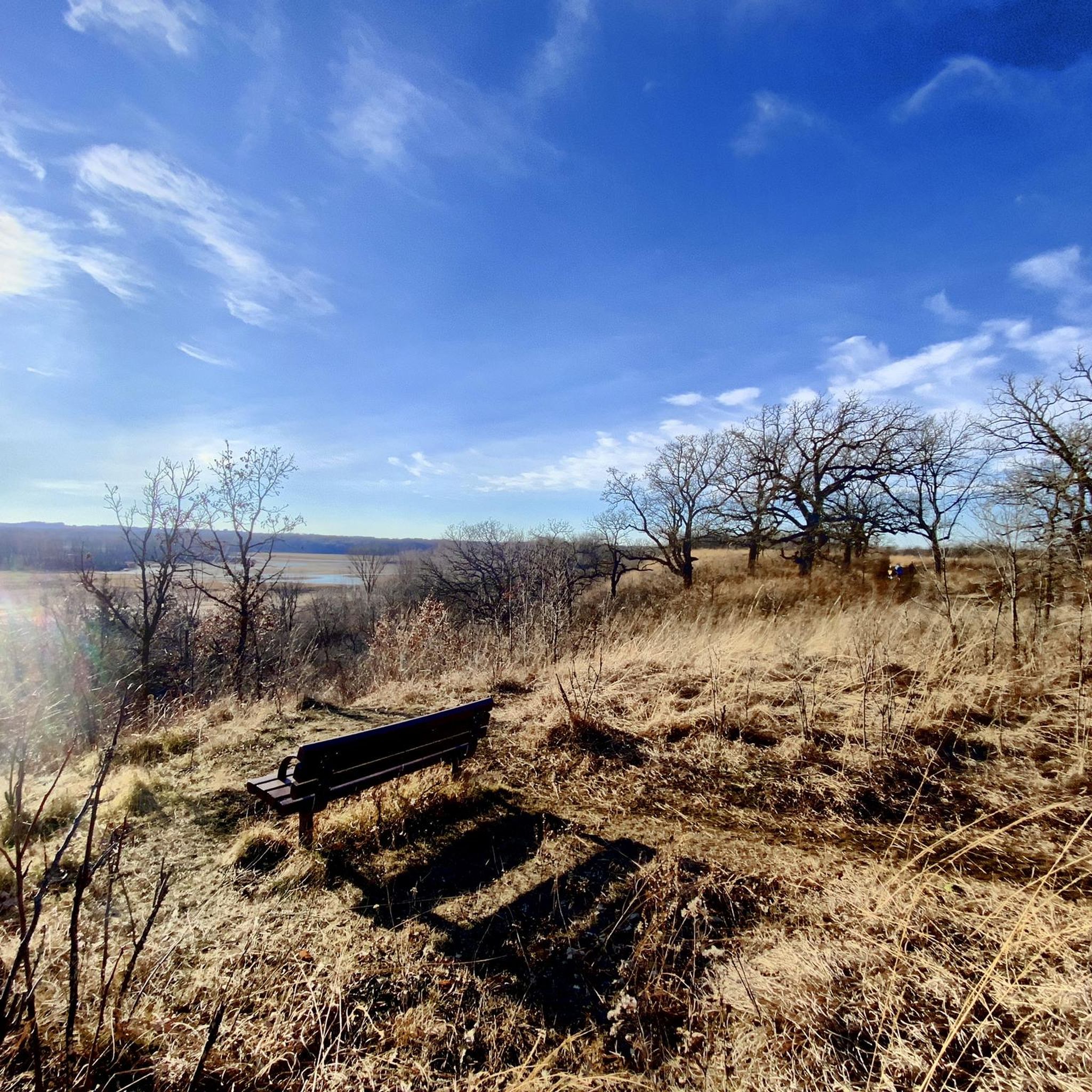
This is a great overlook atop the Minnesota River Bluffs set within an oak savanna and looking out over the vast wetlands of Sand Creek as it meanders toward the Minnesota River. There is a bench to sit on as you enjoy the view. Would be a great spot for a big day of birding.
3
0
Frequently Asked Questions
What unique natural features can I explore in the Minnesota Valley National Wildlife Refuge?
Beyond the Minnesota River itself, the refuge boasts several distinctive natural features. You can visit the Oak Savanna and Tallgrass Prairie, a rare habitat supporting diverse plant and animal species. Another notable feature is the Gigantic Glacial Erratic, a massive boulder with unique shapes. The Long Meadow Lake Unit also features the Bass Ponds, fed by an underground spring that keeps the water at a constant 50 degrees year-round, preventing freezing and allowing plants to remain green.
Are there good spots for birdwatching in the refuge?
Yes, the Minnesota Valley National Wildlife Refuge is a premier birdwatching destination, especially during spring and fall migrations. The Long Meadow Lake Unit, particularly around the Bass Ponds and the Old Cedar Avenue Bridge, is a top birding hotspot, with over 215 bird species expected. The Louisville Swamp Overlook is also recommended as a great spot for a big day of birding.
What historical or cultural sites can I visit within the refuge?
The refuge holds significant historical and cultural value. In the Louisville Swamp Unit, you can find the Mazomani Trail, named after a Wahpeton Sioux chief, and the area was once home to a Wahpeton Sioux village. Remains of two old farms, including an 1880 barn and a restored granary at Jabs Farm, are also visible. Additionally, Jean-Baptiste Faribault built a fur trading post near the village in 1802. The historic Old Cedar Avenue Bridge is another point of interest.
What activities are available for families with children?
The refuge offers several family-friendly options. Near the Old Cedar Avenue Bridge, there's a dedicated Nature Play Area where children can engage in imaginative play, build stick forts, and construct eagle's nests and beaver dams using natural materials. Many trails, such as the Mazomani Trail, are considered easy and suitable for families. The Bloomington Education and Visitor Center also offers free equipment like binoculars and explorer backpacks for kids.
What types of hiking trails are available in the Minnesota Valley National Wildlife Refuge?
The refuge offers a variety of hiking trails suitable for different skill levels. You can find easy trails like the Mazomani Trail and the Rapids Lake Trail. The Louisville Swamp Unit features trails through oak savannas and wetlands, leading to spots like the Louisville Swamp Overlook. For more options, explore the easy hiking routes available in the area: Easy hikes in Minnesota Valley National Wildlife Refuge.
Can I go cycling in the refuge?
Yes, cycling is a popular activity. The River Bottoms Trail in the Bloomington Ferry Unit offers a beginner-friendly off-road cycling experience along the Minnesota River, winding through wooded areas. There are also various cycling routes available, including easy to moderate options. You can find more details on cycling routes here: Cycling in Minnesota Valley National Wildlife Refuge.
When is the best time to visit the Minnesota Valley National Wildlife Refuge?
The refuge offers attractions year-round. Spring and fall are particularly excellent for birdwatching due to migratory species. Summer brings vibrant wildflowers to the prairie restoration areas, especially at the Rapids Lake Unit. The unique stream at the Bass Ponds remains green even in winter, offering a year-round attraction. Winter also provides opportunities for cross-country skiing and snowshoeing.
Where can I learn more about the refuge's wildlife and ecosystems?
The Bloomington Education and Visitor Center is an excellent starting point. It features nature exhibits, videos, and an art gallery showcasing nature-inspired art. You can also learn about the diverse ecosystems like the Oak Savanna and Tallgrass Prairie, which are critical habitats for various species. The Wilkie Unit is home to Minnesota's largest great blue heron rookery, though parts are closed March-August to protect nesting birds.
Are there any unique geological formations to see?
Yes, the Louisville Swamp Unit is home to a significant natural feature: the Gigantic Glacial Erratic. This large boulder stands out along the hiking trails and is notable for its unique shapes, which some say resemble a bison or a right whale depending on the viewing angle.
What do visitors enjoy most about the Louisville Swamp area?
Visitors particularly enjoy the panoramic views from the Louisville Swamp Overlook, which is set within an oak savanna and looks out over the vast wetlands of Sand Creek. It's considered a great spot to sit and enjoy the scenery or for birding. The area also features the Gigantic Glacial Erratic, which often surprises hikers with its size and unique appearance.
What are some lesser-known points of interest in the refuge?
Beyond the main visitor centers, consider exploring the Black Dog Preserve in Burnsville, which surrounds Black Dog Lake and preserves prairie and calcareous fen habitats. The lake's warmer waters, due to clean wastewater from a nearby power plant, allow certain waterfowl to remain longer into the winter. Another interesting spot is the Abandoned water-control structure on Sand Creek, which tells a story of the area's hydrology and past floods.
Are there opportunities for running or jogging in the refuge?
Yes, the refuge offers various trails suitable for running and jogging. You can find moderate to difficult routes, including loops around Lake Grace Picnic Area and along Pioneer Trail. For a comprehensive list of running trails and their details, refer to the guide: Running Trails in Minnesota Valley National Wildlife Refuge.
Most popular routes in Minnesota Valley National Wildlife Refuge

Get inspired with the komoot mobile app


Explore more
Still not found the Highlight you’re looking for? See guides of the top attractions in other regions:
