Top 20 Natural Monuments around Untermarchtal
Best natural monuments around Untermarchtal are found in the Danube Valley, a region characterized by its natural features and historical sites. The area includes geological formations, ancient trees, and river landscapes. These natural monuments offer insights into the local ecology and historical context. Untermarchtal's landscape provides opportunities for exploring diverse natural settings.
Best natural monuments around Untermarchtal
- The most popular natural monuments is Rock Archway Entrance to Lautertal, a natural_monument that serves as an inlet from the south into…
Last updated: June 25, 2026
Rock Archway Entrance to Lautertal
Highlight • Natural Monument
Translated by Google •
Tip by

Hoher Gießel Waterfall
Highlight • Waterfall
Translated by Google •
Tip by

Sign up now to discover places like this
Get recommendations on the best single tracks, peaks, & plenty of other exciting outdoor places.
Sign up for free
Great Lauter
Highlight • River
Translated by Google •
Tip by

Rock formations in the Lauter Valley
Highlight • Natural Monument
Translated by Google •
Tip by

Confluence of the Lauter and Danube
Highlight • River
Translated by Google •
Tip by

Sign up for free to discover even more natural monuments around Untermarchtal.
Sign up for free
Already have an account?
Start today with a free account
Your next adventure awaits.
Login or Signup
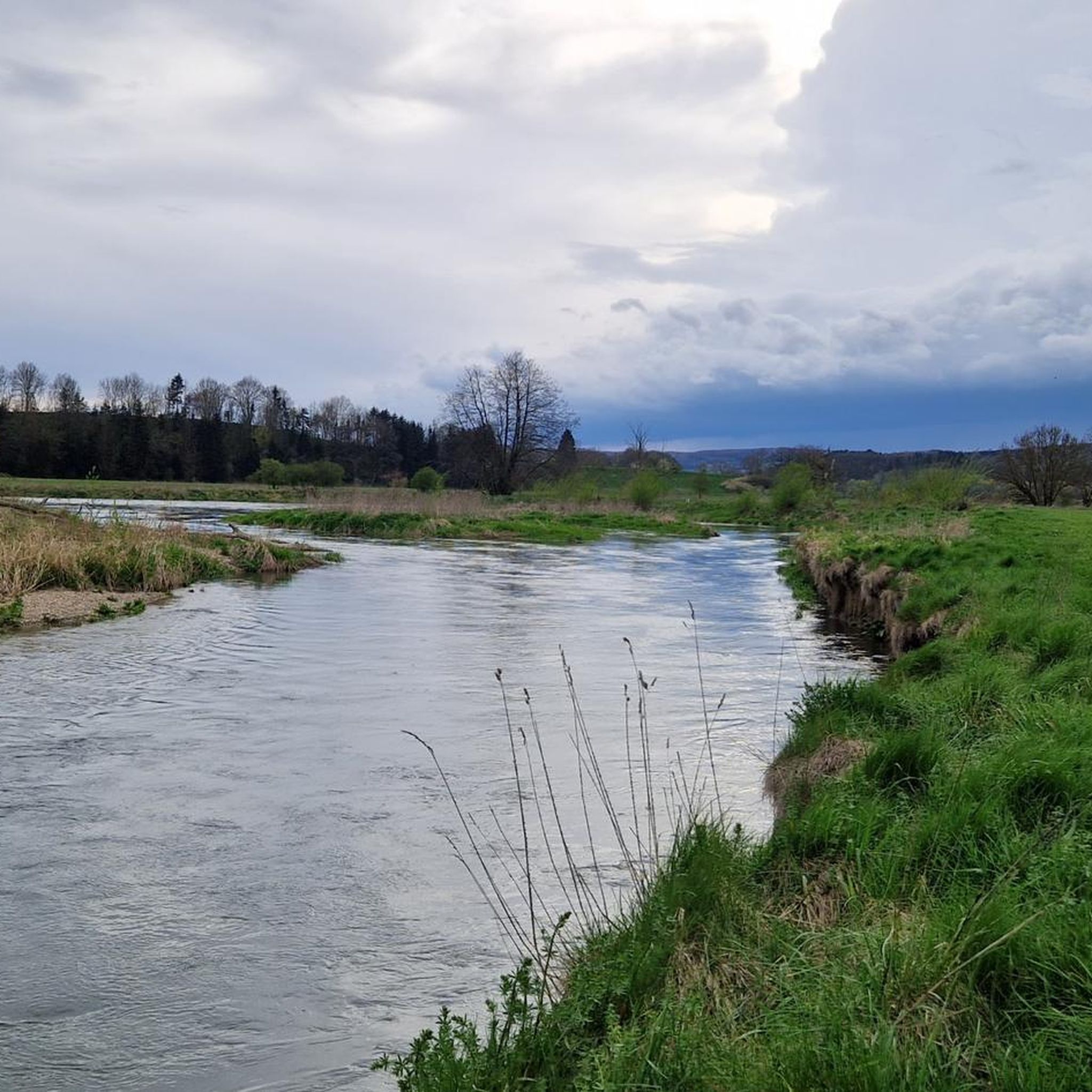
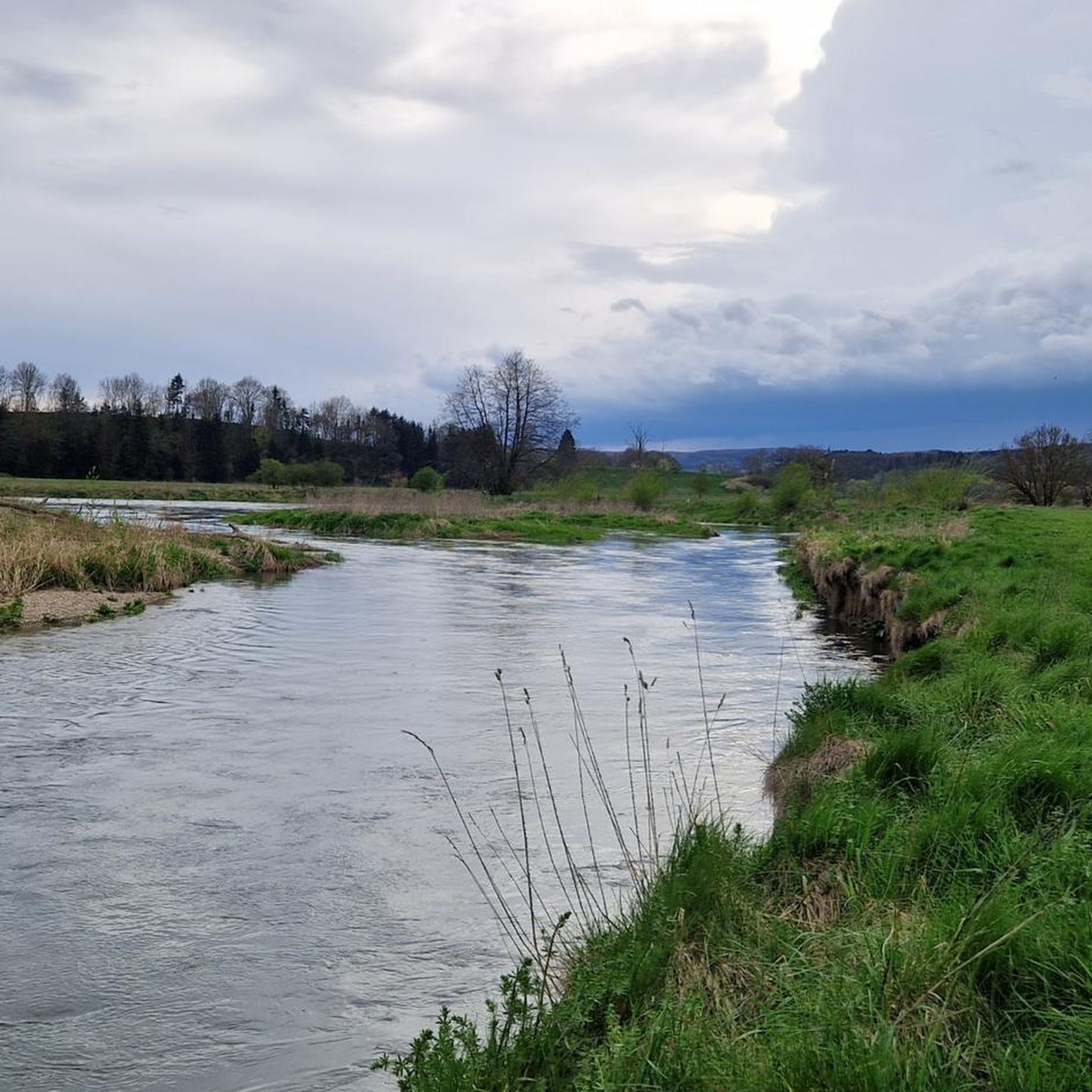
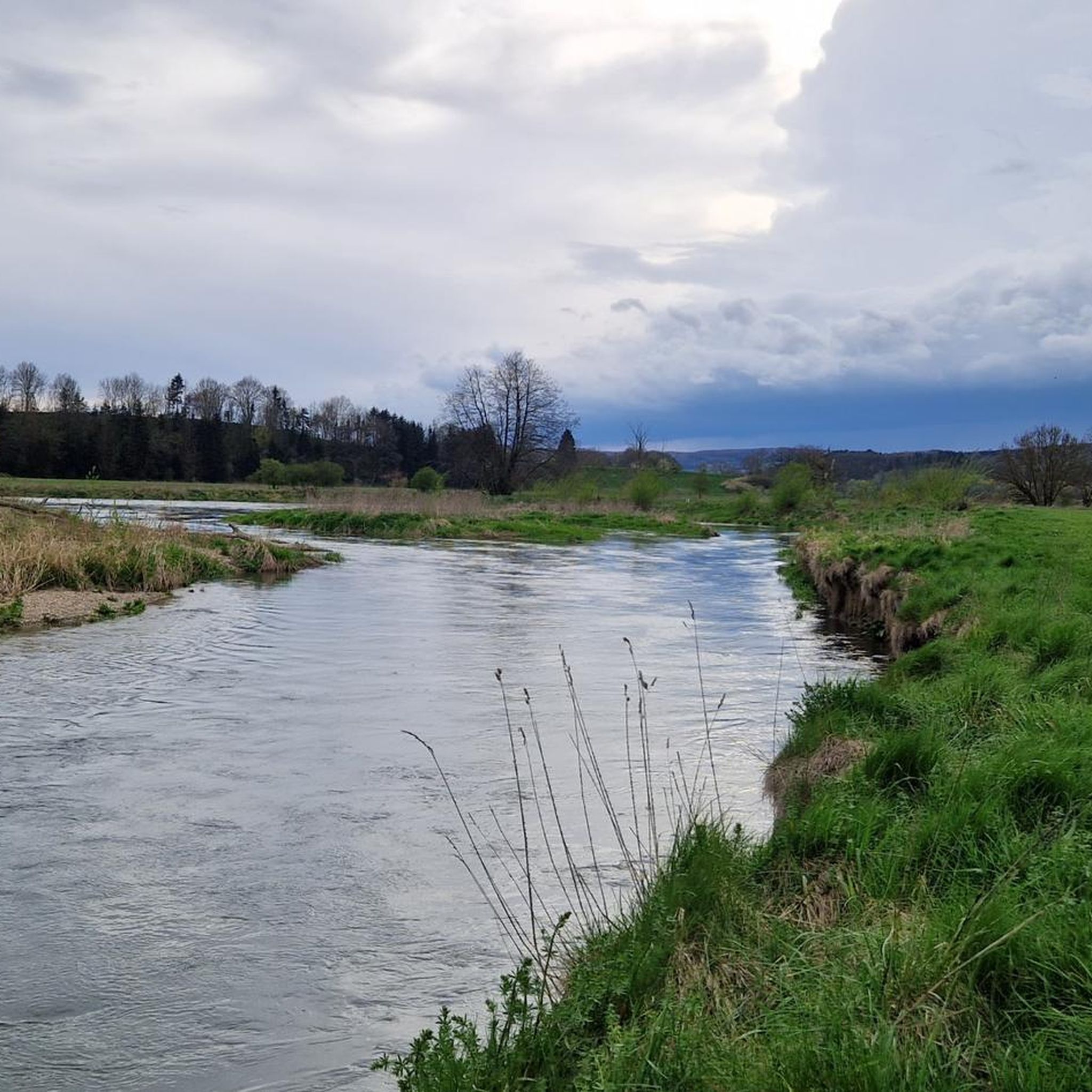
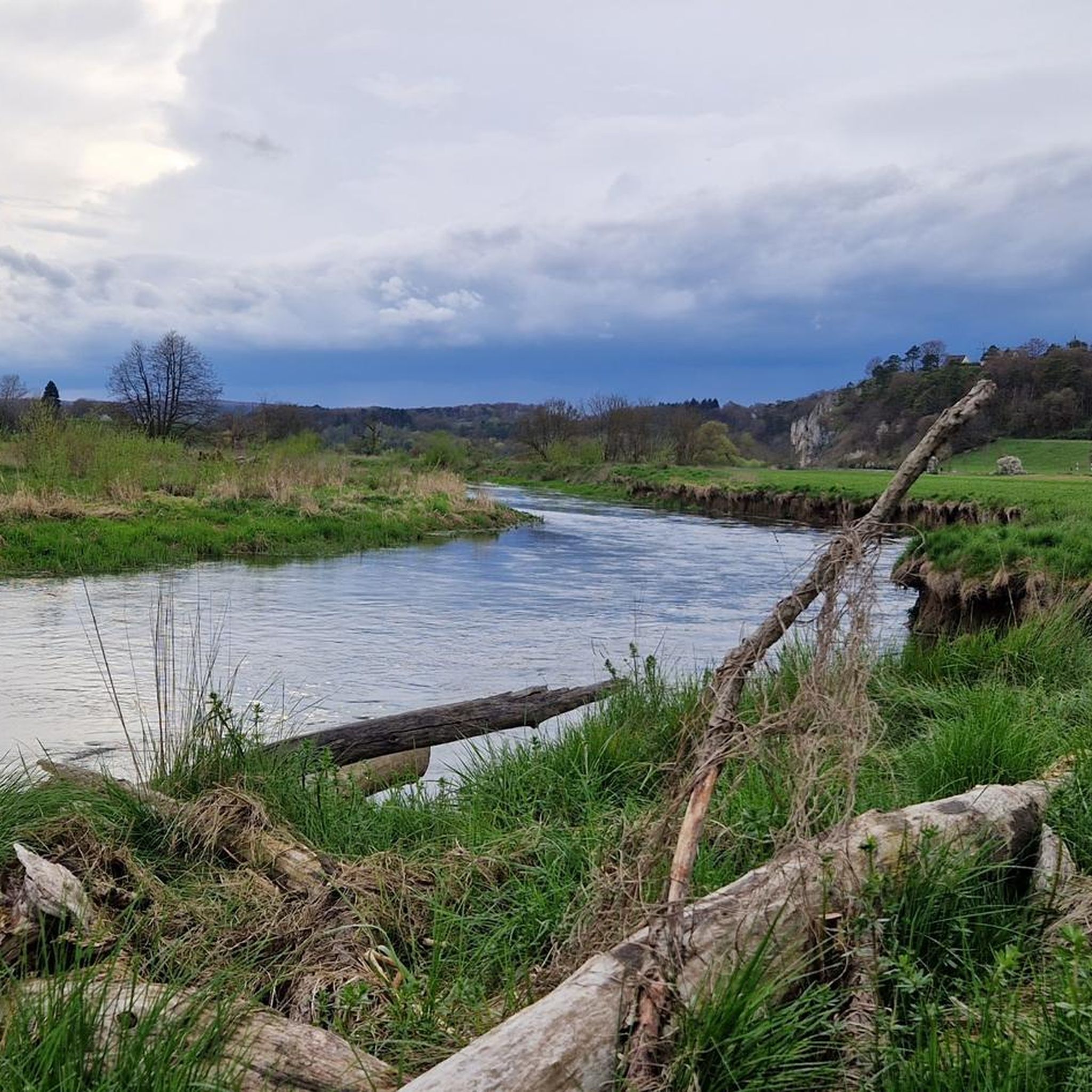
Tips from the Community

An imposing rock massif with natural tunnels. Very impressive.
3
0

even a long journey is worthwhile
2
0

The Lautertal, hiking regions on the Swabian Alb and in every season. Numerous castle ruins, juniper heath, forests, meadows, vantage points and a variety of excellent circular hiking trails and bike tours are possible.
3
0

The Laufenmühle is right behind the Felsentor. Very idyllic location, great food.
3
1

Just getting there is worth seeing.
3
0


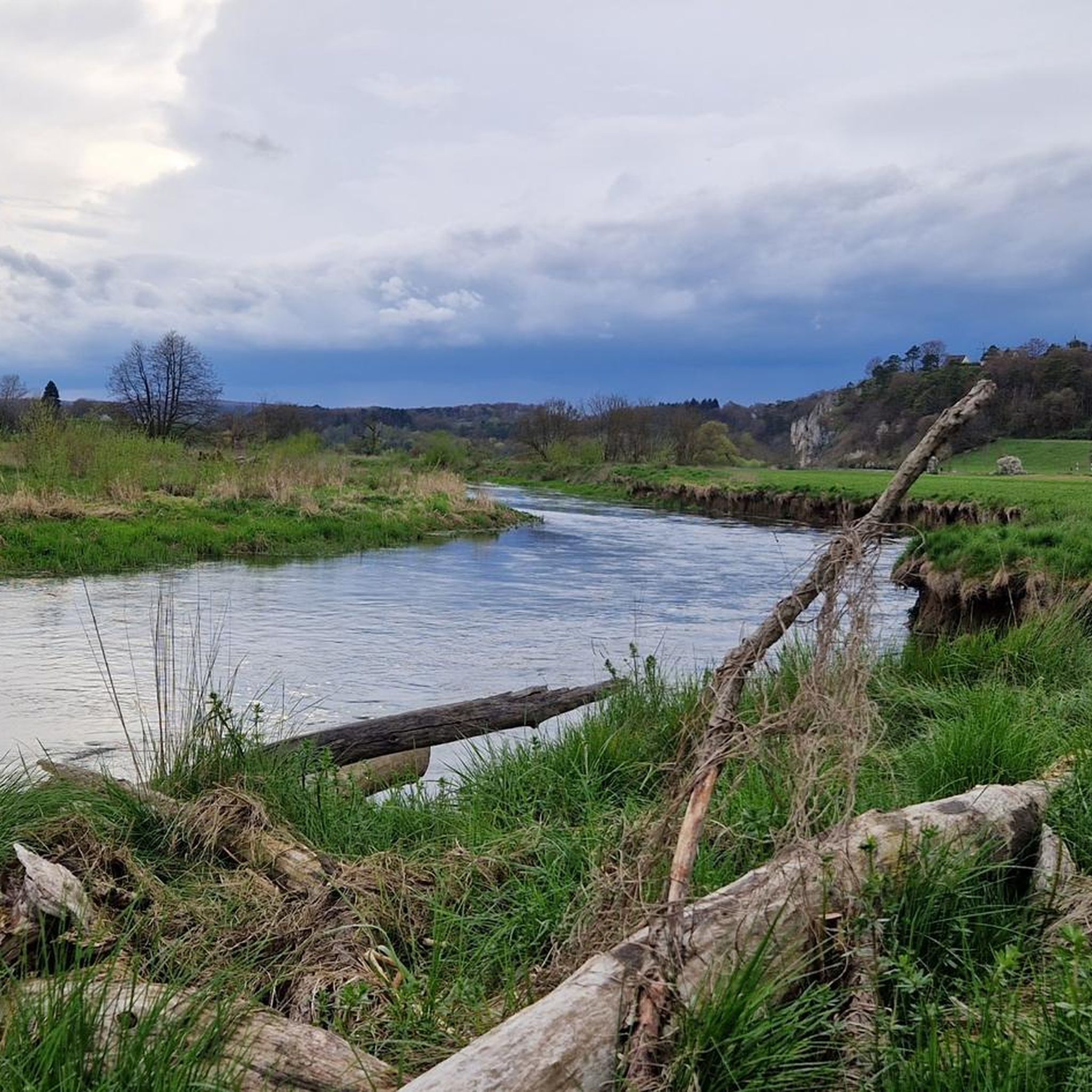
Beautiful view of the Lautertal and the Große Lauter.
3
0

Beautiful and natural valley
5
0
Frequently Asked Questions
What unique natural features can I explore in Untermarchtal?
Untermarchtal offers a diverse range of natural features. You can discover impressive geological formations like the Rock Archway Entrance to Lautertal, which serves as a dramatic entry point into the Lautertal. The region also features beautiful river landscapes, including the Hoher Gießel Waterfall where the Lauter river cascades over several steps, and the Confluence of the Lauter and Danube.
Are there any natural monuments with historical significance in Untermarchtal?
Yes, Untermarchtal is home to several natural monuments with rich historical connections. The 'Drei Friedenslinden' (Three Peace Lindens) are ancient trees, some over 300 years old, planted to commemorate peace treaties, notably after the Franco-Prussian War. Another significant site is the Denkert Felsen (Denkert Rock) and Denkert Wand, where a cross marks the former site of a medieval castle, offering both natural beauty and historical intrigue.
What is the best time of year to visit the natural monuments in Untermarchtal?
The best time to visit depends on your interests. For vibrant blooms, early spring (March) is ideal to see the snowdrops and scarlet elf cups in the Wolfstal Snowdrop and Scarlet Elf Cup Bloom. Generally, spring, summer, and early autumn offer pleasant weather for hiking and cycling along the Danube Cycle Path, making it perfect for exploring the outdoor natural monuments and enjoying the shade provided by ancient trees like the Friedenslinden.
Are there family-friendly natural monuments around Untermarchtal?
Many natural monuments in Untermarchtal are suitable for families. The Rock Archway Entrance to Lautertal, the Hoher Gießel Waterfall, and the Confluence of the Lauter and Danube are all categorized as family-friendly. The Wolfstal Snowdrop and Scarlet Elf Cup Bloom also offers a beautiful valley experience for all ages, with rock formations and natural trees.
What outdoor activities can I do near these natural monuments?
The area around Untermarchtal is excellent for various outdoor activities. You can enjoy hiking on trails like the 'Obermarchtal Abbey – View of Obermarchtal Abbey loop' or 'Klostergasthof Adler – Donauwiesen Nature Reserve loop'. Cycling is also popular, with routes such as the 'Lauter Valley Cycle Path' and the 'Old Danube Bridge Rottenacker – Mochental Castle loop'. For more rugged adventures, gravel biking routes like 'Through the Wolfstal' are available. You can find more details on these activities in the hiking guide, cycling guide, and gravel biking guide for Untermarchtal.
Are there hiking trails near the natural monuments in Untermarchtal?
Yes, there are numerous hiking trails that allow you to explore the natural monuments. For example, you can take an easy 7.5 km loop from Untermarchtal to the 'Warm Springs at Algershofen – Frauenberg Church'. More moderate options include the 10 km 'Obermarchtal Abbey – View of Obermarchtal Abbey loop' or the 9.2 km 'Klostergasthof Adler – Donauwiesen Nature Reserve loop'. These trails often pass by or offer views of the region's natural highlights. Find more hiking options in the hiking guide for Untermarchtal.
What do visitors enjoy most about the natural monuments in Untermarchtal?
Visitors frequently praise the untouched nature and scenic beauty. Many enjoy the dramatic entrance to the Lautertal through the Rock Archway. The Hoher Gießel Waterfall is appreciated as a tranquil spot to dismount from bikes and immerse oneself in nature. The Wolfstal is a highlight for its beautiful valley, especially during the snowdrop season, and its unique rock formations.
Are there any hidden natural gems or lesser-known spots worth visiting?
Beyond the more popular sites, the Lautertal near Reichenstein is considered an exceptionally beautiful valley landscape with rocks and meadows, offering a great hiking experience. The municipality of Untermarchtal itself boasts seventeen officially recognized natural monuments, including seven area-based and ten individual ones, many of which offer serene and less crowded experiences.
How long should I plan for a visit to the natural monuments?
The duration of your visit can vary greatly depending on which natural monuments you wish to see and what activities you plan. A quick stop at the Friedenslinden might take 15-30 minutes, while exploring the Denkert Felsen and its surroundings could take an hour or two. For a more immersive experience, such as hiking or cycling through the Lautertal or visiting multiple sites, you could easily spend half a day or a full day.
Are the natural monuments in Untermarchtal accessible by public transport?
While specific public transport routes directly to every natural monument are not detailed, Untermarchtal is situated in the Danube Valley, which is generally well-connected. Many natural monuments, such as the Friedenslinden, are located directly alongside the popular Danube Cycle Path, making them easily accessible by bike or on foot from nearby towns or public transport stops. It's advisable to check local bus schedules for connections to Untermarchtal and then plan your route to specific sites.
Can I visit the natural monuments in Untermarchtal during winter?
Yes, many natural monuments can be visited in winter, though conditions may vary. The landscape takes on a different, often serene, beauty with snow. However, some trails might be slippery or less accessible, especially in gorges or near waterfalls. It's always recommended to check local weather conditions and trail reports before heading out and to wear appropriate footwear and clothing for winter conditions.
Are there any specific geological features to look out for?
Absolutely. The region is known for its unique geological characteristics. The Rock Archway Entrance to Lautertal is a prominent rock formation that visitors find impressive. The Denkert Felsen (Denkert Rock) is another significant geological landmark, offering insights into the area's natural history. The gorges, like the Wolfstal, also feature fascinating rock formations shaped over time.
Most popular routes around Untermarchtal
Most popular attractions around Untermarchtal

Get inspired with the komoot mobile app


Explore more
Extend your search for the best caves by checking out these guides of the top ones around Untermarchtal:
