Top 4 Natural Monuments around Karenz
Natural monuments around Karenz, located in the Ludwigslust-Parchim district of Mecklenburg-Vorpommern, Germany, offer diverse natural landscapes. The region is characterized by unique ecological features such as inland dunes and heathlands. These areas provide habitats for specialized flora and fauna adapted to specific climatic and soil conditions. Visitors can explore these sites to observe distinct ecosystems and geological formations.
Best natural monuments around Karenz
- The most popular natural monuments is Wandering Dune (Schwarze Berge), a natural monument that is part…
Last updated: May 12, 2026
Fritz Reuter Memorial (Reuterstein)
Highlight • Monument
Translated by Google •
Tip by

Conow Salt Spring
Highlight • Natural Monument
Translated by Google •
Tip by
Sign up now to discover places like this
Get recommendations on the best single tracks, peaks, & plenty of other exciting outdoor places.
Sign up for free
Wandering Dune (Schwarze Berge)
Highlight • Natural Monument
Translated by Google •
Tip by

View of the dunes from Teehaus Hill
Highlight • Viewpoint
Translated by Google •
Tip by

Largest glacial erratic in the Griese area
Highlight • Natural Monument
Translated by Google •
Tip by

Start today with a free account
Your next adventure awaits.
Login or Signup
Tips from the Community

Information board
0
0

Fritz Reuter Memorial, Release from Fortress Imprisonment
0
0

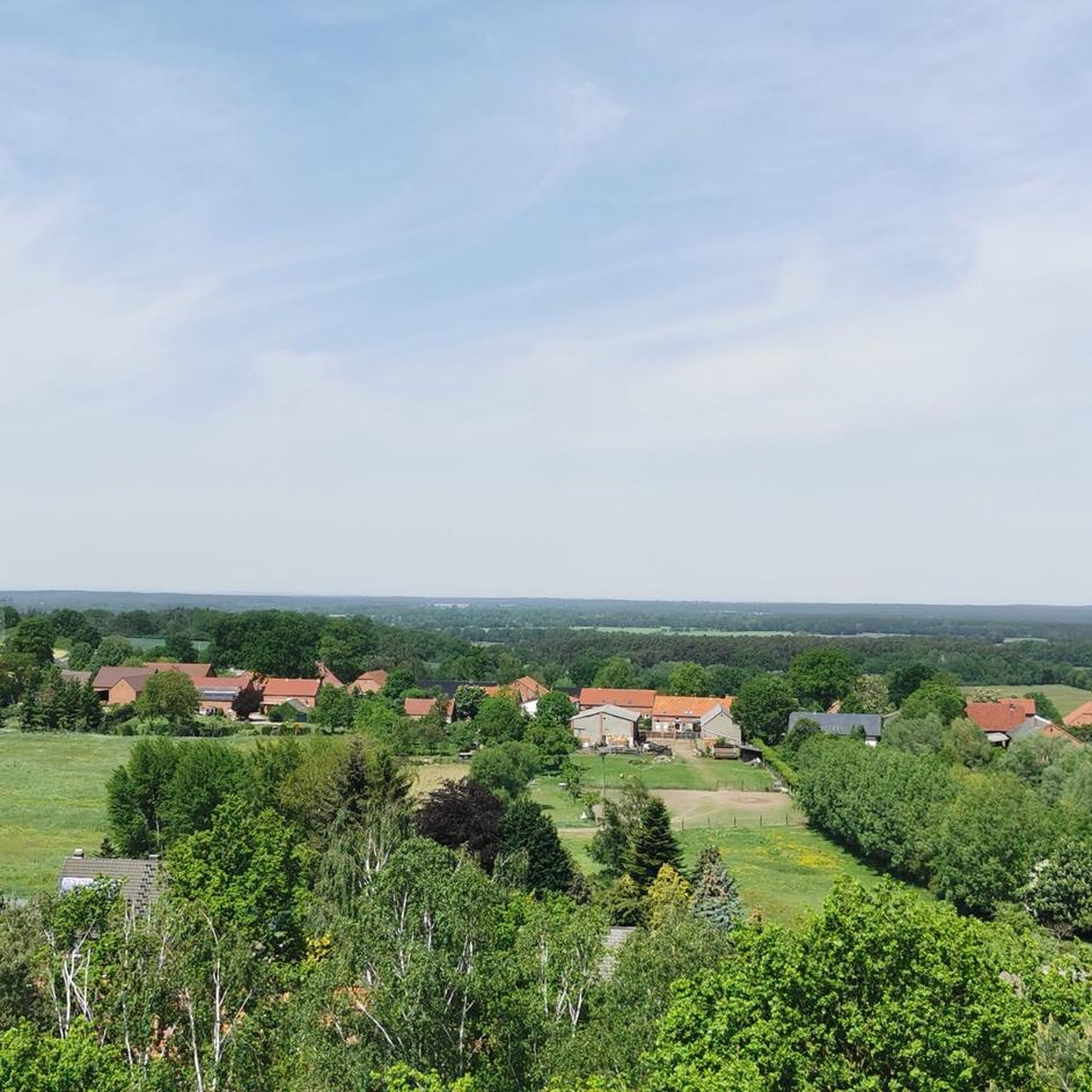
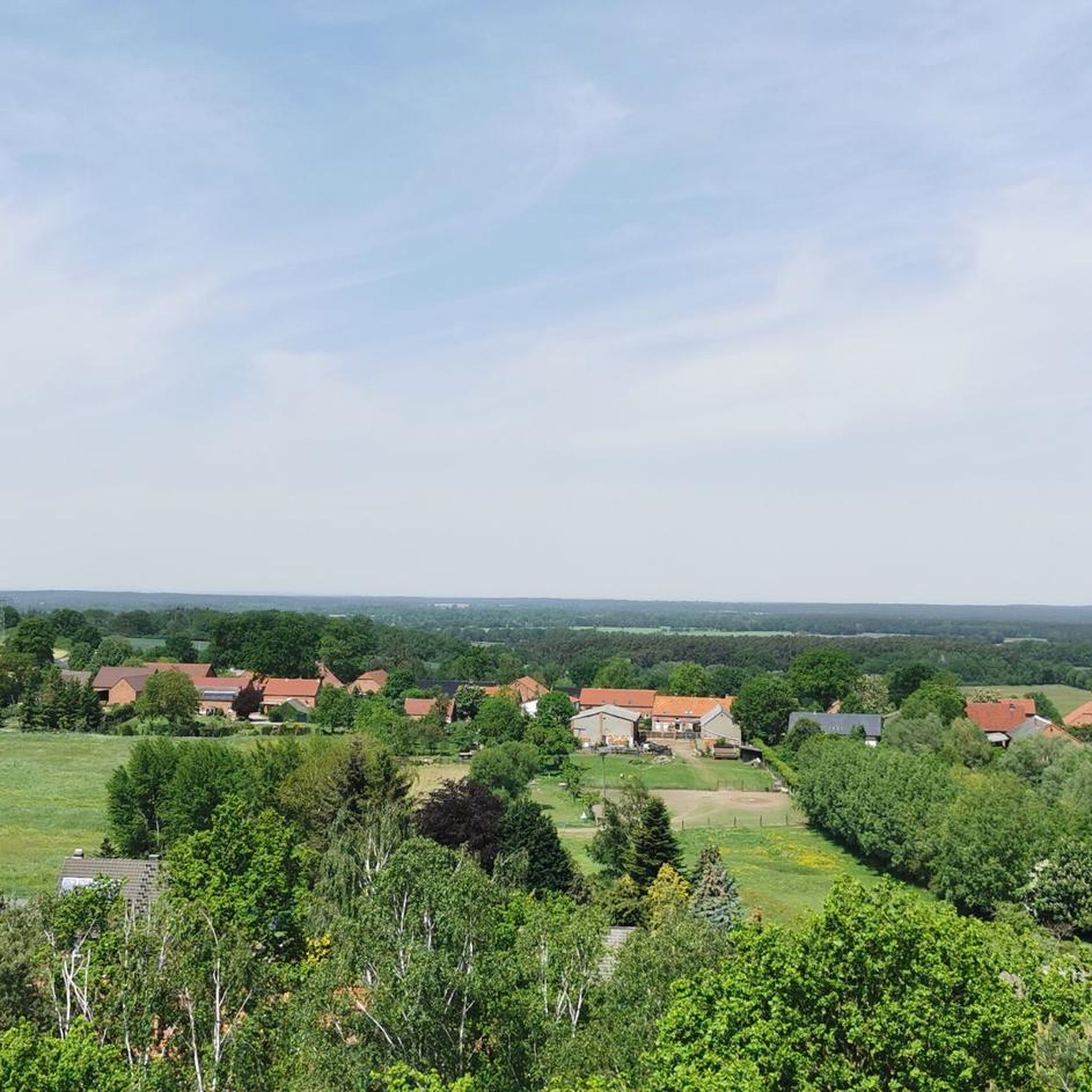
There is no longer a covered seating area on the hill. But if you are looking for shade, you can look for it on or in the house. From the hill, you can admire a wonderful panorama - including the inland dune.
0
0
At 19 tons, this red gneiss, which lies directly on the path between Neu Krenzlin and Göhlen, cannot be overlooked. The weakly metamorphic orthogneiss was probably transported here by glaciers during the end of the Saale Ice Age (Warthe stage). The age of the rock is estimated to be between 1.8 and 1.9 billion years. Right next to the Brocken there is a large-leaved lime tree that provides wonderful shade in the summer. So the rock not only offers an interesting regional historical point, but also a great place to linger. The only thing missing is a bench to sit on.
0
0

Shady seating, two wastepaper baskets available
0
0
Shady seating, wastepaper baskets available.
0
0

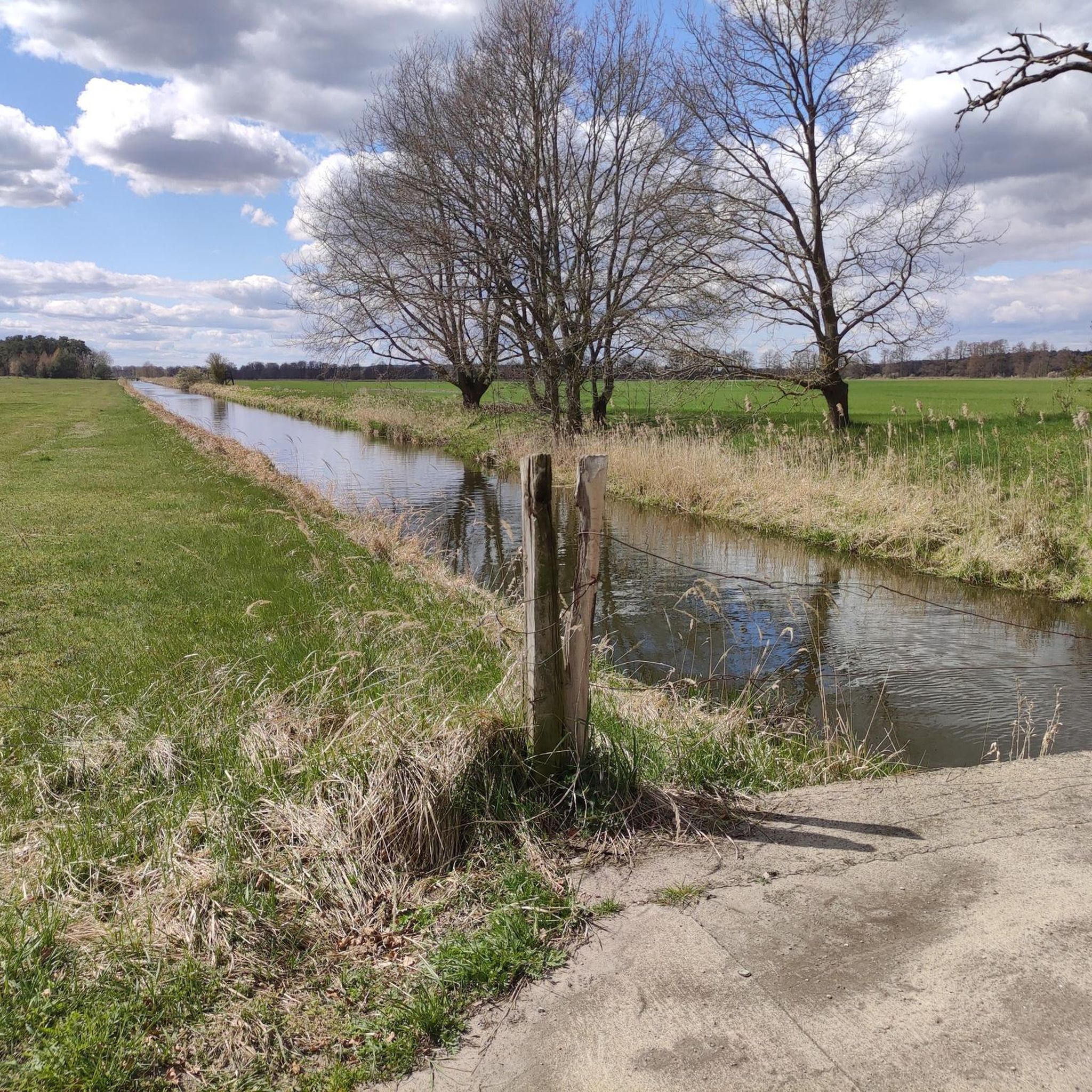
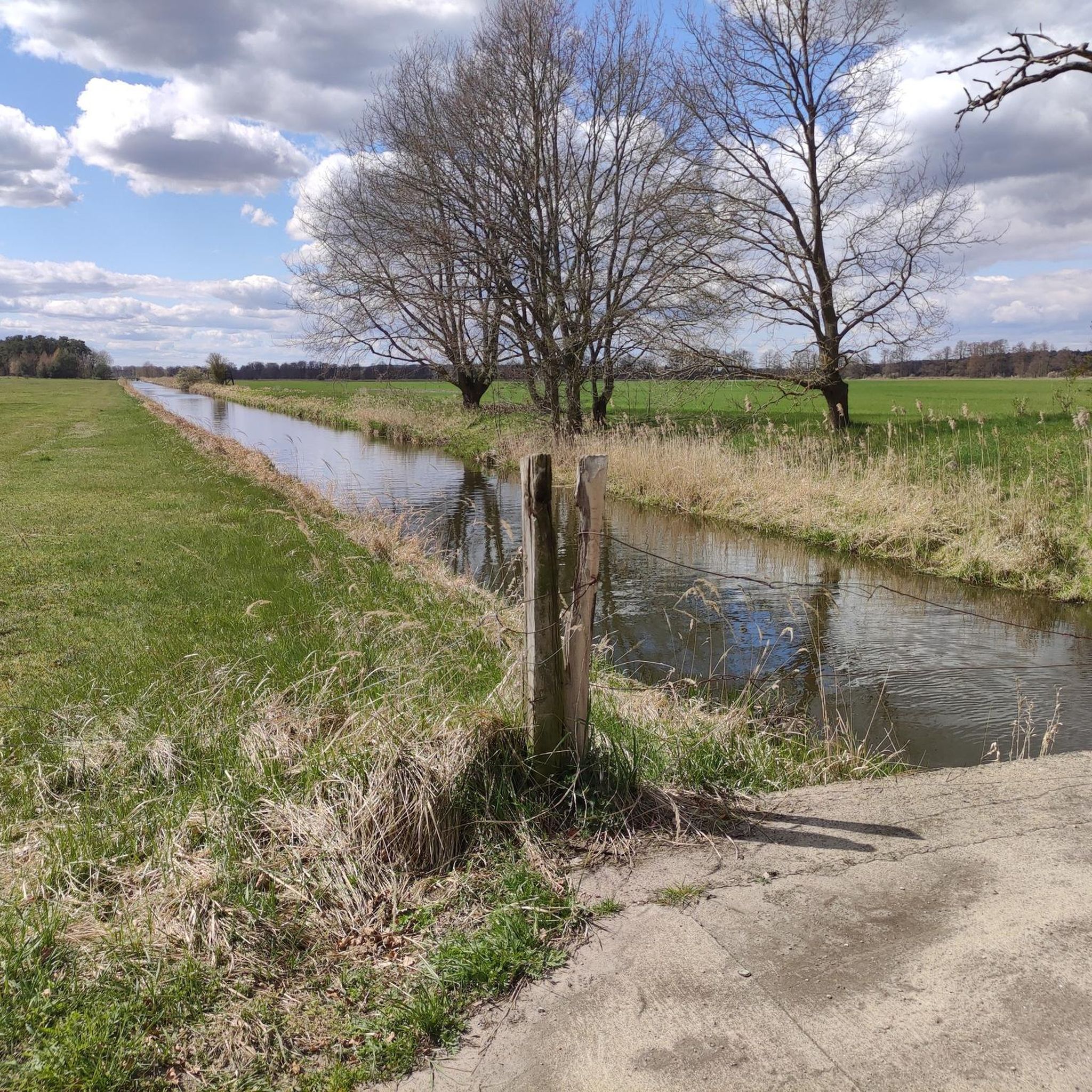
It's easy to miss this place because it's a little off the road and there's no paved path to get there. But definitely worth a detour.
0
0

The function of salt production can be clearly explained at the "push of a button".
1
0
Frequently Asked Questions
What unique natural features can I explore around Karenz?
The Karenz region is notable for its diverse natural features, including unique inland dunes, heathlands, salt springs, and glacial erratics. A prominent example is the Wandering Dune (Schwarze Berge), which is part of the Lübtheener heath, representing the largest contiguous sand heath in Mecklenburg. You can also visit the Conow Salt Spring, which features a miniature graduation tower and a long history of salt production.
Are there family-friendly natural monuments in the Karenz area?
Yes, several natural monuments around Karenz are suitable for families. The Fritz Reuter Memorial (Reuterstein) offers a relaxed break in the forest with benches and information boards. The Conow Salt Spring is also considered family-friendly, providing an interesting historical and natural experience. Additionally, the Largest glacial erratic in the Griese area is an accessible and intriguing geological site for all ages.
Where can I find the best panoramic views of the dunes and heathland?
For expansive panoramic views, visit the View of the dunes from Teehaus Hill. From this viewpoint, you can admire the inland dune and the surrounding heathland. The Binnendünen bei Klein Schmölen, located approximately 100 km inland, also offers sweeping views over the Löcknitz lowlands and the Elbe foreland.
What kind of historical or cultural sites are considered natural monuments in this region?
The Fritz Reuter Memorial (Reuterstein) is a significant site, featuring a boulder monument dedicated to the Mecklenburg local poet Fritz Reuter. It offers a place for reflection with benches and information boards. The Conow Salt Spring also has historical significance related to salt production in the region.
Are there hiking trails near the natural monuments around Karenz?
Yes, there are various hiking opportunities near the natural monuments. For easy hikes, you can explore routes like the 'Hiking loop from Hohenwoos Ziegelei' or the 'Conow Salt Spring loop from Malliß'. You can find more details and routes on the Easy hikes around Karenz guide.
What outdoor activities can I do near these natural monuments?
Beyond hiking, the area around Karenz offers opportunities for mountain biking and touring cycling. You can find MTB trails such as the 'Quast Village Well – Hermann Spangenberg Memorial loop from Leussow' in the MTB Trails around Karenz guide. For cycling, routes like the 'Klein Schmölen Inland Dune loop from Malliß' are available in the Cycling around Karenz guide.
What is the Binnendünen bei Klein Schmölen and why is it important?
The Binnendünen bei Klein Schmölen is Europe's largest inland hiking dune, located about 100 km from the sea. It's notable for its unique geological formation, dating back to the last Ice Age, and its extremely diverse flora and fauna. It provides a habitat for rare and protected species and is part of the UNESCO Biosphere Reserve 'River Landscape Elbe Mecklenburg-Vorpommern', highlighting its ecological significance. Visitors can explore designated paths and learn about its formation from information boards.
What is the FFH-Gebiet Karenzer und Kalißer Heide?
The FFH-Gebiet Karenzer und Kalißer Heide is a Special Area of Conservation (SAC) within the Ludwigslust-Parchim district. It comprises unique dry heathlands that developed on sandy soils, partly due to former military use. As an FFH (Fauna-Flora-Habitat) area, it is designated for the protection of specific natural habitat types and wild animal and plant species of European importance, offering a chance to experience a rare and protected heathland landscape.
Are there any geological curiosities to see?
Yes, the Largest glacial erratic in the Griese area is a significant geological feature. This 19-ton red gneiss boulder was transported by glaciers during the Saale Ice Age and is estimated to be between 1.8 and 1.9 billion years old. It's located directly on a path between Neu Krenzlin and Göhlen.
What do visitors particularly appreciate about the natural monuments around Karenz?
Visitors frequently highlight the unique natural landscapes, such as the inland dunes and heathlands, and the opportunities for quiet nature observation. The historical context of sites like the Fritz Reuter Memorial and the educational aspects of the Conow Salt Spring are also highly valued. The panoramic views from spots like the View of the dunes from Teehaus Hill are also a favorite.
Is the Wandering Dune (Schwarze Berge) currently accessible?
Please note that the Wandering Dune (Schwarze Berge), while a significant natural monument and part of the Lübtheener heath, has had periods of restricted access. It's advisable to check local conditions or information boards upon arrival, as it was formerly a military training area.
What is the best time to visit the natural monuments around Karenz?
The best time to visit the natural monuments around Karenz largely depends on your preferred activities. Spring and autumn offer pleasant temperatures for hiking and cycling, with blooming heathlands in late summer providing a beautiful spectacle. Winter can also be appealing for quiet walks, though some paths might be less accessible depending on snow or ice conditions.
Most popular routes around Karenz
Most popular attractions around Karenz

Get inspired with the komoot mobile app


Explore more
Extend your search for the best caves by checking out these guides of the top ones around Karenz:
