Top 16 Natural Monuments around Groß Teetzleben
Best natural monuments around Groß Teetzleben are primarily found in the surrounding natural landscape, particularly near the Tollensesee. This region is part of the Mecklenburg Lake District, characterized by a pristine lake environment, diverse landscapes, and significant natural features. The area offers a variety of natural attractions, including large erratic boulders, historical sites integrated with natural settings, and unique springs. The landscape features gentle hills, forests, and meadows, providing a setting for outdoor activities.
Best natural monuments around Groß Teetzleben
…Last updated: June 25, 2026
Slavic hillfort at Kastorfer Lake
Highlight • Historical Site
Translated by Google •
Tip by

Großer Stein (Großquartzow)
Highlight • Natural Monument
Translated by Google •
Tip by

Sign up now to discover places like this
Get recommendations on the best single tracks, peaks, & plenty of other exciting outdoor places.
Sign up for free
Suhl Spring
Highlight • Natural Monument
Translated by Google •
Tip by

Rillenstein (Neolithic Grooved Boulder)
Highlight • Natural Monument
Translated by Google •
Tip by

War Memorial Chemnitz-Pinnow
Highlight • Monument
Translated by Google •
Tip by
Sign up for free to discover even more natural monuments around Groß Teetzleben.
Sign up for free
Already have an account?
Start today with a free account
Your next adventure awaits.
Login or Signup

Tips from the Community

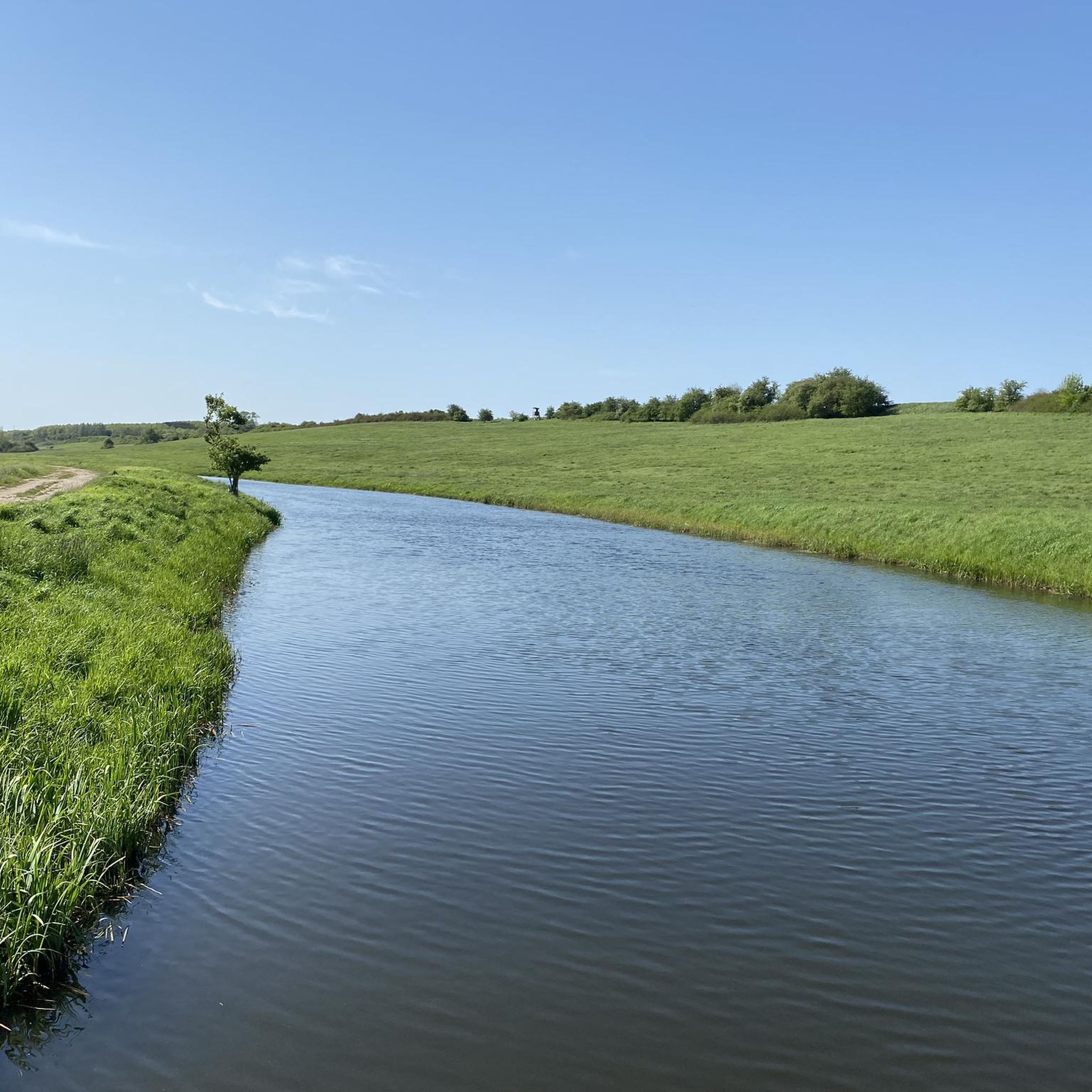
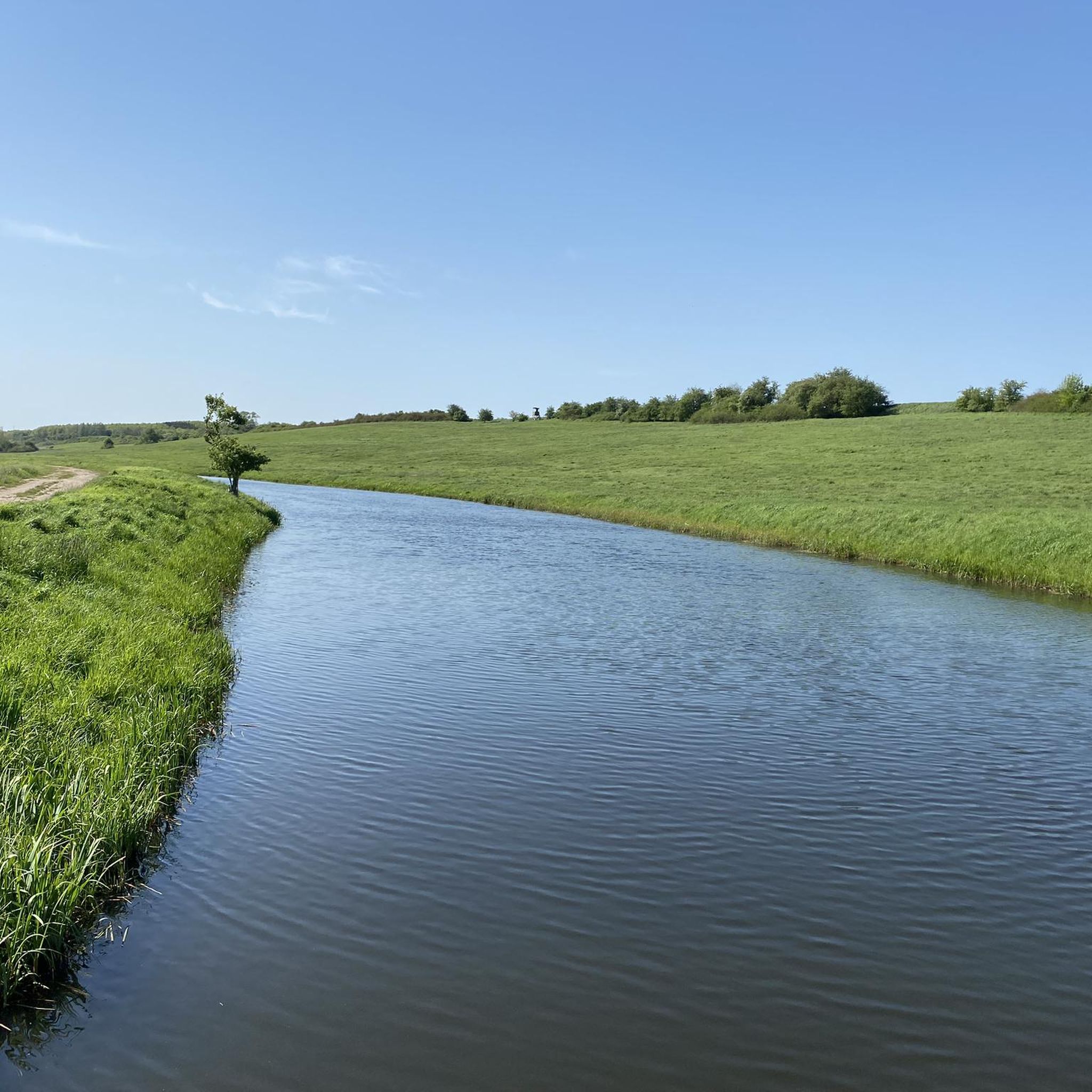
It is assumed that the three castles on Lake Kastorf represented the political and cultural center of the Tollenser people.
0
0
The Wildberg Castle Wall is located in the municipality of Wildberg on the eastern shore of Lake Kastorf. It consists of a smaller main castle and two arched outer castles and was built in the 7th or 8th century. The castle complex has been repeatedly renovated and expanded over time. Together with the castle wall island on Lake Kastorf, these castles presumably form the political and cultural center of the Tollenser people.
0
0

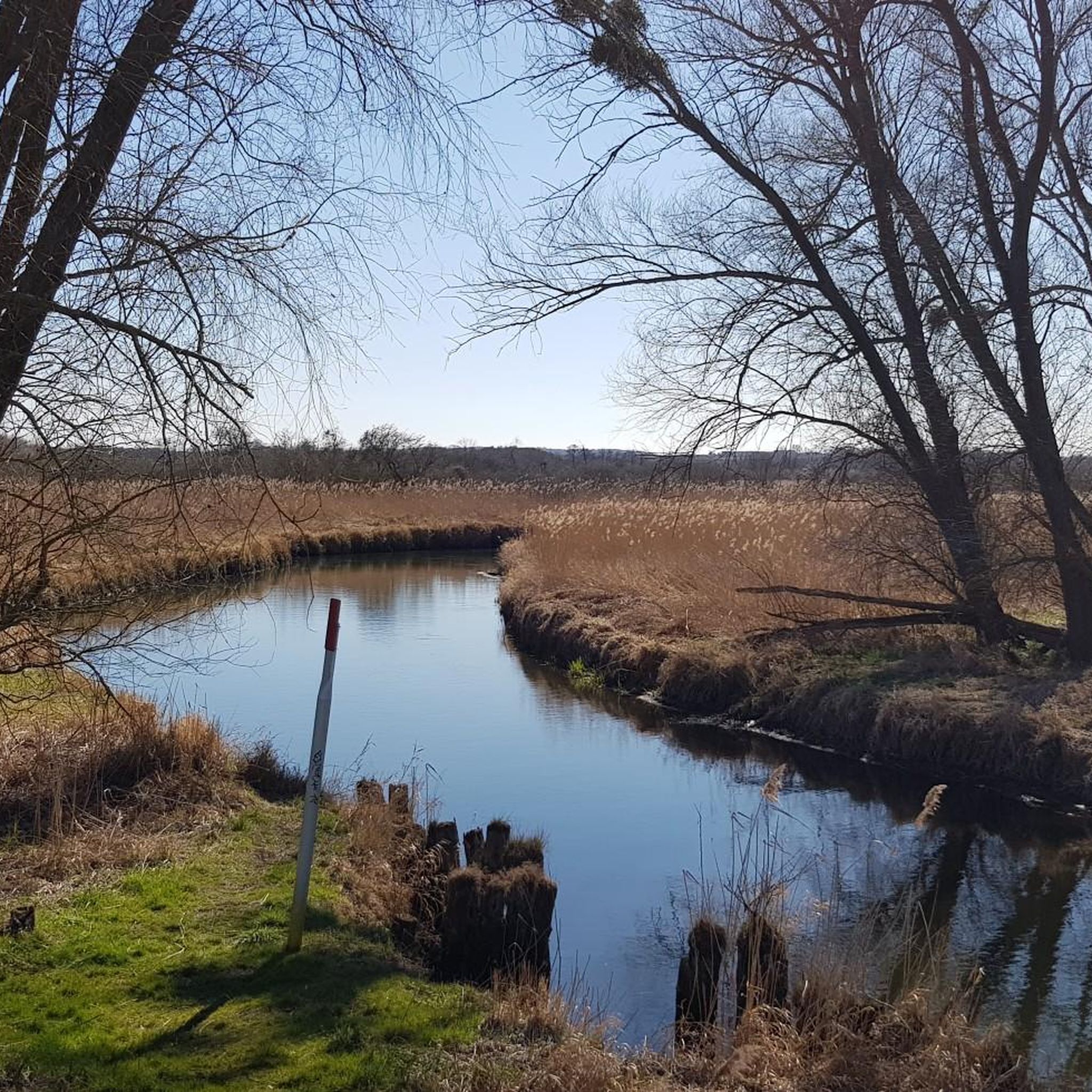
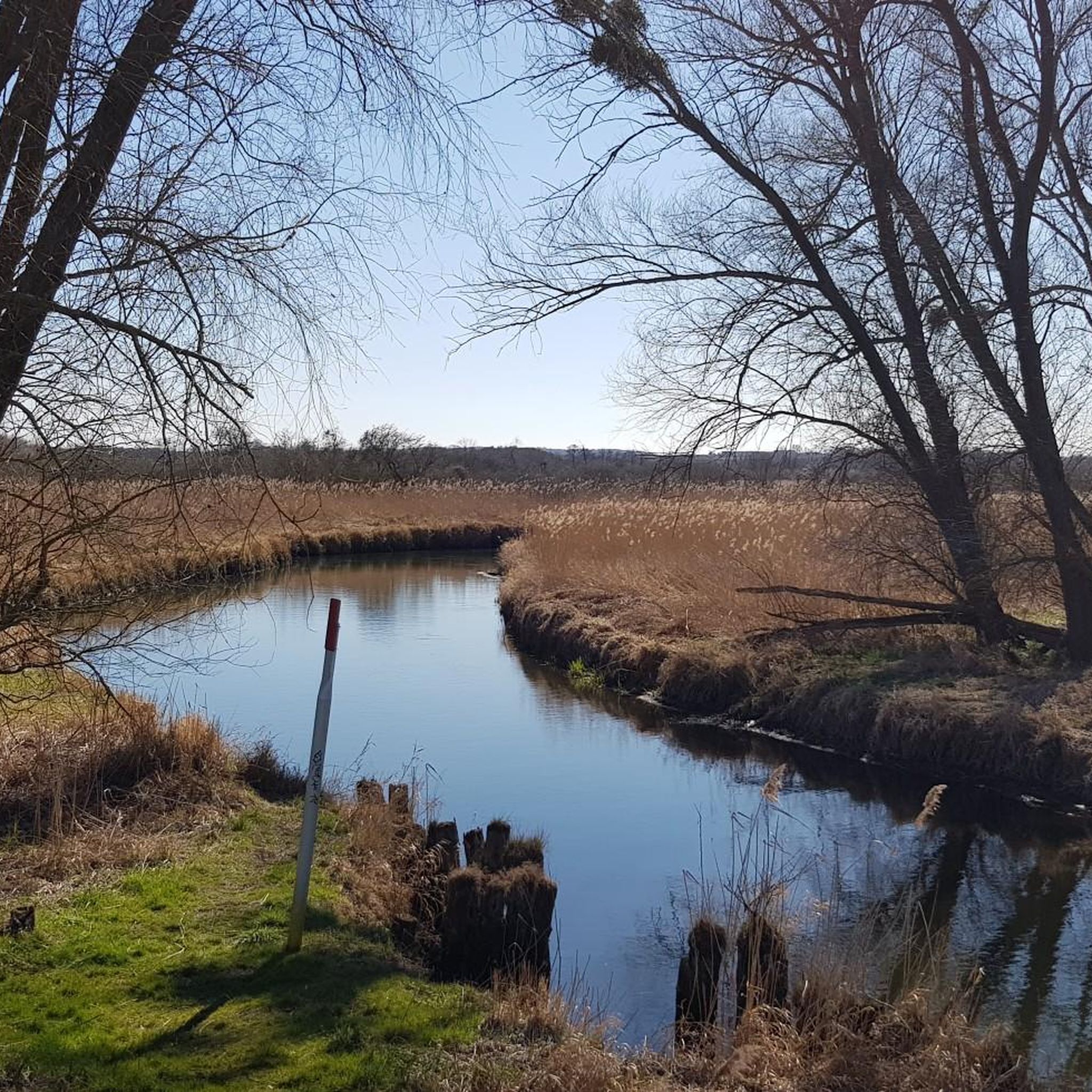
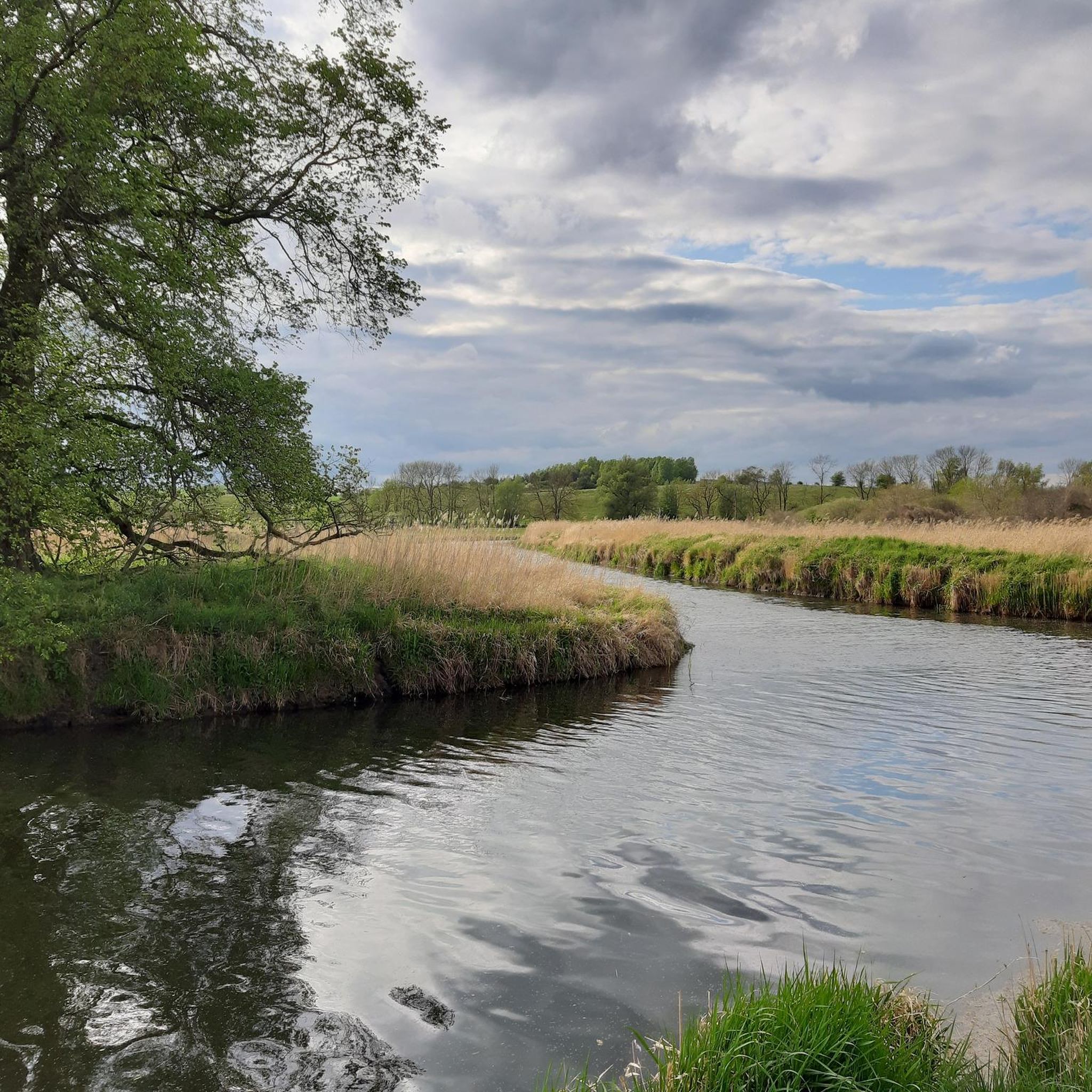
Years ago we used to regularly get our Easter water from here. Now it has been dry for a long time. Is this climate change?
0
0
Just a few years ago the Suhlquelle was filled with water, we got Easter water here and tadpoles grew here. Now only the sign reminds us of the old spring. It remains a beautiful place and worth a hike 💕
1
0

In the middle of the forest behind Chemnitz. You can discover the lake and the huge memorial stone.
1
0
A little way out of Chemnitz you will find this really large memorial stone. Unfortunately, the inscription is no longer clearly visible.
0
0

The Great Stone is the largest erratic boulder in northern Germany after the Markgrafensteine and the second largest known boulder in northern Germany after the 550-ton Buskam, which lies in the water of the Baltic Sea. The Great Stone probably came to its current location during the Vistula Ice Age.
2
0

Frequently Asked Questions
What are the most notable natural features to explore around Groß Teetzleben?
The region around Groß Teetzleben, particularly near the Tollensesee, offers a variety of natural features. You can discover impressive erratic boulders like the Großer Stein (Großquartzow), which is one of the largest in northern Germany. The area also features unique springs such as the Suhl Spring, and diverse landscapes with gentle hills, forests, and meadows.
Are there any historical sites integrated with the natural monuments?
Yes, several natural monuments around Groß Teetzleben have significant historical connections. The Slavic hillfort at Kastorfer Lake is a prime example, featuring a three-part castle complex settled in the Old Slavic period, offering views of the lake. Another historical natural monument is the Rillenstein (Neolithic Grooved Boulder), a grooved stone north of Kastorfer See with ancient origins.
What outdoor activities can I do near these natural monuments?
The area around Groß Teetzleben is excellent for outdoor activities. You can enjoy various easy hikes or more general hiking routes that take you through the scenic landscapes. For cyclists, there are numerous road cycling routes, including a popular 37-kilometer path around the Tollensesee.
Is the Tollensesee a natural monument, and what can I do there?
While not officially listed as a single natural monument in the guide, the Tollensesee (Lake Tollense) is a significant natural highlight and a central feature of the region's natural beauty. It is one of the cleanest and largest lakes in Mecklenburg-Vorpommern, ideal for swimming and water activities. The lake is encircled by a 37-kilometer cycling path, perfect for biking and hiking, and offers various beaches and boat trip opportunities.
Are there family-friendly natural monuments or activities in the area?
Yes, the region offers options suitable for families. The Großer Stein (Großquartzow), a large erratic boulder, is considered family-friendly and is located in a park-like setting with benches. The War Memorial Chemnitz-Pinnow, set amidst a forest and near a lake, is also noted as family-friendly, offering a chance to explore nature and history together.
What kind of wildlife can be observed near the natural monuments?
The area, especially around the Tollensesee, is rich in wildlife. The Nonnenhof Nature Reserve, adjacent to the lake, is an important European bird sanctuary. It hosts over 170 bird species, including rare ones like snipe, corncrake, kingfisher, cranes, and ospreys. During migration, thousands of geese and ducks use the reserve as a resting place. Mammals like the otter and various bat species also inhabit the riparian zones.
What do visitors enjoy most about the natural monuments around Groß Teetzleben?
Visitors frequently appreciate the unique combination of natural beauty and historical significance. The impressive size of the Großer Stein (Großquartzow) and its park-like surroundings are often highlighted. The historical context of sites like the Slavic hillfort at Kastorfer Lake, with its lake views and resting areas, also receives positive feedback. The tranquility and natural setting of places like the Suhl Spring are also valued.
Are there any specific viewpoints or scenic spots recommended?
The Slavic hillfort at Kastorfer Lake offers excellent views of the lake, complemented by a covered resting area. The entire Tollensesee region provides continuous scenic views along its encircling cycling path, showcasing the pristine lake and surrounding moraine landscape of gentle hills and forests.
What is the best time of year to visit the natural monuments around Groß Teetzleben?
The natural monuments and the Tollensesee region are beautiful year-round. Spring and autumn are ideal for hiking and cycling, with pleasant temperatures and vibrant foliage or blooming nature. Summer is perfect for water activities and swimming in the Tollensesee. Birdwatching is particularly rewarding during spring and autumn migration periods at the Nonnenhof Nature Reserve.
Are there any protected natural areas near Groß Teetzleben?
Yes, the Nonnenhof Nature Reserve is a significant protected area located adjacent to the Tollensesee. Established in 1988, it serves as an important European bird sanctuary, protecting diverse bird species and providing a habitat for various mammals. The entire Tollensesee area is part of the picturesque Mecklenburg Lake District, known for its preserved natural environment.
Can I find easy hiking trails near the natural monuments?
Absolutely. There are several easy hiking trails available. For instance, you can explore routes like the 'Malliner Bachtal – Himmelsleiter Stairway loop from Zirzow' or the 'Village Church Trollenhagen loop from Trollenhagen'. These are part of the easy hikes around Groß Teetzleben guide, offering accessible options for enjoying the natural surroundings.
What kind of geological features can be found in the region?
The region is characterized by its moraine landscape, a result of glacial activity. This includes gentle hills, and notably, large erratic boulders like the Großer Stein (Großquartzow), which was transported here during the Vistula Ice Age. The presence of unique springs, such as the Suhl Spring, also adds to the geological interest of the area.
Most popular routes around Groß Teetzleben
Most popular attractions around Groß Teetzleben

Get inspired with the komoot mobile app


Explore more
Extend your search for the best caves by checking out these guides of the top ones around Groß Teetzleben:
