Top 20 Natural Monuments around Demitz-Thumitz
Best natural monuments around Demitz-Thumitz are shaped by the region's geological history, particularly its extensive granite mining. This area, often called the "Granite Village," is situated within the Lusatian Granite Massif, one of Central Europe's largest continuous granite areas. Visitors can explore a unique blend of natural landscapes and industrial heritage, from former quarries transformed into scenic lakes to significant geological formations. The diverse terrain offers opportunities for exploration and understanding the local environment.
Best natural monuments around Demitz-Thumitz
- The…
Last updated: May 12, 2026
Hochstein (Sibyllenstein) – Highest Point of Westlausitz
Highlight • Summit
Translated by Google •
Tip by

Butterberg Observation Tower and Mountain Inn
Highlight • Viewpoint
Translated by Google •
Tip by

Sign up now to discover places like this
Get recommendations on the best single tracks, peaks, & plenty of other exciting outdoor places.
Sign up for free
Wesenitz Spring
Highlight • Natural Monument
Translated by Google •
Tip by

Devil's Pulpit
Highlight • Natural Monument
Translated by Google •
Tip by

North Cape (Northernmost Point of the Czech Republic)
Highlight • Natural Monument
Translated by Google •
Tip by

Sign up for free to discover even more natural monuments around Demitz-Thumitz.
Sign up for free
Already have an account?
Start today with a free account
Your next adventure awaits.
Login or Signup
Tips from the Community

Wesenitz Spring and Valentin Adit Information The Wesenitz River originates at an elevation of 515 meters above sea level on the southeastern slope of the Valtenberg mountain, emerging from the entrance of a 60-meter-long mine adit known as the "Goldbergwerk" (Gold Mine). The Wesenitz was first documented in 1213. Valentin Adit at the Wesenitz spring on the southern slope of the Valtenberg mountain.
2
0

The Hochstein, also called Sibyllenstein (Sibinnen-Stein, Sibillenstein or Sybillen-Stein), Upper Sorbian Žiwiny, is a 449-metre-high mountain in Upper Lusatia in the Saxon district of Bautzen. It is the highest elevation in the Northwest Lusatian Uplands and the highest mountain in Upper Lusatia north of the A4.
4
0

The Butterberg is almost 384 meters high and is located just a few kilometers from the center of Bischofswerda. At the summit there is an inn in historic walls with a 21 meter high observation tower. You can find more information and opening times here: http://www.butterberg.com/.
2
1

If the trees around weren't so high then there would definitely be a great view :) otherwise a nice place to collect information and to rest
5
1

Anyone who comes from the area must have been there at least once. Even if boundaries (should) connect rather than divide.
1
0

The hiking trail along the Czech-German border is, as Bernhard Sander correctly stated above, a typical forest hiking trail. Not suitable for cycling in any way (not even MTB unless you're a little crazy).
2
0

Possibly the most visited peak in the region, boasting a summit book to immortalise yourself in without climbing a meter!
3
1

story Trying to unravel a mystery. In the spring of 2006 we discovered a large hand-shaped weathering depression in the rocks of Upper Lusatia. We baptized it "God's Hand" Maybe it was just a whim of nature. Nevertheless, measurements carried out in the spring of 2007 yielded a surprising result: if you looked out of the triangular viewing hole of a nearby cave over the "God's Hand" towards the sky, you could see the noon point of the winter solstice directly. ... An accident? Since then we have systematically visited every rock known to us in Upper Lusatia and many more, examined them for characteristics and measured them. We discovered more solar observation phenomena. Individual rock objects with one or more viewing windows are particularly impressive. These viewing windows often mark not only the midday sun of the winter solstice, but also the morning and evening sun of both the winter and summer solstices and the beginning of spring and autumn. Some rocks reflect the observation scheme of the prehistoric "Nebra Sky Disc" discovered in Saxony-Anhalt even reflected 1:1. ... Is it really all just a coincidence???? We don't think so! We are of the opinion that although nature in many cases created the conditions for numerous viewing windows through crevasses and fissures in the rock, their alignment to always the same specific points in the sky is in many cases a deliberate work of man with the intention of using the suns and their movement in the sky to determine the length of the year and to divide it into periods. Undoubtedly traces of this targeted human influence and even stone tools used for this purpose have already been discovered and recorded in expert reports. In 2008, with the support of the star friends of the observatory "Bruno H. Bürgel" e.V. Sohland/Spree, we launched the "Project-Götterhand" to investigate the phenomenon. Source: Hand of the Gods
0
0
Frequently Asked Questions
What are some of the most popular natural monuments to visit around Demitz-Thumitz?
Among the most popular natural monuments in the region is Hochstein (Sibyllenstein) – Highest Point of Westlausitz, which offers a place to rest and gather information. Another highly-rated spot is the Butterberg Observation Tower and Mountain Inn, providing terrific views from its historical twenty-one meter high tower. Visitors also enjoy the Wesenitz Spring, known for its well-designed source and as a great place to rest.
What unique geological features can I explore in Demitz-Thumitz?
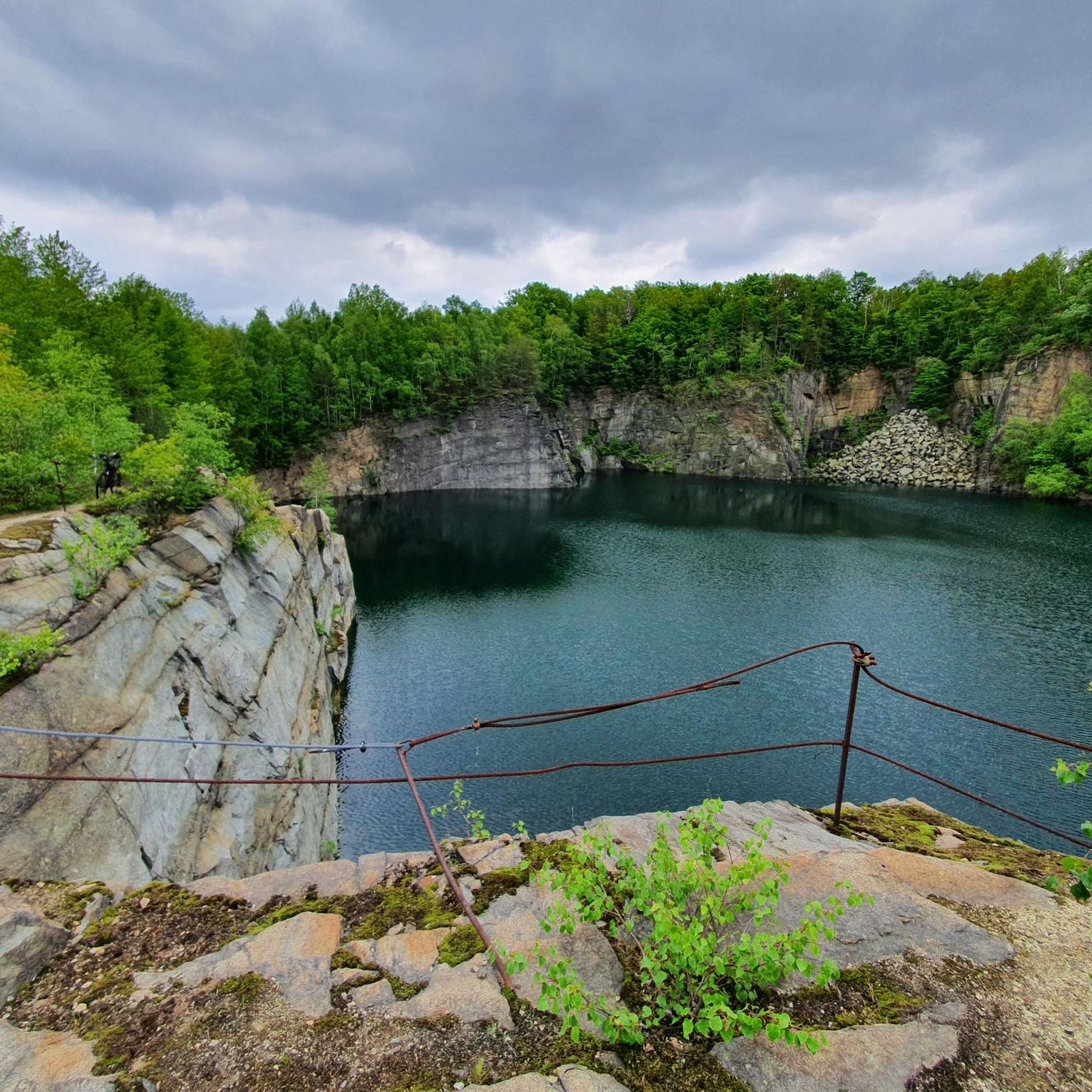
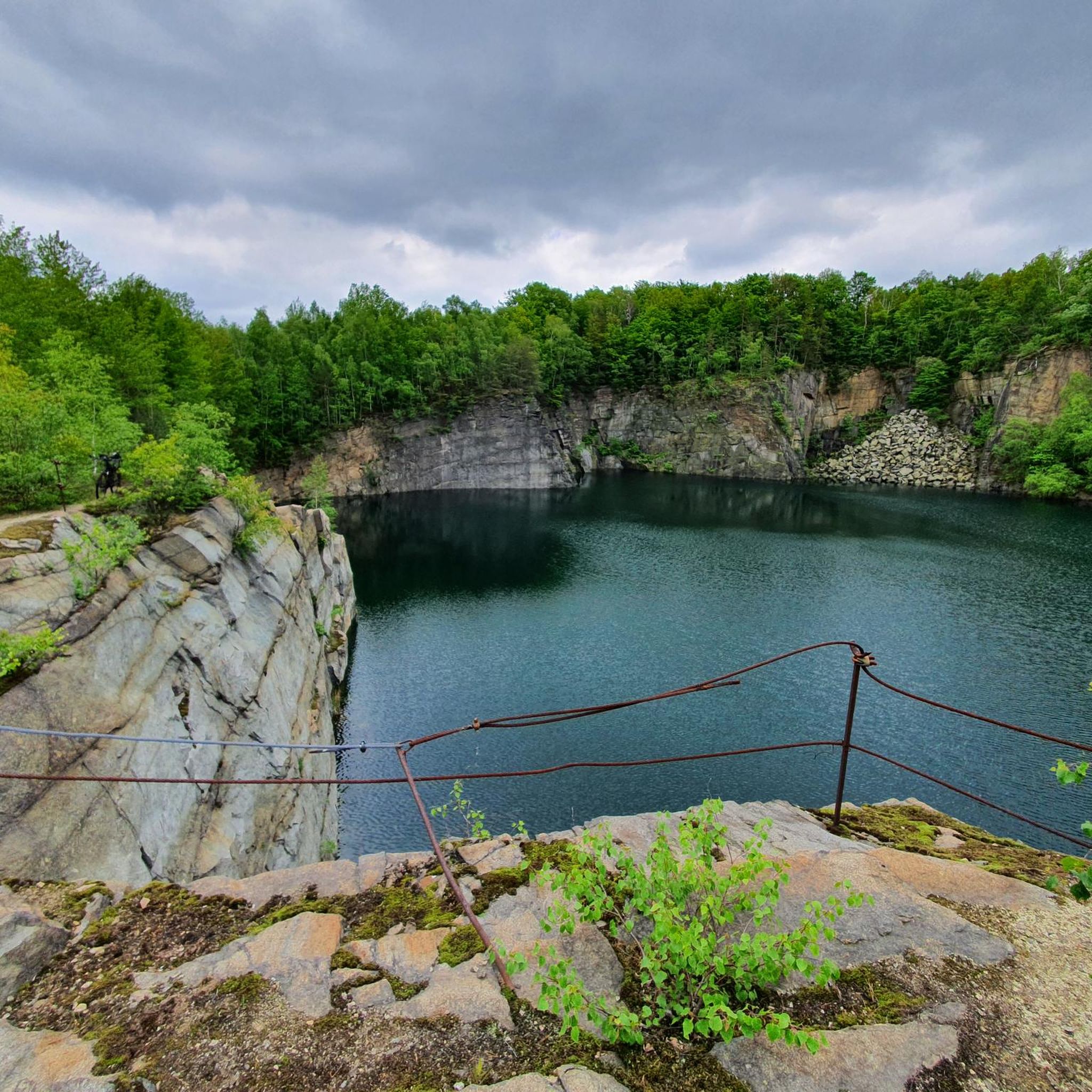
Demitz-Thumitz is situated within the Lausitzer Granitmassiv, one of Central Europe's largest continuous granite areas. You can explore former granite quarries like the Großer Bruch, which showcases the impressive scale of past mining operations and now features a striking turquoise water-filled basin. The region's landscape is deeply shaped by this geological history, offering a unique blend of natural beauty and industrial heritage.
Are there any natural monuments around Demitz-Thumitz that are particularly family-friendly?
Yes, several natural monuments are suitable for families. The Butterberg Observation Tower and Mountain Inn is family-friendly, offering both views and amenities. The Wesenitz Spring is also considered family-friendly, providing a pleasant spot for a break. Additionally, the Source of the Schwarze Elster is an accessible natural monument for families.
What kind of outdoor activities can I do near the natural monuments in Demitz-Thumitz?
The area around Demitz-Thumitz offers diverse outdoor activities. You can find numerous hiking trails, including routes like the "Demitz-Thumitz Railway Viaduct – Demitz-Thumitz Quarry Lake loop." For cycling enthusiasts, there are options for gravel biking and MTB trails, such as the "Demitz-Thumitz Quarry Lake – Wooden Cabin at Picho Summit loop." You can explore more routes and guides for hiking, gravel biking, and MTB trails in the region.
Where can I find unique rock formations or viewpoints in the area?
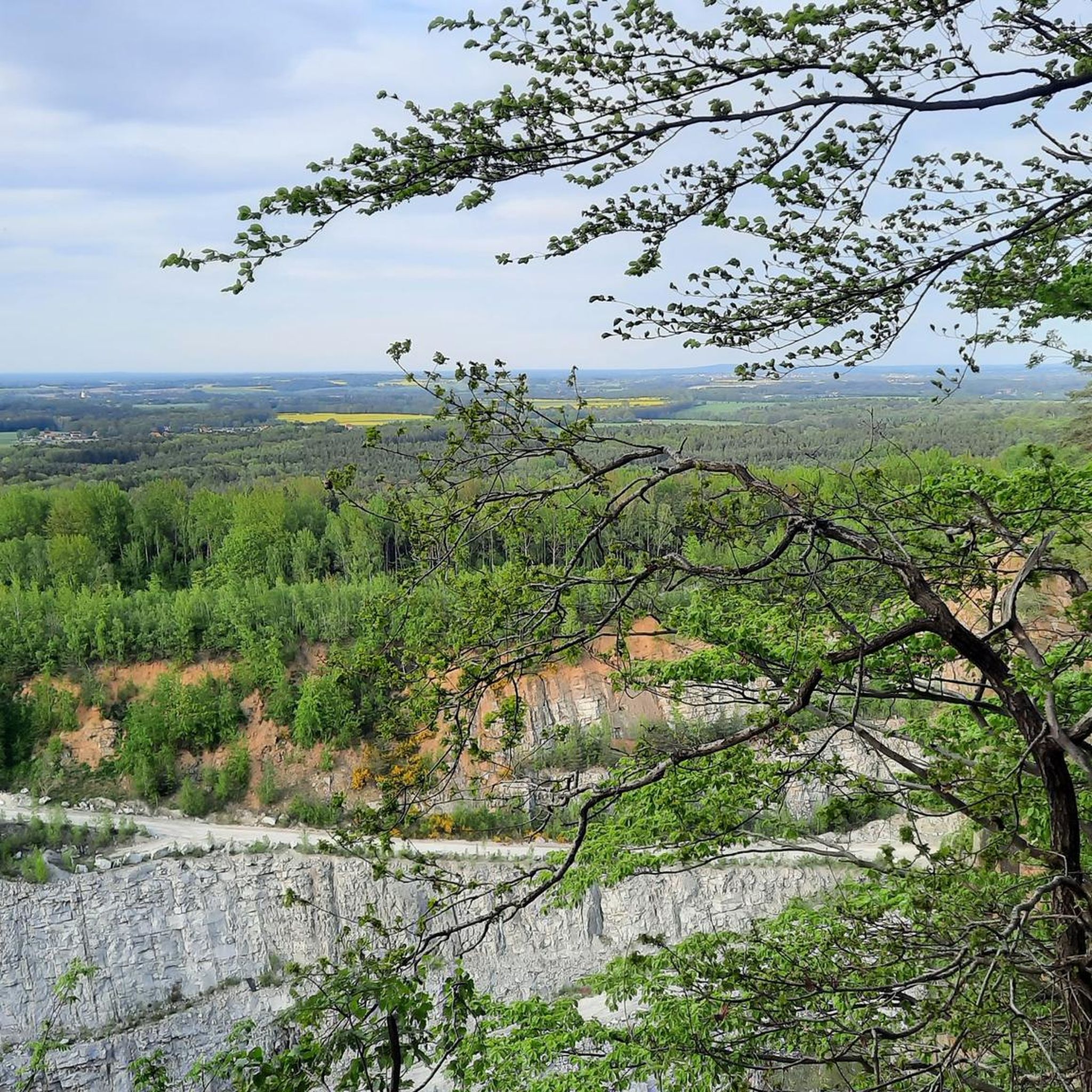
For unique rock formations, visit the Dreisesselstein (Three-Seat Stone) near Klosterberg. This granite block features distinctive chair-like notches and is steeped in local legend. For impressive viewpoints, the Butterberg Observation Tower and Mountain Inn offers terrific panoramic views. The Hochstein (Sibyllenstein) also provides a good vantage point, despite surrounding trees.
What is the Demitz-Thumitzer Steinbruchsee (Quarry Lake) and what can I do there?
The Demitz-Thumitzer Steinbruchsee is a scenic lake formed in a former granite quarry. It's a testament to nature reclaiming industrial sites, offering a tranquil setting. You can enjoy hiking and cycling around its shores, with routes like the "Demitz-Thumitzer Eisenbahnviadukt – Demitz-Thumitzer Steinbruchsee Runde" passing by. It's a picturesque spot for relaxation and outdoor activities.
Are there any natural monuments with historical significance in Demitz-Thumitz?
Yes, the region's natural monuments are often intertwined with its history. The Butterberg Observation Tower and Mountain Inn is a historical site that was part of the Royal Saxon Triangulation. The former granite quarries, like Großer Bruch, also hold significant historical value, showcasing the region's past as a major granite mining area in Saxony.
What do visitors enjoy most about the natural monuments around Demitz-Thumitz?
Visitors appreciate the unique blend of natural beauty and industrial heritage, particularly how former quarries have transformed into scenic landscapes. Many enjoy the tranquility and scenic views offered by places like the Demitz-Thumitzer Steinbruchsee. The educational insights into the region's geology and granite mining history, along with the well-maintained hiking and cycling routes, are also highly valued.
Can I find any natural springs or rivers in the Demitz-Thumitz area?
Yes, the region features notable natural springs. The Wesenitz Spring is a well-designed source and a popular resting spot. You can also visit the Source of the Schwarze Elster, though it can sometimes dry up during periods of drought. These sites offer a glimpse into the local hydrology and natural water sources.
Are there any mystical or legendary natural spots in Demitz-Thumitz?
The Devil's Pulpit is described as a mystical and wonderfully energetic place, not shrouded in legend for nothing. Additionally, the Dreisesselstein (Three-Seat Stone) is steeped in local folklore, considered part of the legendary treasure trove of Upper Lusatia, adding a layer of mystery to its unique granite formation.
What is the best season to visit the natural monuments in Demitz-Thumitz?
The natural monuments in Demitz-Thumitz offer beauty throughout the year. Spring and autumn are ideal for hiking and cycling, with pleasant temperatures and vibrant foliage. Summer allows for enjoying the scenic lakes and outdoor activities. Even in winter, some trails can be explored, offering a different, serene perspective of the granite landscapes, though conditions may vary.
Most popular routes around Demitz-Thumitz
Most popular attractions around Demitz-Thumitz

Get inspired with the komoot mobile app


Explore more
Extend your search for the best caves by checking out these guides of the top ones around Demitz-Thumitz:
