Top 20 Natural Monuments around Wittstock/Dosse
Best natural monuments around Wittstock/Dosse include a diverse landscape featuring extensive nature parks, river valleys, and unique geological formations. The region is characterized by clear lakes, ancient forests, and tranquil river landscapes. These areas offer opportunities for outdoor activities and nature observation, contributing to the area's natural appeal.
Best natural monuments around Wittstock/Dosse
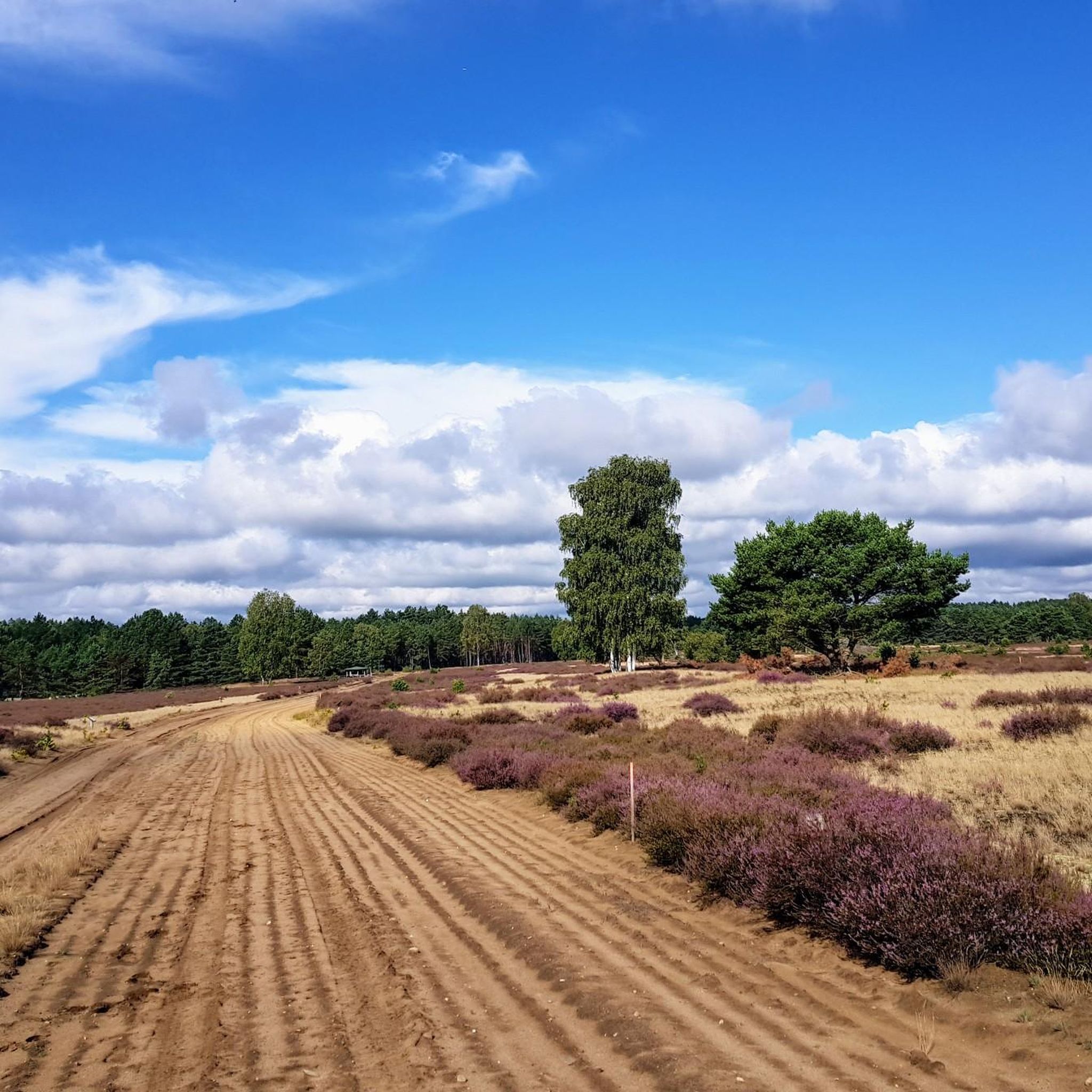
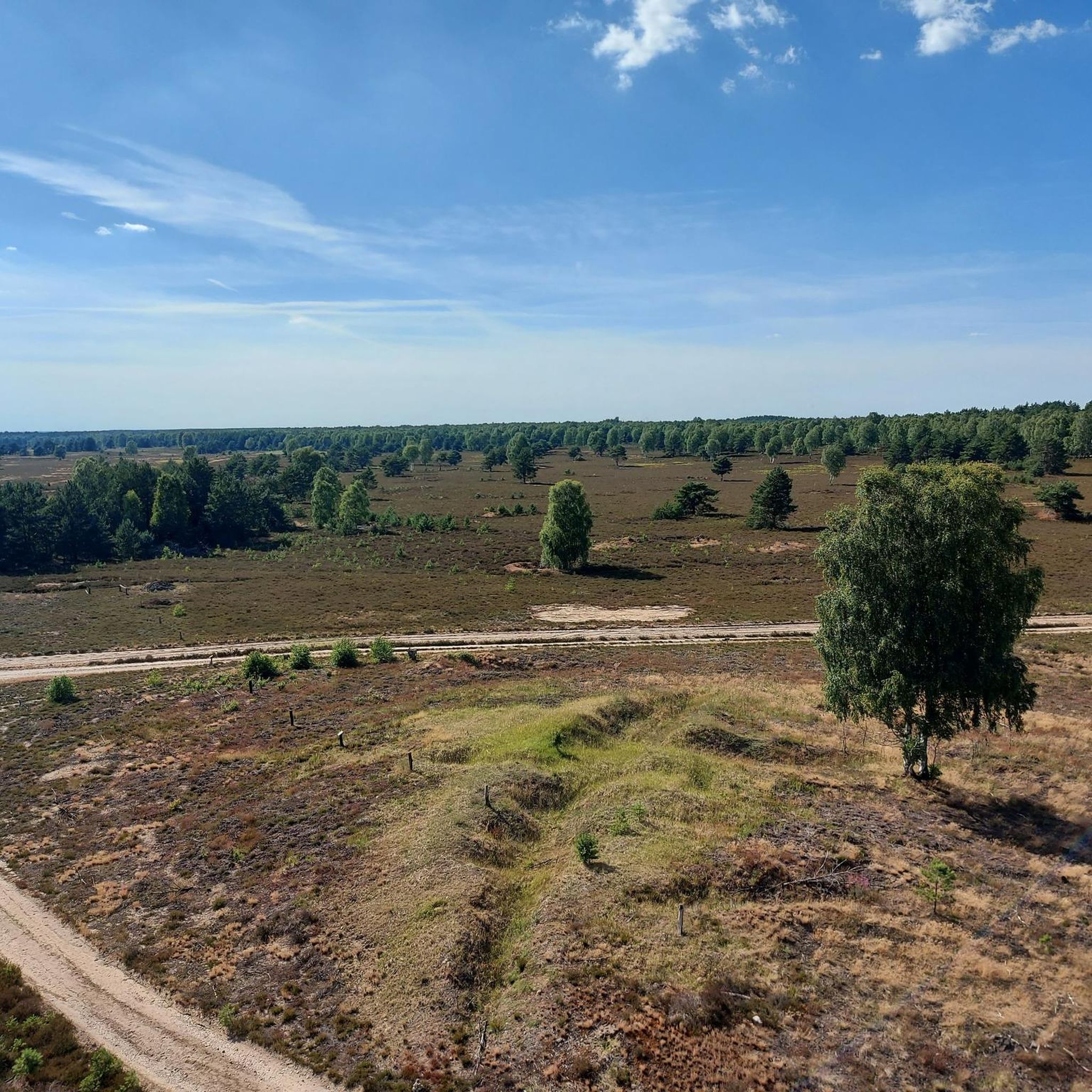
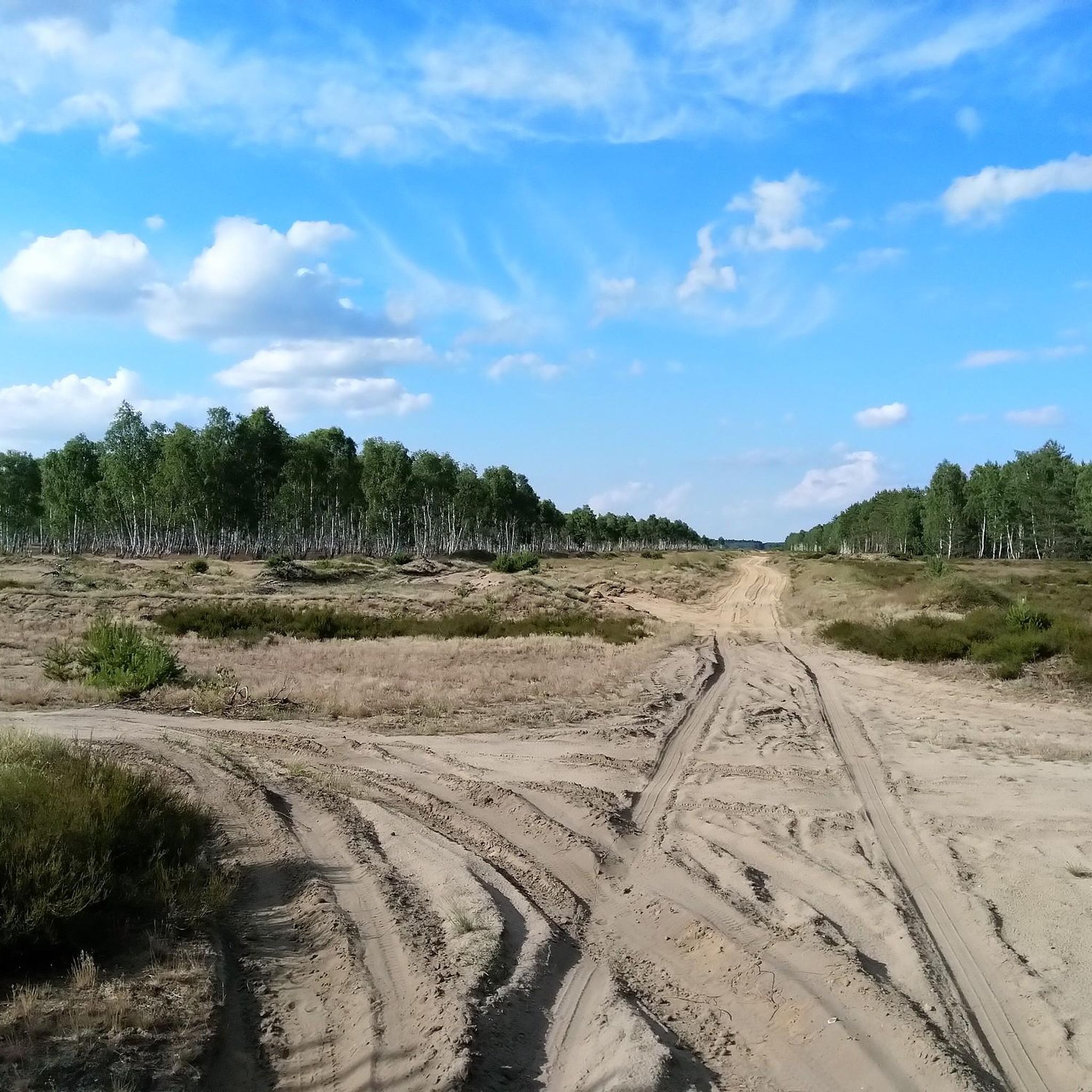
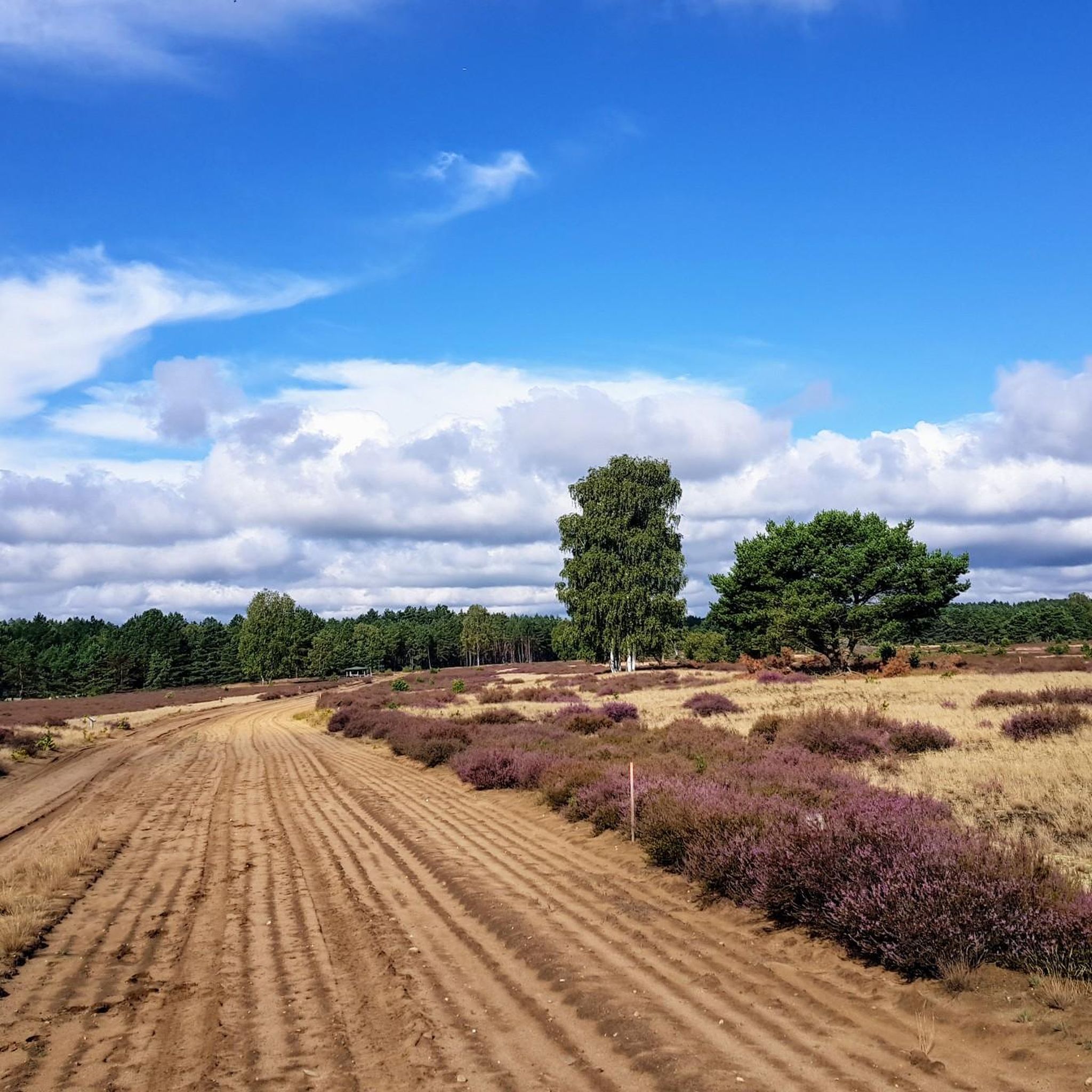
- The most popular natural monuments is Sielmann Observation Tower Kyritz-Ruppiner Heide, a viewpoint that offers a panoramic view of the heath. It is located on a small hill with a resting place and information boards.
- Another must-see spot is Great Wummsee, a lake. This deep lake features clear water and can be hiked around, with many flat shore areas accessible for cooling down.
- Visitors also love Kochquelle (Boiling Spring), a natural monument. This spring creates a spectacle where water bubbles to the surface, resembling a boiling saucepan, and is home to freshwater shrimp.
- Wittstock/Dosse is known for its lakes, forests, and unique springs. The area provides a variety of natural monuments to see and explore, including viewpoints and rewetting projects like Polder Kieve.
- The natural monuments around Wittstock/Dosse are appreciated by the komoot community, with 214 upvotes and 58 photos shared by visitors.
Last updated: August 18, 2026
Great Wummsee
Highlight • Lake
Translated by Google •
Tip by

Kingfisher Valley (Tal der Eisvögel)
Highlight (Segment) • Natural Monument
Translated by Google •
Tip by

Sign up now to discover places like this
Get recommendations on the best single tracks, peaks, & plenty of other exciting outdoor places.
Sign up for free
Sielmann Observation Tower Kyritz-Ruppiner Heide
Highlight • Viewpoint
Translated by Google •
Tip by

Polder Kieve
Highlight • Natural
Translated by Google •
Tip by

Kochquelle (Boiling Spring)
Highlight • Natural Monument
Translated by Google •
Tip by

Sign up for free to discover even more natural monuments around Wittstock/Dosse.
Sign up for free
Already have an account?
Start today with a free account
Your next adventure awaits.
Login or Signup

Other adventures around Wittstock/Dosse

Tips from the Community

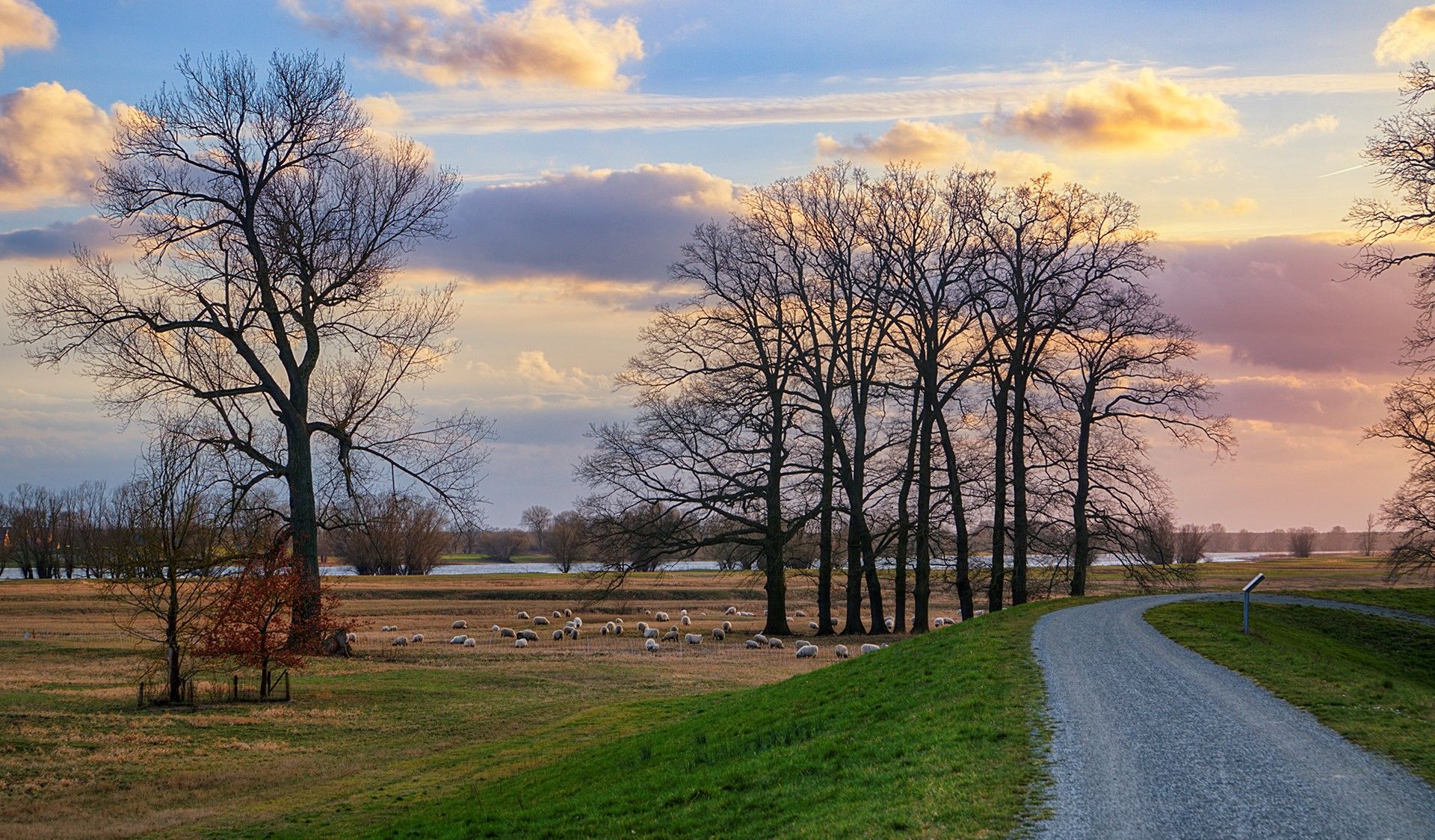
The Kieve Polder is a successful example of modern peatland restoration and active climate protection. The approximately 65-hectare area was intensively used for agriculture until 2012 and was severely affected by drainage. As part of an ambitious project, it was rewetted to restore the natural water balance and halt the decomposition of the peat – a crucial step towards reducing CO₂ emissions. At the same time, the area developed into a diverse habitat: bog plants returned, rare animal species found new habitats, and biodiversity visibly increased. The project was the first of its kind in the world to be financed through MoorFutures certificates, an innovative concept for the voluntary promotion of climate protection measures. Today, the Kieve Polder represents not only ecological regeneration but also a forward-looking interplay of nature conservation, sustainability, and regional responsibility.
0
0
The Kieve Polder is a restored moorland that was rewetted as part of a large-scale climate protection project. The approximately 65-hectare area was previously heavily drained and used for agriculture. When the project began in 2012, the water level was deliberately raised to slow peat decomposition and thereby reduce CO₂ emissions. At the same time, ecological diversity was promoted, as the rewetting led to the return of typical moorland plants and animal species. The project was the first of its kind worldwide to be financed through MoorFutures certificates – an innovative method for supporting voluntary climate protection measures. Today, the Kieve Polder not only contributes to climate protection but also provides a valuable habitat for numerous bird species and is an example of successful moorland restoration.
0
0
A beautiful stretch of trail, easily doable by bike. The path leads through a tranquil forest landscape to the green, shady Kingfisher Valley—ideal for relaxing or birdwatching.
1
0
The Kingfisher Valley near Bad Stuer is an idyllic, unspoiled stream valley in the Mecklenburg Lake District, crossed by the Stuer Stream. The steep slopes and tranquil waterways provide ideal breeding conditions for kingfishers, which can regularly be observed here. The area is particularly popular with nature lovers and cyclists. Several well-maintained trails lead through the valley. Access is possible from the Müritz Bear Sanctuary or directly from the Bad Stuer campsite. The valley combines nature observation, tranquility, and scenic beauty in a small space and is a true highlight for anyone who enjoys native wildlife and tranquil nature.
5
0

Look closely and you will see the water bubbling at the bottom
0
0

Source of the Kunsterbach; Namesake of the small town “Kunsterspring”. The spring is called the boiling spring because of the bubbling water that comes out of it.
0
0

Simply W U N D E R B A R.
1
0

Frequently Asked Questions
What are some of the most popular natural attractions around Wittstock/Dosse?
Visitors frequently enjoy the Sielmann Observation Tower Kyritz-Ruppiner Heide, which offers panoramic views of the heath. Another favorite is Great Wummsee, a deep lake with clear water perfect for hiking around and cooling down. The unique Kochquelle (Boiling Spring), where water bubbles to the surface like a saucepan, is also a popular natural spectacle.
Are there family-friendly natural monuments or areas to visit near Wittstock/Dosse?
Yes, several natural areas are ideal for families. The Great Wummsee is great for walks with many flat shore areas. The Kingfisher Valley (Tal der Eisvögel) offers an idyllic stream valley where you might spot kingfishers. Additionally, the Dossetal (Dosse Valley) features the 'Dossewanderweg' adventure trail, which is particularly suitable for families to explore nature playfully.
What kind of wildlife can I observe in the natural areas around Wittstock/Dosse?
The region is rich in biodiversity. In the Kingfisher Valley, you can regularly observe kingfishers. The Kochquelle (Boiling Spring) is home to numerous freshwater shrimp. The Stechlin-Ruppiner Land Nature Park, nearby, is known for otters, beavers, ospreys, and cranes, while the rewetting project at Polder Kieve attracts swans and wild geese.
What outdoor activities can I do near these natural monuments?
The region offers diverse outdoor activities. You can find numerous MTB trails, such as the 'Beautiful swimming spot – Lake Mirow loop from Schwarz', or road cycling routes like the 'Holy Spirit Church Wittstock – Wittstock Town Hall loop from Jabel'. For gravel biking, consider the 'Drosedow Bridge – Wöblitzsee Lakeside Promenade loop from Fleether Mühle'. You can explore more options on the MTB Trails around Wittstock/Dosse, Road Cycling Routes around Wittstock/Dosse, and Gravel biking around Wittstock/Dosse guide pages.
Are there hiking trails around the natural monuments?
Yes, there are excellent hiking opportunities. The Great Wummsee can be hiked completely around, with paths mostly well-forested. The Dossetal features the 'Dossewanderweg' adventure trail. The Stechlin-Ruppiner Land Nature Park also offers an extensive network of cycling and hiking trails through ancient beech forests and along clear lakes.
What is the best time of year to visit the natural monuments around Wittstock/Dosse?
The natural areas are beautiful year-round, but spring and autumn are particularly appealing for hiking and nature observation due to milder temperatures and vibrant colors. Summer is ideal for water-based activities in the lakes, while winter offers tranquil, snow-covered landscapes for those who enjoy colder weather activities.
What natural features characterize the Stechlin-Ruppiner Land Nature Park?
The Stechlin-Ruppiner Land Nature Park, located near Wittstock/Dosse, is defined by over 160 crystal-clear lakes, including the Great Stechlin Lake, which is Northern Germany's largest clear-water lake. It also boasts vast ancient beech forests, numerous small raised bogs, and a rich diversity of plant and animal species. You can learn more about the park on Wikipedia.
Is there a green space or park within Wittstock/Dosse itself that features natural elements?
Yes, the Park am Bleichwall, located southeast of the town wall, is a significant green space. Created for the 2019 State Horticultural Show, it features natural elements like the Dosse island, a promenade along the River Dosse, apple orchards, and meadows, blending cultivated gardens with natural riverine landscapes. You can find more information on Brandenburg Tourism.
What do visitors enjoy most about the natural monuments in this region?
Visitors consistently praise the scenic beauty and tranquility of the area. Many appreciate the clear waters of lakes like Great Wummsee and the peaceful river landscapes. The opportunities for hiking, cycling, and water activities are highly valued, as is the chance to observe diverse wildlife and unique natural phenomena like the Kochquelle (Boiling Spring).
Are there any natural monuments that are particularly good for dog owners?
Yes, Great Wummsee is highly recommended for dog owners. The path around the lake is mostly well-forested, and there are many small, flat shore areas where both humans and dogs can cool down, making it ideal for a leisurely walk with your canine companion.
What is the significance of Polder Kieve?
Polder Kieve is a restored moorland that was rewetted as part of a climate protection project. This initiative aimed to slow peat decomposition and reduce CO₂ emissions by raising the water level. It has successfully promoted ecological diversity, leading to the return of typical moorland plants and animal species, and serves as an example of successful moorland restoration and climate protection.
Most popular routes around Wittstock/Dosse
Most popular attractions around Wittstock/Dosse

Get inspired with the komoot mobile app


Explore more
Extend your search for the best caves by checking out these guides of the top ones around Wittstock/Dosse:
