Top 20 Natural Monuments around Plattenburg
Best natural monuments around Plattenburg are found within a landscape characterized by its riverine environment in Brandenburg, Germany. This region is known for its historic water castle and offers a variety of natural features. The area provides opportunities to explore its natural beauty, with more than 20 natural monuments available. These sites contribute to the region's appeal for outdoor activities.
Best natural monuments around Plattenburg
- The most popular natural monument is Confluence of the Gnevsdorfer Vorfluter and the Elbe,…
Last updated: October 11, 2026
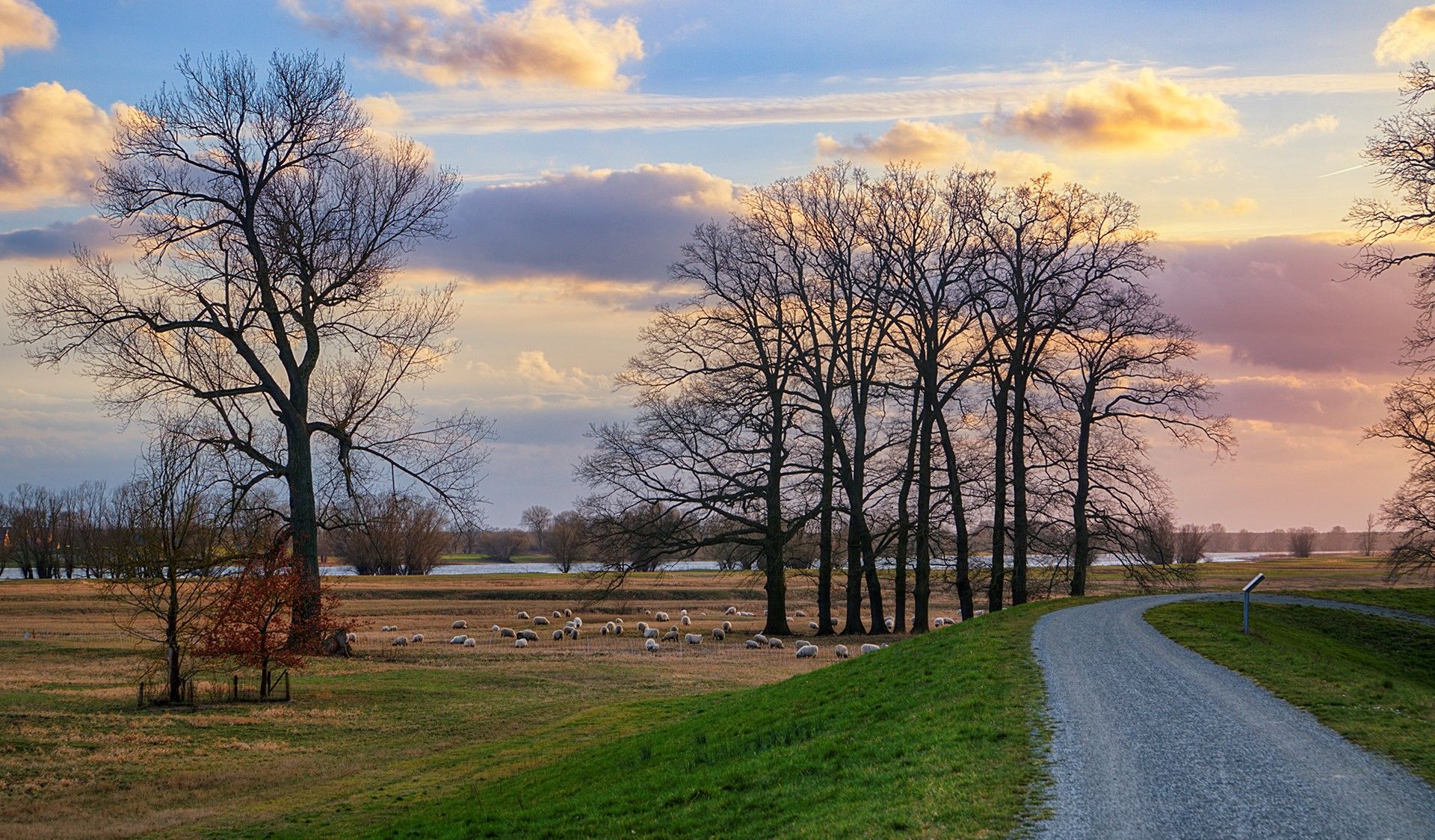
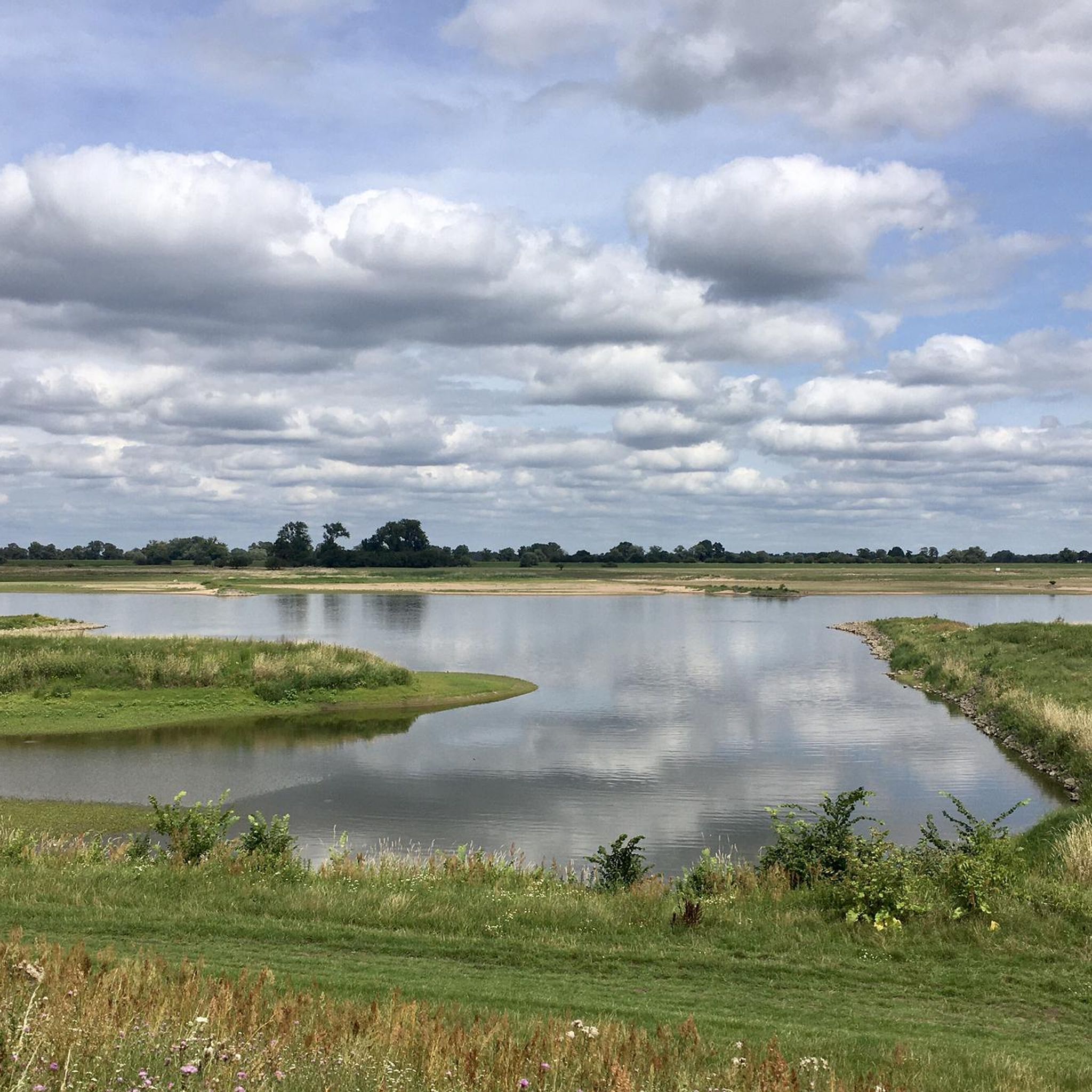
Confluence of the Gnevsdorfer Vorfluter and the Elbe
Highlight • River
Translated by Google •
Tip by

Stork Village Rühstädt
Highlight • Settlement
The place is beautifully decorated and offers several options for a good stop.
Translated by Google •
Tip by

Sign up now to discover places like this
Get recommendations on the best single tracks, peaks, & plenty of other exciting outdoor places.
Cycle Path between the Elbe and the Havel
Highlight (Segment) • Cycleway
Translated by Google •
Tip by

Gradierwerk Bad Wilsnack
Highlight • Monument
Translated by Google •
Tip by

King's Grave of Seddin
Highlight • Historical Site
The finds …
Translated by Google •
Tip by
Sign up for free to discover even more natural monuments around Plattenburg.
Already have an account?
Start today with a free account
Your next adventure awaits.
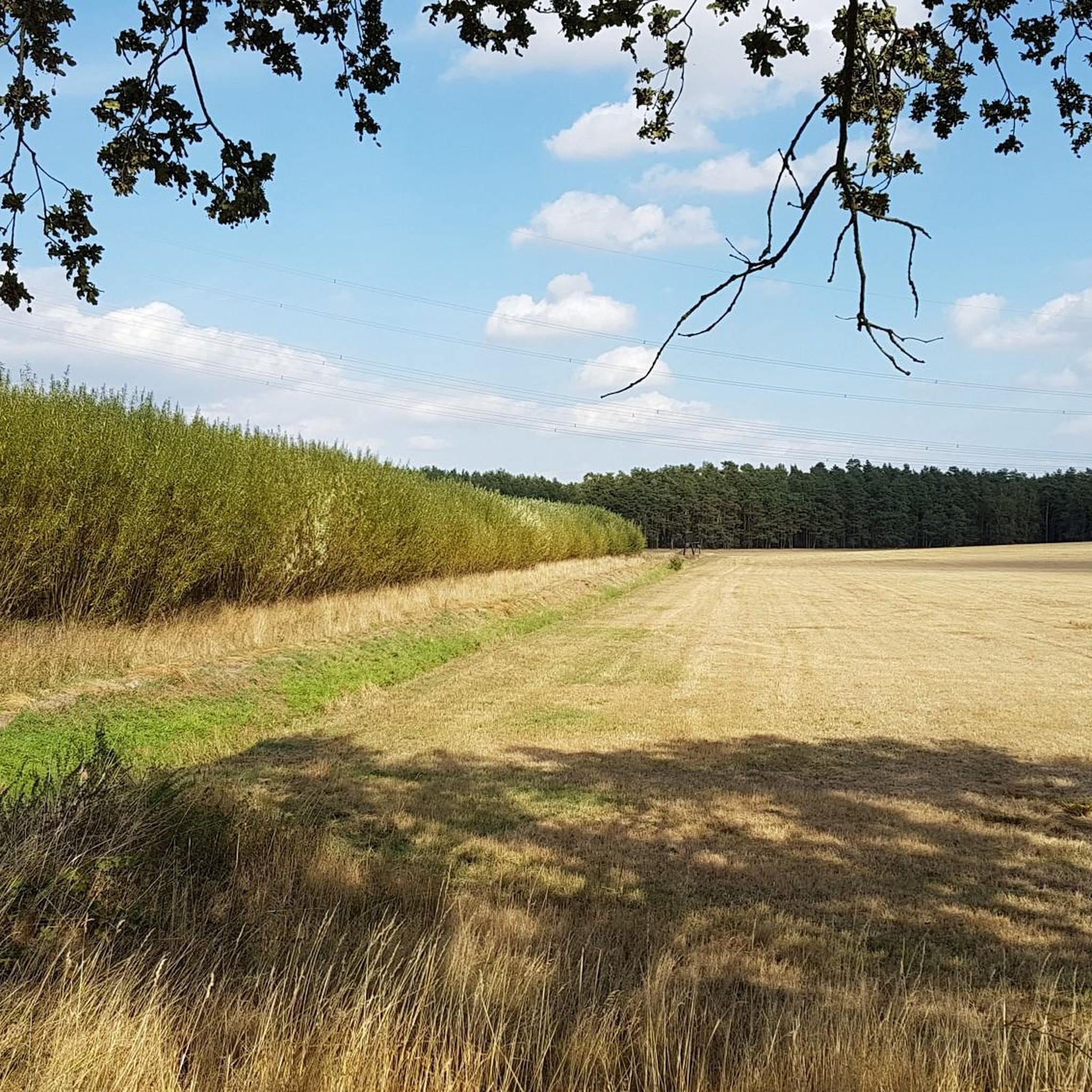
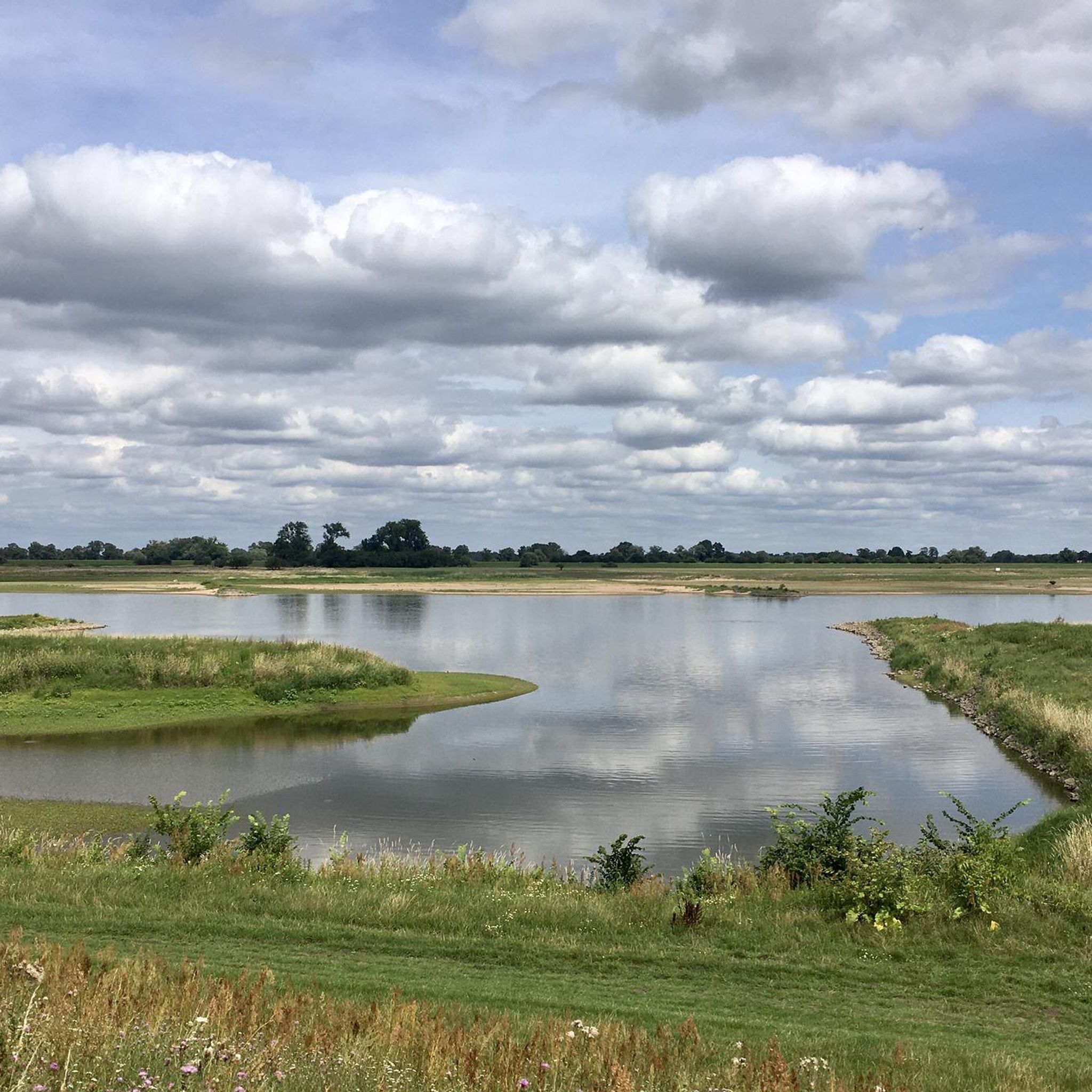
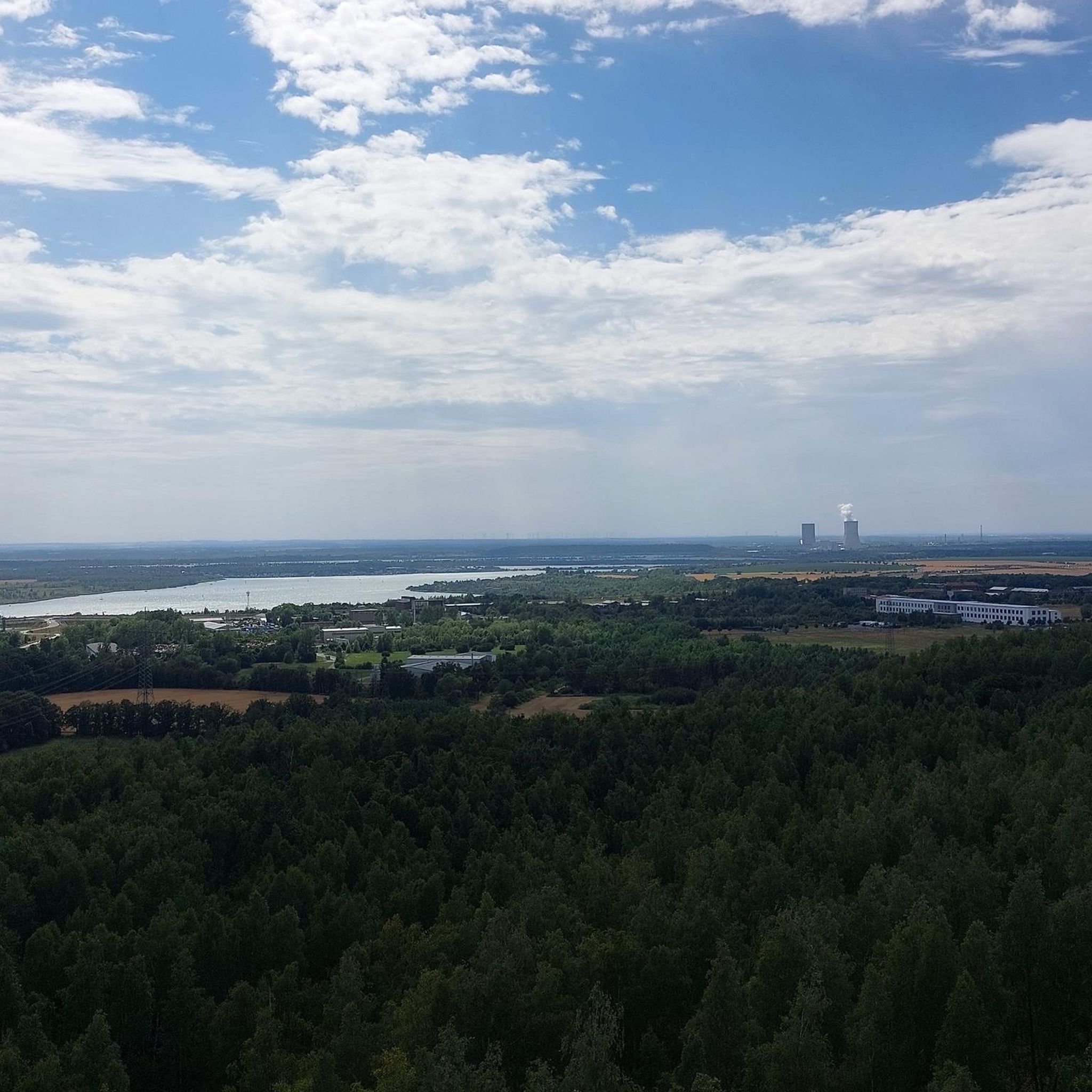
Other adventures around Plattenburg

Tips from the Community

The graduation tower in Bad Wilsnack was built as part of the town's modern spa development following the discovery of a thermal brine deposit in the 1990s. The Kristall Spa and Graduation Tower was constructed based on this discovery. The graduation tower was also built as a complementary spa facility and the first of its kind in the state of Brandenburg. It utilizes the natural brine, which trickles down wooden walls filled with brushwood. The evaporation creates a saline microclimate, which is particularly beneficial for respiratory health. The site is open to the public.
0
0

A truly interesting and legendary place! So, this is where King Hinz from the legend rests! In November 2023, the Royal Hall of Seddin was discovered nearby, the largest of its kind in Northern Europe to date. The building measured 10 meters wide and 31 meters long and likely served as a meeting place. In October 2024, further archaeological discoveries were made, including the remains of a densely built Bronze Age settlement. These finds confirm the importance of the Seddin region as a center of Bronze Age culture and trade.
0
0

The "King's Grave" is considered the most important burial site of the 9th century BC in northern Central Europe. Its enormous size, the special construction of the burial mound, the large stone burial chamber with clay plaster and painting, together with the rich grave furnishings, reflect the existence of a Late Bronze Age elite in the Prignitz.
3
0

There isn't much to see here other than a large hill.
0
0

The graduation tower is operated on behalf of the city by the Kristall Kur- und Gradier-Therme. The graduation facility in Bad Wilsnack is the first in the state of Brandenburg. It has a total length of 55 meters and a height of 6 meters. A walkway with seating leads around the graduation tower and allows you to breathe in the pure, salty and healthy air directly and consciously.
1
0

Bad Wilsnack water tower
0
0
The Gnevsdorf drainage canal is an approximately eleven-kilometer-long, artificially constructed canal between the Havel and Elbe rivers, serving as an additional outlet into the Elbe. Its design aimed to shift the Elbe's backwater level downstream to a lower level, thus effectively relieving pressure on the Lower Havel during floods. Simultaneously, the canal improves the flow of Havel water to the Elbe, which has a steeper gradient. The Gnevsdorf drainage canal is part of a comprehensive flood control system that also includes several weirs and the Havelberg lock. A fantastic route along the Elbe Cycle Path, a relaxed tour with no significant difficulties. The scenery is beautiful, always by the water, pure nature. The old farmhouses are charming, and the route is very varied.
8
1
It looks quite interesting when storks become such close neighbors. The clattering could also be funny. Nice to be able to see something like that.
6
0
Frequently Asked Questions
What types of natural monuments can I explore around Plattenburg?
The region around Plattenburg offers a diverse range of natural monuments. You can find significant hydrological features like the Confluence of the Gnevsdorfer Vorfluter and the Elbe, which is notable for its hydraulic engineering and as a meeting point for cycle paths. There are also unique wildlife habitats such as the Stork Village Rühstädt, known for its high concentration of nesting storks.
Are there historical natural monuments in the Plattenburg area?
Yes, the area features historically significant sites classified as natural monuments. A prime example is the King's Grave of Seddin, a Bronze Age burial mound considered one of the most important grave finds in Northern Europe due to its size and construction.
What outdoor activities can I do near these natural monuments?
The riverine landscapes around Plattenburg are ideal for various outdoor activities. You can enjoy cycling along the Cycle Path between the Elbe and the Havel, which offers scenic routes. For more specific routes, you can explore options like the Elbe Cycle Route or other tours listed in the Road Cycling Routes around Plattenburg guide.
Are there hiking trails suitable for different skill levels near Plattenburg's natural monuments?
Yes, the region offers a variety of hiking trails. You can find easy hikes, such as the 'Alte Karthane Stream – Karthane Weir Plattenburg loop', which is around 7 km. For more options, including moderate trails, refer to the Easy hikes around Plattenburg and Hiking around Plattenburg guides.
Are there any family-friendly natural monuments or activities in the area?
Absolutely. The Stork Village Rühstädt is a wonderful family-friendly destination where you can observe storks nesting and learn about their family life. The Gradierwerk Bad Wilsnack, a graduation tower, is also family-friendly and offers a unique experience with its thermal brine air.
What is the best time of year to visit the natural monuments around Plattenburg?
The best time to visit largely depends on your interests. Spring and summer are ideal for observing wildlife, especially the storks in Rühstädt, and for cycling along the river paths. The mild weather also makes hiking more enjoyable. Autumn offers beautiful scenery with changing foliage.
Can I access these natural monuments by public transport?
While specific public transport details for each monument vary, the region is generally accessible. For detailed information on reaching specific locations, it's advisable to check local transport schedules. Many natural monuments are often best reached by combining public transport with cycling or short walks.
Are there any natural monuments that are wheelchair accessible?
Yes, the Gradierwerk Bad Wilsnack is noted as being wheelchair accessible. This man-made monument utilizes natural thermal brine and offers a walkway and seating for visitors to enjoy the healthy air.
What makes the <a href="https://www.komoot.com/highlight/160759" target="_blank" rel="noopener">Confluence of the Gnevsdorfer Vorfluter and the Elbe</a> a significant natural monument?
This confluence is significant not only as a natural meeting point of the Elbe and Havel rivers but also for its role in hydraulic engineering. It's a key location where multiple cycle paths converge, offering a unique blend of natural beauty and infrastructure.
What do visitors enjoy most about the natural monuments in Plattenburg?
Visitors frequently praise the well-developed cycling paths, the serene natural environment, and the opportunity to observe unique wildlife like the storks in Rühstädt. The blend of natural beauty with historical and engineering marvels, such as the river confluence, also receives high acclaim.
Are there any unique natural features or viewpoints to discover?
Beyond the major highlights, the riverine landscape itself offers numerous scenic viewpoints along the Elbe and Havel. The Cycle Path between the Elbe and the Havel provides continuous views of the river and surrounding nature, especially from the dike sections.
Most popular routes around Plattenburg
Most popular attractions around Plattenburg

Get inspired with the komoot mobile app


Explore more
Extend your search for the best caves by checking out these guides of the top ones around Plattenburg:
