Top 20 Natural Monuments around Oschersleben
Best natural monuments around Oschersleben are found within a landscape characterized by diverse natural features. The region, part of the Magdeburger Börde, includes wide fields and Germany's largest contiguous black earth area. To the west, the Große Bruch presents an ancient glacial valley, while the Hohes Holz offers wooded, hilly terrain to the south. These areas provide a range of natural settings for exploration.
Best natural monuments around Oschersleben
- The most popular natural monuments is Domburg Castle Ruins, a castle and natural monument situated in the middle of nature. It offers good hiking trails and remains from the 1500s, providing a notable photo motif.
- Another must-see spot is Aller Spring, a river source. Visitors can observe the origin of the Aller, which flows 260 kilometers to the Weser, and follow the Aller cycle path.
- Visitors also love Langer Stein (Menhir of Seehausen), a 2.25 m high column menhir. This standing stone is the only figuratively decorated menhir in Central Germany that stands freely, featuring engraved lines and petroglyphs.
- Oschersleben is known for its ancient stones, historical ruins, and natural water features. The area offers a variety of natural monuments to see and explore, from significant geological formations to historical sites integrated into the landscape.
- The natural monuments around Oschersleben are appreciated by the komoot community, with more than 370 upvotes and over 470 photos contributed by visitors.
Last updated: June 24, 2026
Domburg Castle Ruins
Highlight • Castle
Translated by Google •
Tip by

Langer Stein (Menhir of Seehausen)
Highlight • Monument
Source: State Office for Monument Preservation and Archeology - Saxony-Anhalt - State Museum for Prehistory
Translated by Google •
Tip by

Sign up now to discover places like this
Get recommendations on the best single tracks, peaks, & plenty of other exciting outdoor places.
Sign up for free
Himmelsteich Sommerschenburg
Highlight • Lake
Translated by Google •
Tip by

War Memorial and Hexenstein
Highlight • Monument
Opposite you can also find a row of stone benches that surround a tree. Since the Bode flows directly past it, this is a great opportunity for a rest. Especially in summer you can sit under the dense trees by the water.
Translated by Google •
Tip by

Elevation Marker Röderhof–Eilenstedt
Highlight • Monument
Translated by Google •
Tip by

Sign up for free to discover even more natural monuments around Oschersleben.
Sign up for free
Already have an account?
Start today with a free account
Your next adventure awaits.
Login or Signup

Tips from the Community

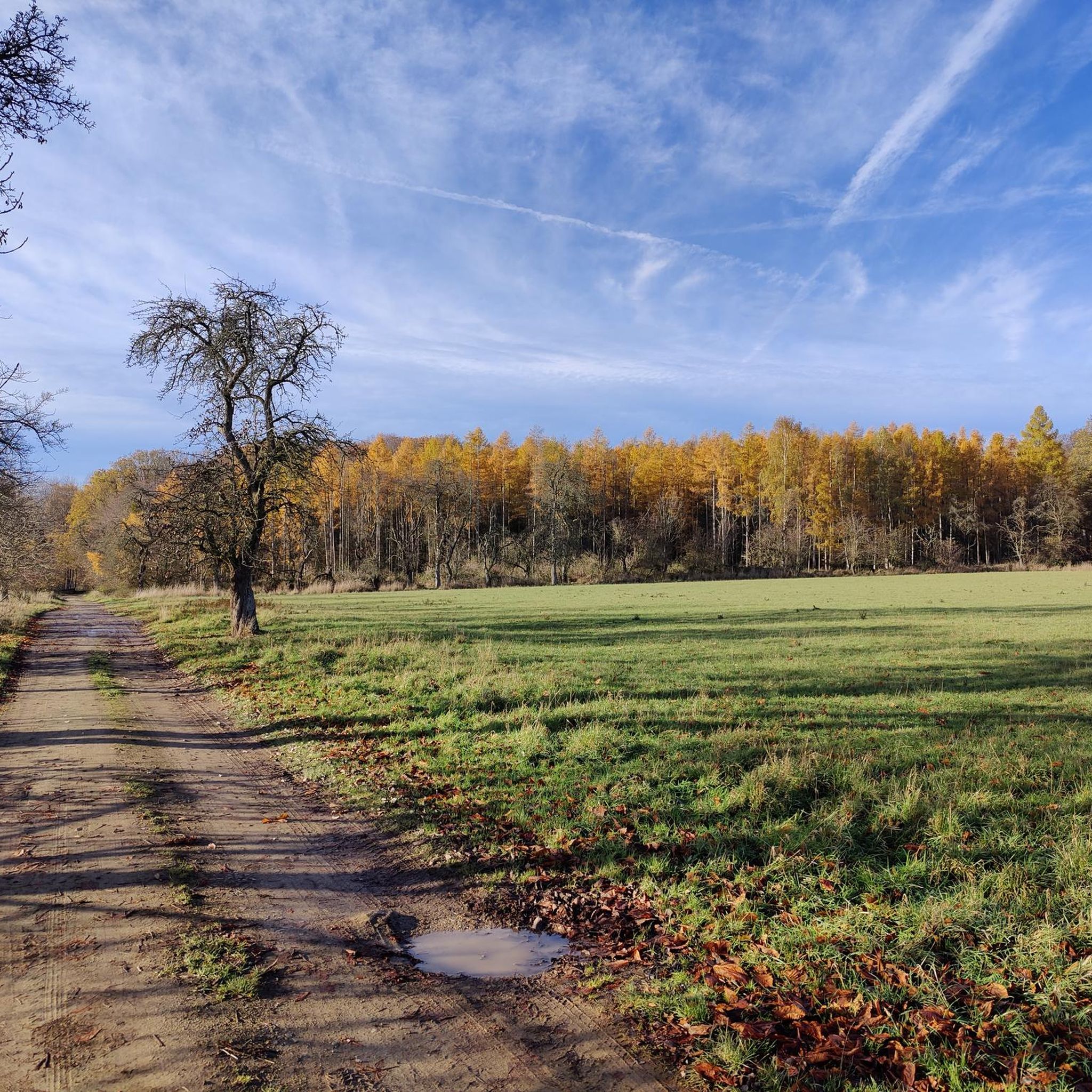
The Himmelsteich in Sommerschenburg with an area of approx. 11,100 m² is part of the “Harbke - Allertal” landscape protection area. A heavenly pond or heavenly pond is a still body of water that is not fed by any surface inflow and draws water exclusively from precipitation and groundwater. Aside from groundwater-fed ponds, they are found only in areas where annual rainfall exceeds evaporation. At this point in time, after extensive rainfall, the "wild" pond is definitely there.
2
0


Source: Wikipedia The Seehausen menhir (also called "Götterstein" or "Langer Stein") is a menhir in Seehausen, a district of the town of Wanzleben-Börde in the Börde district in Saxony-Anhalt. It stands in the direction of Eggenstedt, on an uphill dirt road, one kilometer from the lake and is the northernmost statue menhir in Germany. The stone was stored in January 2017 in the depot of the Saxony-Anhalt State Office for Monument Preservation and Archeology in Halle (Saale). A copy was set up at the original location.[1] Other menhirs of this quality have also been taken to museums as a precaution. A thing site is said to have been located on the 2.4 m high semi-anthropomorphic standing stone. The heavily weathered stone with an oval cross-section has petroglyphs, of which very accurate images exist. They show a circle, a broad ax with handle and a sash. The older drawings still show parts of a decorated belt. Urn finds indicate that burials took place at the site. The representation is interpreted in the scientific literature as a human-like figure. Comparisons suggest an interpretation as a fertility goddess. Since incised motifs are not common in German archeology, the comparison material can be easily compiled. It becomes clear that this motif belongs to the Bernburg culture. The area on the Hoher Holz can be identified as the northern fringe zone of this culture.
0
0

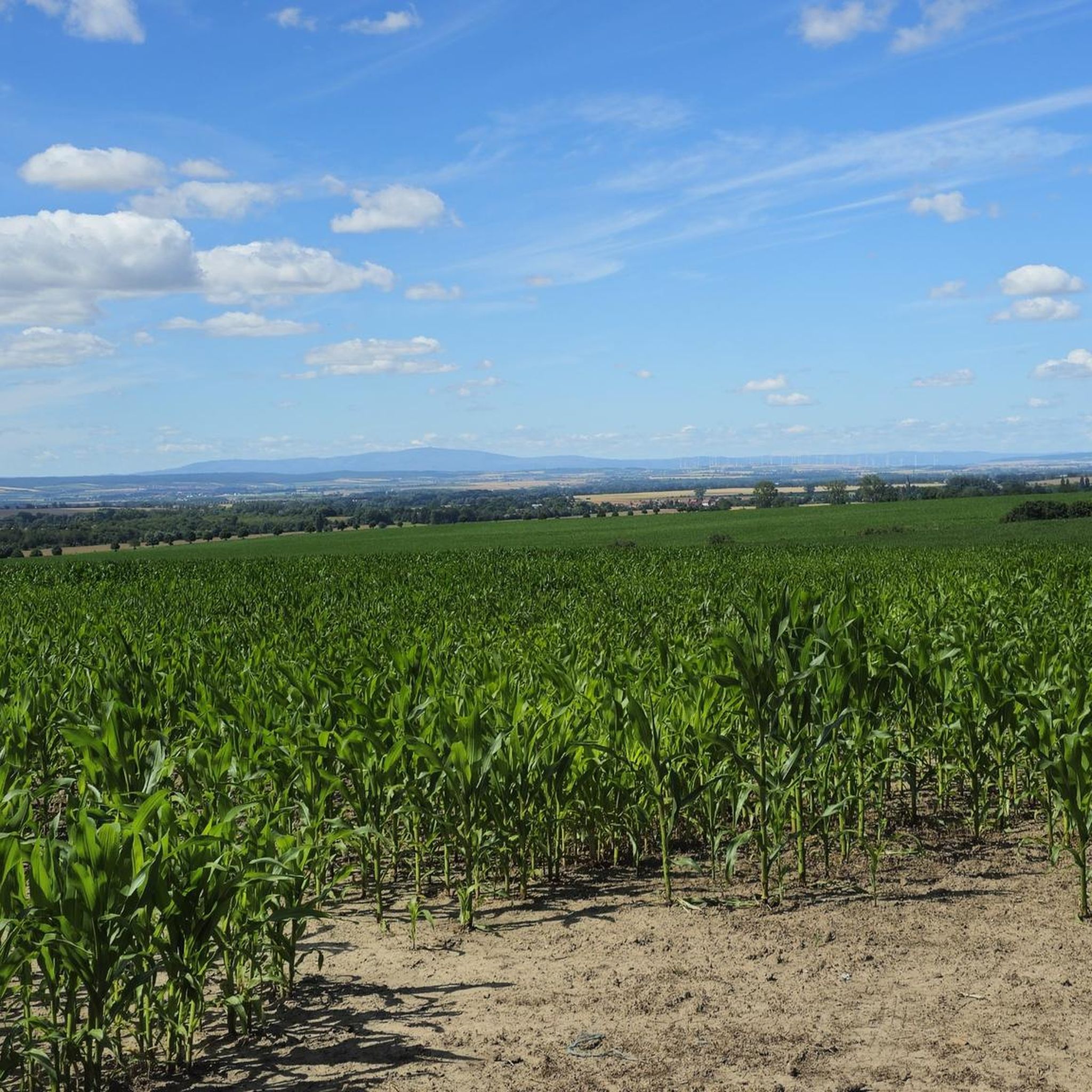
Unfortunately there is no longer a lake.
1
0

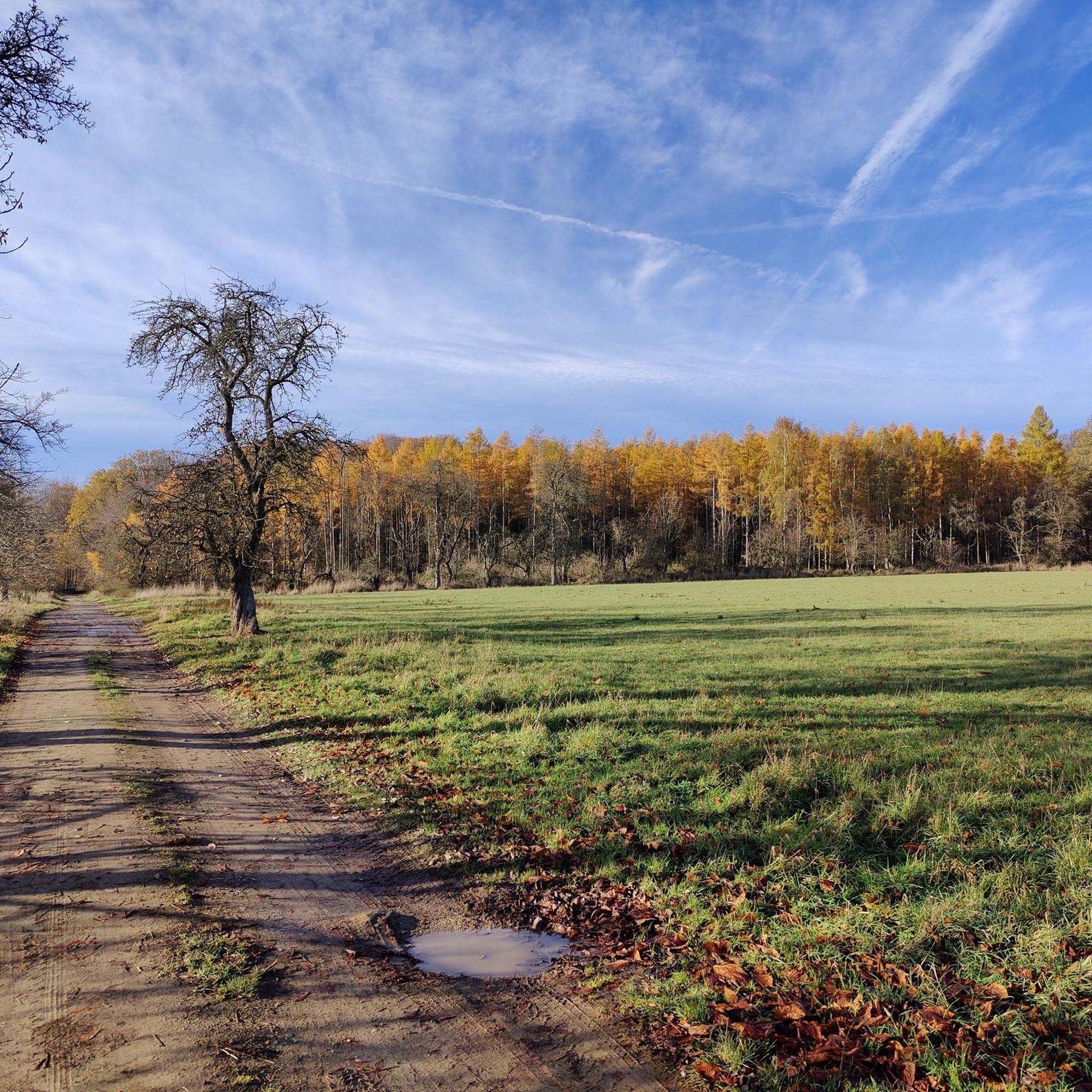
The Domburg is located in the middle of a wonderfully beautiful deciduous forest. An information board with the history of the castle can also be found, as well as seating. Very nice hiking trail from the Heteborn cemetery car park.
4
0

It's still fine in early summer, but when the temperatures rise, the pond grows over and starts to stink. In the past, ABMs were used for desludging, but today climate change is to blame for the development. 🤔
2
0

Special postmark of the HWN "Castles and Castles" and a nice photo motif, an information board offers interesting facts
10
1

The "Hexenstein" is so called because small nails are hammered in everywhere. At least that's how it was when I was a kid and played there. And nails in the stone - that's witchcraft 😉
1
0
Frequently Asked Questions
What types of natural monuments can I explore around Oschersleben?
The region around Oschersleben offers a mix of natural and historical sites. You can discover ancient geological formations, historical ruins integrated into the landscape like Domburg Castle Ruins, and significant water features such as the source of the Aller river at Aller Spring. There are also unique prehistoric monuments like the Langer Stein (Menhir of Seehausen).
Are there any family-friendly natural monuments in the Oschersleben area?
Yes, several natural monuments are suitable for families. Aller Spring offers a chance to see the river's origin and has facilities. Himmelsteich Sommerschenburg is an idyllic lake with waterfowl, perfect for a quiet family outing. The War Memorial and Hexenstein site also features a small park and benches by the Bode river, ideal for a rest.
What historical natural monuments can I visit near Oschersleben?
The area is rich in historical natural monuments. The Domburg Castle Ruins are a castle and natural monument with remains from the 1500s, offering a notable photo motif. The Langer Stein (Menhir of Seehausen) is a 2.25 m high column menhir dating back to 2,800-2,200 BC, featuring unique engraved lines and petroglyphs. Additionally, the War Memorial and Hexenstein combines a memorial with a large, flat stone, offering a glimpse into local history.
Where can I find unique geological features around Oschersleben?
The region itself, part of the Magdeburger Börde, is characterized by wide fields and Germany's largest contiguous black earth area. To the west, the Große Bruch is an ancient glacial valley. For specific geological interest, the Langer Stein (Menhir of Seehausen), while a man-made monument, is a significant stone formation with ancient carvings. The Hexenstein near the War Memorial is also a large, flat stone with local lore.
Are there hiking trails near the natural monuments around Oschersleben?
Yes, there are several hiking opportunities. The Domburg Castle Ruins are situated in the middle of nature with good hiking trails. For more general hiking, you can explore the easy hikes around Oschersleben, which include routes like the 'Hotel Hubertushöhe – Rest area An der Hölle loop'.
What outdoor activities can I do near these natural monuments?
Beyond visiting the monuments themselves, the area offers various outdoor activities. You can find MTB trails around Oschersleben, including routes like the 'Stone of the Socialists – Hölle Shelter loop'. There are also running trails, such as the 'Hohes Holz loop', and the Aller cycle path follows the course of the river from Aller Spring.
What do visitors enjoy most about the natural monuments in Oschersleben?
Visitors appreciate the blend of nature and history. Many enjoy the scenic views and photo opportunities at places like Domburg Castle Ruins. The tranquility and wildlife at Himmelsteich Sommerschenburg are also highly rated. The historical significance and unique carvings of the Langer Stein (Menhir of Seehausen) are also a major draw.
Are there any natural monuments with water features?
Yes, the region features notable water-related natural monuments. Aller Spring is the source of the Aller river, where you can observe its origin. Himmelsteich Sommerschenburg is a beautiful lake, home to many waterfowl, offering an idyllic spot for a break.
Can I find viewpoints or scenic spots among the natural monuments?
Absolutely. The Domburg Castle Ruins offer a viewpoint within a natural setting, providing a great photo motif. Aller Spring and Himmelsteich Sommerschenburg are also considered scenic spots, ideal for observing nature and enjoying peaceful surroundings.
What is the Hohes Holz, and how does it relate to natural monuments in the area?
The Hohes Holz is a wooded, hilly landscape located to the south of the Landkreis Börde district, where Oschersleben is situated. While not a single designated natural monument, it represents a significant natural feature of the broader region, offering a diverse natural setting for exploration and outdoor activities, including some of the running trails in the area.
Is there parking available near the natural monuments?
Parking information varies by specific site. For example, the War Memorial and Hexenstein is noted to have parking available nearby. For other locations, it's advisable to check specific highlight details or local signage upon arrival.
Are there any ancient standing stones or prehistoric sites?
Yes, the Langer Stein (Menhir of Seehausen) is a prominent example. This 2.25 m high column menhir is unique in Central Germany for its figurative decoration, including engraved lines and petroglyphs, and dates back to the period between 2,800 and 2,200 BC.
Most popular routes around Oschersleben
Most popular attractions around Oschersleben

Get inspired with the komoot mobile app


Explore more
Extend your search for the best caves by checking out these guides of the top ones around Oschersleben:
