Top 20 Natural Monuments around Grimburg
Natural monuments around Grimburg offer diverse landscapes for outdoor exploration. The region features a mix of forests, lakes, and elevated points, providing varied natural attractions. These sites are suitable for appreciating the area's geological and hydrological features.
Best natural monuments around Grimburg
- The most popular natural monuments is Noswendeler Lake, a lake that was dammed in 1979 and is fed by the Wahnbach. This 6.6-hectare lake is the center of a 20-hectare leisure area.
- Another must-see spot is Nonnweiler…
Last updated: October 25, 2026
Dollberg – Highest point in Saarland
Highlight • Summit
The incredible 'silence' of nature and the fairytale character of the immediate surroundings make this summit - which …
Translated by Google •
Tip by

Keller Reservoir
Highlight • Lake
Translated by Google •
Tip by

Sign up now to discover places like this
Get recommendations on the best single tracks, peaks, & plenty of other exciting outdoor places.
Noswendeler Lake
Highlight • Lake
The lake has a size of 6.6 ha. It was dammed in 1979 and is fed by the water of the Wahnbach. The Wahnbach, which rises near …
Translated by Google •
Tip by

Nonnweiler Reservoir
Highlight • Lake
Translated by Google •
Tip by

Former Beaver Pond in the Wadrill Valley
Highlight • Lake
Translated by Google •
Tip by

Sign up for free to discover even more natural monuments around Grimburg.
Already have an account?
Start today with a free account
Your next adventure awaits.

Other adventures around Grimburg

Tips from the Community

Reservoir, which can be comfortably walked around on wide paths (also suitable for strollers), beautiful views along the route included as well as the opportunity to stop off at Hau's am See (it is particularly nice on the terrace directly on the lake) and pedal boat rental included.
1
0

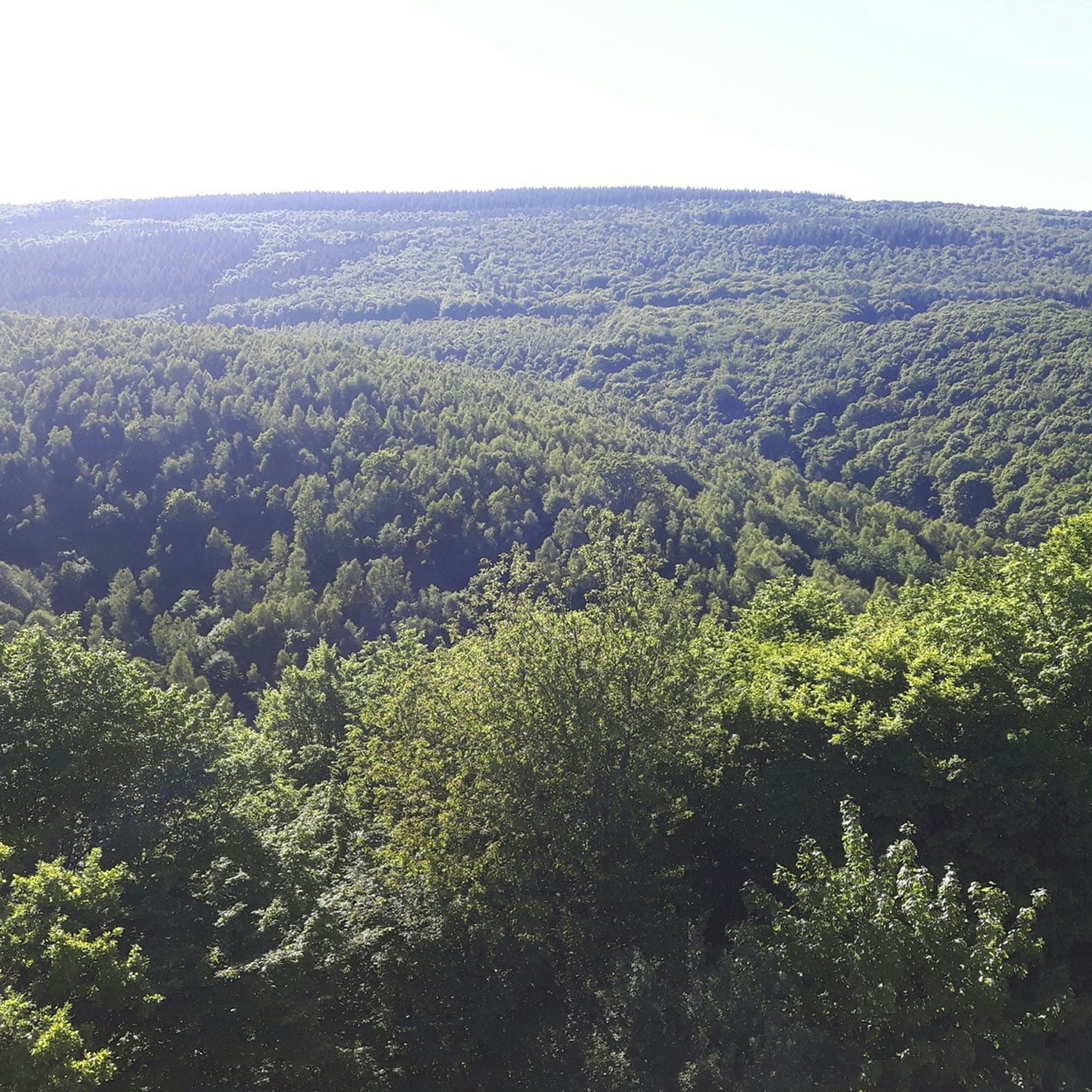
The highest point in Saarland is located in a very quiet forest. Without the sign you probably wouldn't notice it.
8
0

A few years ago beavers were spotted here again. Next to the habitat there is a nice little shelter that invites you to take a break and also offers an information board about beavers.
1
0

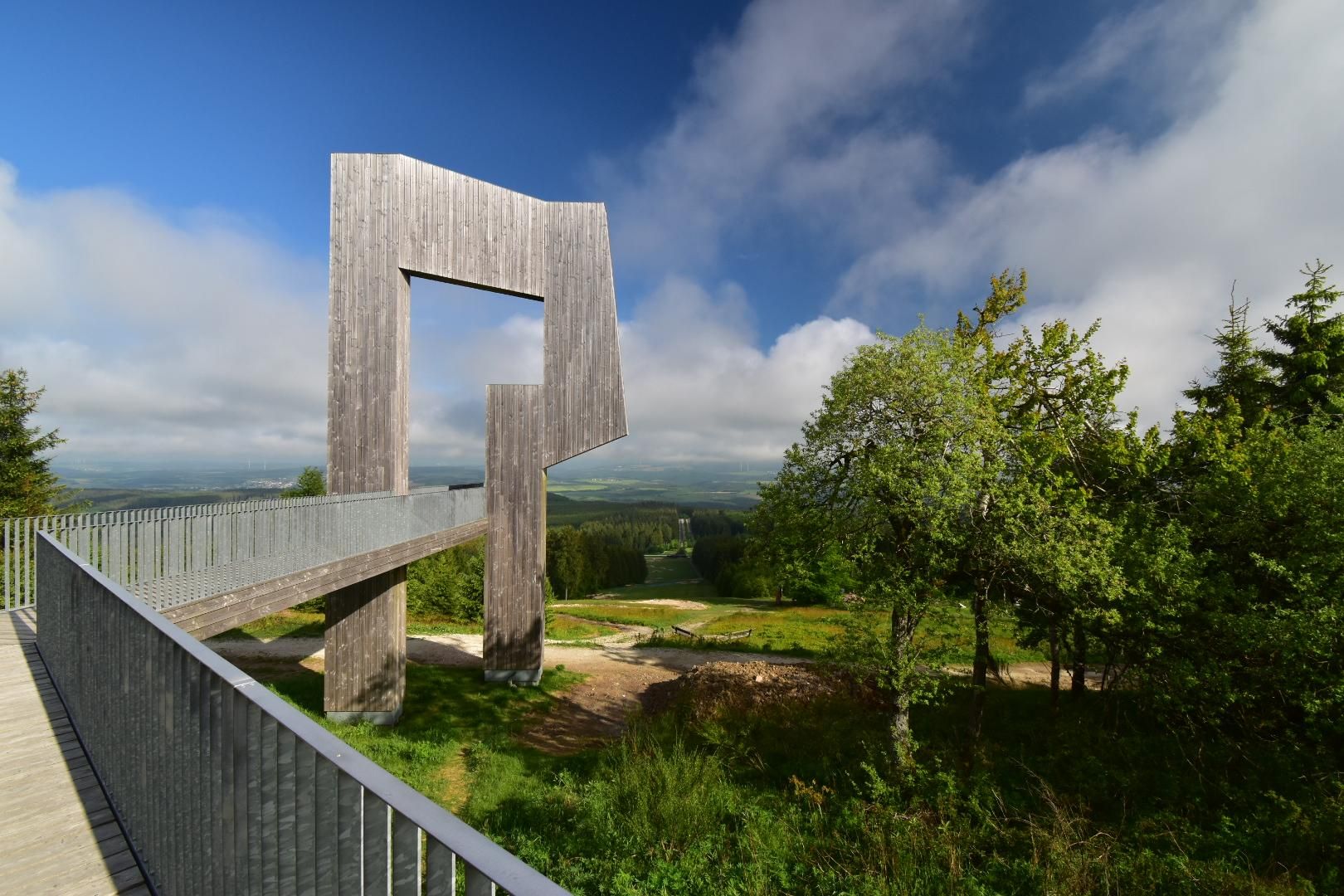
The Dollberg is 695 m above sea level. NN is the highest mountain in Saarland and belongs to one of the prominent mountain ranges in the high forest. These stretch as ridges running from southwest to northeast from the Saar to the Rhine. The ridges consist of quartzite, which in turn has its origin in sandstone. This was finally transformed into quartzite by pressure and high temperatures during the folding of the mountains in the Devonian. Due to its hardness, it is comparatively weather-resistant. As the surrounding, softer rock was eroded, the quartzite deposits were preserved as ridges. A beautiful hiking destination and, as the highest "mountain" in Saarland, of course also a highlight here in the region. https://www.naturpark.org/natur-und-kultur/natur/geologie/geopunkte-devon-permokarbon-nonnweiler-und-zuesch/dollberg
8
0

Traveling to all 16 peaks in the federal states, it is very interesting to see how differently the states deal with their highest peaks. Perhaps the term "natural" fits quite well here
10
0

A quiet place early in the morning with a lot of waterfowl.
1
0

A very beautiful lake that invites you to linger
5
0

𝐆𝐞𝐬𝐜𝐡𝐢𝐜𝐡𝐭𝐞 𝐍𝐨𝐬𝐰𝐞𝐧𝐝𝐞𝐥𝐞𝐫 𝐒𝐞𝐞 The lake has a size of 6.6 ha. It was dammed in 1979 and is fed by the water of the Wahnbach. The Wahnbach, which rises near the Pascalhütte on the state border of Saarland and Rhineland-Palatinate near Steinberg, flows north of Büschfeld into the Prims. The reservoir is the heart of the 20-hectare leisure center of the same name. Due to the strong commitment of the local associations, which are organized in the local history and tourist association, catering by the lake and a well-filled calendar of events are guaranteed in the summer season. Source: text information board
12
1
Frequently Asked Questions
What kind of natural features can I expect to find around Grimburg?
The Grimburg area is characterized by a diverse landscape featuring lakes, reservoirs, and summits. You'll find a mix of forests and elevated points, providing varied natural attractions that highlight the region's geological and hydrological characteristics.
Are there any significant lakes or reservoirs to visit near Grimburg?
Yes, Grimburg is known for several beautiful water bodies. You can visit Noswendeler Lake, a 6.6-hectare lake that is the center of a 20-hectare leisure area. Another notable spot is Nonnweiler Reservoir, a large water protection area with a 13 km circular route. Additionally, Keller Reservoir in Kell am See offers a scenic path along its shore for longer tours.
Where can I find the highest point in Saarland near Grimburg?
The highest point in Saarland, the Dollberg, is located near Grimburg. At 695.4 meters above sea level, it's a unique spot known for its incredible silence and fairytale-like forest surroundings, offering a peaceful experience rather than a spectacular altitude.
Are there any natural monuments around Grimburg that are particularly family-friendly?
Absolutely! Noswendeler Lake is considered family-friendly, offering a leisure center. The Nonnweiler Reservoir also has a 13 km circular route that is suitable for families. Additionally, the area around the Former Beaver Pond in the Wadrill Valley is family-friendly, where you might even spot beavers and learn about their habitats.
What outdoor activities can I do near these natural monuments?
The Grimburg area offers a variety of outdoor activities. You can find numerous cycling routes, such as the 'Barefoot Pool – Old Kell Railway Station loop' or the 'Frau Holle Rock Formation – Biberstausee and surroundings loop'. For running, trails like the 'Forest path – Historic Weir on the Wadrill loop' are popular. There are also easy hiking trails, including the 'Grimburg Castle Tower – Grimburg Castle loop'. You can explore more options on the cycling guide, running guide, and easy hikes guide for Grimburg.
Are there accessible natural monuments for visitors with limited mobility?
The Keller Reservoir in Kell am See is noted as wheelchair accessible, offering a path along its shore. This makes it a good option for visitors seeking easier access to natural beauty.
What do visitors enjoy most about the natural monuments around Grimburg?
Visitors frequently praise the tranquility and natural beauty of the area. For instance, the Dollberg is appreciated for its 'incredible silence' and 'fairytale character'. The reservoirs, like Keller Reservoir, are loved for being wonderful destinations in every season, especially for sunrises and sunsets. The community has shared over 280 photos and given more than 590 upvotes, indicating a high level of satisfaction with the diverse natural attractions.
Can I find any unique wildlife or ecological features in the natural monuments?
Yes, the Former Beaver Pond in the Wadrill Valley is a prime example. If you're lucky, you might spot beavers and observe their impressive structures. There's also an information board about beavers at the site, making it an interesting ecological stop.
What is the best time of year to visit the natural monuments around Grimburg?
Many natural monuments, such as the Keller Reservoir, are described as wonderful destinations in every season. However, to fully enjoy outdoor activities like hiking and cycling, spring through autumn generally offer the most pleasant weather conditions. The summer season at Noswendeler Lake also features a well-filled calendar of events.
Are there any historical or man-made elements integrated with the natural monuments?
While primarily natural, some sites have historical or man-made connections. The Nonnweiler Reservoir, for example, is a significant man-made dam built between 1973 and 1982, serving as a water protection area and drinking water reservoir. Its construction involved using overburden from the A1 motorway, blending engineering with the natural landscape.
Are there opportunities for longer tours or multi-day trips around Grimburg's natural monuments?
Yes, the natural monuments often serve as starting points or integral parts of longer routes. The path along the Keller Reservoir, for instance, offers many opportunities to extend your journey into the surrounding area. Similarly, the 13 km circular route around the Nonnweiler Reservoir provides a substantial tour on its own, and can be combined with other trails.
Most popular routes around Grimburg
Most popular attractions around Grimburg

Get inspired with the komoot mobile app


Explore more
Extend your search for the best caves by checking out these guides of the top ones around Grimburg:
