Top 20 Natural Monuments around Kreimbach-Kaulbach
Best natural monuments around Kreimbach-Kaulbach are found within the rolling hills and green forests of Rhineland-Palatinate. This region offers a blend of natural landscapes and sites with historical significance. Visitors can explore various natural features that contribute to the area's unique heritage. The diverse terrain provides opportunities for outdoor activities and experiencing the local environment.
Best natural monuments around Kreimbach-Kaulbach
- The most popular natural monuments is Menhir "Hinkelstein", a natural monument that is an impressive monolith. This stone, first…
Last updated: September 28, 2026
Reiserberg Sundial
Highlight • Monument
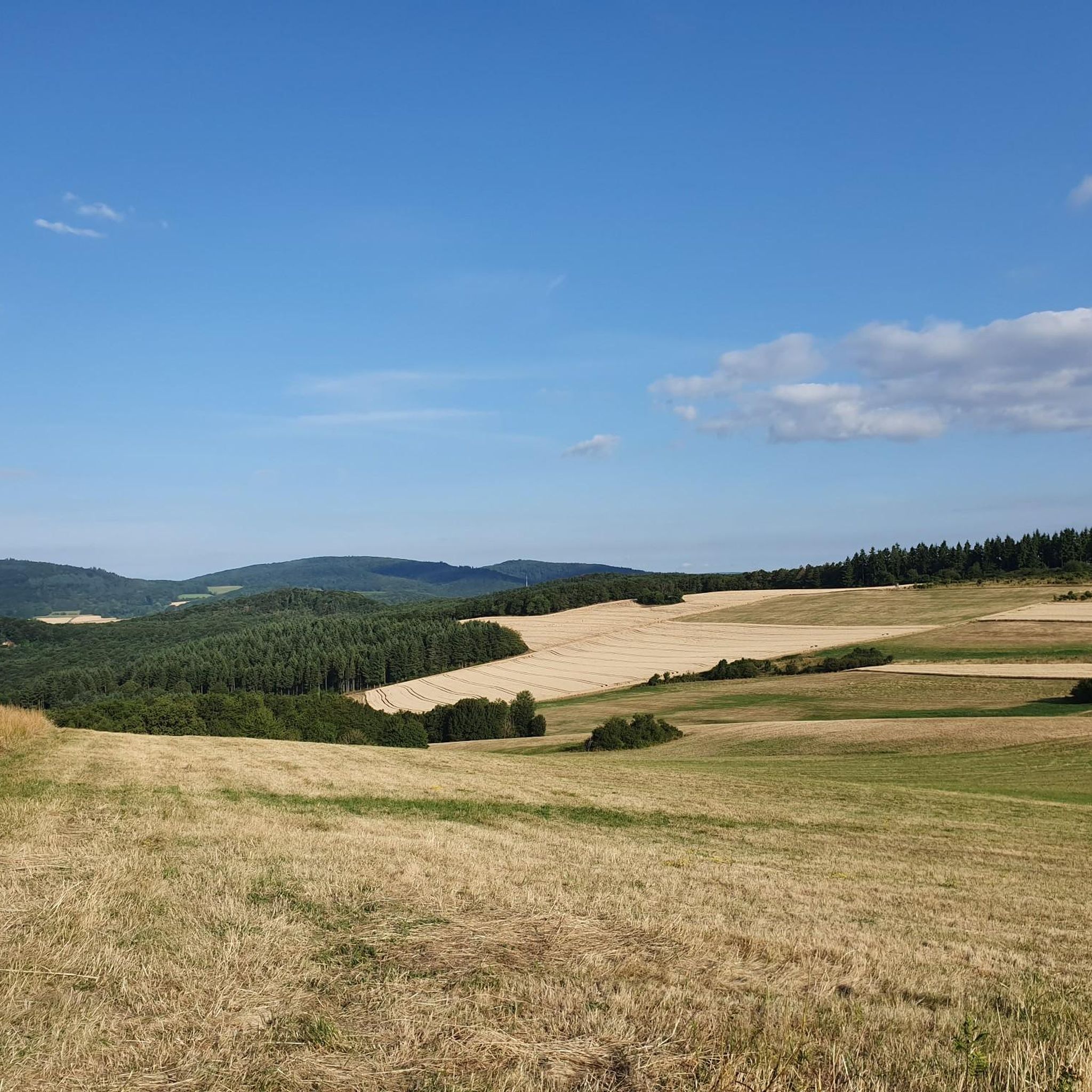
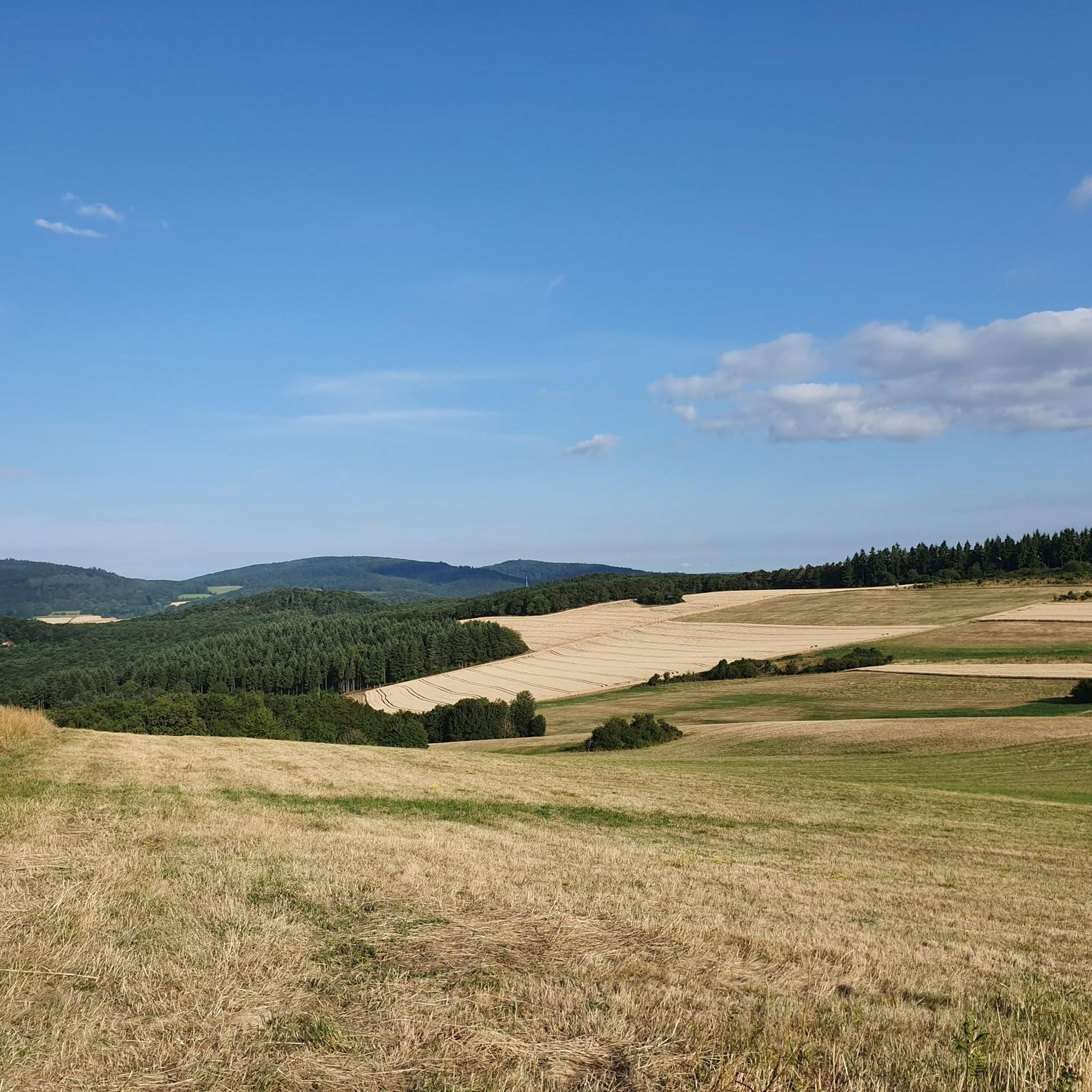
Here you also have a great 360° view.
There are several tables and benches here, and a drinks station with chilled drinks.
You …
Translated by Google •
Tip by

Weilerbach Celtic Wagon Grave
Highlight • Historical Site
Translated by Google •
Tip by

Sign up now to discover places like this
Get recommendations on the best single tracks, peaks, & plenty of other exciting outdoor places.
Königsberg Summit
Highlight • Summit
Translated by Google •
Tip by

Menhir "Hinkelstein"
Highlight • Natural Monument
Translated by Google •
Tip by

Celtic Princely Grave and Heidegericht of Rodenbach
Highlight • Historical Site
Translated by Google •
Tip by

Sign up for free to discover even more natural monuments around Kreimbach-Kaulbach.
Already have an account?
Start today with a free account
Your next adventure awaits.
Tips from the Community

I find the remains of our ancestors very interesting. Unfortunately, there is not much left of them.
2
0

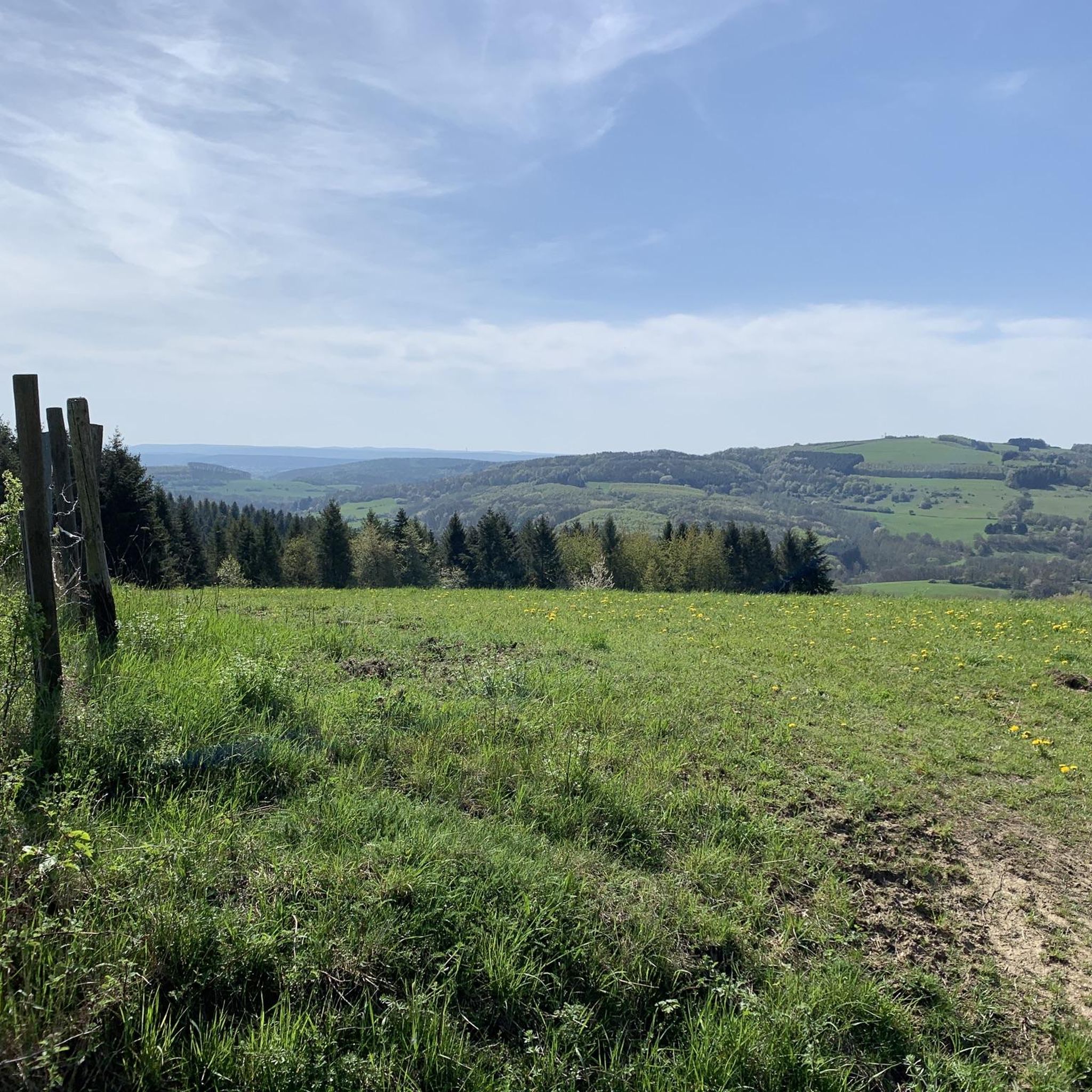
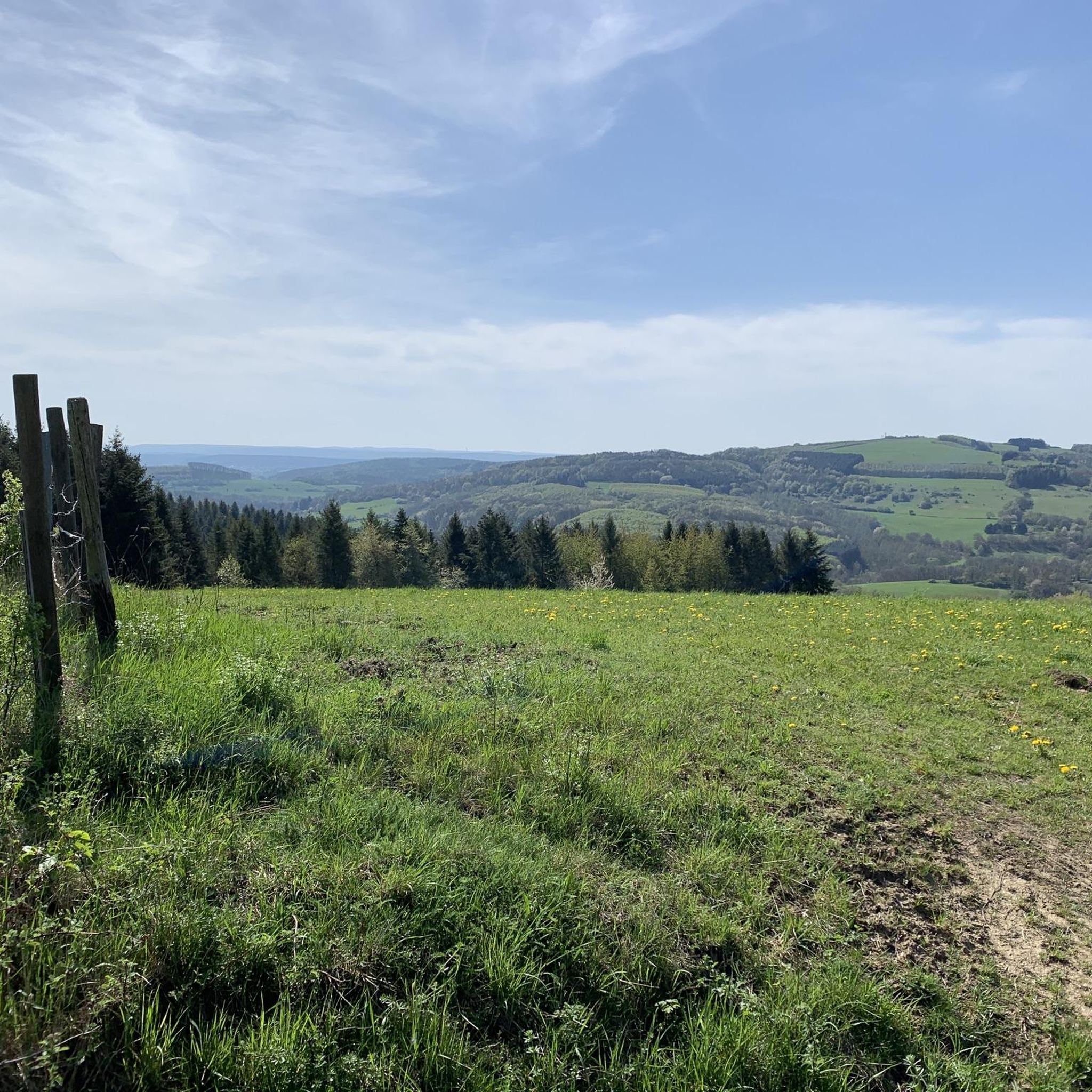
The Königsberg is 568 meters high. Its summit is forested, so you don't have a view from the top. It is still worth a visit, because there is a small summit cross, a hut and several picnic tables on the summit.
1
0

The prince's grave can be entered and the prince and his grave goods can be viewed.
1
0

is on the cycle path - information and explanations are available
2
0

At 568 m, it is one of the highest mountains in the Kusler Land. It is criss-crossed by numerous tunnels. In Wolfstein itself, the lime mine has been expanded into a visitor mine. Mercury, iron ore barite and coal were also mined there.
1
0

Weilerbach Celtic monument
3
0

heather dish In 1595 a travelogue wrote down what had been found at about this point: "There they found ... twelve carved stone pillars made by human hands. And one pillar stood in the middle between the 12 pillars, one was larger than the other." Today it is assumed that this is an old thing (place of assembly and court) from the early days. The replica reminds you of that. [Text: Flyer "Celtic Prince's Grave and Heath Court]
1
1
Opening times: from April to the end of October daily from 9 a.m. to 6 p.m. admission free One of the most important finds from Celtic times in Europe is the golden bracelet from Rodenbach, which was found among other objects in the grave of a powerful Celtic man. Old records show that "more than 20 larger and smaller burial mounds, some of them of considerable height" could be seen in the vicinity of today's burial mound. But over the centuries these "sand mounds" have been mined or simply leveled, and grave goods have received little attention or, if they were gold or bronze, have been melted down. Only when a historically interested Rodenbacher presented two bronze basins and a richly decorated handle in 1874 did the excavation begin in a hurry and not very professionally. The finds were sensational: A gold bangle, forged in a highly artistic manner with symmetrical ornamentation, and a gold ring prove that around 500 BC. a rich and influential man, i.e. a Celtic prince, was buried. Both pieces of jewelery show human heads, which were considered the seat of the soul in Celtic times. For the journey to the afterlife, the prince was also given: a bronze beaked jug, a richly decorated canteen, two bronze basins with provisions, an iron sword, three lances and a curved slashing knife. That the prince also owned a Greek wine cup is amazing and proves the influence of the Mediterranean world on the Celtic elite. The originals are in the Historical Museum in Speyer. For the "700 years of Rodenbach" anniversary, the local community of Rodenbach had a replica of the burial chamber with replicas of the grave goods built in 2000. The second smaller mound is symbolic of the other "more than twenty" burial mounds. [Text: Flyer "Celtic Prince's Grave and Heath Court"]
3
2
Frequently Asked Questions
What unique natural monuments can I explore around Kreimbach-Kaulbach?
The region offers a blend of natural landscapes and sites with historical significance. You can visit the impressive Menhir "Hinkelstein", a monolith first documented in 891 that marked historical boundaries. Another significant feature is the Königsberg Summit, one of the highest mountains in Kuseler Land, offering a hut and picnic tables for relaxation amidst nature.
Are there family-friendly natural monuments in the area?
Yes, several natural monuments are suitable for families. The Menhir "Hinkelstein" is accessible via the "Hinkelsteinweg" hiking trail and has a seating area. The Reiserberg Sundial is also family-friendly, offering a great 360° view with tables and benches for resting, and even amenities like phone charging and free WiFi. The Fünfeckstein Border Marker also provides a shady spot with seating, ideal for a break.
What historical natural monuments can I find near Kreimbach-Kaulbach?
The region is rich in sites that blend natural elements with historical significance. The Menhir "Hinkelstein" is a prominent example, an ancient monolith with a history dating back to Roman times, marking old dominion boundaries. Another interesting historical site is the Weilerbach Celtic Wagon Grave, a newly constructed Celtic monument located on the Way of St. James.
Where can I find the best viewpoints among the natural monuments?
For panoramic views, the Reiserberg Sundial offers an excellent 360° vista. While the Königsberg Summit is forested, it still provides a natural environment for relaxation. Many of the natural monuments, including the Menhir "Hinkelstein", are situated in scenic locations that offer pleasant views of the surrounding landscape.
Are there hiking trails to reach these natural monuments?
Yes, many natural monuments are accessible via hiking trails. For instance, the "Hinkelsteinweg" hiking trail leads past the Menhir "Hinkelstein". The Königsberg Summit is also a popular hiking destination. You can find more hiking options in the area by exploring Hiking around Kreimbach-Kaulbach, which includes routes like the easy "Heidenburg Ruins – Heidenburg Hut loop".
What other outdoor activities are available near the natural monuments?
Beyond hiking, the rolling hills and green forests of Kreimbach-Kaulbach offer opportunities for cycling. You can explore various routes for both road cycling and mountain biking. For road cycling, check out Road Cycling Routes around Kreimbach-Kaulbach, or for mountain biking, see MTB Trails around Kreimbach-Kaulbach.
What is the best time of year to visit the natural monuments around Kreimbach-Kaulbach?
The region's picturesque landscapes of rolling hills and green forests are beautiful throughout the year. Spring and autumn are particularly pleasant for outdoor activities like hiking and cycling, with milder temperatures and vibrant foliage. While the Königsberg Summit is forested, it remains a worthwhile destination for its natural environment, even in winter, though some trails might be more challenging.
Are there any facilities or amenities near the natural monuments?
Some natural monuments offer amenities for visitors. For example, the Reiserberg Sundial provides tables, benches, a drinks station with chilled drinks, and even mobile phone charging and free WiFi. The Königsberg Summit features a small hut and picnic tables, while the Fünfeckstein Border Marker has a refuge and seating.
What do visitors enjoy most about the natural monuments in Kreimbach-Kaulbach?
Visitors appreciate the blend of natural beauty and historical significance. Many enjoy the peaceful atmosphere and the opportunity to relax in nature, as highlighted by tips for the Königsberg Summit and the Menhir "Hinkelstein". The great 360° views from spots like the Reiserberg Sundial are also highly praised, along with the well-maintained facilities for resting.
Are the trails to the natural monuments generally difficult?
The difficulty of trails varies. For instance, the path to the Königsberg Summit is rated as intermediate. However, there are also easier options available, such as the "Panoramic View of Wheat Fields – View of Kreimbach Quarry loop" which is an easy hiking route. You can find more detailed information on trail difficulties in the Hiking around Kreimbach-Kaulbach guide.
Can I bring my dog to the natural monuments?
Generally, the natural areas and trails around Kreimbach-Kaulbach are dog-friendly, allowing you to enjoy the outdoors with your pet. However, it's always recommended to keep dogs on a leash, especially near historical sites or in areas with wildlife, and to respect local regulations and other visitors.
Is there parking available near the natural monuments?
While specific parking details for each monument are not always listed, many natural monuments and trailheads in the region typically offer designated parking areas. For example, the Menhir "Hinkelstein" is part of a hiking trail, suggesting nearby access points. It's advisable to check local signage or trail information for the most convenient parking spots.
Most popular routes around Kreimbach-Kaulbach
Most popular attractions around Kreimbach-Kaulbach

Get inspired with the komoot mobile app


Explore more
Extend your search for the best caves by checking out these guides of the top ones around Kreimbach-Kaulbach:
