Top 20 Natural Monuments around Wiedensahl
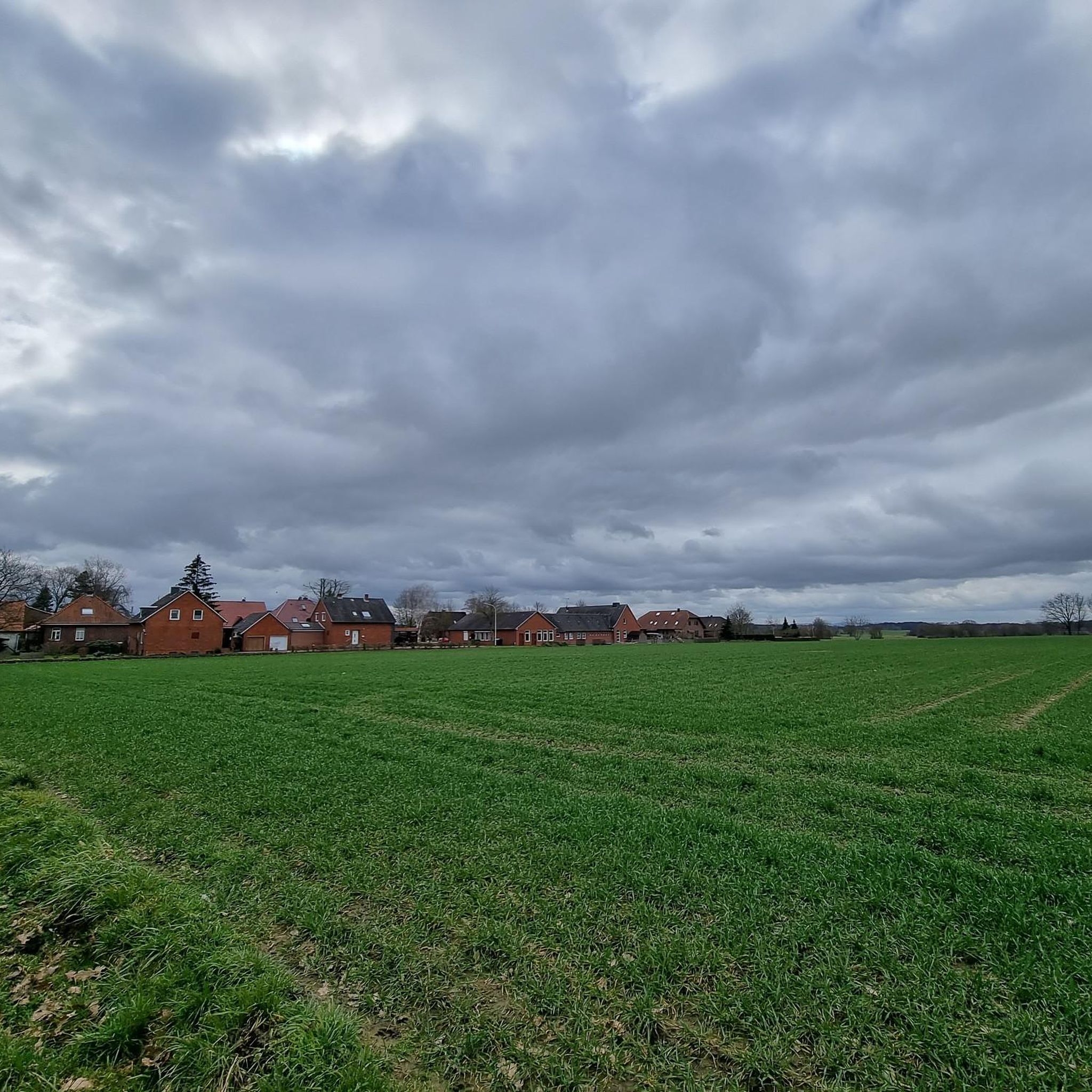
Best natural monuments around Wiedensahl include a rural landscape characterized by green meadows and mixed forests. This area is closely associated with the cultural heritage of Wilhelm Busch, whose work was influenced by the local surroundings. For more extensive natural experiences, the nearby Steinhuder Meer Nature Park offers diverse features, including Lake Steinhude, moorlands, and wetlands. The region provides opportunities for outdoor activities such as hiking and cycling.
Best natural monuments around Wiedensahl
- The most popular natural monuments is Neuenknick…
Last updated: May 11, 2026
Schlüsselburg Weir and Hydroelectric Power Plant
Highlight • Monument
Translated by Google •
Tip by

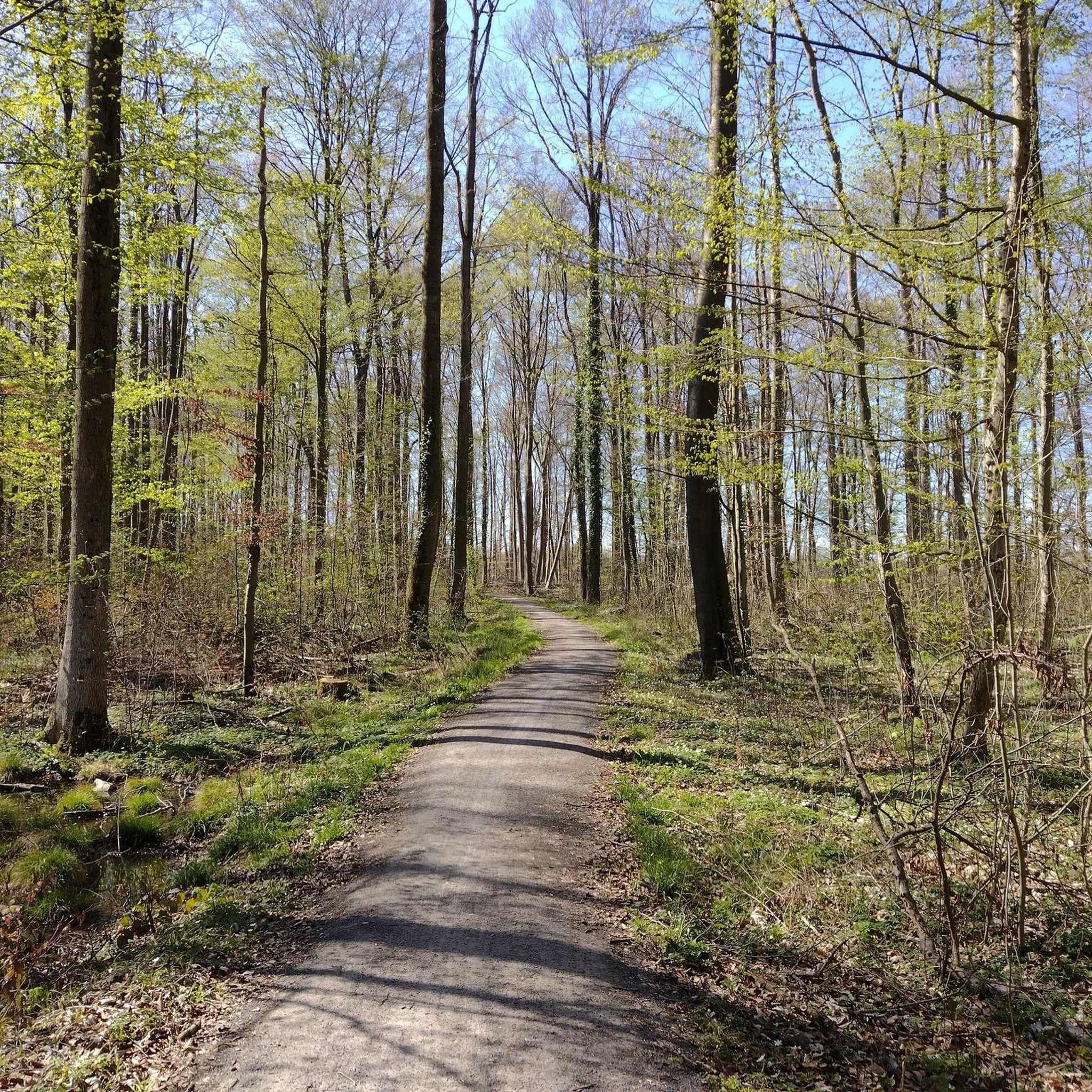
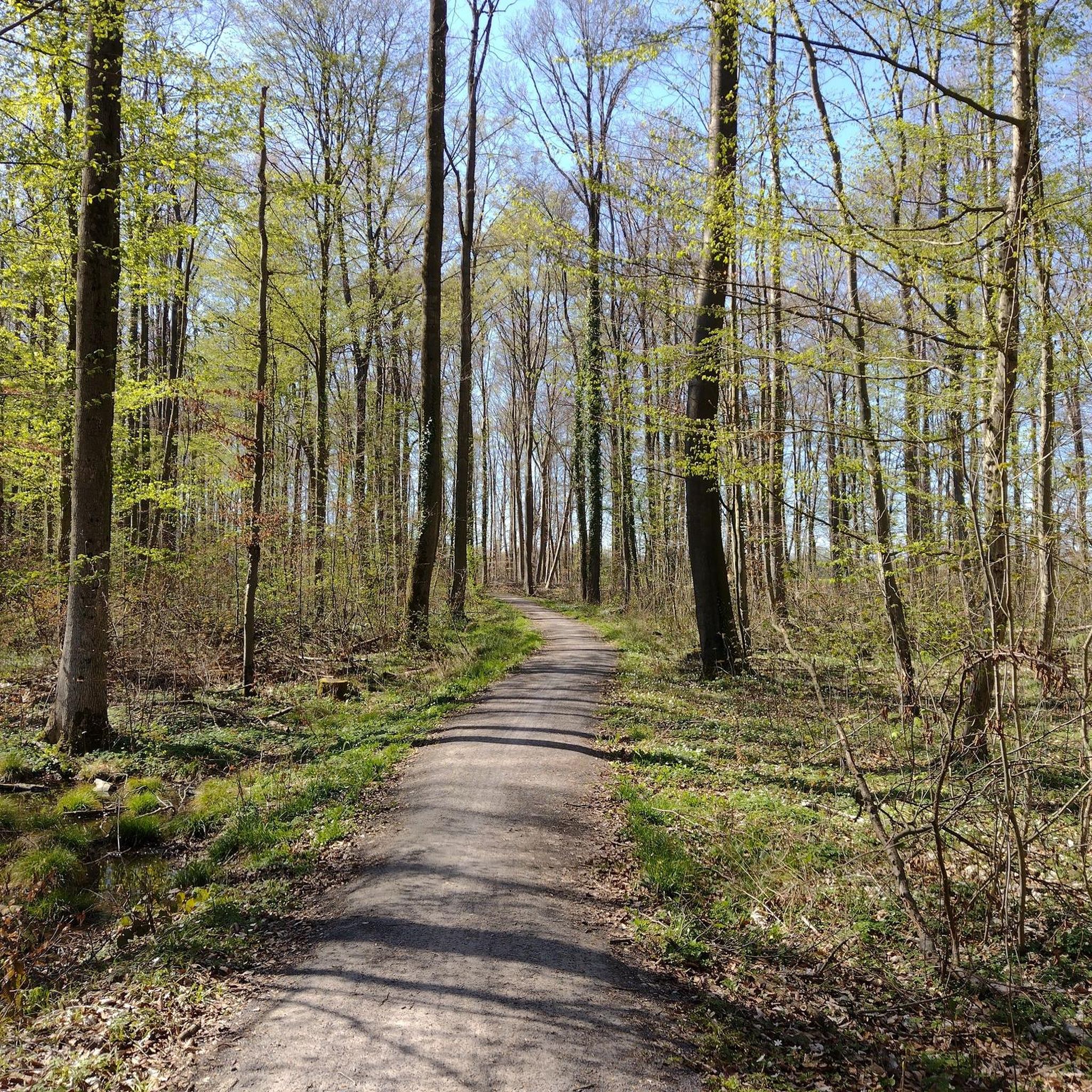
Sundern Monastery Forest
Highlight • Forest
Translated by Google •
Tip by

Sign up now to discover places like this
Get recommendations on the best single tracks, peaks, & plenty of other exciting outdoor places.
Sign up for free
Jössen Old Ferry Crossing on the Weser
Highlight • Rest Area
Translated by Google •
Tip by

Neuenknick Erratic Boulder Forest
Highlight • Natural Monument
Translated by Google •
Tip by

Häverner Marsch Nature Reserve
Highlight • Natural Monument
Translated by Google •
Tip by

Sign up for free to discover even more natural monuments around Wiedensahl.
Sign up for free
Already have an account?
Start today with a free account
Your next adventure awaits.
Login or Signup

Other adventures around Wiedensahl

Tips from the Community

I was amazed by this huge collection of beautiful boulders. All carefully placed. And then there's the great barbecue hut in the middle. Hats off to what the people here have created.
4
0

The forest area of the Loccum Monastery (approx. 650 ha) is located about ten kilometers west of Lake Steinhude and comprises six sub-areas (forest locations) of different sizes. The majority are located in Lower Saxony (Nienburg district), a smaller part belongs to North Rhine-Westphalia (Minden-Lübbecke district). The forest largely falls under the category of "historically old forest locations". Alternating forest landscapes and a well-developed, park-like path system make the monastery forest an experience for every visitor. Source: https://www.kloster-loccum.de/das-kloster/klosterforst
4
0

The old Jössen ferry dock is one of my favorite resting places on the Weser. Here you have a wonderful view of the Weser and the unique river landscape of the Weser floodplain. Information boards on site provide interesting information. I've also seen many a sunset here.
7
0

This is a really weird place. Dozens maybe hundreds of boulders lie around in the forest unasked. The plaque by the refuge sheds some light on the story.
5
0

The boulder forest is almost inconspicuous and mystical
5
0

Display boards provide information about the monastic pond economy.
2
0
The core nature reserve "Schustufe Schlüsselburg" is formed by the dammed 5.5 km long "upper water" of the Weser loop near Schlüsselburg, including the narrow bank meadows between the Weser dykes. The foreland between the dike and the Weser stands out due to its great biodiversity and structural diversity. Nestled in meadows that are managed under nature conservation principles, there are several small bodies of water with meadow meadow forests, well-developed reed areas and herbaceous meadows. Field hedges, groups of trees, small bodies of water and uncultivated fringe strips on the Weser also contribute to the habitat diversity. In addition to a rich birdlife, there is also an interesting insect fauna here. Apart from the numerous species of water birds that frequent the Weser, there are also many songbirds here. Source: https://www.schluesselburg-weser.de/natur-und-umwelt
5
0

The Klosterforst Sundern is a forest area south of the Loccum monastery. Several, mostly natural, forest paths or paths lead through it. In addition to a herd of cattle and the Luccaburg in the south, the water management of the Cistercians is particularly noteworthy and can still be experienced. The water of the Fulde was used in a clever way via ditches and dams. For example, there are water crossings at different heights to feed water reserves. For the monastery, the Cistercians sometimes even laid an underground sewage system, as well as different ditches to keep service water separate from waste water. The bridal pond and the baking pond are still preserved as large ponds. The Backteich is higher than the level of the parallel Fulde.
2
1
Frequently Asked Questions
What unique natural monuments can I explore around Wiedensahl?
Around Wiedensahl, you can discover a variety of natural monuments. The Neuenknick Erratic Boulder Forest is a unique site where around 2000 glacial boulders have been collected. Another fascinating spot is the Lakeland near Hävern, where former gravel ponds have transformed into rich biotopes, especially known for water birds. The Sundern Monastery Forest offers a serene forest experience with well-maintained grounds, ponds, and old trees.
What outdoor activities are available near the natural monuments around Wiedensahl?
The region around Wiedensahl offers diverse outdoor activities. You can enjoy gravel biking on routes like the "View of Schaumburg Land" or "Forest Edge Trail" (Gravel biking around Wiedensahl). For runners, there are various trails, including loops from Niedernwöhren or Pollhagen (Running Trails around Wiedensahl). Road cycling enthusiasts can explore routes such as the "Mittelland Canal" or "Loccum Abbey" loops (Road Cycling Routes around Wiedensahl). Additionally, the general landscape is ideal for hiking, including the "Village Walk with Wilhelm Busch" which integrates cultural heritage with nature.
Are the natural monuments around Wiedensahl suitable for families?
Yes, many natural monuments in the area are family-friendly. The Neuenknick Erratic Boulder Forest is an interesting place for all ages to see the impressive glacial relics. The Sundern Monastery Forest provides pleasant walks with meadows and ponds. The Lakeland near Hävern and the Häverner Marsch Nature Reserve are excellent for nature observation, especially birdwatching, which can be engaging for children.
Can I bring my dog to the natural areas around Wiedensahl?
Many natural areas around Wiedensahl are suitable for dog walking. For instance, the Sundern Monastery Forest is described as ideal for dogs, especially in summer, offering shade and watering holes. When visiting any natural monument or reserve, it's always recommended to keep dogs on a leash and respect local regulations to protect wildlife and other visitors.
When is the best time to visit the natural monuments around Wiedensahl?
The best time to visit the natural monuments around Wiedensahl largely depends on your preferred activities. Spring and autumn offer pleasant temperatures for hiking and cycling, with vibrant foliage or blooming landscapes. Summer is great for enjoying the lakes and forests, though it can be warmer. Winter can provide a different, serene experience, especially in the forests, but some paths might be less accessible.
What kind of wildlife can I expect to see in the natural areas?
The diverse landscapes around Wiedensahl, particularly the wetlands and forests, support a variety of wildlife. At the Lakeland near Hävern and the Häverner Marsch Nature Reserve, you can observe numerous water birds and waders. The broader Steinhuder Meer Nature Park, a wetland of international importance, is a crucial breeding ground and stopover for many bird species. The forests are home to typical woodland animals and various plant species.
Are there any historical or cultural sites integrated with the natural monuments?
Yes, the region beautifully intertwines natural beauty with cultural heritage. Wiedensahl is deeply connected to the humorist Wilhelm Busch, and the surrounding landscape influenced his work. The "Village Walk with Wilhelm Busch" is an example of how you can explore fields, forests, and paddocks that inspired him. The Sundern Monastery Forest also has a monastery as a starting point, adding a historical dimension to your visit.
What is the Steinhuder Meer Nature Park and how close is it to Wiedensahl?
The Steinhuder Meer Nature Park is a significant natural highlight in the vicinity of Wiedensahl, easily accessible from the village. It is home to Steinhuder Meer, the largest inland lake in northwest Germany, and features diverse landscapes including moorlands, wetlands, and forests. It's a paradise for birdwatching and offers extensive hiking and cycling trails, as well as water sports.
What makes the <a href="https://www.komoot.com/highlight/171111" target="_blank" rel="noopener">Neuenknick Erratic Boulder Forest</a> a unique natural monument?
The Neuenknick Erratic Boulder Forest is unique because it's a collection of approximately 2000 glacial boulders, some weighing over 12.5 tons, that have been gathered and preserved since 1976. It showcases relics from the Ice Age, offering a fascinating insight into geological history and the efforts to protect these natural formations from destruction.
Can I find viewpoints to appreciate the natural landscape around Wiedensahl?
Yes, several natural monuments and areas offer excellent viewpoints. The Neuenknick Erratic Boulder Forest, Sundern Monastery Forest, and Lakeland near Hävern are all noted for offering good views of their respective natural features. The general rural landscape of Wiedensahl, with its meadows and forests, also provides many scenic spots.
What is the significance of the <a href="https://www.komoot.com/highlight/144591" target="_blank" rel="noopener">Schlüsselburg Weir and Hydroelectric Power Plant</a> as a natural monument?
While primarily a man-made structure, the Schlüsselburg Weir and Hydroelectric Power Plant is recognized for its integration with the natural environment of the Weser River. It plays a role in managing the river's water levels and provides a unique perspective on the interaction between human engineering and natural waterways. The surrounding area is also known for fishing, with various fish species found in the lock canal.
What do visitors enjoy most about the natural monuments around Wiedensahl?
Visitors particularly enjoy the tranquility and natural beauty of the area. The Neuenknick Erratic Boulder Forest amazes visitors with its unique collection of stones. The Sundern Monastery Forest is appreciated for its well-maintained grounds and peaceful atmosphere, especially for walks. The Lakeland near Hävern is praised for its fascinating lake landscape and rich biodiversity, making it a paradise for nature lovers and birdwatchers.
Most popular routes around Wiedensahl
Most popular attractions around Wiedensahl

Get inspired with the komoot mobile app


Explore more
Extend your search for the best caves by checking out these guides of the top ones around Wiedensahl:
