Top 20 Natural Monuments around Kemnath
Natural monuments around Kemnath offer a diverse landscape in the Upper Palatinate region of Bavaria, Germany. This area is characterized by unique geological features, including prominent basalt formations and ancient rock structures. Visitors can explore a variety of natural attractions that showcase the region's geological history and provide scenic views. The natural environment around Kemnath provides opportunities for outdoor activities and appreciating distinctive natural landmarks.
Best natural monuments around Kemnath
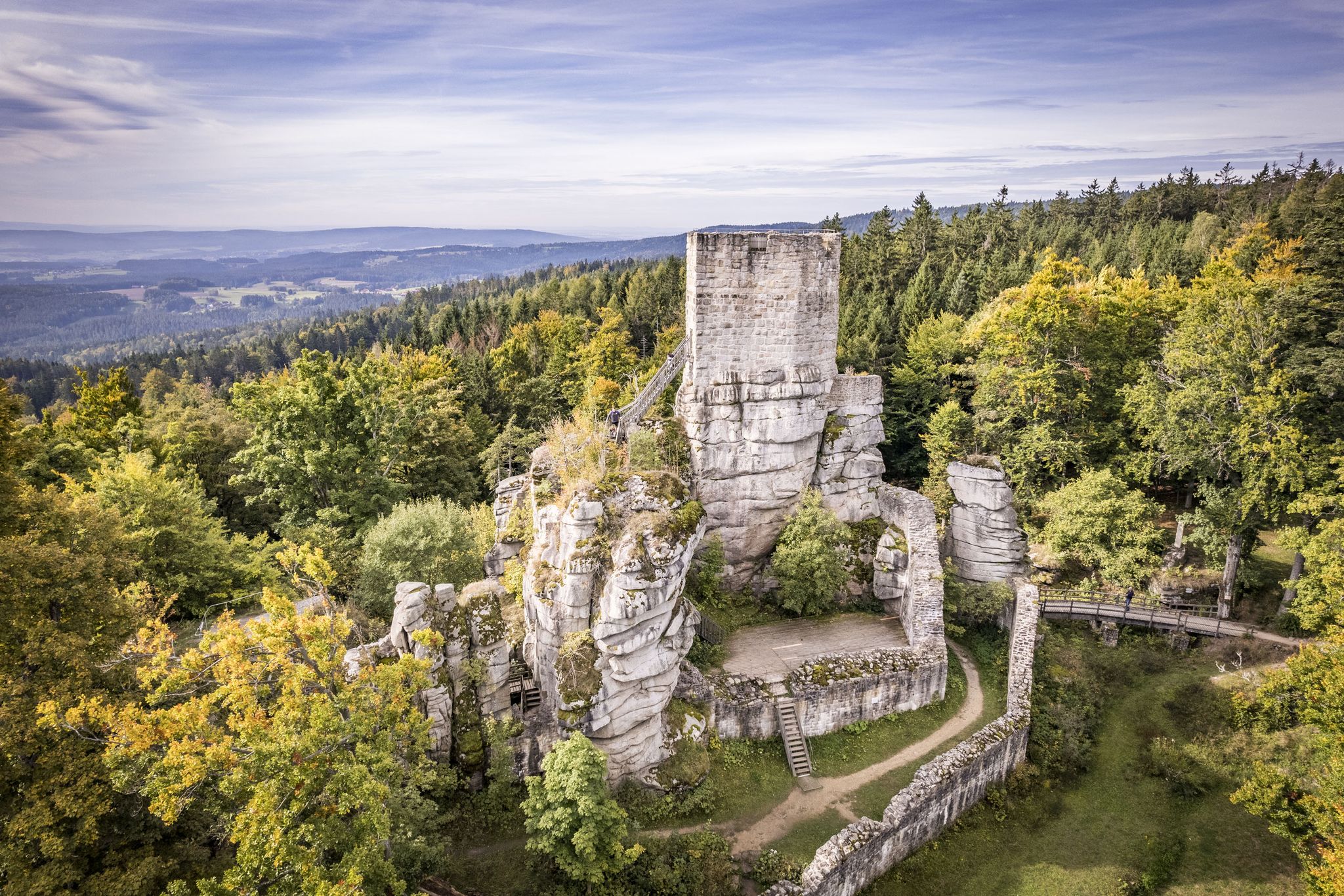
- The most popular natural monuments is Weißenstein Castle Ruins, a castle that stands on a rocky outcrop in the Steinwald Forest. From its restored keep, visitors have extensive views over the Steinwald Forest and the Upper Palatinate.
- Another must-see spot is Saubad Rock, a natural monument with a steep block heap of angular granite rocks. Visitors can reach the summit via a small climbing section secured with railings and enjoy the views.
- Visitors also love Zipfeltannenfelsen, a rock formation of rugged granite rocks shaped by wind and weather. This site is known for its imposing appearance and is part of the southern Steinwald.
- Kemnath is known for its rock formations, basalt mountains, and historical sites. The area features a variety of natural monuments, from ancient castle ruins to unique geological outcrops, offering diverse exploration opportunities.
- The natural monuments around Kemnath are appreciated by the komoot community, with more than 2200 upvotes and over 4500 photos shared by visitors.
Last updated: August 18, 2026
Weißenstein Castle Ruins
Highlight • Castle
Translated by Google •
Tip by

Saubad Rock
Highlight • Natural Monument
Translated by Google •
Tip by

Sign up now to discover places like this
Get recommendations on the best single tracks, peaks, & plenty of other exciting outdoor places.
Sign up for free
Zipfeltannenfelsen
Highlight • Natural Monument
Translated by Google •
Tip by

Rauher Kulm Lookout Tower
Highlight • Viewpoint
Nicolaus Apel built a wooden observation tower as early as 1807. There was a movable gold-plated sun above a hall, which is why the tower was also called the Sun Temple. Apple's tower existed until 1895 when the dilapidated structure was replaced by a new tower.
This second tower was replaced in 1937 by a third tower 6 meters higher. Due to the weather, this platform had to be replaced by a new one in 1962; henceforth a 25 meter high steel construction with larch wood cladding was enthroned over the town of Neustadt am Kulm.
On June 30, 1984, this fourth tower burned down within half an hour after being set on fire; the perpetrator has not yet been identified. In the following years, a fifth tower was built, which is still standing today.
Source: de.wikipedia.org/wiki/Rauher_Kulm_(Oberpfalz)
Translated by Google •
Tip by

Hackelstein
Highlight • Natural Monument
Translated by Google •
Tip by

Sign up for free to discover even more natural monuments around Kemnath.
Sign up for free
Already have an account?
Start today with a free account
Your next adventure awaits.
Login or Signup
Popular around Kemnath
On the 'Kultouren' through the Upper Palatine Forest
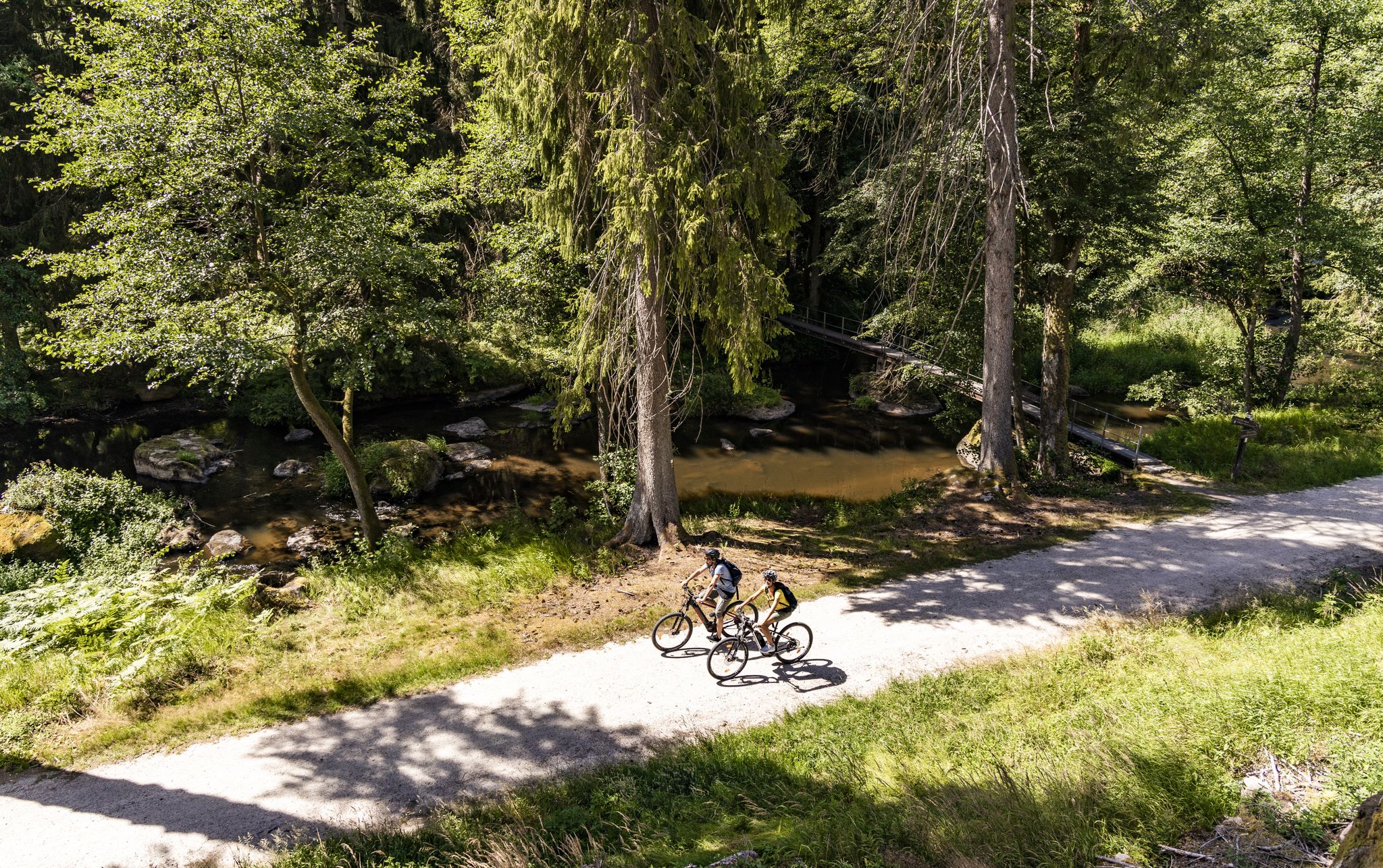
Your cycling adventure in the Upper Palatinate – Oberpfälzer Radl-Welt
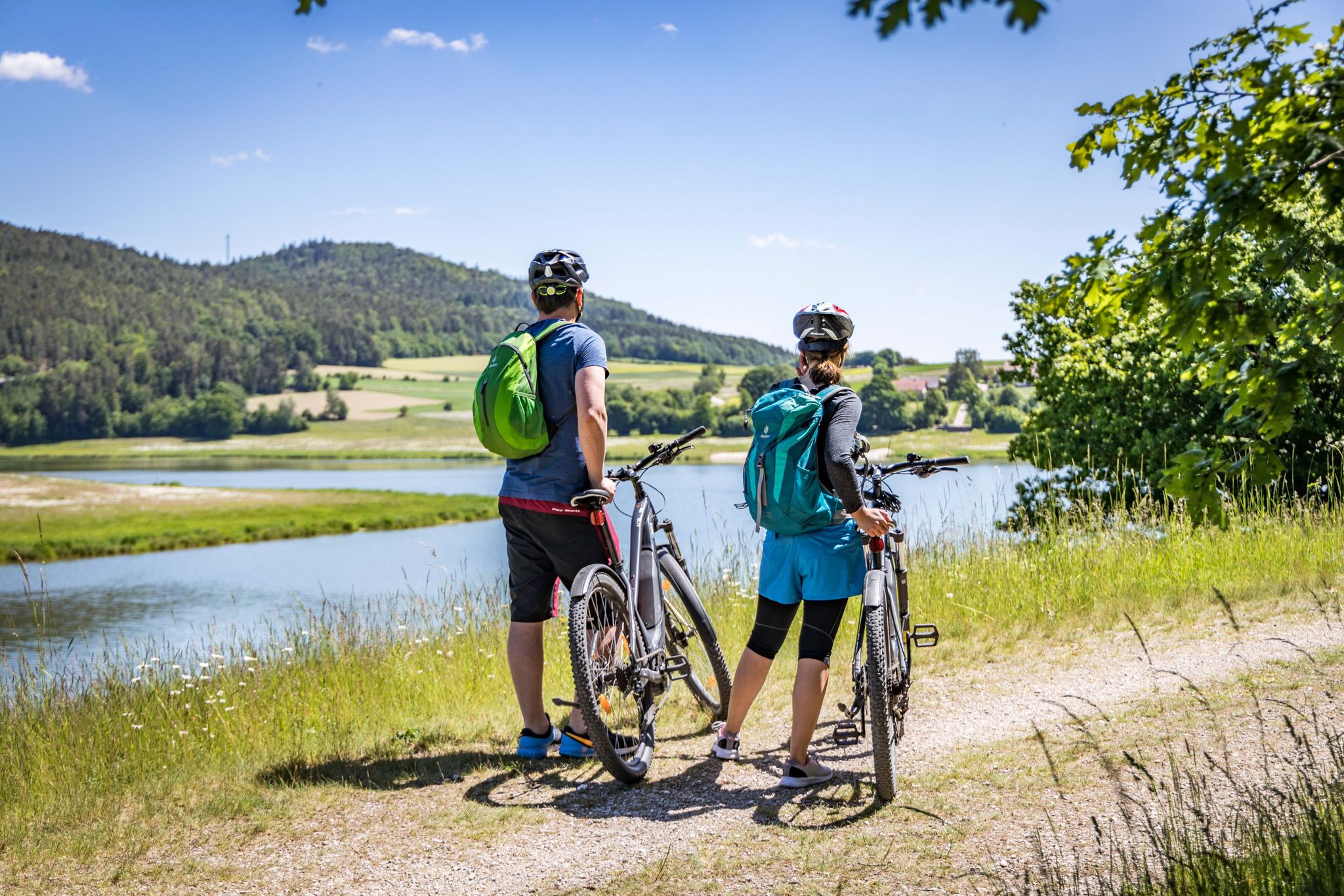
Cycling by the water in the Upper Palatinate Forest
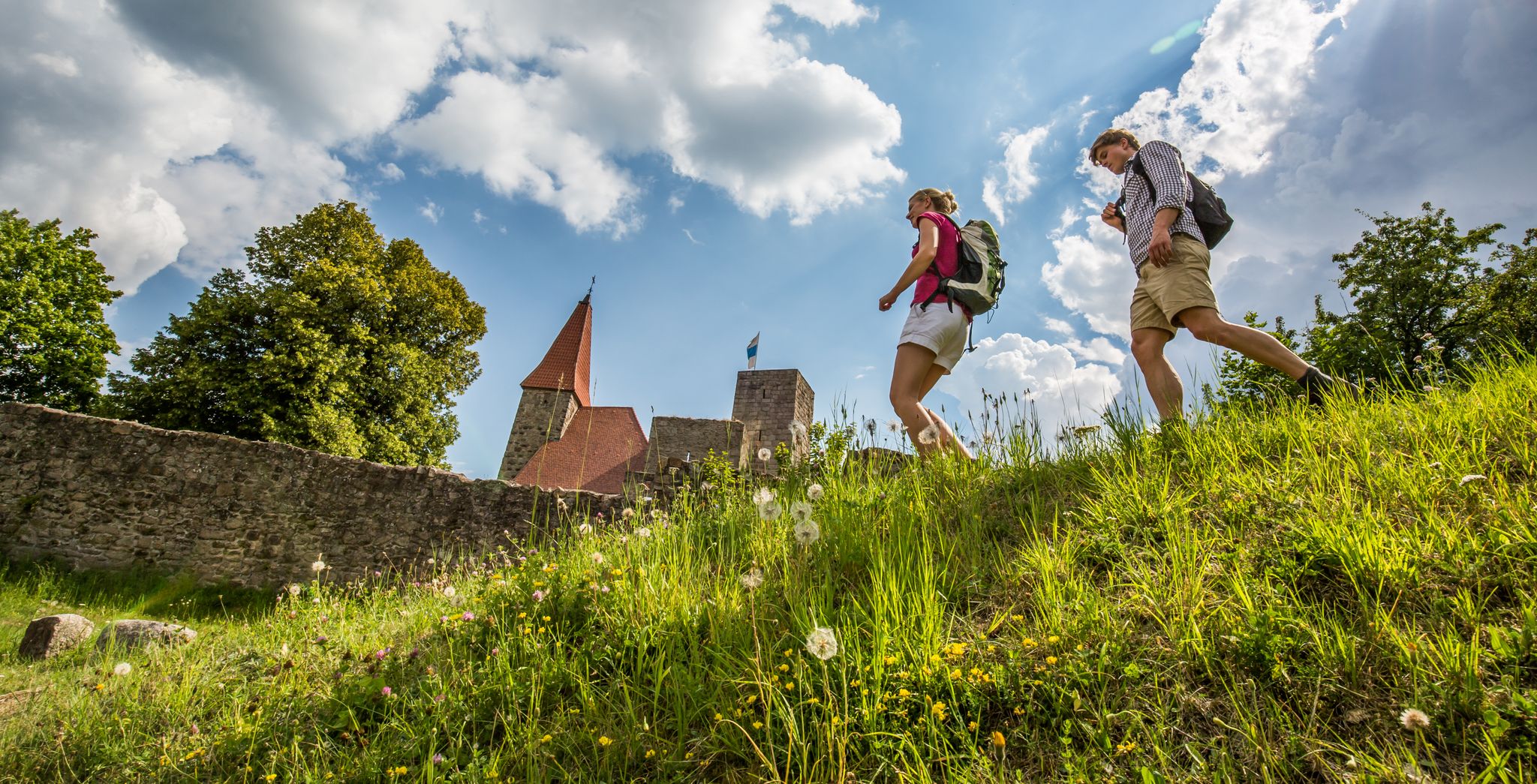
Water, forest and castles — hiking in the Upper Palatinate Forest
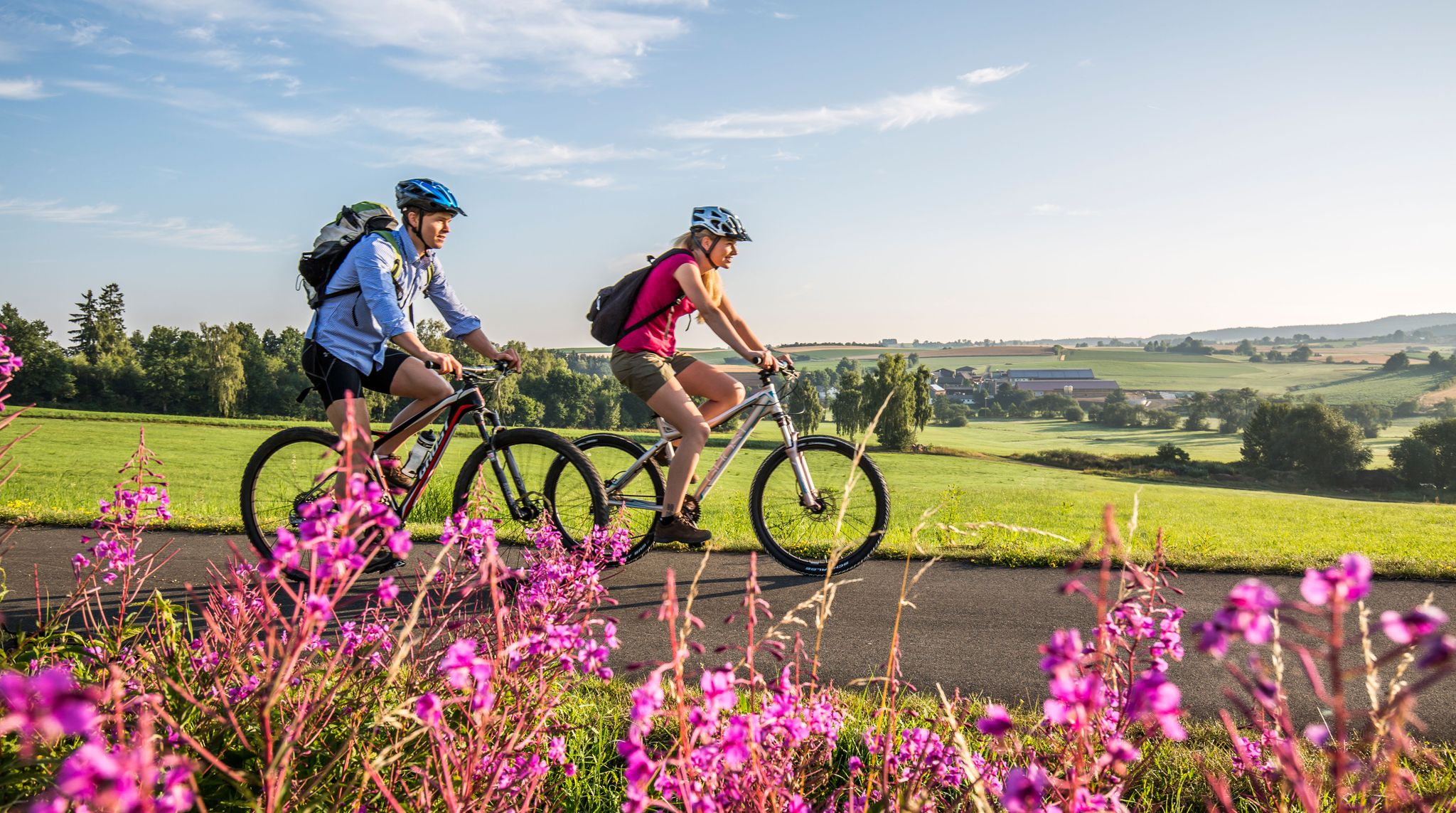
Nature and Culture — Cycling in the Upper Palatinate Forest
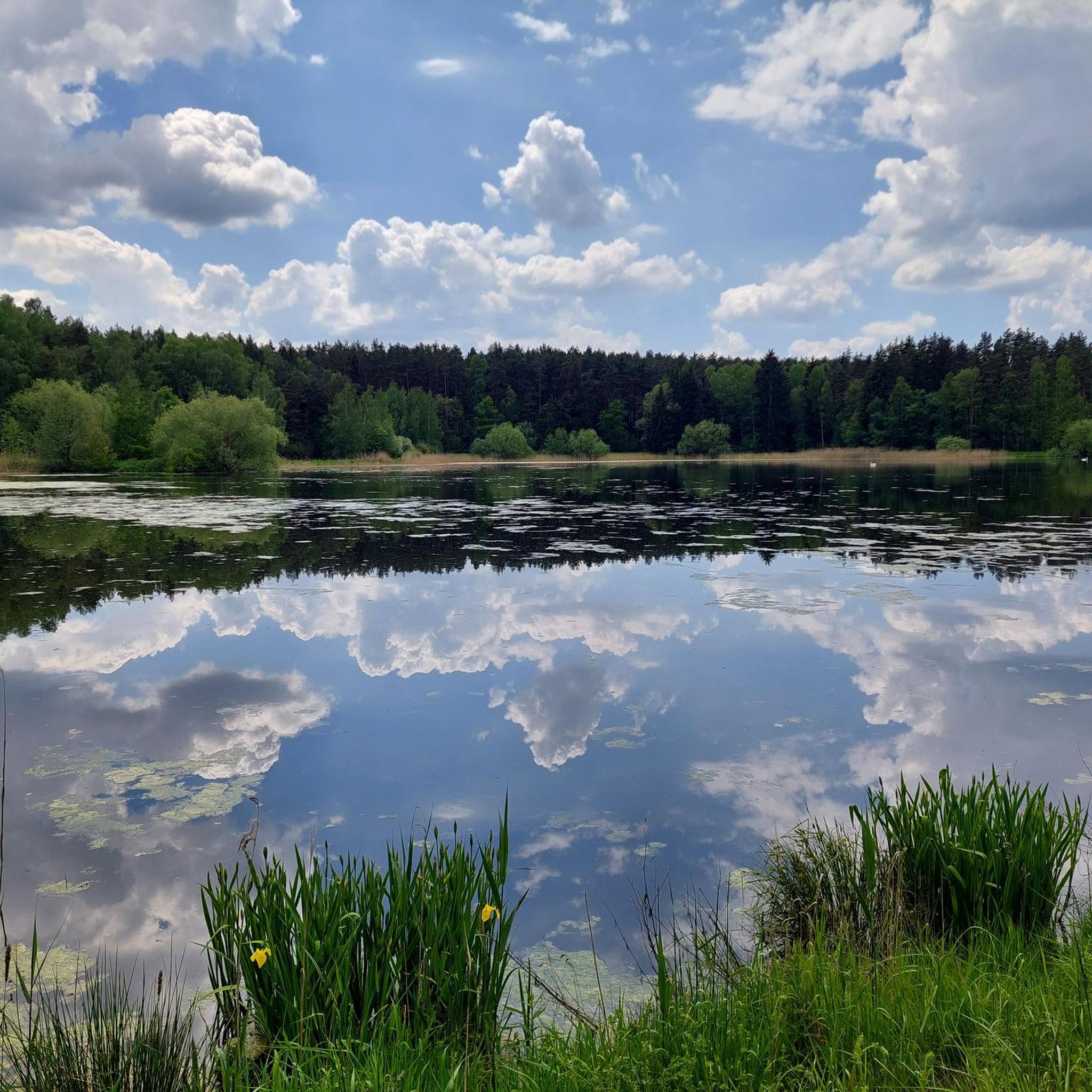
Hiking around Kemnath
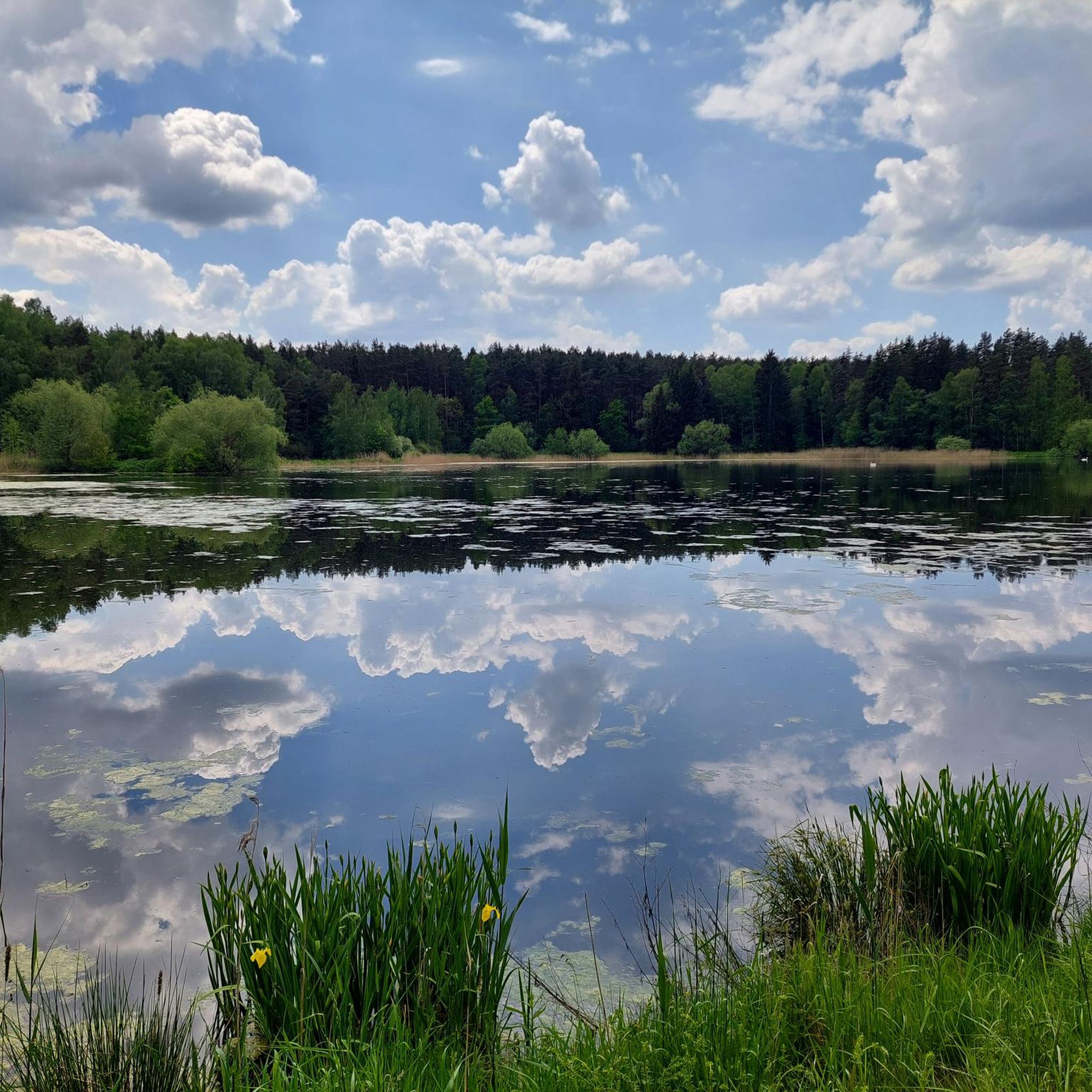
Cycling around Kemnath
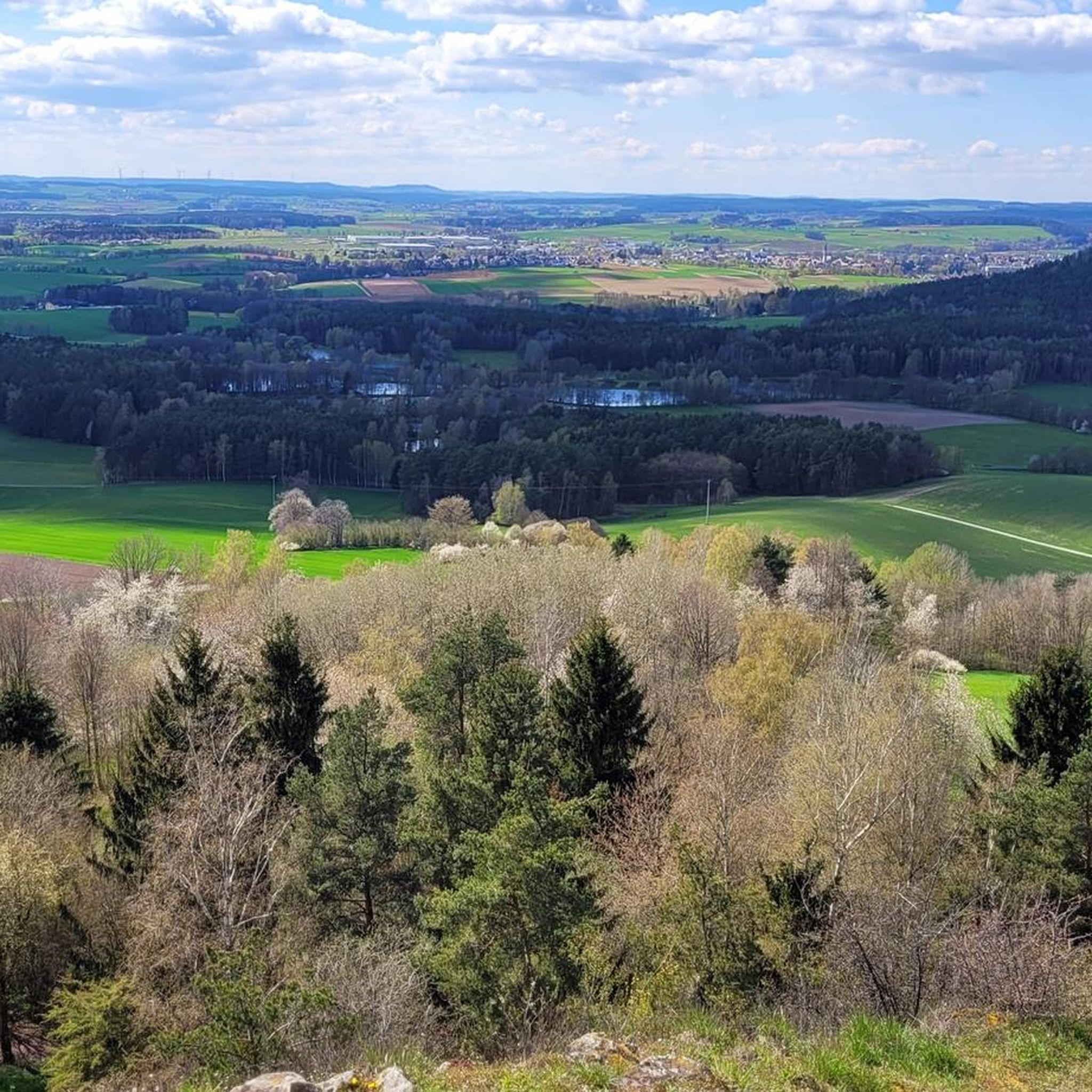
Road Cycling Routes around Kemnath
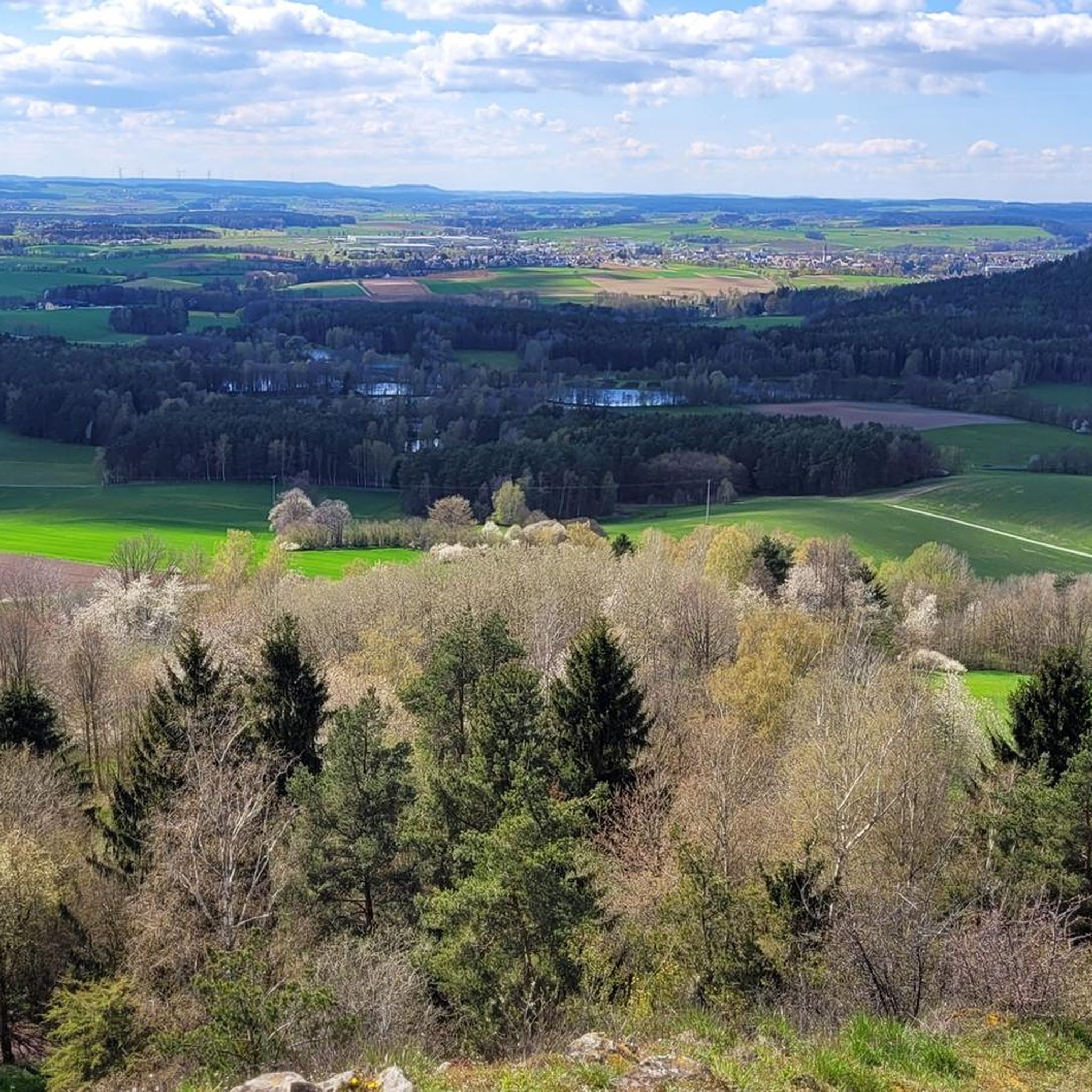
Running Trails around Kemnath
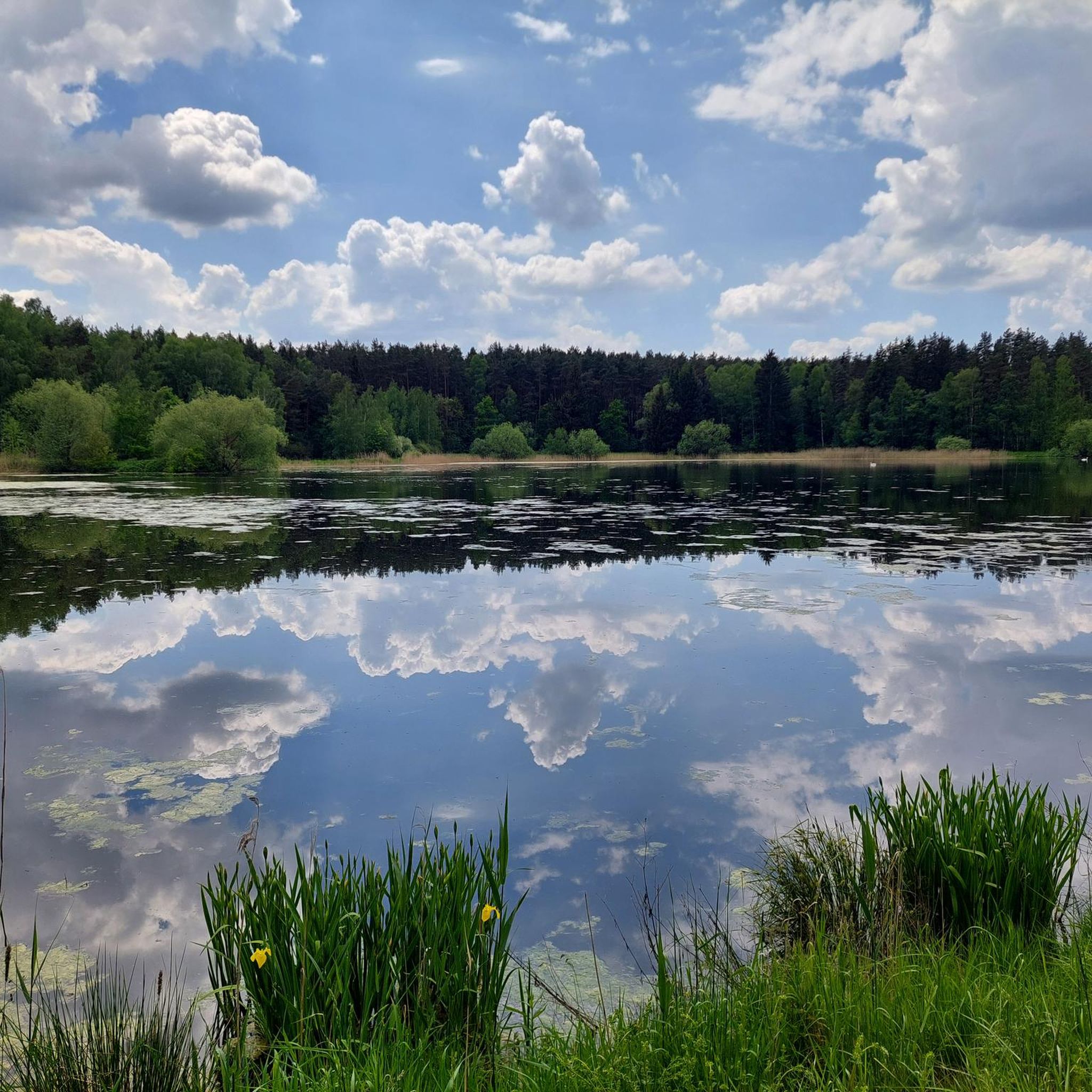
MTB Trails around Kemnath
Other adventures around Kemnath

Tips from the Community

As can be read on the nearby information board, even Goethe himself was once very taken with the massive rock formations, even if this rock still had to make do without a viewing platform.
7
1

An information board explains that there was never a castle here, but there was a proven bar... that should be revived :-)
2
0

The natural monument (723 meters high) is easily accessible via a staircase. During Advent, the forest Christmas takes place here with numerous visitors.
12
0

The Rauhe Kulm rises 682 metres high from the middle of the landscape and is visible from all directions. It is surrounded by the Fichtel Mountains to the north, the Steinwald to the east, the heights of the Franconian Jura to the south and the Franconian Switzerland to the west. It owes its striking shape to its volcanic origins around 20 million years ago. The exposed basalt slopes are a valuable habitat for numerous animals and rare plants. Around 90 different lichens and mosses grow and thrive on the heat-storing basalt boulders. The Rauhe Kulm has been protected as a natural monument since 1909 and has been a nature reserve in accordance with European standards (FFH) for several years. In 2013, the Rauhe Kulm was voted Germany's most beautiful natural wonder.
9
1

Only accessible on foot, the last 200m are closed to cyclists
7
0

The impressive rock castle is probably one of the most beautiful rocks in the Steinwald and is easy to climb via stairs. In December, the granite group is also an atmospheric setting for the forest Christmas. The rock is a popular photo motif and an easily accessible hiking and cycling destination.
5
0

Awakens the spirit of discovery. There are many trails all around.
4
0
A visit to the castle ruins in the Steinwald is always impressive. In 1997 it was restored stone by stone by the Steinwaldia Pullenreuth association. Since then it has shone in new splendor.
13
0
Frequently Asked Questions
What unique geological features can I explore around Kemnath?
The Kemnath region is rich in unique geological formations, primarily basalt mountains and ancient rock structures. You can explore sites like the Rauher Kulm, a prominent basalt mountain with an observation tower, offering insights into the region's volcanic past. Another interesting site is Kuschberg, which features a volcanic pipe of Tertiary olivine basalt. Additionally, Lerchenbühl showcases an old basalt quarry, providing a glimpse into past geological extraction activities.
Are there any natural monuments with panoramic views?
Yes, several natural monuments around Kemnath offer stunning panoramic views. The Rauher Kulm, for instance, has a 25-meter observation tower at its peak, providing extensive views of northern Franconian Switzerland, the Fichtel Mountains, and the Upper Palatinate Forest. From Saubad Rock, after a short climbing section, you can enjoy wonderful vistas. The Weißenstein Castle Ruins also offer extensive views over the Steinwald Forest and the Upper Palatinate from its restored keep.
Are there family-friendly natural monuments around Kemnath?
Absolutely! The Weißenstein Castle Ruins are considered family-friendly, offering an engaging historical and natural experience. Another great option is Hackelstein, which is easily accessible via a staircase, making it suitable for families. The Seeleitenpark Kemnath, while not a geological monument, is also a tranquil green space within the city, perfect for family relaxation.
What kind of hiking trails can I find near these natural monuments?
The area around Kemnath offers a variety of hiking trails suitable for different skill levels. For example, the Rauher Kulm features several well-marked hiking paths leading up the mountain and through the surrounding forests. You can find many routes for exploring the natural monuments, including those for running, gravel biking, and mountain biking, which often pass by these natural landmarks.
What is the best time to visit the natural monuments around Kemnath?
While the natural monuments can be visited year-round, the spring and autumn months generally offer the most pleasant weather for hiking and exploring. During these seasons, the temperatures are mild, and the natural scenery is particularly vibrant with blooming flowers or colorful foliage. Some areas, like the Kiebitzstein Rock Arch, might be more challenging to reach in winter due to snow or ice.
Are there any historical sites among the natural monuments?
Yes, the Weißenstein Castle Ruins are a prime example, combining natural beauty with significant historical context. This well-preserved ruin stands on a rocky outcrop in the Steinwald Forest and offers a glimpse into the region's past, with its origins dating back to the 13th century. The castle was extensively expanded by the noble Notthafft family and later fell into disrepair before being preserved in the 1990s.
What do visitors enjoy most about the natural monuments in Kemnath?
Visitors frequently praise the stunning views and the unique geological formations. For example, many enjoy the wonderful views from Saubad Rock, especially with the added reward of a cool beer nearby. The imposing appearance of Zipfeltannenfelsen, shaped by wind and weather, is also a highlight for many, often described as hard to capture with a camera, encouraging visitors to experience it firsthand.
Can I find challenging climbs or routes among the natural monuments?
Yes, for those seeking a challenge, the region offers options. The ascent to Saubad Rock involves a small climbing section secured with railings. Similarly, Zipfeltannenfelsen is noted for its challenging climbing rocks. Even reaching the Weißenstein Castle Ruins via certain paths can be demanding, with technical passages, but rewards with a wonderful view.
Are there any natural rock arches or unique rock formations?
Yes, the Kiebitzstein Rock Arch is one of the most beautiful stone formations in the Steinwald. It's a large, rounded 'wool sack' rock that has slipped from its base, creating an accessible rock gate. The Zipfeltannenfelsen is also known for its rugged granite rocks, shaped by wind and weather, with part of it even called the 'Steinwald-Sphynx'.
What kind of outdoor activities are available besides hiking near these sites?
Beyond hiking, the area around Kemnath's natural monuments is excellent for various outdoor activities. You can explore numerous MTB trails, including routes that pass by highlights like the Weißenstein Castle Ruins. There are also options for gravel biking and running trails, allowing you to experience the diverse landscapes and natural beauty of the region.
Is there a natural monument that is particularly significant geologically?
The Rauher Kulm stands out for its geological significance. It is considered one of Bavaria's most imposing basalt mountains, formed during the Tertiary period (Paleocene-Pliocene) from liquid magma produced by active volcanoes. It has been protected as a federal monument since 1949, highlighting its importance in understanding the earth's historical processes in the region.
Most popular routes around Kemnath
Most popular attractions around Kemnath

Get inspired with the komoot mobile app


Explore more
Extend your search for the best caves by checking out these guides of the top ones around Kemnath:
