Top 20 Natural Monuments around Iggensbach
Best natural monuments around Iggensbach include a variety of natural features situated on the edge of the Bavarian Forest. The region is characterized by its scenic landscapes, offering opportunities for outdoor activities. The Kleine Ohe River flows through the municipality, contributing to the natural settings. This area provides access to several natural attractions and monuments, making it a destination for nature enthusiasts.
Best natural monuments around Iggensbach
- The most popular natural monuments is Brotjacklriegel Summit and Observation Tower, a…
Last updated: August 18, 2026
Brotjacklriegel (closed)
Highlight • Summit
Translated by Google •
Tip by

Großer Büchelstein summit cross and panoramic view
Highlight • Summit
Translated by Google •
Tip by

Sign up now to discover places like this
Get recommendations on the best single tracks, peaks, & plenty of other exciting outdoor places.
Sign up for free
Du Stone on Brotjacklriegel (1,000 m)
Highlight • Monument
Translated by Google •
Tip by

Hoher Stein (Fürstenstein)
Highlight • Natural Monument
The natural monument "Hoher Stein" right next to our beautiful Fürstenstein Castle is listed in the geotope cadastre of the Bavarian State Office for the Environment
(#275R001). The …
Translated by Google •
Tip by

Rock massif "Am Hohen Stein"
Highlight • Natural Monument
Translated by Google •
Tip by
Sign up for free to discover even more natural monuments around Iggensbach.
Sign up for free
Already have an account?
Start today with a free account
Your next adventure awaits.
Login or Signup
Tips from the Community

The Hohe Stein von Fürstenstein – a Geotope The summit cliffs, composed of Saldenburg granite, exhibit pronounced spheroidal and mattress weathering. Several block flows lie at the foot of the rocky outcrop. Cliffs and block flows are the result of erosion, particularly by soil creep and weathering in the periglacial zone (permafrost region) of past ice ages. They are typical of higher elevations in the low mountain ranges between glacial zones. Bavarian State Office for the Environment (LfU). https://www.umweltatlas.bayern.de/standortauskunft/rest/reporting/sb_geotope/generate?additionallayerfieldvalue=275R001
0
0

Always worth a detour for bikers or hikers
0
0

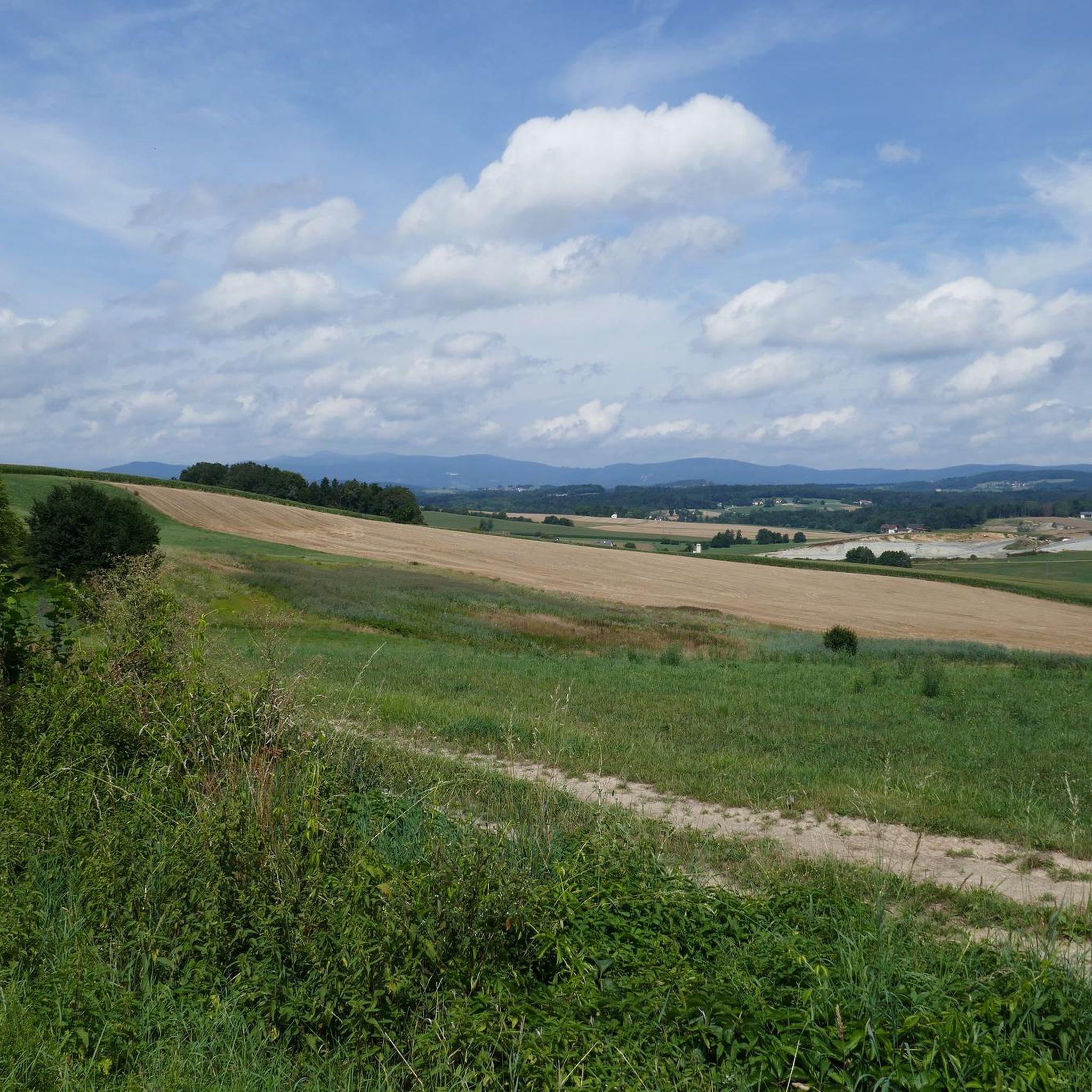
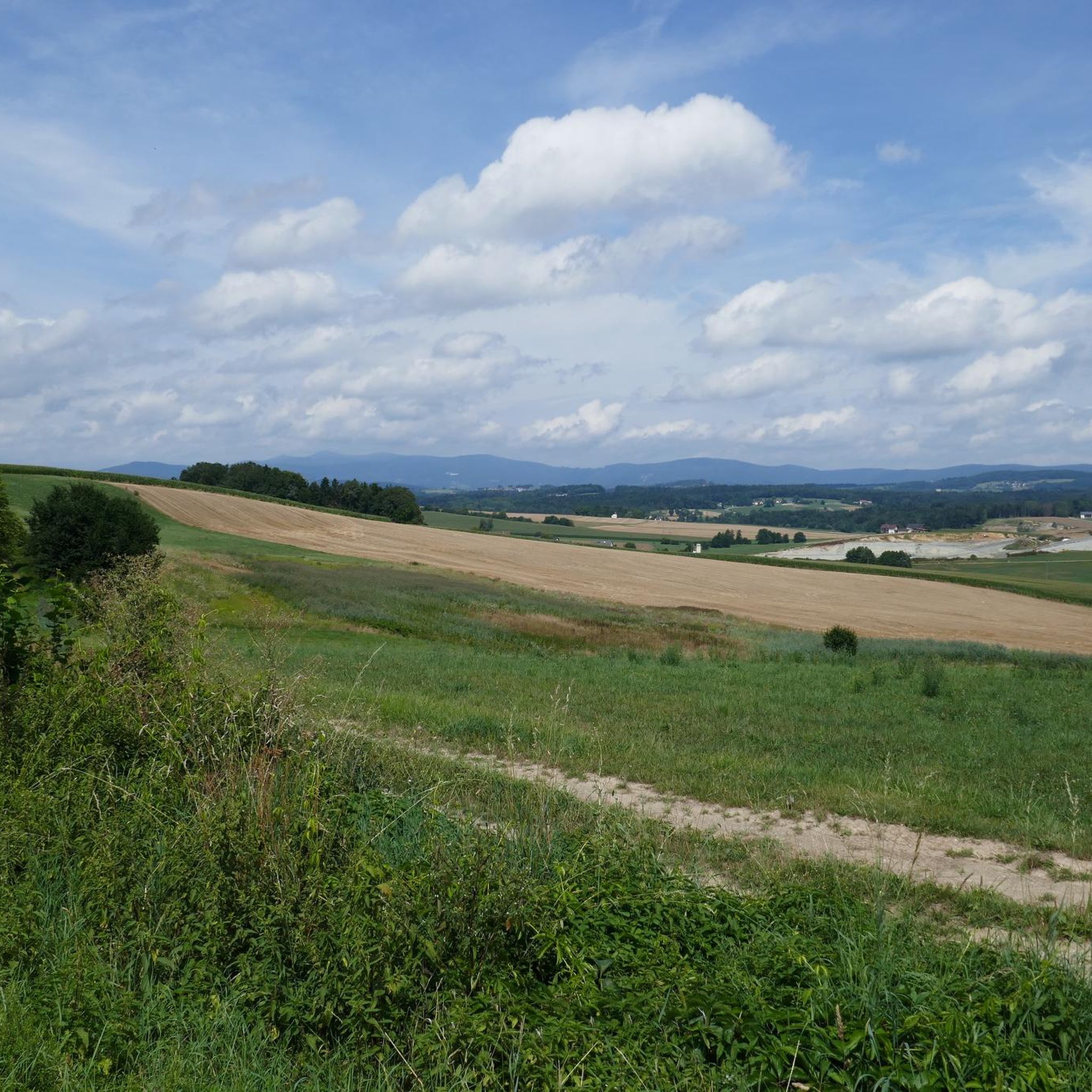
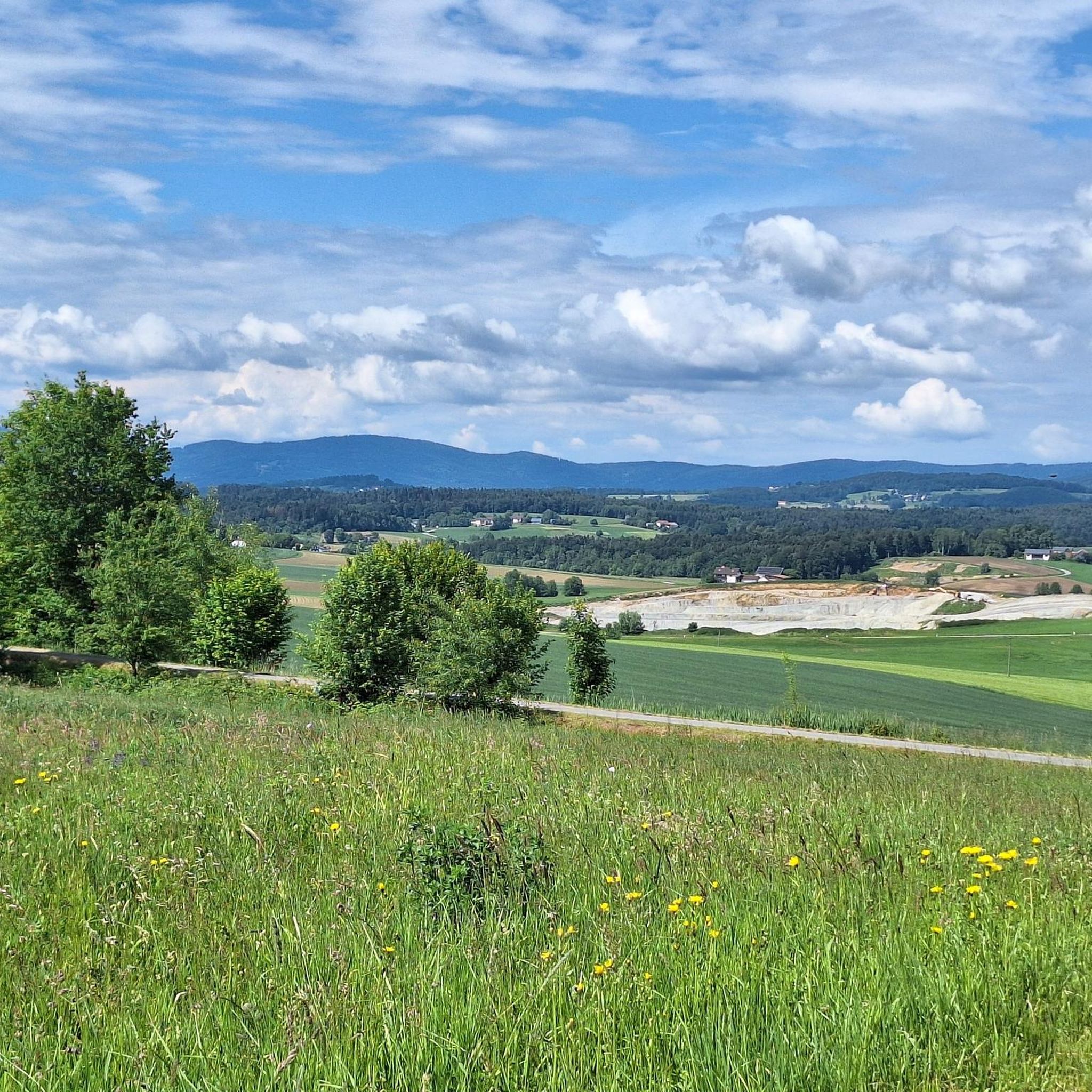
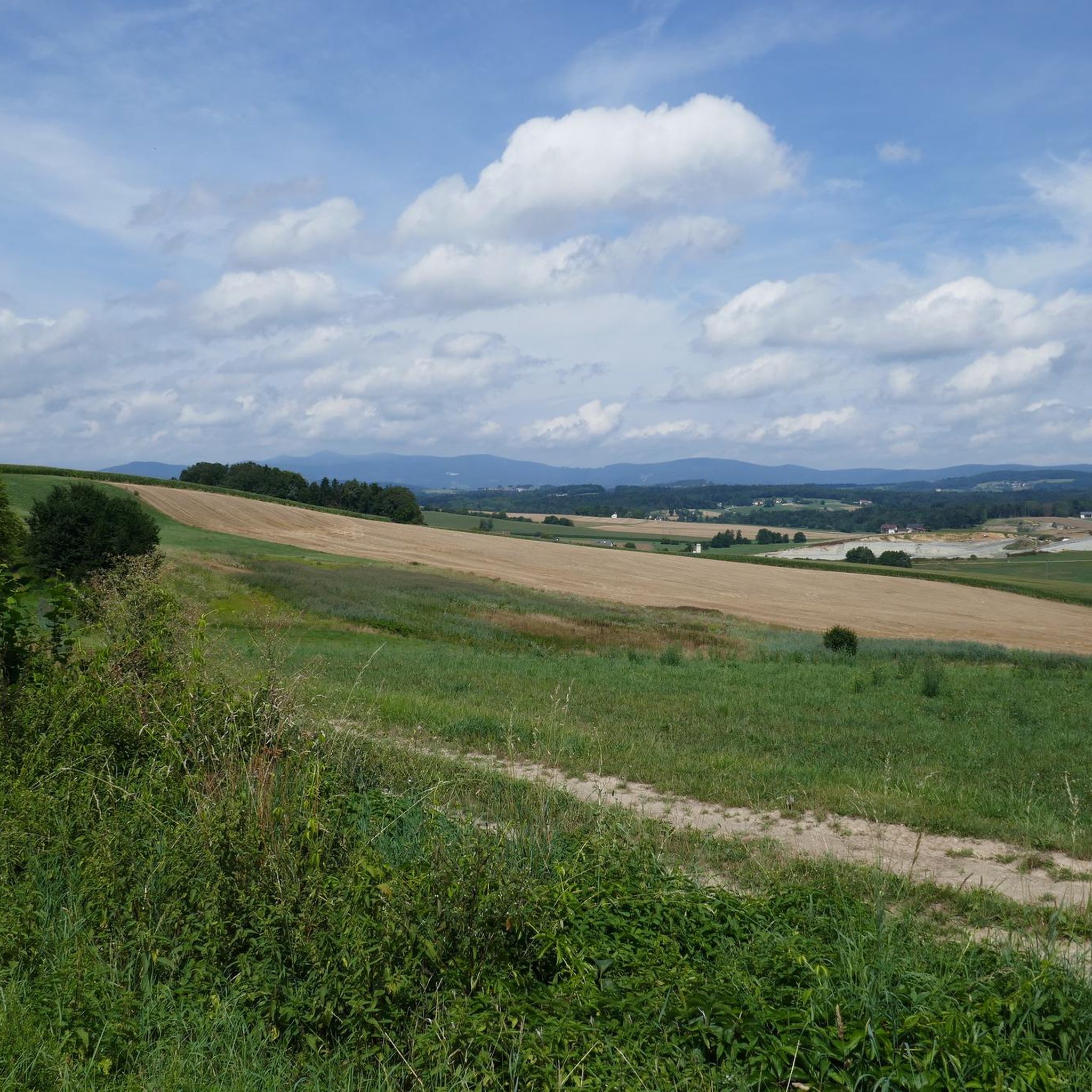
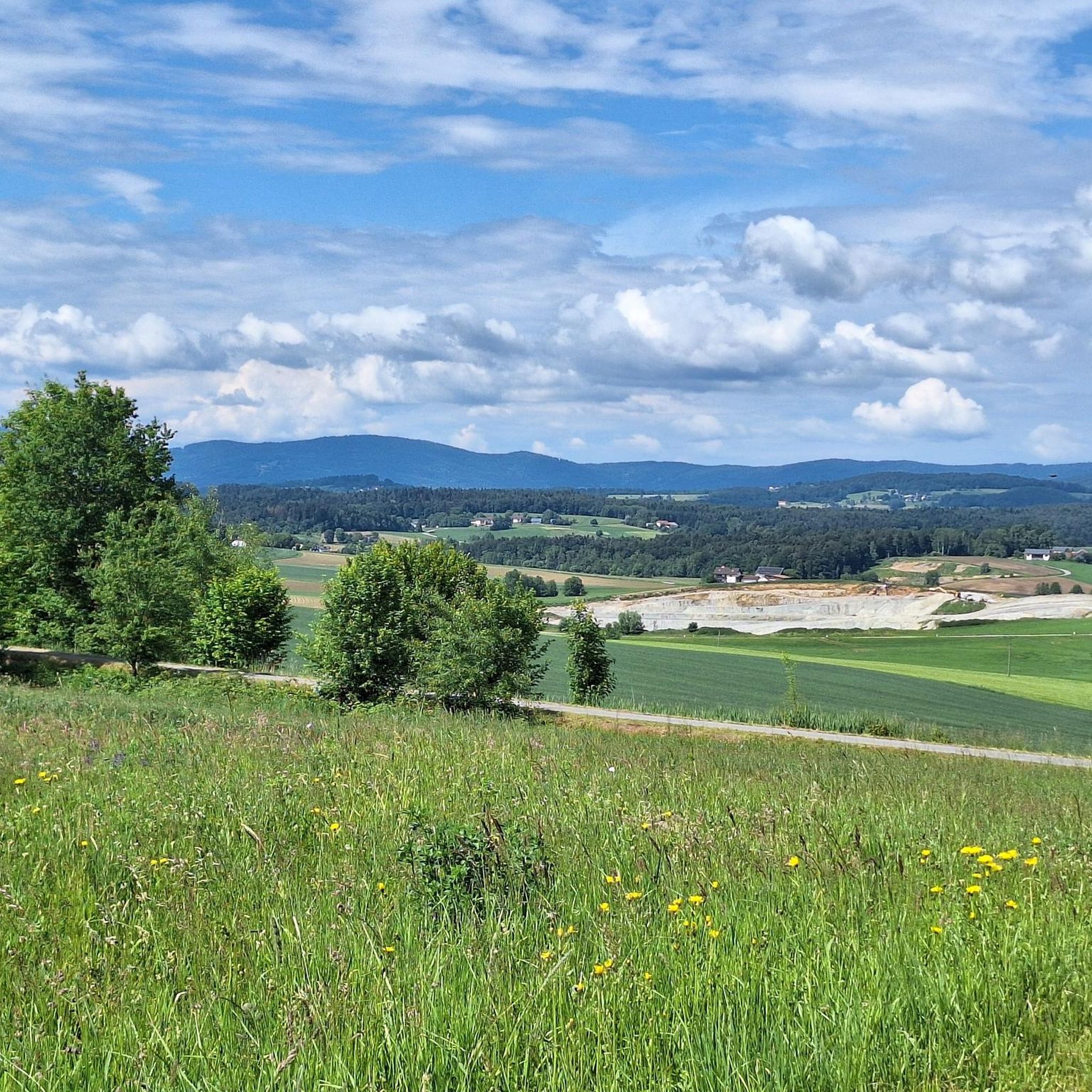
The Großer Büchelstein in the municipality of Grattersdorf rises majestically above the Sonnenwald region. With a height of 832 meters, it offers a panoramic view that extends as far as the Alps in clear weather. The summit is a popular starting point for hang gliders and paragliders, who enjoy the thermals and the spectacular views. Hikers can follow well-marked trails through dense forests and over rolling hills that unfold their own charm in every season. Source: https://region-sonnenwald.de/berge/buechelstein?task=ggvz
5
0
The large and small Büchelstein is definitely worth a detour. But when the weather is nice, there are a lot of people
2
0
The Brotjackelriegel is always worth a detour. But be careful when driving down the cyclists' exit. There are a lot of hikers on the way
2
0

The natural monument "Hoher Stein" right next to our beautiful Fürstenstein Castle is listed in the geotope register of the Bavarian State Office for the Environment (No. 275R001). The granite summit cliffs show pronounced weathering of the "Felsburg - woolsack formation" type with block flows in the foothills. These were created in the last ice age. The rock massif at the "Hoher Stein" is a unique and bizarre-looking rock formation and is reminiscent of the bow of a ship from prehistoric times and is therefore popularly known as Noah's Ark. Here is a short film about the "Hoher Stein" https://youtu.be/CHBNj38zEWs?si=fzT_zkrlhFWMAbRh
0
0
high stone The natural monument "Hoher Stein" right next to our beautiful Fürstenstein Castle is listed in the geotope cadastre of the Bavarian State Office for the Environment (#275R001). The granite summit cliffs show pronounced weathering of the "Felsburg - Wollsackbildung" type with block currents in the foothills. These were formed during the last ice age. The wool sack weathering Wool sack weathering is a special form of weathering that produces typical manifestations. It occurs on solid rock when certain conditions are met. This form of weathering is mostly found in granite, but it is also occasionally found in other solid rocks. The process of wool bag weathering always takes place underground and always produces rounded shapes. The name of this weathering is derived from these round shapes, since the weathered stones once reminded people of stacked woolen sacks. In our latitudes, wool sack weathering took place mainly in the Tertiary period with its warm and humid climate more than 3 million years ago. The massive granite usually does not form a homogeneous mass, but is penetrated by fine fissures and fissures. Chemically aggressive water penetrates through these into the rock and begins to decompose it. If the rock fissures intersect approximately at right angles - which is often the case - rough cuboid blocks are thus specified. Water and acids have larger attack surfaces on the corners and edges of these blocks than on the sides. As a result, all sharp and angular parts of the rock blocks are rounded off over time, resulting in ellipsoidal boulders. By washing away the topsoil and the weathering residues, the rounded stone blocks are uncovered in the further course of the story and the process of wool sack weathering is thus ended. What remains are often adventurous-looking rock formations, which are also referred to as ROCK CASTLES - as in the legend of the HOHEN STEIN
1
0

Great rock at the bottom of the peak
1
0
Frequently Asked Questions
What are the most popular natural monuments to visit around Iggensbach?
The region around Iggensbach offers several highly-rated natural monuments. Among the most popular are the Brotjacklriegel Summit and Observation Tower, known for its extensive panoramic views, and the Großer Büchelstein summit cross and panoramic view, which also provides stunning distant vistas. Another unique spot is the Rock massif "Am Hohen Stein", a geologically significant formation with pronounced weathering.
Are there any natural monuments with historical or geological significance?
Yes, the Rock massif "Am Hohen Stein" and Hoher Stein (Fürstenstein) are both listed in the geotope register. These granite summit cliffs exhibit unique 'wollsack' weathering and block flows, formed during the last ice age, making them fascinating geological sites. The rock massif is even popularly known as 'Noah's Ark' due to its distinctive shape.
What kind of views can I expect from the natural monuments in the area?
Many natural monuments around Iggensbach offer spectacular panoramic views. From the Brotjacklriegel Summit and Observation Tower, you can see the Bavarian-Bohemian Border Ridge, the Passauer Land, and the Danube plain, potentially even extending to the Alps on clear days. The Großer Büchelstein summit cross also provides extensive distant views that are appreciated throughout all seasons.
Are there family-friendly natural monuments or trails suitable for children?
While specific family-friendly trails directly to all natural monuments aren't detailed, the Du Stone on Brotjacklriegel (1,000 m) is noted as family-friendly. Generally, the area around Iggensbach, being on the edge of the Bavarian Forest, offers numerous hiking trails, including easier options along the Kleine Ohe River, which can be suitable for families. For specific routes, you can explore the hiking guide for Iggensbach.
What is the best time of year to visit the natural monuments around Iggensbach?
The natural monuments around Iggensbach, particularly those with panoramic views like Großer Büchelstein, are beautiful throughout all seasons. Spring and summer are ideal for hiking when nature is in full bloom. Autumn offers vibrant foliage, and winter can provide stunning snowy landscapes, though accessibility might vary. Always check local weather conditions before your visit.
What outdoor activities can I do near these natural monuments?
The region around Iggensbach is excellent for various outdoor activities. You can enjoy hiking on trails ranging from leisurely walks to more challenging mountain tours. Cycling is popular, especially along the scenic Danube Cycle Path. For specific routes, check out the hiking guide, gravel biking guide, and road cycling routes around Iggensbach.
Are there hiking trails near the Brotjacklriegel Summit?
Yes, the Brotjacklriegel Summit is a popular destination for hikers. There are various trails leading to the summit and its observation tower. The ascent to the tower involves 127 steps, offering a great panoramic reward. You can find more detailed hiking options in the hiking guide for Iggensbach.
What is the 'Du-Stein' on Brotjacklriegel?
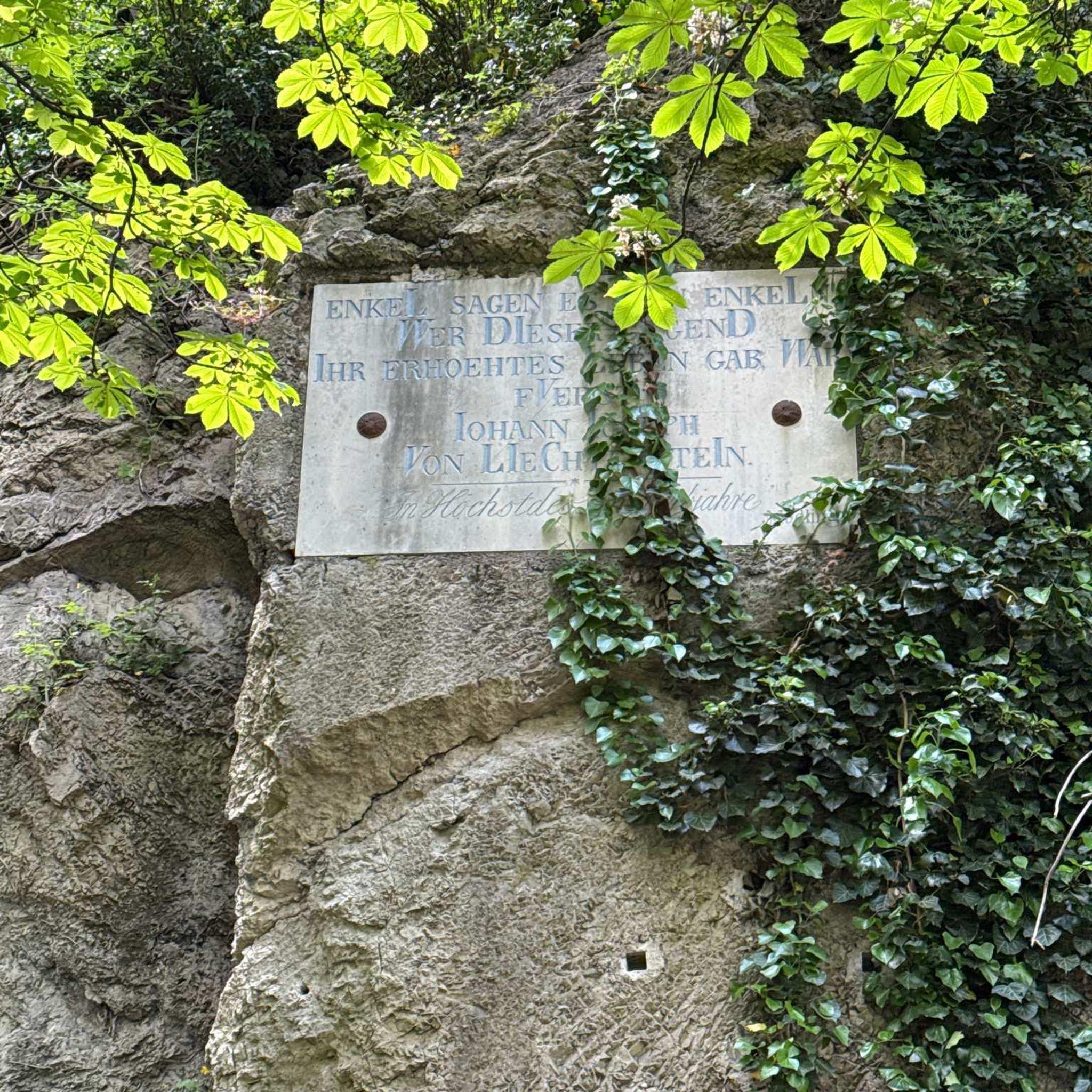
The Du Stone on Brotjacklriegel (1,000 m) is a unique monument marking the tradition in the mountains to switch from the formal 'Sie' to the friendly 'Du' (you) once you exceed 1,000 meters above sea level. It serves as both a topographical reference and a symbol of camaraderie among hikers.
Is there an entrance fee for the observation tower on Brotjacklriegel?
Yes, there is a small 'Ascension' fee of one Euro to climb the observation tower on the Brotjacklriegel Summit. This fee grants you access to the top for the magnificent panoramic views.
What are some easy walking routes near Iggensbach?
For easy walks, you can explore routes like the 'Pond at Schuttholz loop from Iggensbach' (4.5 km) or various loops along the Kleine Ohe River, such as 'Kleine Ohe – Under the Mighty A3 Bridge loop from Kopfsberg' (6.4 km). These are generally considered easy and offer pleasant natural scenery. More options are available in the hiking guide for Iggensbach.
Are there any facilities or refreshments available at the natural monuments?
At the Brotjacklriegel Summit and Observation Tower, you'll find the 'Turm-Stüberl' which offers refreshments. This is a convenient spot to take a break and enjoy a snack or drink after climbing the tower. Other natural monuments are generally more undeveloped, so it's advisable to bring your own provisions.
Can I bring my dog to the natural monuments and trails?
While specific rules for every natural monument aren't listed, generally, dogs are welcome on trails in the Bavarian Forest region, often on a leash. It's always best to observe local signage and be considerate of other visitors and wildlife. The Du Stone on Brotjacklriegel is noted as dog-friendly.
Most popular routes around Iggensbach
Most popular attractions around Iggensbach

Get inspired with the komoot mobile app


Explore more
Extend your search for the best caves by checking out these guides of the top ones around Iggensbach:
