Top 20 Natural Monuments around Obersöchering
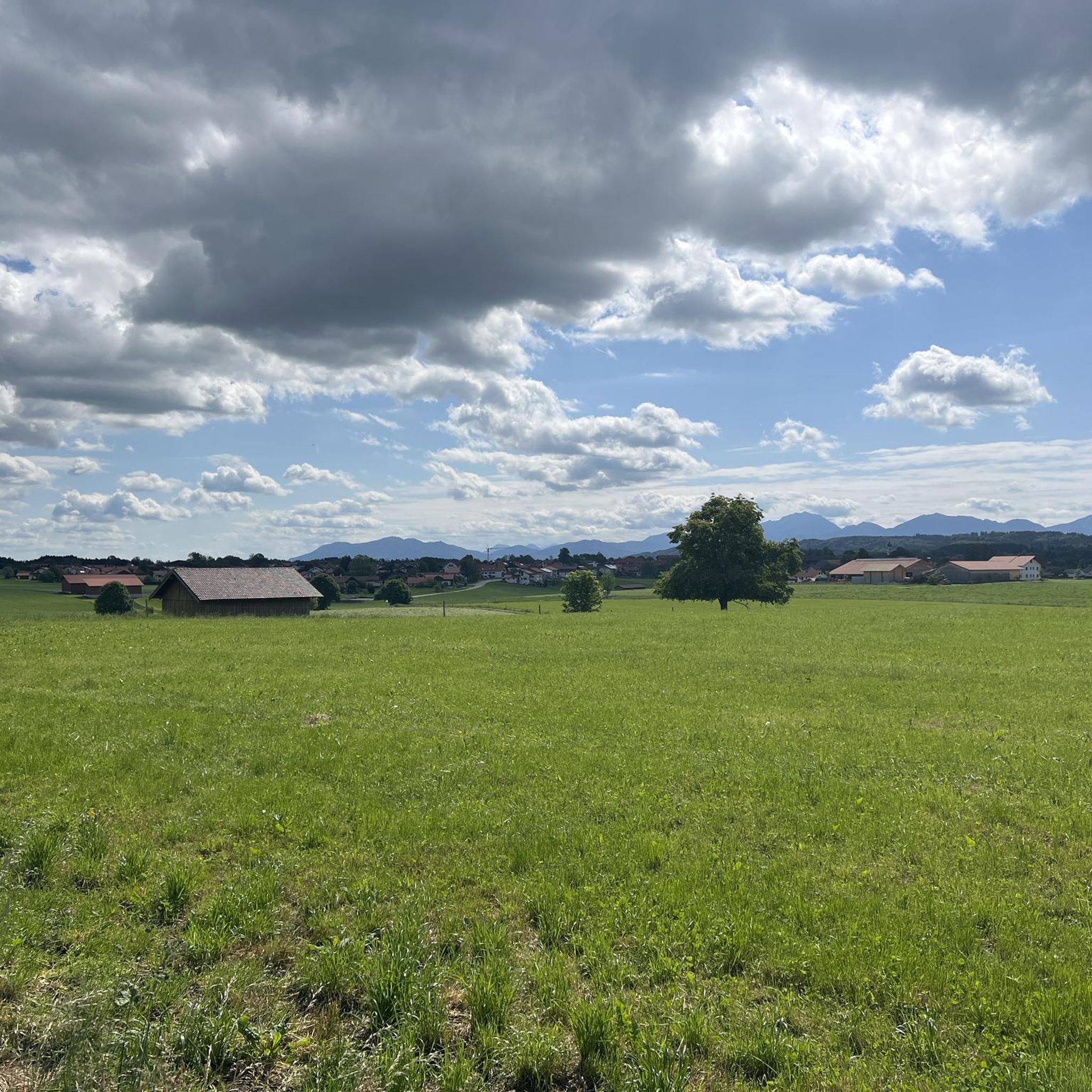
Best natural monuments around Obersöchering are found in a region of Upper Bavaria characterized by rolling hills, lush meadows, and picturesque lakes. The area features extensive fen areas and drumlin landscapes, offering unique geological formations and diverse ecosystems. Numerous hiking and cycling paths allow visitors to experience the natural beauty, including routes around ponds and through forests. This landscape provides a rich and varied experience for exploring the outdoors.
Best natural monuments around Obersöchering
- The most popular natural monuments is…
Last updated: June 24, 2026
Langer Filz boardwalk in Murnauer Moos
Highlight (Segment) • Trail
Translated by Google •
Tip by

Great Ostersee
Highlight • Lake
Translated by Google •
Tip by

Sign up now to discover places like this
Get recommendations on the best single tracks, peaks, & plenty of other exciting outdoor places.
Sign up for free
Benediktbeuren moor landscape
Highlight • Natural
Translated by Google •
Tip by

Bernrieder Park Lakeside Trail
Highlight (Segment) • Trail
Translated by Google •
Tip by

Blue Gumpe Spring (Osterseen)
Highlight • Natural Monument
Translated by Google •
Tip by

Sign up for free to discover even more natural monuments around Obersöchering.
Sign up for free
Already have an account?
Start today with a free account
Your next adventure awaits.
Login or Signup

Tips from the Community

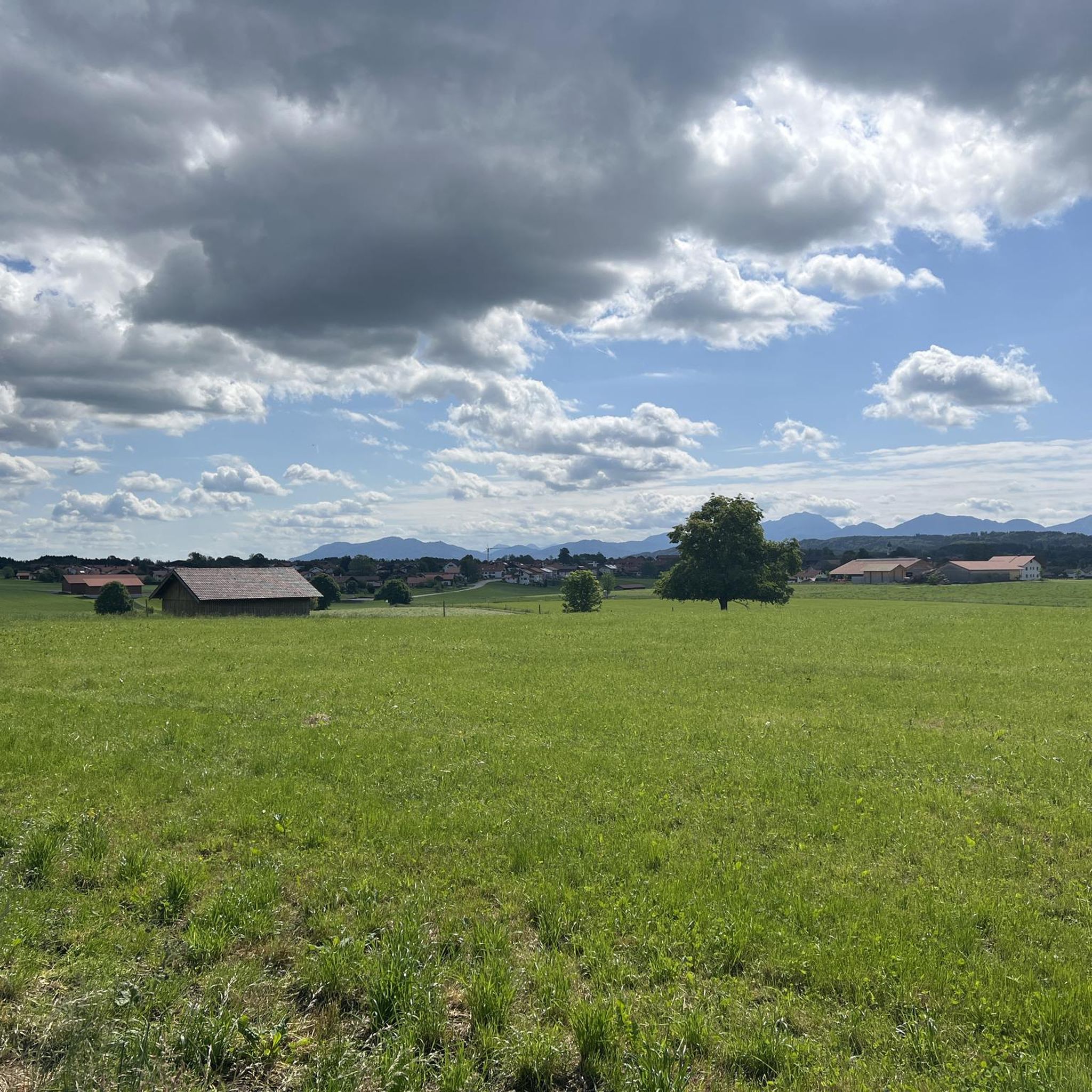
beautiful gravel road away from traffic
3
0
beautiful path with great views over the landscape
4
0
Beautiful dirt road through a great landscape
3
0

Really nice paths for cycling here.
4
0

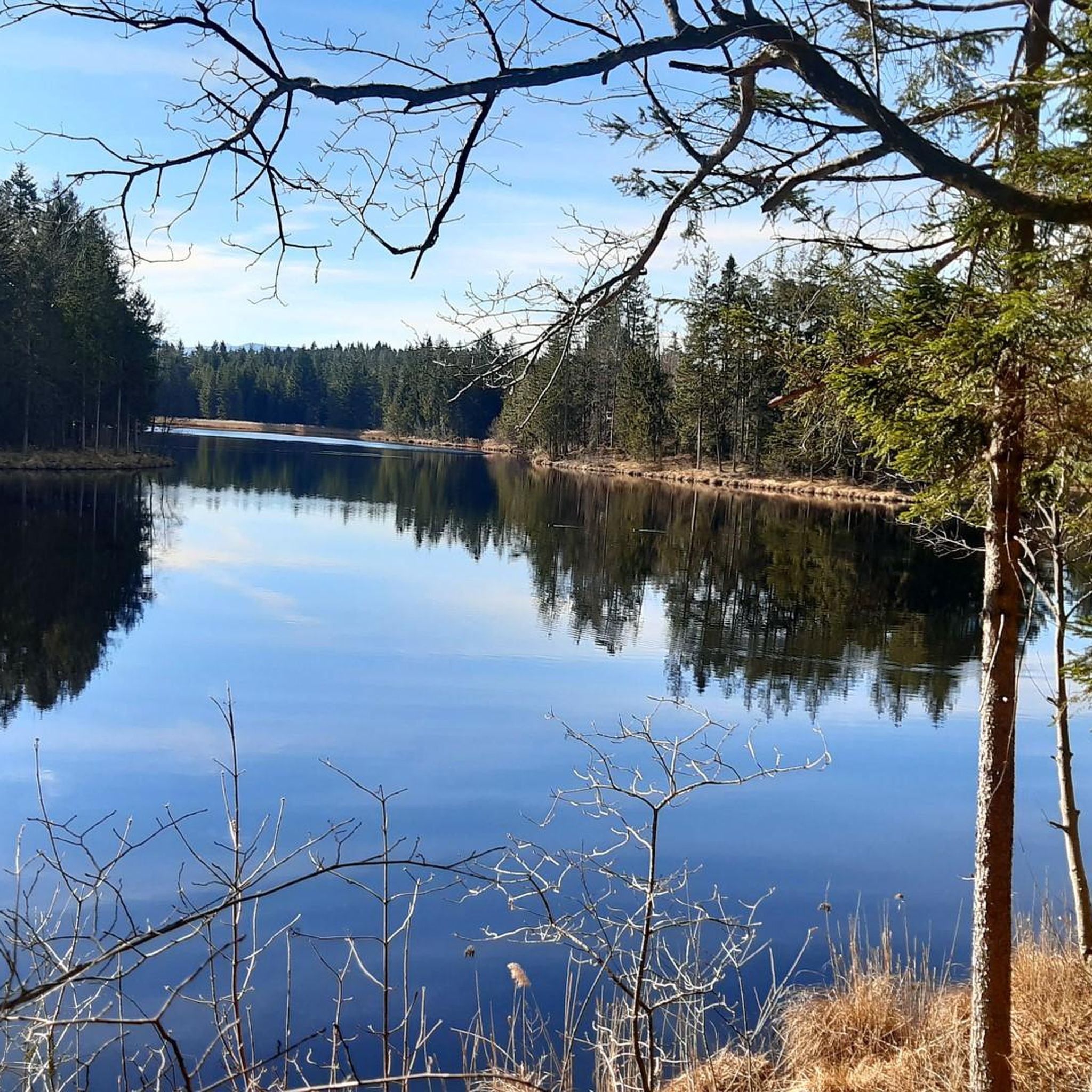
The Osterseen are a group of bodies of water south of Lake Starnberg in the Weilheim-Schongau district in Upper Bavaria. The southern and central Osterseen with the Großer Ostersee belong to the municipality of Iffeldorf, the northern Osterseen from the Stechsee and the Frechensee to the municipality of Seeshaupt. Iffeldorf is around five kilometers by road northwest of Penzberg, 20 km southeast of the district town of Weilheim and 50 km south-southwest of Munich city centre. The 20 larger individual lakes have a total area of around 225 hectares and an average depth of a good nine metres. The Kleiner Gröbensee and about 15 unnamed smaller lakes, each with an area of only a few hundred square meters, are not included here, seven of which are already heavily silted up. The Osterseen and the silting-up zone bordering to the west are located in the landscape protection area "Protection of the Osterseen and their surroundings in the communities of Frauenrain, Iffeldorf and Seeshaupt". The area received this protection status as early as 1955. Since 1981 there has also been the Osterseen nature reserve with an area of 1,083 hectares. About a third of this is on the surface of the water bodies, 494 hectares are high, low and intermediate moors, 172 hectares consist of semi-natural mixed forest. Around five percent of the Osterseen landscape consists of riparian regions, silted-up areas and meadows. The nature reserve is divided into three parts, which are separated from each other by the train line of the Kochelseebahn and the state road 2063: Südliche Osterseen, Nordliche Osterseen and Frechensee. In May 1997, the Osterseen were reported to Brussels as a SPA (European bird sanctuary) and FFH area according to the Fauna-Flora-Habitat Directive. In addition to the Eggstätt-Hemhofer lake district and the Seeoner lakes, the area is the largest and most structured icefall landscape in the Bavarian Alpine foothills. The complex of boggy and nutrient-poor lakes, low, transitional and raised bogs alongside bog and swamp forests with its extraordinary diversity of species in the networked habitats, biotopes and ecological niches is of Europe-wide importance for basic scientific research. The beauty of this landscape has always attracted artists. The painter Georg Schrimpf in particular, a main representative of the New Objectivity art movement, created several oil paintings of the Osterseen in the 1930s. Source: https://de.wikipedia.org/wiki/Osterseen
5
0

Always a dream to go here to enjoy nature
6
2

Bavarian State Office for the Environment (Osterseen Icefall Landscape): https://www.lfu.bayern.de/geologie/bayerns_schoenste_geotope/33/index.htm https://www.lfu.bayern.de/geologie/bayerns_schoenste_geotope/33/doc/33_schautafel.pdf “The Blue Pump The Osterseen are mainly fed by groundwater, which emerges in numerous spring funnels. The best known is the Blaue Gumpe south of the Großer Ostersee. The walls of its spring funnel are covered with white deposits of freshwater lime, which is excreted from the lime-rich spring water. Since the groundwater has a relatively constant temperature of 10°C, the water surface does not freeze in winter. Steam hangs over the spring on cold winter days.” Bank 51 is nearby.
3
0
Bavarian State Office for the Environment (Osterseen Icefall Landscape): https://www.lfu.bayern.de/geologie/bayerns_schoenste_geotope/33/index.htm https://www.lfu.bayern.de/geologie/bayerns_schoenste_geotope/33/doc/33_schautafel.pdf “The Blue Pump The Osterseen are mainly fed by groundwater, which emerges in numerous spring funnels. The best known is the Blaue Gumpe south of the Großer Ostersee. The walls of its spring funnel are covered with white deposits of freshwater lime, which is excreted from the lime-rich spring water. Since the groundwater has a relatively constant temperature of 10°C, the water surface does not freeze in winter. Steam hangs over the spring on cold winter days.” Bank 51 is nearby.
5
1
Frequently Asked Questions
What types of natural monuments can I explore around Obersöchering?
The region around Obersöchering is rich in diverse natural monuments. You can discover extensive moor landscapes, such as the Langer Filz boardwalk in Murnauer Moos and the Benediktbeuren moor landscape. There are also picturesque glacial lakes like the Great Ostersee and its unique spring pots like the Blue Gumpe Spring, as well as scenic trails through forests and along lake shores, such as the Bernrieder Park Lakeside Trail.
Are there family-friendly natural monuments or activities in the area?
Yes, several natural monuments are well-suited for families. The Great Ostersee offers wide views and opportunities for extensive discovery tours, with a small beach for refreshing swims. The Benediktbeuren moor landscape features a family-friendly circular route, allowing everyone to explore its unique natural elements. Additionally, the Bernrieder Park Lakeside Trail is a popular route with numerous benches and small bays, ideal for a family stroll.
What kind of hiking trails are available near the natural monuments?
The area offers a variety of hiking trails. You can experience unique moor landscapes on wooden planks at the Langer Filz boardwalk in Murnauer Moos, which provides fantastic panoramic views. There are also circular routes through the Benediktbeuren moor landscape and scenic paths like the Bernrieder Park Lakeside Trail along Lake Starnberg. For more hiking options, you can explore various running trails around Obersöchering, including moderate loops like the 'Bruckberg loop from Obersöchering' or the 'View of Habach and Lake loop from Habach'. Find more details on these routes in the Running Trails around Obersöchering guide.
Can I cycle to or around these natural monuments?
Yes, the landscape around Obersöchering is well-suited for cycling. While the Langer Filz boardwalk is not recommended for bicycles, many other routes allow you to experience the natural beauty. For instance, the Bernrieder Park Lakeside Trail is popular with cyclists. You can find numerous cycling paths, including routes around ponds and through forests. Explore options like the 'Murnauer Moos Cycling Trail' or the 'Polling Abbey – Historic Center of Polling loop from Obersöchering' in the Cycling around Obersöchering guide.
What are the unique geological features to observe?
The region is characterized by unique geological formations, particularly its extensive fen areas (moors) and drumlin landscapes. The Osterseen area, home to the Great Ostersee and Blue Gumpe Spring, is considered one of the most varied and instructive icefall landscapes in the northern foothills of the Alps. The Blue Gumpe Spring itself is a fascinating funnel-shaped spring pot where calcareous groundwater emerges, feeding the Osterseen.
What do visitors enjoy most about the natural monuments around Obersöchering?
Visitors particularly appreciate the pure nature and fantastic panoramic views, especially from the Langer Filz boardwalk in Murnauer Moos. The tranquility and beauty of the glacial lakes, like the Great Ostersee, are also highly valued for extensive discovery tours. The unique flora and fauna of the moor landscapes, such as the Benediktbeuren moor landscape, offer an enriching experience for those looking to connect with nature.
Are there any accessible trails for wheelchairs or handbikes?
While specific details for all natural monuments are not provided, the broader area around Obersöchering is known for its inclusive outdoor options. The 'Handbike route Pfaffenwinkel' is mentioned as an accessible way to experience nature reserves, moor areas, mountain panoramas, and lakes, suggesting that some trails are designed for accessibility. It's advisable to check specific route details for the latest information on accessibility.
What are the best natural monuments for photography?
For photography, the Blue Gumpe Spring is highly recommended, especially in the morning or evening when the lake is calm and the light is ideal. The Langer Filz boardwalk in Murnauer Moos also offers fantastic panoramic views of the surrounding mountains and unique moor flora, providing excellent photo opportunities.
Are there opportunities for swimming or water activities?
Yes, the Great Ostersee, the largest of the 24 lakes in the glacial Osterseen area, has a small beach where you can go into the water to refresh yourself or swim. The region's picturesque lakes like Staffelsee and Starnberger See also provide opportunities for relaxation and enjoying nature, often including water activities.
What is the best time to visit the natural monuments around Obersöchering?
The natural monuments around Obersöchering can be enjoyed throughout the year, with each season offering a different charm. Spring and summer are ideal for hiking, cycling, and water activities, with lush greenery and vibrant flora. Autumn brings beautiful colors to the forests and moor landscapes. Even in winter, the serene, snow-covered landscapes offer a unique and tranquil experience, though some trails might require appropriate gear.
Are dogs allowed on the trails and at the natural monuments?
While specific regulations for each natural monument vary, many outdoor areas in Bavaria are dog-friendly, especially on leash. For example, the Bernrieder Park Lakeside Trail is a popular route where dogs are often seen. It's always best to keep dogs on a leash, especially in nature reserves like the Murnauer Moos or Benediktbeuren moor landscape, to protect wildlife and ensure a pleasant experience for all visitors.
Are there any hidden natural gems worth discovering?
Beyond the well-known spots, the region's extensive fen areas and drumlin landscapes hold many hidden gems. The unique flora and fauna of the moor areas, such as those traversed by the 'Moor and drumlin route Eberfing,' offer a chance to observe rare bird species and discover small, often overlooked natural elements. The numerous spring pots feeding the Osterseen, beyond just the Blue Gumpe Spring, also present fascinating natural phenomena.
Most popular routes around Obersöchering
Most popular attractions around Obersöchering

Get inspired with the komoot mobile app


Explore more
Extend your search for the best caves by checking out these guides of the top ones around Obersöchering:
