Top 20 Natural Monuments around Sontra
Best natural monuments around Sontra offer unique insights into the region's geological history and natural beauty. Located in the Werra-Meißner-Kreis in northern Hesse, Germany, Sontra's landscape features diverse geological formations, including basalt rock formations and extinct volcanoes. These natural features provide opportunities to explore the area's unique natural heritage. Visitors can experience tranquil surroundings and significant earth science sites.
Best natural monuments around Sontra
- The most popular natural monuments is Blaue Kuppe — South Crater, a volcano that features…
Last updated: August 18, 2026
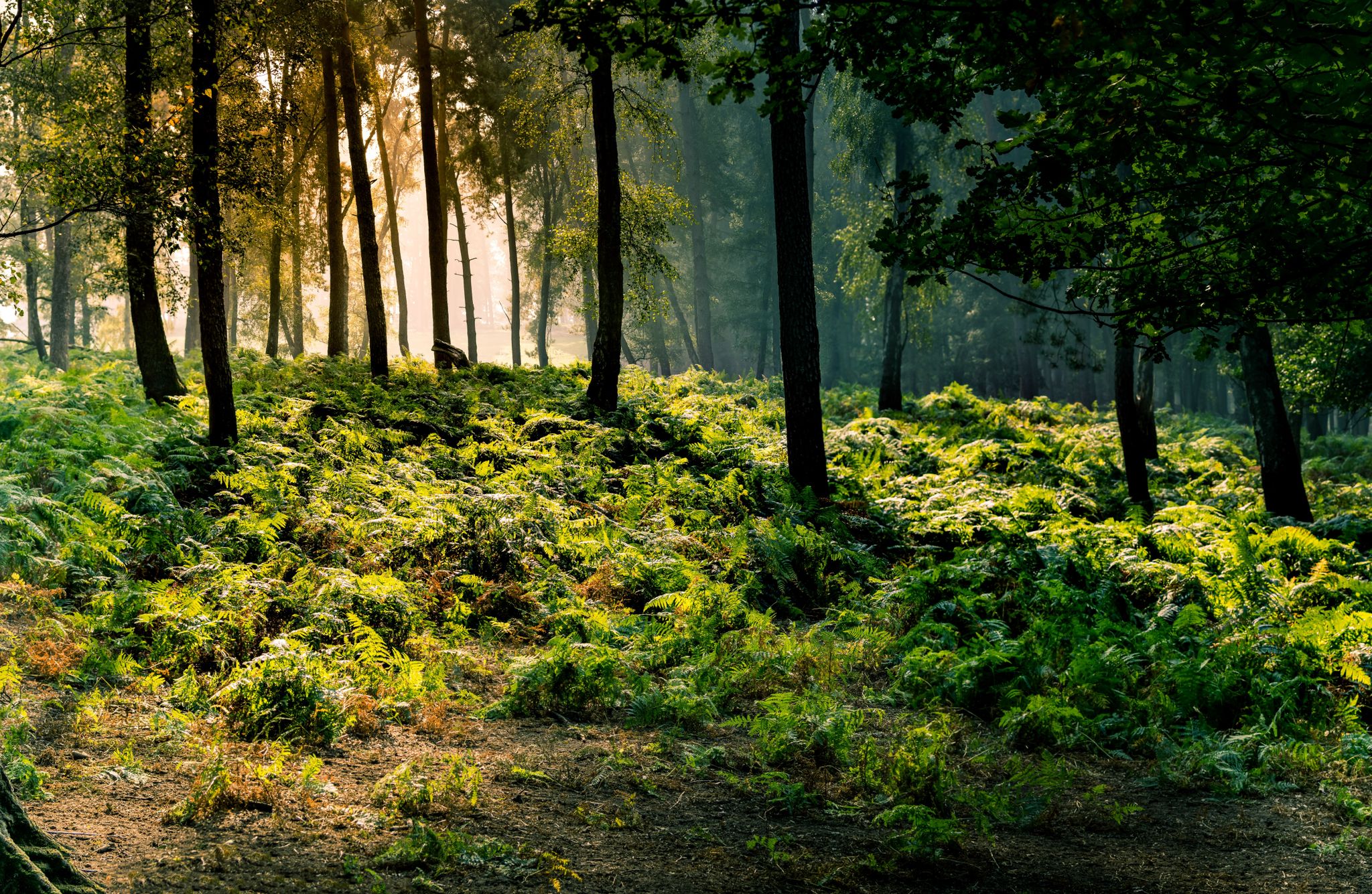
Seesteine Natural Monument
Highlight • Natural Monument
Translated by Google •
Tip by

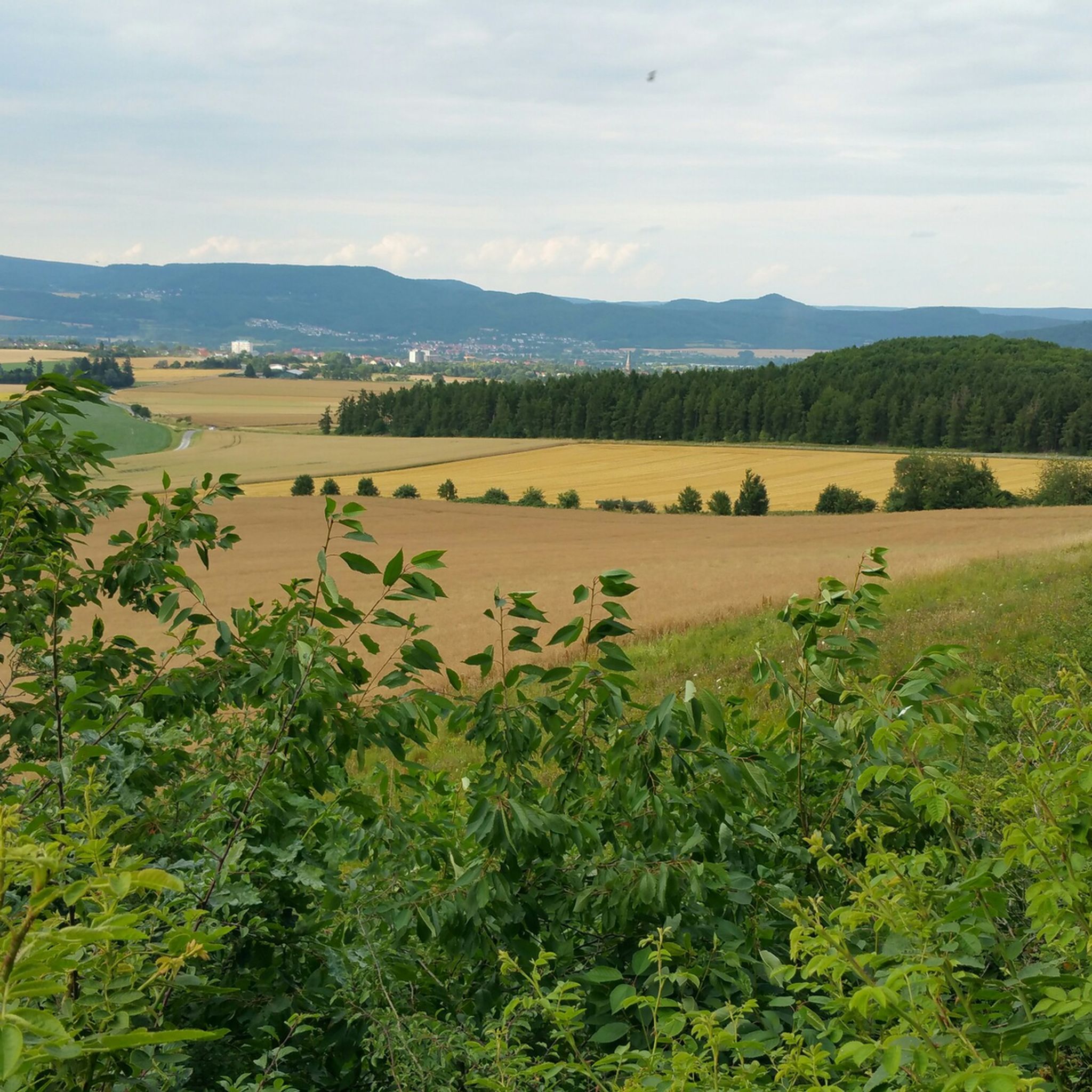
Former Inner German Border Fence – Green Belt
Highlight • Monument
Translated by Google •
Tip by

Sign up now to discover places like this
Get recommendations on the best single tracks, peaks, & plenty of other exciting outdoor places.
Sign up for free
Busch-Hide bird hide, Rhäden Nature Reserve
Highlight • Structure
Translated by Google •
Tip by

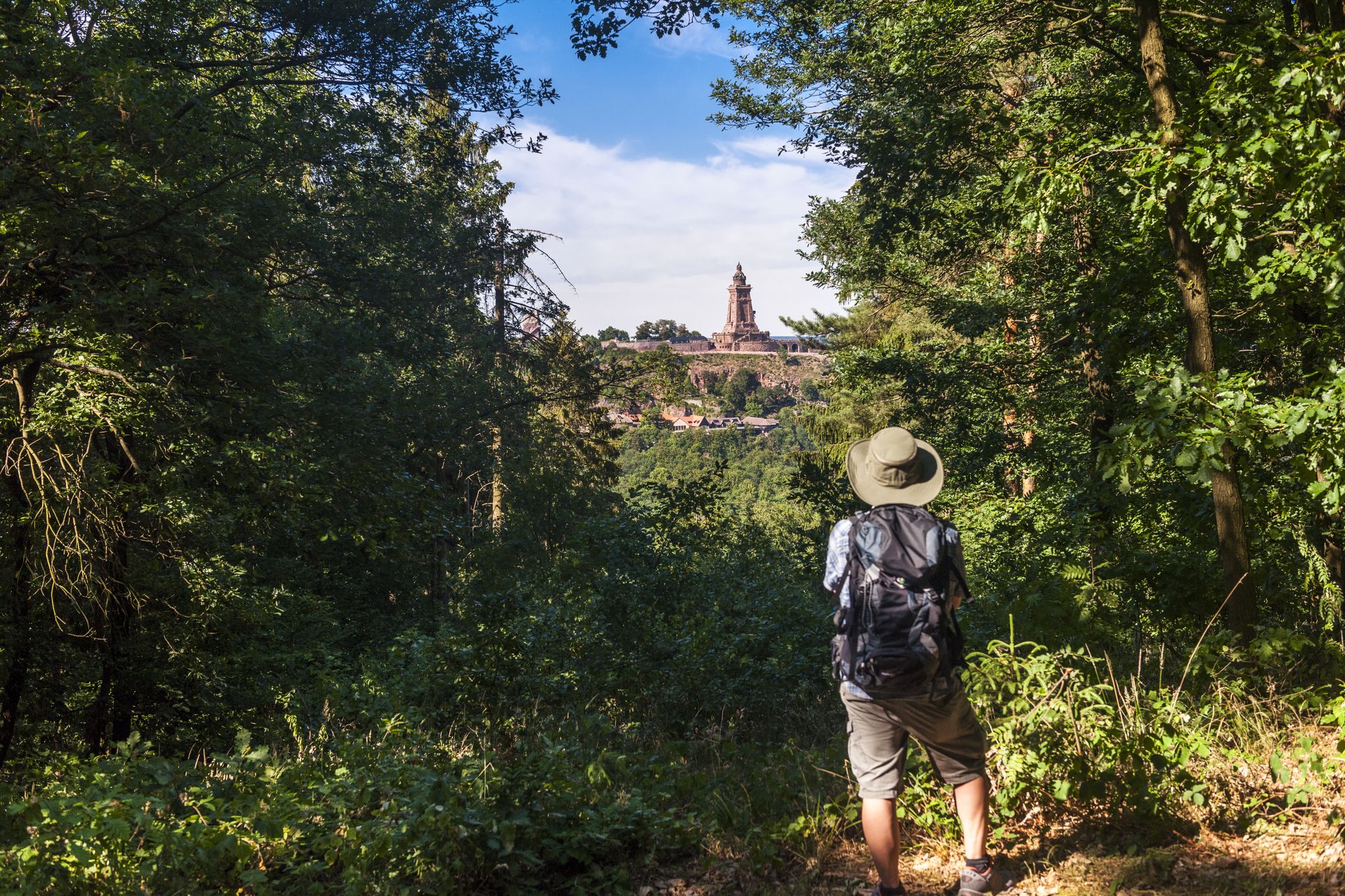
Berliner Turm Observation Tower
Highlight • Viewpoint
High on the vineyard's ridge,
one can gaze far into the distance.
It is called the Berlin Tower.
Why? You hear it in town and country.
Just look east and at Berlin, the great city,
Translated by Google •
Tip by

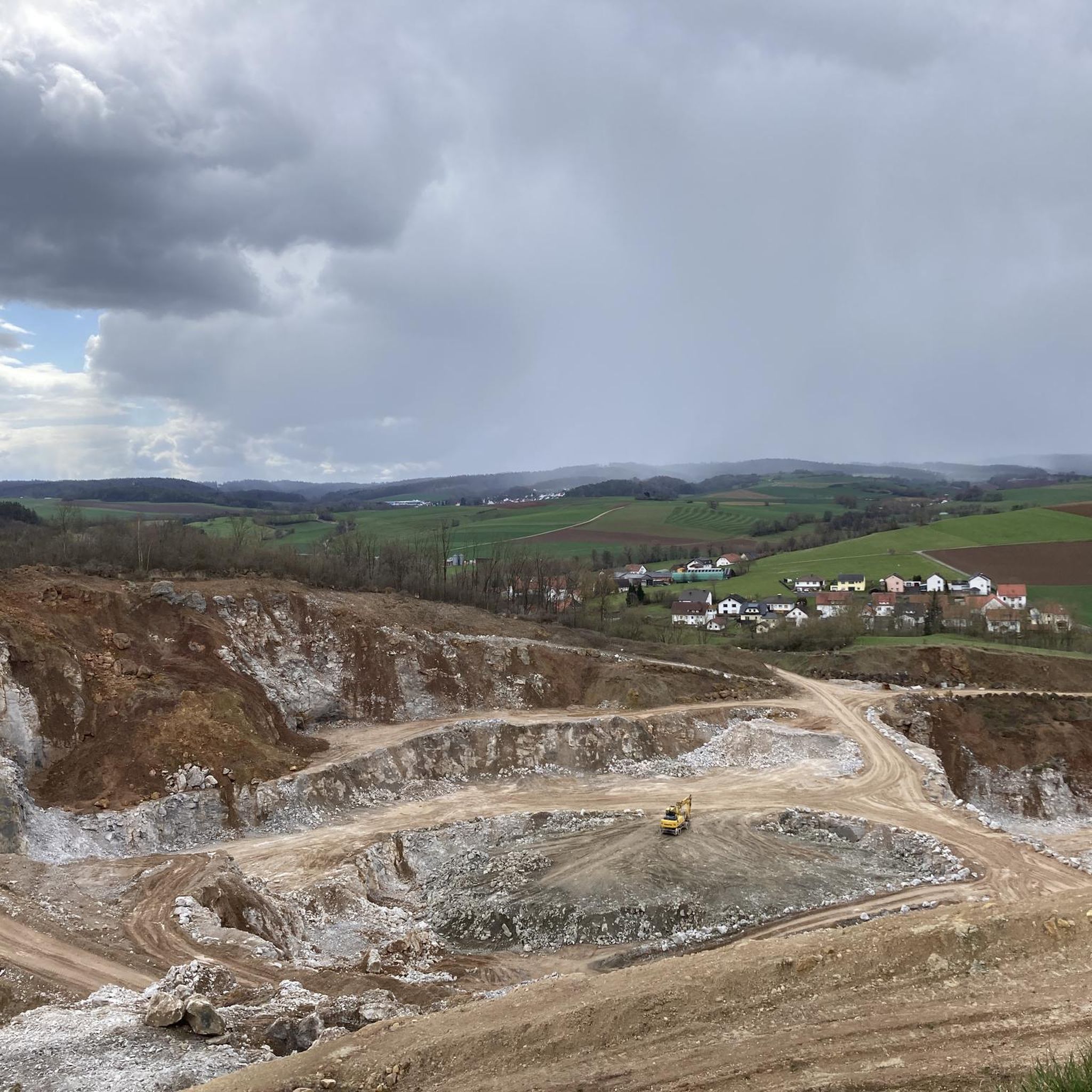
Blaue Kuppe — South Crater
Highlight • Volcano
Translated by Google •
Tip by

Sign up for free to discover even more natural monuments around Sontra.
Sign up for free
Already have an account?
Start today with a free account
Your next adventure awaits.
Login or Signup



Tips from the Community

This observation post is located right next to a pond, so the viewing windows are very small. Unfortunately, vegetation here and there prevents perfect observation, but if you have enough patience, you can watch the birds up close. On the outside there are plenty of information boards about all the inhabitants of this landscape.
4
0

A wonderful place for bird watching
3
0

From here you can easily observe
4
0

At eye level with the bird world🦢🦆🪿... at the "Busch-Hide" "This is an observation hide, a so-called "hide", from which you can observe the water birds and animals in their natural habitat from a few meters away. The "hide" was built especially for people with disabilities. It offers ground-level access and plenty of space to move around and observe. In gratitude and memory of our honorary board member Walter Reuter, who was only called "Busch" by his friends, the observation hide was named "Busch-Hide"." Source: https://www.rhaeden-wildeck.de/rh%C3%A4den-rundweg-1/
5
0

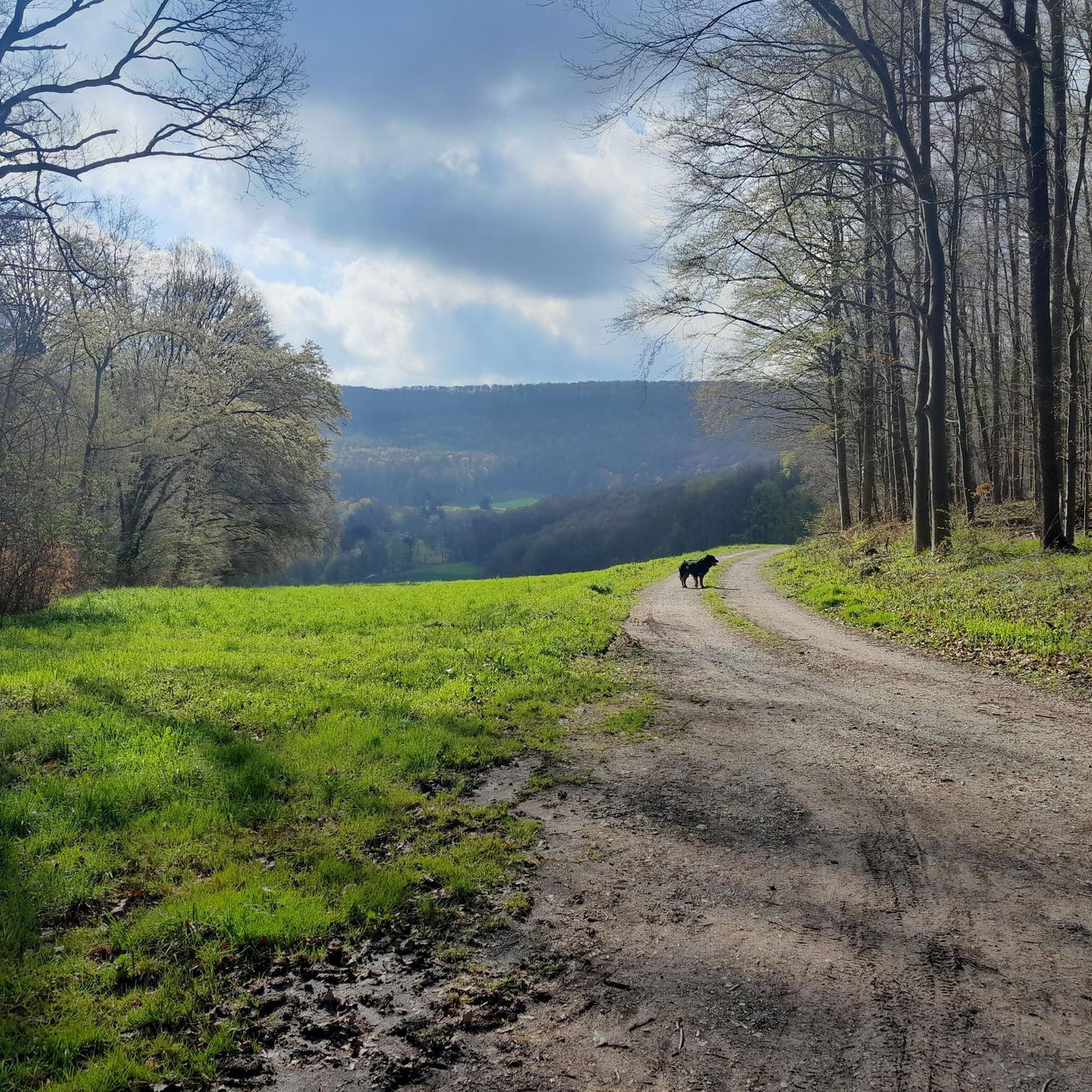
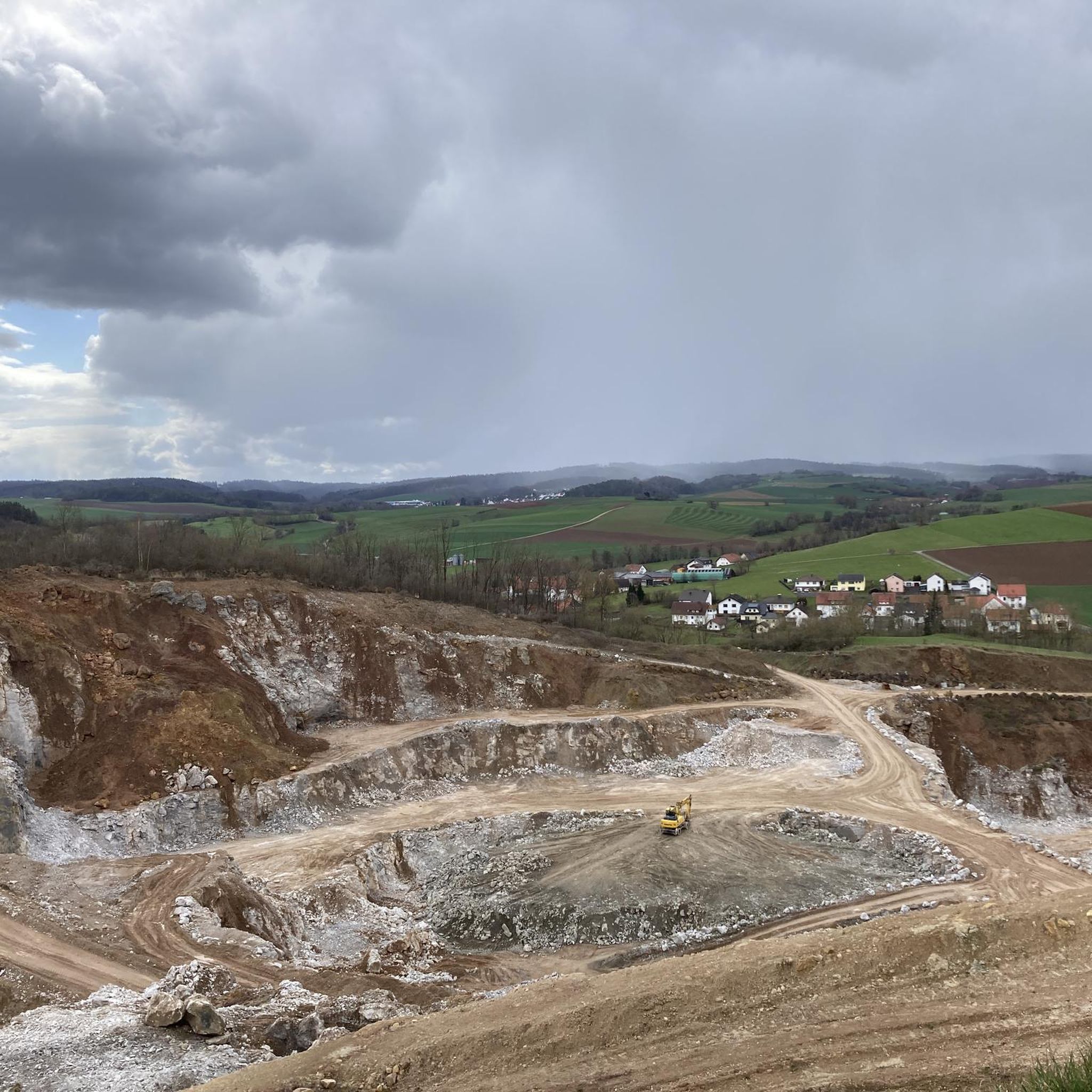
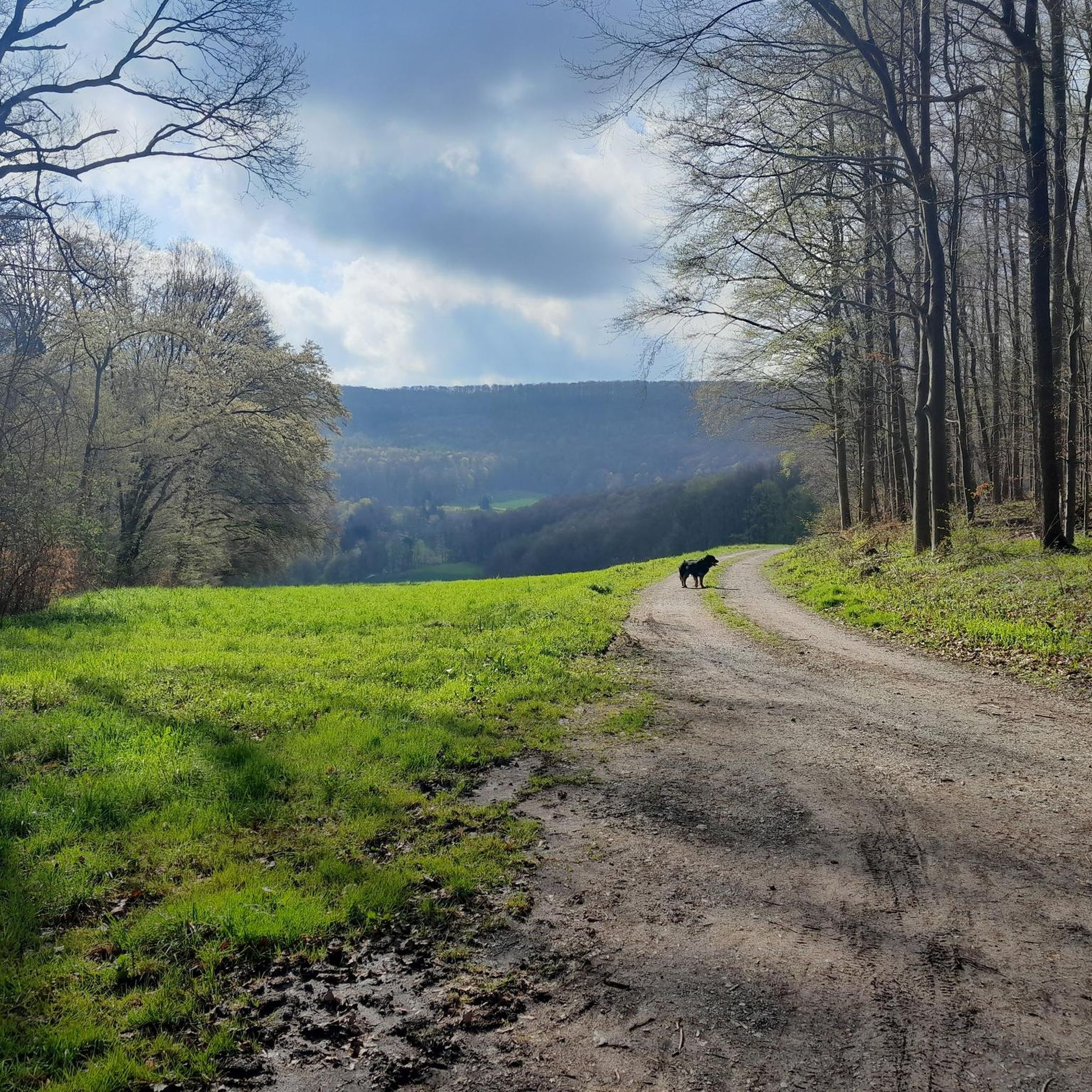
The Blue Hill is a hill near Eschwege formed from solidified lava. A circular trail leads around the Blue Hill, offering interesting views into the three basins (created during basalt quarrying). The area is now a nature reserve and part of the premium hiking trail P3 (19 km).
4
2
Interesting insights into the geology of the Blaue Kuppe can be gained on a short circular route (approx. 1.5 km) around the rocks or during a hike on the P3.
4
2

Langenhain can be reached from Eschwege train station's central bus station (ZOB) via the AST 229.2 bus service, which departs every hour on the hour. Reservations are required at least 30 minutes before the scheduled departure and can be made by calling 0800-939-0800 between 7:00 AM and 9:00 PM. From Langenhain-Mitte, follow the signs for 'Zuweg X5H' until you reach parking lot P3 – then follow this parking lot northwards.
5
1

The Green Belt: From the Death Strip to the Life Line Germany was divided for almost 40 years. The inner German border was strictly guarded with high walls, barbed wire and watchtowers. At the same time, it gave nature a breathing space: the border strip became a refuge for more than 1,200 rare and endangered plant and animal species. The BUND has created one of the largest and most important nature conservation projects here since the fall of the Berlin Wall. Source and further information: https://www.bund.net/gruenes-band/
3
0
Frequently Asked Questions
What unique geological features can I explore among Sontra's natural monuments?
Sontra is rich in geological history. You can explore distinctive basalt rock formations at the Seesteine Natural Monument, remnants of ancient volcanic activity. Another significant site is the Alpstein, an extinct volcano where magma solidified within Bunter sandstone, later exposed by erosion, showcasing a unique volcanic plug and past quarrying activity.
Are there any natural monuments in Sontra with historical significance?
Yes, the Former Inner German Border Fence – Green Belt is a natural monument that also holds significant historical importance. Hiking along the Green Belt offers beautiful paths through a unique landscape, marking a poignant piece of German history.
What kind of wildlife observation opportunities are available at Sontra's natural monuments?
For wildlife enthusiasts, the Busch-Hide bird hide in the Rhäden Nature Reserve is an excellent spot. This area was once one of the largest wetlands in the Hessian-Thuringian borderland and is now a crucial resting area for wading, water, and meadow birds, offering great observation opportunities.
Can I find viewpoints offering panoramic vistas among the natural monuments?
Absolutely. The Berliner Turm Observation Tower provides fantastic panoramic views of the surrounding landscape. Another interesting viewpoint is the Blaue Kuppe — South Crater, where you can observe basalt towers from an ancient volcano from various directions.
Are there family-friendly natural monuments or trails suitable for children in Sontra?
Many of the natural monuments around Sontra are accessible for families. For instance, the paths around the Former Inner German Border Fence – Green Belt are generally suitable for family walks, offering both nature and history. When planning, look for trails marked as 'easy' or 'family-friendly' in the area.
What outdoor activities can I combine with visiting Sontra's natural monuments?
The region around Sontra is ideal for various outdoor activities. You can find numerous hiking trails, including easy options like the 'Karst Spring Renda Valley Ditch' loop. For cyclists, there are many routes, such as those detailed in the Road Cycling Routes around Sontra and Cycling around Sontra guides. Many of these routes pass by or near natural monuments, allowing you to combine sightseeing with your sport.
Are there easy hiking trails near the natural monuments in Sontra?
Yes, Sontra offers several easy hiking trails that allow you to explore the natural beauty without strenuous effort. For example, the Easy hikes around Sontra guide lists routes like the 'Karst Spring Renda Valley Ditch – Frau Holle Wooden Sculpture loop from Ulfen' or a simple 'Hiking loop from Sontra', which are perfect for a relaxed outing.
What is the best time of year to visit the natural monuments in Sontra?
The natural monuments in Sontra can be enjoyed throughout the year, each season offering a different charm. Spring brings lush greenery and blooming flora, while autumn showcases vibrant foliage. Summer is ideal for longer hikes, and even winter can offer serene, snow-covered landscapes, though some paths might be trickier due to ice or leaves.
Is public transport available to reach the natural monuments around Sontra?
While specific public transport details for each individual natural monument can vary, Sontra itself has bus services. For example, to reach areas like the Blaue Kuppe — South Crater, you might use services like the AST 229.2 bus from Eschwege train station to Langenhain, followed by a walk. It's advisable to check local bus schedules and routes for specific destinations.
What should I bring when visiting the natural monuments in Sontra?
When visiting Sontra's natural monuments, it's recommended to wear sturdy footwear, especially for paths that might be uneven or slippery, like those at the Seesteine Natural Monument. Depending on the season, bring appropriate clothing, water, snacks, and a camera to capture the beautiful landscapes and geological formations.
Are there any natural monuments in Sontra that are wheelchair accessible?
Yes, the Busch-Hide bird hide in the Rhäden Nature Reserve is noted as being wheelchair accessible, offering an opportunity for everyone to enjoy birdwatching and the natural surroundings of this important wetland area.
What makes the basalt formations in Sontra so special?
The basalt formations in Sontra, particularly at sites like the Seesteine Natural Monument and the Blaue Kuppe — South Crater, are special because they are remnants of ancient volcanic activity. They showcase striking geological features, including impressive basalt towers and unique rock structures formed as magma cooled, offering a tangible connection to the region's fiery past.
Most popular routes around Sontra
Most popular attractions around Sontra

Get inspired with the komoot mobile app


Explore more
Extend your search for the best caves by checking out these guides of the top ones around Sontra:
