Top 20 Natural Monuments around Niederdorf (Sachsen)
Natural monuments around Niederdorf (Sachsen) are situated in the Erzgebirgskreis, offering access to the natural features of the Ore Mountains. This region is characterized by its diverse landscape, including rock formations, reservoirs, and river confluences. The area provides opportunities to explore geological formations and water bodies. Visitors can experience the local environment through various outdoor activities.
Best natural monuments around Niederdorf (Sachsen)
- The most popular natural monuments is Maria Josepha Tower (Totenstein) Observation Tower, a viewpoint that offers panoramic…
Last updated: September 27, 2026
Maria Josepha Tower (Totenstein) Observation Tower
Highlight • Viewpoint
Translated by Google •
Tip by

Stollberg Reservoir (Querenbach Reservoir)
Highlight • Lake
Translated by Google •
Tip by

Sign up now to discover places like this
Get recommendations on the best single tracks, peaks, & plenty of other exciting outdoor places.
City Park Pond (Chemnitz)
Highlight • Lake
Translated by Google •
Tip by

Greifenbachstauweiher
Highlight • Lake
It served as a reservoir for the Röhrgraben and the stamp mills located there.
Translated by Google •
Tip by

Querenbach Dam
Highlight • Lake
Translated by Google •
Tip by
Sign up for free to discover even more natural monuments around Niederdorf (Sachsen).
Already have an account?
Start today with a free account
Your next adventure awaits.

Tips from the Community

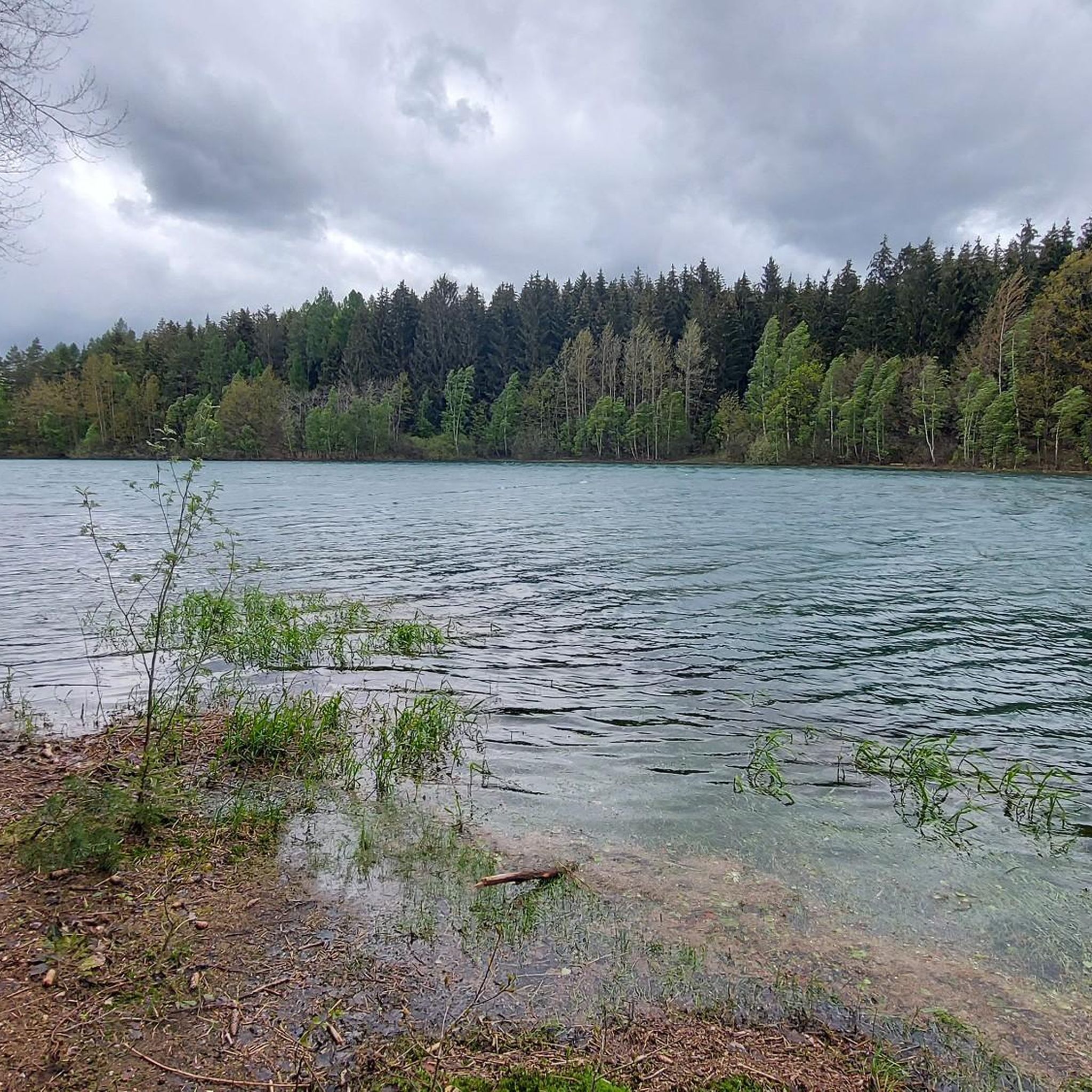
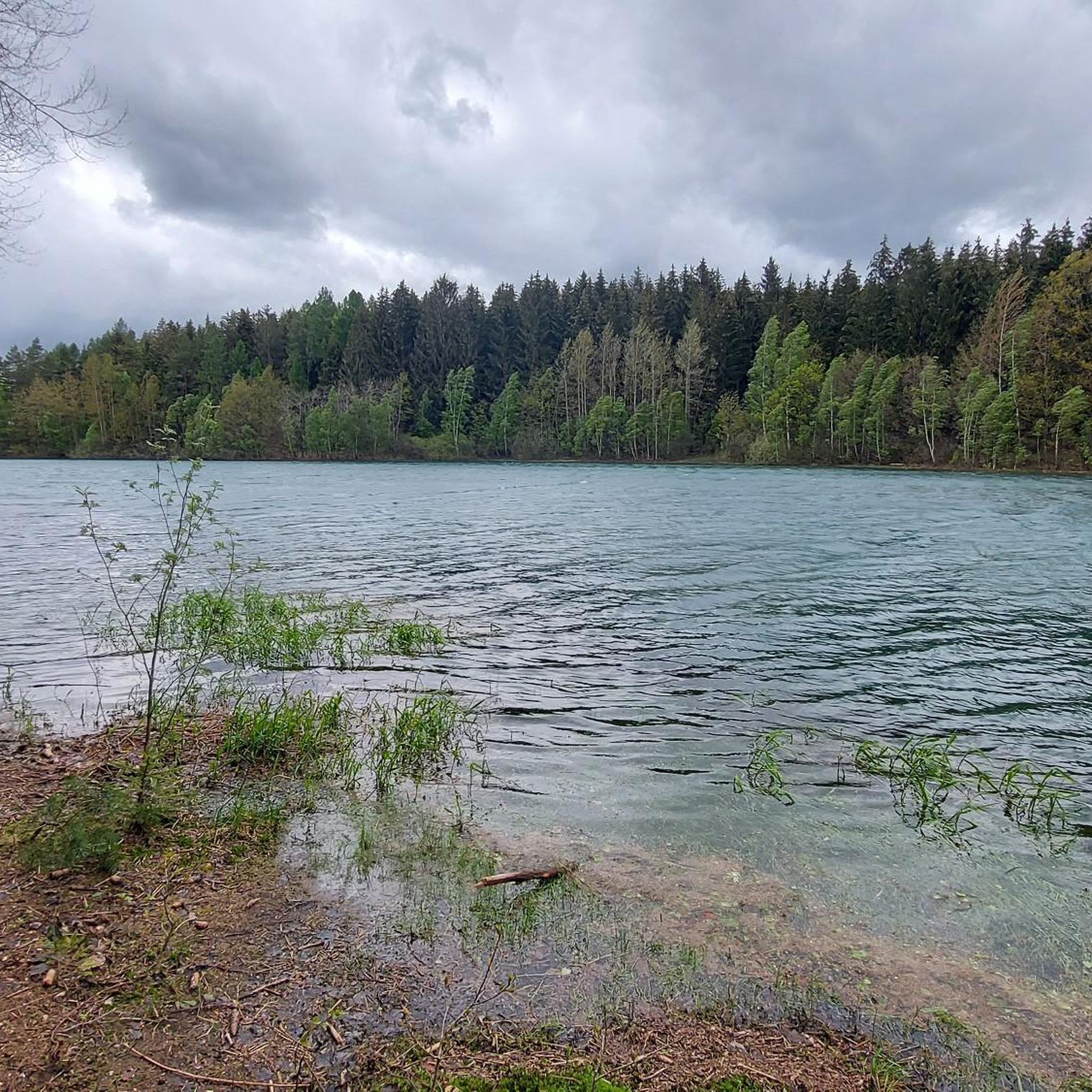
The Greifenbach reservoir is one of the oldest dams in Germany. It dams the Rote Wasser stream. Today it is a local recreation area.
2
0

A beautiful sandy beach, pleasantly clean air, excellent water quality, and two spacious lawns make the hearts of all sun worshippers and water lovers beat faster. The Greifenbachstauweiher pond is a popular holiday and recreation center and excursion destination at the foot of the Greifensteine.
2
0

Easily accessible via the cycle path.
4
0
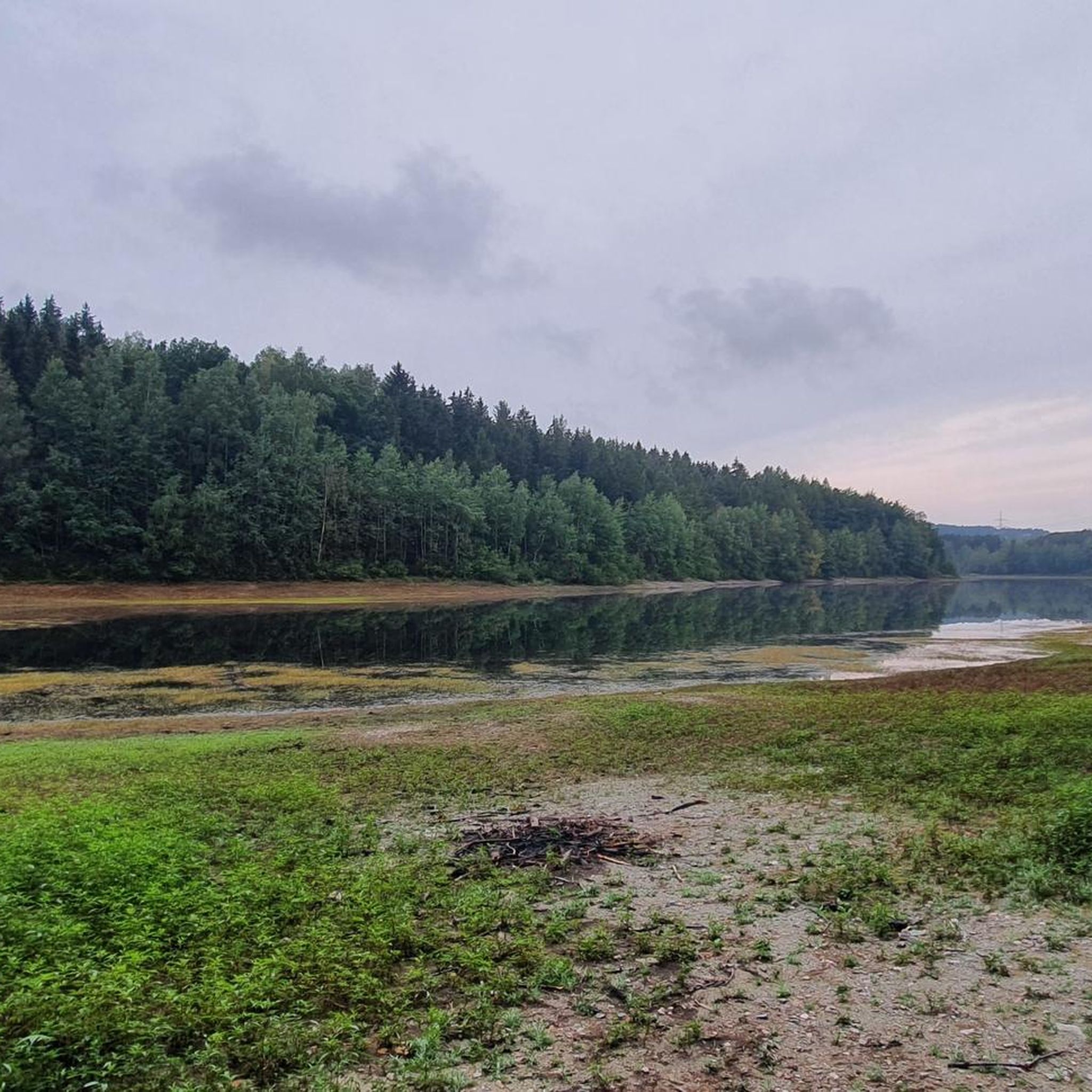
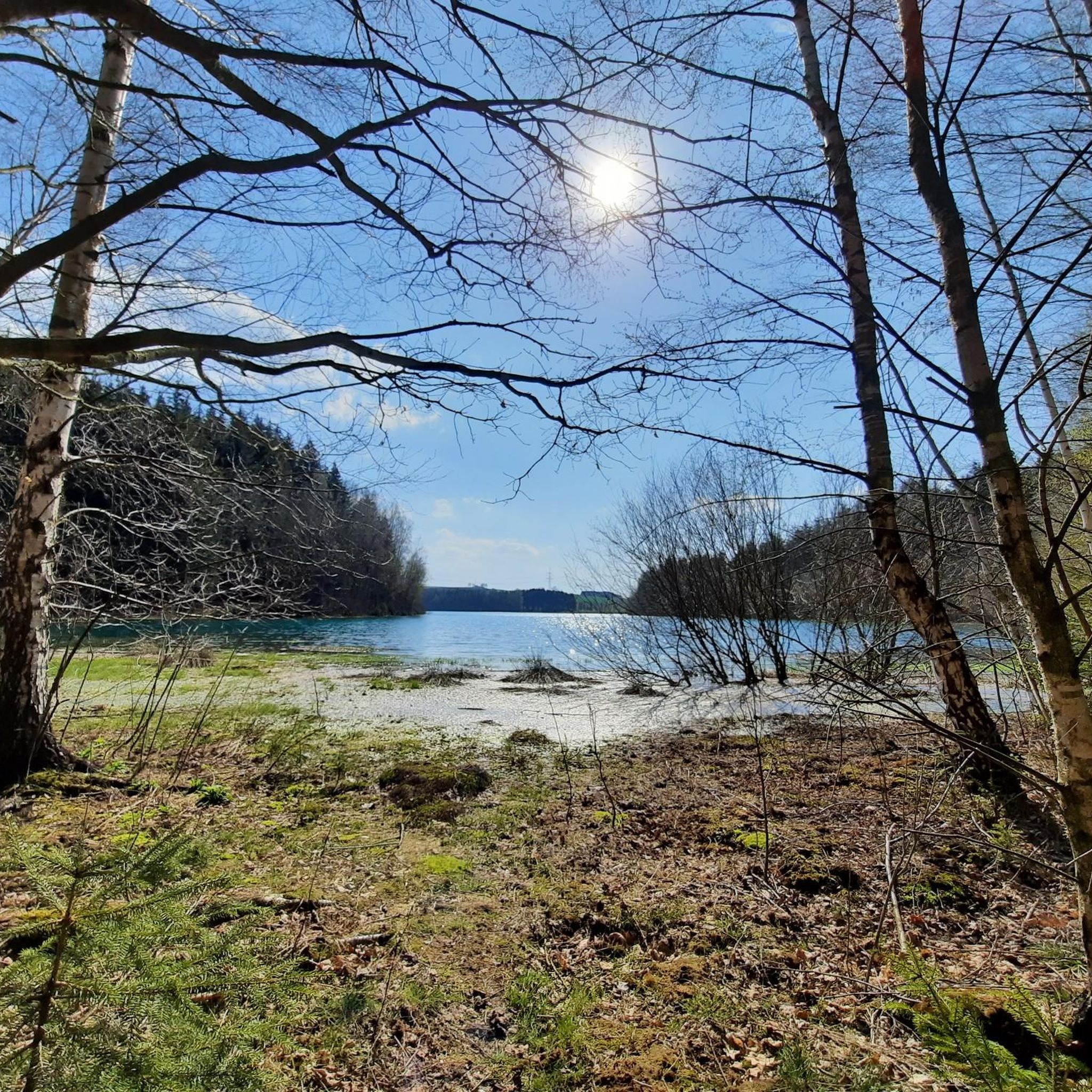
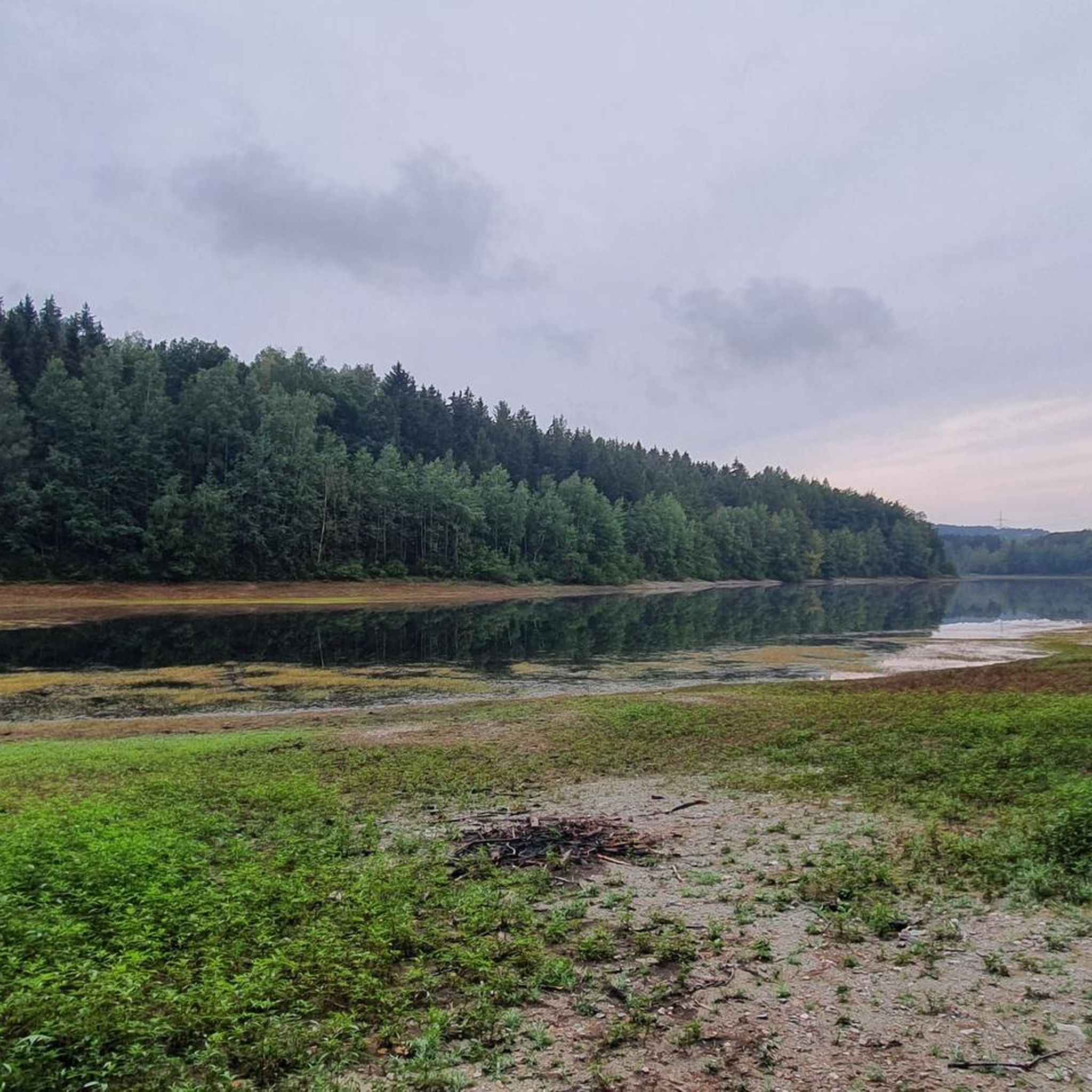
The Stollberg Dam (also called the Querenbach Dam or Querenbach Dam) was built between 1949 and 1954 in the Ore Mountains near Stollberg. The Querenbach Dam supplies Stollberg in Saxony and its surroundings with drinking water and provides flood protection. The water is extracted via a so-called extraction tower in the reservoir.
1
1
The Stollberg Dam (also called the Querenbach Dam or Querenbach Dam) was built between 1949 and 1954 in the Ore Mountains near Stollberg. The Querenbach Dam supplies Stollberg in Saxony and its surroundings with drinking water and provides flood protection. The water is extracted via a so-called extraction tower in the reservoir.
2
1


The Stollberg dam dams the water of the Querenbach and is therefore often referred to as the "Querenbach dam". The reservoir, built between 1949 and 1954, went into operation in 1954 and will therefore celebrate its 70th birthday in 2024. The catchment area of the dam, which contains extraordinarily clear water with visibility often reaching the bottom at a depth of 15 meters, is located in a sparsely populated forest area. The total catchment area covers 5.29 square kilometers and the average annual inflow is 2.18 million cubic meters. The reservoir has a total storage capacity of 1.129 million cubic meters and the capacity for raw water discharge is 0.97 million cubic meters per year. The water is used to supply drinking water to Stollberg and the neighboring communities. ... (https://www.google.com/amp/s/www.blick.de/erzgebirge/querenbachtalsperre-im-erzgebirge-ist-seit-70-jahren-in-betrieb-amp13566094)
1
1

The dam of the reservoir was built in connection with the construction of the Röhrgraben (Röhr ditch) from 1396 to 1404. It served as a reservoir for the Röhrgraben and the stamp mills located there. This is where Station 16 of the mining trail is located.
3
0
Frequently Asked Questions
What are some unique natural monuments to visit near Niederdorf (Sachsen)?
Beyond the immediate vicinity, the impressive Greifensteine rock formations are a significant natural landmark in the broader Ore Mountains region. These granite rocks offer opportunities for hiking, climbing, and enjoying panoramic views. Closer to Niederdorf, you can explore the Maria Josepha Tower (Totenstein) Observation Tower for scenic vistas, or the tranquil Stollberg Reservoir (Querenbach Reservoir).
Are there family-friendly natural monuments around Niederdorf (Sachsen)?
Yes, several natural monuments are suitable for families. The Stollberg Reservoir (Querenbach Reservoir) is great for a leisurely circumnavigation. The Confluence of the Würschnitz and Zwönitz rivers (Source of the Chemnitz) offers an interesting spot to learn about local geography. Additionally, the Forzbachl spring provides a pleasant forest setting with seating and a bird feeding station.
What kind of natural features can I expect to see in the region?
The area around Niederdorf (Sachsen) is characterized by diverse natural features. You'll find striking rock formations like the Greifensteine, serene lakes and reservoirs such as the Querenbach Dam, and significant river confluences like the Source of the Chemnitz. There are also natural springs, forests, and viewpoints offering expansive views of the Ore Mountains.
What outdoor activities can I do near these natural monuments?
The region offers a variety of outdoor activities. You can enjoy hiking around the reservoirs or through the forests. Mountain biking is also popular, with trails like the 'Greifensteine Rock Formations – Stollberg Reservoir loop'. For more detailed routes, explore the hiking guide for Niederdorf (Sachsen), the MTB trails guide, or the running trails guide.
Are there any historical sites associated with the natural monuments?
Yes, the Maria Josepha Tower (Totenstein) Observation Tower is not only a viewpoint but also a historical site. Further afield, the Greifensteine rock formations have a history of quarrying and are associated with the local folk hero Karl Stülpner, with the Stülpner-Höhle cave located nearby.
What do visitors enjoy most about the natural monuments around Niederdorf (Sachsen)?
Visitors particularly appreciate the panoramic views from spots like the Maria Josepha Tower, which is described as a place to recharge during tours. The clear waters and circumnavigation opportunities of the Stollberg Reservoir are also highly rated, with some comparing the colors to the Caribbean. The overall natural beauty and opportunities for outdoor activities are frequently highlighted.
Can I find hiking trails that lead to these natural monuments?
Yes, many natural monuments are integrated into hiking networks. For instance, a dedicated hiking trail leads around the Querenbach Dam, offering views along its banks. The Greifensteine also have numerous hiking paths in the surrounding Geyer forest. You can find various routes in the hiking guide for Niederdorf (Sachsen).
Is there public transport access to natural monuments near Niederdorf (Sachsen)?
While specific public transport routes directly to every natural monument can vary, the region is generally accessible. For the Greifensteine, public transport options exist to nearby towns like Ehrenfriedersdorf or Geyer, from where you can continue on foot or by local bus. It's advisable to check local bus schedules for the most up-to-date information when planning your visit.
Are there any regulations for visiting natural monuments in Sachsen?
When visiting natural monuments in Sachsen, it's important to respect the environment. This generally includes staying on marked paths, not disturbing wildlife, refraining from littering, and observing any specific signage regarding protected areas. For rock formations like the Greifensteine, specific climbing regulations may apply. Always check local information or official park websites for detailed rules.
What is the best time of year to visit the natural monuments?
The natural monuments around Niederdorf (Sachsen) can be enjoyed throughout the year. Spring and autumn offer pleasant temperatures for hiking and vibrant foliage. Summer is ideal for longer outdoor activities and cultural events at the Greifensteine's open-air theater. Winter provides a different, often serene, experience, especially for winter hiking, though some paths might be challenging due to snow or ice.
Are there any natural monuments suitable for people with limited mobility?
The Confluence of the Würschnitz and Zwönitz rivers (Source of the Chemnitz) is noted as being wheelchair accessible, making it a good option for visitors with limited mobility. For other sites, accessibility can vary, and it's recommended to check specific trail conditions or highlight details before your visit.
Can I bring my dog to the natural monuments?
Many natural areas in Sachsen are dog-friendly, provided dogs are kept on a leash and owners clean up after them. For specific natural monuments, it's always best to check for any local restrictions or signage. Generally, trails around reservoirs like the Stollberg Reservoir and forest paths are suitable for dogs.
Most popular routes around Niederdorf (Sachsen)
Most popular attractions around Niederdorf (Sachsen)

Get inspired with the komoot mobile app


Explore more
Extend your search for the best caves by checking out these guides of the top ones around Niederdorf (Sachsen):
