Top 20 Natural Monuments around Schönwölkau
Best natural monuments around Schönwölkau offer diverse landscapes, from reclaimed industrial sites to protected wetlands and historical tree populations. The region features expansive natural spaces, including former opencast mines transformed into recreation areas. These areas provide significant habitats for various flora and fauna, contributing to the ecological value of the landscape. Schönwölkau's natural monuments are integrated into larger protected areas, highlighting their importance for conservation.
Best natural monuments around Schönwölkau
- The most popular natural monuments is Lake Grabschütz, a…
Last updated: May 11, 2026
Werbeliner See cycle path
Highlight • Cycleway
Translated by Google •
Tip by

Lake Neuhauser
Highlight • Lake
Translated by Google •
Tip by

Sign up now to discover places like this
Get recommendations on the best single tracks, peaks, & plenty of other exciting outdoor places.
Sign up for free
View of the Werbeliner See
Highlight • Viewpoint
Translated by Google •
Tip by

Werbeliner Lake Loop Trail
Highlight • Trail
Translated by Google •
Tip by

Schladitzer Bay
Highlight • Lake
Translated by Google •
Tip by

Sign up for free to discover even more natural monuments around Schönwölkau.
Sign up for free
Already have an account?
Start today with a free account
Your next adventure awaits.
Login or Signup
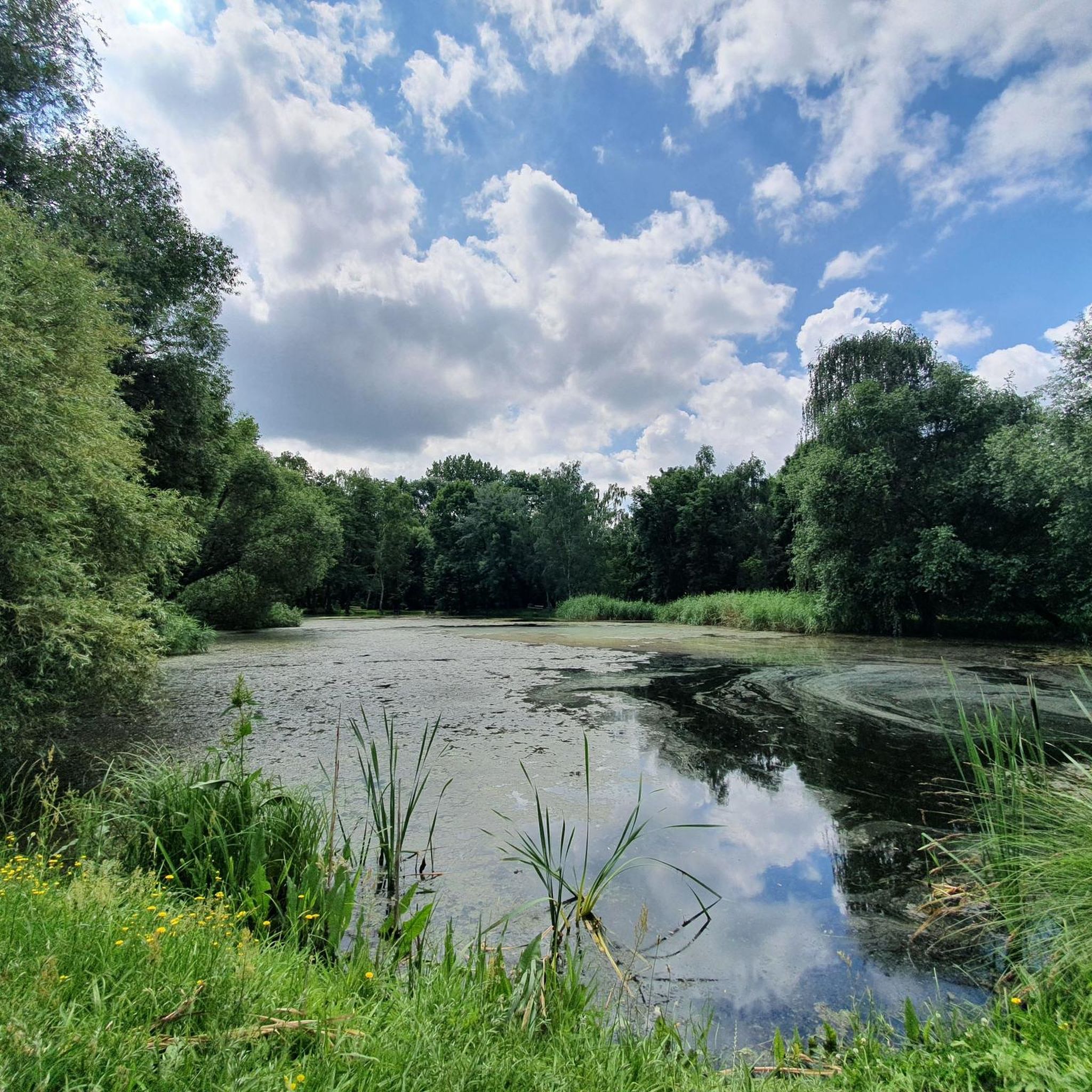
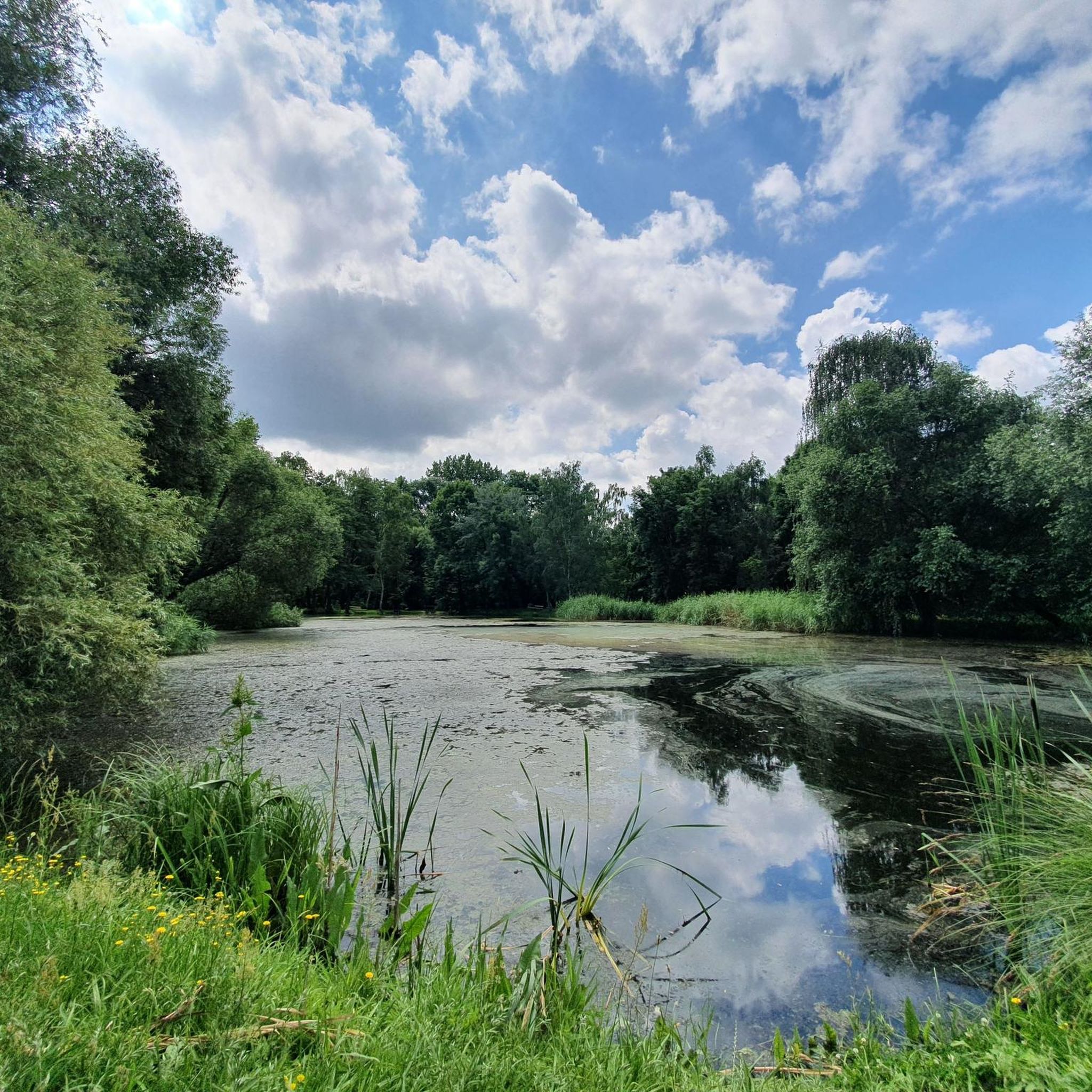
Tips from the Community

Today, an developed network of cycle paths and hiking trails with viewing platforms and information boards on the formation of the landscape extends along the Neuhäuser See. The 120 km long Kohle-Dampf-Licht cycle path from Lutherstadt Wittenberg to Markkleeberg passes by the lake. Source https://de.wikipedia.org/wiki/Neuh%C3%A4user_See
1
0
In the mid-19th century, the first mining activities began in the southwest of Goitzsche, near the villages of Petersroda and Holzweißig.[3] Following the lignite seam, mining progressed from west to east. Favored by the opening of the current Magdeburg–Leipzig and Trebnitz–Leipzig railway lines, the sales market for lignite expanded to Halle and Leipzig, among other places. The increased demand for electrical energy and fossil fuels in the 19th and 20th centuries led in 1908 to the opening of the Leopold open-cast mine (from 1945 to 1962 Holzweißig–Ost) and in 1958 to the creation of the Holzweißig-West open-cast mine.[3] The Neuhäuser See originated from the former Holzweißig-West lignite open-cast mine. It is named after the Neuhaus estate, which was demolished in 1976 along with the village of Paupitzsch. The Holzweißig-West open-cast mine was operated from 1958 to 1980. Other sources report usage until 1991. The lake was flooded from 1993 to 2005.[1] Overflowing water is channeled via the Goitzsche into the Mulde. Since 1997, the area has been renatured and stable embankments have been created. Source https://de.wikipedia.org/wiki/Neuh%C3%A4user_See
1
0
The Neuhäuser See is located on the northwestern border of the Free State of Saxony with Saxony-Anhalt, at an altitude of about 78 m above sea level. NN. South of the lake is Benndorf, a district of the North Saxon district town of Delitzsch, and to the north is the unified municipality of Bitterfeld-Wolfen in Saxony-Anhalt. It is located in the Central German Lake District, south of the Großer Goitzschesee and the waters Ludwigsee and Paupitzscher See. Quelle https://de.wikipedia.org/wiki/Neuh%C3%A4user_See
1
0
The Neuhäuser See (also Neuhauser See) is an opencast mine residual lake of approximately 155 hectares, which was created by flooding the former Holzweißig-West opencast mine. The lake is located in the Central German Lake District, south of the Goitzsche nature reserve and north of the town of Delitzsch. Source https://de.wikipedia.org/wiki/Neuh%C3%A4user_See
1
0

Asphalted circular path unfortunately with many root damages
4
0
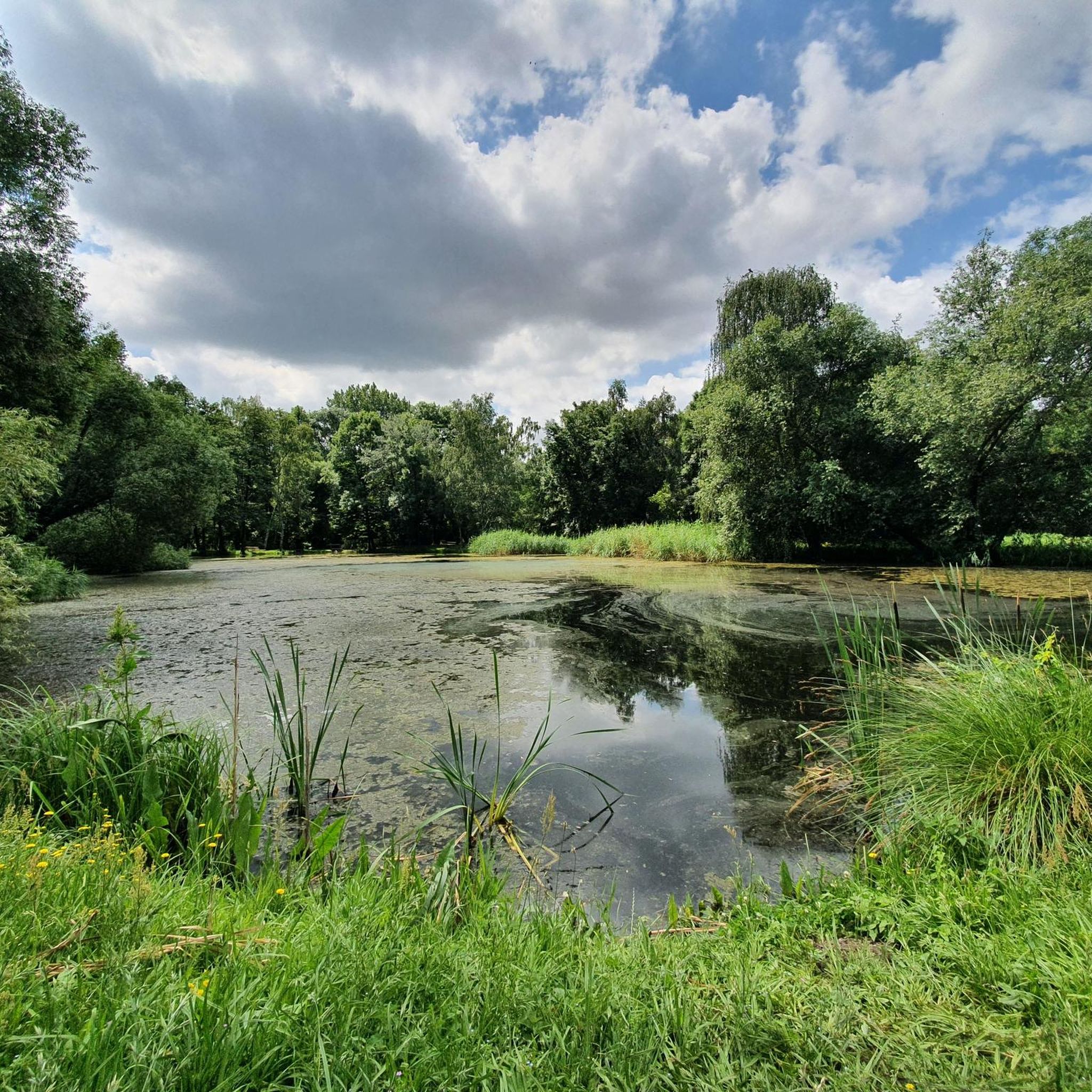
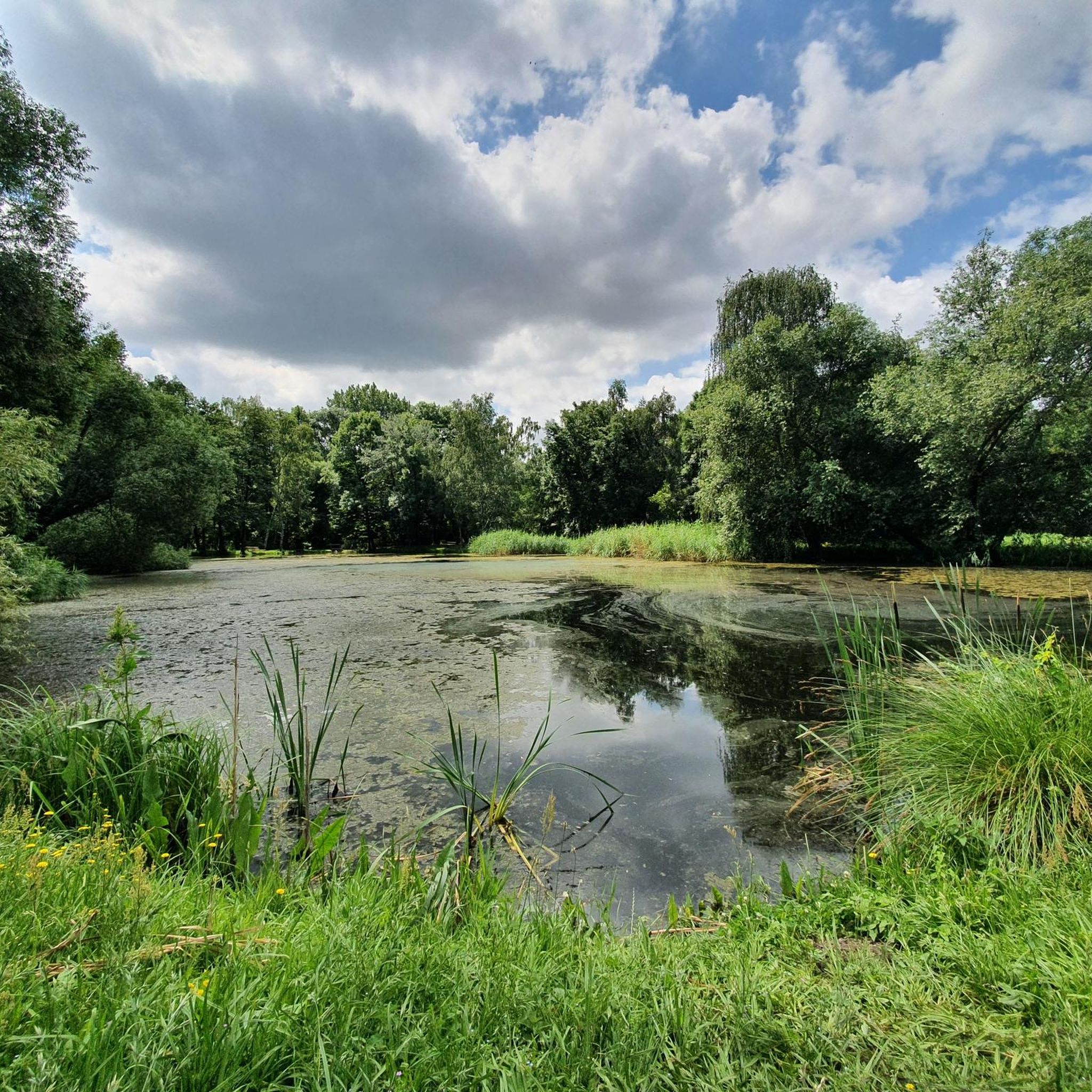
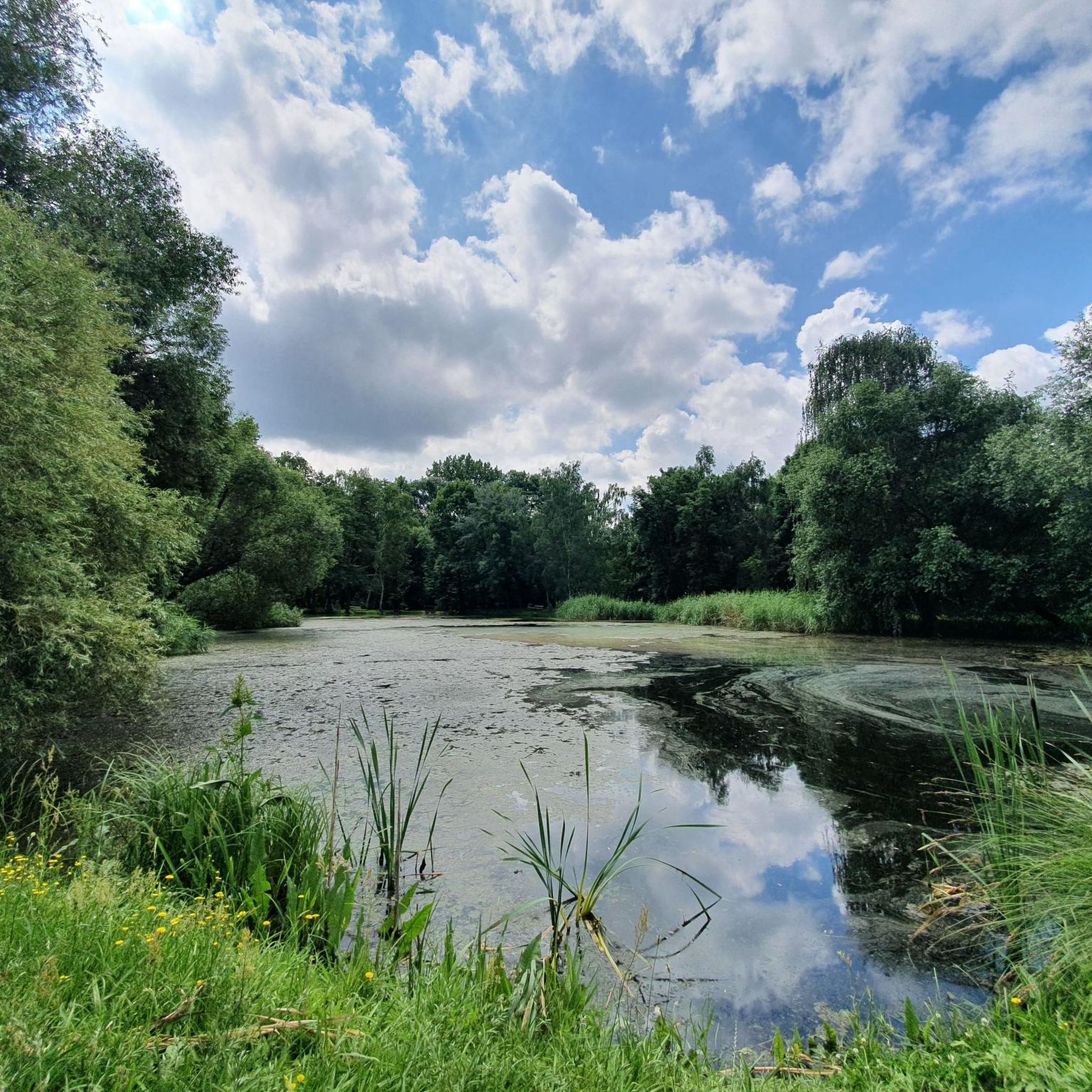
Great rest area with a fantastic view of Lake Werbelin
4
0
Frequently Asked Questions
What makes the natural monuments around Schönwölkau unique?
The natural monuments around Schönwölkau are unique for their diverse landscapes, ranging from former opencast mines that have been reclaimed by nature, like Lake Grabschütz, to protected wetlands and historical tree populations. These areas offer significant habitats for various flora and fauna, contributing to the ecological value of the region.
What are some of the most popular natural monuments to visit?
Among the most popular natural monuments are Lake Grabschütz, known for its prairie-like landscape and shaggy cattle, and Brodauer Zinken at Lake Werbeliner, a charming peninsula with clear water and hidden corners. The Werbeliner See cycle path is also highly regarded for birdwatching.
Are there family-friendly natural monuments around Schönwölkau?
Yes, several natural monuments are considered family-friendly. Lake Grabschütz is a great option, offering easy hikes and open spaces. Brodauer Zinken at Lake Werbeliner also provides a pleasant environment for families to explore. Additionally, the Delitzsch Baroque Palace, with its beautiful castle garden, is a family-friendly historical site nearby.
What kind of natural features can I expect to see?
You can expect to see a variety of natural features. The region boasts expansive lakes, such as Lake Grabschütz and Lake Werbellin, which are former opencast mines transformed into recreation areas. There are also significant wetlands like the Plän- und Torfwiesen Badrina, crucial for waterfowl and endangered species, and alluvial forests along streams like the Fließgraben am Kämmereirand.
Can I go cycling near the natural monuments?
Absolutely! The area around Schönwölkau offers excellent cycling opportunities. You can find various routes, including the Werbeliner See cycle path, which is great for observing birdlife. For more options, explore the Cycling around Schönwölkau guide, which includes routes like the 'Mulde Bridge in Bad Düben – Mulde Cycle Path loop'.
Are there hiking trails near these natural monuments?
Yes, there are hiking opportunities. Lake Grabschütz offers easy hikes around its prairie-like landscape. While specific hiking guides for natural monuments are not listed, many cycling routes can also be enjoyed on foot. For more detailed trail information, you can check the MTB Trails around Schönwölkau guide, as some paths might be suitable for walking.
What is the best time to visit the natural monuments around Schönwölkau?
The best time to visit generally depends on your preferred activities. Spring and autumn offer pleasant temperatures for exploring and birdwatching, especially in wetland areas like Plän- und Torfwiesen Badrina. Summer is ideal for enjoying the lakes, though some, like Lake Werbellin, are nature reserves where swimming might be prohibited. Winter can offer serene, quiet landscapes for walks.
What are the Plän- und Torfwiesen Badrina?
The Plän- und Torfwiesen Badrina is a crucial area natural monument consisting of waterlogged meadows and peat formations. It's a vital retreat for waterfowl and home to endangered species like the Broad-leaved Marsh Orchid and the Scarce Large Blue butterfly. This area is integrated into larger protected zones, highlighting its ecological importance.
Are dogs allowed on the trails and at the natural monuments?
While many natural areas in Germany are dog-friendly, it's always best to keep dogs on a leash, especially in protected areas like the Plän- und Torfwiesen Badrina or near bird sanctuaries such as Werbeliner See, to protect wildlife. Always check local signage for specific regulations at each site.
What do visitors enjoy most about the natural monuments in this region?
Visitors particularly enjoy the sense of vastness and tranquility at places like Lake Grabschütz, where the landscape evokes a prairie. The opportunity to observe diverse birdlife at Werbeliner See and discover hidden, clear-water spots at Brodauer Zinken are also highly appreciated. The community has shared over 49 photos and given more than 1000 upvotes, reflecting a strong positive sentiment.
Are there any historical natural features or trees?
Yes, the region includes historical natural monuments. For instance, the 'Linden auf dem Kreuzberg' (Linden trees on Kreuzberg) in Wölkau are designated as an individual natural monument, suggesting their historical or botanical significance within the landscape.
What is the Fließgraben am Kämmereirand?
The Fließgraben am Kämmereirand is an alluvial forest biotope located along the Boydaer Bach stream. This natural monument is part of the larger 'Leinetal' landscape protection area and an EU bird sanctuary, underscoring its ecological value as a protected habitat.
Most popular routes around Schönwölkau
Most popular attractions around Schönwölkau

Get inspired with the komoot mobile app


Explore more
Extend your search for the best caves by checking out these guides of the top ones around Schönwölkau:
