Top 20 Natural Monuments around Groß-Gerau
Best natural monuments around Groß-Gerau include a diverse range of natural features, from expansive nature reserves to individual, historically significant trees. The region's landscape is largely shaped by the Rhine and Neckar rivers, featuring extensive floodplain ecosystems and old riverbeds. These areas offer ecological value and opportunities for recreation, showcasing preserved natural environments.
Best natural monuments around Groß-Gerau
- The most popular natural monuments is Flörsheimer Watchtower, a viewpoint that offers a magnificent view over the surrounding area. It provides…
Last updated: May 11, 2026
Flörsheimer Watchtower
Highlight • Viewpoint
such …
Translated by Google •
Tip by

Stockstadt–Erfelden Old Rhine at Kühkopf-Knoblochsaue
Highlight • River
Translated by Google •
Tip by

Sign up now to discover places like this
Get recommendations on the best single tracks, peaks, & plenty of other exciting outdoor places.
Sign up for free
Mönchbruch Nature Reserve Observation Tower
Highlight • Viewpoint
Translated by Google •
Tip by

Landskron Castle Ruins
Highlight • Castle
Translated by Google •
Tip by

Beautiful trail through the Kühkopf-Knoblochsaue nature reserve
Highlight • Natural Monument
Translated by Google •
Tip by

Sign up for free to discover even more natural monuments around Groß-Gerau.
Sign up for free
Already have an account?
Start today with a free account
Your next adventure awaits.
Login or Signup
Popular around Groß-Gerau
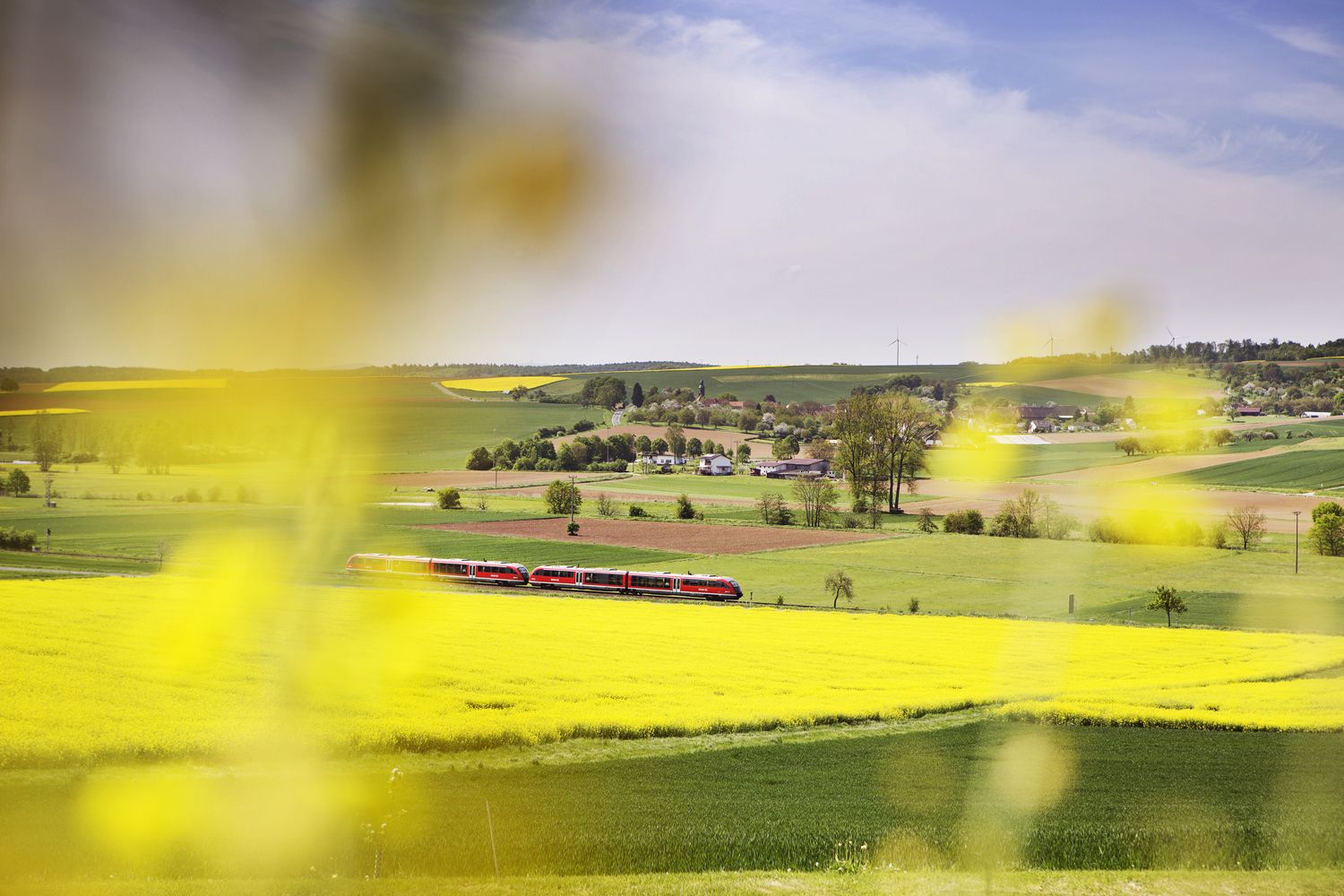
Valleys, meadows, forests — cycling bliss with Germany’s Rhine-Main Transport Network
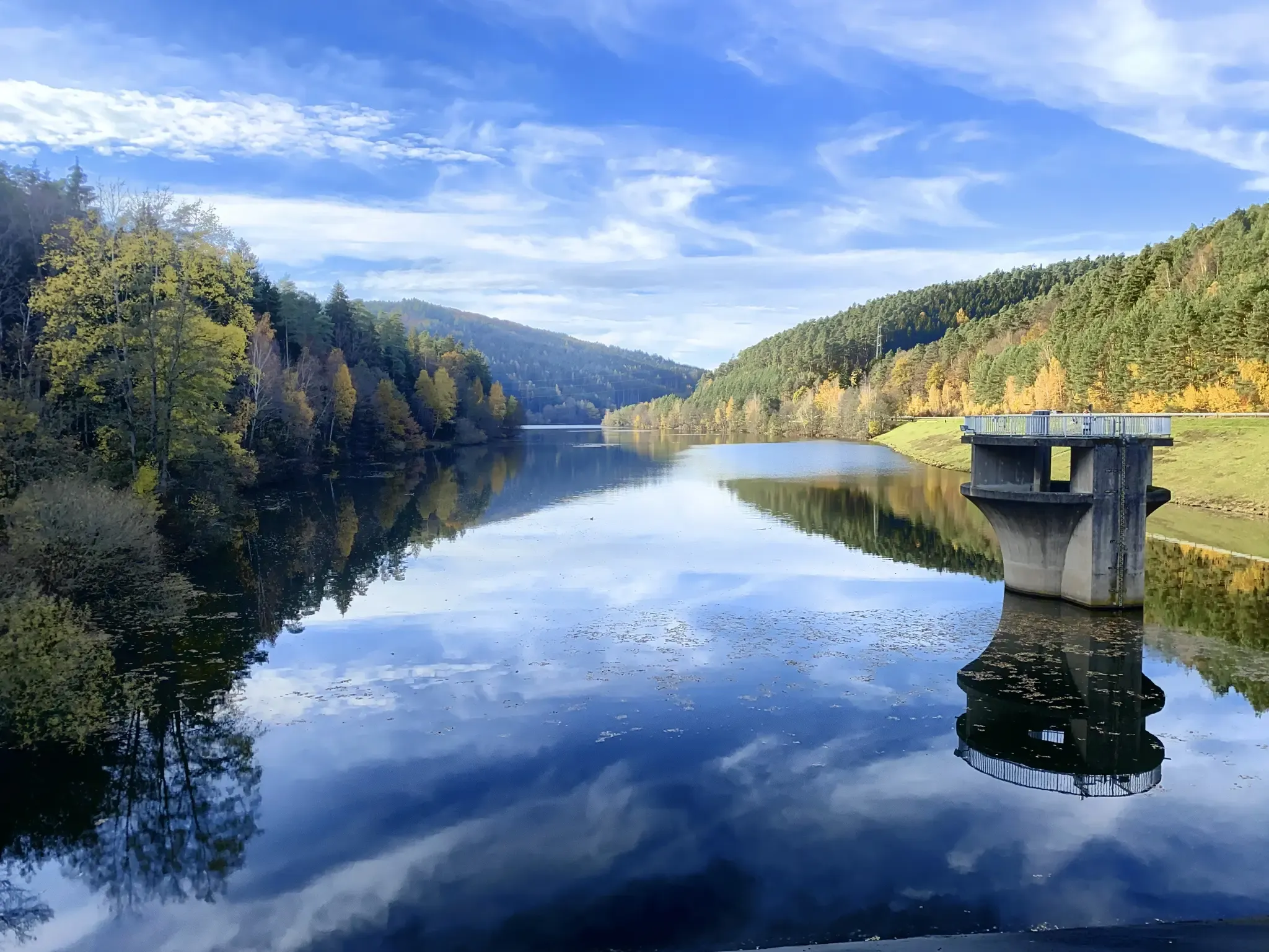
Mit Rosbacher auf Tour im Rhein-Main-Gebiet
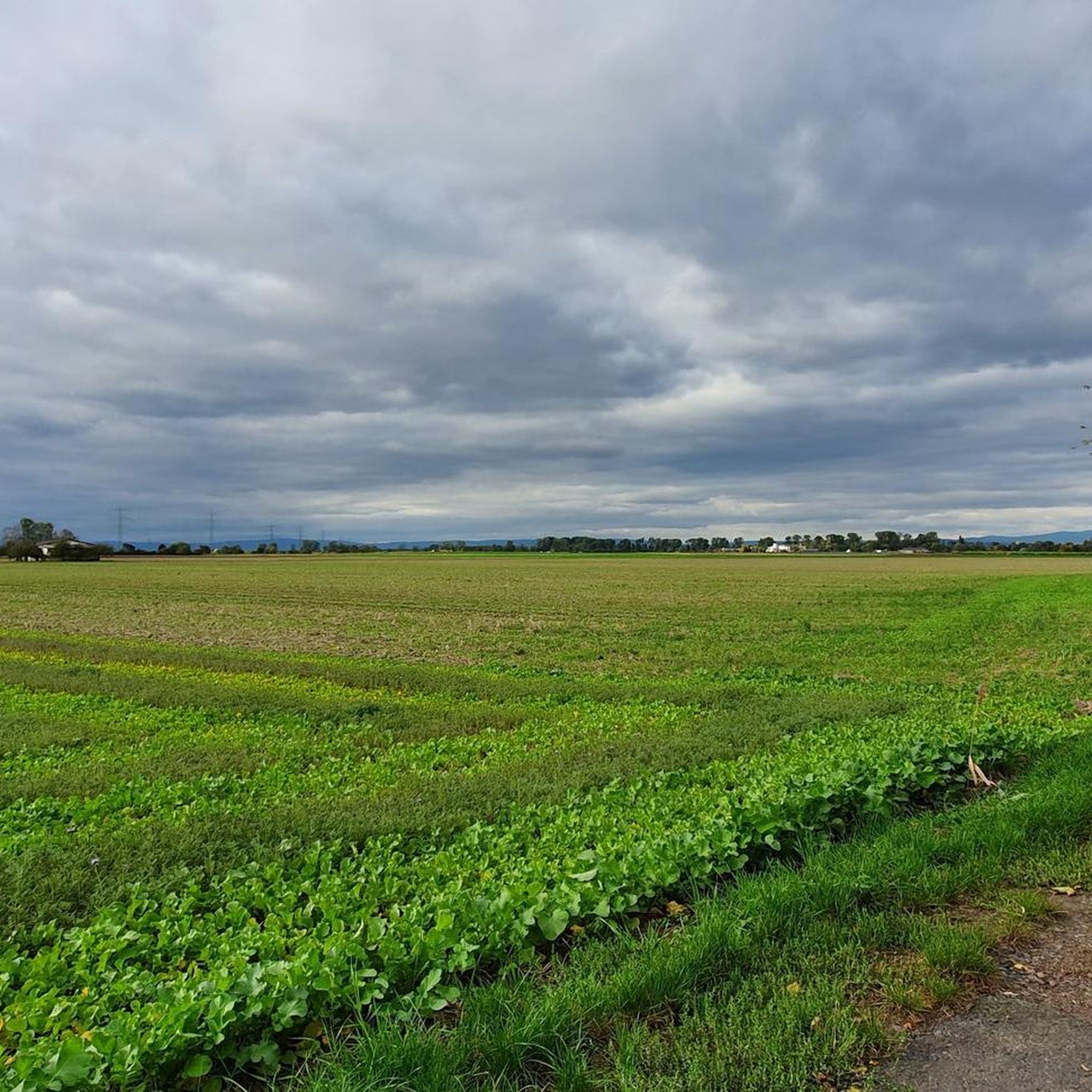
Cycling around Groß-Gerau
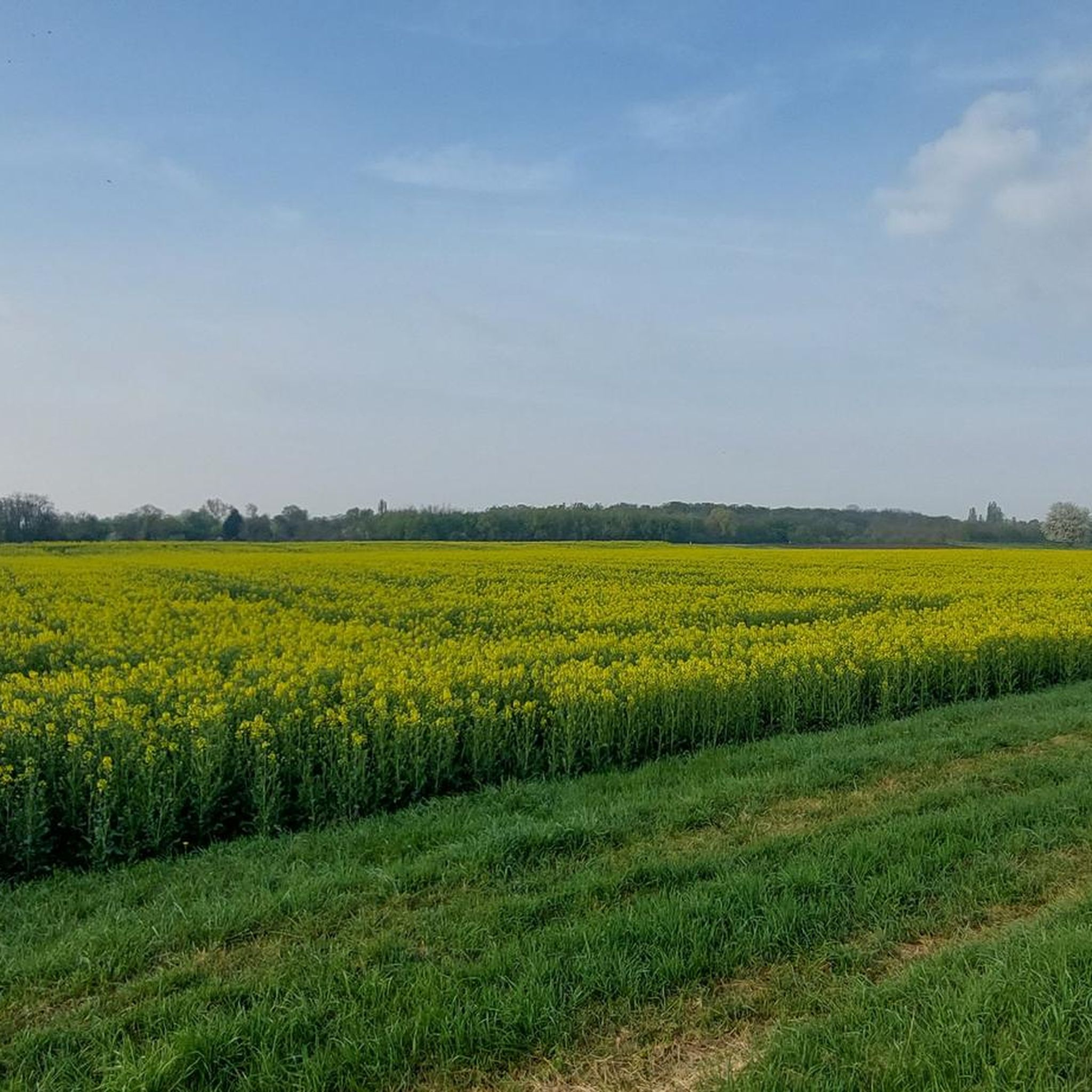
Road Cycling Routes around Groß-Gerau
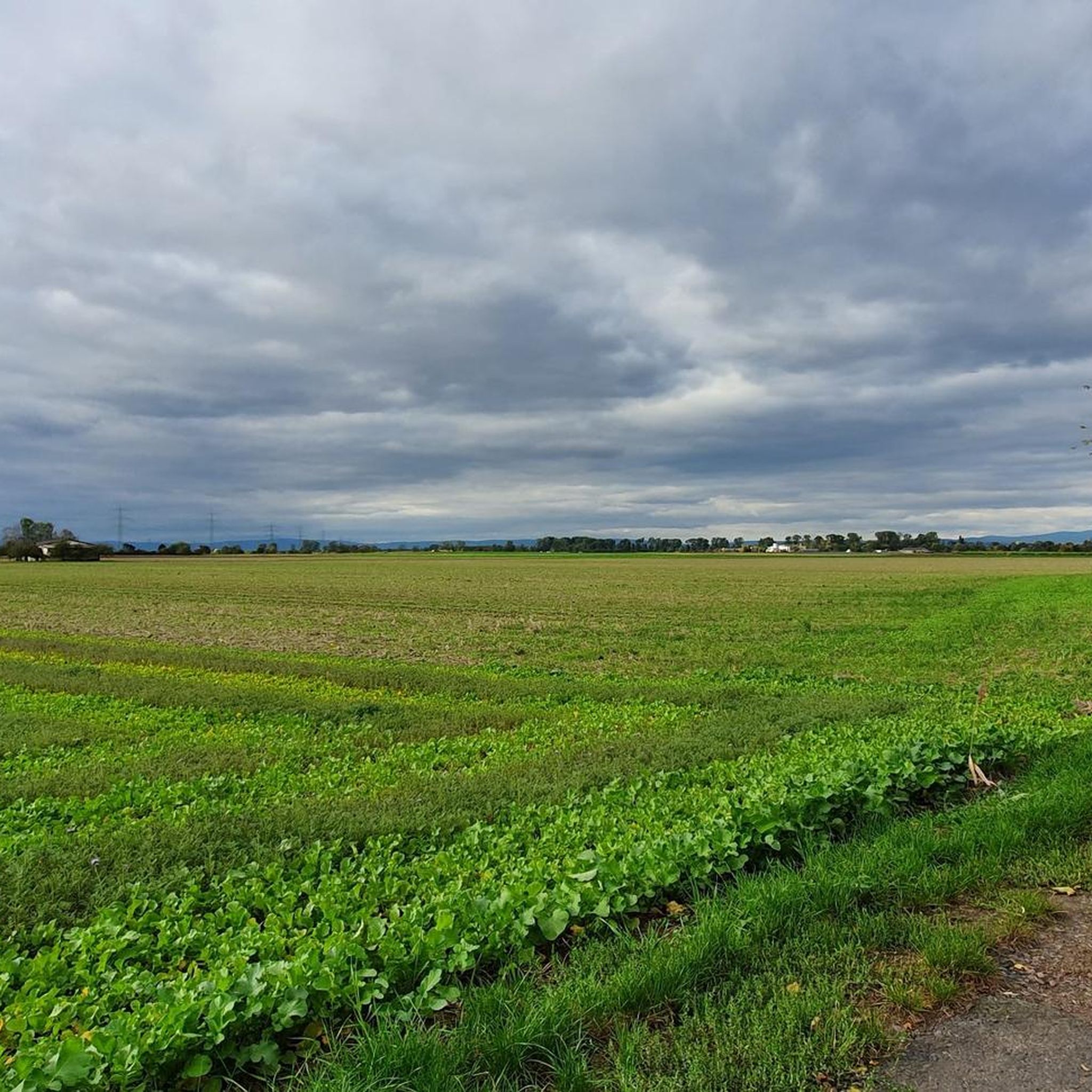
Running Trails around Groß-Gerau
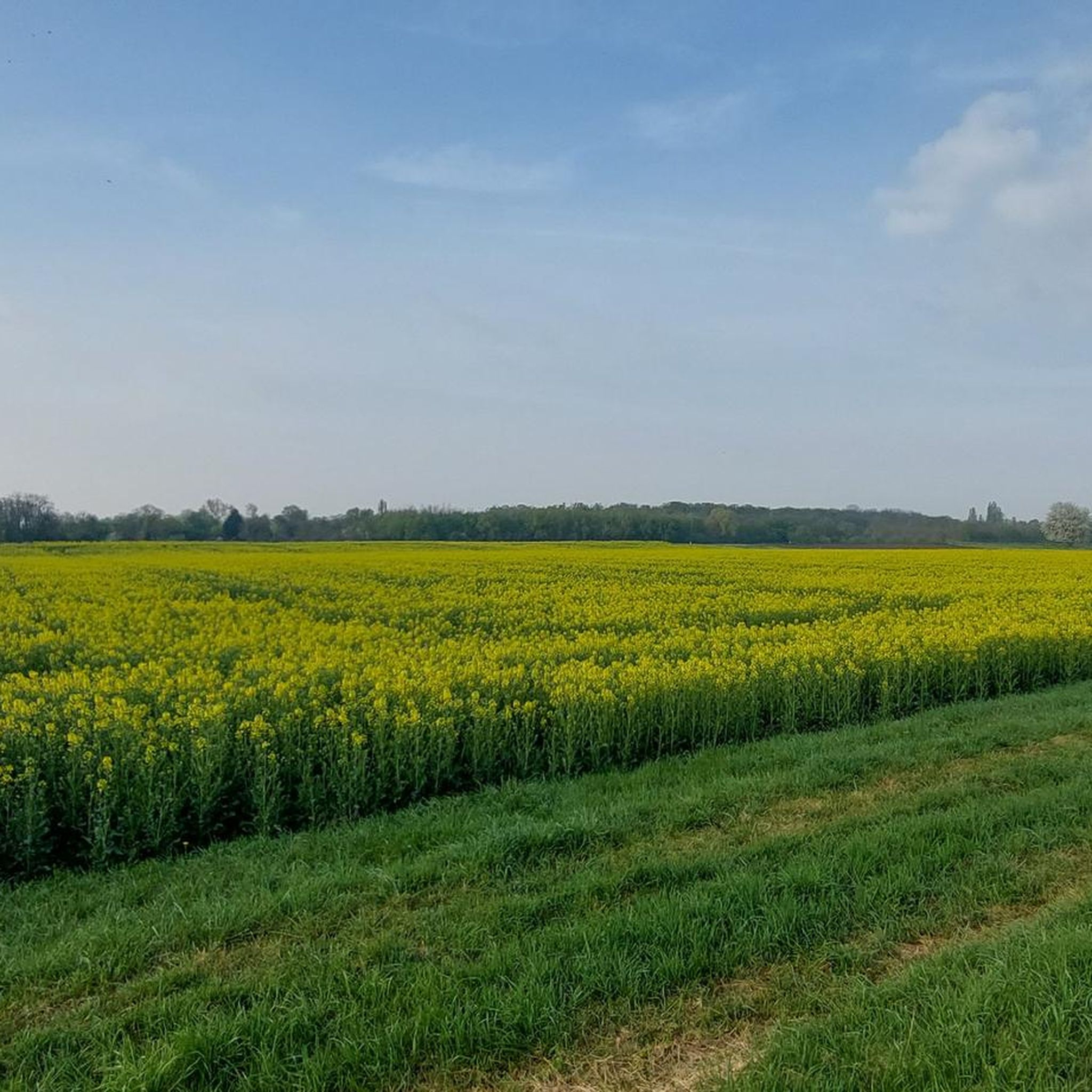
Hiking around Groß-Gerau
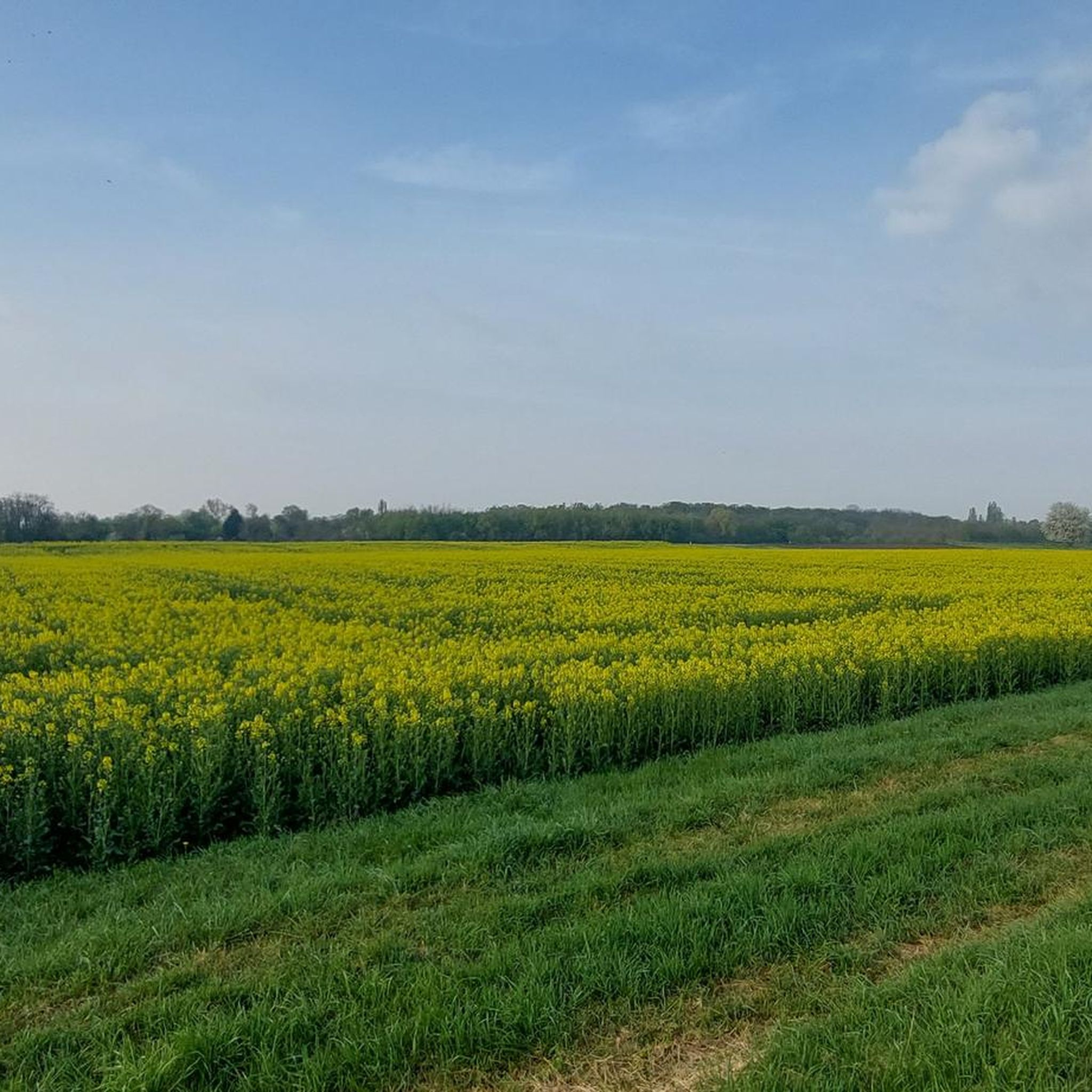
MTB Trails around Groß-Gerau
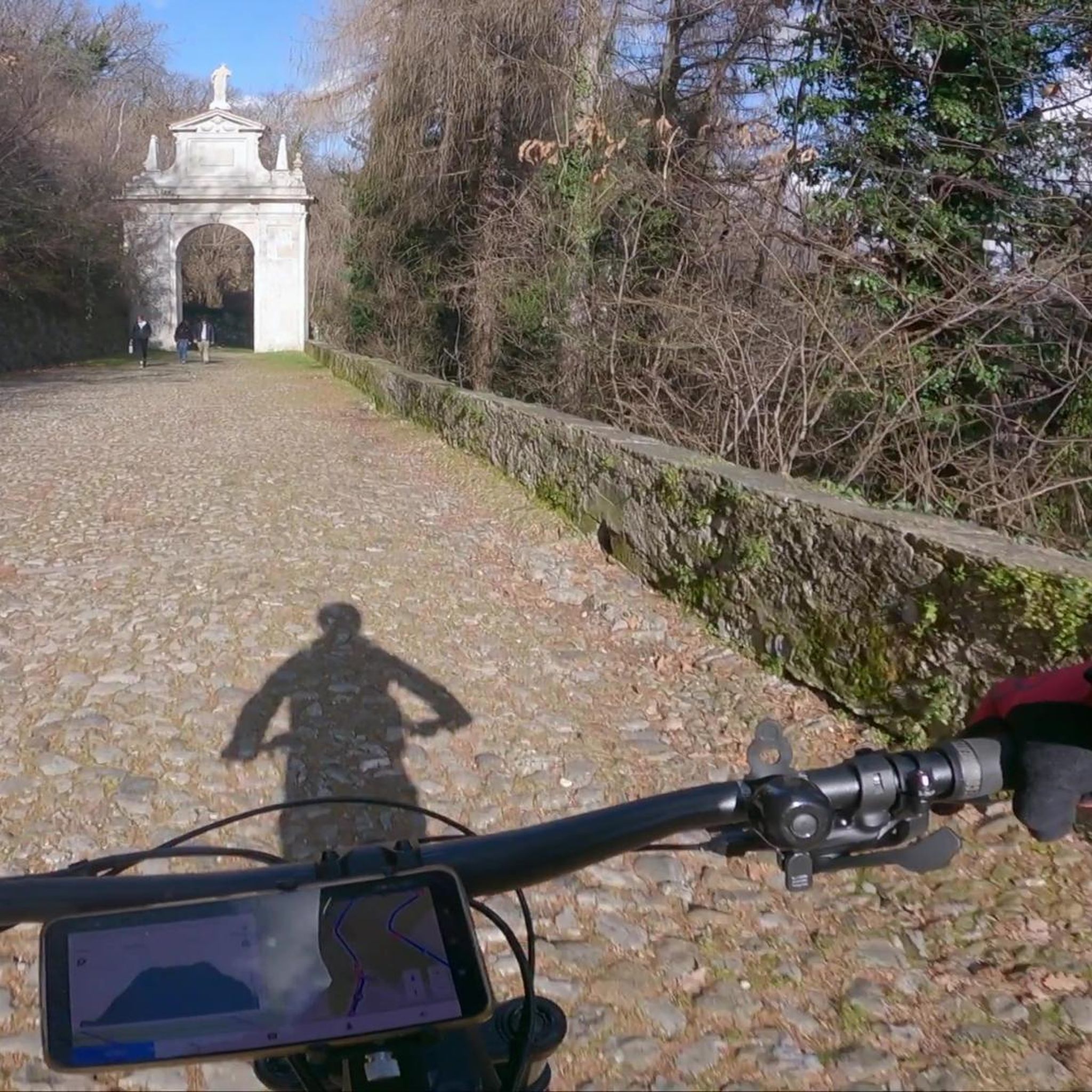
Gravel biking around Groß-Gerau


Tips from the Community

This is where the Flörsheimer Warte is located! It's an absolutely worthwhile destination, as the view is magnificent and you can also take a break up here with a glass of wine or other snacks.
19
2

Kühkopf is always worth a tour
2
0

Nature reserve, peace, fresh air.
3
1

Here you can find information about Landskron Castle: https://de.m.wikipedia.org/wiki/Burg_Landskron_(Oppenheim)
7
0
story Before Landskron Castle was built, there was probably a Salic or Hohenstaufen fortification on the same site, which was owned by King Henry V and destroyed in 1118 by troops of Archbishop Adalbert of Mainz. The castle itself was probably built in the early 13th century. The oldest surviving written mention of the "Reichsburg Oppenheim" comes from 1244. This castle was destroyed in 1257 and 1275 by the citizens of Oppenheim in a dispute with the Burgmannen over their privileges. However, Rudolf von Habsburg forced the citizens to rebuild the castle by 1281. In 1375 Emperor Charles IV pledged the castle to Ruprecht von der Pfalz. Accordingly, Ruprecht had the castle expanded. He was succeeded by his grandson Ruprecht III. as the owner of the castle, who also died there. In 1615, Elector Frederick V had the castle rebuilt like a palace. The castle burned down in the Thirty Years' War during the town fire in Oppenheim
8
0
The Kühkopf - the European bird reserve on the Rhine Today's Kühkopf was originally an inland peninsula near Guntersblum, with Rhine islands to the east, north and south. In the course of the straightening of the Rhine (1828/1829), a straightening breakthrough was made to the west of the peninsula and the area was completely separated from the mainland on the left bank of the Rhine, making the peninsula a river island. The Rhine islands that used to be in front of the peninsula now have a connection to the rest of the section due to silting up. The former main course of the Rhine is now an old bend in the Rhine. The almost undeveloped Kühkopf today forms the nature reserve "Kühkopf-Knoblochsaue" together with the Knoblochsaue to the north and some smaller islets in the Old Rhine. The Kühkopf alone accounts for around 1,700 hectares of the 2,440-hectare nature reserve. The island can be reached via two bridges.
7
0
The Kühkopf is a river island in the Hessian Ried, formed by the main shipping channel of the Upper Rhine and an old branch of the Rhine. It belongs to the town of Riedstadt and the municipality of Stockstadt am Rhein. Wikipedia https://de.m.wikipedia.org/wiki/K%C3%BChkopf_(Rhein)
8
0

From the impressive castle ruins you have a great view over Oppenheim and the Rhine plain 👍 https://www.regionalgeschichte.net/rheinhessen/oppenheim/kulturdenkmaeler/burg-landskron.html
8
0
Frequently Asked Questions
What types of natural monuments can I explore in Groß-Gerau?
Groß-Gerau offers a diverse range of natural monuments, from expansive nature reserves like the Kühkopf-Knoblochsaue and Mönchbruch, characterized by old Rhine riverbeds and floodplain forests, to individual, historically significant trees such as the Ludwigseiche or the unique Körner-Linden in Nauheim. The landscape is largely shaped by the Rhine and Neckar rivers, featuring rich floodplain ecosystems.
Are there large nature reserves suitable for extended outdoor activities?
Yes, Groß-Gerau is home to significant nature reserves perfect for longer excursions. The Kühkopf-Knoblochsaue, Hesse's largest nature reserve, offers well-maintained paths for cycling and hiking through its preserved floodplain landscape. The Mönchbruch Nature Reserve, the second largest, features ancient oak forests and swamp areas, ideal for varied hiking experiences.
Where can I find unique individual trees or historical natural landmarks?
Beyond the large reserves, Groß-Gerau protects several individual trees for their unique characteristics or historical importance. Notable examples include the Ludwigseiche and Gustav-Stresemann-Eiche in Groß-Gerau itself, the uniquely shaped Pyramideneiche in Dornberg, and the bizarrely grown Körner-Linden in Nauheim, known for their almost horizontally growing trunks. These offer peaceful spots for reflection and appreciation of nature's enduring presence.
What are some family-friendly natural monuments in the area?
Many natural monuments in Groß-Gerau are suitable for families. The Kühkopf-Knoblochsaue nature reserve, with its paved paths, is ideal for family bike rides and walks. The Mönchbruch Nature Reserve Observation Tower offers an engaging experience for children to spot wildlife and enjoy panoramic views. The Stockstadt–Erfelden Old Rhine area also provides accessible natural beauty for all ages.
What outdoor activities can I do near these natural monuments?
The natural monuments in Groß-Gerau are surrounded by excellent opportunities for outdoor activities. You can find numerous routes for hiking, running, and gravel biking. For instance, the Kühkopf-Knoblochsaue is perfect for cycling, while the Mönchbruch offers varied forest trails for hikers. The region's flat terrain along the Rhine also makes it suitable for leisurely bike tours.
Are there any historical sites combined with natural beauty?
Yes, the Landskron Castle Ruins offer a unique combination of history and natural beauty. While exploring the remnants of the 16th-century castle, visitors can enjoy a wide view over the Rhine plain, making it a popular spot for both history enthusiasts and those seeking scenic vistas.
What is the best time of year to visit the natural monuments in Groß-Gerau?
The natural monuments in Groß-Gerau can be enjoyed year-round, but each season offers a different experience. Spring brings vibrant greenery and blooming wild garlic in areas like the Niederwald. Summer is ideal for cycling and extended walks. Autumn showcases beautiful foliage, especially in the floodplain forests. Even in winter, the serene landscapes offer peaceful walks, particularly in the larger nature reserves.
What kind of wildlife can I expect to see in the nature reserves?
The nature reserves in Groß-Gerau are rich in biodiversity. The Kühkopf-Knoblochsaue and Mönchbruch are known for their diverse bird populations, including rare species. The Niederwald is home to endangered insects, particularly deadwood beetles, and various aquatic plants. The floodplain ecosystems support a wide array of flora and fauna, making them excellent spots for nature observation and birdwatching.
Are there observation points to get a good overview of the natural landscapes?
Yes, there are excellent observation points. The Mönchbruch Nature Reserve Observation Tower provides a good overview of parts of the Mönchbruch. Additionally, the Flörsheimer Watchtower offers magnificent views over the surrounding area, making it a worthwhile destination for a break during a bike ride or hike.
What do visitors enjoy most about the natural monuments in Groß-Gerau?
Visitors particularly appreciate the preserved natural floodplain landscapes, the extensive network of paths for cycling and hiking, and the opportunities for nature observation. The Kühkopf-Knoblochsaue is often highlighted for its beautiful nature and well-maintained trails. The scenic views from spots like the Flörsheimer Watchtower and the historical context of the Landskron Castle Ruins are also highly rated.
Are there any geological natural monuments in the region?
While the region is primarily known for its floodplain ecosystems and significant trees, the Torfkaute - Bannholz von Dornheim-Wolfskehlen nature reserve is notable as a geological protective site. It preserves well-defined old Neckar riverbeds, offering a glimpse into the region's geological past and its formation by ancient river courses.
Can I find places to eat or stay near the natural monuments?
While specific cafes and pubs are not always directly within the nature reserves, the towns and villages surrounding them, such as Groß-Gerau, Stockstadt am Rhein, and Erfelden, offer various options for dining and accommodation. Many highlights, like the Flörsheimer Watchtower, also provide opportunities for a break with snacks or drinks.
Most popular routes around Groß-Gerau
Most popular attractions around Groß-Gerau

Get inspired with the komoot mobile app


Explore more
Extend your search for the best caves by checking out these guides of the top ones around Groß-Gerau:
