Top 20 Natural Monuments around Seestermühe
Best natural monuments around Seestermühe are found within the Elbmarsch region of Schleswig-Holstein, characterized by its extensive marshlands and the Elbe river. The area features the Naturschutzgebiet Eschschallen im Seestermüher Vorland, a 306-hectare nature reserve known for its reed beds and tidal influence. The Seestermüher Marsch, encompassing Seestermühe, Seester, and Neuendeich, offers vast agricultural landscapes and unique riverine habitats. These natural features provide grounds for observing diverse flora and fauna, particularly waterfowl.
Best natural monuments around Seestermühe
- The most popular…
Last updated: August 18, 2026
Elbdeich Nature Reserve and Riverside Path
Highlight (Segment) • Trail
Translated by Google •
Tip by

Uetersen Rosarium
Highlight • Natural
Translated by Google •
Tip by

Sign up now to discover places like this
Get recommendations on the best single tracks, peaks, & plenty of other exciting outdoor places.
Sign up for free
Haseldorfer Binnenelbe and Elbe Foreland Nature Reserve
Highlight • Natural
Translated by Google •
Tip by

Liether Chalk Pit Nature Reserve
Highlight • Natural Monument
Translated by Google •
Tip by

Liether Limestone Quarry
Highlight • Natural Monument
Translated by Google •
Tip by
Sign up for free to discover even more natural monuments around Seestermühe.
Sign up for free
Already have an account?
Start today with a free account
Your next adventure awaits.
Login or Signup
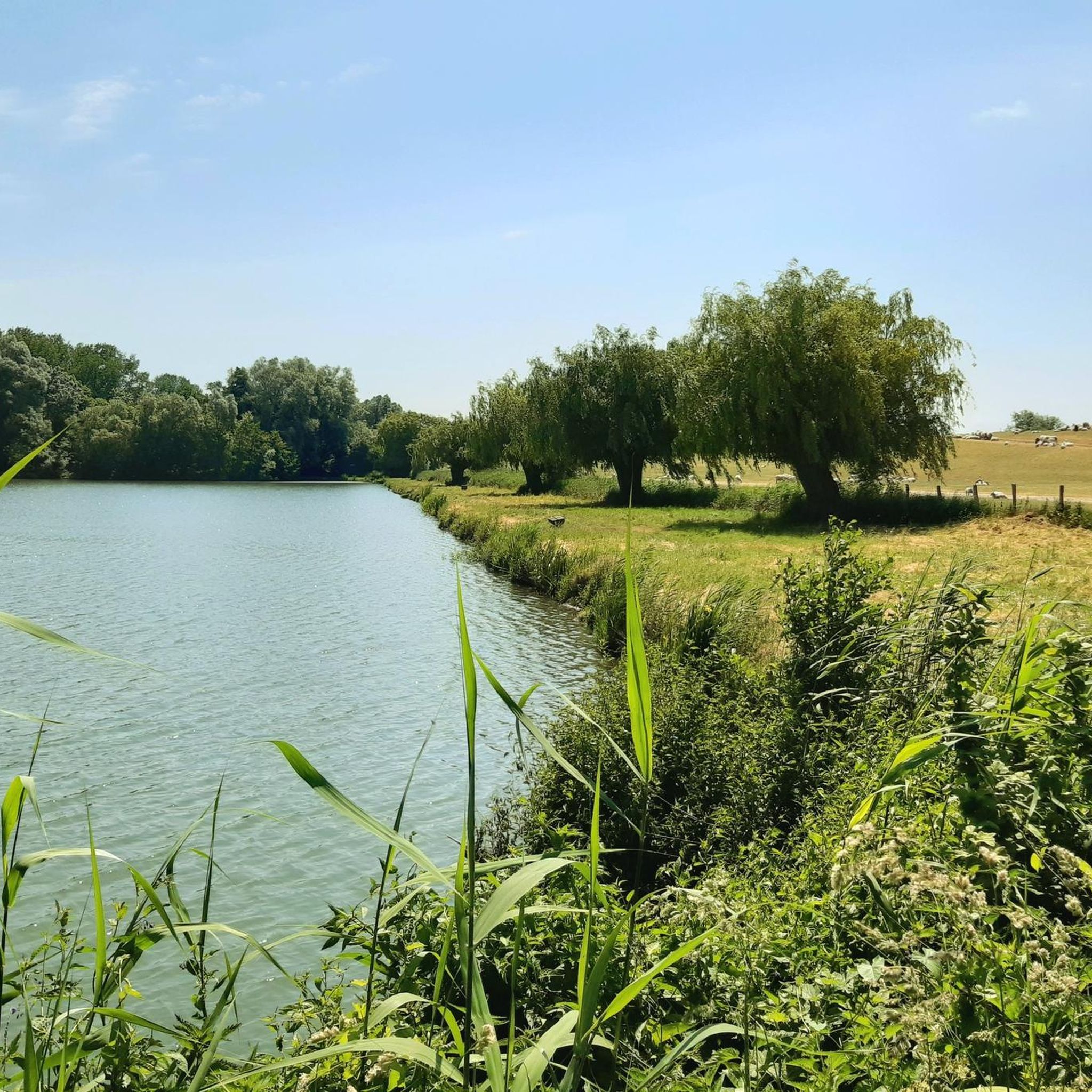
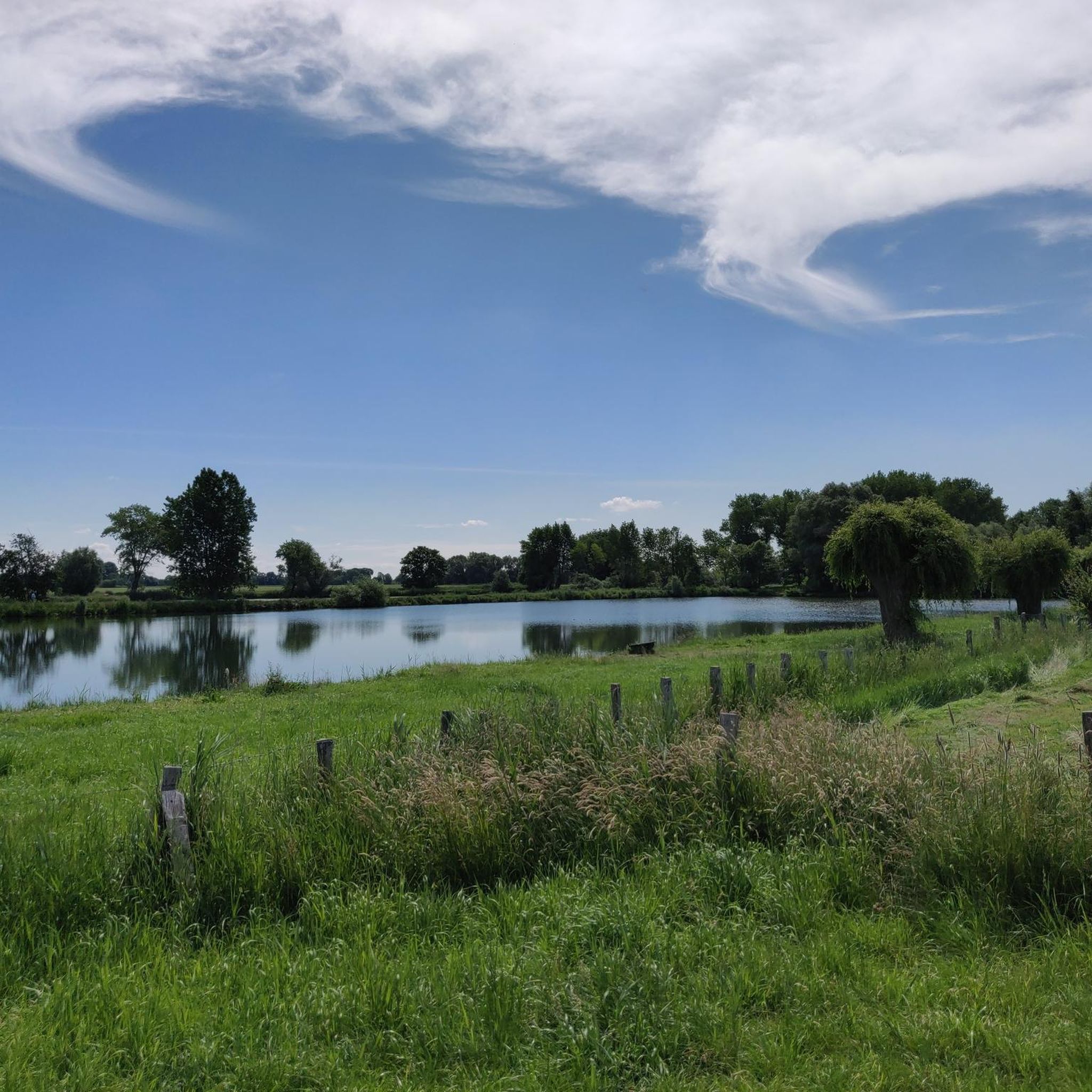
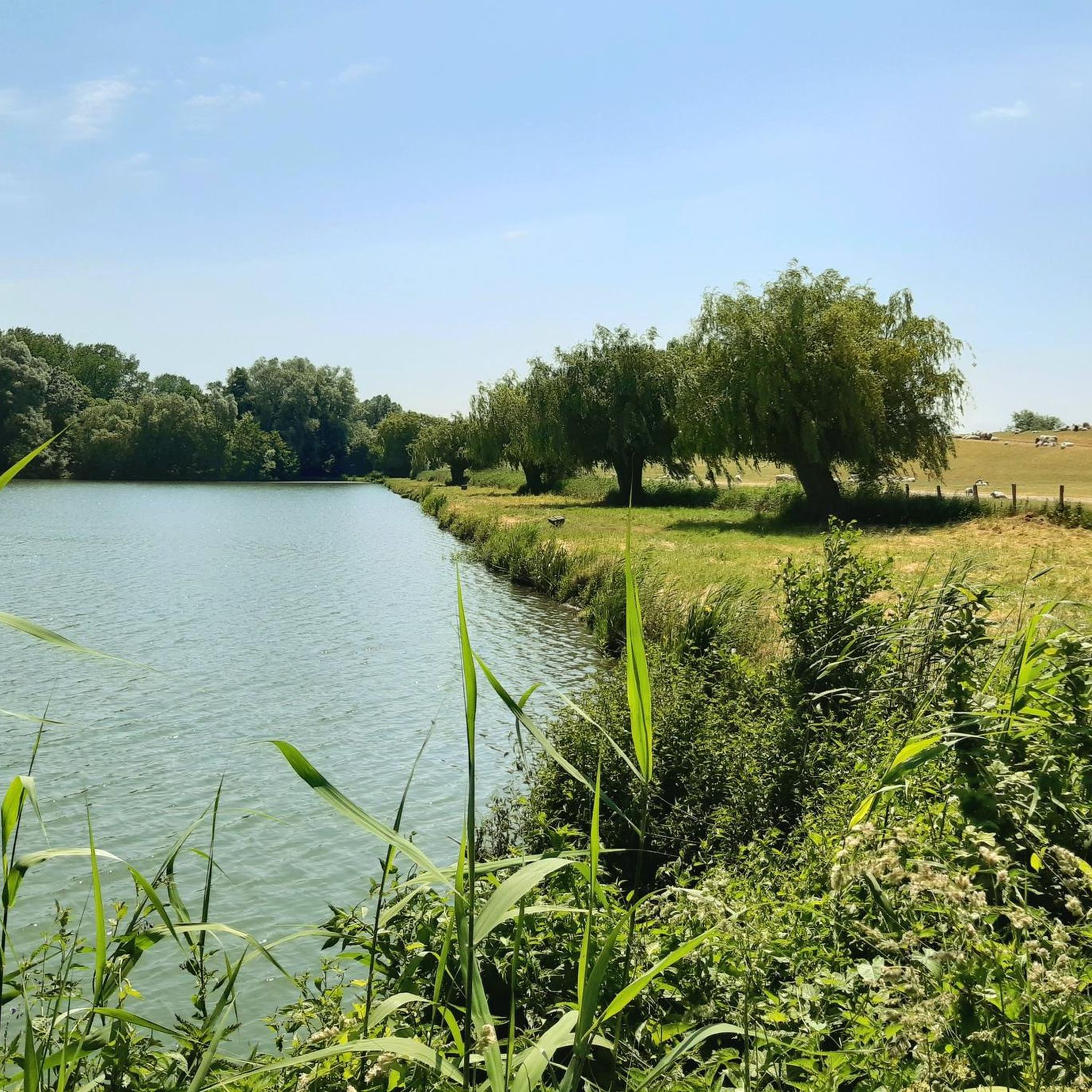
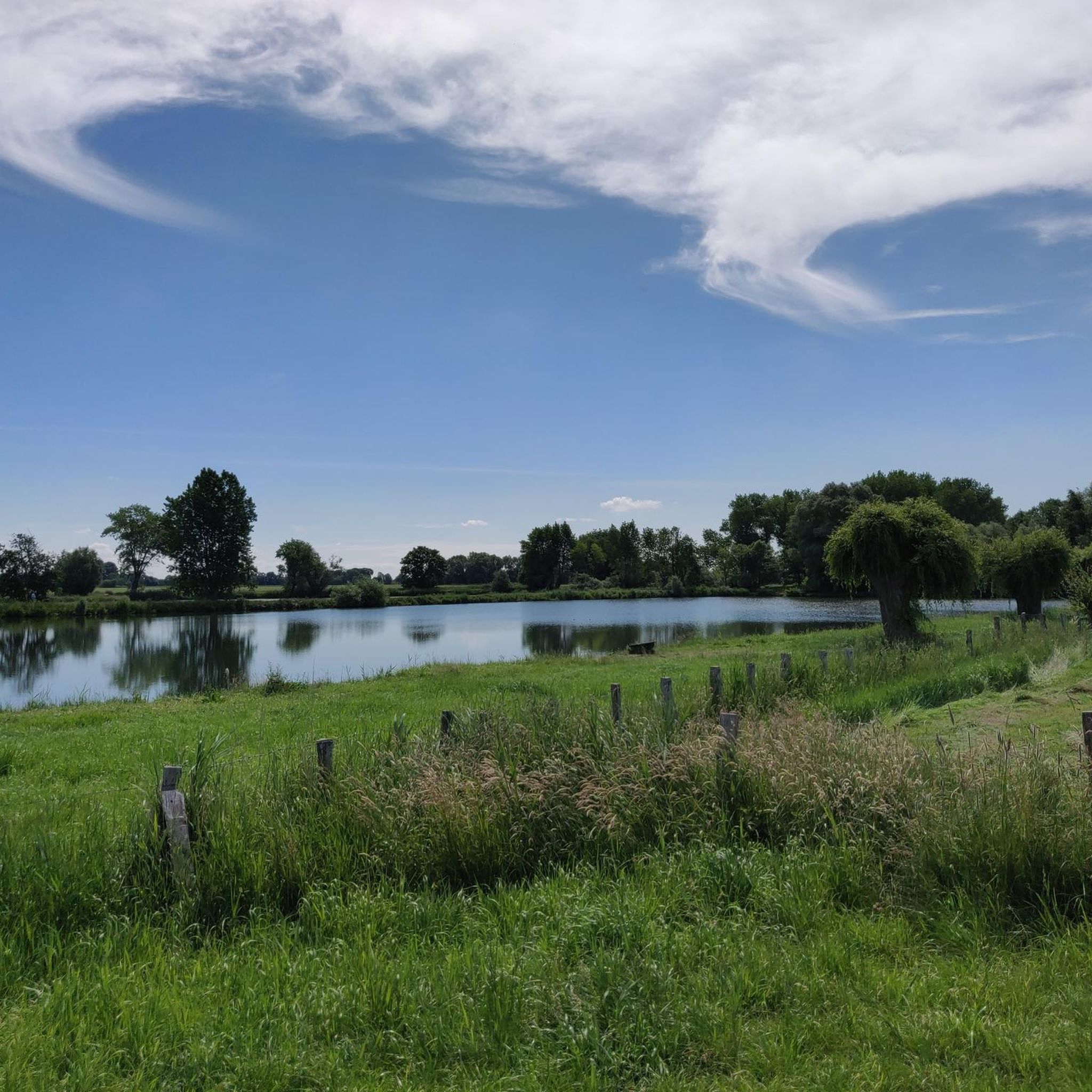
Tips from the Community

A scenic section of the Elbe Cycle Path, but the surface is not entirely optimal.
1
0

Good information about the area, it's easy to find your way around here.
0
2

The Liether Kalkgrube is a former open-cast mine where limestone was mined. The Kalkgrube is geologically very interesting because the oldest rock layers in northern Germany come to the surface here. These layers were formed around 250 million years ago, in the Permian period. They consist mainly of limestone, claystone and sandstone.
1
1
The Liether Kalkgrube is a former open-cast mine where limestone was mined. The Kalkgrube is geologically very interesting because the oldest rock layers in northern Germany come to the surface here. These layers were formed around 250 million years ago, in the Permian period. They consist mainly of limestone, claystone and sandstone.
2
1

Exciting information about the area
0
2

The Liether Kalkgrube is located in the district of Pinneberg, east of the town of Klein Nordende. It is a former open-cast mine that was closed in 1986. The area was designated a nature reserve in 1991 and was awarded a "National Geotop" in 2006. (Source: Wikipedia)
1
0

A good place for a rest
0
2

Impressive nature reserve which is definitely worth a visit.
2
0
Frequently Asked Questions
What unique natural features can I explore in the Seestermüher Marsch?
The Seestermüher Marsch is characterized by its vast marshlands and the dynamic Elbe foreland. You can experience extensive reed beds, which are remnants of the natural Elbe river lowlands, and observe the unique tidal influence on the landscape. The area is also home to the Naturschutzgebiet Eschschallen im Seestermüher Vorland, an internationally significant wetland for birds.
Are there any geological natural monuments to visit near Seestermühe?
Yes, the Liether Chalk Pit Nature Reserve is a significant geological site. This former mining pit is now a protected nature reserve and national geotope, showcasing the oldest geological rock layers of the North German lowlands. It offers viewpoints and a gorge to explore.
What kind of wildlife can I expect to see in the natural monuments around Seestermühe?
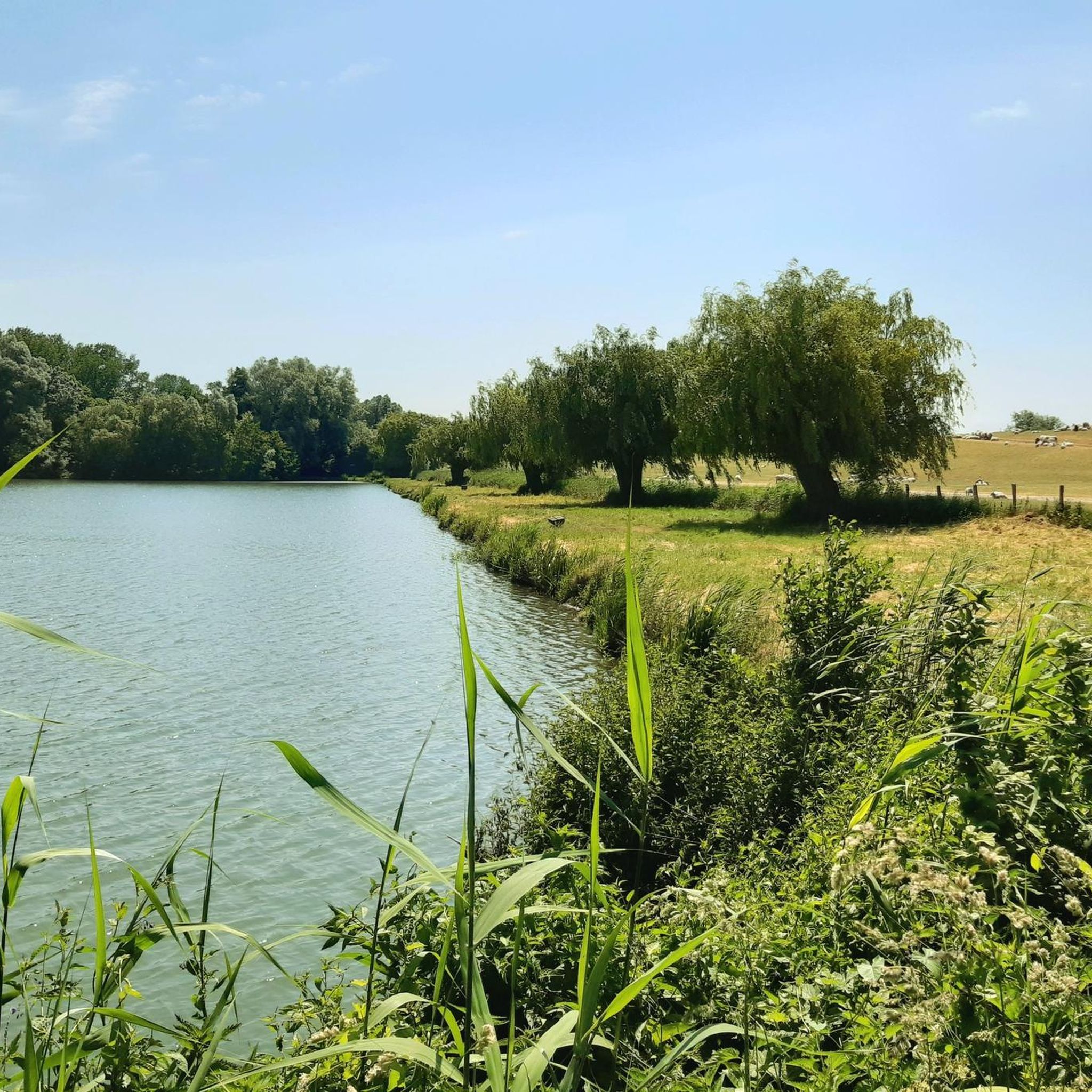
The natural monuments, especially the Naturschutzgebiet Eschschallen im Seestermüher Vorland, are crucial resting and breeding grounds for ducks and wading birds. It's also an important stopover for migratory birds like Bewick's swans, whooper swans, grey geese, greater white-fronted geese, and bean geese in spring. You might also spot sheep grazing along the dikes, for example, at the Elbdeich Nature Reserve and Riverside Path.
Are there family-friendly natural monuments or activities in the Seestermühe area?
Many natural monuments in the area are family-friendly. For instance, the Elbdeich Nature Reserve and Riverside Path is suitable for families, offering a chance to see sheep up close in summer. The Haseldorfer Binnenelbe and Elbe Foreland Nature Reserve also provides accessible viewpoints for all ages. Additionally, the Uetersen Rosarium, with its vast rose garden, is a beautiful and relaxing spot for families.
What are the best ways to experience the Elbe river landscape near Seestermühe?
You can best experience the Elbe river landscape by walking or cycling along the dikes. The Elbdeich Nature Reserve and Riverside Path offers direct access to the river, allowing you to observe the tidal environment and local wildlife. The Haseldorfer Binnenelbe and Elbe Foreland Nature Reserve also provides excellent viewpoints over the Elbe.
Are there hiking trails near the natural monuments in Seestermühe?
Yes, there are several hiking opportunities. You can find easy to moderate trails, such as the 'Haseldorfer Marsch – Sheep on the Dike loop' or the 'Linden Avenue – Linden Avenue, Seestermühe loop'. For more options, explore the hiking routes around Seestermühe.
Can I go cycling near the natural monuments in Seestermühe?
Absolutely. The region is popular for cycling, especially along the dikes and through the marshlands. Routes like the 'Rinngraben Riverbank – Cycling route to Krückau Barrage loop' offer scenic rides. You can discover more cycling routes in the Cycling around Seestermühe guide.
What is the best time of year to visit the natural monuments around Seestermühe?
Spring is particularly beautiful, as the marsh marigold (Sumpfdotterblume) adorns the Eschschallen with bright colors. Spring and autumn are also ideal for birdwatching, as migratory birds use the area as a stopover. Summer offers pleasant weather for hiking and cycling, with sheep grazing along the dikes.
Is there any historical significance to the natural landscapes in Seestermühe?
Yes, the Seestermüher Marsch has historical elements. The Lindenallee (Linden Avenue) in Seestermühe is a 700-meter-long avenue of lime trees that once connected a former manor house to a tea house, a remnant of the Seestermühe Castle which burned down in 1713. This avenue provides a picturesque historical element within the natural setting.
What do visitors particularly enjoy about the natural monuments in this region?
Visitors appreciate the serene escape into the traditional North German river landscape. Many enjoy the opportunities for birdwatching, observing the unique marsh flora and fauna, and the wide, open spaces. The Elbdeich Nature Reserve and Riverside Path is noted for its 'great impressions' and the chance to see sheep up close.
Are there accessible paths for visitors with limited mobility or strollers?
While direct entry into some nature reserves like Eschschallen is restricted due to terrain, many dikes and paths, such as sections of the Elbdeich Nature Reserve and Riverside Path, offer relatively flat and accessible routes suitable for walking and cycling, making them generally accessible for strollers. The Uetersen Rosarium is also a public park with well-maintained paths.
Where can I find parking facilities when visiting the natural monuments?
Specific parking information varies by location. For the Liether Chalk Pit Nature Reserve, there is a designated parking lot in the pit entrance area, serving as a starting point for activities. For other areas like the Elbe dikes, parking may be available in nearby villages or designated spots along access roads.
Most popular routes around Seestermühe
Most popular attractions around Seestermühe

Get inspired with the komoot mobile app


Explore more
Extend your search for the best caves by checking out these guides of the top ones around Seestermühe:
