Bruck an der Großglocknerstraße
Bruck an der Großglocknerstraße
Top 20 Natural Monuments around Bruck an der Großglocknerstraße
Natural monuments around Bruck an der Großglocknerstraße are situated in the Salzburg region of Austria, providing access to the Hohe Tauern National Park and the Großglockner High Alpine Road. This area features diverse geological formations, waterfalls, and alpine landscapes. The region is characterized by its mountainous terrain and natural attractions.
Top natural monuments around Bruck an der Großglocknerstraße
- The most popular natural monument is Lake Klamm, a lake that offers swimming opportunities and is suitable for various activity levels.…
Last updated: July 8, 2026
Lake Klamm
Highlight • Lake
Translated by Google •
Tip by

Sigmund Thun Gorge
Highlight (Segment) • Gorge
Translated by Google •
Tip by

Sign up now to discover places like this
Get recommendations on the best single tracks, peaks, & plenty of other exciting outdoor places.
Sign up for free
Kitzlochklamm Gorge
Highlight (Segment) • Gorge
Translated by Google •
Tip by

Klammsee Dam and Spillway
Highlight • Monument
Translated by Google •
Tip by

Devil's Gorge (Devil's Canyon) – Kitzloch Gorge
Highlight • Gorge
Translated by Google •
Tip by

Sign up for free to discover even more natural monuments around Bruck an der Großglocknerstraße.
Sign up for free
Already have an account?
Start today with a free account
Your next adventure awaits.
Login or Signup
Popular around Bruck an der Großglocknerstraße
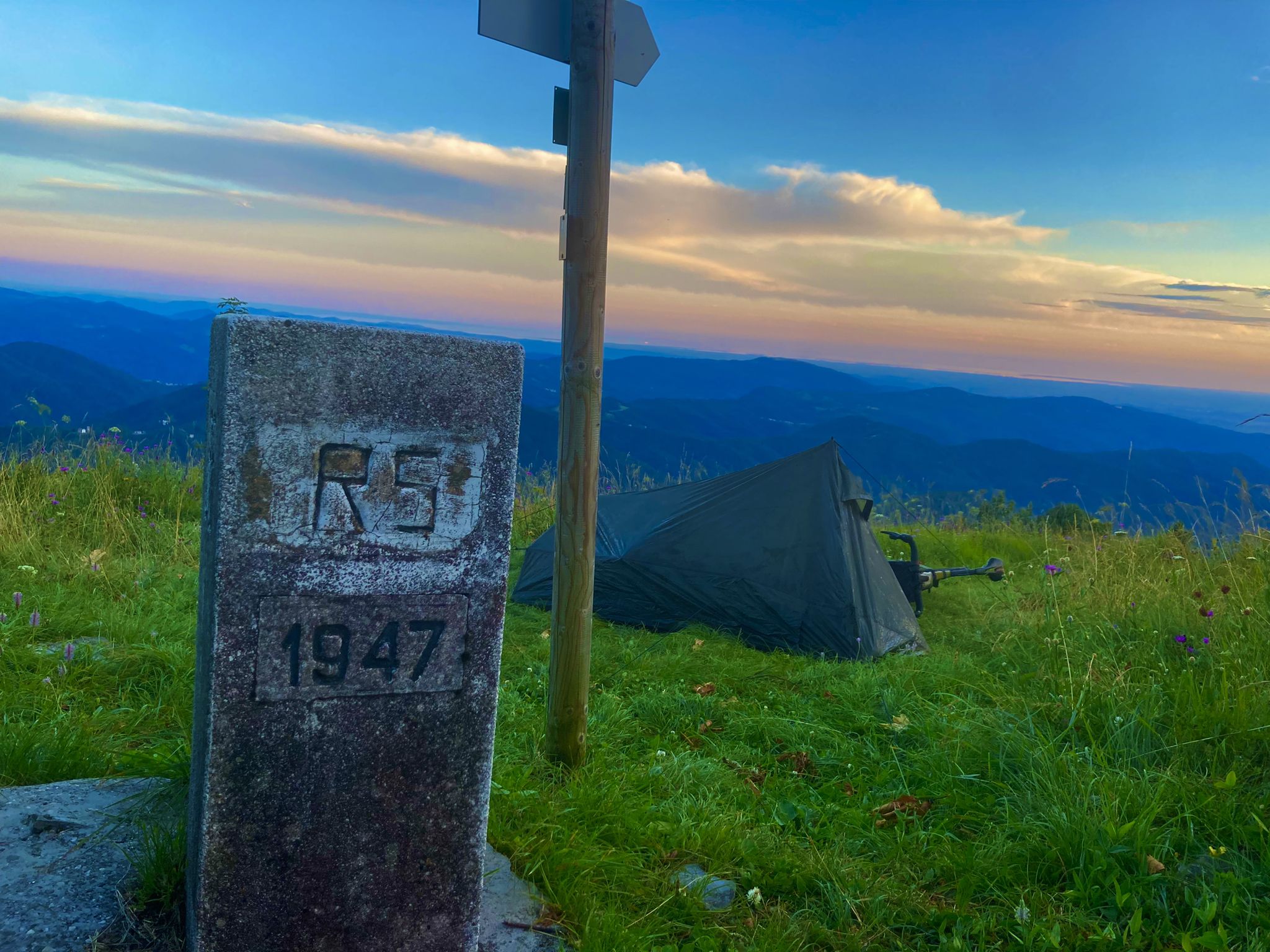
From Bavaria to the Adriatic - My Bikepacking Adventure to Croatia 2023
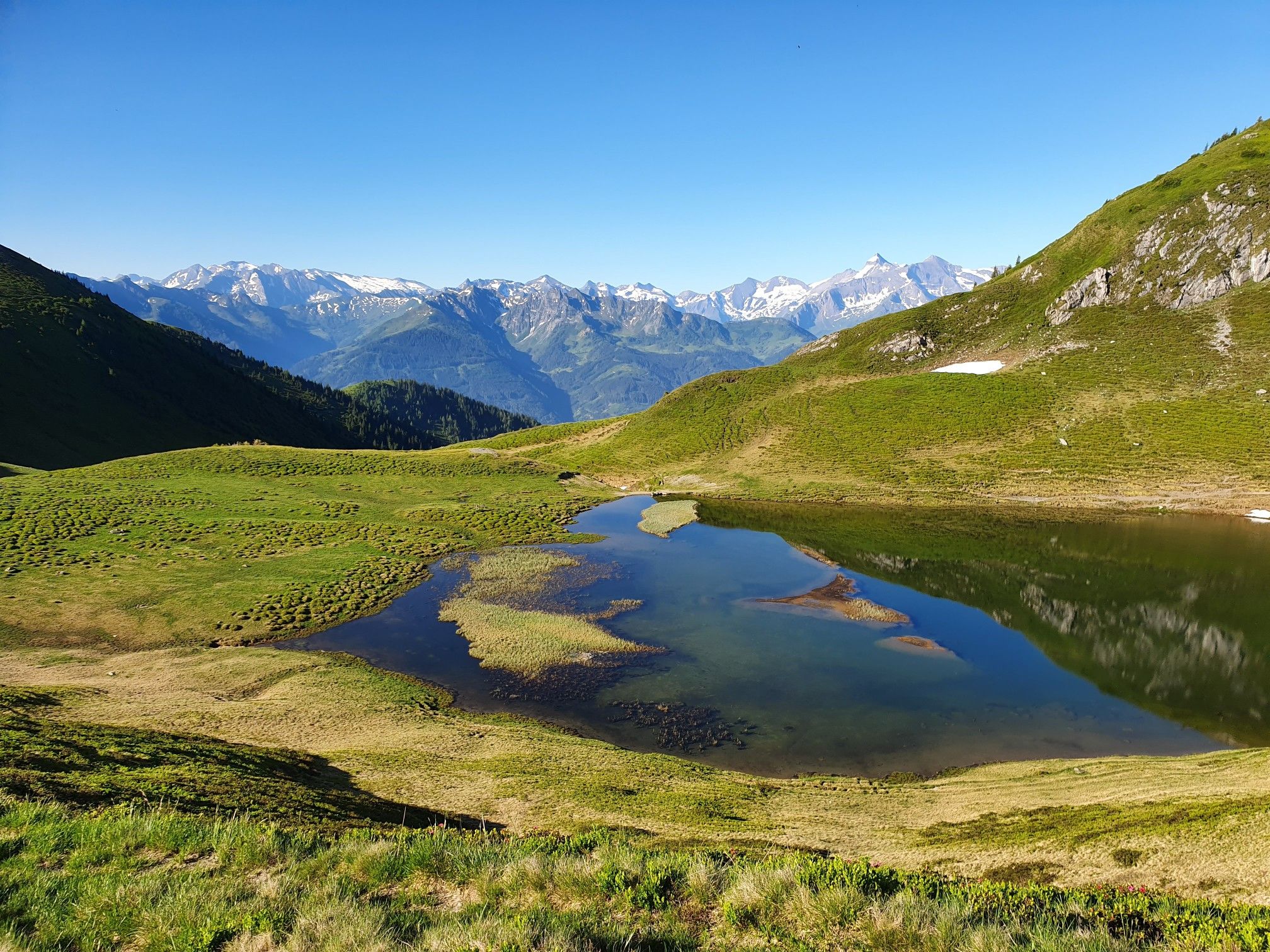
Hohe Tauern Panorama Trail – Face-to-face with 3000-metre peaks
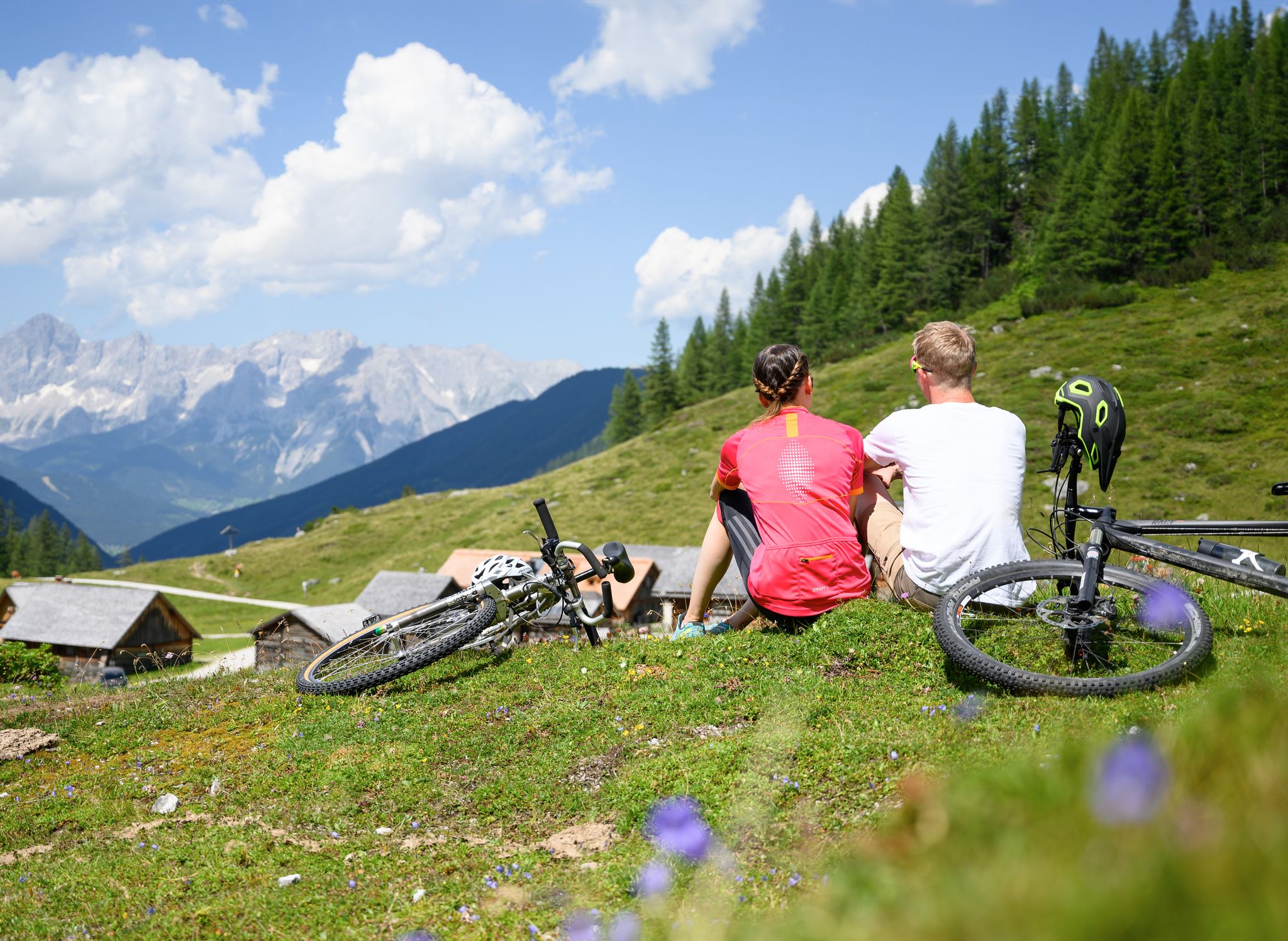
Magnificent mountain biking on Austria's alpine pastures
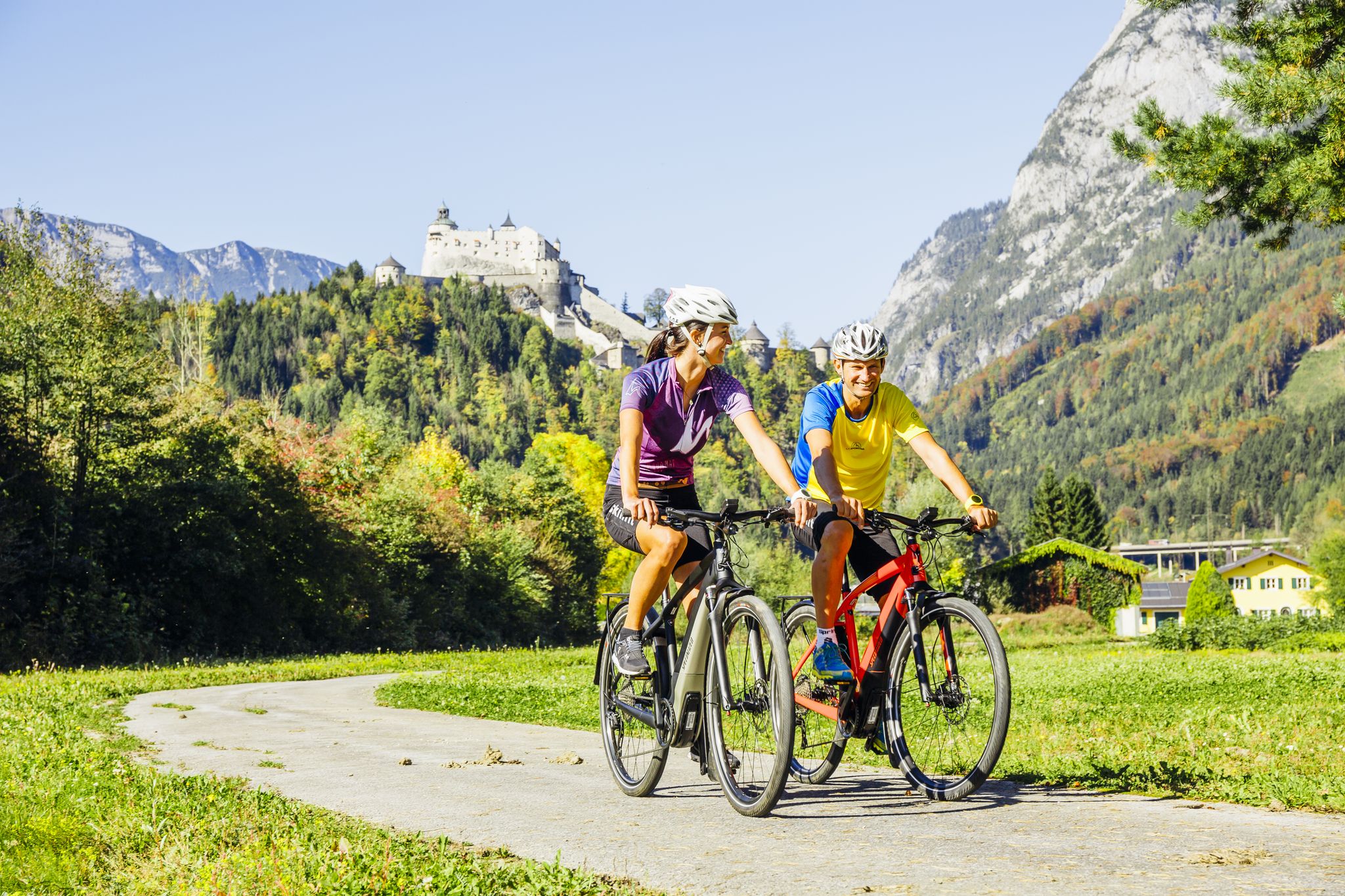
The Krimml-Passau Tauern Cycle Path and the Tauern Cycle Trail Circuit
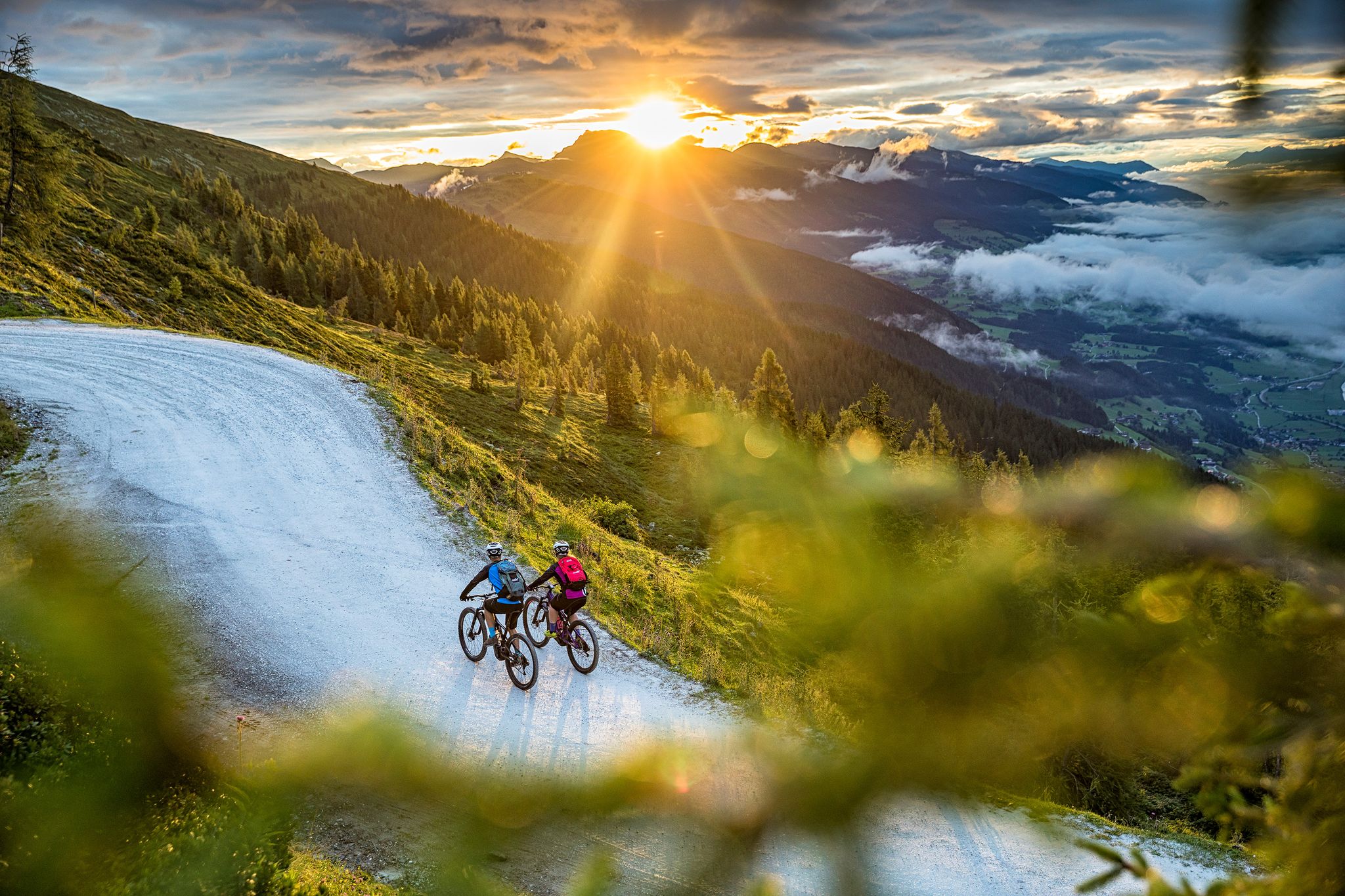
Top Tour tips from the bike hotels in Austria’s SalzburgerLand
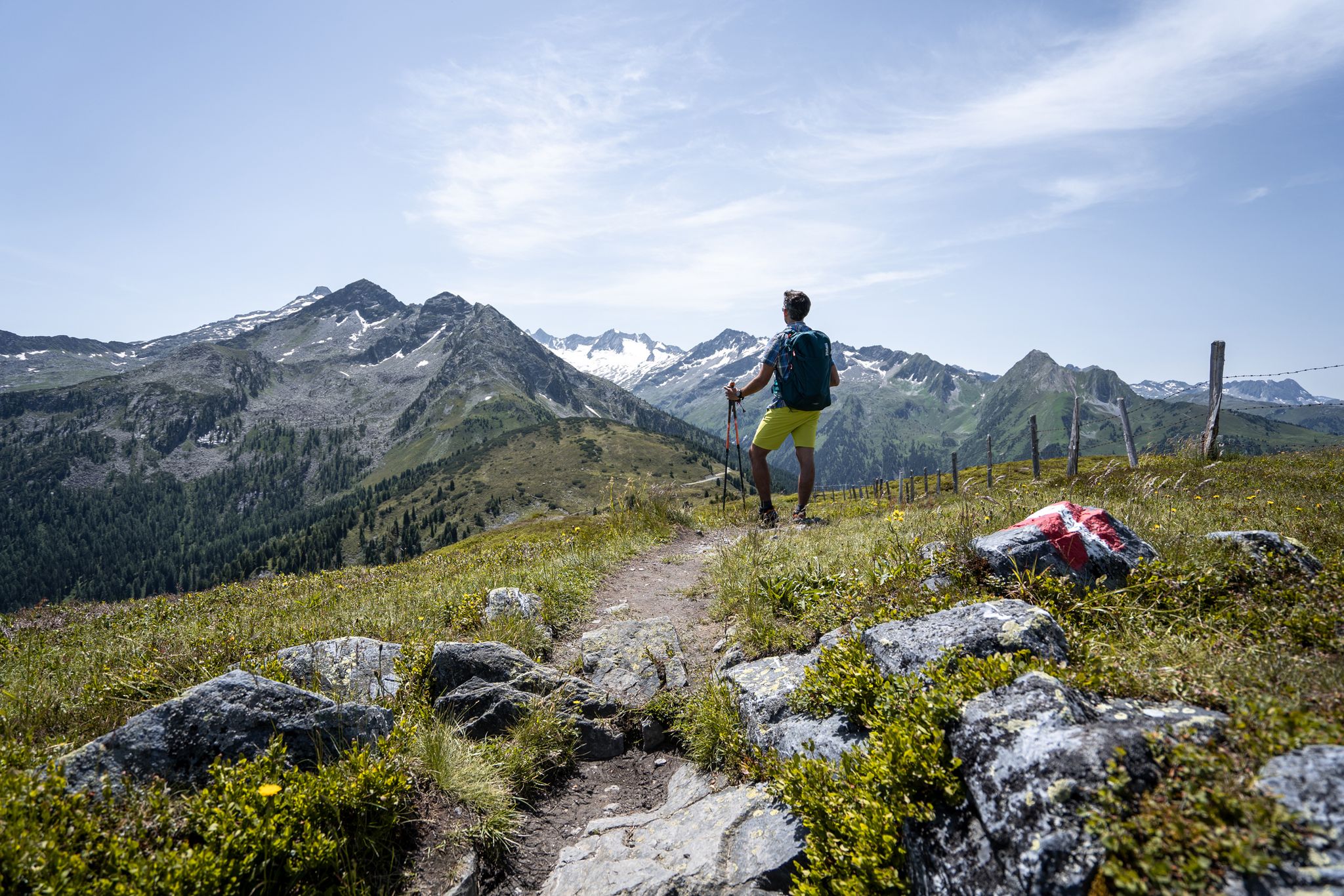
Best views of the highest mountains — Hohe Tauern Panorama Trail
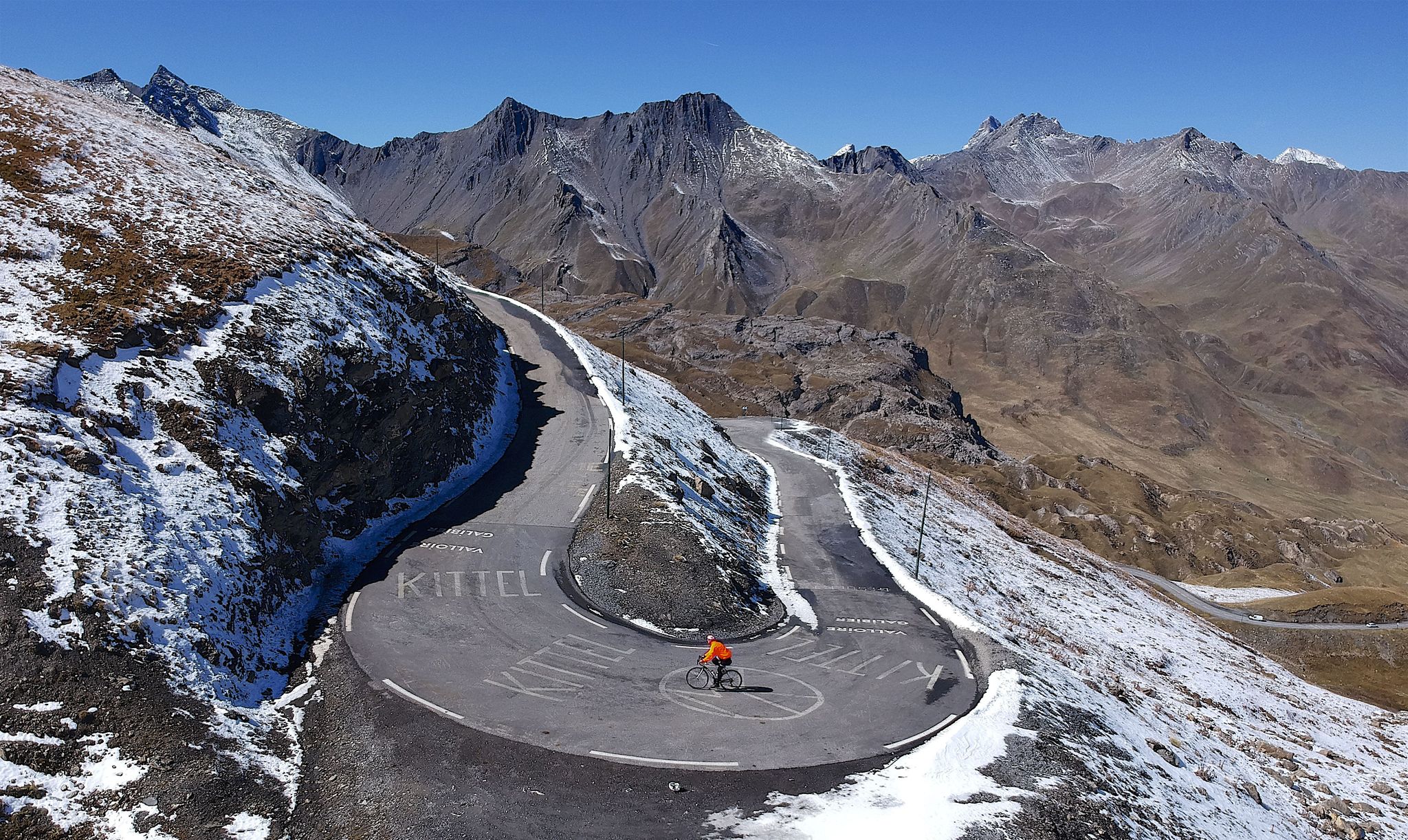
10 epic Alpine challenges
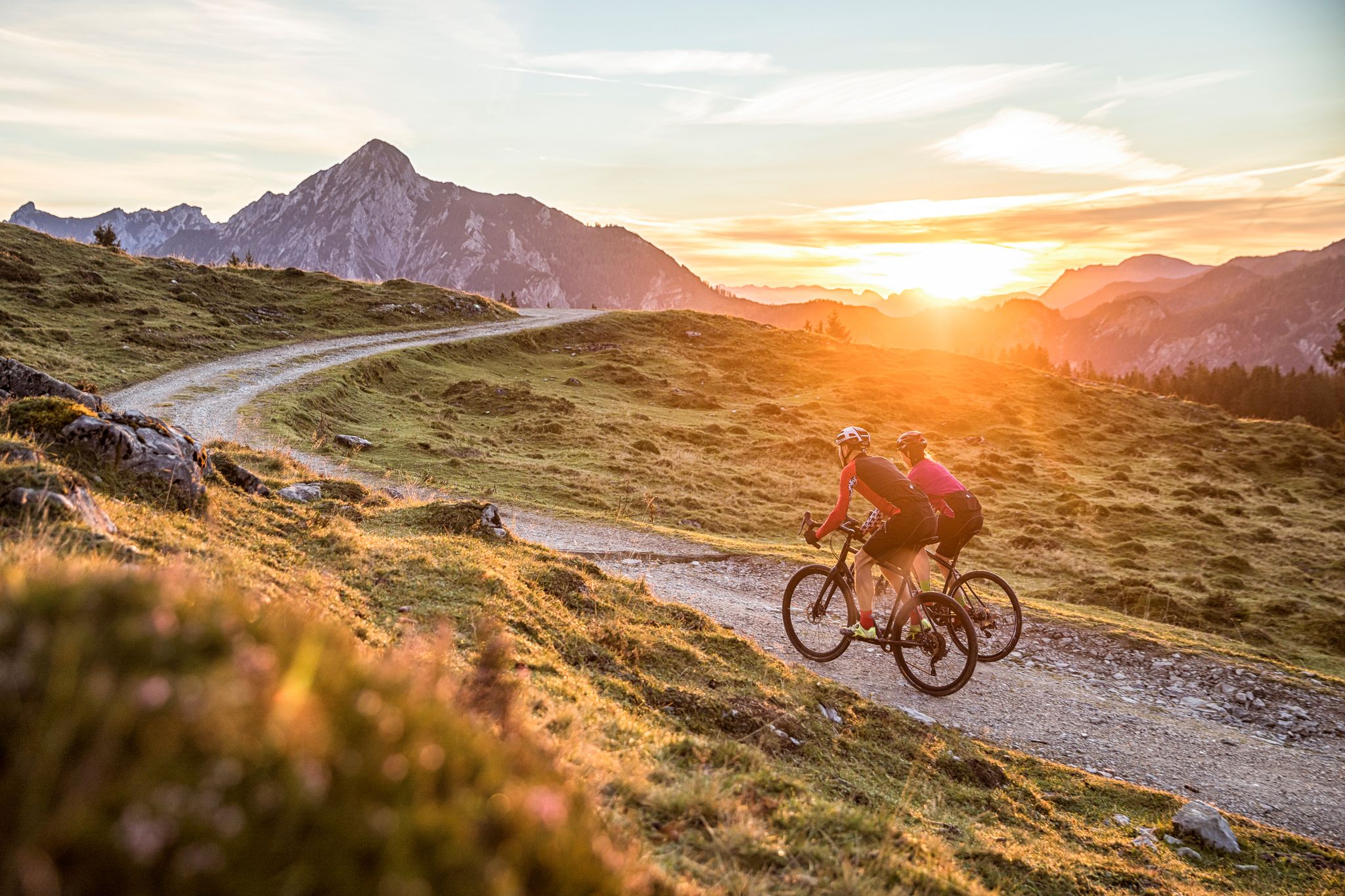
Bike Hotels im Salzburgerland
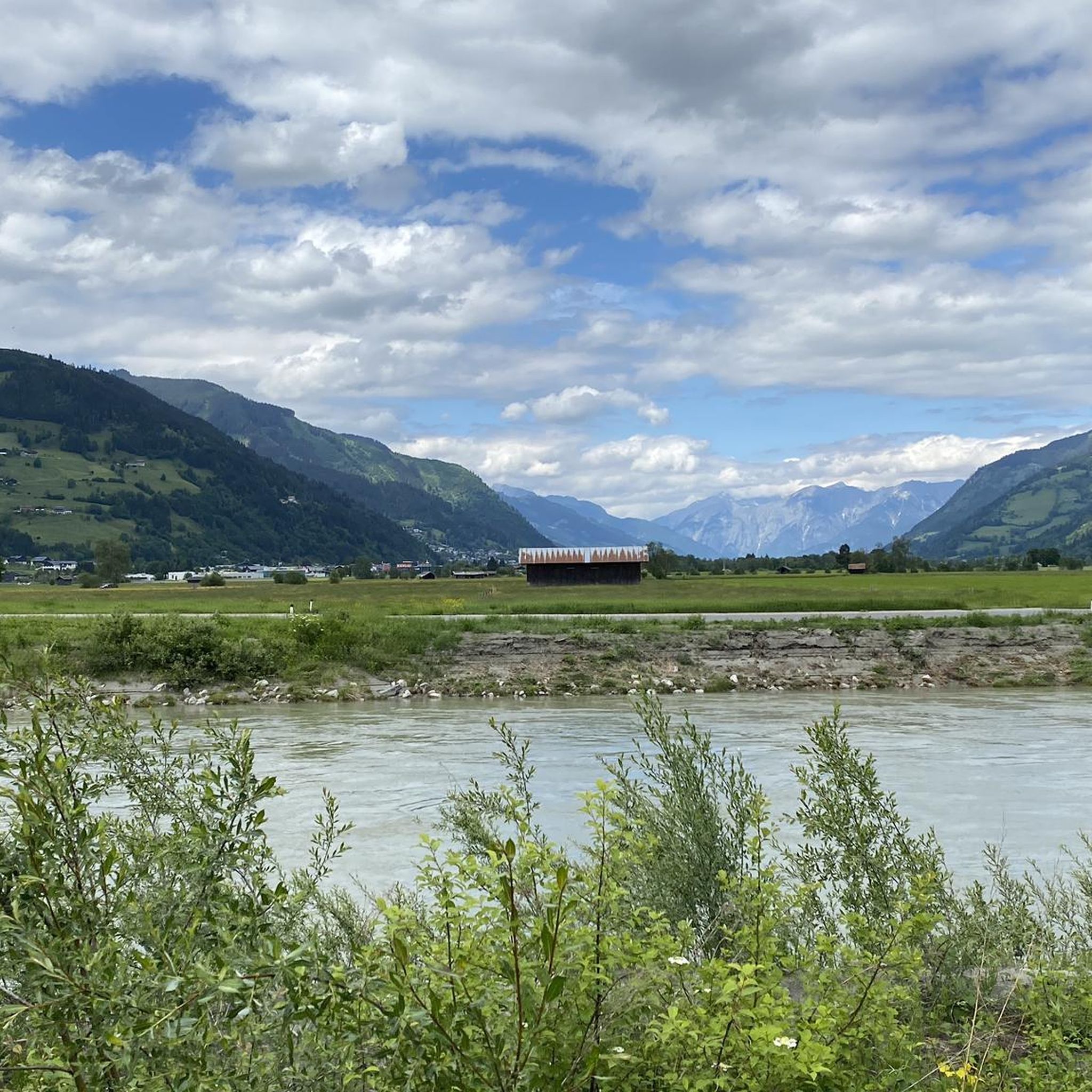
Cycling around Bruck an der Großglocknerstraße
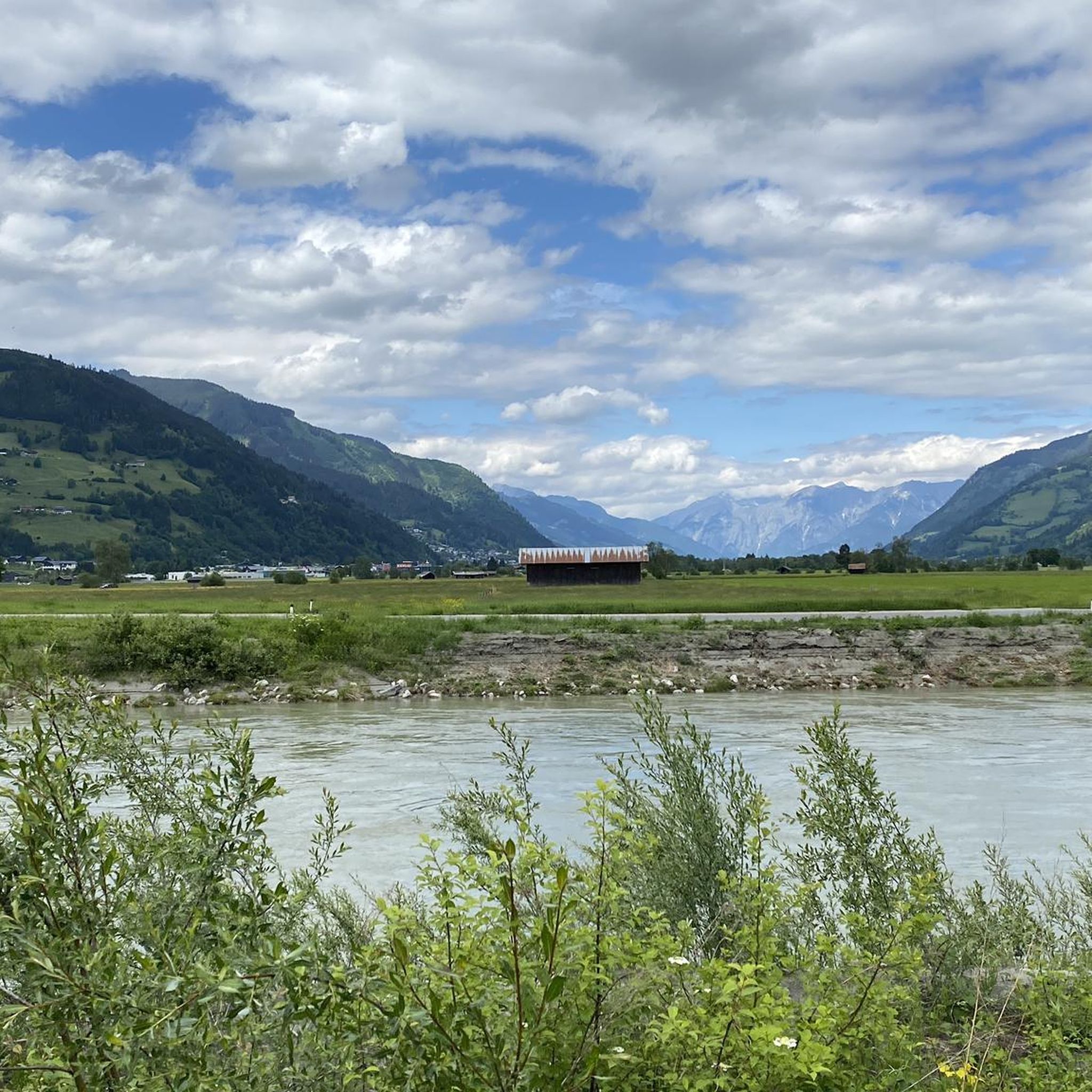
Road Cycling Routes around Bruck an der Großglocknerstraße
Other adventures around Bruck an der Großglocknerstraße


Tips from the Community

Very nice paths and good to walk
0
0

You should take your time and enjoy
0
0

Important to know: Entrance fee per adult 10 €
0
0

It is not a waterfall. It is the overflow of the Klammsee. A dam wall for the power plant group's own use plant in Kaprun. Beautifully embedded at the end of the gorge.
1
1

It marks the end of the gorge, so to speak. Beautiful view of the Klammsee, round the lake is worthwhile.
2
0

At the end of the gorge is the small dam of the Klammsee. An absolute highlight like the whole gorge. 😎
2
0

Exit of the gorge and beginning of the Klammsee
1
0
Frequently Asked Questions
What are some unique natural monuments to visit near Bruck an der Großglocknerstraße?
The region offers diverse natural monuments. You can explore the impressive Kitzlochklamm Gorge with its towering rock faces and an ancient hermitage, or experience the thundering waterfalls and dramatic rock formations of Sigmund Thun Gorge. For breathtaking alpine scenery, the Großglockner High Alpine Road itself is considered a significant natural monument, offering panoramic views of numerous three-thousand-meter peaks.
Are there family-friendly natural monuments around Bruck an der Großglocknerstraße?
Yes, several natural monuments are suitable for families. Lake Klamm offers swimming opportunities and easy walks. Both the Sigmund Thun Gorge and Kitzlochklamm Gorge are considered family-friendly, featuring well-developed trails, and the Sigmund Thun Gorge even has a playground and Kneipp facility near the Klammsee.
What kind of natural features can I expect to see when visiting these monuments?
You can expect to see a wide range of natural features, including dramatic gorges with steep rock faces and roaring waters, impressive waterfalls like the Krimml Waterfalls (Europe's largest), serene alpine lakes such as Lake Klamm, and majestic alpine landscapes with panoramic views of high peaks, especially along the Großglockner High Alpine Road and within the Hohe Tauern National Park.
What outdoor activities can I do near these natural monuments?
The area around Bruck an der Großglocknerstraße is ideal for various outdoor activities. You can find numerous MTB trails, running trails, and road cycling routes. Hiking is particularly popular, with trails ranging from easy strolls around lakes and through gorges to challenging climbs in the Hohe Tauern National Park.
Are there hiking trails near these natural monuments?
Yes, hiking is a primary way to experience these natural wonders. You can hike along the Sigmund Thun Gorge and around the turquoise Klammsee, or explore the Kitzlochklamm Gorge, which also serves as a starting point for longer hikes. The Krimml Waterfalls also feature a dedicated hiking trail to experience their full grandeur. For more extensive options, the Hohe Tauern National Park offers countless trails.
What is the best time of year to visit the natural monuments around Bruck an der Großglocknerstraße?
The best time to visit is generally from late spring to early autumn (May to October). During this period, most attractions like the Großglockner High Alpine Road and the gorges are open, and the weather is favorable for outdoor activities. Some gorges, like the Kitzlochklamm, typically open from Mother's Day (early May) to late September or mid-October.
How long does it take to visit the gorges?
A visit to the Sigmund Thun Gorge itself is relatively short, but it's highly recommended to combine it with a walk around the Klammsee, which takes about an hour in total. The hike through the Kitzlochklamm Gorge typically takes about 1 to 1.5 hours.
Are there any historical or cultural aspects to these natural monuments?
While primarily natural, some sites have historical elements. The Kitzlochklamm Gorge features an impressive hermitage and footbridges and tunnels that date back to the 16th century. The region's history is also intertwined with the development of routes like the Großglockner High Alpine Road, which opened up access to the high alpine environment.
Can I bring my dog to these natural monuments?
Many outdoor areas in the region are dog-friendly, especially hiking trails in the Hohe Tauern National Park. However, specific rules may apply to individual attractions like gorges or waterfalls. It's advisable to check the specific regulations for each monument before your visit, as some may require dogs to be on a leash or may have restricted access.
What are the Krimml Waterfalls, and how can I visit them?
The Krimml Waterfalls are Europe's largest and the world's fifth-highest waterfalls, cascading 380 meters over three stages. They are located within the Hohe Tauern National Park. A well-maintained hiking trail allows visitors to walk alongside the falls and experience their powerful force and refreshing spray. They are a significant natural spectacle and a must-visit attraction in the wider region.
Are there facilities like parking or restaurants near the natural monuments?
Yes, most major natural monuments have visitor facilities. For instance, the Kitzlochklamm Gorge has a large parking lot at its entrance. Near the Sigmund Thun Gorge and Klammsee, you can find a hut offering drinks and snacks. Along the Großglockner High Alpine Road, there are numerous viewpoints, restaurants, and visitor centers. It's always a good idea to check specific opening times and availability before your trip.
What makes the Hohe Tauern National Park significant for natural monuments?
The Hohe Tauern National Park, the largest in the Alps, forms the impressive backdrop for many natural monuments around Bruck an der Großglocknerstraße. It's a vast natural paradise preserving untouched nature, vibrant alpine meadows, ancient forests, and majestic peaks. Its protected status ensures the preservation of diverse geological formations and ecosystems, making it a prime area for experiencing the raw beauty of the Austrian Alps.
Most popular routes around Bruck an der Großglocknerstraße
Most popular attractions around Bruck an der Großglocknerstraße

Get inspired with the komoot mobile app


Explore more
Extend your search for the best caves by checking out these guides of the top ones around Bruck an der Großglocknerstraße:
