Top 20 Natural Monuments around Straning-Grafenberg
Natural monuments around Straning-Grafenberg offer a diverse landscape in Lower Austria, characterized by rolling hills and dense forests. This region is notable for its unique geological formations, including ancient granite remnants shaped by millions of years of natural processes. Visitors can explore sites that provide insights into Earth's geological past and offer scenic outdoor experiences. The area combines natural beauty with opportunities for hiking and appreciating significant natural landmarks.
Best natural monuments around Straning-Grafenberg
- The most popular natural monuments is…
Last updated: August 17, 2026
Roseldorf Rest Area and Biotope
Highlight • Natural Monument
Translated by Google •
Tip by

Maria-Bründl Spring and the Lourdes Grotto
Highlight • Religious Site
Translated by Google •
Tip by

Sign up now to discover places like this
Get recommendations on the best single tracks, peaks, & plenty of other exciting outdoor places.
Sign up for free
Amethyst World Maissau
Highlight • Natural Monument
The largest exposed amethyst vein in the world! The Maissau amethyst is a real rarity, a so-called "gang or ribbon amethyst". In total, there are only about twenty …
Translated by Google •
Tip by

Libellenteich and Alte Kuh Boulder
Highlight • Natural Monument
Translated by Google •
Tip by

Silberne Eiche Natural Monument
Highlight • Natural Monument
Translated by Google •
Tip by

Sign up for free to discover even more natural monuments around Straning-Grafenberg.
Sign up for free
Already have an account?
Start today with a free account
Your next adventure awaits.
Login or Signup
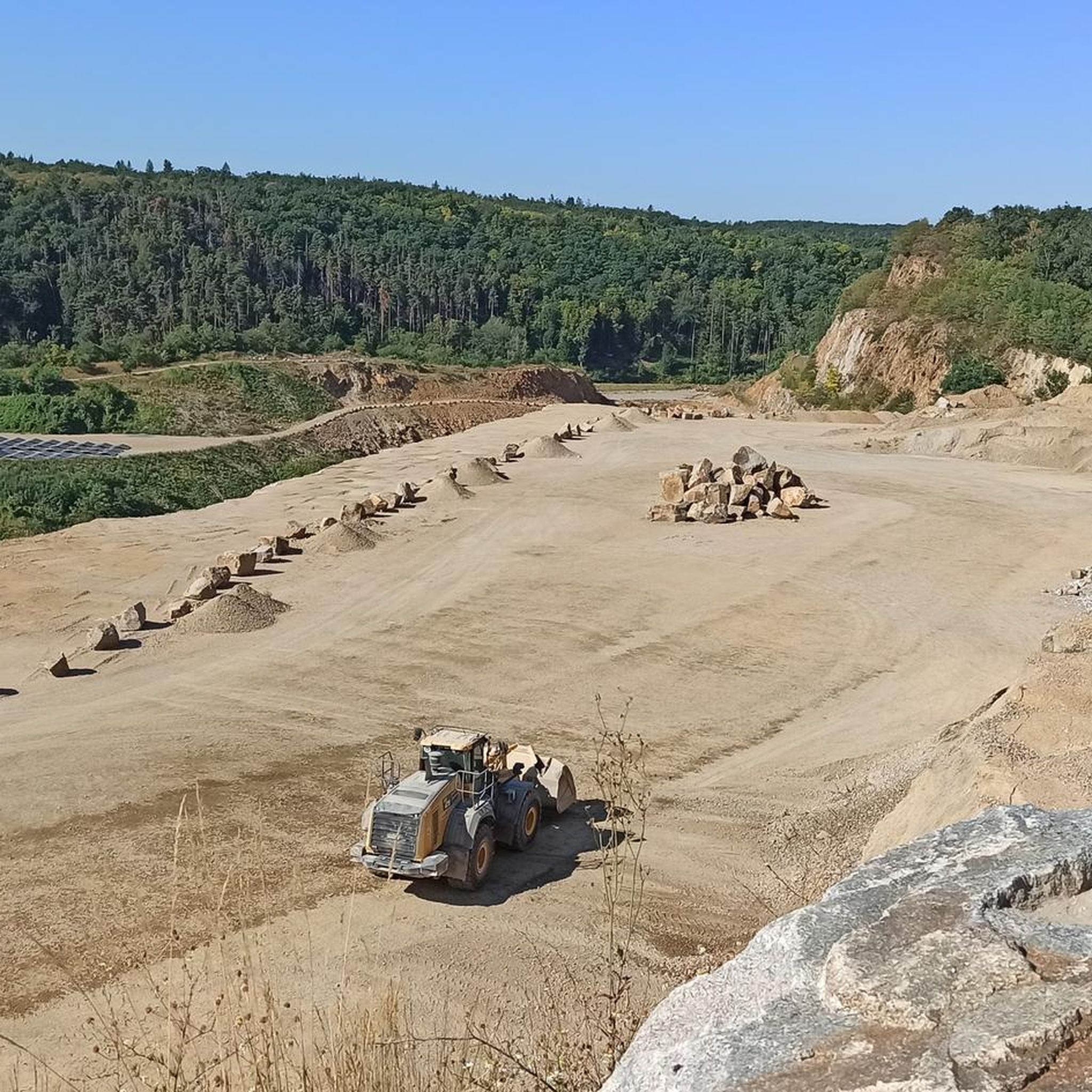
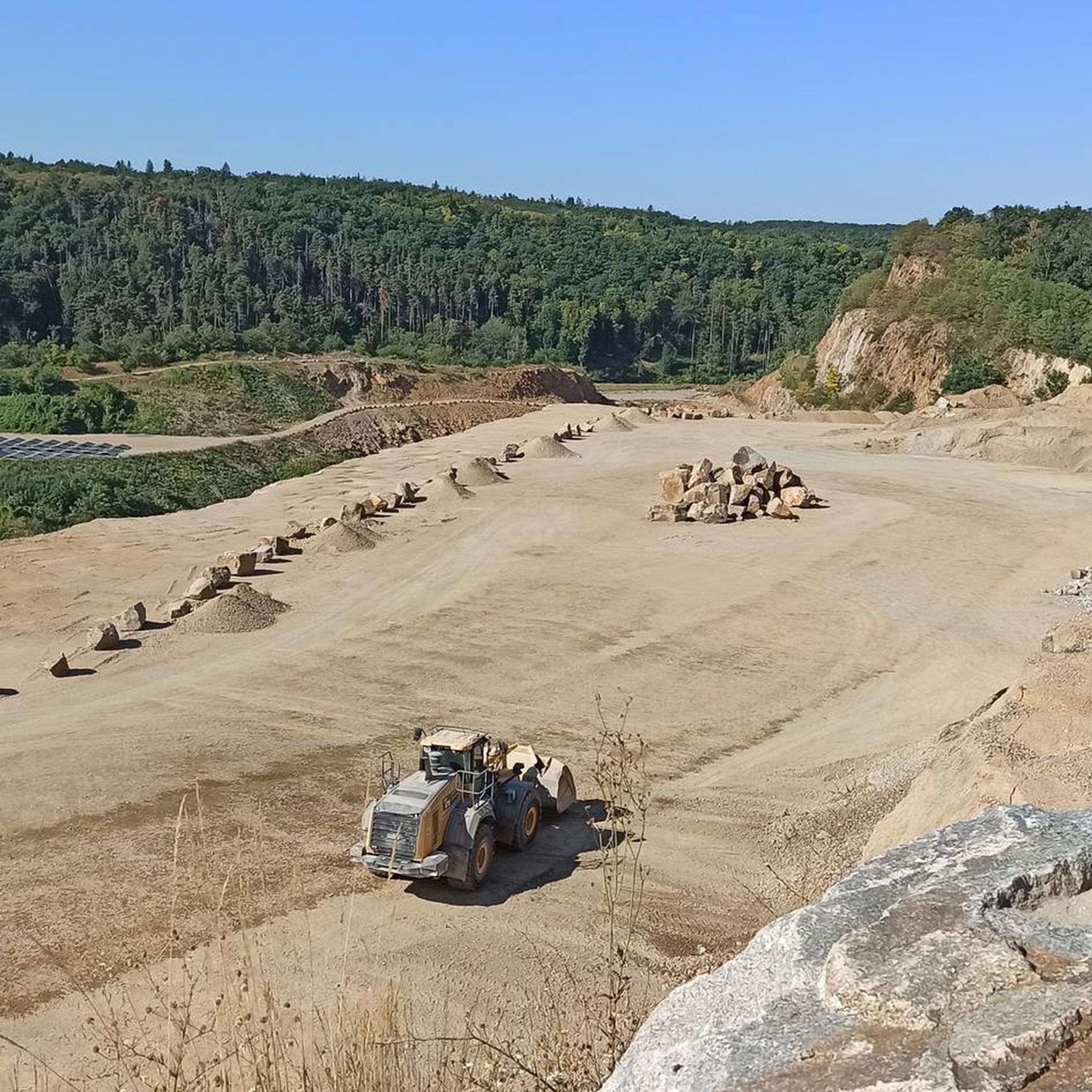
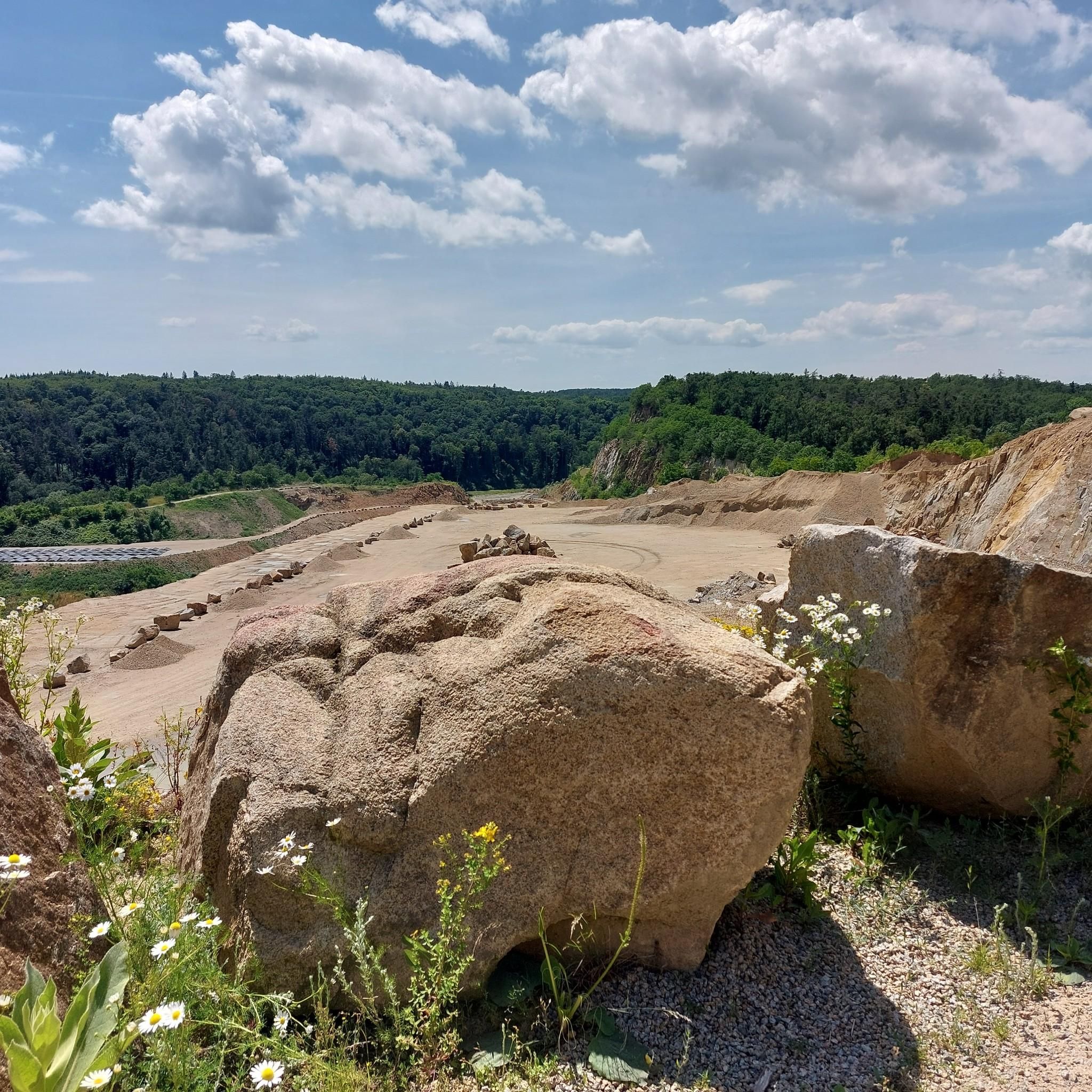
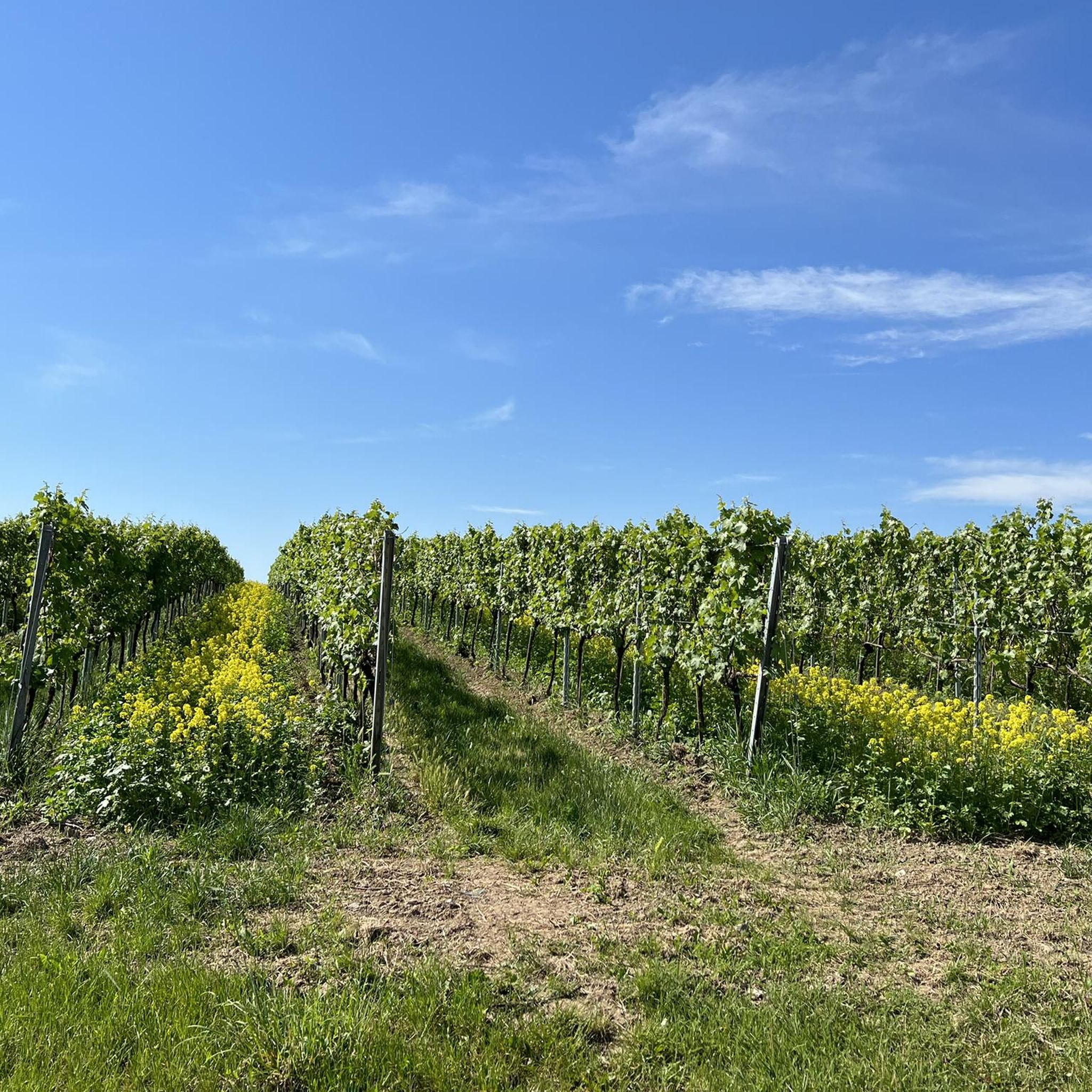

Tips from the Community

Rest area with a huge stone table and a small biotope, behind it a small wooden bridge
0
0
A very idyllic place!
0
0

Nice stop with a huge stone table. Wetland biotope, small bridge and a nice opportunity for a detour through almost invisible path along the small stream.
0
0

From here you can quickly reach the summit cross of the Manhartsberg!
0
0

Very interesting tours and the highlight for my children and me - searching for amethyst in the earth ❤️
0
0

A journey of knowledge through the gemstone house of the Amethyst World Maissau - free audio guide
0
0

The oak tree stands on the state road 1238 at the point where you can also get to Zemling via the flat summit of the Manhartsberg. It is decorated with a statuette of the Holy Mary. According to legend, a disgraced Swedish officer fled from being shot at this spot during the Thirty Years' War. Out of gratitude, he later shot a silver bullet into the trunk of the oak tree. https://de.wikipedia.org/wiki/Silberne_Eiche
0
0
Hundreds of people came to the Pulkauer Bründl on Tuesday, July 2, 2024 for the traditional Pulkauer Bründlfest - the patron saint's day "Visitation of Mary" and the 300th anniversary of the pilgrimage chapel.
0
0
Frequently Asked Questions
What are the most prominent geological formations in Straning-Grafenberg?
The region is renowned for its unique granite remnants, particularly the Kogelsteine and the Feenhaube (Fairy Hood). These formations are a result of the "Diendorfer Störung" fault zone and millions of years of weathering, creating distinct cuboid and tower-like shapes, including features like "Der Wächter" and "Der Pilz".
Are there any natural monuments with historical or legendary significance?
Yes, the Silberne Eiche Natural Monument is protected due to a legend from the Thirty Years' War, where a Swedish officer allegedly hid in its branches and later shot a silver bullet into the tree out of gratitude. The ancient granite formations like the Kogelsteine also carry local legends.
What kind of natural habitats can I explore in the area?
You can visit the Roseldorf Rest Area and Biotope, which was created as a retention basin and now serves as a habitat for local wildlife, including birds and frogs. Another notable spot is the Libellenteich and Alte Kuh Boulder, a nature conservation project designed as a retreat for endangered animal species.
Are there family-friendly natural monuments to visit?
Absolutely. The Amethyst World Maissau is an excellent family destination, offering guided tours of the world's largest exposed amethyst vein and opportunities for children to dig for treasures. The Roseldorf Rest Area and Biotope and the Libellenteich and Alte Kuh Boulder are also suitable for families, providing serene natural settings.
What outdoor activities can I do near the natural monuments?
The region offers numerous opportunities for outdoor enthusiasts. You can explore various hiking trails, including easy routes like the "Kogelsteine – Feenhaube Rock Formation loop from Stoitzendorf." For more options, check out the Easy hikes around Straning-Grafenberg guide. There are also road cycling and running trails available; find more details in the Road Cycling Routes and Running Trails around Straning-Grafenberg guides.
Can I see unique geological formations like the Wackelstein (Rocking Stone) in the area?
Yes, within the cluster of granite blocks at the Kogelsteine, you can find a Wackelstein (Rocking Stone). This boulder, formed by spheroidal weathering, can be gently moved with human effort, offering a fascinating example of natural erosion.
Is there a natural monument with religious significance?
Yes, the Maria-Bründl Spring and the Lourdes Grotto is a pilgrimage site featuring a baroque chapel, an open wooden St. Mary's Chapel, and a small Lourdes grotto with a supposedly miraculous healing source. The entire system is surrounded by Stations of the Cross.
What is the best time of year to visit the natural monuments around Straning-Grafenberg?
The natural monuments and surrounding trails are enjoyable throughout the warmer months, from spring to autumn, when the weather is pleasant for hiking and exploring. The diverse landscapes are particularly picturesque during these seasons, offering great opportunities for photography.
What kind of geological history do the Kogelsteine and Feenhaube represent?
The Kogelsteine and Feenhaube are geological marvels that provide a tangible link to Earth's ancient past. Their origins trace back approximately 500 million years during the mountain-building phases of the Bohemian Massif, showcasing impressive results of prolonged geological processes and natural weathering.
Are there any easy hiking trails to reach the natural monuments?
Yes, there are several easy hiking trails that allow you to explore the natural monuments. For instance, the "Kogelsteine – Feenhaube Rock Formation loop from Stoitzendorf" is an easy route. You can find more accessible options in the Easy hikes around Straning-Grafenberg guide.
What makes the Venusstein (Split Stone) at Kogelsteine unique?
The Venusstein (The Venus Stone), also known as the Spaltstein (Split Stone), is a particularly enchanting feature at the Kogelsteine. Observing the sunrise through its natural crack during the summer solstice is a notable and unique event.
Most popular routes around Straning-Grafenberg
Most popular attractions around Straning-Grafenberg

Get inspired with the komoot mobile app


Explore more
Extend your search for the best caves by checking out these guides of the top ones around Straning-Grafenberg:
