Top 20 Natural Monuments around Schönberg am Kamp
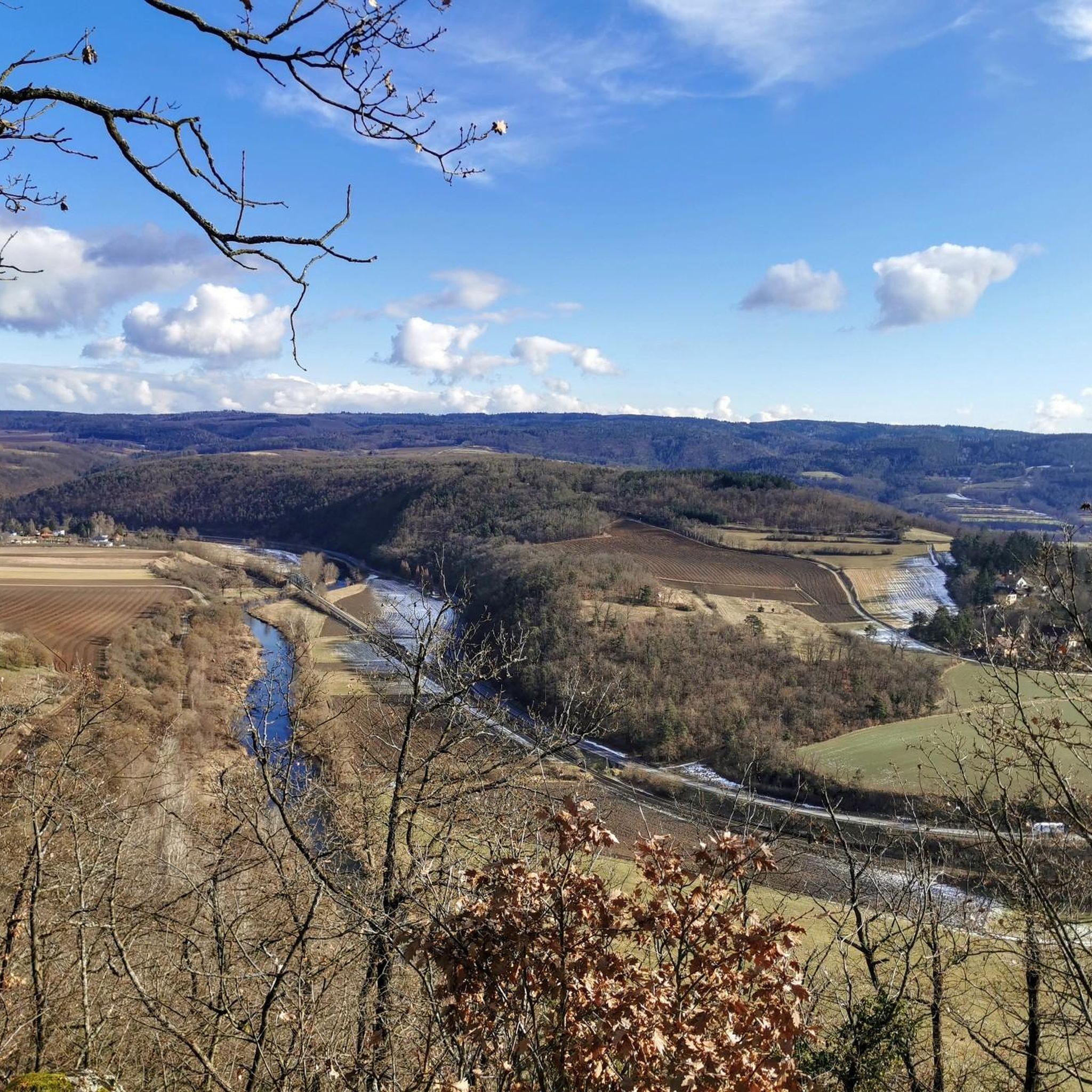
Best natural monuments around Schönberg am Kamp are primarily found within the Kamptal-Schönberg Nature Park, Lower Austria's second-largest nature park. This region features the meandering Kamp River, extensive vineyards, and the forested slopes of the Manhartsberg mountain range. Diverse habitats like dry grasslands and riparian forests contribute to its ecological richness. These natural features offer scenic beauty, recreational opportunities, and educational value for visitors.
Best natural monuments around Schönberg am Kamp
- The most popular natural monuments is Taffa Valley,…
Last updated: June 24, 2026
Arche Noah Botanical Garden
Highlight • Natural Monument
Tasks of the association are the preservation of …
Translated by Google •
Tip by

Amethyst World Maissau
Highlight • Natural Monument
The largest exposed amethyst vein in the world! The Maissau amethyst is a real rarity, a so-called "gang or ribbon amethyst". In total, there are only about twenty …
Translated by Google •
Tip by

Sign up now to discover places like this
Get recommendations on the best single tracks, peaks, & plenty of other exciting outdoor places.
Sign up for free
Libellenteich and Alte Kuh Boulder
Highlight • Natural Monument
Translated by Google •
Tip by

Taffa Valley
Highlight (Segment) • Trail
Translated by Google •
Tip by

Silberne Eiche Natural Monument
Highlight • Natural Monument
Translated by Google •
Tip by

Sign up for free to discover even more natural monuments around Schönberg am Kamp.
Sign up for free
Already have an account?
Start today with a free account
Your next adventure awaits.
Login or Signup

Tips from the Community

A very idyllic place!
0
0

From here you can quickly reach the summit cross of the Manhartsberg!
0
0

Very interesting tours and the highlight for my children and me - searching for amethyst in the earth ❤️
0
0

A journey of knowledge through the gemstone house of the Amethyst World Maissau - free audio guide
0
0

The oak tree stands on the state road 1238 at the point where you can also get to Zemling via the flat summit of the Manhartsberg. It is decorated with a statuette of the Holy Mary. According to legend, a disgraced Swedish officer fled from being shot at this spot during the Thirty Years' War. Out of gratitude, he later shot a silver bullet into the trunk of the oak tree. https://de.wikipedia.org/wiki/Silberne_Eiche
0
0

It is protected as a natural monument because, according to legend, a disgraced Swedish officer was able to hide in the branches of an oak tree at this spot during the Thirty Years' War and thus escape being shot. As a thank you, he is said to have later shot a silver bullet into the tree. Rumor has it that the silver bullet is still hidden under a root.
1
0

The nature conservation project “Libellenteich” was built in 2003 by the Hengl company around the old rocking stone “Alte Kuh”. In 2004, the Hengl company received the nature conservation award for this.
0
0

Here you hike along meadow and forest paths along the Taffa, which winds its way through the valley, and are surprised by gigantic rock formations. Fallen trees, weirs, ruins, beavers, bridges over islands, there is a lot to discover, very idyllic! Good footwear is necessary, sometimes slippery on stones and leaves when wet, fallen trees have to be avoided or climbed over, not suitable for strollers, no place to stop for refreshments along the way.
1
2
Frequently Asked Questions
What unique natural features can I explore in Schönberg am Kamp?
The region is defined by the Kamptal-Schönberg Nature Park, featuring the meandering Kamp River, extensive vineyards, and the forested slopes of the Manhartsberg mountain range. You can discover unique geological sites like Amethyst World Maissau, which boasts the world's largest exposed amethyst vein, or the tranquil Taffa Valley with its gigantic rock formations and idyllic river scenery.
Are there family-friendly natural monuments in the area?
Yes, several natural monuments are suitable for families. The Arche Noah Botanical Garden is a great option, offering a show garden and an extensive archive of endangered crop diversity. Amethyst World Maissau is also highly recommended for families, with guided tours and a treasure digging field. Additionally, the Libellenteich and Alte Kuh Boulder provide an idyllic spot for relaxation and exploration.
What kind of hiking trails can I find near Schönberg am Kamp's natural monuments?
The Kamptal-Schönberg Nature Park offers a variety of trails, including educational 'discovery trails' along the Kamp River, through the Manhartsberg forests, and amidst the vineyards. For specific natural monuments, the Taffa Valley offers romantic paths along the Taffa river. You can find many hiking routes in the region, including easy and moderate options, by exploring the hiking guides for Schönberg am Kamp.
Can I go cycling near the natural monuments?
Absolutely. The region is well-suited for cycling, with routes that take you through vineyards, along the Kamp River, and past various natural sights. You can find numerous MTB, touring bicycle, and road cycling routes around Schönberg am Kamp. For example, there are routes like the 'Vineyard Trail – Barbara Spring loop' or the 'Bicycle Bridge Over the Kamp – Kamp Valley Riverside Trail loop'. Explore more options in the cycling guides for Schönberg am Kamp.
Are there any historical natural monuments in Schönberg am Kamp?
Yes, the region combines natural beauty with historical elements. The Amethyst World Maissau is a geological site with a rich history, where guided tours delve into the amethyst's past significance. Another example is the Silberne Eiche Natural Monument, an ancient oak tree with a legend dating back to the Thirty Years' War.
What is the best time of year to visit the natural monuments around Schönberg am Kamp?
The natural monuments in Schönberg am Kamp offer scenic beauty that changes with the seasons. Spring and autumn are particularly popular for hiking and cycling due to pleasant temperatures and vibrant colors in the forests and vineyards. Summer provides lush greenery and opportunities to enjoy the river landscapes, while winter can offer a peaceful, tranquil experience, though some paths might be more challenging.
Are there any viewpoints offering scenic views of the natural landscape?
Yes, the region offers several spots with magnificent views. The circular hiking trail on the Manhartsberg provides splendid panoramas. Additionally, the Libellenteich and Alte Kuh Boulder is noted as a viewpoint, and the Silberne Eiche Natural Monument also offers views of the surrounding forest and landscape.
What makes the Kamptal-Schönberg Nature Park special?
The Kamptal-Schönberg Nature Park is Lower Austria's second-largest nature park, covering approximately 25 km². It's special for its diverse landscapes, including the meandering Kamp River, extensive vineyards, and the forested Manhartsberg. It also encompasses unique habitats like dry grasslands, meadows, and riparian forests, contributing to its ecological richness and offering both recreational and educational value through its various discovery trails.
Are there opportunities for wildlife spotting in the nature park?
Yes, the diverse habitats within the Kamptal-Schönberg Nature Park, such as riparian forests, dry grasslands, and meadows, support a variety of plant and animal life. While specific wildlife sightings are never guaranteed, these unique ecosystems provide excellent opportunities for observing local flora and fauna, especially along the river and forest discovery trails.
Is there parking available at the natural monuments?
While specific parking details for every natural monument are not provided, popular attractions like Amethyst World Maissau and the Arche Noah Botanical Garden typically offer visitor parking. For trails and more remote natural features within the nature park, designated parking areas are usually available at trailheads or nearby villages.
Can I bring my dog to the natural monuments and trails?
Many outdoor areas and trails in the Kamptal-Schönberg Nature Park are dog-friendly, allowing you to explore with your canine companion. However, it's always advisable to keep dogs on a leash, especially in nature protection zones or near wildlife, and to check specific regulations for indoor attractions or botanical gardens like Arche Noah Botanical Garden before your visit.
Are there any educational trails in the Kamptal-Schönberg Nature Park?
Yes, the Kamptal-Schönberg Nature Park is known for its educational 'discovery trails' (Lehrpfade). These include a dedicated River Discovery Trail (Flusslehrpfad) along the Kamp, a Forest Discovery Trail (Waldlehrpfad) in the Manhartsberg forests, and a Wine Discovery Trail (Weinlehrpfad) through the vineyards. These trails provide insights into the local flora, fauna, geology, and cultural landscape.
What kind of geological sites can I visit?
The most prominent geological site is Amethyst World Maissau, home to the world's largest exposed amethyst vein. Here, you can take guided tours through an amethyst gallery and even try treasure digging. Another interesting geological feature is the Alte Kuh Boulder, a mighty granite structure with energetic properties, located near the Libellenteich.
Most popular routes around Schönberg am Kamp
Most popular attractions around Schönberg am Kamp

Get inspired with the komoot mobile app


Explore more
Extend your search for the best caves by checking out these guides of the top ones around Schönberg am Kamp:
