Top 10 Mountain Passes in South Korea
Best mountain passes in South Korea traverse a predominantly mountainous terrain, offering routes with historical significance and natural beauty. Many passes are now integrated with modern infrastructure, while others retain their traditional character. These routes provide insights into the country's geography and past transportation networks. The landscape features diverse natural elements, from lush valleys to panoramic views.
Best mountain passes in South Korea
- The most popular mountain passes is Seohu Gogae Pass, a mountain_pass that features a short but…
Last updated: August 17, 2026
Daemihwajeong Pass
Highlight (Segment) • Mountain Pass
Tip by

Seohu Gogae Pass
Highlight (Segment) • Mountain Pass
Tip by

Sign up now to discover places like this
Get recommendations on the best single tracks, peaks, & plenty of other exciting outdoor places.
Sign up for free
Baekdudaegan Pass
Highlight • Mountain Pass
Translated by Google •
Tip by

Malguri Pass
Highlight (Segment) • Mountain Pass
Tip by
Ihwaryeong Pass Certification Center
Highlight • Rest Area
- I'm not afraid of Lee Hwa-ri, road condition
Translated by Google •
Tip by

Yeomti Pass (R.T.C. Route)
Highlight • Mountain Pass
- It is nice to visit Cheongnamdae ("Cheongnamdae"), and go to Seongnam-ke near Cheongnamdae.
Translated by Google •
Tip by
Baehuryeong Pass Climb
Highlight (Segment) • Climb
Tip by

Partnership Nod
Highlight • Mountain Pass
Translated by Google •
Tip by

Myojeongnyeong Pass
Highlight • Mountain Pass
Translated by Google •
Tip by
Gravel Pass in the Mountains
Highlight (Segment) • Mountain Pass
Tip by
Sign up for free to discover even more mountain passes in South Korea.
Sign up for free
Already have an account?
Start today with a free account
Your next adventure awaits.
Login or Signup
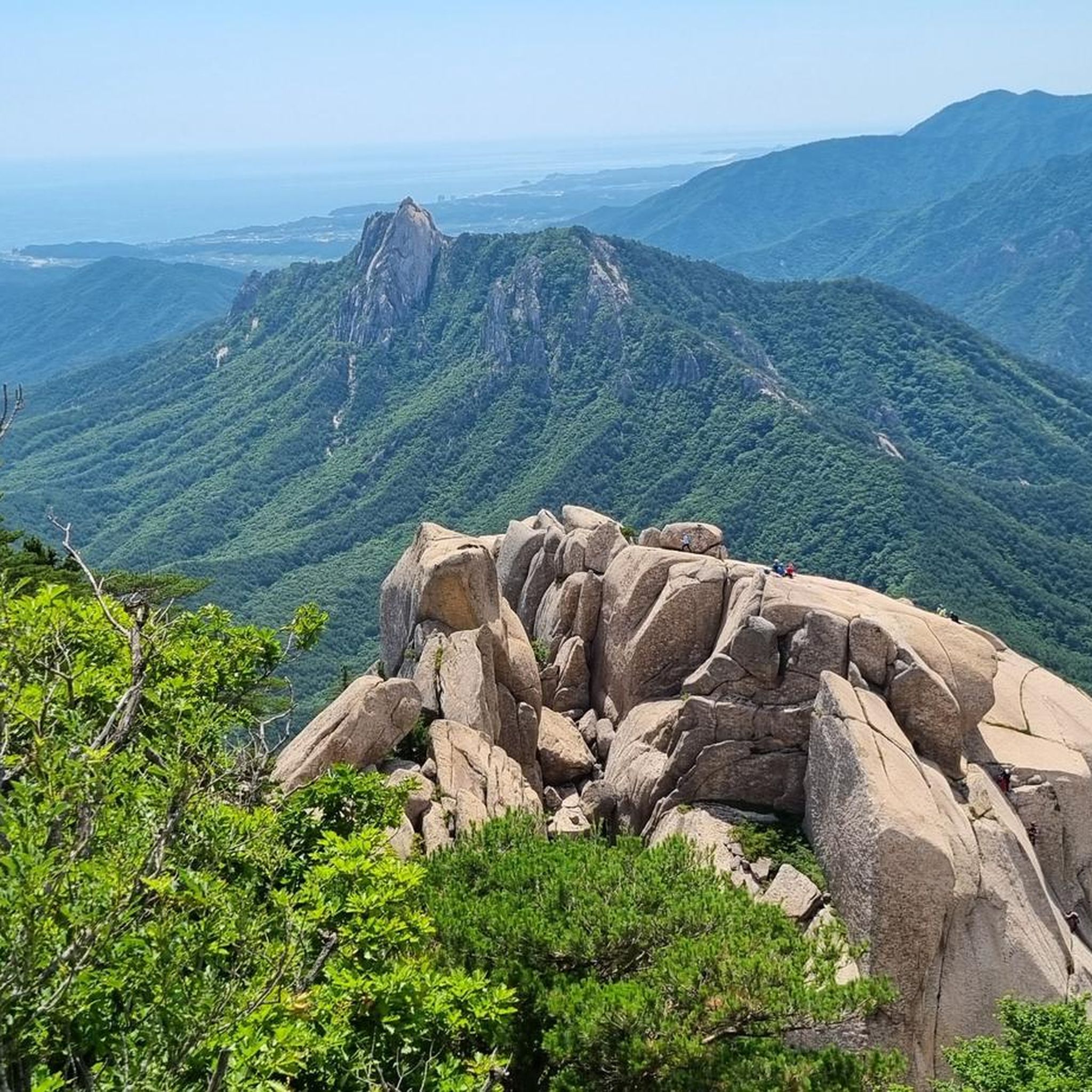
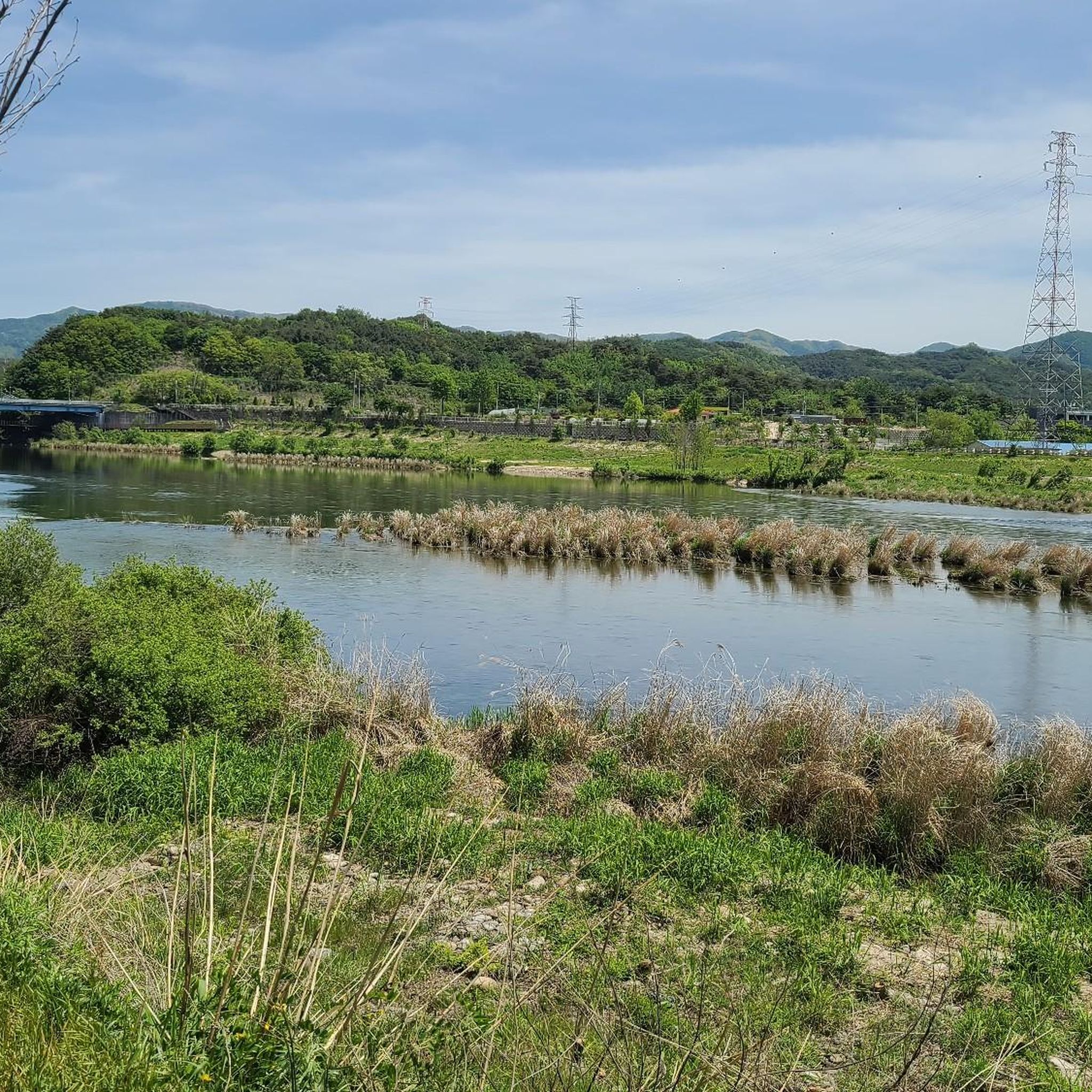
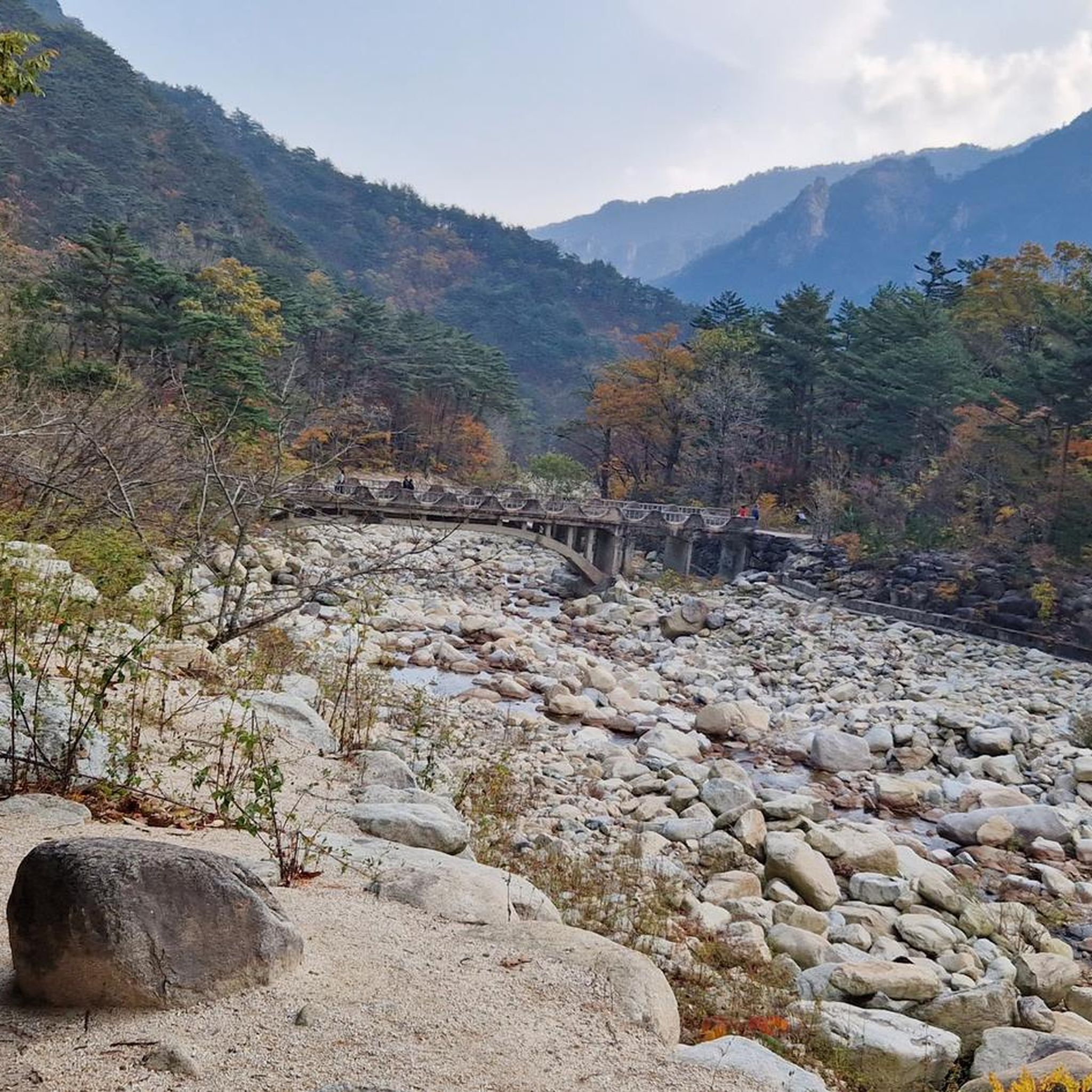
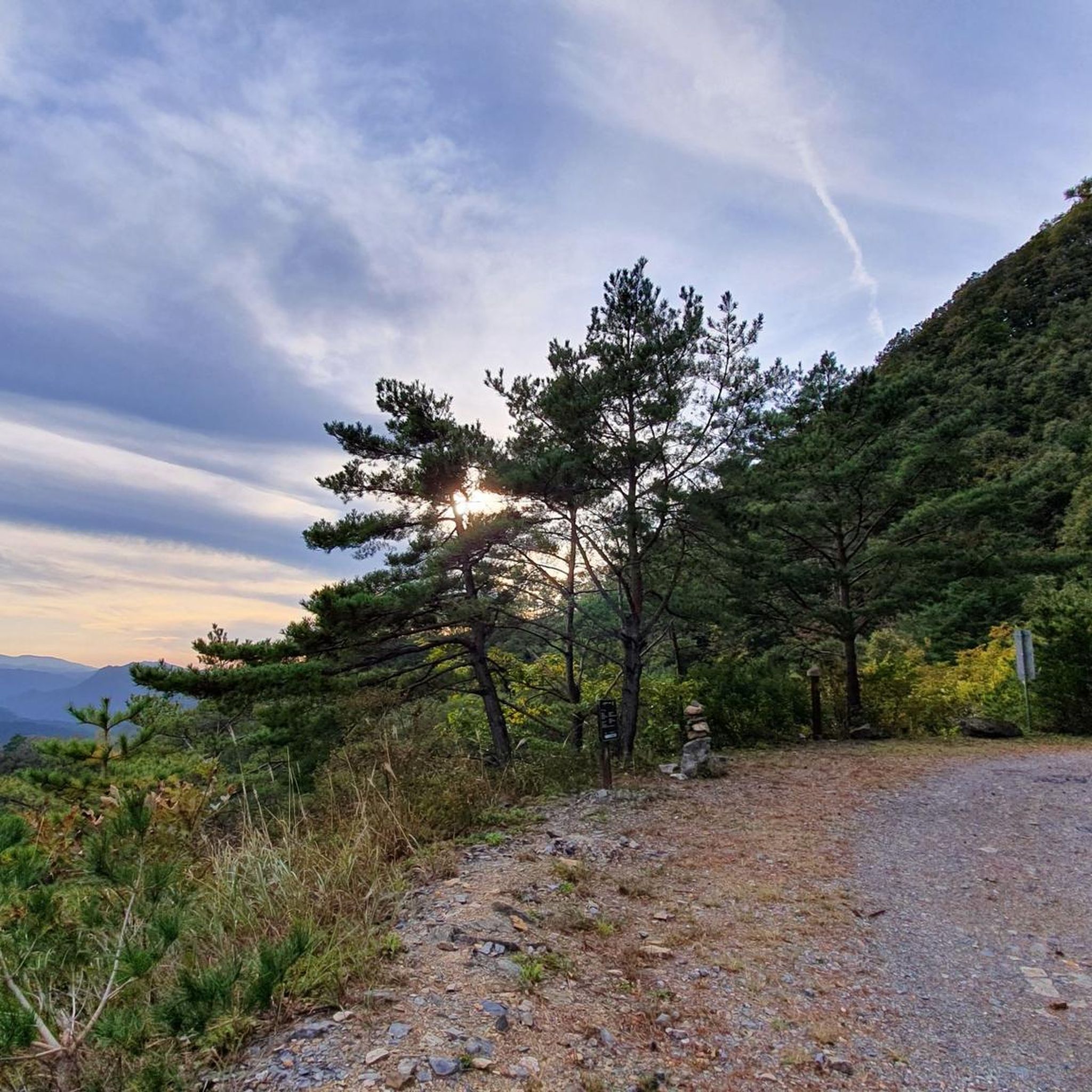

Tips from the Community


The most unforgettable checkpoint in the Seoul to Busan ride.
1
0

Mudeungsan is a mountain in Jeollanam-do Province, South Korea. It is known for its breathtaking landscapes and rich flora and fauna. The mountain is a popular destination for hikers and cyclists who want to experience the beauty of Korea's nature. The tunnel on Mudeungsan is an interesting feature of the mountain. It offers cyclists and hikers the opportunity to cross the mountain without climbing to the summit. The tunnel is located at an altitude of approximately 530 m and offers breathtaking views of the surrounding landscape. Mudeungsan is a great place for cyclists and hikers who want to experience the beauty of Korea's nature. The tunnel on the mountain is an interesting feature that makes the mountain a popular destination. If you are near Gakseo-ri, you should definitely visit Mudeungsan.
0
0

If you go right from Myojeokryeong Ijeongseok, you will go towards Yeongju, Gyeongsangbuk-do. If you go left for 80 meters, you will come across Myojeoryeong Ijeongmok. If you go left, you will go towards Danyang, Chungcheongbuk-do. Transportation towards Yeongju is better.
0
0
A hill at 1,300 meters above sea level that connects Gongjeong-ri, Anseong-myeon, Muju-gun and Byeonggok-ri, Buksang-myeon, Geochang-gun. The Byeonggok-ri area is currently a non-legal trail and the hiking trail is well maintained, but there is little traffic and the grass is overgrown. You can enjoy raw trout at Byeonggok Raw Fish Restaurant located at the end of the Byeonggok-ri hiking trail.
0
0

magnificent view with a store to restock water and snacks
1
0

this is a steep climb and it sent at consistently 8% (with some sections a bit above). but there is a nice 2 hour hike at the top to Obongson mountain, and the road is in good shape, very quiet, with a climbing lane for the climber.
0
0
Frequently Asked Questions
What are some historically significant mountain passes in South Korea?
South Korea's mountain passes are rich in history. Mungyeong Saejae is renowned for preserving the old road between Seoul and Busan from the Joseon Dynasty, featuring three historic gates. Haneuljae, also known as Gyerimnyeong, is one of the oldest passes, dating back to 156 AD and important for the diffusion of Buddhism. Jungnyeong also played a crucial role in connecting eastern and western regions and held religious significance.
Which mountain passes offer the best views in South Korea?
Many passes provide stunning vistas. Baekdudaegan Pass is noted for its magnificent views. Daegwallyeong Pass offers panoramic views of the East Sea, especially from the nearby Daegwallyeong Sheep Ranch. The View of the East Sea from Seoraksan National Park Pass Road also provides beautiful scenery.
Are there challenging mountain passes for experienced cyclists or hikers?
Yes, South Korea offers several challenging passes. Malguri Pass features a short but punchy climb with an average gradient of 9%. Seohu Gogae Pass also presents a short but steep climb with an average gradient of 10.5% over 1 km. For hikers, the region around Daegwallyeong Pass offers challenging routes like hiking at Seonjaryeong Pass.
What kind of natural features can I expect to see at South Korea's mountain passes?
You'll encounter diverse natural beauty. Mungyeong Saejae Provincial Park boasts lush valleys, waterfalls, and diverse plant life. Daegwallyeong Pass is known for its winding roads and panoramic views, transforming into a snowy landscape in winter. Haneuljae, part of Woraksan National Park, offers beautiful forest scenery. Many passes, like Partnership Nod, are also excellent viewpoints.
What outdoor activities can I do near South Korea's mountain passes?
The mountainous terrain provides ample opportunities for outdoor activities. You can find numerous hiking trails, with options ranging from moderate to difficult, such as those in the Hiking in South Korea guide. Cycling is also popular, especially on scenic routes like the historic winding roads of Daegwallyeong. For more specific cycling routes, refer to the Cycling in South Korea guide.
Are there specific hiking trails near these mountain passes?
Yes, many mountain passes serve as gateways to hiking adventures. For instance, the area around Daegwallyeong Pass is popular for hiking at Seonjaryeong Pass. You can explore various trails, including difficult routes like the 'View of Insubong Peak loop from 북한산우이' or moderate ones such as the 'Great Buddha of Sinheungsa – Seoraksan National Park loop from Seoraksan National Park', detailed in the Hiking in South Korea guide.
When is the best time to visit the mountain passes in South Korea?
The best time depends on your preferred experience. Spring and autumn offer pleasant temperatures and vibrant foliage, ideal for hiking and cycling. Summer can be warm but also brings lush greenery. Winter transforms passes like Daegwallyeong into snowy landscapes, earning it the nickname 'Alps of Korea,' making it suitable for winter sports enthusiasts.
Can I find places to rest or get refreshments at these passes?
Yes, some passes offer facilities for visitors. Seohu Gogae Pass has popular rest stops with shops and cafes at its base. Baekdudaegan Pass also includes facilities for restocking water and snacks, making it a convenient checkpoint for longer routes.
Are there any ancient or historically important passes besides Mungyeong Saejae?
Beyond Mungyeong Saejae, Haneuljae (Gyerimnyeong) is considered one of the oldest passes on the Korean Peninsula, dating back to 156 AD and crucial for early land transportation and the spread of Buddhism. Jungnyeong also held significant historical and religious importance, connecting regions and serving as a site for royal rites to mountain gods.
What makes Daegwallyeong Pass a popular destination?
Daegwallyeong Pass is popular for its scenic beauty and recreational opportunities. Its historic winding roads are now ideal for cycling and motorcycling, offering breathtaking views of the East Sea. The nearby Daegwallyeong Sheep Ranch is a charming attraction, and hiking at Seonjaryeong Pass is a favorite activity. In winter, it becomes a snowy wonderland, attracting visitors for its 'Alps of Korea' ambiance.
Are there mountain passes suitable for gravel riding in South Korea?
Yes, the diverse terrain includes options for gravel enthusiasts. The highlight Gravel Pass in the Mountains specifically indicates a mountain pass suitable for gravel riding, offering an intermediate trail experience.
What are some intermediate mountain passes for cycling or hiking?
For those seeking an intermediate challenge, Daemihwajeong Pass is described as a medium-steep pass on an empty road. Yeomti Pass (R.T.C. Route) and Yeohangsan Mountain Pass are also categorized as intermediate, offering balanced experiences for cyclists and hikers.
Most popular routes in South Korea
Most popular attractions in South Korea

Get inspired with the komoot mobile app


Didn’t find what you were looking for?
Find even more amazing mountain passes in South Korea organized by region:
Explore more
See even more epic mountain passes by checking out these guides in South Korea:
